What Glue Is the Strongest? The Direct Answer
For structural bonding across the widest range of materials, epoxy resin glue is generally the strongest option, since its two-part chemical curing process creates a rigid, high-tensile bond that resists shear, impact, and temperature stress better than most single-component adhesives. For small, precise repairs where an instant bond matters more than maximum load capacity, cyanoacrylate glue, commonly known as super glue, delivers the fastest and often strongest bond on non-porous surfaces like metal, hard plastic, and ceramics.
There is no single strongest glue for every situation, because bond strength depends heavily on the materials being joined, the surface preparation, and the type of stress the bond will face in use. This guide breaks down how glue strength is actually measured, compares the main adhesive categories side by side, and explains which type of glue performs best for specific materials and real-world applications.
How Glue Strength Is Actually Measured
Manufacturers describe adhesive performance using several distinct measurements, and understanding the difference is essential before comparing products by strength alone.
Tensile and Shear Strength
Tensile strength measures how much pulling force a bond can withstand before it separates, while shear strength measures resistance to sideways sliding force between two bonded surfaces. Most structural epoxies report shear strength figures in the range of 2,000 to 3,500 psi on properly prepared metal surfaces, well above typical household adhesives.
Peel and Impact Resistance
Peel strength measures resistance to a bond being pulled apart from one edge, which matters for flexible materials, while impact resistance measures how well a cured bond absorbs sudden shock without cracking. A glue with high tensile strength is not automatically strong in these other categories, which is why the right adhesive depends on the actual forces the bond will experience.
Comparing the Strongest Types of Glue
The table below compares the main adhesive categories used for high-strength bonding, based on widely published adhesive industry reference data.
Comparing common high-strength glue types by bonding characteristics
| Glue Type |
Bond Strength Profile |
Best Suited Materials |
| Epoxy resin |
Very high tensile and shear strength, rigid cured bond |
Metal, wood, concrete, fiberglass, structural repairs |
| Cyanoacrylate |
High tensile strength on smooth surfaces, low flexibility |
Metal, hard plastic, ceramics, small precise repairs |
| Polyurethane |
High strength with good flexibility and gap-filling ability |
Wood, stone, mixed material bonding, outdoor use |
| Acrylic and water-based acrylate glue |
Moderate to high strength with strong initial tack |
Tape adhesives, packaging, labels, paper and film bonding |
Factors That Affect Real-World Bond Strength
A glue's rated strength on a data sheet only reflects its performance under ideal laboratory conditions. Several practical factors determine how strong the bond actually is once applied in real use.
- Surface preparation, since dust, grease, or moisture on the bonding surface significantly weakens adhesion regardless of glue type
- Surface porosity, since porous materials like wood generally bond differently than smooth, non-porous materials like glass or metal
- Curing time and temperature, since most adhesives reach only a fraction of their rated strength before full cure is complete
- Applied clamping pressure, which affects how evenly the adhesive layer bonds across the full contact surface
- Environmental exposure after curing, since heat, moisture, and UV exposure can degrade certain adhesive types over time
Even the strongest rated glue will underperform if surface preparation and cure time are not respected, which is why following the manufacturer's application instructions matters as much as the adhesive chemistry itself.
Matching Glue Type to Material and Application
Recommended glue type by common material and application scenario
| Application |
Recommended Glue Type |
| Automobile interior parts and sealing |
Structural epoxy or polyurethane adhesive |
| Electronic component fixing and circuit board protection |
Low-viscosity epoxy or specialized electronic-grade adhesive |
| Furniture assembly and wood joints |
Polyurethane or wood-specific structural adhesive |
| Packaging tape and label adhesion |
Water-based acrylate glue for consistent tack and repositionability |
| Small ceramic or hard plastic repairs |
Cyanoacrylate for fast, precise bonding |
Curing Time and Working Time Compared
Strength and speed generally trade off against each other, and understanding this tradeoff helps set realistic expectations for a given project.
- Cyanoacrylate: bonds in seconds to a few minutes, reaching most of its final strength within 24 hours
- Standard epoxy: working time of 5 to 30 minutes depending on formulation, with full cure typically taking 24 to 72 hours
- Polyurethane: working time of 20 to 30 minutes, with full cure often extending to 24 hours or longer in humid conditions
- Water-based acrylate adhesive: builds initial tack quickly but continues to develop full bond strength over several hours
Tips for Maximizing Bond Strength
- Clean and lightly roughen smooth surfaces before applying glue to improve mechanical grip
- Apply even, moderate clamping pressure during the initial cure period rather than relying on the adhesive alone to hold parts in position
- Allow the full recommended cure time before placing significant load or stress on the bonded joint
- Store adhesives at the manufacturer's recommended temperature, since heat and humidity exposure can shorten shelf life and reduce final bond strength
Sourcing High-Strength Glue for Industrial and Consumer Applications
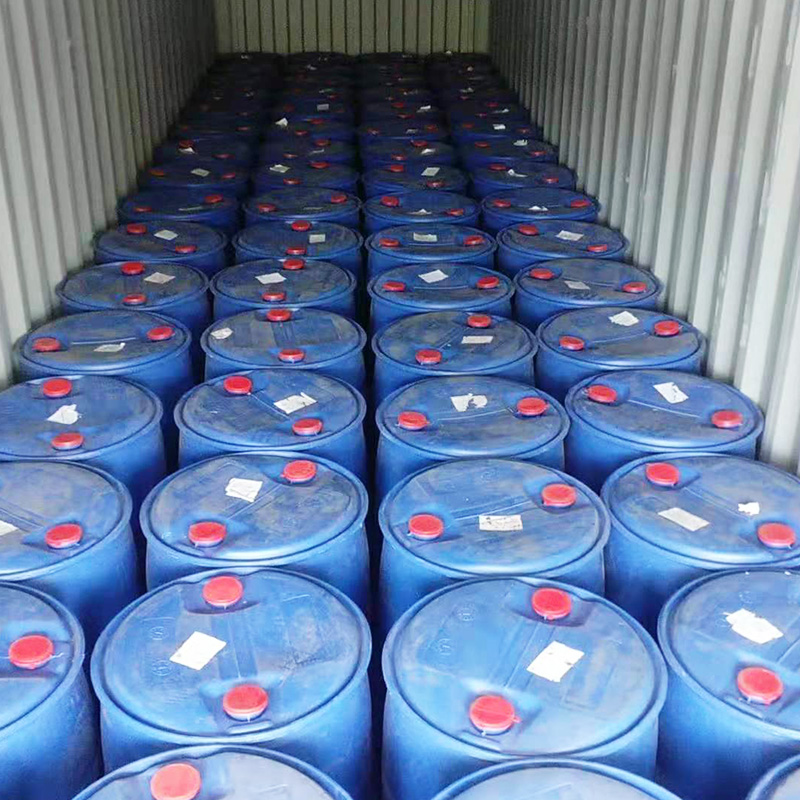
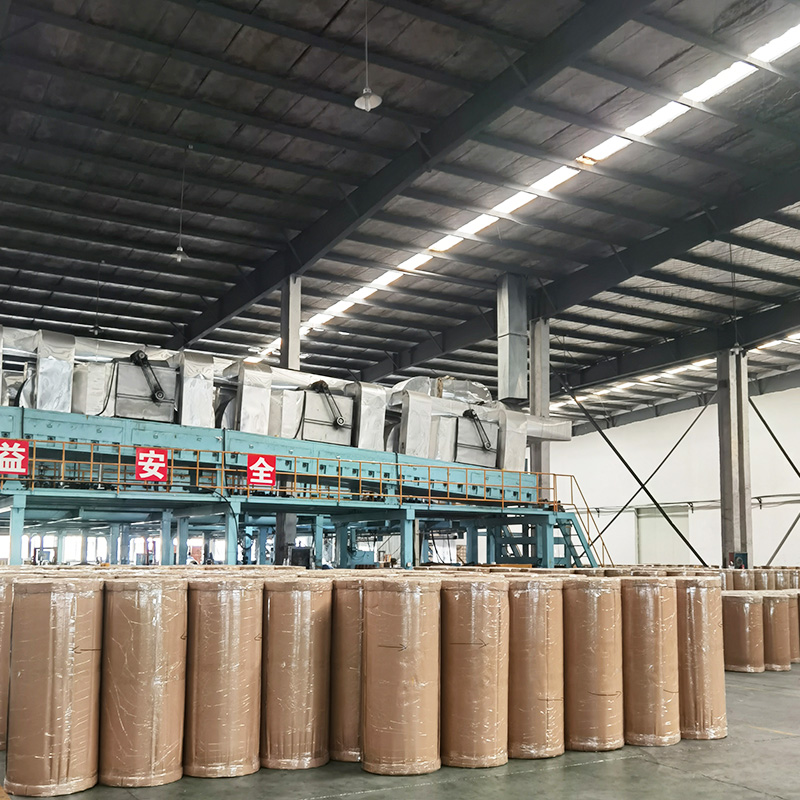
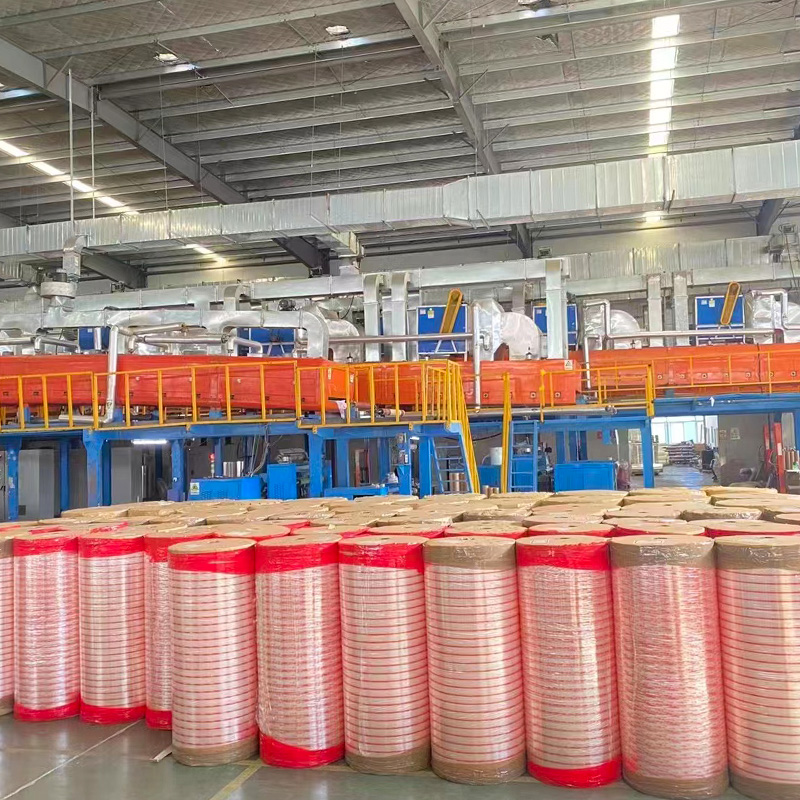
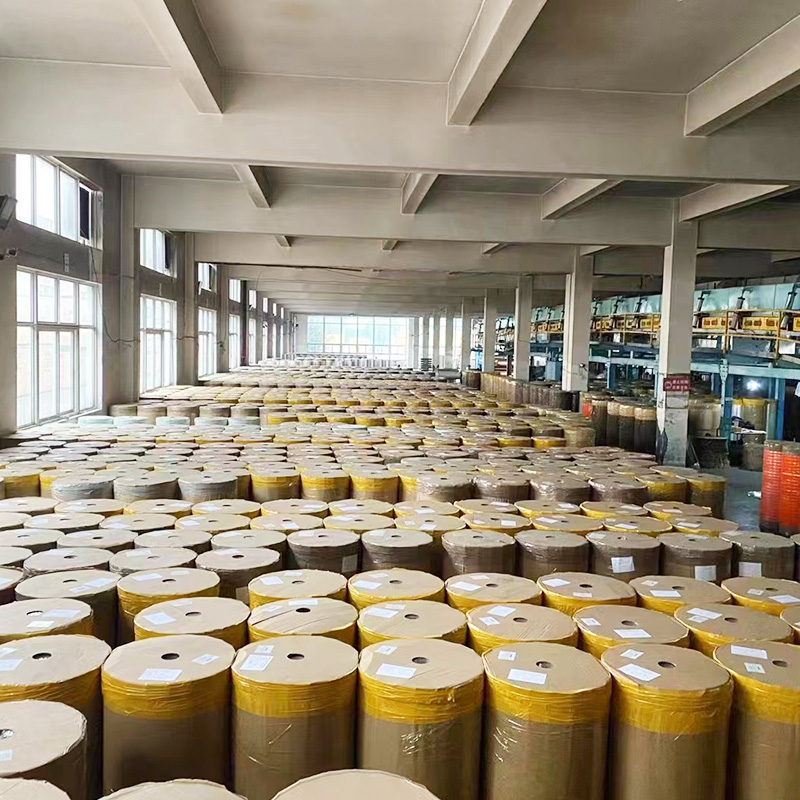
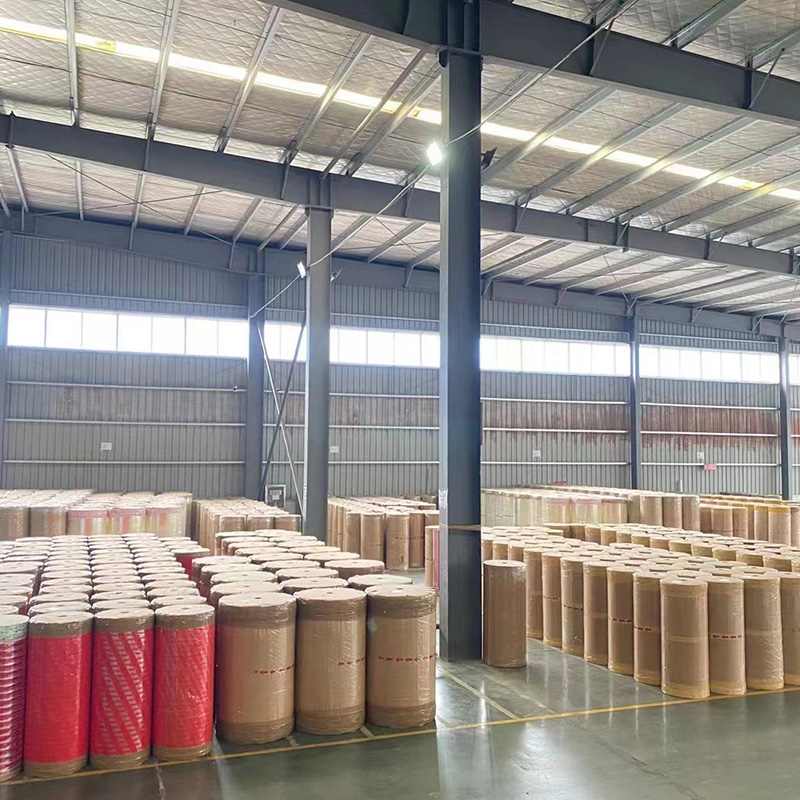
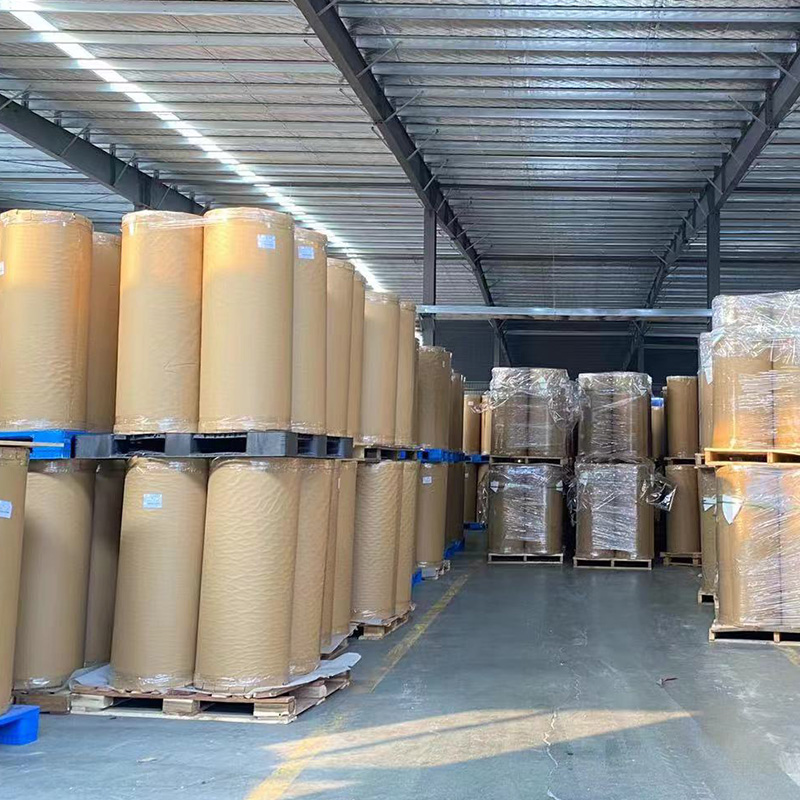
Zhejiang Baiyi Adhesive Products Co., Ltd, based in Shangyu City, Zhejiang Province, has been manufacturing adhesive products since 2005, operating an independent glue production workshop alongside its tape and film coating lines. The company produces water-based acrylate glue and acrylic water-based glue used across automobile manufacturing, electronics, and furniture production, where the adhesive is applied for bonding interior parts, fixing components, and joining wood and composite materials.
When sourcing adhesive for an industrial application, request the specific tensile and shear strength data for the exact substrate combination being bonded, since general strength ratings can vary significantly once applied to a specific real-world material pairing.


 中文简体
中文简体 Español
 عربى
عربى Biaxially Oriented Polypropylene Film
 High Quality PE Stretch Film
 Water Based Acrylate Glue
 BOPP Acrylic Jumbo Roll Tape
 BOPP Hotmelt Jumbo Roll Tape
 BOPP Solvent Jumbo Roll Tape
 BOPP Natural Rubber Jumbo Roll Tape
 BOPP Low Noise Jumbo Roll Tape
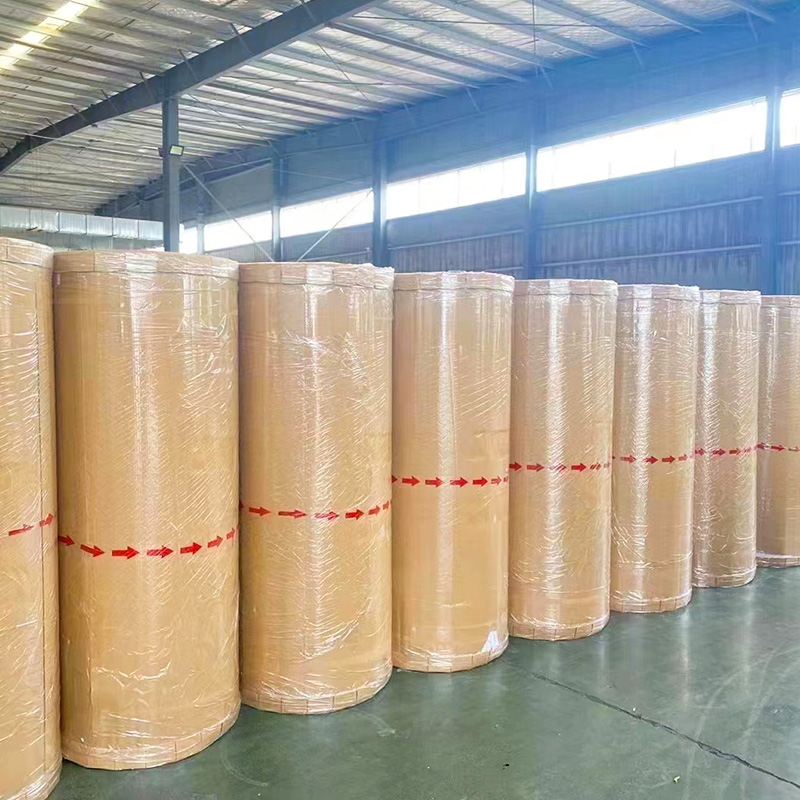 BOPP Silent Jumbo Roll Tape
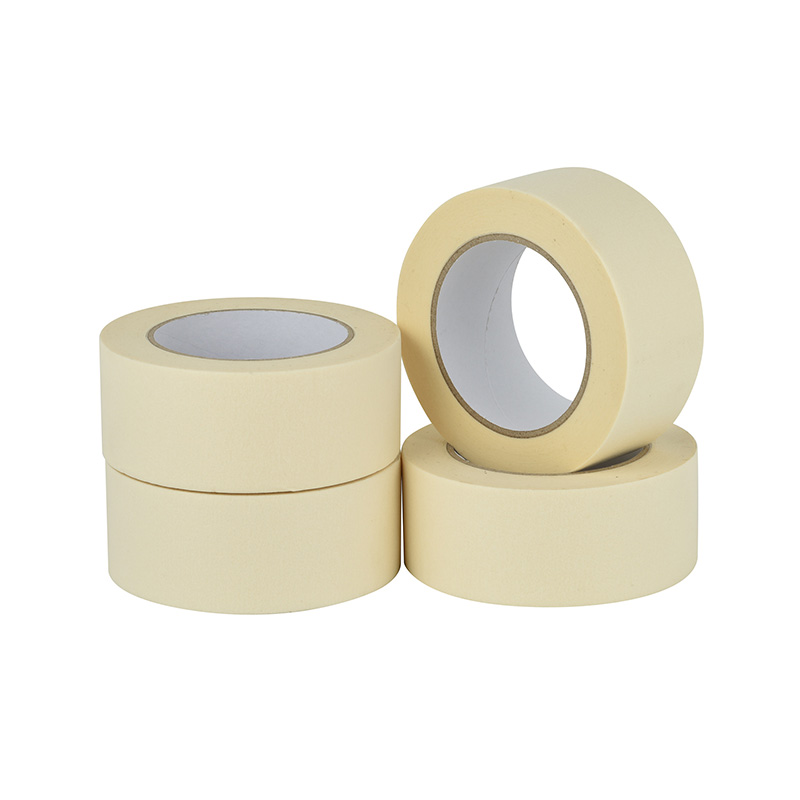 Masking Tape Jumbo Roll
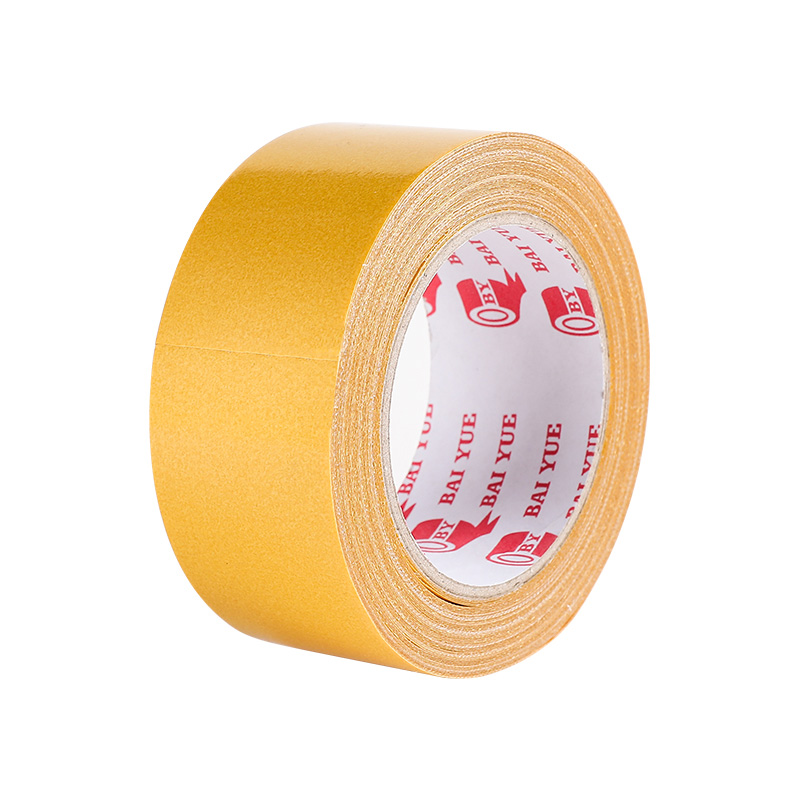 Duct Tape Jumbo Roll
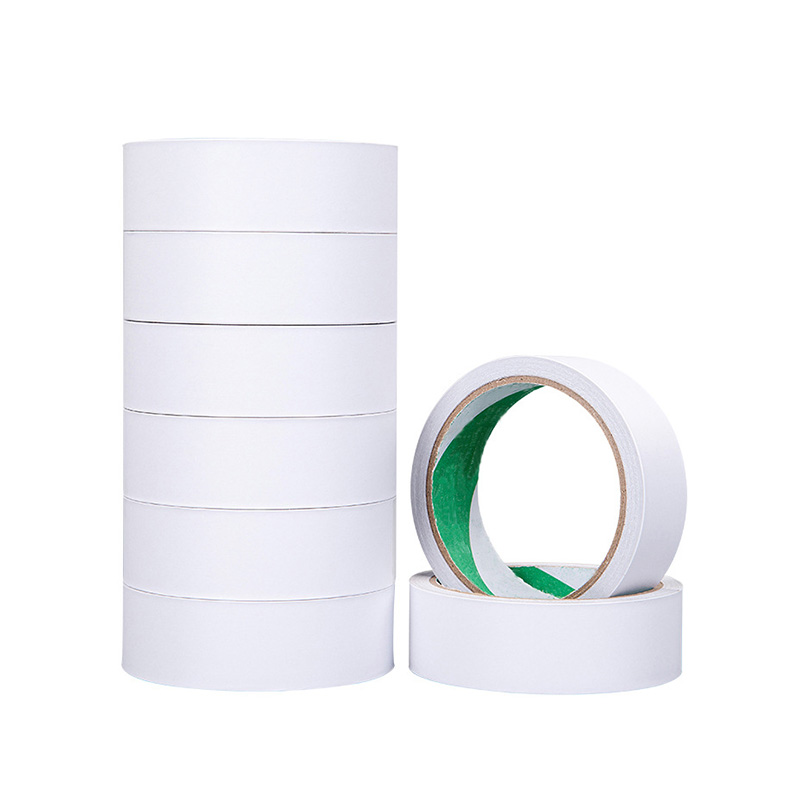 Double Side Tape Jumbo Roll
 fortuna@baiyiadhesive.com

 +86-575-82818961
 fortuna@baiyiadhesive.com
 Baiguan industrialZone,Shangyu District, Shaoxing City, Zhejiang Province, China



 浙ICP备17032394号