Laminating Sheet vs Laminating Film: What Is the Difference?
The core difference is format and scale. A laminating sheet is a pre-cut, individually sized pouch, typically matched to standard paper sizes such as A4 or letter, designed to be fed one at a time through a pouch laminator. A lamination film, by contrast, is a continuous roll of plastic film wound onto a core, fed through a roll laminator, and cut to whatever length the job requires. In short, laminating sheets are pre-sized and used for occasional, small-batch jobs, while lamination film is roll-based and built for higher-volume, continuous production.
Both formats can use the same base polymers, most commonly BOPP or PET, and both create a protective plastic layer bonded to a printed surface. The real distinction is not the plastic itself, but how it is packaged, fed into equipment, and scaled for different production volumes.
Laminating Sheet vs Lamination Film: Side-by-Side Comparison
The table below breaks down the practical differences buyers should weigh before choosing between pre-cut laminating sheets and roll-fed lamination film.
Comparison of laminating sheets and lamination film
| Factor |
Laminating Sheet |
Lamination Film |
| Format |
Pre-cut, individual pouches |
Continuous roll |
| Equipment used |
Pouch laminator |
Roll laminator |
| Best production volume |
Small, occasional batches |
Continuous, high-volume runs |
| Cost per unit at scale |
Higher |
Lower |
| Size flexibility |
Fixed to standard sizes |
Cut to any custom length |
| Typical setting |
Office, school, small print shop |
Commercial printing, packaging plants |
How Lamination Film Works
Lamination film is unwound from its roll and passed through heated rollers alongside the printed material it is protecting. Heat and pressure activate an adhesive layer on the film, bonding it permanently to the printed surface. Once cooled, the plastic layer becomes a durable, scratch-resistant, and often moisture-resistant coating over the print.
Thermal Lamination Film
Thermal lamination film requires heat, typically in the range of 100 to 150 degrees Celsius, to activate the adhesive. This produces a strong, clear bond and is the more common format used in commercial print finishing.
Cold Lamination Film
Cold lamination film uses a pressure-sensitive adhesive that bonds at room temperature, without heat. This format is preferred for heat-sensitive prints, such as certain inkjet outputs or thermal-printed labels, where high temperatures could distort the image.
Types of Lamination Film by Finish and Thickness
Beyond thermal versus cold activation, lamination film is also selected based on surface finish and thickness, both of which affect the look and durability of the finished product.
- Gloss lamination film - produces a bright, reflective finish that makes colors appear more vivid, commonly used for menus, book covers, and retail packaging.
- Matte lamination film - produces a non-reflective surface that reduces glare and fingerprints, often chosen for premium presentation folders and business cards.
- Soft-touch lamination film - adds a velvety texture to the surface, frequently used for high-end packaging and cosmetic boxes.
- Thickness in microns or mil - thinner film, around 20 to 27 microns, suits everyday documents, while thicker film, above 32 microns, is chosen for items that need to withstand repeated handling.
When to Choose Laminating Sheets vs Lamination Film
The right choice depends almost entirely on production volume and how the finished material will be used. The following scenarios illustrate typical decision points.
- Occasional office use - a small business laminating a handful of signs or ID cards each week is usually better served by pre-cut laminating sheets and a compact pouch laminator.
- Commercial print runs - a print shop producing hundreds of book covers, menus, or posters per day will find roll-fed lamination film far more cost-efficient per unit.
- Packaging and label production - manufacturers laminating flexible packaging or product labels almost always use lamination film integrated directly into a production line, rather than individual sheets.
- Custom or oversized items - lamination film can be cut to any length, making it the practical option for oversized prints that do not match standard laminating sheet dimensions.
- Mixed-size document batches - offices frequently handling documents of many different sizes may still prefer laminating sheets for their simplicity and no-setup convenience.
Key Specifications to Check Before Buying Lamination Film
Selecting the correct lamination film for a production line or print shop comes down to matching a handful of technical specifications to the intended application.
- Base material - BOPP film is valued for clarity, stiffness, and cost efficiency, while PET film offers higher heat resistance and tear strength.
- Film thickness - measured in microns or mil, thickness affects both durability and the final feel of the laminated product.
- Adhesive activation type - thermal or cold, depending on the heat sensitivity of the printed material being laminated.
- Roll width and core size - must match the specifications of the laminating machine being used on the production floor.
- Surface finish - gloss, matte, or soft-touch, chosen based on the visual and tactile requirements of the finished product.
Choosing a Reliable Lamination Film Manufacturer
Because lamination film is used across print finishing, packaging, and labeling industries, consistency in adhesive quality, film clarity, and roll dimensions matters as much as price. Buyers should look for a manufacturer with dedicated film production capacity, an in-house glue formulation team, and enough manufacturing scale to support both trial orders and large recurring volumes.
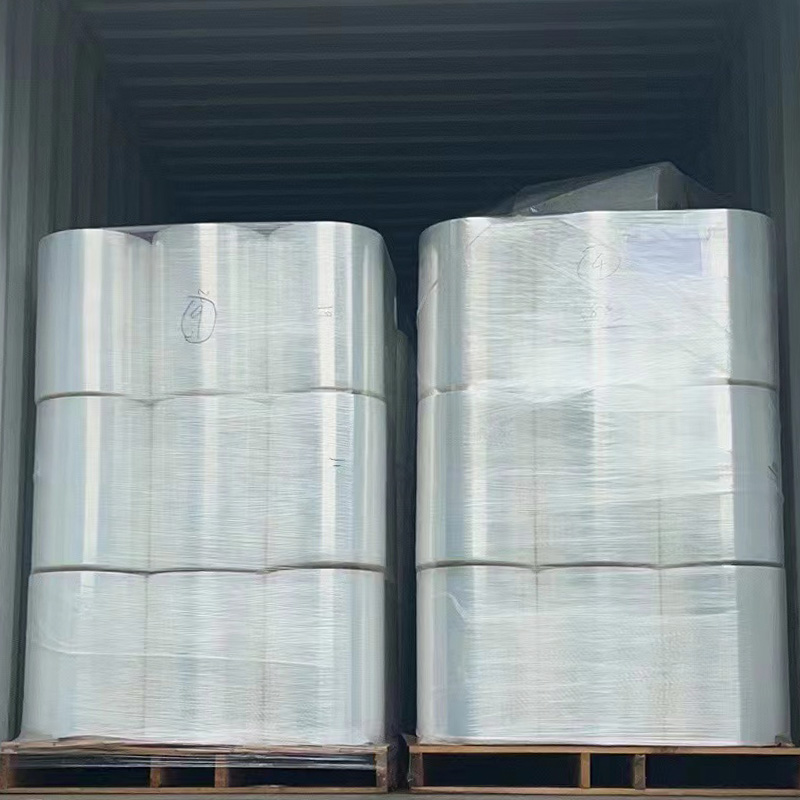
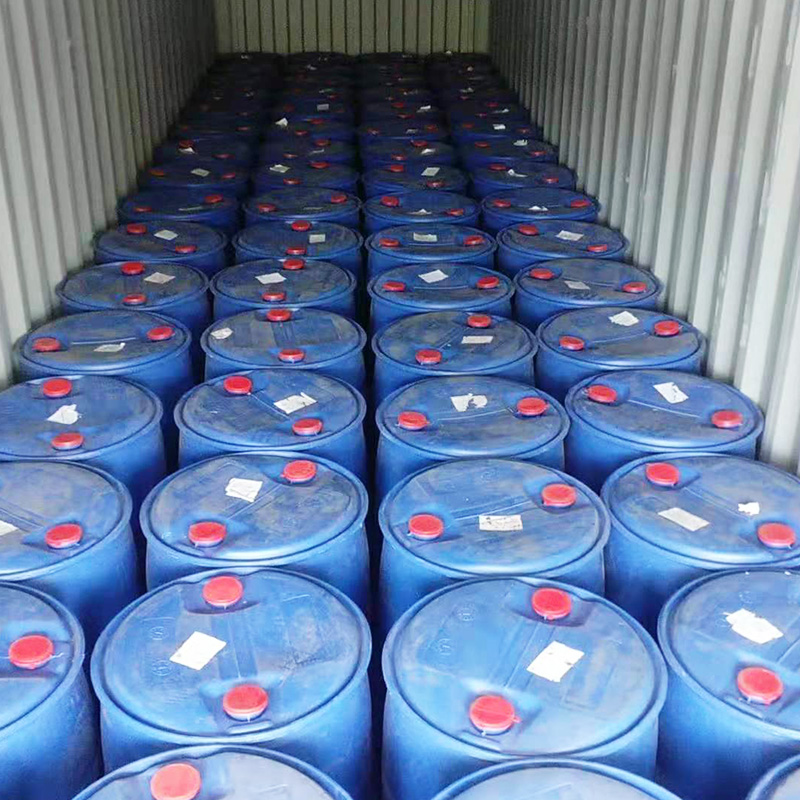
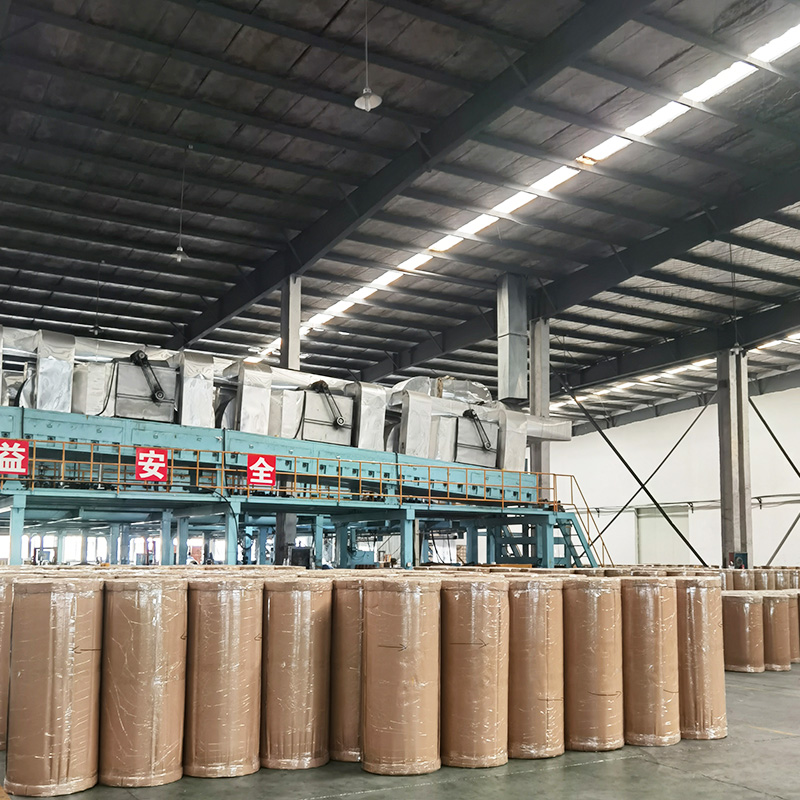
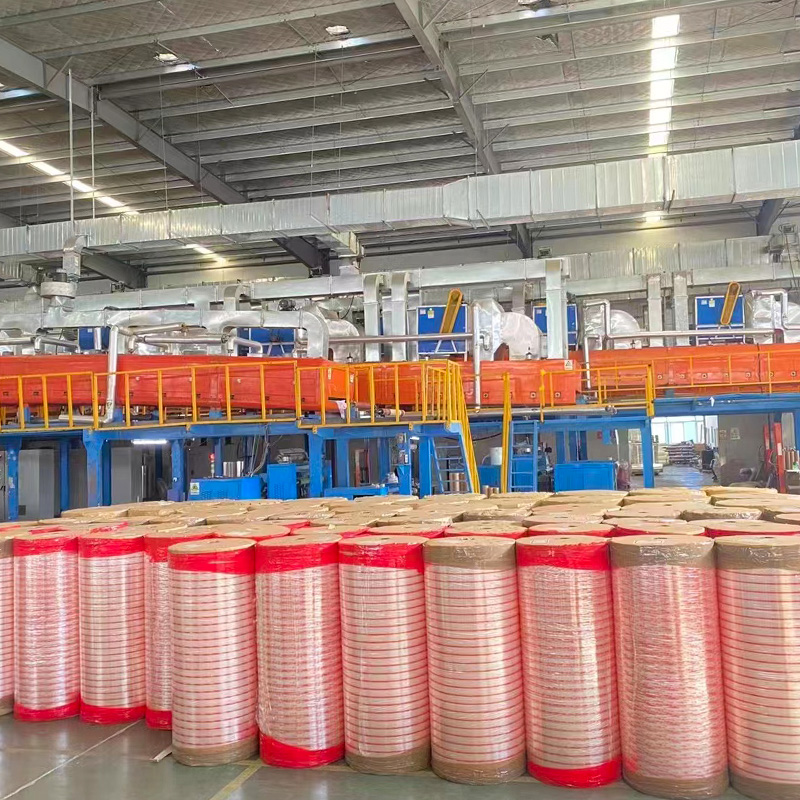
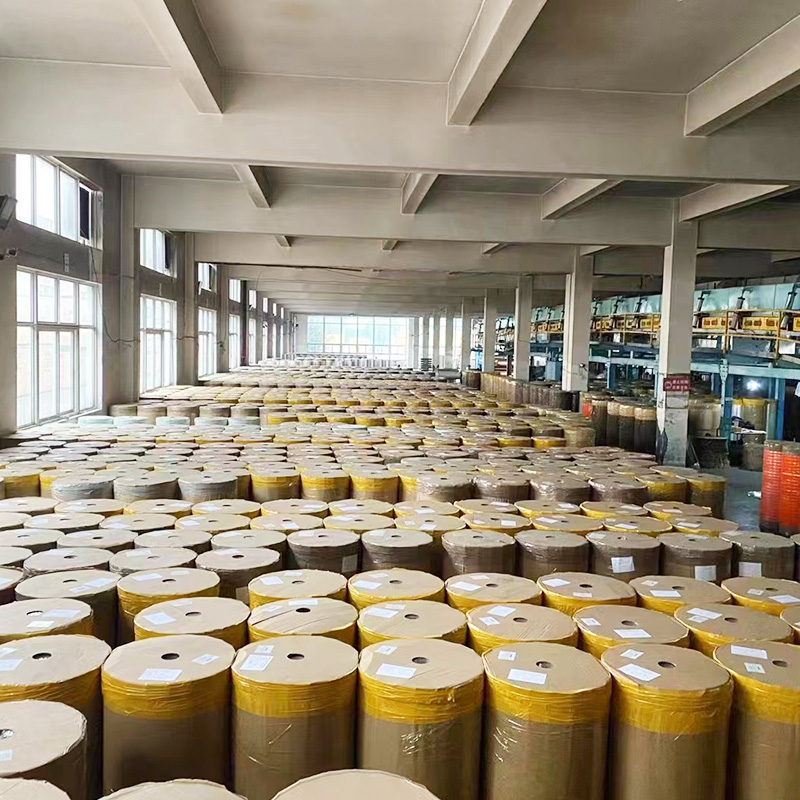
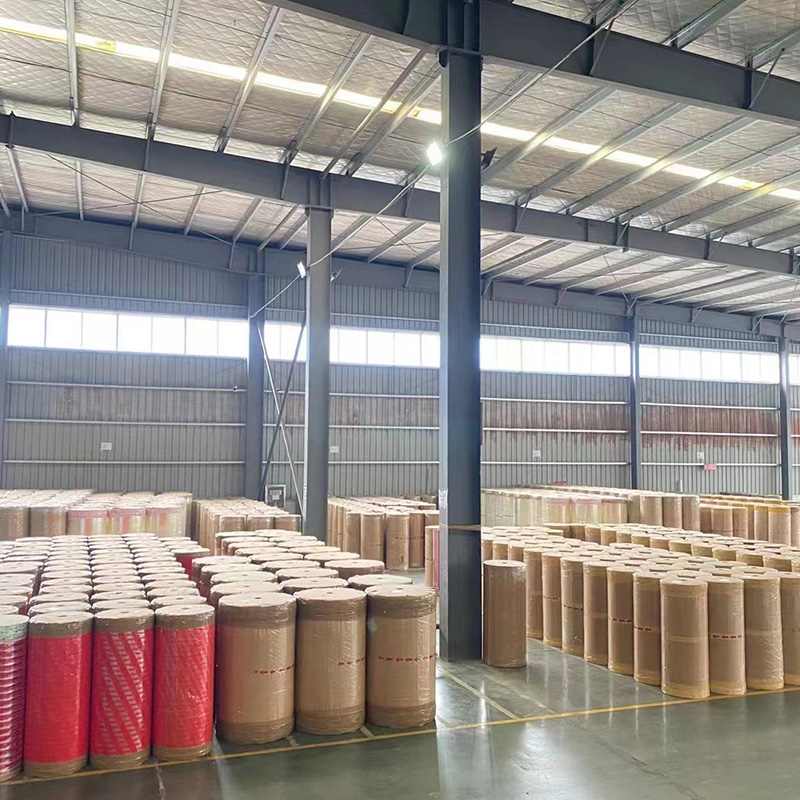
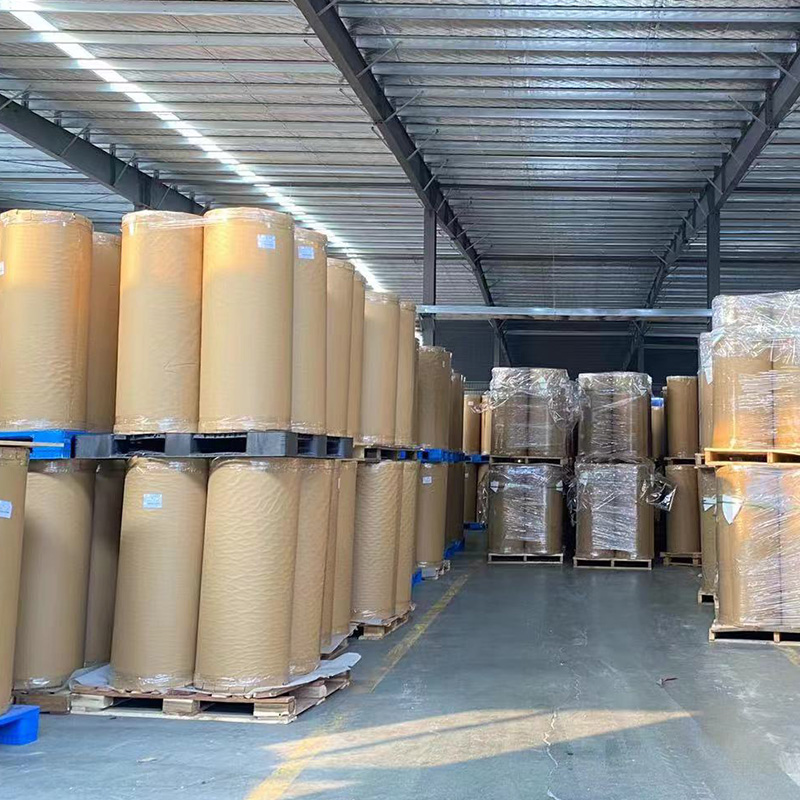
Zhejiang Baiyi Adhesive Products Co., Ltd., based in Shangyu City, Zhejiang Province, has been manufacturing tape and film products since 2005 and operates 4 BOPP film production lines alongside an independent glue production workshop, 16 BOPP coil production lines, and 12 slitting machines. This production base supports an annual output of more than 600 million pieces, giving the company the capacity to supply lamination film in the thicknesses, finishes, and roll widths that commercial printers and packaging manufacturers require. Alongside lamination film, the company also produces BOPP film, PE stretch film, and a range of adhesive tapes, giving customers a single source for related packaging and print-finishing materials.
In summary, the difference between a laminating sheet and a lamination film comes down to format and scale rather than the underlying plastic itself. Laminating sheets suit small, occasional laminating jobs run through a pouch laminator, while lamination film is the roll-based format built for continuous, high-volume production. Matching the right format, thickness, and finish to the job at hand ensures a durable, professional result whether the output is a single laminated document or a full production run of packaging material.


 中文简体
中文简体 Español
 عربى
عربى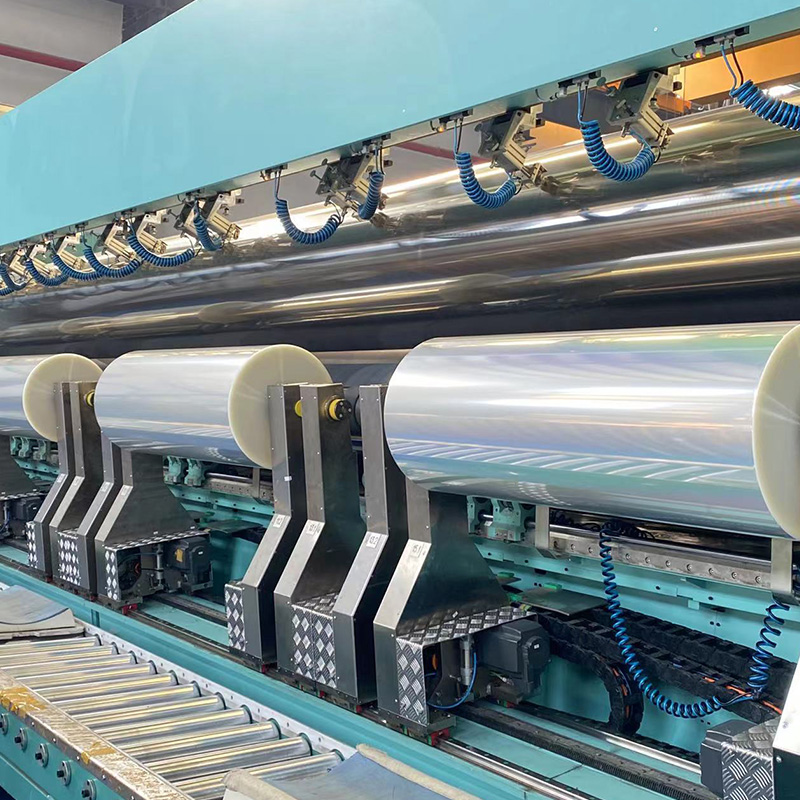 Biaxially Oriented Polypropylene Film
 High Quality PE Stretch Film
 Water Based Acrylate Glue
 BOPP Acrylic Jumbo Roll Tape
 BOPP Hotmelt Jumbo Roll Tape
 BOPP Solvent Jumbo Roll Tape
 BOPP Natural Rubber Jumbo Roll Tape
 BOPP Low Noise Jumbo Roll Tape
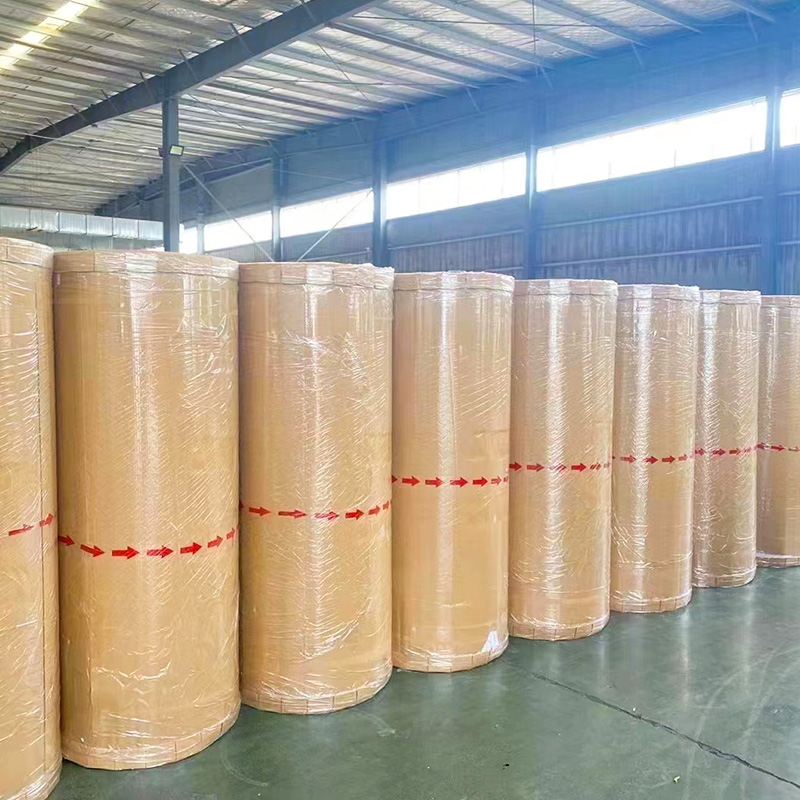 BOPP Silent Jumbo Roll Tape
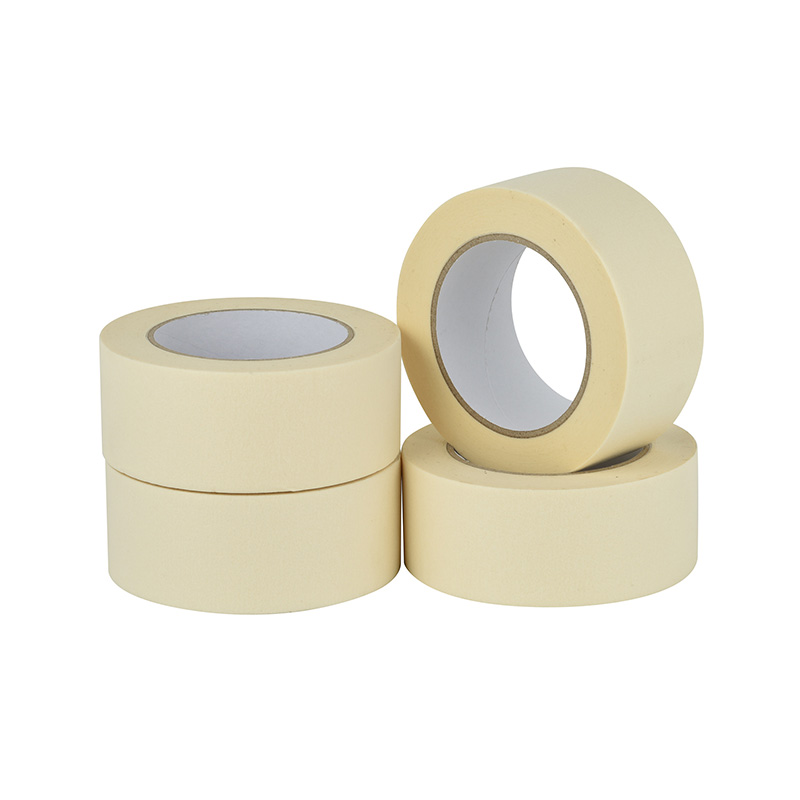 Masking Tape Jumbo Roll
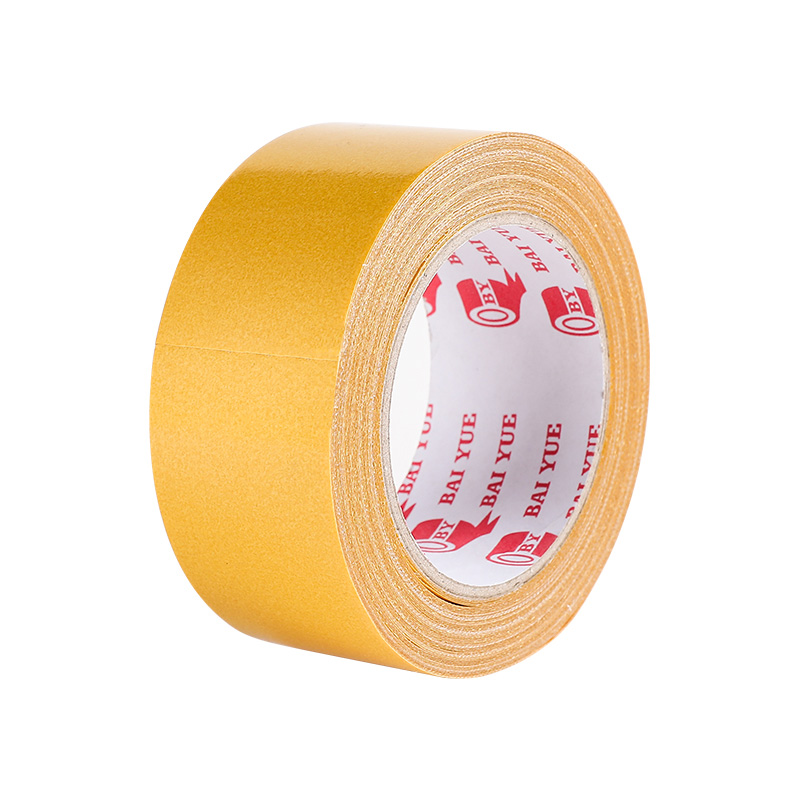 Duct Tape Jumbo Roll
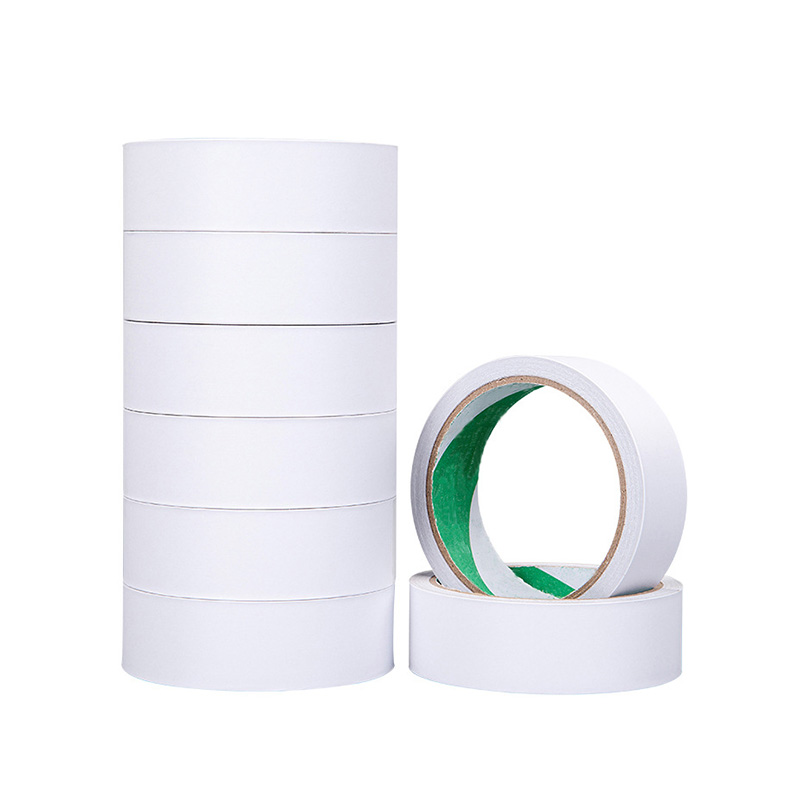 Double Side Tape Jumbo Roll
 fortuna@baiyiadhesive.com

 +86-575-82818961
 fortuna@baiyiadhesive.com
 Baiguan industrialZone,Shangyu District, Shaoxing City, Zhejiang Province, China



 浙ICP备17032394号