Direct Answer: What Makes the Best Double Stick Tape
The best double stick tape depends on the surface, load weight, and environment it will face. For most household and light craft projects, an acrylic foam double sided tape offers the strongest general purpose bond, while for smooth, low energy surfaces such as glass or metal, a solvent based acrylic adhesive performs better. For temporary mounting or paper crafting, a removable double sided tape with a lower tack adhesive is the safer choice, since it avoids surface damage on removal.
- Heavy DutyAcrylic foam double sided tape holds up to 5 kilograms per square inch on many rigid substrates
- Smooth SurfacesSolvent acrylic double stick tape resists slipping on glass, metal, and painted panels
- Temporary UseLow tack removable tape peels cleanly without leaving residue on paper or fabric
Why Double Sided Tape Has Become a Preferred Bonding Method
Double sided tape, sometimes called double stick tape, has replaced screws, rivets, and liquid adhesives in a wide range of industries because it distributes stress evenly across a bonded surface rather than concentrating it at a single point. This even load distribution reduces the risk of stress cracking in plastics and thin metals, which is one reason automotive trim, signage, and electronic assembly manufacturers rely heavily on tape bonding.
Unlike liquid adhesives that require curing time, double sided tape provides instant handling strength the moment pressure is applied, while still building toward full bond strength over the following 24 to 72 hours as the adhesive flows into the microscopic texture of the substrate.
Core Components of a Quality Double Stick Tape
A well engineered double sided tape typically consists of three layers: the adhesive on each face, a carrier material such as foam, film, or tissue in the middle, and a release liner that protects the tape until use. The carrier material determines flexibility and gap filling ability, while the adhesive chemistry determines how well the tape bonds to a specific surface type.
Comparing Common Types of Double Sided Tape
Not all double stick tape performs the same way. The table below outlines the most common carrier types and where each one performs best, helping buyers match the right double sided tape to their project.
Comparison of common double sided tape carrier types and typical applications
| Tape Type |
Carrier Material |
Bond Strength |
Best Use Case |
| Acrylic Foam Tape |
Closed cell foam |
High |
Signage, panel mounting, automotive trim |
| Tissue Tape |
Thin paper tissue |
Medium |
Craft, paper, foam board assembly |
| Film Tape |
Polyester or PE film |
Medium to High |
Nameplates, electronics, gasketing |
| Transfer Tape |
No carrier, adhesive only |
High |
Thin bonding lines, laminating, graphics |
| Removable Tape |
Foam or film with low tack adhesive |
Low to Medium |
Temporary mounting, wall decor |
Acrylic foam double sided tape remains the top choice for outdoor and structural applications because it also acts as a gasket, absorbing vibration and compensating for minor surface irregularities that would otherwise weaken a rigid bond.
Key Performance Factors Behind a Strong Bond
Selecting the best double stick tape requires looking past the label and understanding the technical properties that determine long term performance under real world conditions.
1Peel Adhesion and Shear Strength
Peel adhesion measures how much force is needed to remove the tape at an angle, while shear strength measures resistance to sliding under sustained load. High shear double sided tape is essential for vertical or overhead mounting, since gravity constantly pulls the bonded part downward.
2Temperature Resistance
Adhesive performance changes with temperature. Standard acrylic double stick tape typically performs well between negative 10 and 90 degrees Celsius, while specialty formulations can extend this range for automotive engine bay or outdoor signage applications exposed to direct sunlight.
3Surface Energy Compatibility
Low surface energy plastics such as polypropylene and polyethylene resist most adhesives. A double sided tape rated for low surface energy substrates uses modified acrylic chemistry to achieve reliable adhesion where standard tape would fail within days.
How to Choose the Right Double Sided Tape for Your Project
Matching double stick tape to the job prevents premature failure and avoids the cost of redoing work. Follow these steps when evaluating options.
- Identify the substrate materials on both sides of the bond, including surface texture and porosity
- Estimate the load weight and whether the bond will face constant, intermittent, or shock stress
- Check expected exposure to moisture, UV light, or temperature swings over the product lifespan
- Confirm whether the bond needs to be permanent or should allow clean removal later
- Select a tape thickness that can fill minor surface gaps without compromising overall bond strength
As a general guideline, bond strength typically reaches 90 percent of its final value within 72 hours at room temperature, so projects under load should avoid stress testing the bond too early.
Application Tips for Maximum Adhesive Performance
Even the best double sided tape underperforms if applied incorrectly. These practical steps help ensure the adhesive reaches its full rated strength.
- Clean the Surface ThoroughlyWipe both bonding surfaces with isopropyl alcohol to remove oil, dust, and mold release agents
- Apply Firm PressureUse a roller or firm hand pressure across the entire bond area to activate the adhesive
- Work Within Temperature RangeApply tape between 15 and 38 degrees Celsius for optimal initial tack
- Avoid Immediate LoadAllow the recommended dwell time before placing weight or stress on the bonded part
- Match Liner Removal DirectionPeel the release liner slowly at a low angle to prevent adhesive distortion
Testing Standards That Validate Tape Performance
Reputable double sided tape manufacturers test their products against recognized industry methods so buyers can compare performance data with confidence rather than relying on marketing claims alone.
ASTM D3330
This standard test method measures peel adhesion of pressure sensitive tape, providing a consistent benchmark for comparing initial bonding strength across different double stick tape products.
ASTM D3654
This method evaluates shear adhesion, or how well a tape resists slippage under sustained load over time, which is particularly relevant for structural and vertical mounting applications.
Sourcing Dependable Double Sided Tape for Business Use
For businesses purchasing double sided tape in volume, consistency between production batches matters as much as raw peel strength. Variations in adhesive coating weight or carrier thickness can lead to inconsistent bonding across a manufacturing line, so requesting batch test reports and material safety documentation is a reasonable step before committing to a large order.
Buyers should also confirm liner release values and roll width tolerances, since inconsistent unwind tension is one of the most common causes of application defects on automated dispensing equipment.
A supplier offering a full double sided tape product range, from foam and film carriers to transfer and removable formulations, makes it easier to standardize adhesive selection across multiple product lines while maintaining a single point of quality control and technical support.


 中文简体
中文简体 Español
 عربى
عربى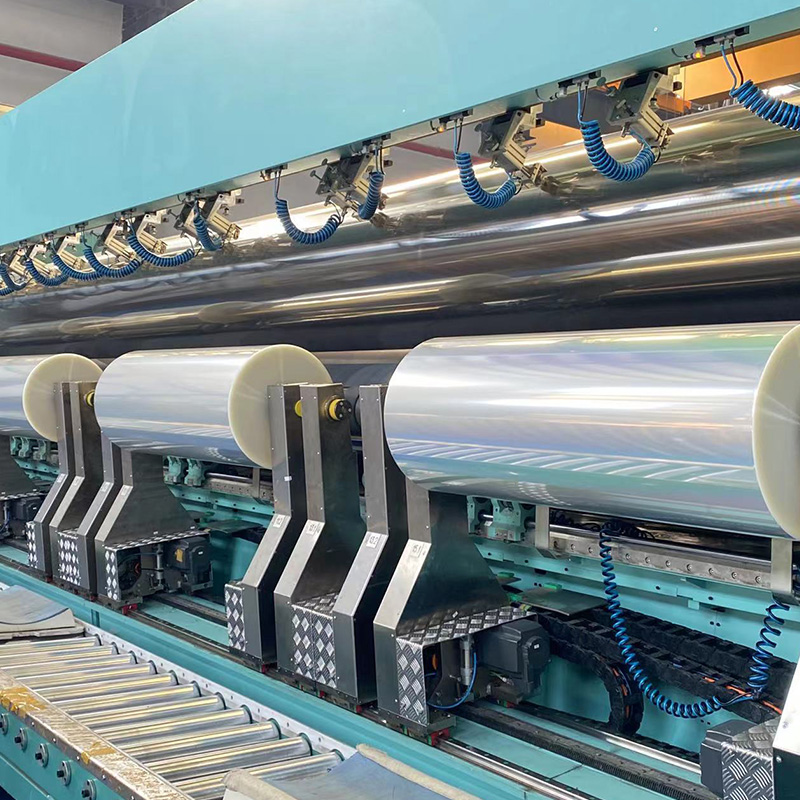 Biaxially Oriented Polypropylene Film
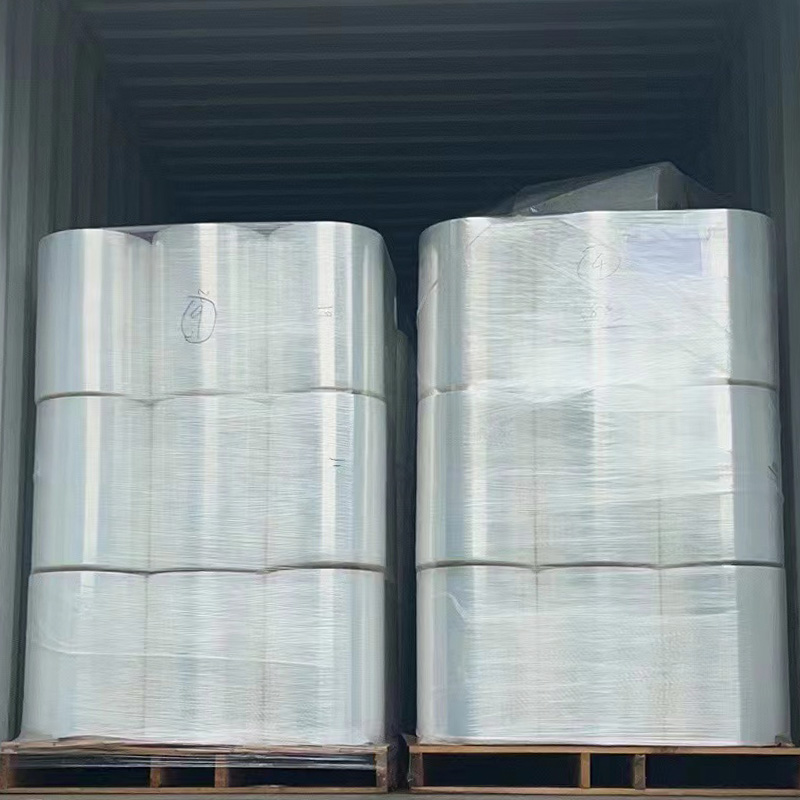 High Quality PE Stretch Film
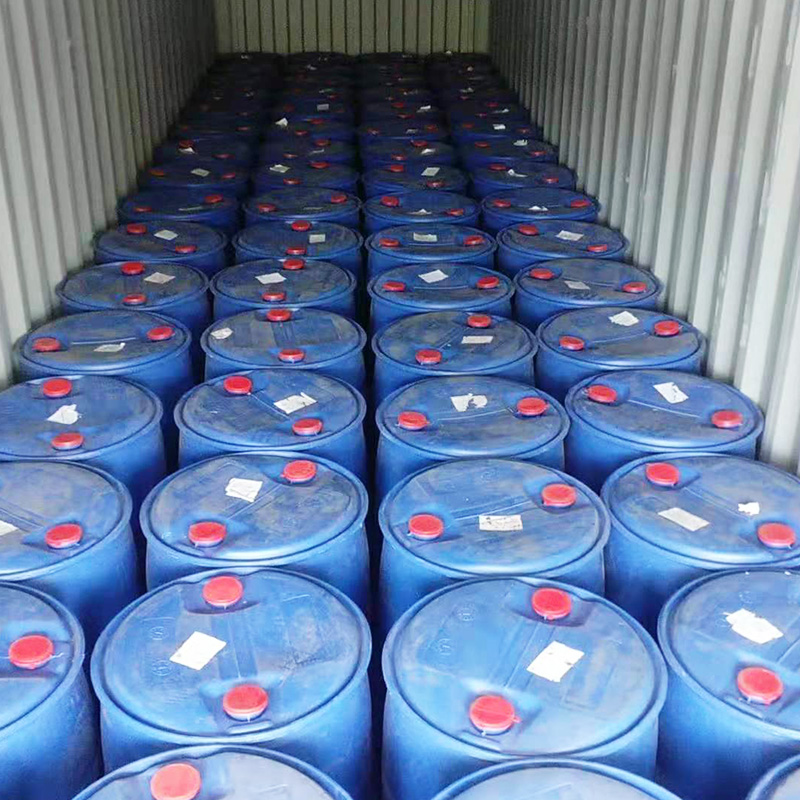 Water Based Acrylate Glue
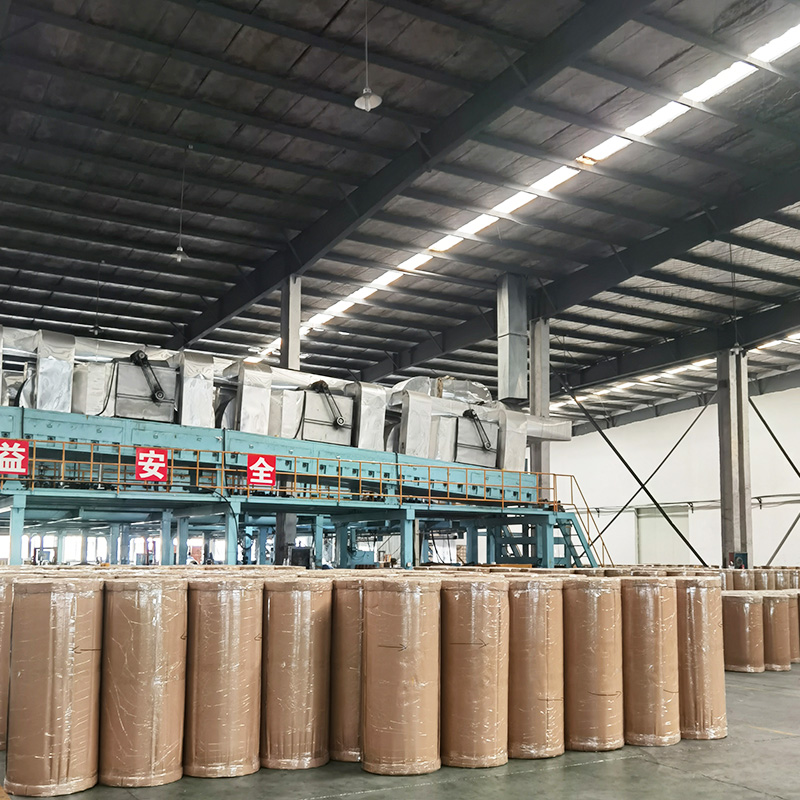 BOPP Acrylic Jumbo Roll Tape
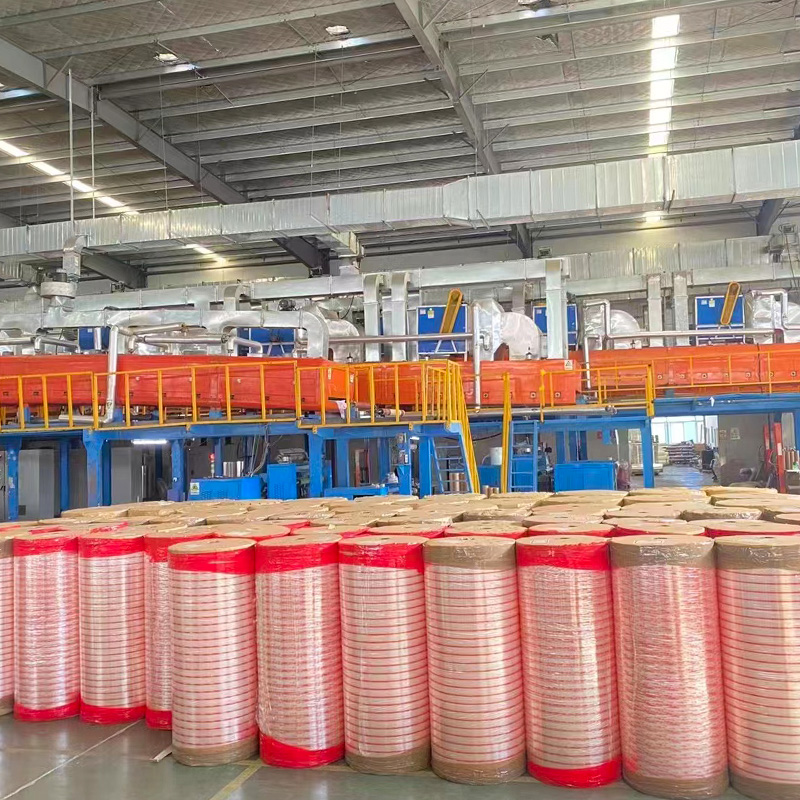 BOPP Hotmelt Jumbo Roll Tape
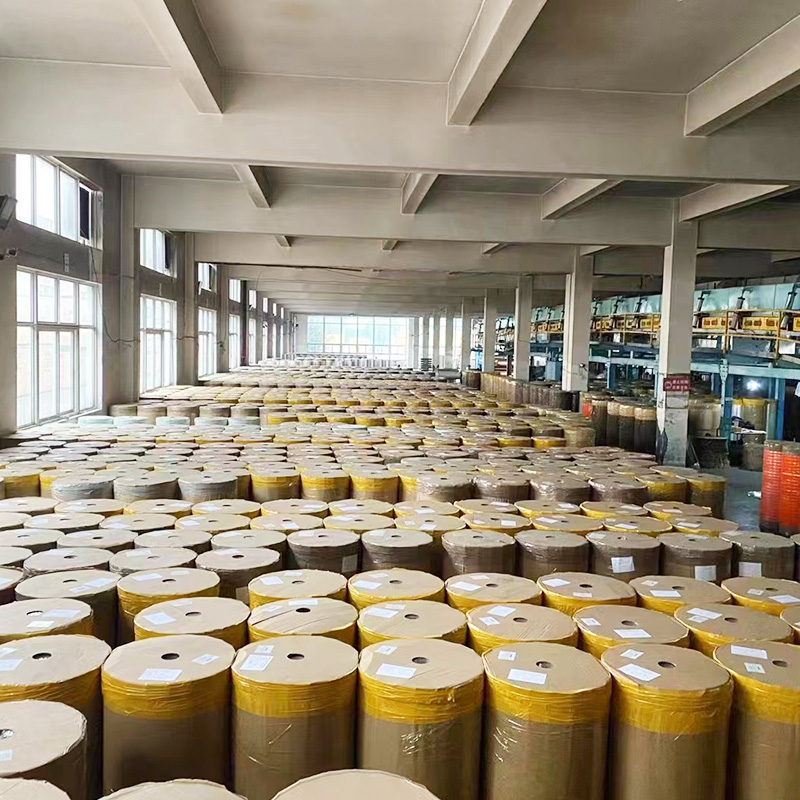 BOPP Solvent Jumbo Roll Tape
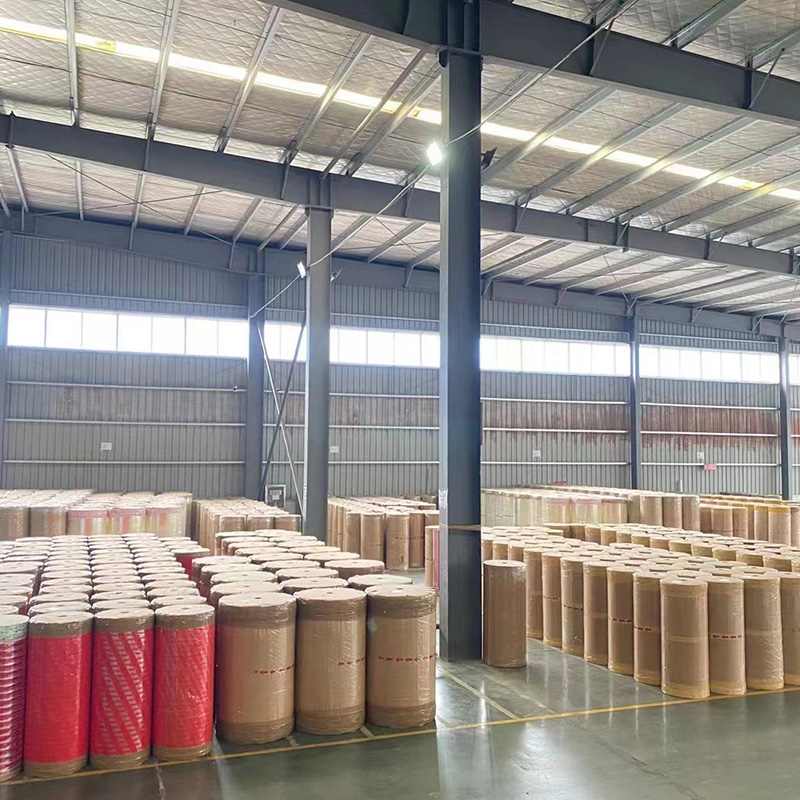 BOPP Natural Rubber Jumbo Roll Tape
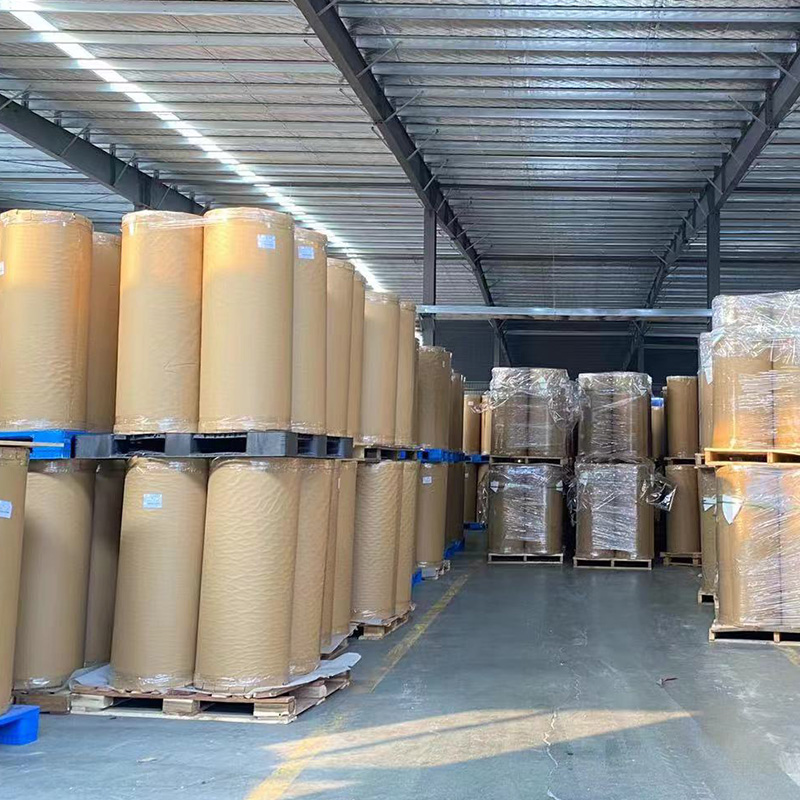 BOPP Low Noise Jumbo Roll Tape
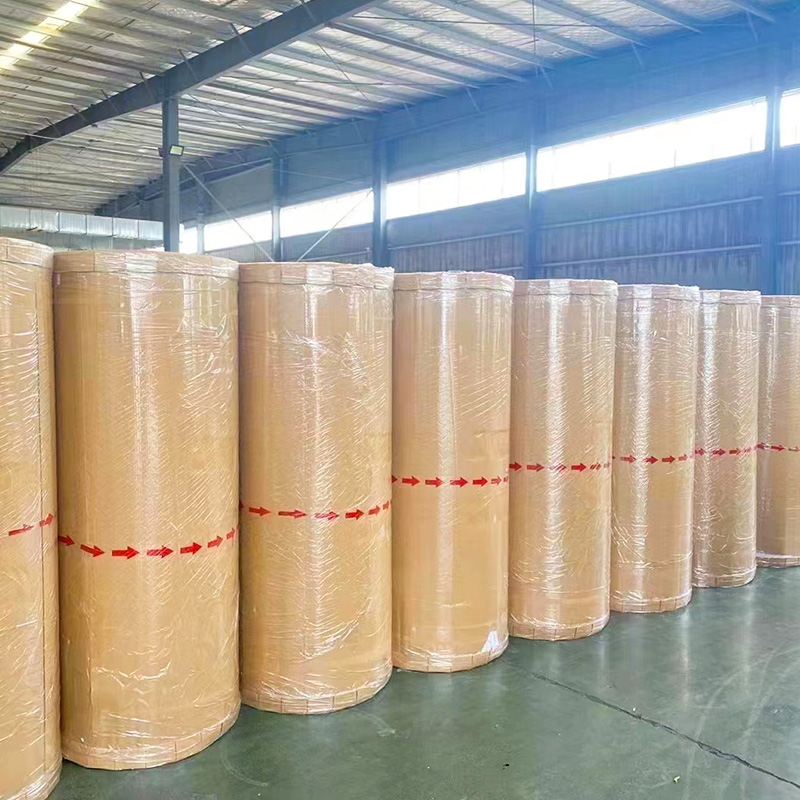 BOPP Silent Jumbo Roll Tape
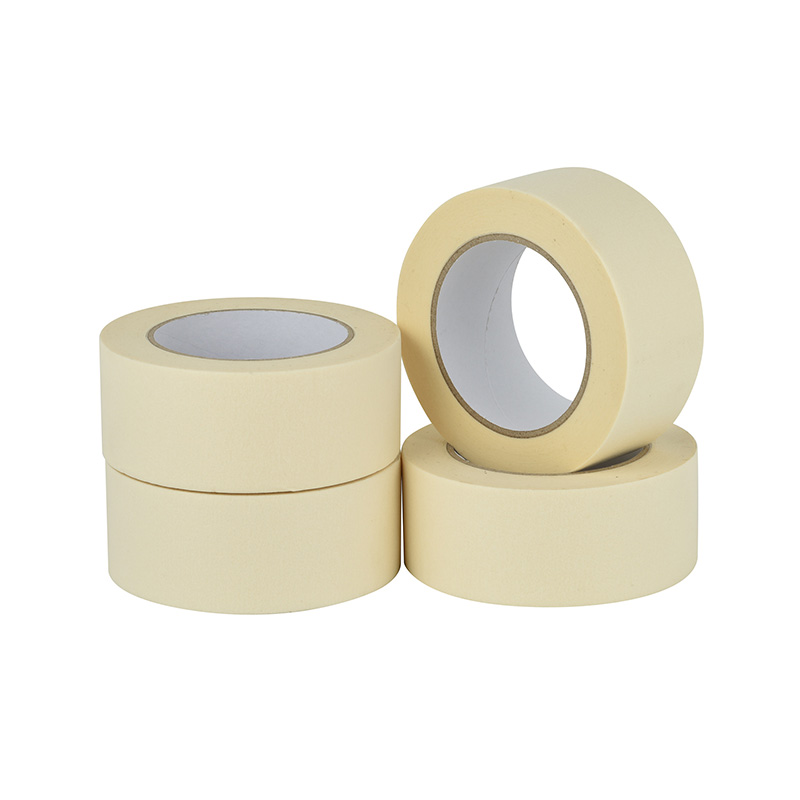 Masking Tape Jumbo Roll
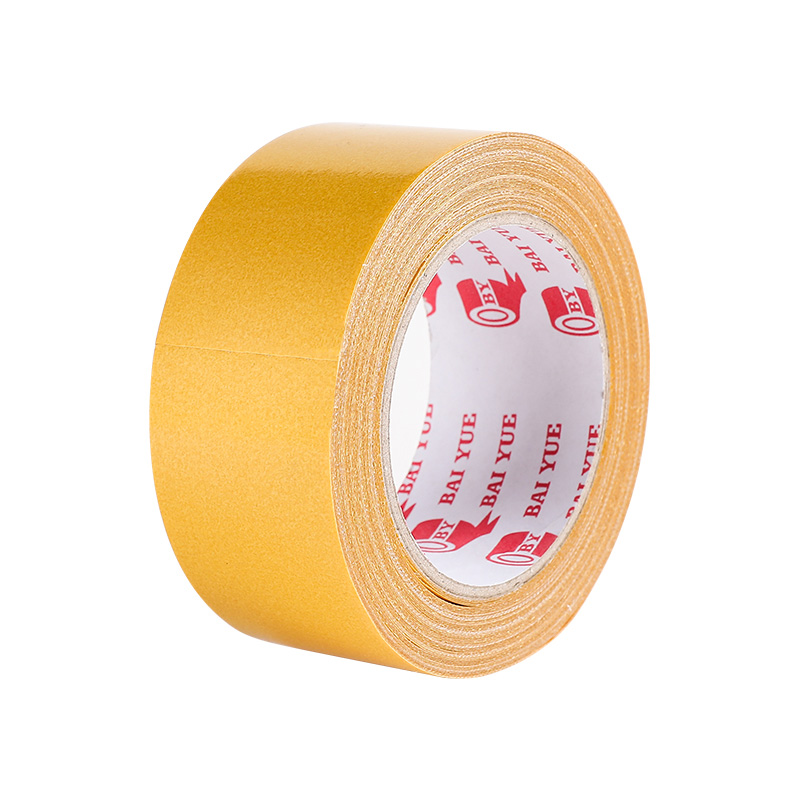 Duct Tape Jumbo Roll
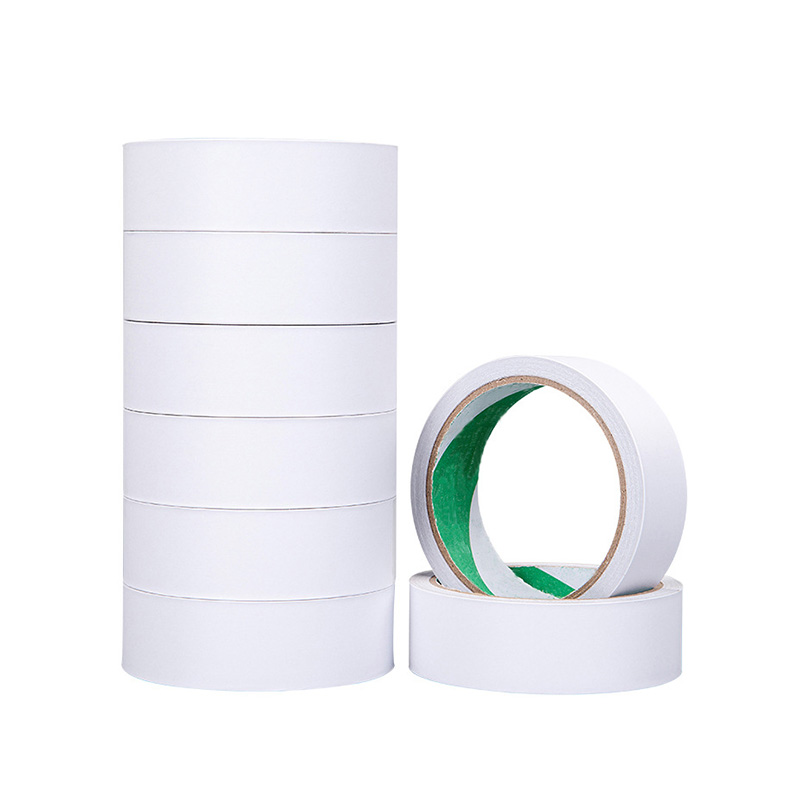 Double Side Tape Jumbo Roll
 fortuna@baiyiadhesive.com

 +86-575-82818961
 fortuna@baiyiadhesive.com
 Baiguan industrialZone,Shangyu District, Shaoxing City, Zhejiang Province, China



 浙ICP备17032394号