Home / Blog / Industry News / What are the environmental considerations of using BOPP Tape?

NEWS

What are the environmental considerations of using BOPP Tape?

2026-01-16

BOPP Tape, short for Biaxially Oriented Polypropylene Tape, has become a staple in packaging and industrial applications due to its high tensile strength, durability, and clear appearance. However, as sustainability concerns grow globally, it is important to examine the environmental considerations of using BOPP Tape. From production to disposal, each stage of the product lifecycle has implications for the environment.

Production Process and Its Environmental Implications

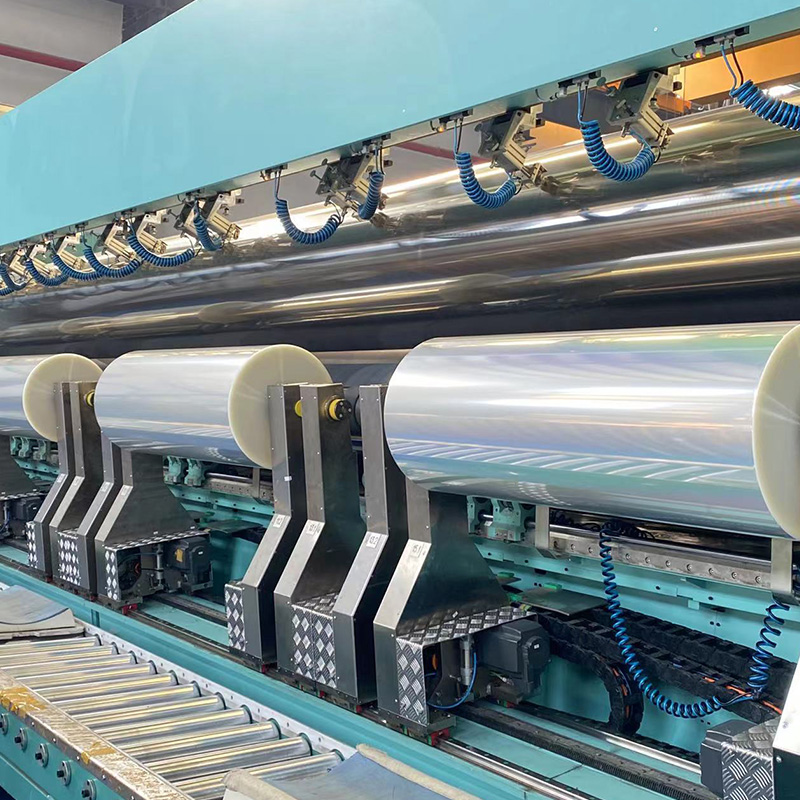
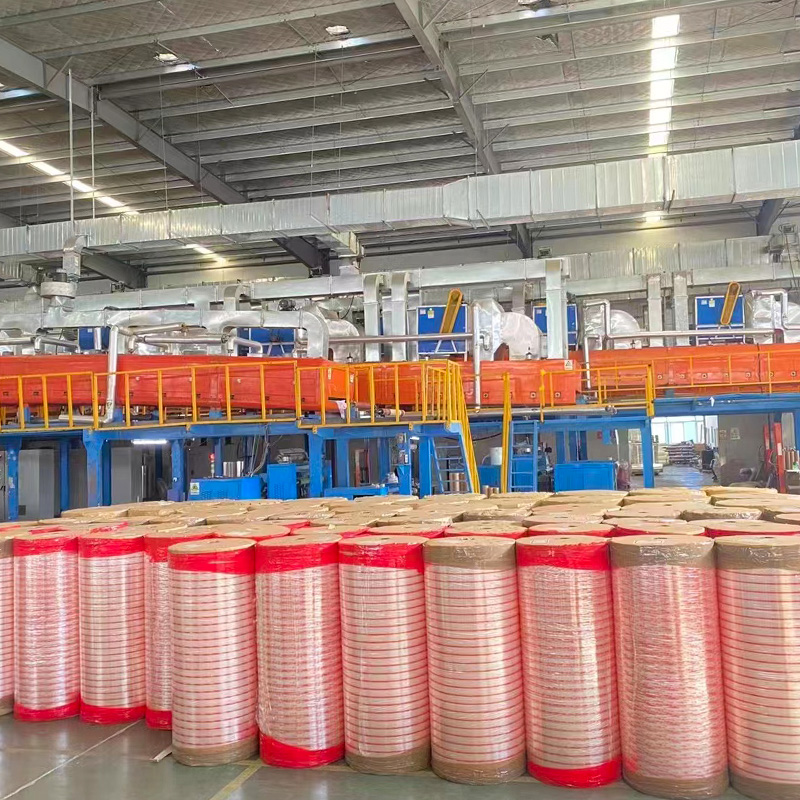
The manufacturing of BOPP Tape involves stretching polypropylene film in two directions, followed by coating it with an adhesive. While this process provides excellent mechanical and aesthetic properties, it also raises several environmental concerns:

  • Energy consumption: The biaxial orientation process requires significant heat and mechanical energy, contributing to greenhouse gas emissions if sourced from fossil fuels.
  • Raw material sourcing: Polypropylene is derived from petroleum, a non-renewable resource. Large-scale production can increase dependency on fossil fuels and contribute to resource depletion.
  • Chemical usage: Adhesives and coatings may contain volatile organic compounds (VOCs), which can be harmful to both the environment and human health if not properly managed.

Durability vs. Environmental Cost

One of the advantages of BOPP Tape is its durability. It resists tearing, moisture, and UV degradation, which allows for long-lasting packaging solutions. From an environmental perspective, durability has both pros and cons:

  • Pro: Long-lasting performance reduces the need for frequent replacements, decreasing the overall material consumption.
  • Con: Non-biodegradable materials like polypropylene persist in landfills for decades if not recycled, contributing to plastic pollution.

Recycling Challenges and Opportunities

While recycling is a critical step in reducing environmental impact, BOPP Tape presents challenges:

  • The combination of adhesive and polypropylene complicates separation during standard recycling processes.
  • Many municipal recycling facilities do not accept adhesive-backed films, limiting recycling rates.

However, innovations in recycling technology, such as solvent-based adhesive removal and chemical recycling methods, are emerging to improve BOPP Tape recyclability. Companies can also explore closed-loop recycling, where tape scraps are collected and reprocessed into new products.

Comparing BOPP Tape to Alternative Packaging Tapes

Understanding the environmental footprint of BOPP Tape is clearer when compared to other common adhesive tapes:

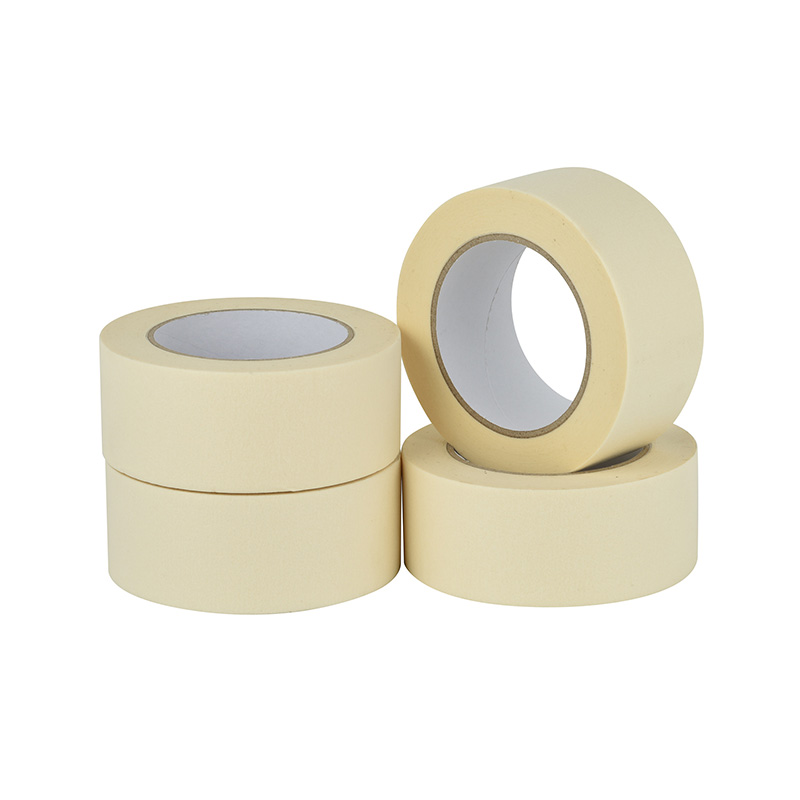
1. Paper Tape

  • Made from renewable cellulose, biodegradable, and generally easier to recycle.
  • Less durable than BOPP Tape, may require multiple layers for heavy packaging, increasing overall material use.

2. PVC Tape

  • Made from polyvinyl chloride, which has higher environmental hazards during production and disposal due to chlorine content.
  • Less recyclable than BOPP Tape, and burning PVC releases toxic chemicals.

3. Kraft Tape with Water-Based Adhesive

  • Biodegradable and compostable under industrial conditions.
  • Limited tensile strength for heavy-duty applications, making it less suitable for all packaging needs.

Overall, BOPP Tape offers a balance of strength and functionality but requires more advanced waste management strategies to mitigate environmental impact.

Sustainable Practices in BOPP Tape Usage

Several measures can reduce the environmental footprint of BOPP Tape:

  • Use recycled content: Selecting tapes made partially from post-consumer recycled polypropylene lowers the reliance on virgin materials.
  • Optimize tape length: Reducing tape waste by using precise amounts per application.
  • Encourage industrial recycling: Partnering with recycling facilities capable of handling adhesive films.
  • Shift to eco-friendly adhesives: Water-based or low-VOC adhesives reduce chemical pollution.

Life Cycle Assessment (LCA) Insights

Life Cycle Assessment studies provide a comprehensive view of BOPP Tape's environmental impact. Key insights include:

  • Raw material extraction: Significant carbon footprint due to polypropylene production.
  • Manufacturing and transportation: Energy-intensive processes increase greenhouse gas emissions.
  • End-of-life: High potential for landfill accumulation unless advanced recycling methods are implemented.

When compared with alternative tapes like paper-based options, BOPP Tape generally has a higher energy and carbon footprint but superior durability and moisture resistance. This highlights the trade-off between material performance and environmental impact.

FAQ About BOPP Tape and Environmental Concerns

Q1: Is BOPP Tape biodegradable?

No, BOPP Tape is not biodegradable. It can persist in the environment for many years if not properly disposed of or recycled.

Q2: Can BOPP Tape be recycled?

Yes, but recycling is challenging due to the adhesive layer. Specialized facilities are required to separate the adhesive from the polypropylene film.

Q3: Are there eco-friendly alternatives to BOPP Tape?

Yes, options include paper tape, kraft tape with water-based adhesive, and biodegradable film tapes. Each has trade-offs between durability, cost, and environmental impact.

Q4: How can businesses reduce the environmental impact of using BOPP Tape?

Businesses can use tapes with recycled content, optimize tape usage, choose eco-friendly adhesives, and work with recycling programs that handle adhesive films.

Q5: Does BOPP Tape contribute to plastic pollution?

Yes, if disposed of improperly, BOPP Tape can contribute to plastic pollution due to its non-biodegradable nature.

Conclusion

While BOPP Tape remains a top choice for strong, reliable packaging, its environmental considerations cannot be ignored. From energy-intensive production and fossil fuel-based raw materials to recycling challenges, it presents a significant ecological footprint. By adopting sustainable practices, such as using recycled materials, reducing waste, and supporting advanced recycling initiatives, businesses and consumers can mitigate the environmental impact. Understanding these factors ensures responsible usage of BOPP Tape while maintaining its functional advantages in packaging and industrial applications.