Home / Blog / Industry News / How does BOPP Tape compare to other types of adhesive tapes?

NEWS

How does BOPP Tape compare to other types of adhesive tapes?

2026-01-13

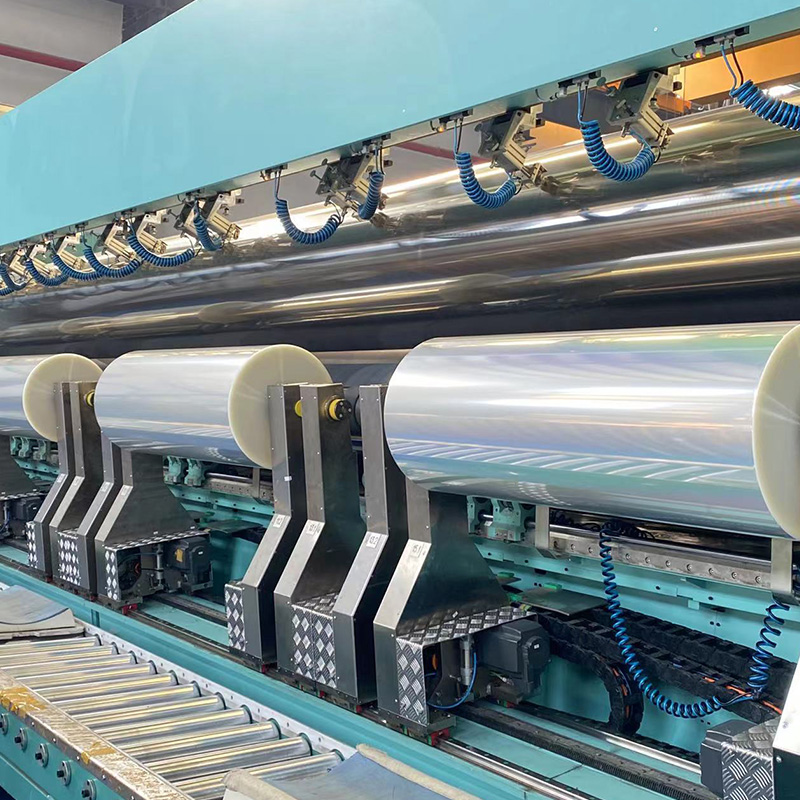
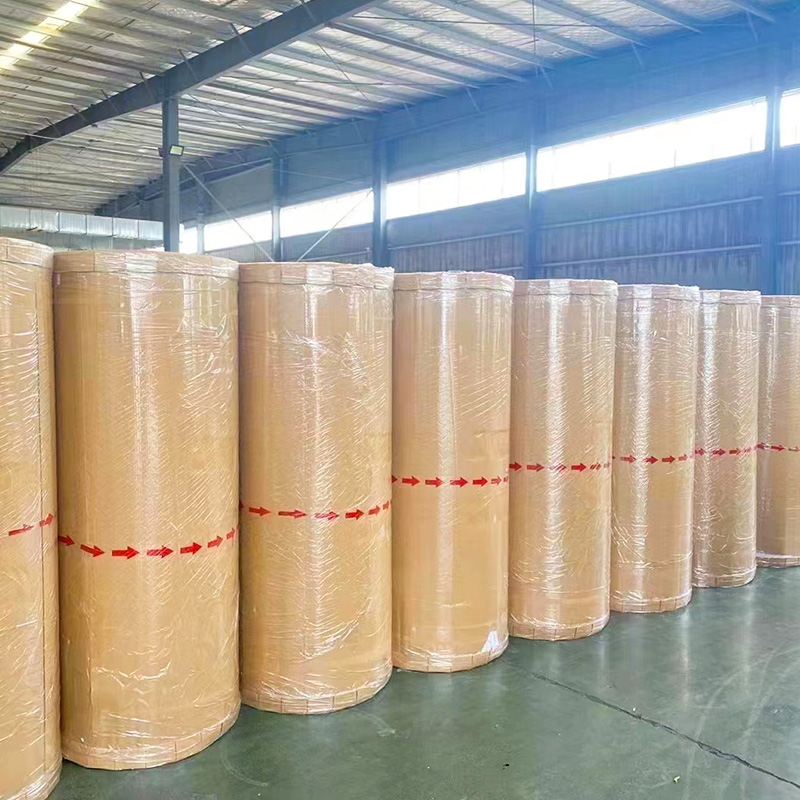
BOPP Tape (Biaxially Oriented Polypropylene Tape) has become one of the most widely used adhesive tapes in industrial and commercial applications. Known for its high tensile strength, excellent adhesion, and versatility, BOPP Tape is often compared to other types of adhesive tapes such as PVC tape, masking tape, and cloth tape. Understanding the characteristics and advantages of BOPP Tape helps businesses choose the right tape for packaging, sealing, and general industrial purposes.

Key Properties of BOPP Tape

BOPP Tape possesses several properties that distinguish it from other adhesive tapes:

  • High Tensile Strength: BOPP Tape is resistant to tearing and stretching, making it ideal for securing heavy packages.
  • Strong Adhesion: It sticks well to a variety of surfaces, including cardboard, plastics, and metals.
  • Moisture Resistance: Unlike paper-based tapes, BOPP Tape is resistant to humidity and moisture, making it suitable for warehouse and shipping environments.
  • Transparency: Many BOPP Tapes are clear or semi-transparent, allowing for product visibility and labeling without obstruction.
  • Cost-Effectiveness: BOPP Tape offers a balance of performance and affordability, making it a preferred choice for mass packaging operations.

Comparing BOPP Tape with Other Adhesive Tapes

BOPP Tape vs PVC Tape

PVC tape is often used for electrical insulation and applications requiring flexibility and durability at extreme temperatures. While PVC Tape is more heat-resistant than BOPP Tape, it is less environmentally friendly and generally more expensive. BOPP Tape, on the other hand, excels in packaging due to its stronger adhesive properties and suitability for high-speed packing machines.

BOPP Tape vs Masking Tape

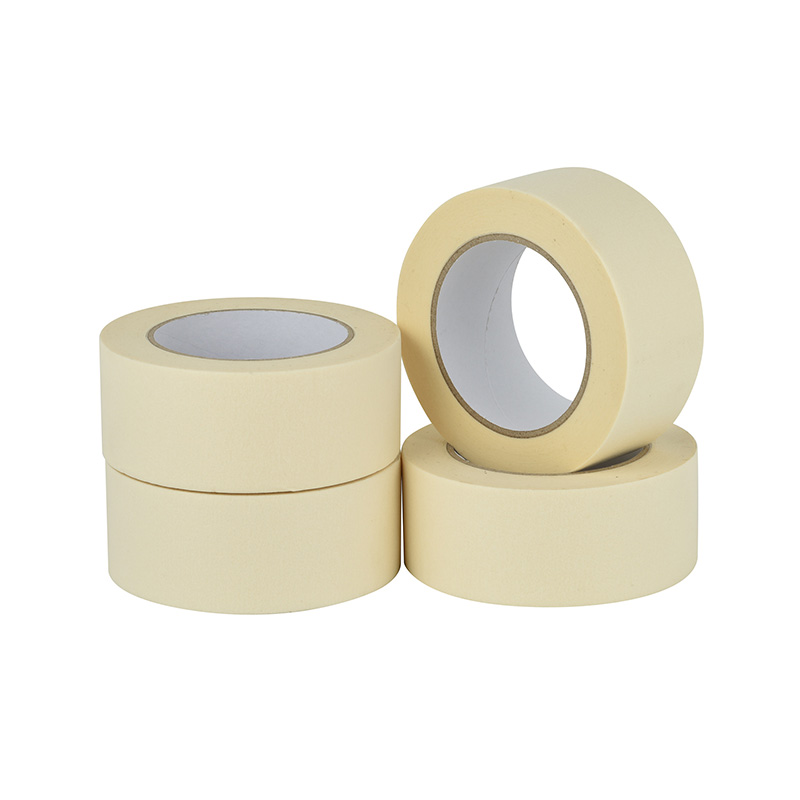
Masking tape is commonly used in painting and surface protection. Its low adhesion prevents damage to delicate surfaces, which is advantageous for temporary use. However, masking tape lacks the tensile strength and long-term adhesion of BOPP Tape, making it unsuitable for securing heavy parcels or long-term sealing.

BOPP Tape vs Cloth Tape

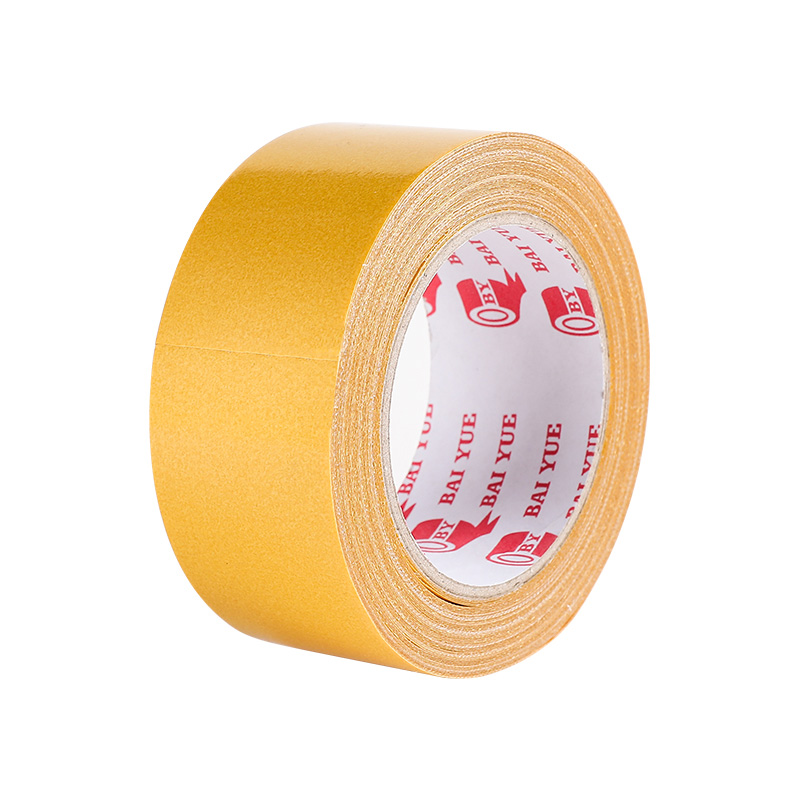
Cloth tape or gaffer tape is flexible and strong, often used in industrial applications and temporary fixes. Cloth tape provides excellent durability and a strong grip on uneven surfaces, but it is thicker, more expensive, and may not work efficiently on automated packaging lines. BOPP Tape’s thinner profile and uniform adhesive layer make it more compatible with high-volume packaging operations.

BOPP Tape vs Paper Tape

Paper tape is eco-friendly and recyclable, often used for sealing cardboard boxes. However, it lacks the water resistance and adhesive strength of BOPP Tape, limiting its use in humid conditions or for heavy-duty packaging. BOPP Tape is a practical choice for applications that demand durability and moisture resistance.

Applications of BOPP Tape

BOPP Tape’s versatility allows it to serve a wide range of industries and purposes:

  • Packaging and Shipping: Used for sealing cartons, boxes, and parcels.
  • Industrial Use: Securing materials, labeling, and temporary fastening.
  • Printing and Branding: Clear BOPP Tape can preserve labels and printed information without obscuring designs.
  • Warehouse and Storage: Resistant to humidity and dust, ideal for long-term storage.

Advantages of BOPP Tape

The advantages of BOPP Tape over other adhesive tapes can be summarized as follows:

  • Cost-effective for high-volume operations.
  • Strong adhesive properties suitable for multiple surfaces.
  • Resistant to moisture and environmental factors.
  • Compatible with automated packing machinery.
  • Available in various colors and transparencies for branding purposes.

Limitations of BOPP Tape

Despite its benefits, BOPP Tape has some limitations:

  • Lower heat resistance compared to PVC tape.
  • Not ideal for extremely rough or uneven surfaces without proper adhesion preparation.
  • Environmental concerns as it is plastic-based and may not be fully recyclable in all regions.

Tips for Choosing the Right Tape

When selecting an adhesive tape, consider the following factors:

  • Surface Type: Ensure the tape adheres properly to cardboard, plastic, or other surfaces.
  • Weight of Package: For heavy parcels, choose tapes with high tensile strength like BOPP.
  • Environmental Conditions: Consider moisture and temperature when comparing BOPP to PVC or paper tape.
  • Application Method: BOPP Tape works well with automated dispensers and high-speed packaging lines.

Frequently Asked Questions (FAQs)

1. Is BOPP Tape suitable for outdoor use?

Yes, BOPP Tape can resist humidity and moderate exposure to sunlight, but for prolonged outdoor use, UV-resistant variants are recommended.

2. Can BOPP Tape replace masking tape in painting?

No, masking tape is designed to prevent paint damage and offers low adhesion. BOPP Tape is too strong for delicate surfaces and may peel paint.

3. Is BOPP Tape recyclable?

BOPP Tape is technically recyclable, but its plastic-based composition may not be accepted in all municipal recycling programs. Biodegradable alternatives exist for environmentally conscious operations.

4. How does BOPP Tape perform in automated packaging?

BOPP Tape is ideal for automated packaging due to its uniform adhesive coating, tensile strength, and smooth surface. It adheres consistently at high speeds, reducing downtime.

5. What thickness of BOPP Tape should I choose?

Typical BOPP Tape thickness ranges from 30 to 50 microns. Heavier packages may require thicker tape for maximum security, while lighter packages can use thinner options.

Conclusion

When comparing BOPP Tape to other types of adhesive tapes such as PVC, masking, cloth, and paper tape, it becomes clear that BOPP Tape offers an excellent balance of adhesion, tensile strength, and cost-effectiveness. Its versatility makes it ideal for packaging, shipping, and industrial applications, although it may not be suitable for extreme heat or highly irregular surfaces. Understanding these distinctions ensures businesses select the right tape for their operational needs, maximizing efficiency and minimizing waste.