BOPP tape, or biaxially oriented polypropylene tape, is a widely used adhesive product in various industries, from packaging and shipping to electronics and construction. Due to its strong adhesive properties, durability, and versatility, it has become a go-to solution for a range of applications. However, like any adhesive product, BOPP tape requires proper storage and handling to maintain its performance and extend its shelf life. Improper storage and handling can affect the tape's adhesion, texture, and usability. Understanding how to store and handle BOPP tape correctly is crucial for ensuring optimal performance and efficiency in production processes.
What is BOPP Tape?
BOPP tape is made from biaxially oriented polypropylene, a synthetic polymer film. The manufacturing process involves stretching the polypropylene film in both horizontal and vertical directions, which gives the tape its enhanced strength, clarity, and resistance to moisture and chemicals. BOPP tape is commonly used for sealing boxes, bundling items, and securing materials during transportation.
While BOPP tape is known for its robustness and wide range of applications, it is essential to follow specific storage and handling practices to ensure the tape performs as expected. Below are the best practices for storing and handling BOPP tape, covering environmental conditions, packaging, and handling tips to avoid common issues that may arise during use.
Key Considerations for Storing BOPP Tape
1. Temperature Control
Temperature plays a critical role in the performance of BOPP tape. Extreme temperatures, whether too high or too low, can cause the adhesive to weaken or harden, affecting the tape's ability to stick properly. Therefore, it is essential to store BOPP tape in a temperature-controlled environment to preserve its effectiveness.
Optimal Temperature Range:
The ideal temperature range for storing BOPP tape is between 10°C (50°F) and 30°C (86°F). Storing the tape at temperatures above or below this range can lead to issues such as the adhesive becoming too soft or too hard. If the tape is stored at temperatures above 30°C, it may become overly sticky, making it difficult to handle. On the other hand, if stored in cold temperatures, the adhesive could become less effective, reducing the tape’s overall performance.
2. Humidity and Moisture Control
Humidity and moisture levels also play a significant role in the storage and performance of BOPP tape. Excessive humidity can cause the tape to lose its adhesive properties, while moisture can lead to the formation of bubbles or wrinkles on the surface of the tape, making it less effective for applications such as sealing packages.
Optimal Humidity Range:
The ideal relative humidity for storing BOPP tape is between 40% and 60%. Storage areas should be kept dry to prevent moisture from seeping into the tape rolls. In regions with high humidity, it may be beneficial to use dehumidifiers or climate control systems to maintain the right environmental conditions. Additionally, storing BOPP tape in airtight packaging can help protect it from external moisture.
3. Avoid Direct Sunlight and UV Exposure
Exposure to direct sunlight and ultraviolet (UV) light can damage BOPP tape by breaking down the adhesive and causing the polypropylene film to degrade. Over time, UV exposure can lead to yellowing, cracking, or loss of adhesive strength, which will compromise the tape's effectiveness.
Protection from Sunlight:
BOPP tape should be stored in a dark or shaded area, away from direct sunlight. If it must be stored in a location where it may be exposed to sunlight, consider using protective covers or UV-resistant storage materials. By keeping the tape out of direct UV light, you ensure its long-term durability and optimal performance.
4. Proper Packaging
Proper packaging is essential to protect BOPP tape during storage and transportation. The packaging should keep the rolls of tape tightly wound to avoid unspooling and to prevent the edges from becoming dirty or damaged. Additionally, packaging helps protect the tape from physical damage such as creases or punctures that can compromise the adhesive's ability to stick properly.
Packaging Tips:
BOPP tape should be kept in its original packaging or stored in protective bags or boxes to prevent exposure to dirt, dust, and contaminants. If the tape is removed from its packaging, it is important to store it in an upright position and keep it from being compressed, as this can distort the tape and affect its adhesive properties.
Handling BOPP Tape
1. Proper Unrolling and Cutting Techniques
When using BOPP tape, improper unrolling and cutting techniques can lead to waste and reduced efficiency. To avoid these issues, it is essential to follow the proper steps when unrolling and cutting the tape.
Unrolling BOPP Tape:
When unrolling BOPP tape from a roll, make sure the tape is pulled gently and steadily. Rapid or jerky movements can cause the tape to tear, stretch unevenly, or get tangled. Using a tape dispenser designed for BOPP tape is highly recommended, as it ensures a smooth, consistent application without damaging the tape.
Cutting BOPP Tape:
To cut BOPP tape, use a sharp blade or scissors to ensure clean, even edges. A dull blade can cause the tape to tear unevenly, which may affect its adhesive quality when applied. Additionally, avoid cutting the tape too close to the adhesive side, as this can expose the adhesive to dirt or moisture, compromising its bonding strength.
2. Avoid Overstretching the Tape
BOPP tape is designed to stretch slightly during application, but excessive stretching can lead to the tape losing its adhesive strength and causing wrinkles or bubbles. Overstretching may also affect the tape's overall appearance and functionality, especially when used for sealing packages or bundling materials.
Application Tips:
When applying BOPP tape, ensure that it is stretched only as much as necessary. Applying the tape with consistent pressure will help it adhere firmly without causing any damage or deformation. For applications requiring tightness, consider using reinforced BOPP tape that is specifically designed for extra strength.
3. Preventing Contamination
Contamination is one of the primary factors that can affect the performance of BOPP tape. Dirt, dust, and grease on the tape surface can compromise the adhesive’s ability to bond properly with the surface it’s applied to. Proper handling can prevent contamination and maintain the tape's performance.
Handling Tips:
Always handle BOPP tape with clean hands or gloves to prevent oils or dirt from transferring to the adhesive side. Additionally, store the tape in clean, dry environments to minimize the risk of contamination. If the tape’s adhesive side becomes contaminated, it may not stick properly, leading to failures in packaging or sealing applications.
Comparing Different Types of BOPP Tape
BOPP tape comes in various types, each designed for specific applications. Below is a comparison of the most common types of BOPP tape to help you choose the right one for your needs:
| Feature |
Standard BOPP Tape |
Reinforced BOPP Tape |
Colored BOPP Tape |
| Strength |
Standard adhesive strength for general use |
Extra strength, reinforced with fiberglass or polyester |
Standard strength, but available in various colors |
| Applications |
General packaging, sealing |
Heavy-duty packaging, high-tension applications |
Branding, color-coding, or decorative purposes |
| Visibility |
Clear or translucent |
Clear, often with a woven design visible |
Colored for easy identification |
| Durability |
Good for standard applications |
Highly durable, withstands extreme conditions |
Durable but may not be suitable for extreme conditions |
Frequently Asked Questions (FAQs)
1. How long can BOPP tape be stored?
When stored properly, BOPP tape can last for up to two years. It is important to keep it in a controlled environment to ensure it retains its adhesive properties and performance.
2. Can BOPP tape be used in extreme weather conditions?
BOPP tape is resistant to moisture and most environmental factors, but it is not suitable for extreme weather conditions such as freezing temperatures or excessive heat. For harsh environments, consider using specialized tapes designed for such conditions.
3. How can I remove BOPP tape residue?
To remove BOPP tape residue, use a mild solvent such as rubbing alcohol or adhesive remover. Apply the solvent to the area and gently rub the residue off with a cloth. Always test the solvent on a small, inconspicuous area first to ensure it doesn’t damage the surface.
Conclusion
Proper storage and handling of BOPP tape are essential to ensuring its effectiveness and longevity. By following best practices for temperature control, humidity management, protection from UV exposure, and proper handling techniques, you can maximize the performance of your BOPP tape. With the right care, BOPP tape can continue to serve its purpose effectively across various applications, from packaging to industrial use.


 中文简体
中文简体 Español
 عربى
عربى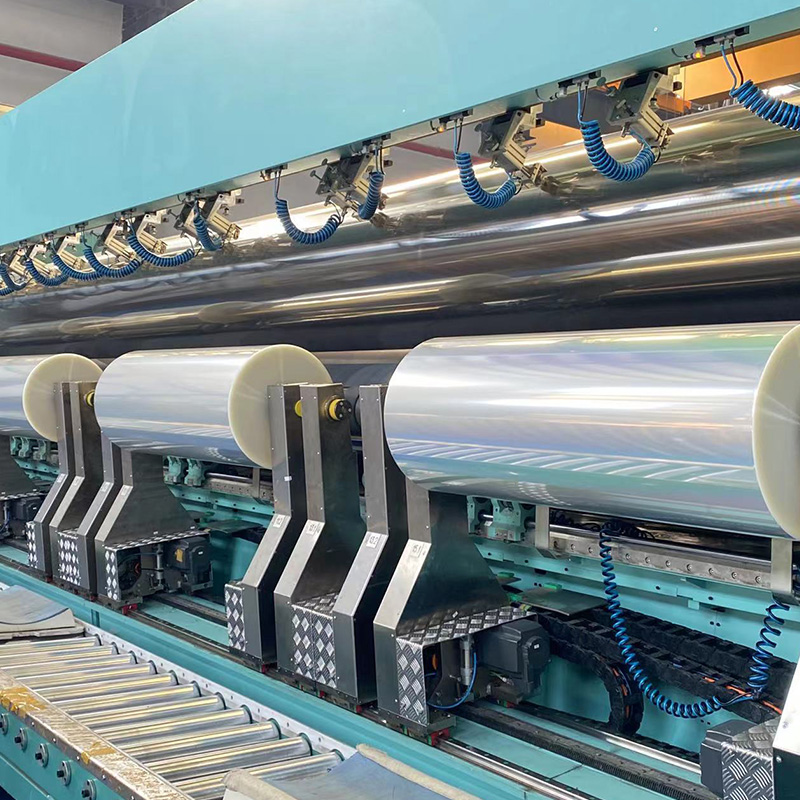 Biaxially Oriented Polypropylene Film
 High Quality PE Stretch Film
 Water Based Acrylate Glue
 BOPP Acrylic Jumbo Roll Tape
 BOPP Hotmelt Jumbo Roll Tape
 BOPP Solvent Jumbo Roll Tape
 BOPP Natural Rubber Jumbo Roll Tape
 BOPP Low Noise Jumbo Roll Tape
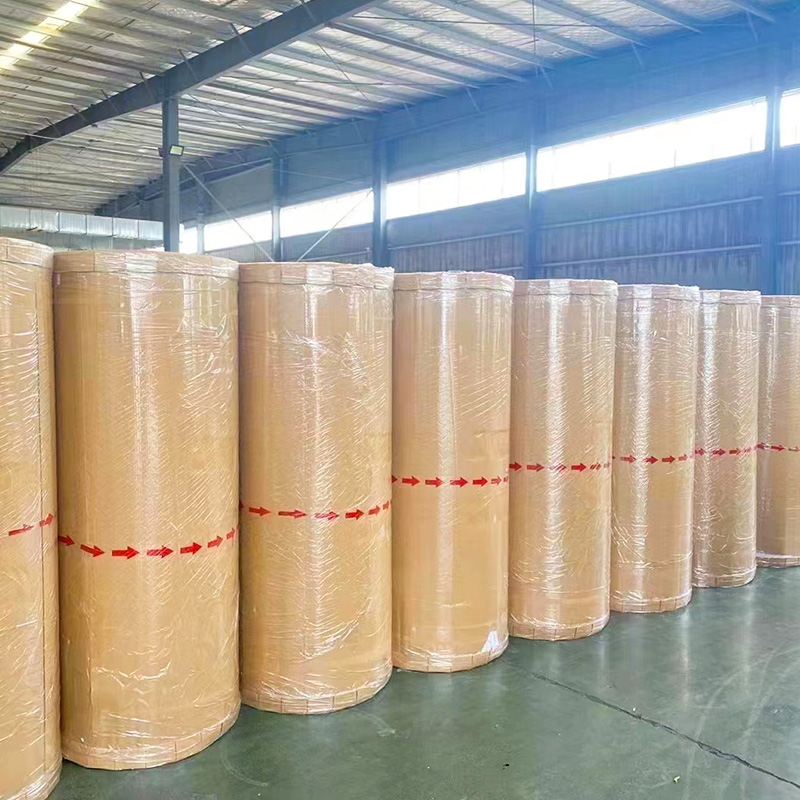 BOPP Silent Jumbo Roll Tape
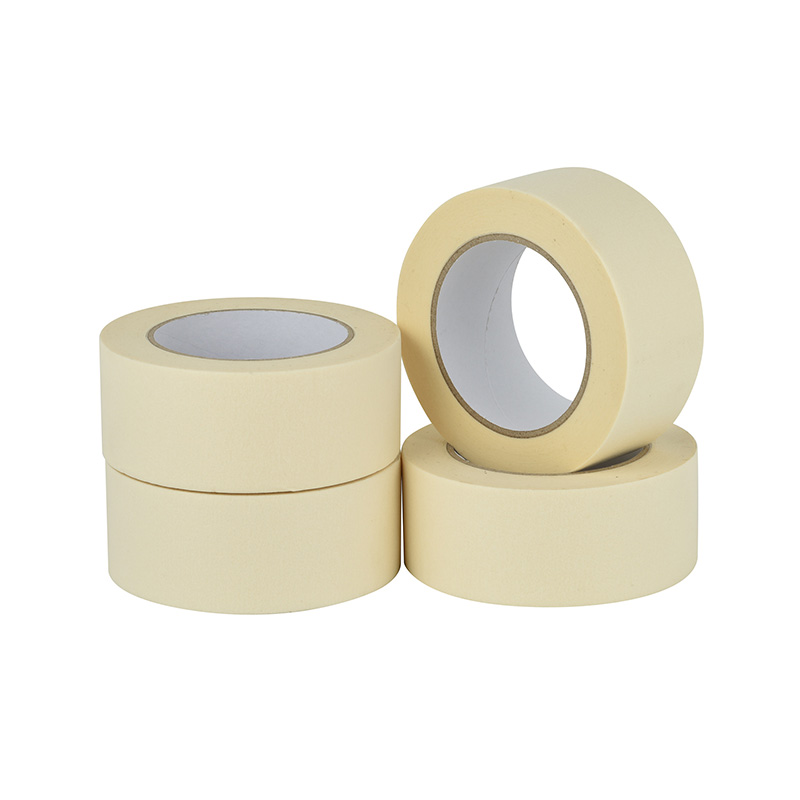 Masking Tape Jumbo Roll
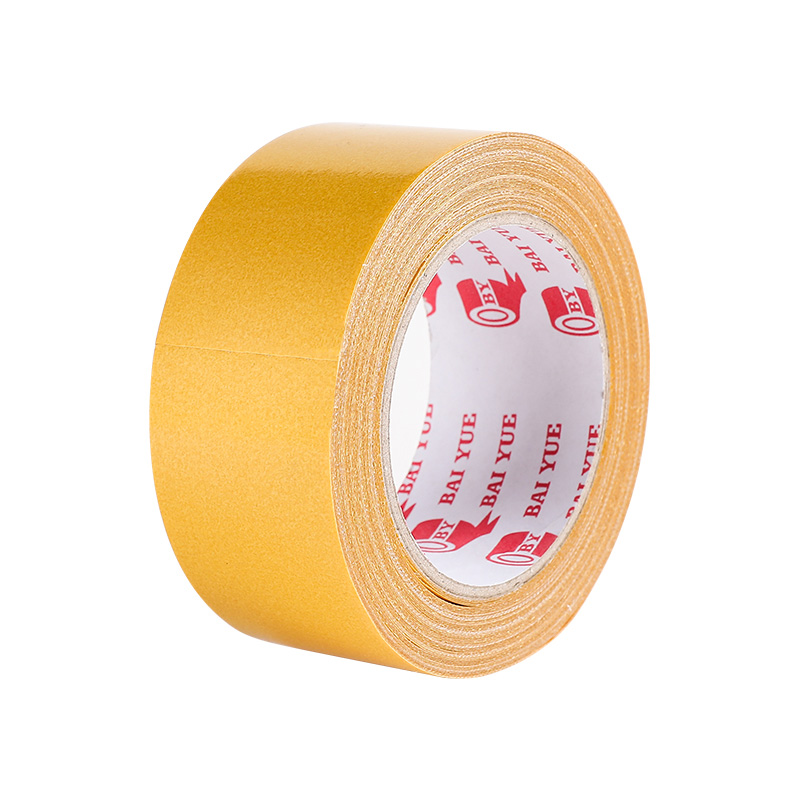 Duct Tape Jumbo Roll
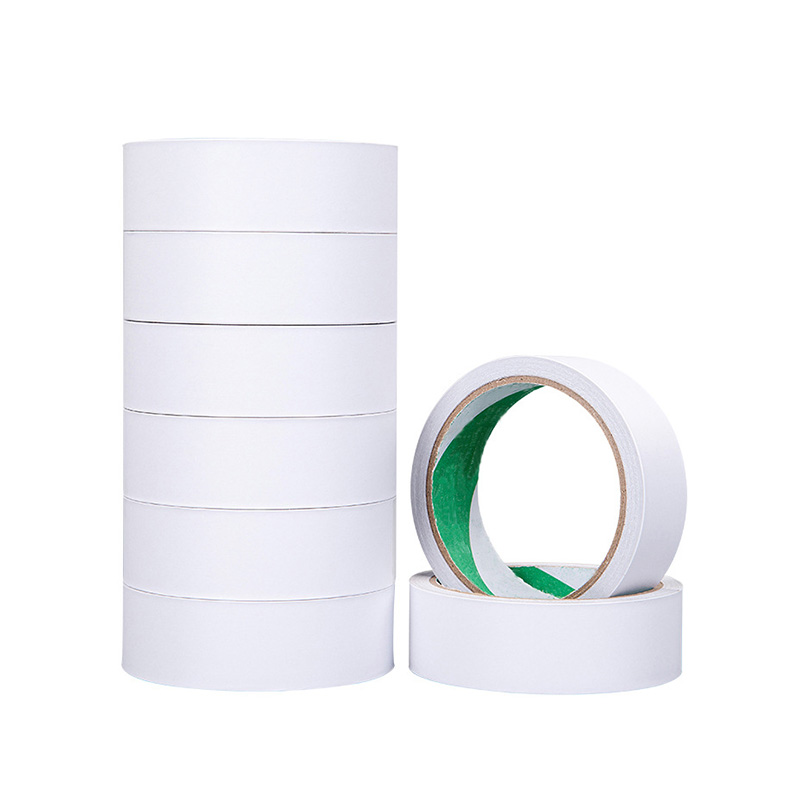 Double Side Tape Jumbo Roll
 fortuna@baiyiadhesive.com

 +86-575-82818961
 fortuna@baiyiadhesive.com
 Baiguan industrialZone,Shangyu District, Shaoxing City, Zhejiang Province, China



 浙ICP备17032394号