1. The Direct Answer: Prioritize Material Composition & Core Quality
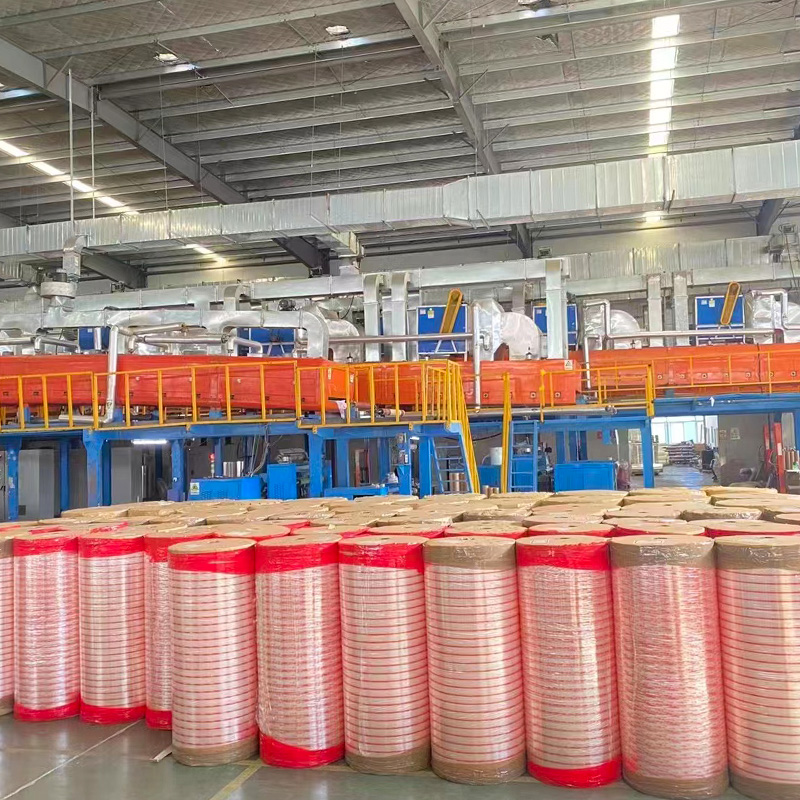
The best BOPP tape jumbo roll is defined by a combination of high-quality biaxially oriented polypropylene film and a consistent, high-tack acrylic or hot-melt adhesive. To choose the best one for your needs, you must first check the adhesive type (hot-melt for instant bonding in varied temperatures, acrylic for UV resistance and long-term stability) and the film's thickness, typically ranging from 23 to 28 microns for standard applications. A reputable manufacturer will provide technical data sheets (TDS) showing adhesion values (e.g., >15 N/25mm) and tensile strength (e.g., >80 N/25mm), which are non-negotiable indicators of performance.
Do not simply look for the cheapest option. The "best" roll minimizes waste, ensures consistent unwinding, and provides a secure seal. For instance, a jumbo roll with poor core quality or inconsistent adhesive coating can lead to up to 15-20% material waste due to telescoping or tearing during high-speed conversion. Therefore, the direct answer is to match the adhesive chemistry to your environmental conditions and verify the physical specifications against recognized industry standards.
2. Core Material & Gauge: The Foundation of Strength
The BOPP film is the backbone of the tape. Its thickness, or "gauge," directly impacts the tensile strength and impact resistance of the final product. Standard gauges range from 23 to 28 microns, but heavy-duty applications may require 30 microns or more.
Using a 23-micron film for heavy carton sealing will likely result in a 25% higher chance of edge tearing compared to a standard 25-micron film. Always verify the film's manufacturer and ensure it is virgin-grade material, as recycled content can compromise clarity and strength.
Recommended Film Thickness by Application:
- Light-duty (office, light bundling): 23 - 24 microns
- Standard carton sealing: 25 - 26 microns
- Heavy-duty, cold storage, or irregular surfaces: 28 microns and above
3. Adhesive Chemistry: Hot-Melt vs. Acrylic
The adhesive is where most performance differentiation occurs. Choosing the wrong type can lead to package failure. Here is a direct comparison to guide your decision:
Table 1: Comparison of BOPP Jumbo Roll Adhesive Types
| Feature |
Hot-Melt (Synthetic Rubber) |
Water-Based Acrylic |
| Initial Tack |
Very High (Instant grab) |
Medium |
| Temperature Resistance |
Good (but can fail below 0°C) |
Excellent (from -20°C to +60°C) |
| UV Resistance |
Poor (can yellow and degrade) |
Superior (remains clear and stable) |
| Aging & Stability |
Can oxidize over time |
Excellent long-term stability |
For standard logistics, a high-quality hot-melt is often sufficient. However, if your products are stored in warehouses with extreme temperatures or exposed to sunlight for prolonged periods, an acrylic adhesive jumbo roll is the superior choice, despite its slightly higher cost per square meter.
4. Core Quality & Winding Tension
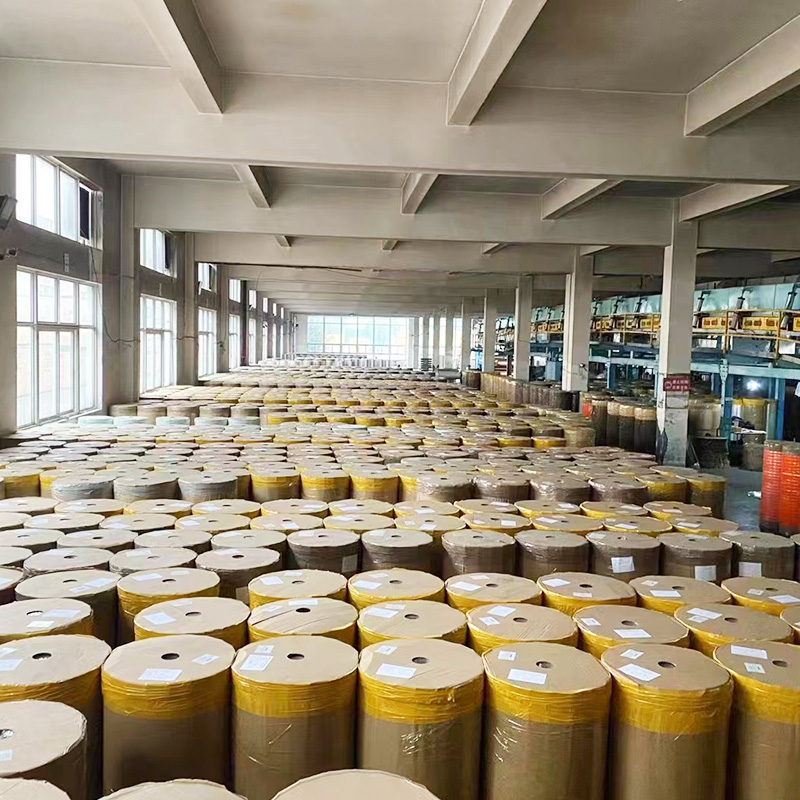
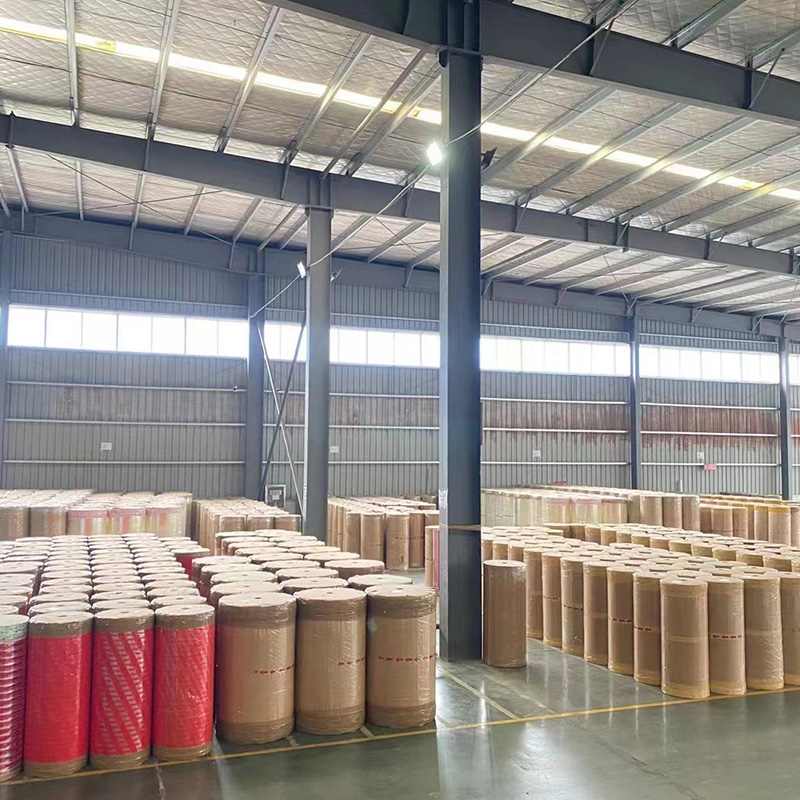
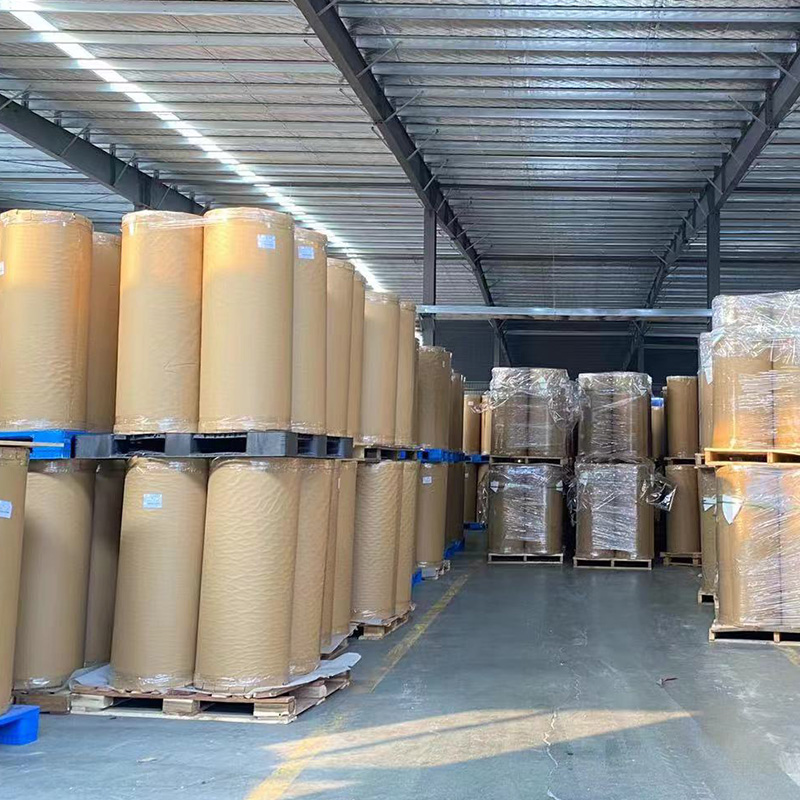
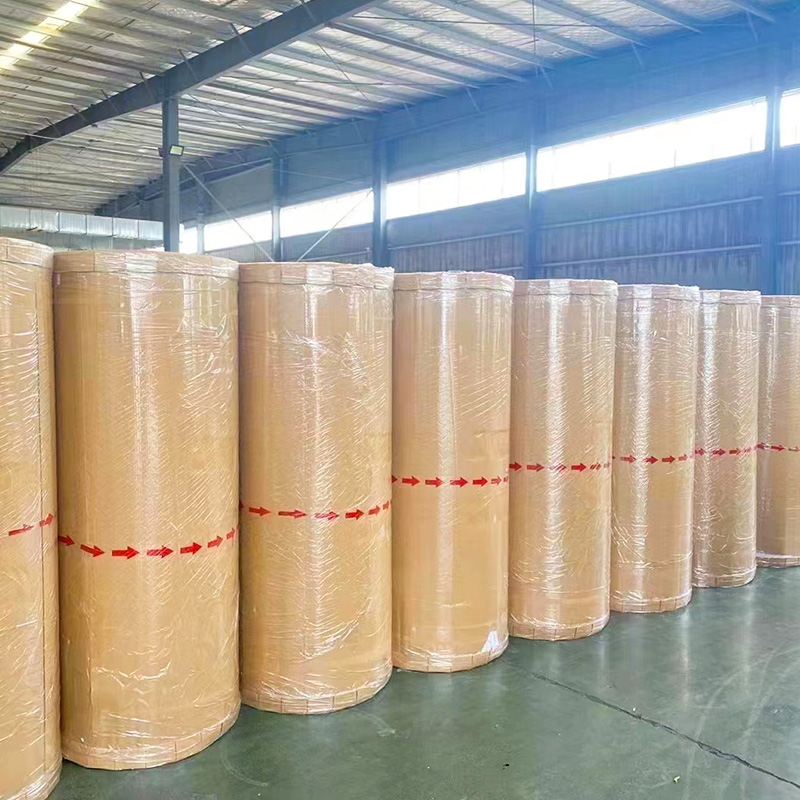
Often overlooked, the quality of the cardboard core and the winding process determines the efficiency of your converting line or dispensing operation. A jumbo roll is typically 1,000 to 1,500 meters long; poor winding can ruin the entire roll.
Look for rolls with high-density spiral cores that resist crushing. Furthermore, the winding tension must be consistent. Inconsistent tension leads to "telescoping," where the tape layers slide sideways. This can cause machine downtime of up to 30 minutes per incident during rewinding. A reputable supplier will guarantee a telescoping tolerance of less than 2-3mm on a 1-meter wide roll.
5. Verifying with Key Performance Metrics
To move beyond subjective opinion, you must request and understand specific metrics from your supplier. These are measurable and directly correlate with performance.
- Adhesion to Steel (N/25mm): Measures stickiness. For general purpose, look for > 15 N/25mm. For heavy-duty, seek > 20 N/25mm.
- Tensile Strength (N/25mm): Measures resistance to breaking. A standard 25-micron roll should offer > 80 N/25mm.
- Elongation at Break (%): Indicates flexibility. Standard BOPP tape usually has an elongation of 120-140%.
By cross-referencing these three metrics with your application needs, you can make a data-backed decision. For example, sealing recycled cardboard boxes with high dust content requires higher initial tack (hot-melt) and good conformability, whereas securing an export shipment through a tropical zone demands high tensile strength and UV-resistant acrylic adhesive.
6. The "Best" is Defined by Your Specific Process
Finally, the best jumbo roll for a high-speed automatic carton-sealing line is different from the best roll for a manual packing station. Automatic lines require a precise balance of unwind force. If the release coat is too strong, the tape may tear; if too weak, it may "cavitate" (unwind too easily) and cause tangles. Requesting a sample roll for a line trial is the ultimate test. A trial can reveal issues like adhesive transfer (leaving residue on the machine) or "zebra marking" (uneven adhesive coating) that no data sheet can predict. The best choice minimizes total operating cost, not just the initial purchase price.