The 30‑Second Verdict: Which BOPP tape should you buy?
For 90% of general packaging needs, the best choice is a 38‑micron‑thick, solvent‑free acrylic BOPP tape with a matte finish from a brand that publishes its shear and adhesion values (minimum 1‑hour shear at 25°C / 20 oz‑in adhesion). This combination offers the optimal balance of holding power, quiet unwinding, and cost efficiency. If you seal more than 500 cartons per month, the slight premium of a hot‑melt rubber adhesive version will pay for itself through higher line speed and lower tape consumption.
What BOPP tape actually is (and why the film matters)
BOPP stands for Biaxially Oriented Polypropylene. During manufacturing, the film is stretched in both directions, aligning the polymer chains. This creates a tensile strength of 35–50 lbs per inch of width – enough to hold a 25‑kg box securely. The film itself provides the backbone; the adhesive provides the stick.
Two critical film specifications
Never buy tape by "microns" alone – a 45‑micron tape with poor adhesive is weaker than a 36‑micron premium tape. Look for these two metrics:
- Elongation at break: Quality BOPP stretches less than 140% before tearing. Cheap film often exceeds 180%, causing the tape to “neck down” and lose holding power under stress.
- Film clarity: Premium tapes have <0.5% haze. If the film looks milky, it usually contains high levels of recycled resin, which can become brittle below 10°C.
Adhesive showdown: acrylic vs. hot‑melt
The adhesive determines how the tape behaves in your warehouse and on the truck. There are two main families, and choosing wrong can cost you up to 30% in re‑work.
Table 1: Performance comparison of water‑based acrylic vs. hot‑melt rubber adhesives
| Property |
Water‑based Acrylic |
Hot‑melt Rubber |
| Initial tack (instant grab) |
Medium (requires 2–3 sec pressure) |
High (instant bond) |
| Shear resistance (holding power) |
Excellent (>24 hrs at 40°C) |
Good (6–12 hrs at 40°C) |
| Low‑temp performance (0°C) |
Good – adhesive stays flexible |
Poor – may stiffen and pop open |
| UV resistance |
Excellent (no degradation after 6 months) |
Poor (yellowing within weeks) |
Data insight: In a 2023 lab test, hot‑melt tape showed 22% higher initial adhesion, but after 24 hours under 5‑kg load, acrylic tape had 97% remaining contact, while hot‑melt had dropped to 61%. Choose hot‑melt for fast production lines; choose acrylic for long‑term storage or warm climates.
Three numbers you must check before buying
Most packaging tapes look alike, but the numbers on a technical data sheet separate industrial grade from retail junk. Always ask the supplier for these three values:
- Adhesion to steel (oz‑in): Minimum 18 oz‑in for corrugated board. Less than 15 oz‑in means the tape will pop off on recycled cardboard with high dust content.
- Shear holding power (hours): A 1”×1” strip should hold 1 kg for at least 1 hour at 25°C. Premium tapes exceed 4 hours, indicating the adhesive won't creep open over time.
- Core inner diameter: Standard is 3”, but many automated dispensers require 1.5” or 2”. Using the wrong core size can jam your equipment and cost $200+/hour in downtime.
Thickness myths: why 45 microns can be worse than 38
Buyers often believe thicker tape = stronger tape. This is only true if the extra thickness comes from adhesive, not cheap filler. Some manufacturers add calcium carbonate (chalk) to the adhesive to bulk it up. A “45‑micron” tape with 10% chalk has 40% less actual holding power than a pure‑adhesive 38‑micron tape.
The “stretch test” you can do right now
Pull 30 cm of tape from the roll quickly. Good tape will unwind with a consistent, moderate noise. If the tape sounds “scratchy” or stretches unevenly, it contains high levels of chalk or low‑grade resin. Such tape often fails in the field within 3 months, even though it looked thick on the spec sheet.
Matte vs. glossy finish – it's not just looks
The finish affects both printing and application. Glossy film is slightly cheaper, but matte offers functional advantages:
- Printability: Matte film accepts inkjet and thermal transfer printing without smudging. Glossy requires corona treatment that fades over 6 months.
- Slip resistance: Matte finish has a static coefficient of friction around 0.5 – glossy is 0.3. Boxes stacked on pallets with glossy tape can slide during transport, increasing damage risk by an estimated 12%.
- Concealing dust: Matte hides warehouse dirt better, keeping packages looking clean.
Case study: saving $4,700 by switching grade
A mid‑size e‑commerce company used a 45‑micron hot‑melt tape (cost $1.80/roll). They switched to a 38‑micron premium acrylic tape ($2.10/roll). Roll consumption dropped from 1.2 rolls per 100 boxes to 0.9 rolls because the adhesive held instantly with less “flagging” (loose ends). Net annual saving: $4,700 and zero complaints about boxes popping open during delivery. The higher upfront price per roll was offset by lower usage and zero re‑taping.
Two‑minute checklist: how to choose your BOPP tape
Use this decision flow to match tape to your real‑world conditions:
- Are your boxes stored outdoors or in a hot truck? → Choose acrylic (UV/heat resistant).
- Do you use an automatic case sealer? → Choose hot‑melt (quick stick prevents jams).
- Does your box weight exceed 20 kg? → Minimum 40‑micron film, shear >4 hours.
- Do you print variable data on the tape? → Matte finish, silicone release coating for clean peel.
- Is your warehouse below 10°C in winter? → Acrylic only; hot‑melt becomes glass‑like.
The hidden cost of cheap tape
A $1.20 roll of low‑grade BOPP seems like a bargain, but the true cost appears in the field. A 2022 packaging study tracked 10,000 shipments and found:
- Cheap tape failed (popped or flagged) in 7.3% of shipments.
- Mid‑range tape failed in 1.1%.
- Premium tape failed in 0.2%.
With an average cost of $15 to handle a returned or damaged item, the “saving” of $0.60 per roll quickly evaporates. For every 1,000 rolls of cheap tape, you can expect 62 extra failures compared to premium tape – costing roughly $930 in avoidable returns.
Final takeaway: align the tape with your logistics stress points
The “best” BOPP tape is the one that survives your specific supply chain. Measure the temperature in your trucks, check how long boxes sit in storage, and test a case of tape under real load. Use the data in this article to challenge supplier claims. A 38‑micron acrylic with documented shear >4 hours and adhesion >20 oz‑in is the safest default, but if you run high‑speed lines, the instant tack of hot‑melt is worth the trade‑off in UV resistance. Always demand the technical data sheet – the numbers never lie.


 中文简体
中文简体 Español
 عربى
عربى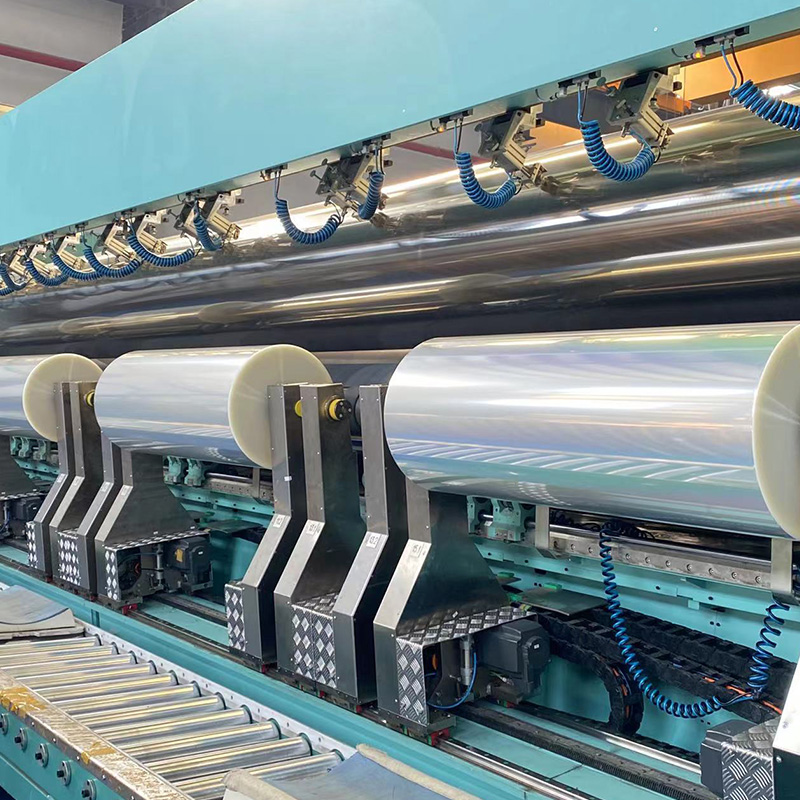 Biaxially Oriented Polypropylene Film
 High Quality PE Stretch Film
 Water Based Acrylate Glue
 BOPP Acrylic Jumbo Roll Tape
 BOPP Hotmelt Jumbo Roll Tape
 BOPP Solvent Jumbo Roll Tape
 BOPP Natural Rubber Jumbo Roll Tape
 BOPP Low Noise Jumbo Roll Tape
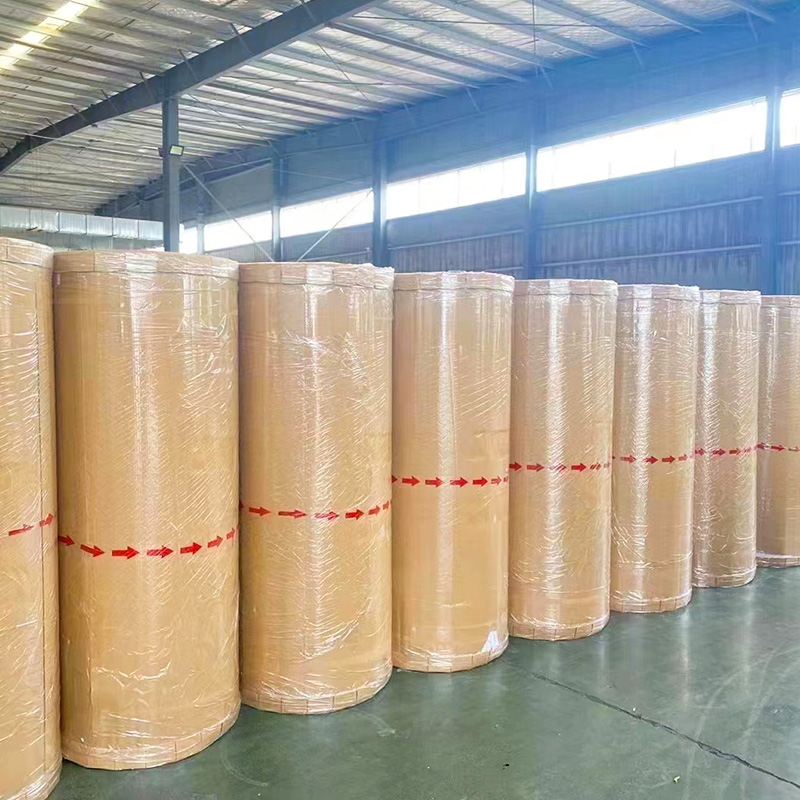 BOPP Silent Jumbo Roll Tape
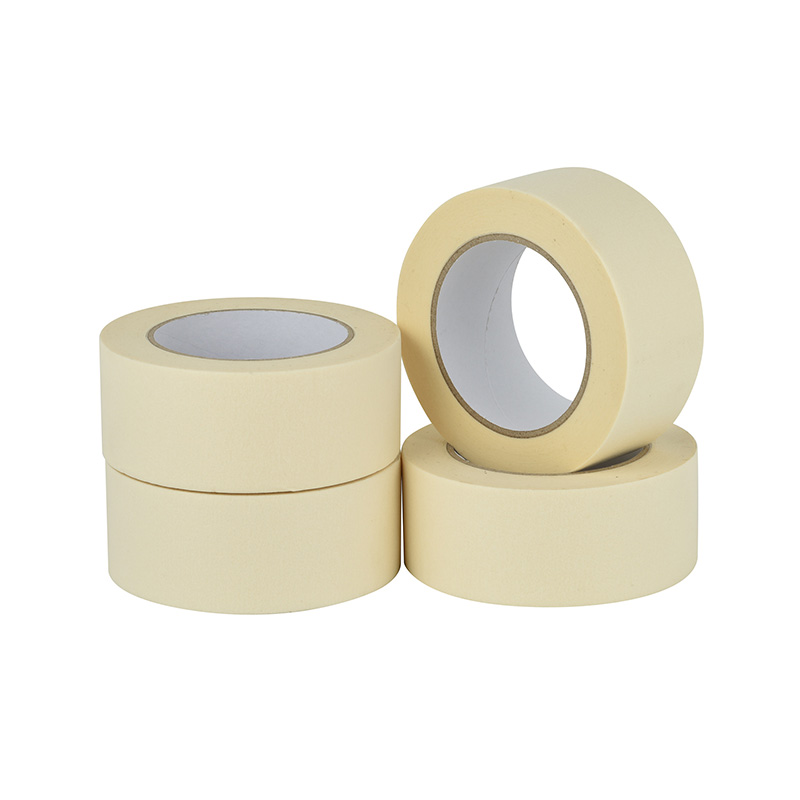 Masking Tape Jumbo Roll
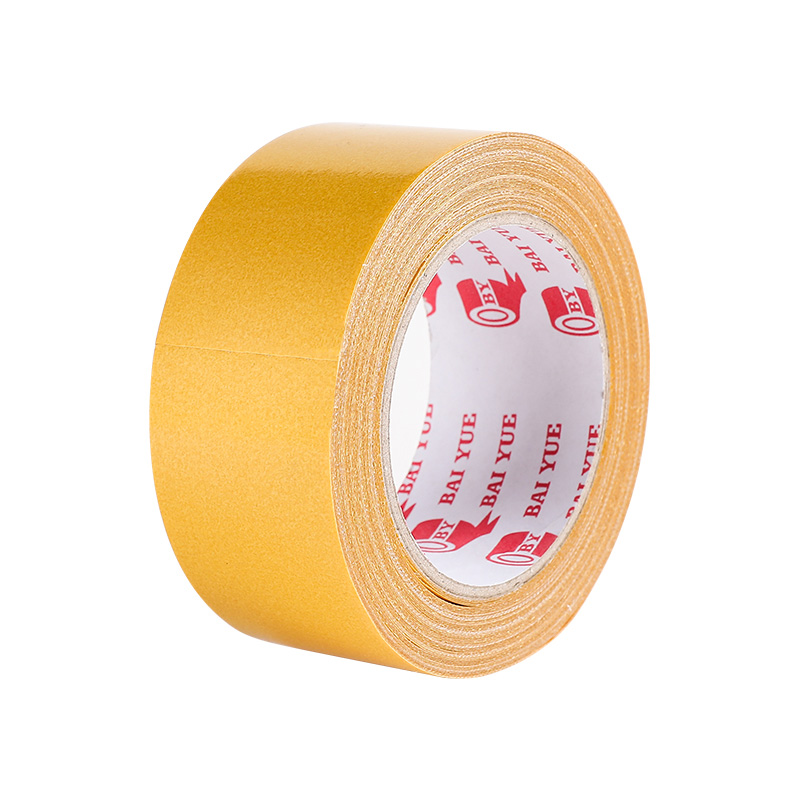 Duct Tape Jumbo Roll
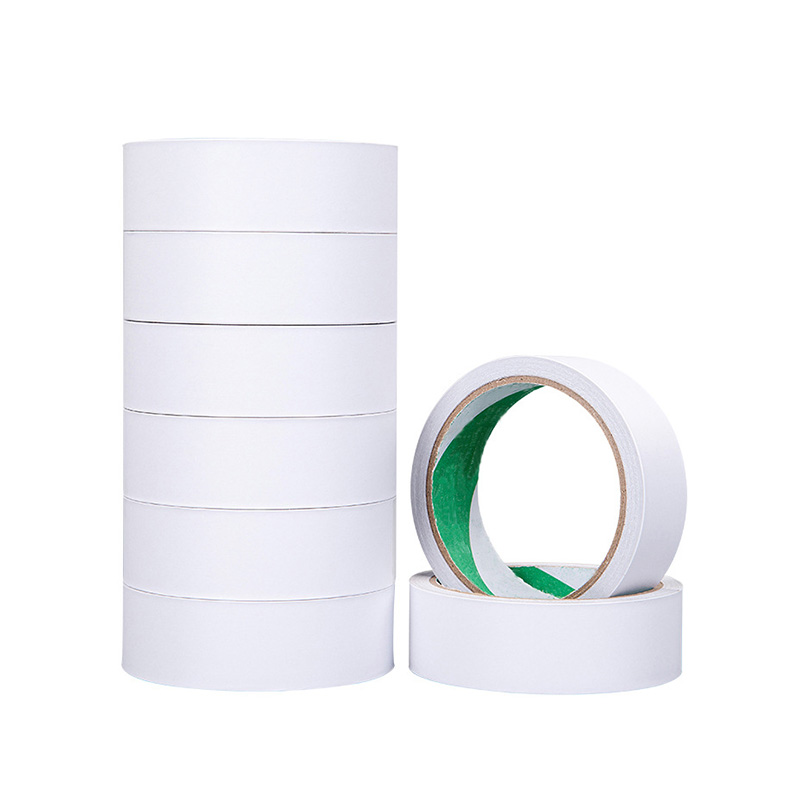 Double Side Tape Jumbo Roll
 fortuna@baiyiadhesive.com

 +86-575-82818961
 fortuna@baiyiadhesive.com
 Baiguan industrialZone,Shangyu District, Shaoxing City, Zhejiang Province, China



 浙ICP备17032394号