Home / Blog / Industry News / How to Choose Tape?
NEWS

How to Choose Tape?

2026-03-23

Match the Tape to Your Surface and Load First

The single most important factor in choosing tape is surface energy and required holding strength. For low-energy surfaces like polypropylene or concrete, standard masking tape fails. Instead, use specialized high-tack or rubber-based adhesive tapes. For sheer load (weight pulling straight down), double-sided foam tapes with acrylic adhesive outperform standard cloth tape by over 300% in holding power according to ASTM D3654 shear tests. Always prioritize surface energy compatibility and load direction first.

Adhesive Chemistry: The Core Performance Driver

Different adhesives excel in specific conditions. The table below summarizes the three dominant families and their quantified performance metrics.

Table 1: Adhesive types vs. surface energy and temperature limits
Adhesive Type Best for Surface Energy Typical Shear Strength (24h) Max Temp Range
Acrylic (e.g., VHB) High (metals, glass) ≥ 25 lbs/in² -40°C to 150°C
Rubber (natural/synthetic) Medium-Low (paper, PE) 10–15 lbs/in² -30°C to 80°C
Silicone Very low (silicone rubber) 8–12 lbs/in² -55°C to 260°C

Key takeaway: For outdoor or high-heat applications (e.g., automotive panel bonding), acrylic adhesive is the only reliable choice. Rubber-based tape loses up to 70% of its adhesion after 48 hours of UV exposure.

FAQ: How to Choose Tape for Specific Substrates

1. What tape works on rough or uneven surfaces?

Use high-thickness tape (≥ 0.5 mm) with a conformable backing, such as foam or thick cloth. Example: 3M 5952 VHB (0.6 mm) fills gaps up to 0.4 mm and maintains 90% initial adhesion on textured brick. Avoid thin film tapes like standard packing tape – they achieve only 12% contact area on rough wood.

2. How do I choose tape for temporary mounting vs. permanent bonding?

For temporary (days to weeks), select low-tack or removable acrylic tape (e.g., Scotch 2364). It offers 3–5 oz/in peel adhesion and leaves < 0.5% residue after 30 days on painted drywall. For permanent, use high-shear acrylic foam – removal requires over 15 lbs/in of peel force and often damages the substrate.

3. Can tape replace screws or rivets?

Yes, for lightweight panels and trim. Double-sided structural tape (e.g., 3M VHB 4952) achieves dynamic shear strength of 200 kPa. A 1-inch by 4-inch strip holds 15 pounds statically for over a year. However, for cyclic loads (vibrating machinery), screws are 3x more reliable over 100,000 cycles.

Data-Backed Comparison: Masking, Duct, and Double-Sided Tapes

Below are standard industry values from PSTC (Pressure Sensitive Tape Council) test methods. Use this to avoid the common mistake of using duct tape for painting or masking tape for permanent repairs.

Table 2: Performance benchmarks for three common tape categories
Tape Type Peel Adhesion (oz/in) Shear Hold (hours @ 2lbs) Best Use Case
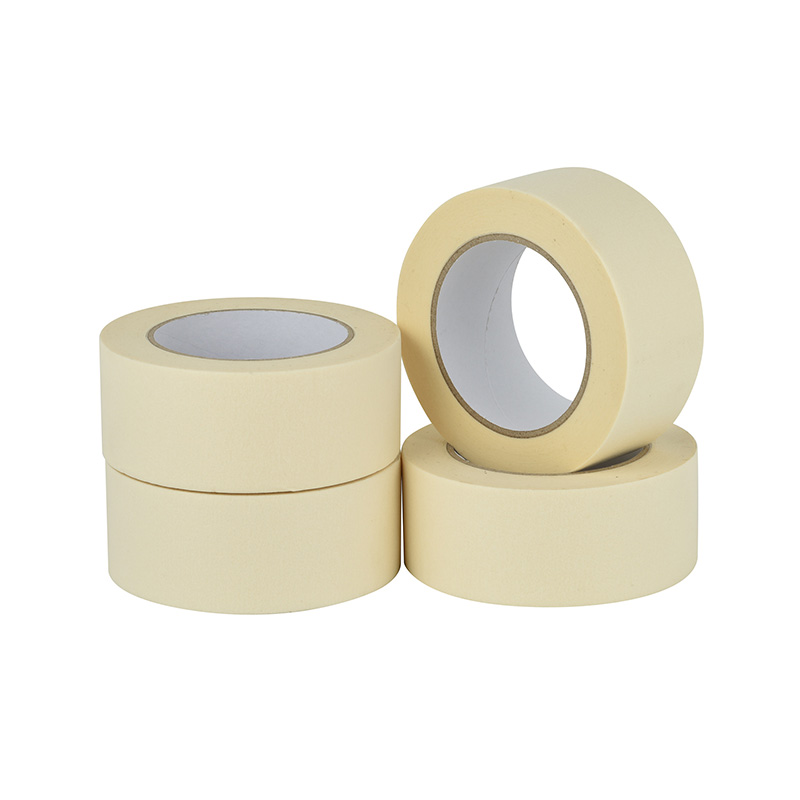
General Purpose Masking 12–20 < 1 Painting, labeling (≤ 3 days)
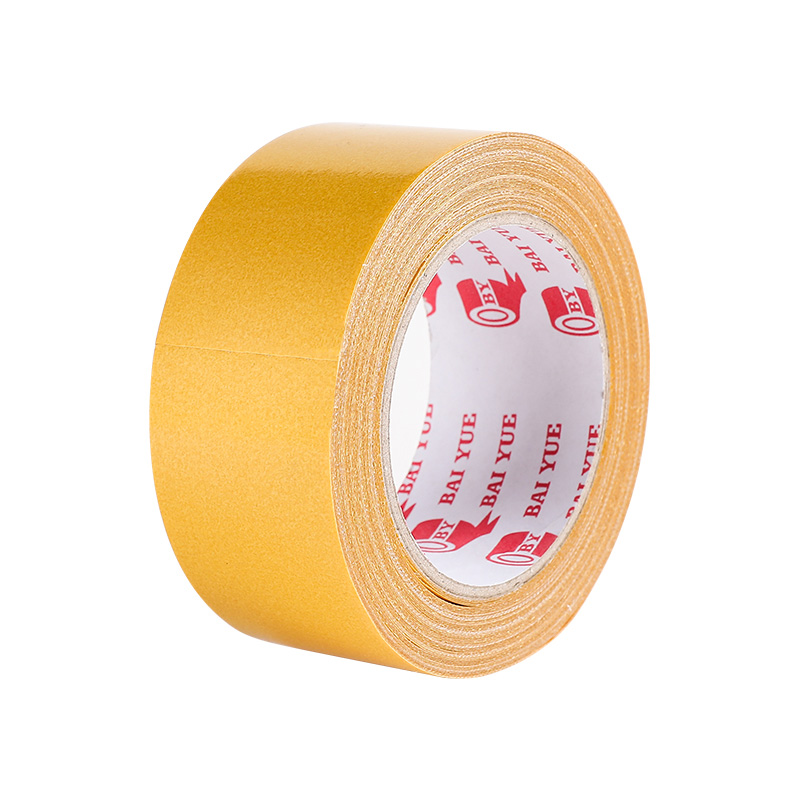
Duct Tape (cloth) 30–45 4–8 Temporary repairs, sealing ducts
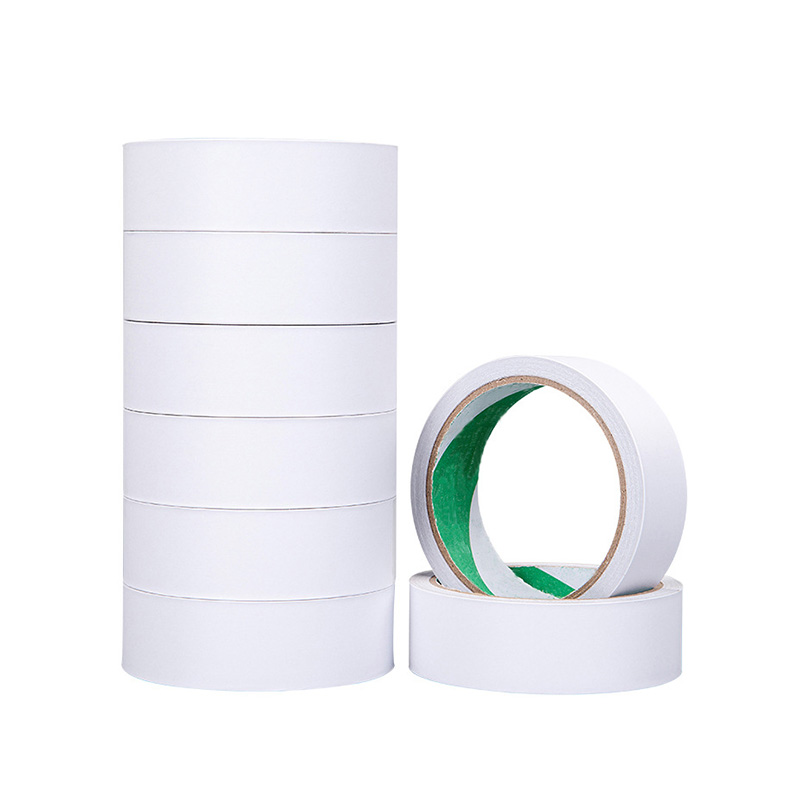
Acrylic Double-Sided Foam 75–120 > 200 Permanent mounting, automotive trim

Critical note: Duct tape’s peel strength looks impressive, but its shear hold is only 4–8 hours under 2 lbs – never use it for hanging objects. Acrylic foam tape, in contrast, holds over 8 days under the same load.

Surface Preparation: The 80% Factor in Tape Success

Regardless of tape quality, improper surface prep causes 80% of field failures. Follow this proven checklist:

  • Clean: Use 50% isopropyl alcohol (IPA) solution. Avoid soap – it leaves 0.2–0.5 µm residue layers that reduce adhesion by up to 60%.
  • Abrade: For glossy surfaces (e.g., powder coat), light sanding (400 grit) increases bonding area by 300-400%.
  • Dry: Allow IPA to evaporate for at least 2 minutes at room temperature. Residual solvent reduces tack by 50%.
  • Apply pressure: Roller or thumb pressure of 15 psi minimum (firm thumb press). Insufficient pressure leaves 30% of adhesive uncontacted.

Example: On stainless steel, a standard acrylic tape with proper IPA cleaning achieves 90 lbs/in² shear. With only a dust wipe, that number drops to 22 lbs/in² – a 75% loss.

Temperature & Environmental Matching: Avoid Creep and Failure

Tapes are viscoelastic. Above their glass transition temperature (Tg), they soften and creep. Below Tg, they become brittle. Standard acrylic tapes have a Tg of approximately -15°C to +10°C. Never use general-purpose tape above 60°C (140°F) – shear strength drops by 80% within 24 hours.

For outdoor use, select UV-stabilized acrylic tape. A non-stabilized rubber tape loses 70% of its peel strength after 500 hours of QUV weathering, while stabilized acrylic retains > 90%. For cold applications (below 0°C), warm the tape and substrate to 20°C before application – initial tack is 5x higher than applying at -5°C.