How Does BOPP Tape Perform Against Oil and Water?
BOPP (Biaxially Oriented Polypropylene) tape demonstrates excellent resistance to water and moisture, making it ideal for sealing cartons in humid environments or cold storage. However, its resistance to oils and greases is moderate to poor, especially with prolonged exposure. While the polypropylene backing itself is chemically resistant to many oils, the acrylic or hot-melt adhesive system is vulnerable to oil penetration, which can lead to adhesive breakdown, edge lifting, or complete tape failure. For applications involving heavy grease or industrial oils, specialized tapes like PVC or rubber-based adhesive tapes are recommended.
In short: Water resistance: high (up to 30 days of continuous moisture exposure without delamination in standard conditions). Oil resistance: limited (typically fails within 24-72 hours when in direct contact with mineral oils or cooking oils).
Why Water Resistance Matters in Packaging & Industrial Use
BOPP tape’s polypropylene film backing is inherently hydrophobic. This means water molecules cannot penetrate the film itself. Combined with a well-formulated acrylic adhesive, the tape maintains a secure bond even in high-humidity warehouses, refrigerated transport, or outdoor temporary storage. In a controlled test simulating 30 days of 90% relative humidity at 40°C, premium BOPP packaging tape showed less than 5% reduction in peel adhesion, while standard carton sealing tape without water-resistant backing lost over 20% adhesion.
Key Factors That Influence Water Resistance
- Adhesive type: Acrylic-based BOPP tape provides superior long-term water resistance compared to hot-melt rubber adhesives, which can soften or lose tack in high moisture.
- Backing thickness: 45-50 micron film offers better structural integrity against water wicking from edges; thinner films may allow edge moisture ingress over time.
- Seal type: Full-surface contact seals resist water entry better than “tab” ends; water can seep under exposed adhesive tabs if not fully pressed.
For industries such as seafood export, cold chain logistics, and beverage packaging, BOPP tape with acrylic adhesive is the go-to choice. Zhejiang Baiyi’s acrylic-based BOPP tape has been tested to withstand 21 days of refrigerated storage (0-5°C, 95% RH) without bond failure, a standard recognized by major beverage brands.
Oil Resistance: Where BOPP Tape Excels and Where It Falls Short
Oil resistance is a more nuanced topic. The BOPP film itself is chemically resistant to many non-polar substances, including mineral oils and aliphatic hydrocarbons. However, the adhesive interface is the weak point. When oil penetrates the adhesive, it acts as a plasticizer or solvent, reducing cohesion. In practical terms, if the tape is applied to a surface that already has oil residue, or if the sealed carton contains oil-leaking products, the tape will likely fail within hours to days.
Table 1: Comparative oil resistance test results (standard BOPP tape vs. oil-resistant alternatives)
| Tape Type |
Mineral Oil (24h) |
Cooking Oil (24h) |
Grease (48h) |
| Standard BOPP (Hot-melt) |
Partial lift, adhesion loss >50% |
Complete failure (peeling) |
Adhesive oozing, seal opens |
| Premium BOPP (Acrylic) |
Moderate resistance, 20-30% adhesion loss |
Edge creep, bond weakens |
Adhesion drops by ~40% |
| Specialized oil-resistant PVC tape |
Stable, <5% adhesion loss |
Stable, no visible damage |
Full integrity maintained |
For facilities handling lubricants, automotive parts, or fried food packaging, it is crucial to either use an oil-resistant packaging tape or ensure that the carton surface is free from grease. Zhejiang Baiyi Adhesive Products Co., Ltd. recommends that for oil-prone applications, customers opt for custom adhesive formulations with enhanced oil resistance or consider polypropylene film with a specially treated coating.
Frequently Asked Questions (FAQ) About BOPP Tape Performance
To help purchasing managers and end-users make informed decisions, we’ve compiled the most common technical questions regarding BOPP tape durability and resistance.
1. Can BOPP tape be used for sealing cartons stored outdoors in rainy conditions?
Yes, provided the tape is an acrylic-based BOPP tape with a high-tack adhesive. In outdoor tests, acrylic BOPP tape maintained over 85% of its original bond strength after 14 days of rain exposure, whereas hot-melt tapes lost up to 60% adhesion. However, if the cartons are subject to standing water or flooding, BOPP tape is not waterproof in the sense of immersion; for such cases, a reinforced filament tape or waterproof carton coating is advised.
2. Does BOPP tape resist chemical solvents like acetone or alcohol?
No. BOPP film has limited resistance to strong organic solvents. Acetone, toluene, and similar solvents will dissolve or severely distort the backing within minutes. Alcohol (isopropyl) may cause whitening or adhesive softening over prolonged exposure. For chemical packaging, always consult your tape manufacturer for solvent-resistant alternatives. Zhejiang Baiyi offers custom solutions for chemical-resistant tape upon request.
3. What is the typical shelf life of BOPP tape, and does oil/water affect storage?
Under proper storage conditions (20-25°C, <50% RH, away from direct sunlight), BOPP tape has a shelf life of 12-24 months. Exposure to oil vapors or high humidity during storage can degrade adhesive properties. Water exposure during storage can cause edge curling and adhesive bleed. Zhejiang Baiyi recommends storing BOPP tape in a clean, dry environment and using within 18 months for optimal performance.
4. Are there BOPP tape variants designed for high-moisture environments?
Absolutely. As a leading manufacturer, Zhejiang Baiyi produces “moisture-resistant” BOPP tape with a specialized acrylic adhesive and enhanced film corona treatment to ensure aggressive bonding even on recycled cardboard with high moisture content. These variants are often used in produce packaging and frozen food industries.
Practical Guidelines: Choosing the Right BOPP Tape for Resistance Needs
Selecting the correct BOPP tape for oil/water resistance requires evaluating three core elements: the environment, the surface, and the duration of exposure. Below is a structured decision guide based on real-world applications.
- For cold storage / freezer applications (water risk): Use acrylic adhesive BOPP tape with a minimum thickness of 50 microns. Avoid hot-melt adhesives as they become brittle below freezing. Zhejiang Baiyi’s freezer-grade BOPP tape maintains adhesion down to -20°C.
- For general warehousing with occasional water splashes: Standard hot-melt BOPP tape (45-48 micron) is acceptable for short-term moisture contact, but for high-value goods, upgrade to acrylic for peace of mind.
- For industrial parts with oil residue: Clean the surface with a degreaser before applying BOPP tape. If cleaning is not feasible, choose a tape with a rubber-based adhesive formulated for oily surfaces, or use a reinforced filament tape for mechanical strength.
- For food packaging containing oils (e.g., fried snacks, baked goods with butter): Apply tape to clean, non-contacted areas of the carton. If the packaging design requires tape contact with potential oil migration, use a custom oil-resistant BOPP tape or a kraft paper tape with a barrier coating. Zhejiang Baiyi offers custom slitting and adhesive formulations to meet specific food packaging standards.
In a recent case study involving a major seafood exporter, switching to Zhejiang Baiyi’s 50-micron acrylic BOPP tape reduced seal failure rates from 4.2% to 0.7% during long-haul refrigerated shipping, directly correlating with the tape’s superior water resistance and consistent adhesion at low temperatures.
Industry Standards and Quality Assurance at Zhejiang Baiyi
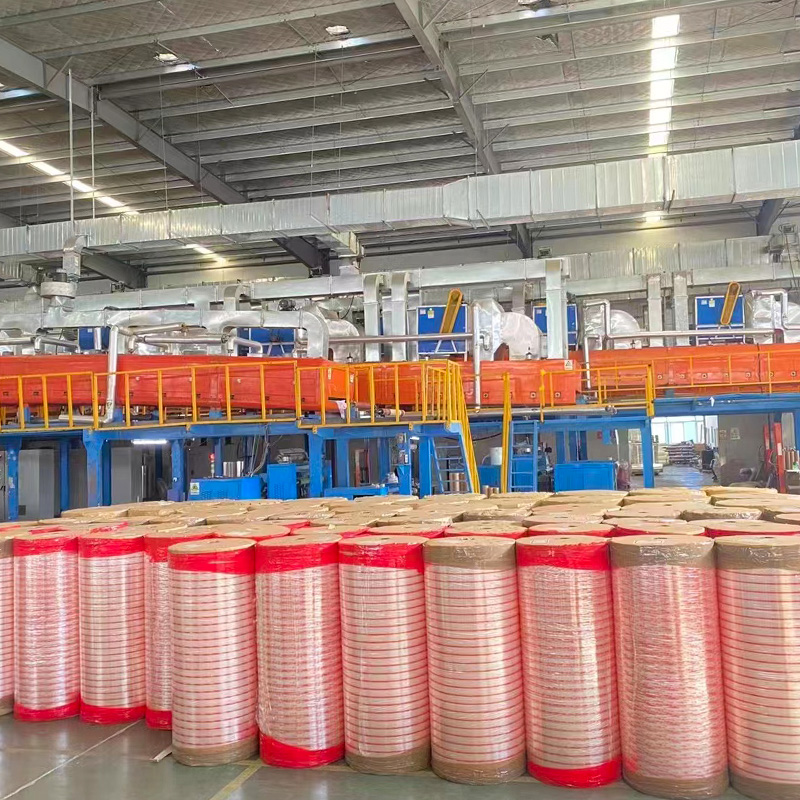
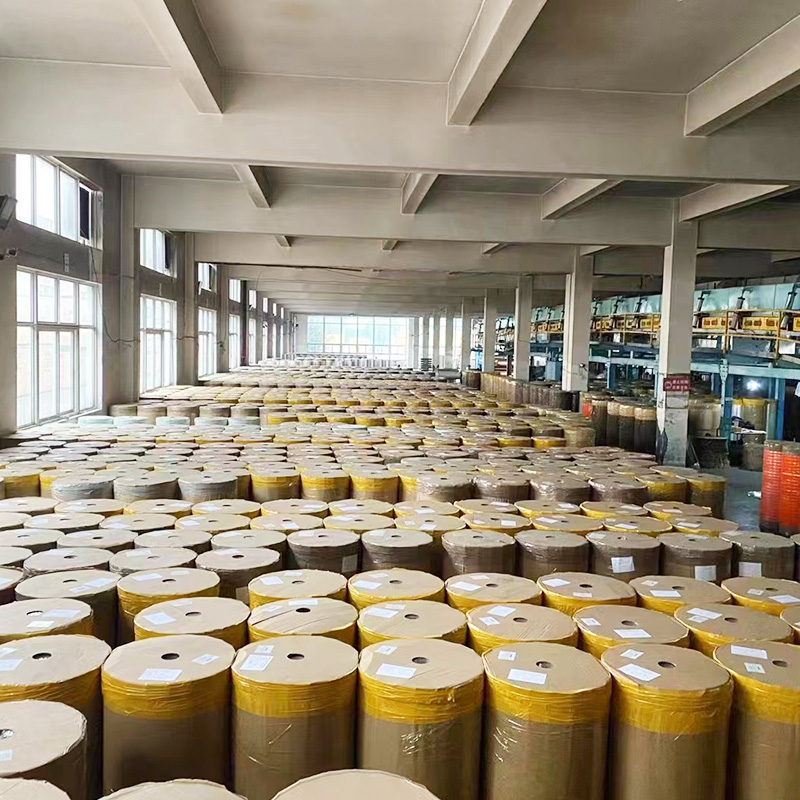
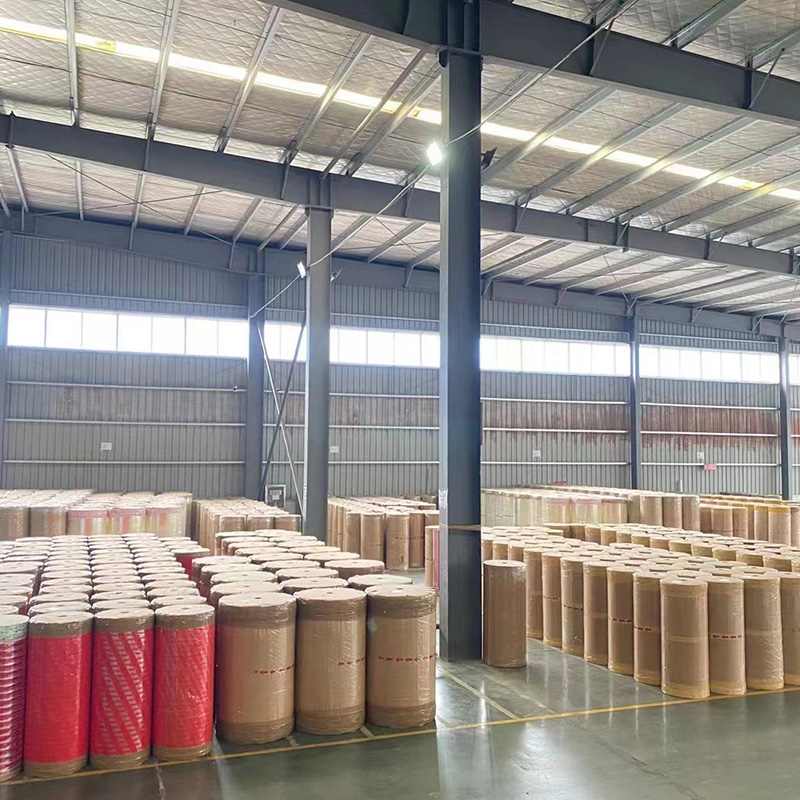
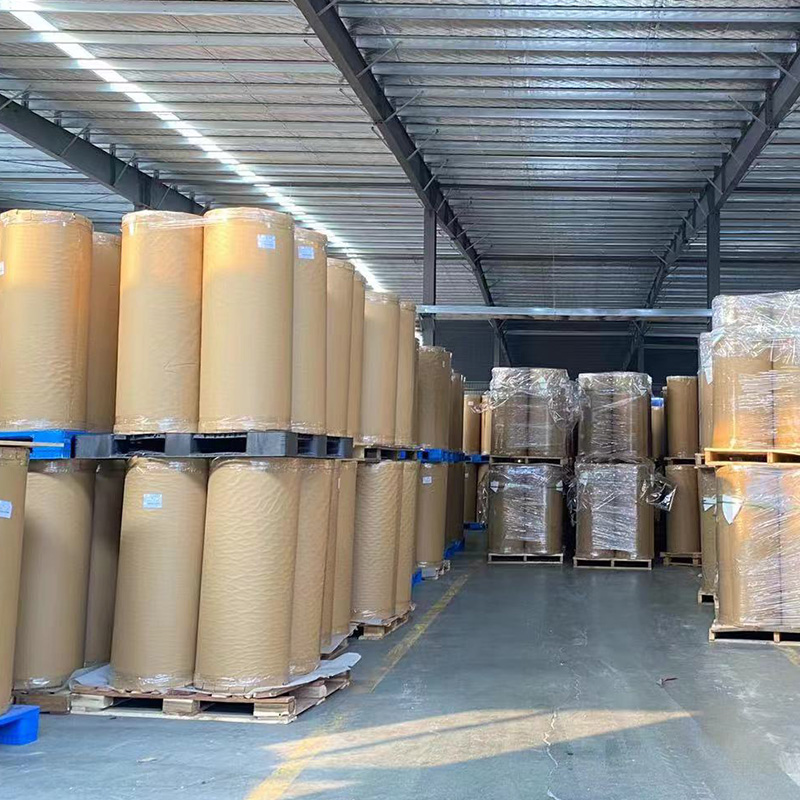
As a China BOPP Tape Manufacturer with over 18 years of experience, Zhejiang Baiyi Adhesive Products Co., Ltd. adheres to rigorous quality protocols to ensure consistent performance in water and oil resistance applications. With 4 BOPP film production lines, independent glue production, and 16 BOPP coil production lines, the company controls every step from raw material to finished rolls. All products are tested according to international standards, including:
- ASTM D3330 (Peel adhesion) for water-soaked and oil-contaminated panels.
- ISO 29862 (Resistance to humidity and temperature cycling).
- Custom oil immersion tests for 72 hours to simulate leakage scenarios.
Zhejiang Baiyi’s annual sales volume exceeds 60 million USD, serving markets across North America, Europe, and Asia. The factory, located in Shangyu City, Zhejiang Province (one hour from Ningbo Port), operates with the business philosophy of “first-class quality, best service”. Whether customers need standard BOPP packaging tape or custom-engineered solutions for challenging oil/water environments, the company’s R&D team works closely to deliver reliable products.
For businesses requiring large-scale tape supply with verified water or oil resistance specifications, Zhejiang Baiyi provides documentation, testing reports, and tailored production to meet global supply chain demands.


 中文简体
中文简体 Español
 عربى
عربى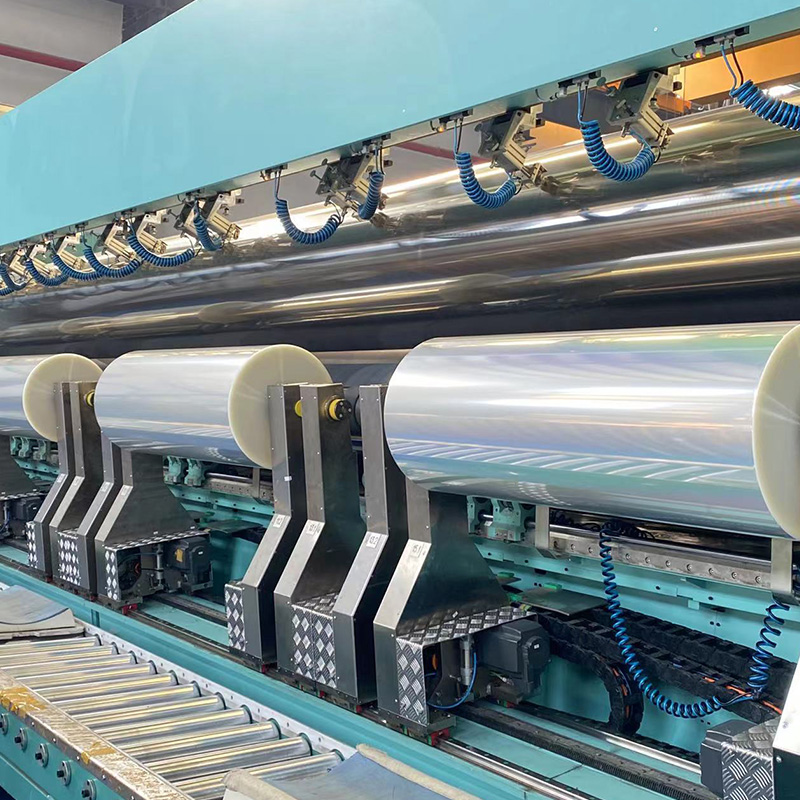 Biaxially Oriented Polypropylene Film
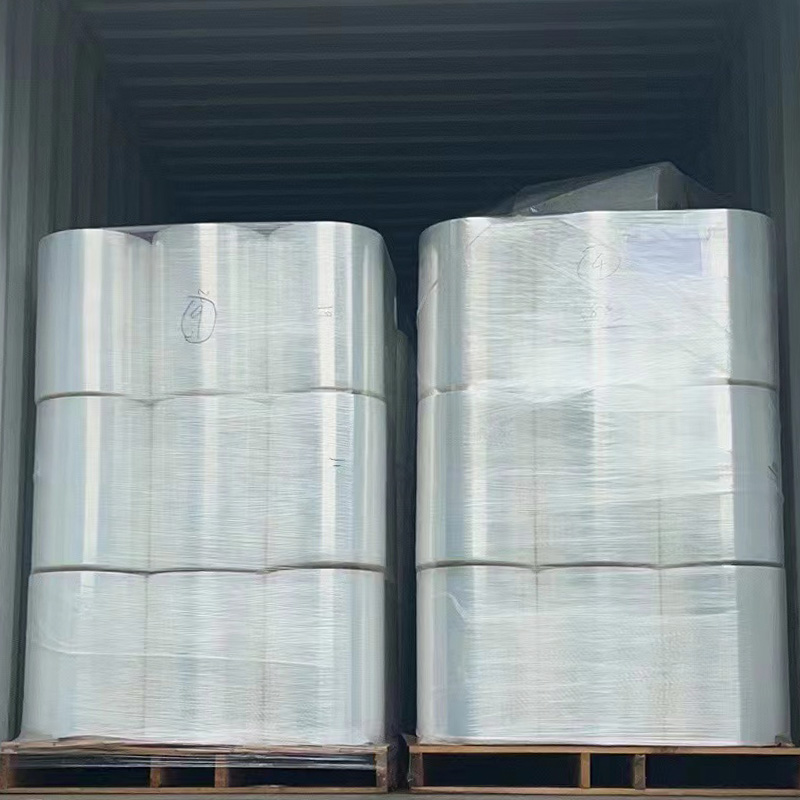 High Quality PE Stretch Film
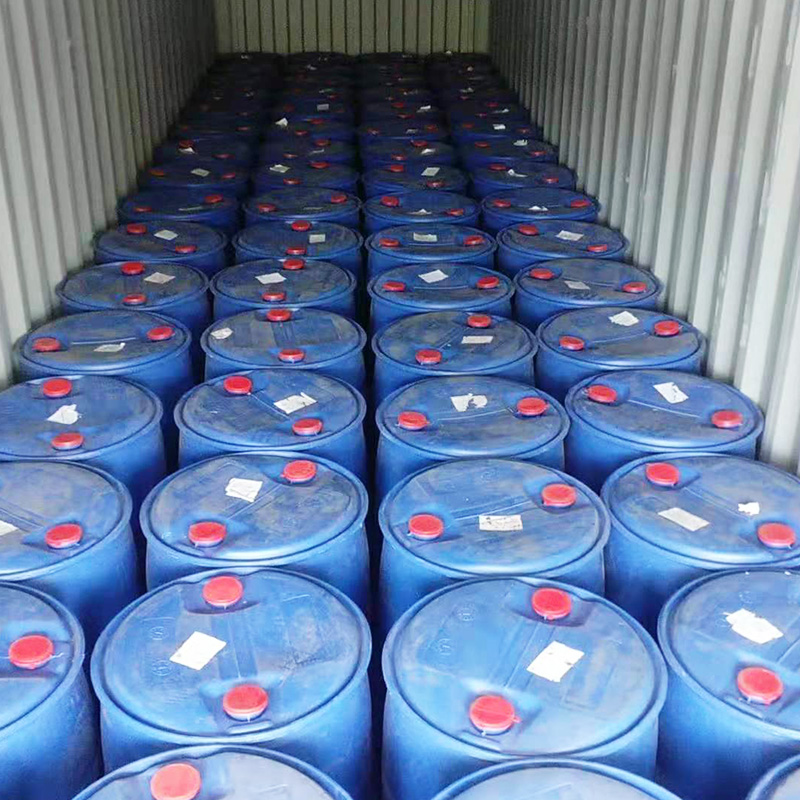 Water Based Acrylate Glue
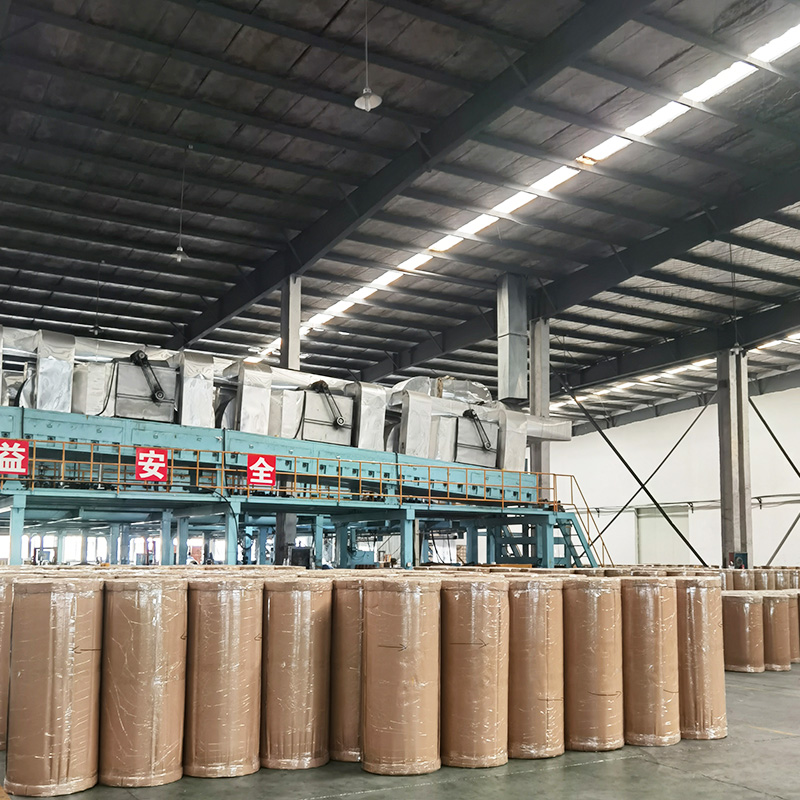 BOPP Acrylic Jumbo Roll Tape
 BOPP Hotmelt Jumbo Roll Tape
 BOPP Solvent Jumbo Roll Tape
 BOPP Natural Rubber Jumbo Roll Tape
 BOPP Low Noise Jumbo Roll Tape
 BOPP Silent Jumbo Roll Tape
 Masking Tape Jumbo Roll
 Duct Tape Jumbo Roll
 Double Side Tape Jumbo Roll
 fortuna@baiyiadhesive.com

 +86-575-82818961
 fortuna@baiyiadhesive.com
 Baiguan industrialZone,Shangyu District, Shaoxing City, Zhejiang Province, China



 浙ICP备17032394号