The Three Core Functions of PE Stretch Film
PE stretch film performs three essential functions: load containment (holding palletized goods together), damage prevention (shielding against dust, moisture, and abrasion), and tamper evidence (visual security during transit). Industry tests show proper stretch wrapping reduces cargo shifts by up to 85% compared to banding alone. The film's elasticity (typically 200–300% elongation at break) enables a single layer to apply uniform holding force without crushing lightweight products.
Beyond basic wrapping, modern PE stretch films incorporate advanced co-extrusion layers that improve puncture resistance (up to 150% higher than monolayer films) and cling performance. For warehouses, the primary measurable outcome is load stability: a 5-layer hand wrap can secure a 1,200 kg pallet during a 10-degree tilt test without collapse.
Load Containment: How Pre-Stretch Ratios Affect Holding Force
The core mechanical function of PE stretch film is to generate constant surface compression across a palletized load. When stretched, the film tries to return to its original length, creating a net inward force. This force – measured in Newtons per meter (N/m) – directly correlates with pre-stretch percentage. For example, at 150% pre-stretch, a 23-micron film produces roughly 18–22 N/m of containment force; at 250% pre-stretch, the force rises to 28–34 N/m.
Real-world applications demonstrate that increasing pre-stretch from 100% to 200% reduces film consumption by 45% while maintaining the same load stability. However, exceeding the film’s tensile strength (typically 25–35 MPa for cast PE) leads to necking or tearing. Below is a reference table comparing stretch ratios and practical outcomes.
Table 1: Pre-stretch ratio vs. containment force and film usage (23µm cast PE)
| Pre-stretch ratio |
Containment force (N/m) |
Film used per pallet (grams) |
Load shift in transit test |
| 100% (no pre-stretch) |
12–15 N/m |
210 g |
4.2 cm average shift |
| 200% |
26–30 N/m |
115 g (-45%) |
1.1 cm average shift |
| 250% (max recommended) |
32–34 N/m |
95 g |
0.8 cm average shift |
For automated rotary arm wrappers, consistent pre-stretch of 200–250% is standard, achieving both material savings and superior load stability. Hand-grade films typically max out at 150–180% pre-stretch due to manual application limitations.
Damage Prevention: Puncture Resistance & Multi-Layer Benefits
PE stretch film protects goods from physical damage via high puncture resistance and tear propagation control. Blown stretch film offers superior puncture resistance (typically 6–8 N for 23µm) compared to cast film (4–5 N), making it ideal for loads with sharp corners like metal parts or recycled cardboard. A 2023 packaging lab test showed blown PE film withstood a 5mm steel probe at 7.2N before breaking, while cast film failed at 4.8N.
Additionally, co-extruded films incorporate up to 5 layers – each serving a function: outer cling layer (tackifier ≥ 500 gf/in²), core structural layer (high tensile strength >30 MPa), and inner release layer. This design provides 300% higher tear resistance than single-layer equivalents. For dusty or outdoor storage, UV-stabilized PE stretch film maintains 90% of its tensile strength after 6 months of sunlight exposure, whereas non-stabilized film drops to 55%.
Practical Example: Wrapping Ceramic Tiles vs. Soft Goods
For ceramic tile pallets (sharp edges), using a 27µm blown PE film with 200% pre-stretch reduces puncture incidents by 73% compared to 20µm cast film. Conversely, for soft goods like cotton bales, a thinner cast film (17µm) with higher cling (800 gf/in²) prevents dust contamination without compressing fibers. Always match film type to load geometry.
PE stretch film provides visual tamper evidence as a secondary but critical function. Any cut or tear in the film is immediately visible during receiving inspections, unlike strapping or shrink hoods which can be resealed. Over 68% of warehouse managers surveyed in a 2024 logistics report cited stretch film as their primary tamper-evident method for high-value electronics and pharmaceuticals.
Unitization – combining multiple boxes into a single handling unit – is achieved when the film’s wrap force exceeds the coefficient of friction between cases. Standard 23µm film with 4 top wraps and 6 bottom wraps creates a unified block that can be forklifted without individual case slippage. Test data indicates that a 5-layer spiral wrap reduces individual box movement by 91% compared to un-wrapped pallets.
FAQ About PE Stretch Film: Addressing Common Operational Questions
Below are answers to the most frequent questions from packaging engineers and warehouse leads, based on ASTM D5458 testing standards and real-world usage data.
1. What is the ideal number of wraps for a standard pallet?
For a 1.2m x 1.0m pallet with stable stacking, 6 bottom wraps, 4 middle wraps, and 6 top wraps provide optimal containment. This pattern uses approximately 28 grams of film per pallet at 200% pre-stretch and passes a 15-degree tilt test.
2. Does thicker film always mean better protection?
No. A high-quality 20µm cast film with 30MPa tensile strength often outperforms a low-grade 30µm film (20MPa) because pre-stretch efficiency matters more than gauge. Always compare technical data sheets (puncture force, tear resistance) rather than thickness alone.
3. How does temperature affect PE stretch film performance?
Below 5°C (41°F), most standard PE films lose 30–40% of their elasticity. For cold storage (e.g., -18°C / 0°F), specialized low-temperature stretch film retains 90% of its elongation (tested at -20°C). Conversely, above 40°C (104°F), cling agents may become tacky, requiring vented wraps.
4. Can PE stretch film be recycled?
Yes, clean PE stretch film is a #4 LDPE recyclable. However, only 12% of post-industrial stretch film is currently recycled due to contamination (tape, labels). Pre-consumer scrap from stretch wrapping machines has a 94% recycling rate when baled separately.
5. What is the shelf life of pre-stretched PE film?
Unstretched film stored below 30°C (86°F) and away from UV lasts 12–18 months without degradation. Pre-stretched film (e.g., machine rolls at 250% pre-stretch) should be used within 6 months because the molecular orientation relaxes over time, reducing containment force by up to 25%.
- Key takeaway: Always check the film’s elongation at break – minimum 200% for hand wrap, 300% for machine wrap – to ensure adequate function for your load type.
- Cost efficiency: Using a pre-stretch machine instead of hand wrapping cuts film usage by 50–60%, saving an average of $1,200 per 100 pallets per year.
Selecting the Right Film: A Functional Comparison Table
To match film functions with your application, compare the three main PE stretch film types using the criteria below. Data sourced from 2024 TAPPI standards and industry supplier benchmarks.
Table 2: Functional comparison – cast vs. blown vs. pre-stretched PE film
| Property (function) |
Cast film (standard) |
Blown film (high puncture) |
Pre-stretched machine film |
| Elongation at break |
250–350% |
300–450% |
200–250% (already stretched) |
| Puncture resistance (N) |
4.0 – 5.5 N |
6.5 – 8.0 N |
5.0 – 6.0 N |
| Noise (application dB) |
75–80 dB (quieter) |
85–92 dB (louder) |
70–75 dB (quietest) |
| Best function |
Uniform loads, high clarity |
Sharp/irregular loads |
High-volume automated lines |
For most distribution centers, a 23µm cast film with 200% pre-stretch capability offers the best balance of load containment (26 N/m), cost ($0.08/pallet), and puncture resistance (4.8N). Upgrade to blown film only when corner punctures exceed 5% of wrapped pallets.


 中文简体
中文简体 Español
 عربى
عربى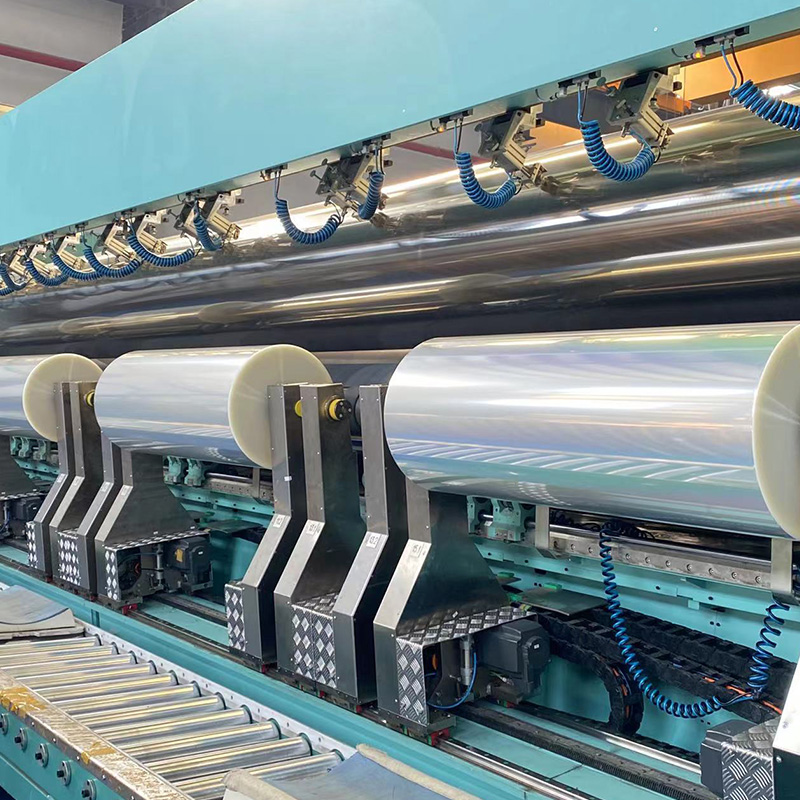 Biaxially Oriented Polypropylene Film
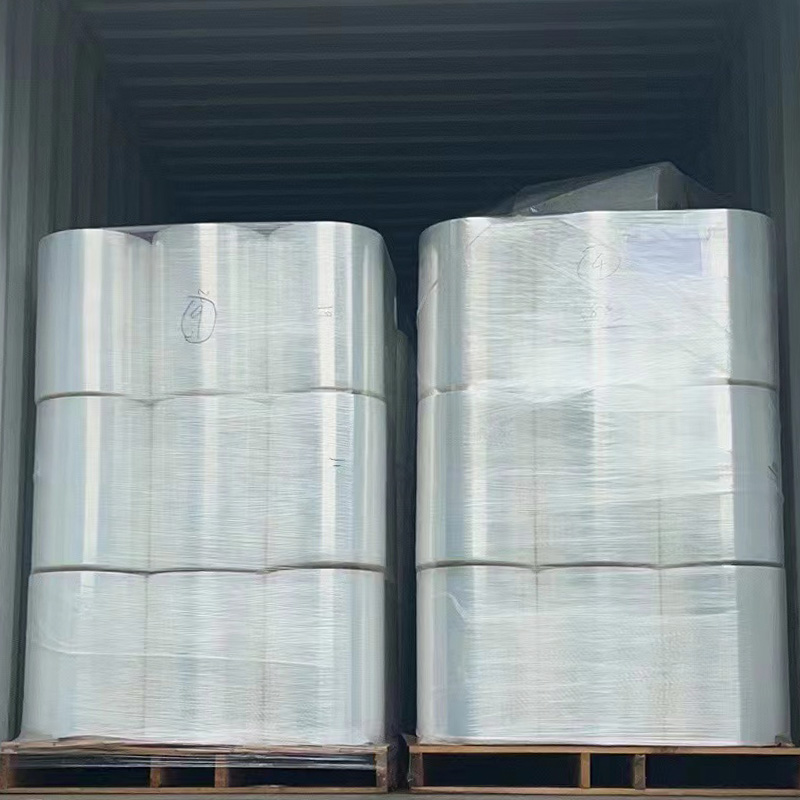 High Quality PE Stretch Film
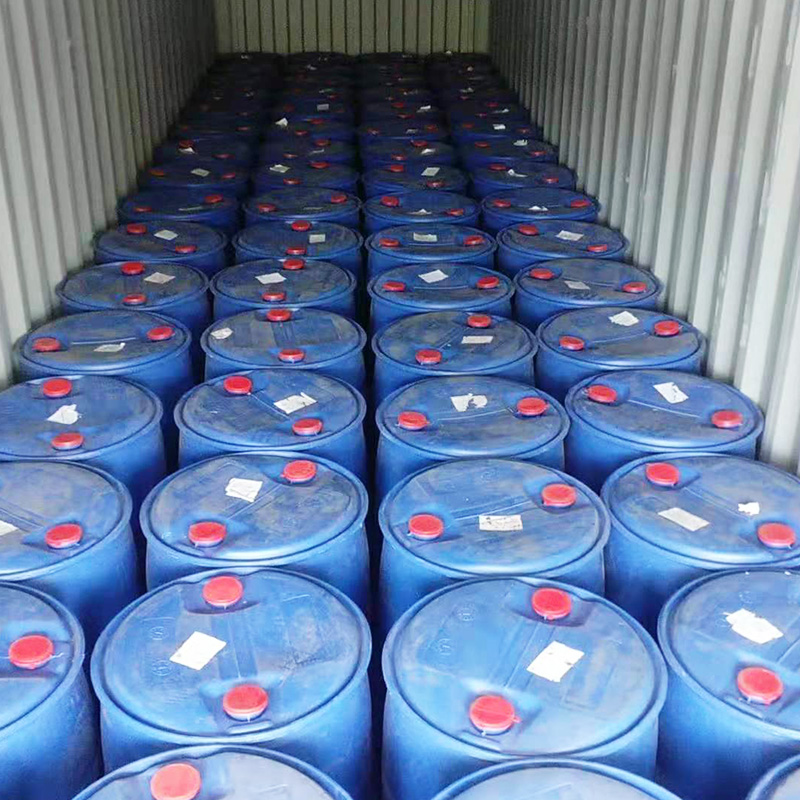 Water Based Acrylate Glue
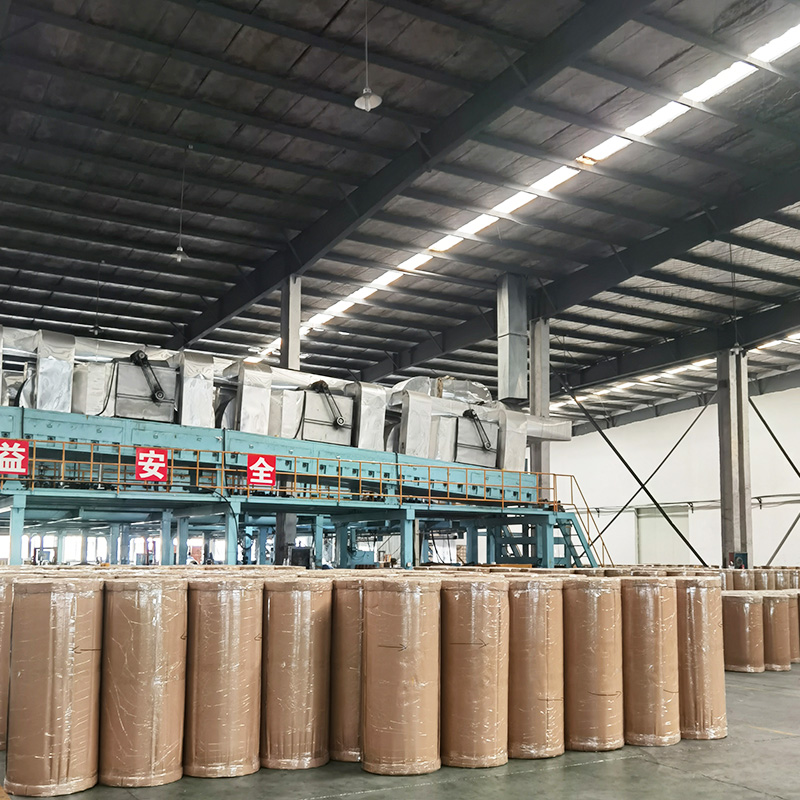 BOPP Acrylic Jumbo Roll Tape
 BOPP Hotmelt Jumbo Roll Tape
 BOPP Solvent Jumbo Roll Tape
 BOPP Natural Rubber Jumbo Roll Tape
 BOPP Low Noise Jumbo Roll Tape
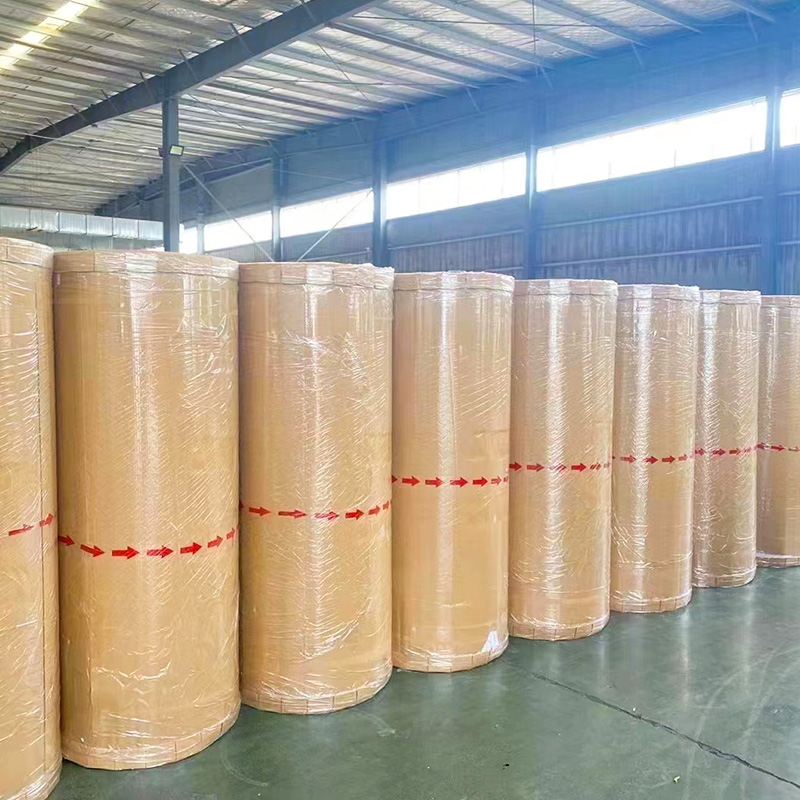 BOPP Silent Jumbo Roll Tape
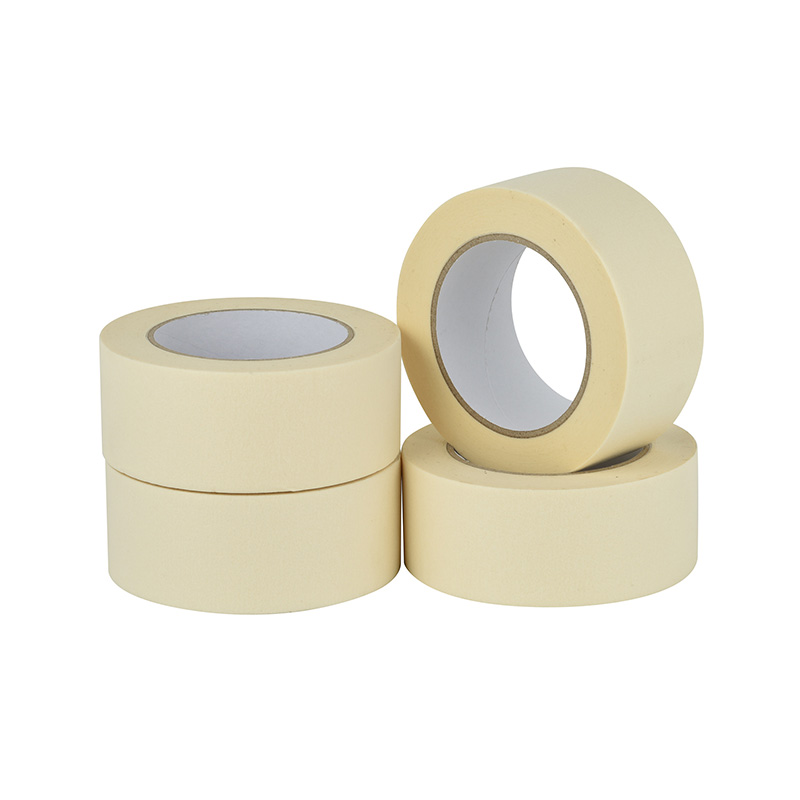 Masking Tape Jumbo Roll
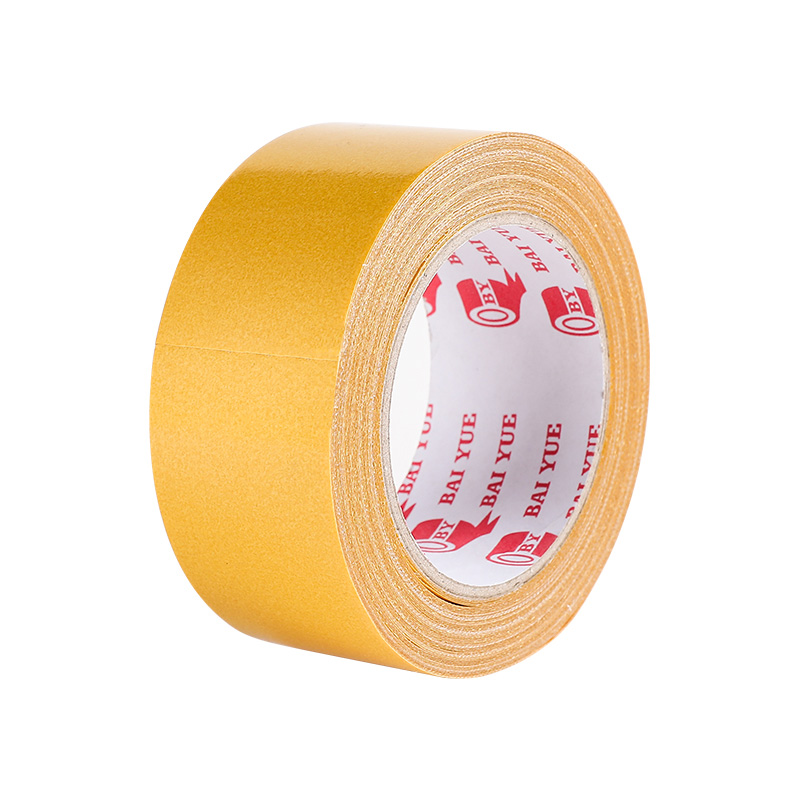 Duct Tape Jumbo Roll
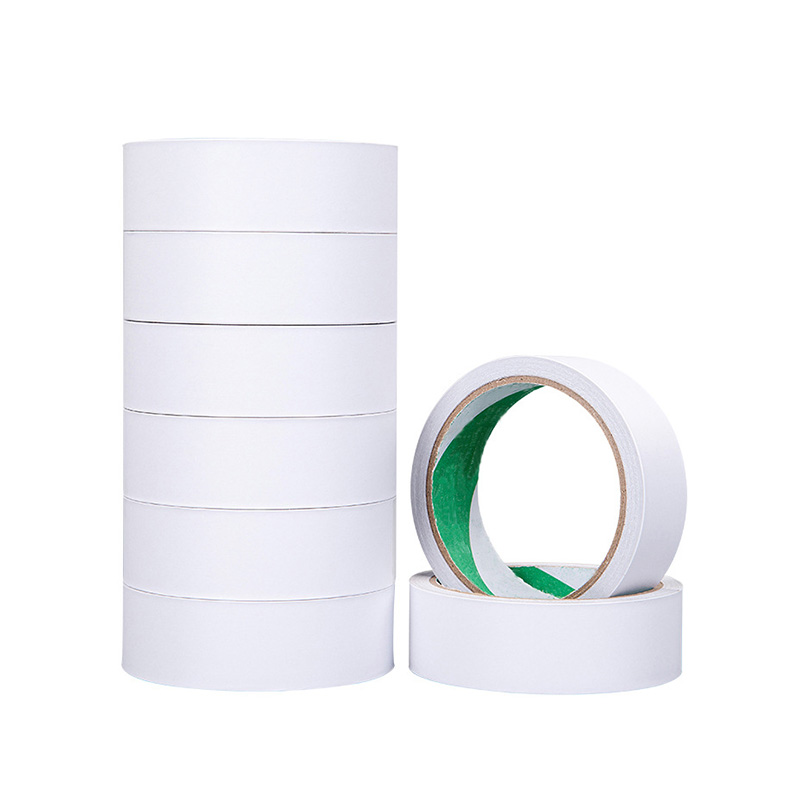 Double Side Tape Jumbo Roll
 fortuna@baiyiadhesive.com

 +86-575-82818961
 fortuna@baiyiadhesive.com
 Baiguan industrialZone,Shangyu District, Shaoxing City, Zhejiang Province, China



 浙ICP备17032394号