BOPP tape, known for its versatility and reliability, is widely used in various industries for packaging, sealing, and bonding purposes. The tape’s strength, adhesive properties, and resistance to environmental factors make it an essential tool in many manufacturing and consumer applications. However, the key to its effectiveness lies in the materials used to make BOPP tape. Understanding the components involved in its production can help users make informed decisions when selecting the right tape for their needs.
What is BOPP Tape?
BOPP tape is made from biaxially oriented polypropylene (BOPP), a type of plastic film that has been stretched in both horizontal and vertical directions to enhance its strength and durability. The tape typically consists of two primary layers: the polypropylene film and the adhesive coating. The combination of these materials gives BOPP tape its strength, flexibility, clarity, and ability to resist moisture and chemicals.
Let’s take a closer look at the key materials used in the production of BOPP tape and their roles in making this tape one of the most widely used adhesives in the world.
Key Materials Used in the Production of BOPP Tape
1. Polypropylene (PP)
The core material used to make BOPP tape is polypropylene (PP), a thermoplastic polymer. Polypropylene is known for its excellent balance of mechanical properties, chemical resistance, and cost-effectiveness. In the case of BOPP tape, polypropylene provides the base film that gives the tape its structural integrity and high tensile strength.
Why Polypropylene?
Polypropylene is used because of its strength and resistance to many chemicals and environmental factors. It is a lightweight material that does not add much bulk to the tape, while still being durable enough to handle the stresses of packaging and shipping. The biaxial orientation process — stretching the polypropylene film in both directions — enhances the film’s strength, flexibility, and clarity, making it ideal for tape production.
Polypropylene is also relatively inexpensive to produce, which helps keep the cost of BOPP tape affordable for a wide range of applications.
2. Adhesive Coating
The second essential component of BOPP tape is the adhesive. The adhesive is typically applied to one side of the BOPP film, allowing the tape to bond effectively with various surfaces. The type of adhesive used plays a significant role in determining the tape’s bonding strength, tackiness, and longevity.
Types of Adhesive Used in BOPP Tape:
- Acrylic Adhesive: Acrylic-based adhesives are the most common in BOPP tape. Acrylic adhesives provide strong initial tack and long-lasting adhesion, making them ideal for general-purpose use. They also offer good resistance to UV light, temperature fluctuations, and environmental conditions.
- Rubber Adhesive: Rubber-based adhesives offer a higher tack level than acrylic adhesives and are often used for applications requiring immediate bonding. These adhesives are ideal for bonding to rough or textured surfaces but may not offer the same long-term durability as acrylic adhesives.
- Hot Melt Adhesive: Hot melt adhesives are used in certain BOPP tapes to provide strong adhesion at high speeds. These adhesives are melted during the production process and solidify upon cooling, offering excellent bonding capabilities for various substrates.
The adhesive layer is crucial for the tape’s functionality, allowing it to perform in a variety of applications, from sealing boxes to bonding materials in manufacturing processes. The right adhesive choice can affect how easily the tape sticks, how long it stays in place, and how well it performs under different environmental conditions.
3. Additives and Stabilizers
To enhance the properties of BOPP tape, manufacturers often incorporate various additives and stabilizers into the polypropylene film and adhesive. These additives improve the performance of the tape and help it meet specific application requirements, such as UV resistance, anti-static properties, and fire resistance.
Common Additives and Their Functions:
- UV Stabilizers: BOPP tape is often used for outdoor applications, where exposure to UV radiation can degrade the material over time. UV stabilizers are added to the film and adhesive to prevent the tape from yellowing or losing its adhesive strength when exposed to sunlight.
- Anti-Static Agents: Some BOPP tapes are used in electronics and other sensitive applications where static electricity is a concern. Anti-static additives are added to the film to help dissipate static charges and prevent damage to electronic components.
- Plasticizers: Plasticizers are used to increase the flexibility and pliability of the polypropylene film. This is especially important for tapes that need to conform to irregular surfaces or be used in flexible packaging applications.
- Flame Retardants: For certain specialized applications, flame retardants can be added to BOPP tape to reduce the risk of fire. These additives make the tape more resistant to flames, helping to improve safety in environments where fire hazards are a concern.
By incorporating these additives, BOPP tape can be tailored to meet the specific needs of different industries, making it more versatile and adaptable to a wide range of conditions.
4. Biaxial Orientation Process
One of the most important aspects of BOPP tape production is the biaxial orientation process. This process involves stretching the polypropylene film in both the machine direction (MD) and the transverse direction (TD). The film is first heated to its melting point and then stretched in two directions simultaneously, which gives the material its strength, flexibility, and clarity.
Why is Biaxial Orientation Important?
Biaxial orientation enhances the mechanical properties of the polypropylene film, making it stronger and more resistant to stress. It also improves the tape’s optical clarity, making it ideal for applications that require clear visibility of the contents inside boxes or packaging. This process is a key factor in making BOPP tape a versatile and reliable product for a wide range of industries.
Comparing Different Types of BOPP Tape
BOPP tape comes in various types, each designed for specific applications. The primary differences among these types are based on the material composition, adhesive used, and the intended application. Below is a comparison of the most common types of BOPP tape:
| Feature |
Standard BOPP Tape |
Reinforced BOPP Tape |
Colored BOPP Tape |
| Base Material |
Biaxially Oriented Polypropylene (BOPP) |
BOPP with added reinforcement (e.g., fiberglass or polyester) |
BOPP, available in a range of colors |
| Adhesive |
Acrylic, rubber, or hot melt adhesive |
Reinforced with stronger adhesives for added strength |
Available with various adhesive options for branding or visibility |
| Applications |
General packaging, sealing, and bonding |
Heavy-duty packaging, industrial use, high-tension applications |
Branding, color-coding, decorative packaging |
| Strength |
Standard strength |
Enhanced strength for demanding applications |
Varied strength based on adhesive used |
Frequently Asked Questions (FAQs)
1. What is the primary material in BOPP tape?
The primary material in BOPP tape is biaxially oriented polypropylene (BOPP), a thermoplastic polymer. This material provides the tape with strength, flexibility, and resistance to environmental factors.
2. Can BOPP tape be used for outdoor applications?
Yes, BOPP tape can be used outdoors, especially if it is formulated with UV stabilizers to prevent degradation from sunlight. It is commonly used for packaging and sealing in outdoor conditions.
3. Is BOPP tape environmentally friendly?
BOPP tape is made from polypropylene, which is recyclable. However, its adhesive layer may not always be recyclable, so it is important to check local recycling guidelines before disposal.
4. What types of BOPP tape are available for heavy-duty applications?
Reinforced BOPP tape is designed for heavy-duty applications. It is typically reinforced with fiberglass or polyester to increase its strength and durability, making it suitable for high-tension packaging and industrial use.
Conclusion
The materials used to make BOPP tape — primarily polypropylene and various adhesives — provide it with the strength, flexibility, and durability needed for a wide range of applications. Additives such as UV stabilizers, anti-static agents, and flame retardants further enhance the tape’s performance, making it adaptable to different environments and requirements. By understanding the materials used in BOPP tape, users can select the right type of tape for their specific needs, ensuring optimal performance and reliability.


 中文简体
中文简体 Español
 عربى
عربى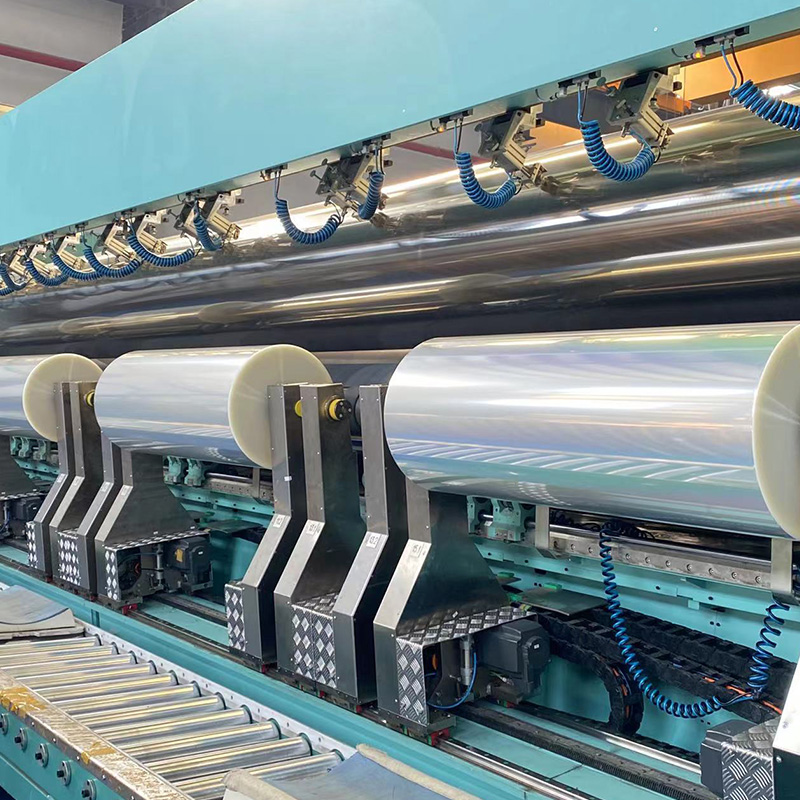 Biaxially Oriented Polypropylene Film
 High Quality PE Stretch Film
 Water Based Acrylate Glue
 BOPP Acrylic Jumbo Roll Tape
 BOPP Hotmelt Jumbo Roll Tape
 BOPP Solvent Jumbo Roll Tape
 BOPP Natural Rubber Jumbo Roll Tape
 BOPP Low Noise Jumbo Roll Tape
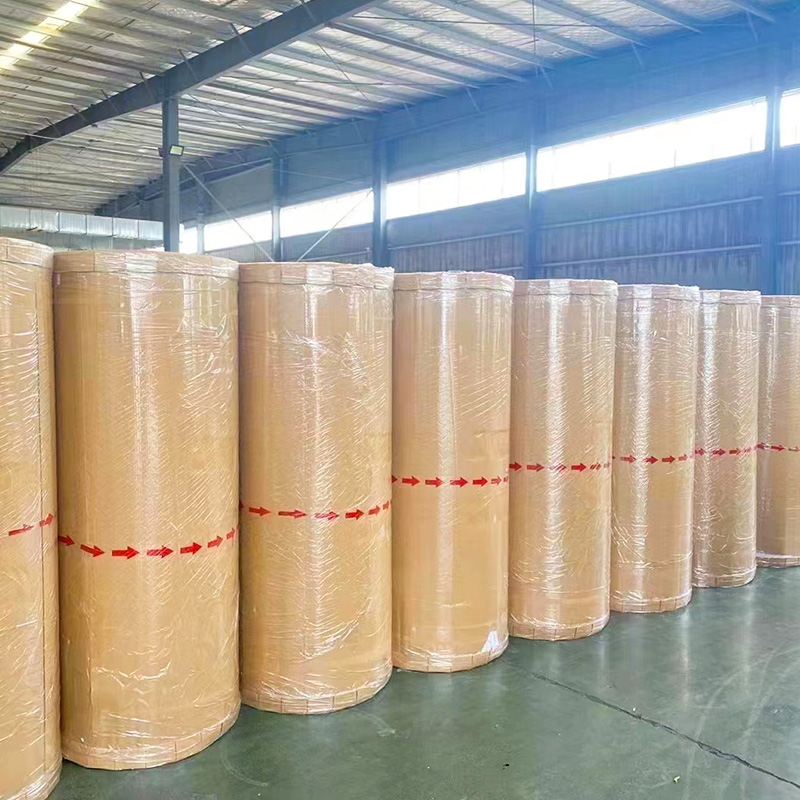 BOPP Silent Jumbo Roll Tape
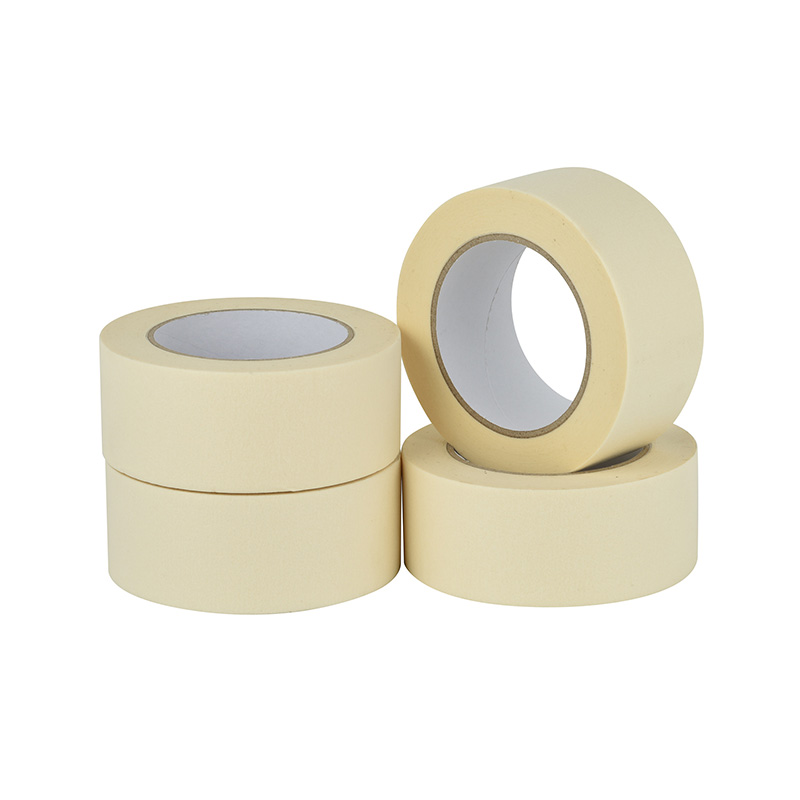 Masking Tape Jumbo Roll
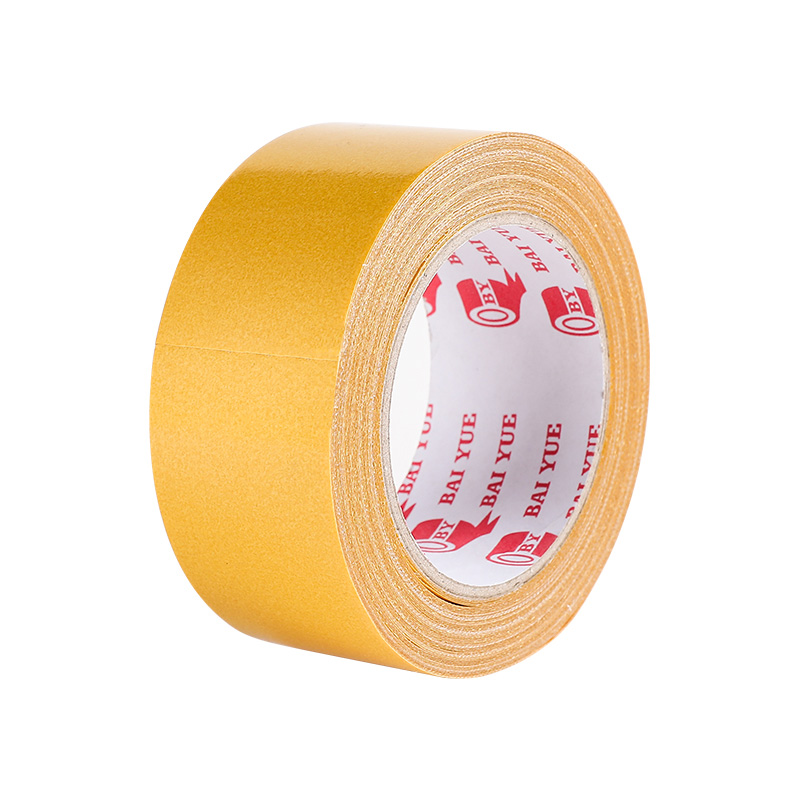 Duct Tape Jumbo Roll
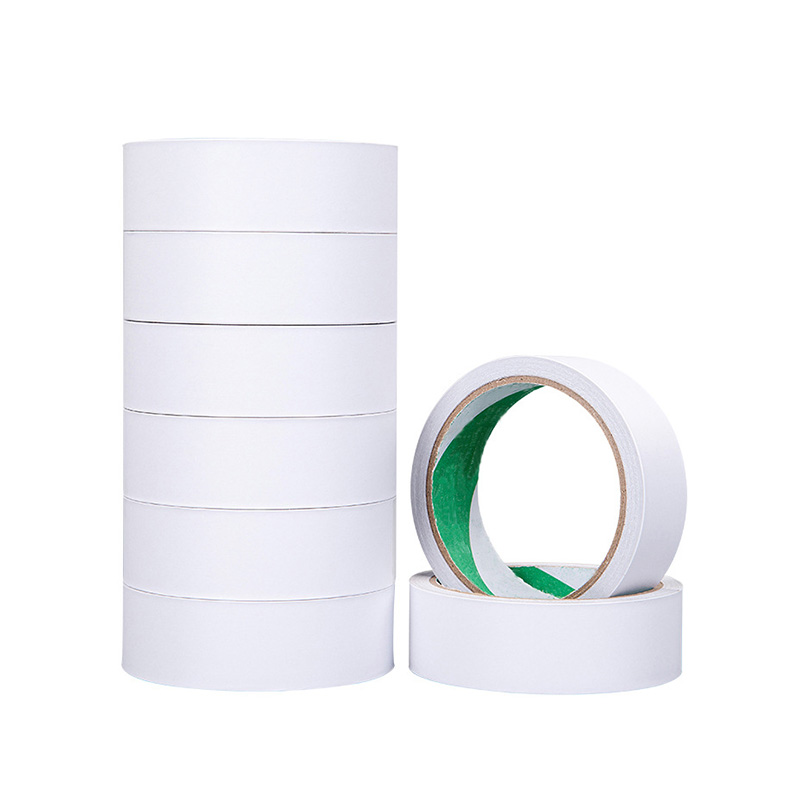 Double Side Tape Jumbo Roll
 fortuna@baiyiadhesive.com

 +86-575-82818961
 fortuna@baiyiadhesive.com
 Baiguan industrialZone,Shangyu District, Shaoxing City, Zhejiang Province, China



 浙ICP备17032394号