The Primary Function of BOPP Film
The core function of Biaxially Oriented Polypropylene (BOPP) film is to provide a high-strength, transparent, and moisture-resistant substrate primarily used for packaging, labeling, and industrial lamination. Its unique biaxial orientation process imparts exceptional clarity, mechanical strength, and barrier properties, making it the preferred material for flexible packaging, adhesive tape manufacturing (like BOPP tape), and high-speed printing applications. In short, BOPP film is engineered to protect, preserve, and present products with maximum efficiency and visual appeal.
Defining BOPP Film: How Orientation Creates Superior Functionality
BOPP film starts as polypropylene resin, which is melted and extruded into a thick sheet. This sheet is then stretched in both the machine direction (MD) and transverse direction (TD)—hence “biaxially oriented.” This stretching aligns the polymer molecules, resulting in a film with significantly improved tensile strength, stiffness, optical clarity, and barrier properties compared to non-oriented polypropylene. The process yields a material with tensile strength typically exceeding 120 MPa in both directions and light transmission rates above 90%, making it exceptionally durable and clear.
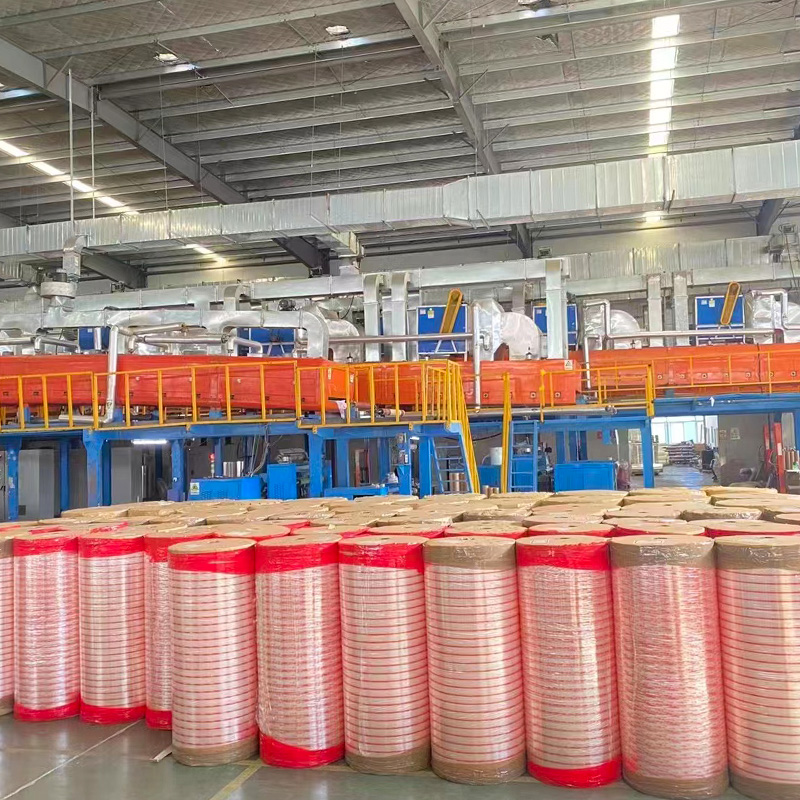
For manufacturers like Zhejiang Baiyi Adhesive Products Co., Ltd., which operates 4 BOPP film production lines and produces over 60 million USD in annual sales, this foundational property allows BOPP film to serve as the critical raw material for coating into adhesive tape jumbo rolls and for producing high-quality packaging bags.
Primary Functional Advantages of BOPP Film
1. Exceptional Mechanical Strength & Durability
Due to its biaxial orientation, BOPP film exhibits outstanding puncture resistance and tear strength. Standard 20-micron BOPP film can withstand a tensile force of over 100 N/15mm in both machine and transverse directions. This makes it ideal for heavy-duty packaging applications, such as multi-wall bags for pet food, cement, or agricultural products, where mechanical integrity during transport is critical.
2. Superior Moisture Barrier & Product Preservation
BOPP film is hydrophobic with a water vapor transmission rate (WVTR) as low as 5–8 g/m²/24h (at 38°C, 90% RH). This high barrier property significantly extends the shelf life of packaged goods by preventing moisture ingress, making it indispensable for food packaging (snacks, confectionery, baked goods) and pharmaceutical blister backing layers.
3. High Clarity & Printability for Branding
With a haze level typically below 2% for clear film, BOPP offers unmatched transparency that enhances product visibility. Moreover, the film’s surface can be treated (corona treated) to achieve a surface energy of 38–42 dynes/cm, ensuring excellent adhesion for solvent-based, water-based, and UV inks. This allows for vibrant, high-definition reverse printing, a key requirement for branded flexible packaging and laminated labels.
4. Heat Sealability & Versatile Lamination
While plain BOPP is not inherently heat-sealable, co-extruded versions with a sealable layer (often at thicknesses of 15–30 microns) provide a heat seal initiation temperature of 110–130°C, enabling high-speed form-fill-seal (FFS) packaging. BOPP also laminates seamlessly with other materials like metalized PET or kraft paper, creating composites that combine barrier properties with structural rigidity—commonly used for stand-up pouches and adhesive tape backing.
Key Industrial Applications & Real-World Examples
BOPP film’s versatility makes it foundational across multiple sectors. Below are concrete application examples with associated performance metrics:
- Adhesive Tape Manufacturing: As a China BOPP film manufacturer, Zhejiang Baiyi produces specialized BOPP film (thickness 23–28 microns) for coating into BOPP tape jumbo rolls. The film’s high tensile strength ensures the tape resists breaking under tension (typical break strength > 80 N/25mm), while its clarity allows for custom printing of brand logos.
- Flexible Food Packaging: Snack food companies use metalized BOPP (Met-BOPP) with an oxygen transmission rate (OTR) of < 2 cc/m²/day to preserve freshness. Combined with a sealant layer, it forms the classic potato chip bag that is both lightweight and highly protective.
- Pressure-Sensitive Labels: White opaque BOPP label films (thickness 50–60 microns) offer dimensional stability and moisture resistance, outperforming paper labels in refrigerated or high-humidity environments such as personal care bottles.
- Industrial Overwrap: Cigarette packs and confectionery boxes use 20-micron BOPP film for high-speed overwrapping. The film’s low coefficient of friction (COF < 0.35) enables smooth gliding on packaging machinery at speeds exceeding 600 packs per minute.
Table 1: Typical BOPP Film Grades and Their Functional Properties
| Film Type |
Thickness (microns) |
Key Function |
Typical Industry |
| Plain BOPP (for coating) |
23–28 |
High tensile strength for adhesive tape backing |
Packaging, Stationery |
| Metalized BOPP |
12–20 |
Oxygen/moisture barrier & aesthetic gloss |
Food, Snacks, Confectionery |
| Co-extruded Heat Sealable BOPP |
15–30 |
Low-temperature seal initiation for FFS packaging |
Bakery, Fresh Produce |
| White Opaque BOPP |
38–60 |
High opacity for label substrates and decorative lamination |
Labels, Cosmetics |
Frequently Asked Questions (FAQ) About BOPP Film
1. Is BOPP film environmentally friendly and recyclable?
BOPP is a Grade 5 (PP) plastic, which is widely recyclable in industrial streams. While it is not biodegradable, it is inert and does not leach harmful substances. Many manufacturers, including Zhejiang Baiyi, are investing in thinner-gauge films (down to 15 microns) to reduce material usage per unit of packaging, thereby lowering the overall carbon footprint. Additionally, mono-material BOPP structures are gaining popularity because they are easier to recycle compared to multi-material laminates.
2. What are the differences between cast polypropylene (CPP) and BOPP film?
CPP is produced by extrusion without orientation, resulting in a softer, more flexible film with excellent heat sealability but lower tensile strength and clarity. BOPP, through biaxial orientation, achieves 3–5 times higher tensile strength, superior clarity, and better moisture barrier. For applications like adhesive tape or high-speed wrapping that demand rigidity and strength, BOPP is the preferred choice.
3. How is BOPP film treated to accept adhesives or inks?
BOPP is inherently non-polar, which makes it difficult for adhesives and inks to bond. Corona discharge treatment (or flame treatment) is applied to raise the surface energy. For adhesive tape production, manufacturers like Zhejiang Baiyi treat BOPP film to a level of 42–44 dynes/cm to ensure permanent adhesion of the acrylic or hot-melt adhesive layer, preventing delamination during unwinding or application.
4. What factors affect the price and quality of BOPP film?
Key factors include: polypropylene resin purity (virgin vs. recycled content), film thickness uniformity (tolerance within ±3%), surface treatment consistency, and production line precision. Established factories like Zhejiang Baiyi, with 4 BOPP film lines and 12 slitting machines, ensure consistent quality by controlling the entire manufacturing chain—from resin extrusion to slitting—which reduces variability and ensures high-performance output for demanding applications such as custom BOPP tape jumbo rolls.
5. Can BOPP film be used for both flexible packaging and rigid containers?
Yes. For flexible packaging, BOPP is used as the outer web in laminates or as a stand-alone film for pouches. For rigid containers, BOPP is often used in shrink sleeves or pressure-sensitive labels. Its excellent printability and ability to conform to shapes when heated make it a versatile solution for both primary and secondary packaging.
Industry Standards & Quality Benchmarks in BOPP Manufacturing
For businesses sourcing BOPP film, especially for adhesive tape or high-end packaging, adherence to international quality standards is crucial. Leading manufacturers ensure their products meet or exceed the following typical benchmarks:
- Tensile Strength (MD/TD): > 120 MPa (ASTM D882)
- Elongation at Break: 80% – 150% (MD), 40% – 80% (TD)
- Haze (Clear Film): < 2.0% (ASTM D1003)
- Coefficient of Friction (Film-to-Film): 0.2 – 0.4 (ASTM D1894)
- Wet Tension (Corona Treated): ≥ 38 dynes/cm (maintainable for 6–12 months under proper storage)
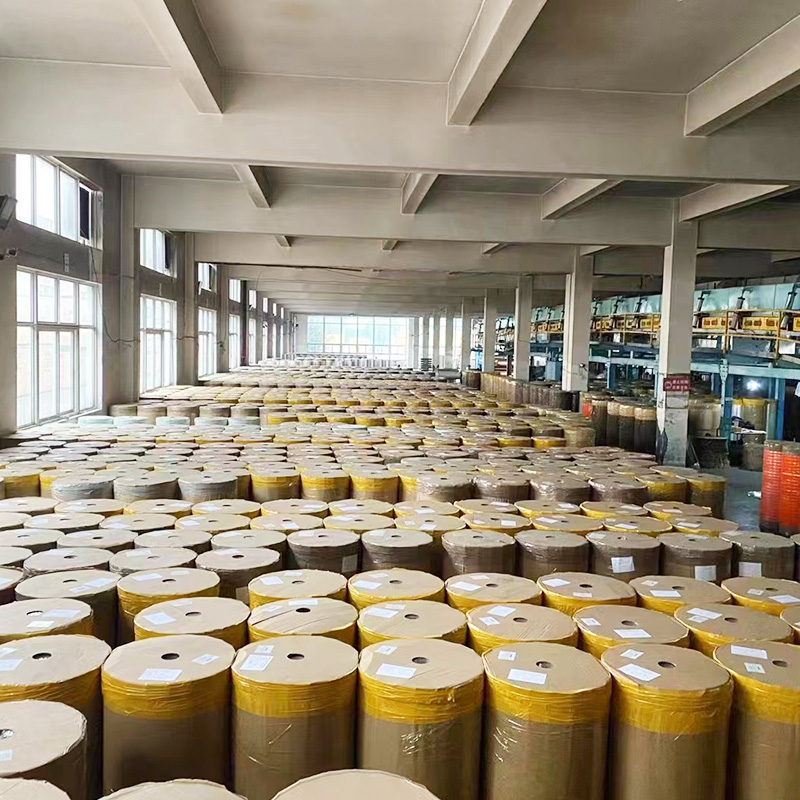
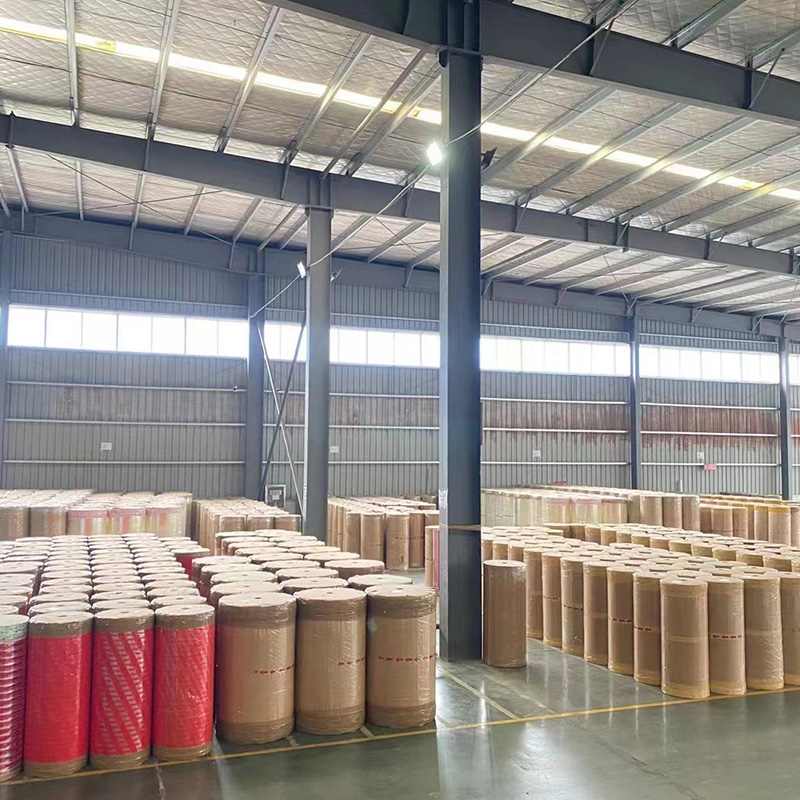
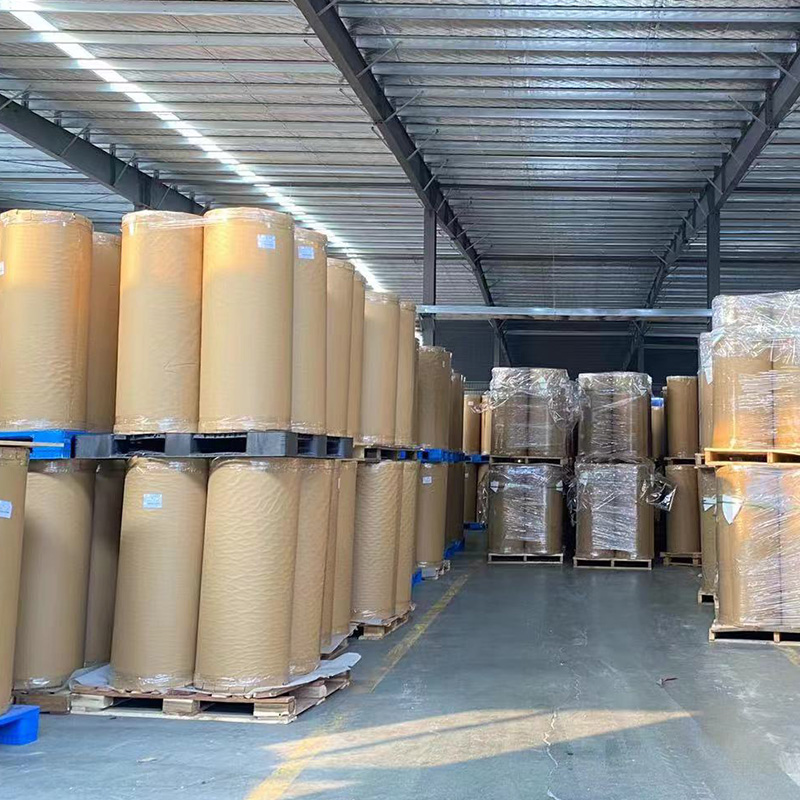
Companies like Zhejiang Baiyi Adhesive Products Co., Ltd., with over 18 years of experience (since 2005) and an annual sales volume exceeding 60 million USD, utilize in-house glue production and 16 BOPP coil production lines to maintain these quality benchmarks. This vertical integration ensures that the BOPP film manufactured is perfectly optimized for the subsequent coating and slitting processes, delivering a final product that meets the rigorous demands of global markets.


 中文简体
中文简体 Español
 عربى
عربى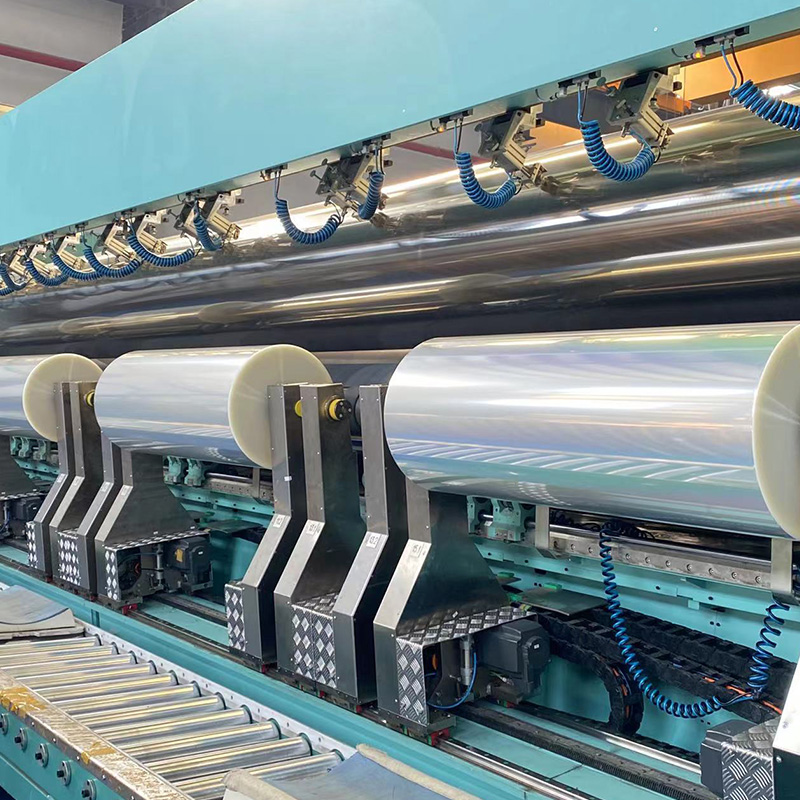 Biaxially Oriented Polypropylene Film
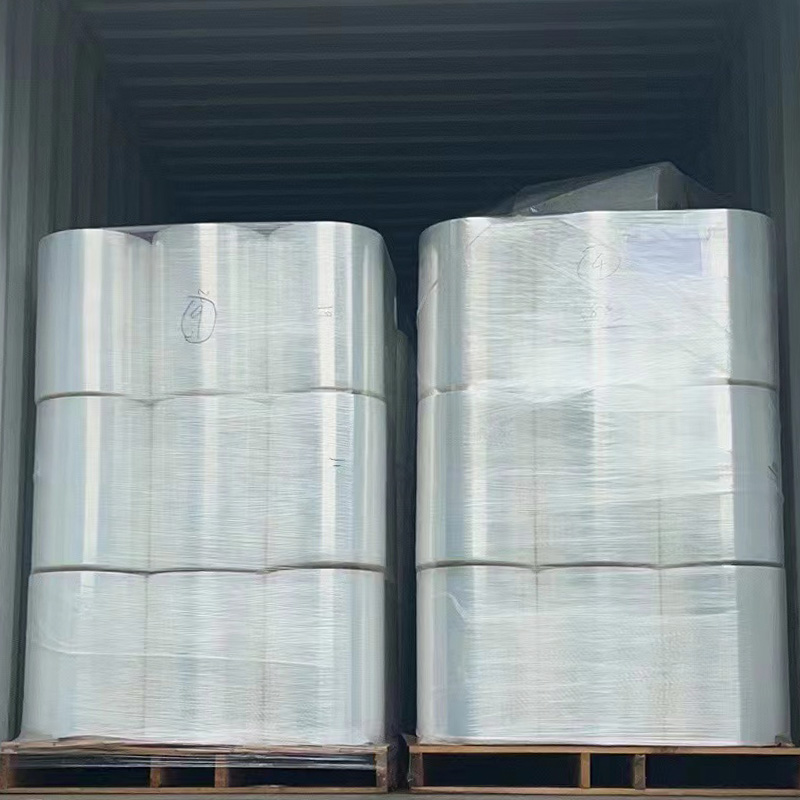 High Quality PE Stretch Film
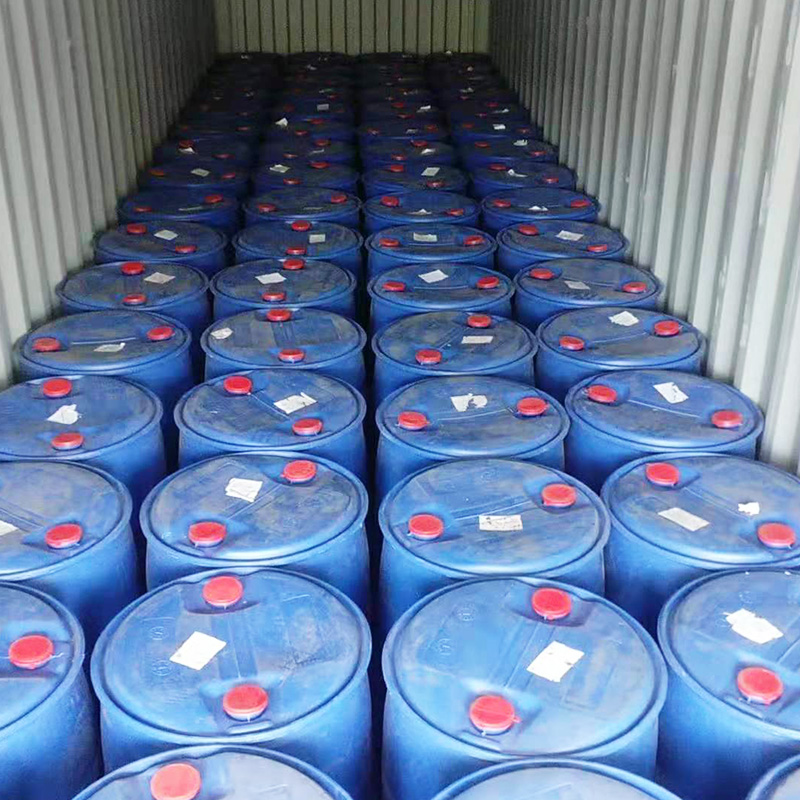 Water Based Acrylate Glue
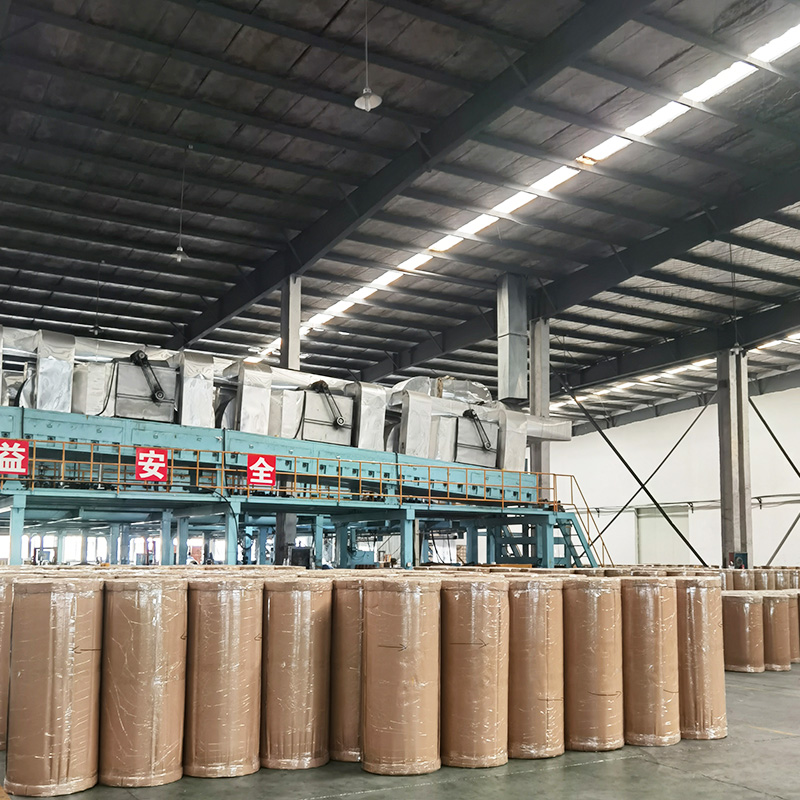 BOPP Acrylic Jumbo Roll Tape
 BOPP Hotmelt Jumbo Roll Tape
 BOPP Solvent Jumbo Roll Tape
 BOPP Natural Rubber Jumbo Roll Tape
 BOPP Low Noise Jumbo Roll Tape
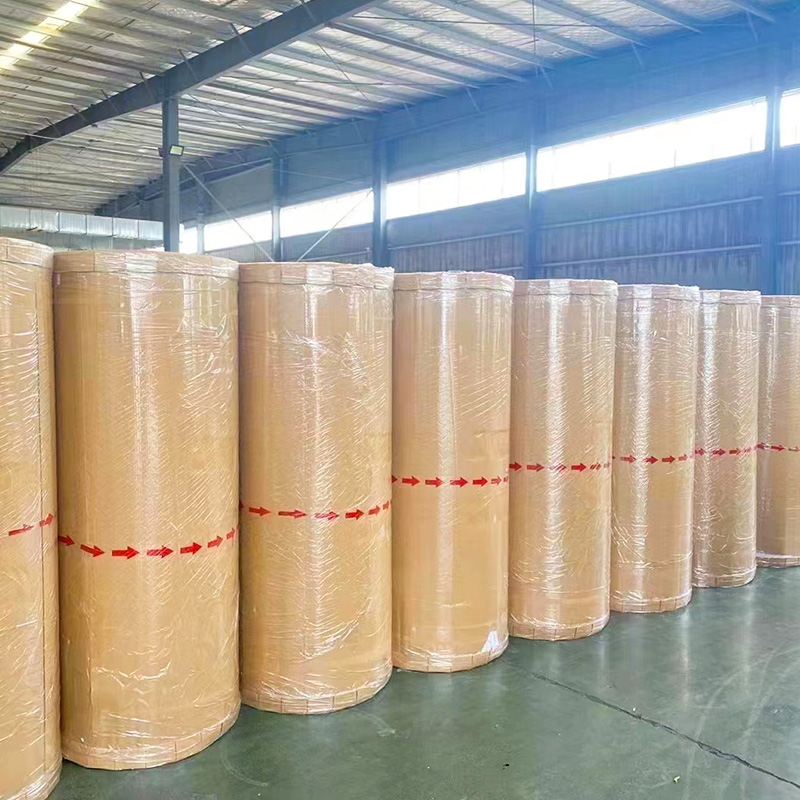 BOPP Silent Jumbo Roll Tape
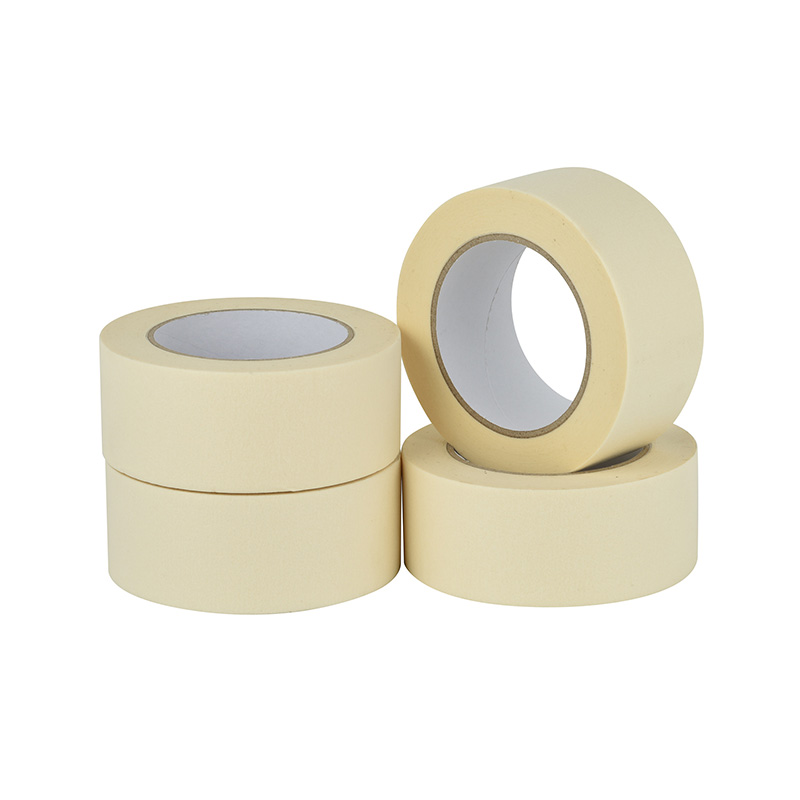 Masking Tape Jumbo Roll
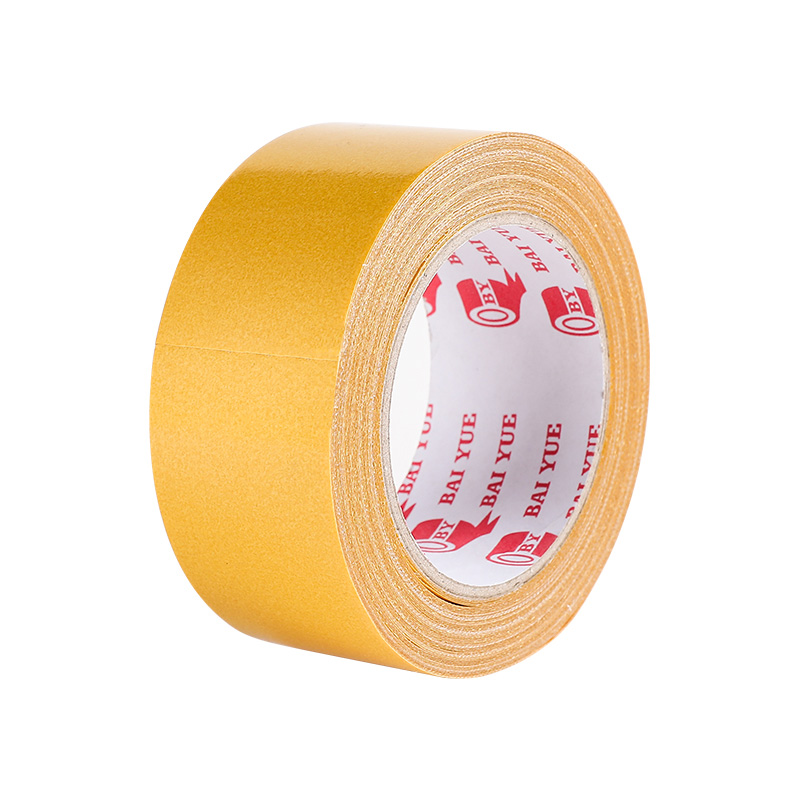 Duct Tape Jumbo Roll
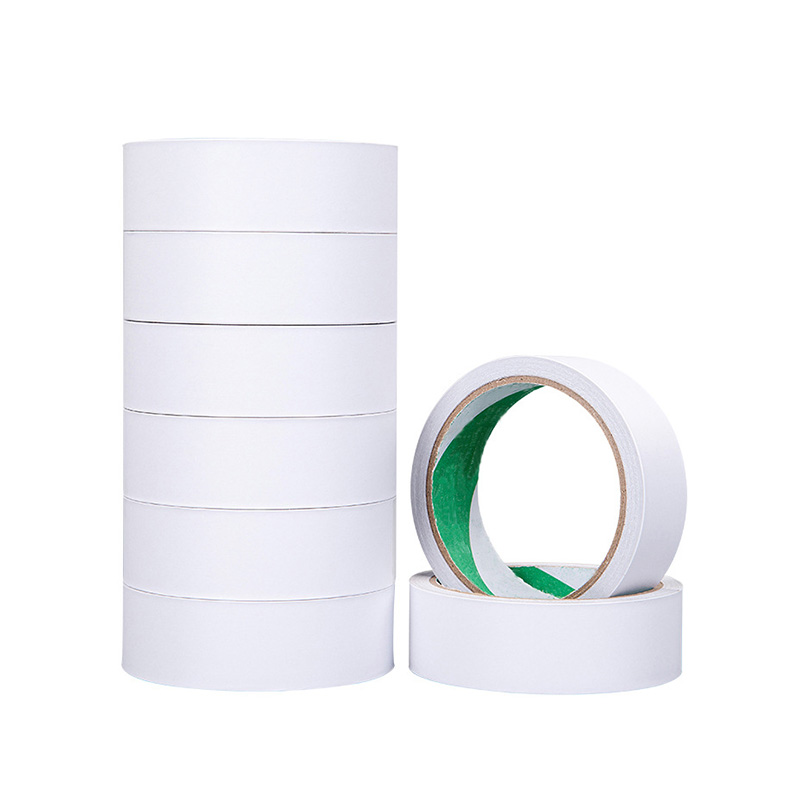 Double Side Tape Jumbo Roll
 fortuna@baiyiadhesive.com

 +86-575-82818961
 fortuna@baiyiadhesive.com
 Baiguan industrialZone,Shangyu District, Shaoxing City, Zhejiang Province, China



 浙ICP备17032394号