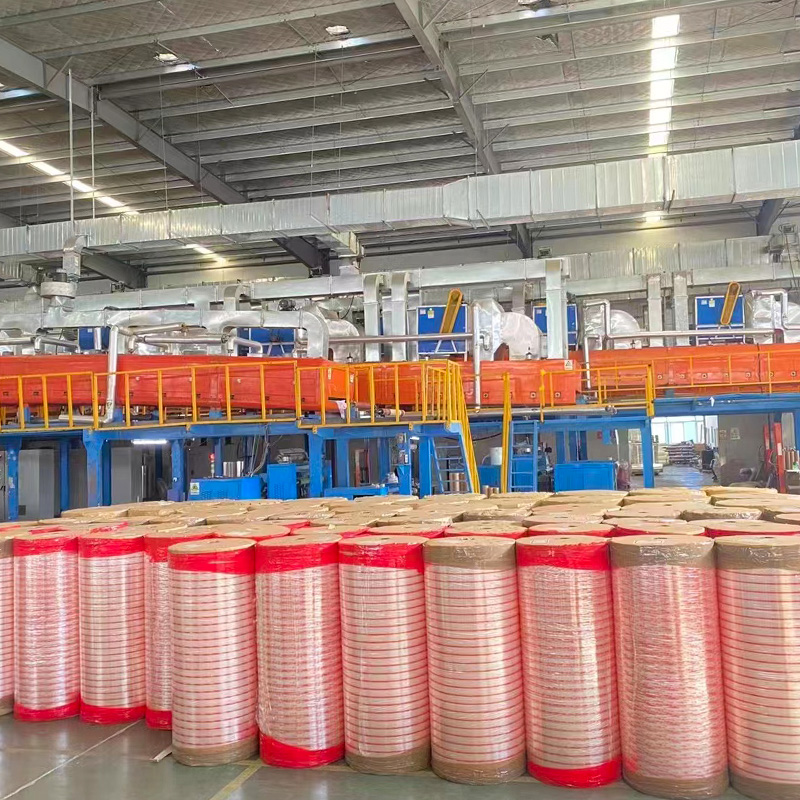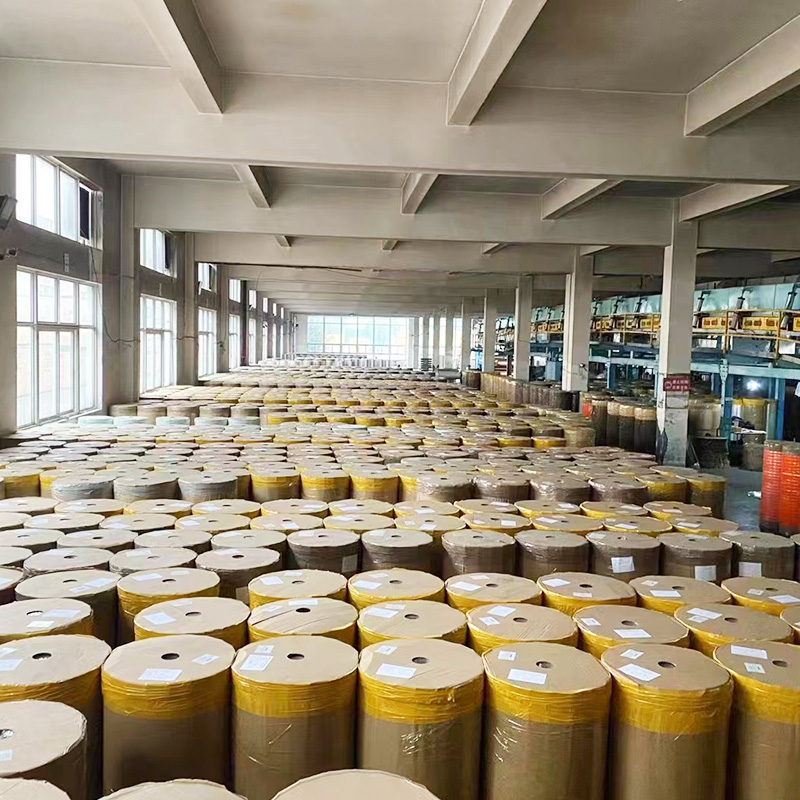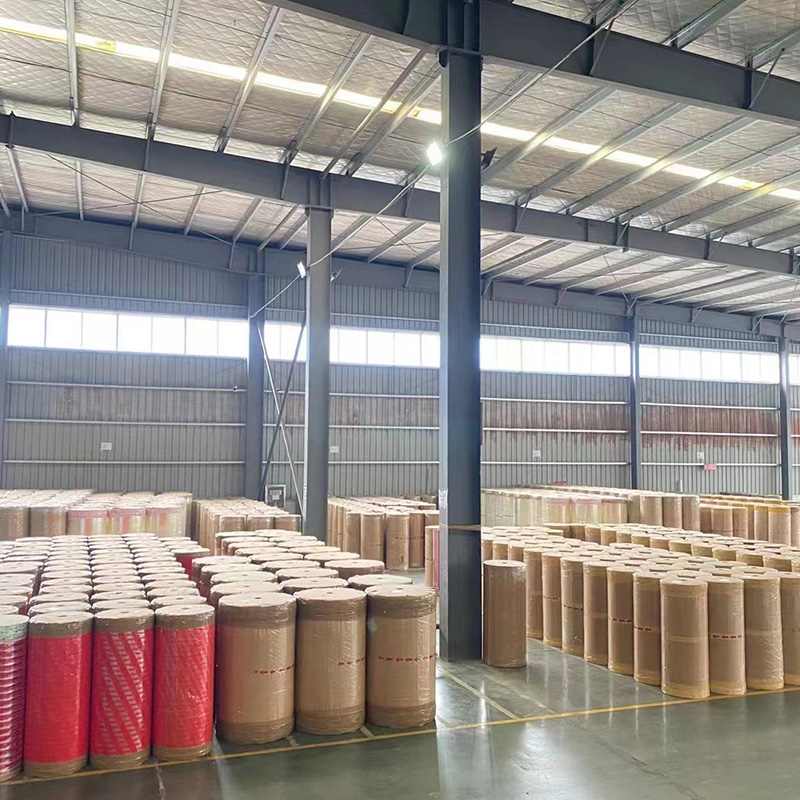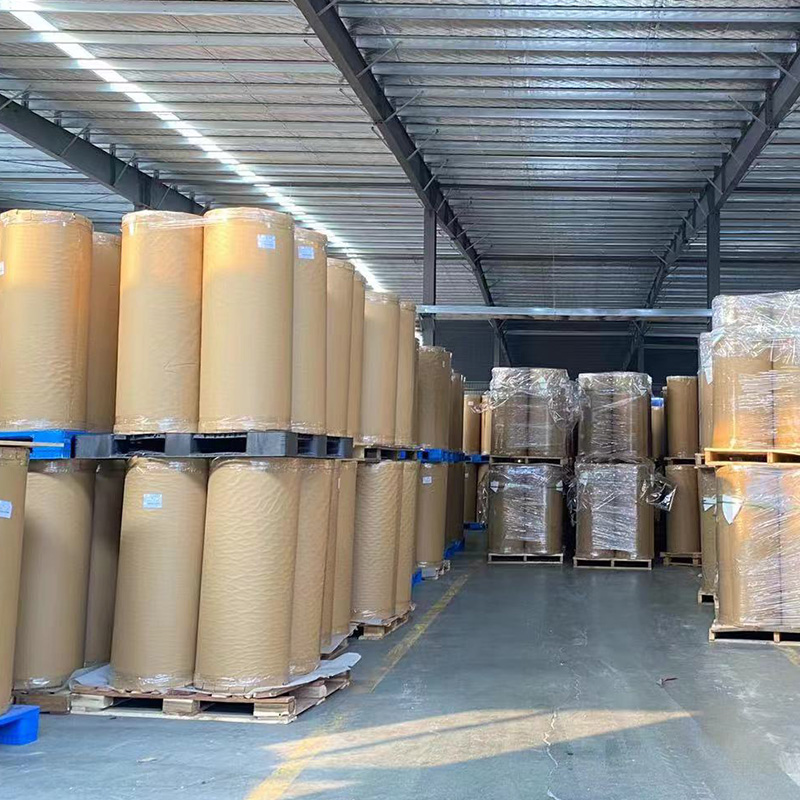
BOPP Tape, also known as Biaxially Oriented Polypropylene Tape, has become one of the most widely used adhesive tapes in the packaging industry. Its unique combination of strength, clarity, and adhesive performance makes it a go-to solution for a variety of packaging needs. Understanding the main applications of BOPP Tape is essential for businesses looking to optimize packaging efficiency and reduce material costs.
1. Overview of BOPP Tape
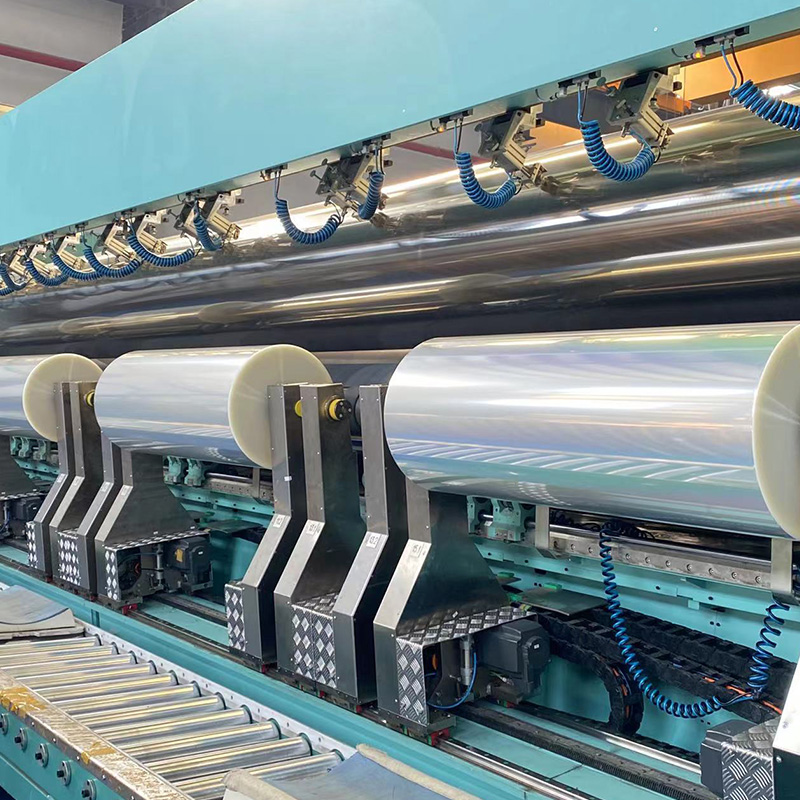
BOPP Tape is produced using biaxially oriented polypropylene film coated with hot melt adhesive. The biaxial orientation gives the tape high tensile strength, excellent dimensional stability, and good resistance to stretching or breaking. These properties make it particularly suitable for packaging applications where durability and reliability are critical.
- Material Strength: High tensile strength allows BOPP tape to secure heavy boxes and resist tearing.
- Adhesion: Hot melt adhesive ensures a firm bond with cardboard, paper, and some plastic surfaces.
- Clarity: Transparent BOPP tape allows for branding, labels, or printed information to remain visible.
- Cost-Effectiveness: Compared to other packaging tapes, BOPP tape offers an ideal balance between performance and price.
2. Primary Applications of BOPP Tape in Packaging
2.1 Carton Sealing
One of the most common applications of BOPP Tape is sealing cartons. It is widely used in logistics, warehousing, and e-commerce packaging. The tape’s high adhesion and strong tensile properties ensure that packages remain sealed during transportation and handling.
- Secures corrugated boxes effectively.
- Reduces the risk of package opening during transit.
- Supports automated carton sealing in packaging lines.
2.2 Bundle Packaging
BOPP Tape is also suitable for bundling multiple items together. For instance, multiple small boxes, newspapers, or stationery items can be tied together efficiently using BOPP tape. Its strength prevents slippage and maintains bundle integrity.
2.3 Protective Packaging
In protective packaging, BOPP Tape can be used to secure protective films, wrap pallets, or reinforce packaging materials. Its resistance to temperature variations and moisture makes it ideal for long-distance shipping.
2.4 Branding and Labeling
Transparent or colored BOPP Tape can also serve as a medium for branding or labeling. Many manufacturers print logos, barcodes, or product information directly on the tape, which enhances product visibility and provides tamper-evident functionality.
3. Comparison with Other Packaging Tapes
| Feature |
BOPP Tape |
PVC Tape |
Paper Tape |
| Tensile Strength |
High |
Moderate |
Low |
| Adhesion |
Strong on cardboard |
Strong on smooth surfaces |
Moderate, eco-friendly |
| Transparency |
Excellent |
Varies |
Opaque |
| Cost |
Affordable |
Expensive |
Moderate |
| Eco-Friendliness |
Moderate |
Poor |
High |
From the table above, BOPP Tape stands out for general packaging purposes due to its balance of strength, adhesion, and transparency. While PVC and paper tapes have their niches, BOPP tape remains the most versatile for industrial and e-commerce applications.
4. Advantages of Using BOPP Tape
- Durability: Resistant to tearing and stretching, ensuring packages stay sealed.
- Versatility: Suitable for different surfaces, including cardboard, plastic, and paper.
- Clarity: Transparent options maintain visibility of labels and branding.
- Automation-Friendly: Works well with automated packing machines.
- Cost-Efficient: Provides high performance at a reasonable price, reducing overall packaging costs.
5. Tips for Effective Use of BOPP Tape
- Ensure the surface is clean and dry before applying the tape to maximize adhesion.
- Store tape rolls in a cool, dry place to prevent adhesive degradation.
- Use the correct tape width and thickness based on the weight and size of the package.
- For automated sealing, verify that tension settings on the machine match the tape type.
6. Frequently Asked Questions (FAQ)
Q1: Can BOPP Tape be used for outdoor applications?
Yes, but its adhesive may weaken under prolonged exposure to extreme sunlight or rain. For outdoor use, special weather-resistant BOPP tapes are recommended.
Q2: How does BOPP Tape compare to masking tape for packaging?
BOPP Tape offers higher tensile strength and better adhesion on cardboard, whereas masking tape is typically weaker and suitable only for light-duty applications.
Q3: Is BOPP Tape recyclable?
BOPP Tape is made from polypropylene, which is technically recyclable. However, recycling may depend on local facilities and separation from the cardboard packaging.
Q4: Can BOPP Tape be printed with logos?
Yes, many manufacturers offer custom-printed BOPP tape for branding and security purposes. The printing can include logos, barcodes, or promotional messages.
Q5: What sizes of BOPP Tape are commonly available?
Standard widths range from 12mm to 48mm, with thicknesses from 30 to 60 microns. The choice depends on package weight and application type.
Conclusion
BOPP Tape has become an essential material in modern packaging due to its versatility, strength, and cost-effectiveness. Its applications range from carton sealing and bundling to protective packaging and branding. By understanding its advantages and proper usage, businesses can enhance packaging efficiency, reduce damage during transportation, and maintain professional product presentation. Compared to other tapes, BOPP tape strikes an optimal balance between performance and affordability, making it the preferred choice for a wide range of packaging scenarios.