

 中文简体
 Español
 عربى
-
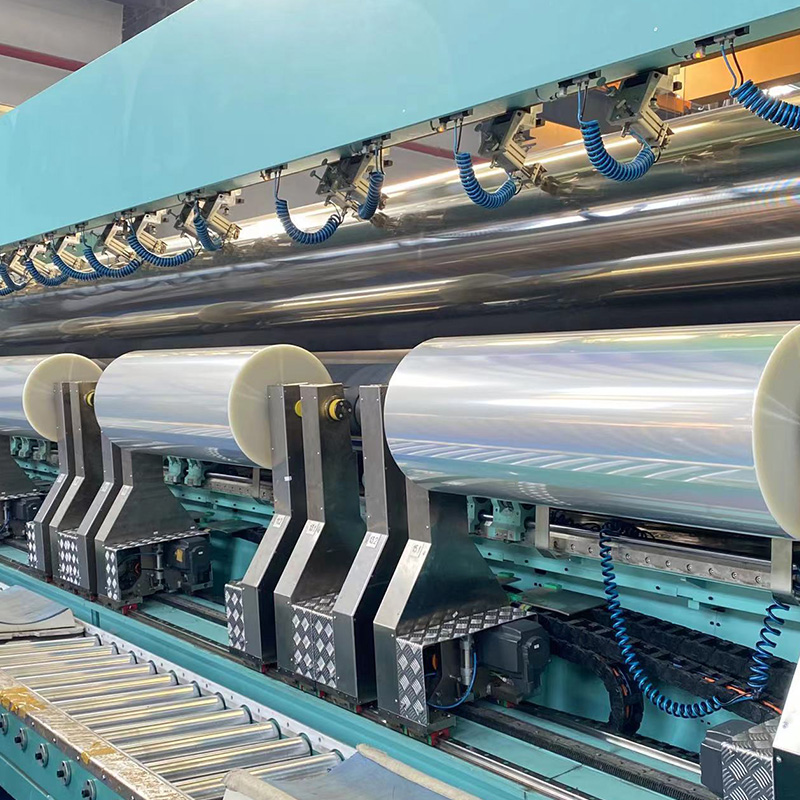 Biaxially Oriented Polypropylene Film
-
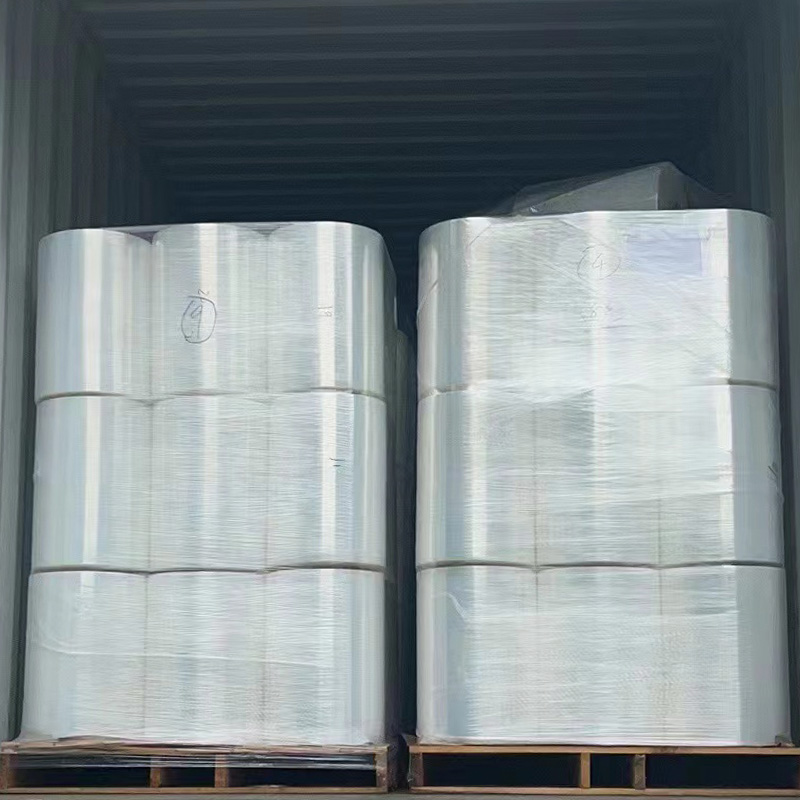 High Quality PE Stretch Film
-
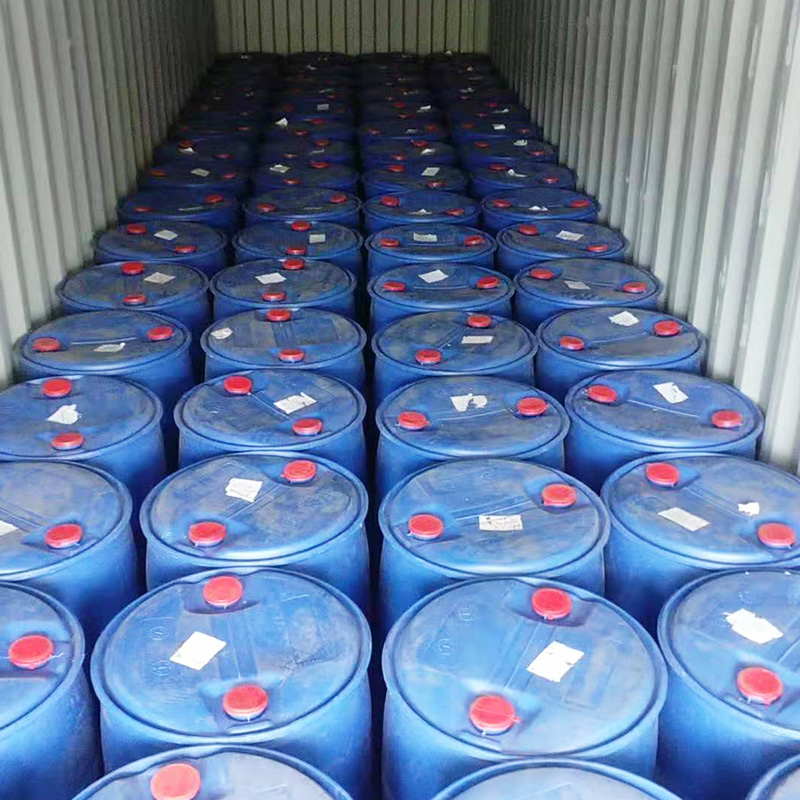 Water Based Acrylate Glue
-
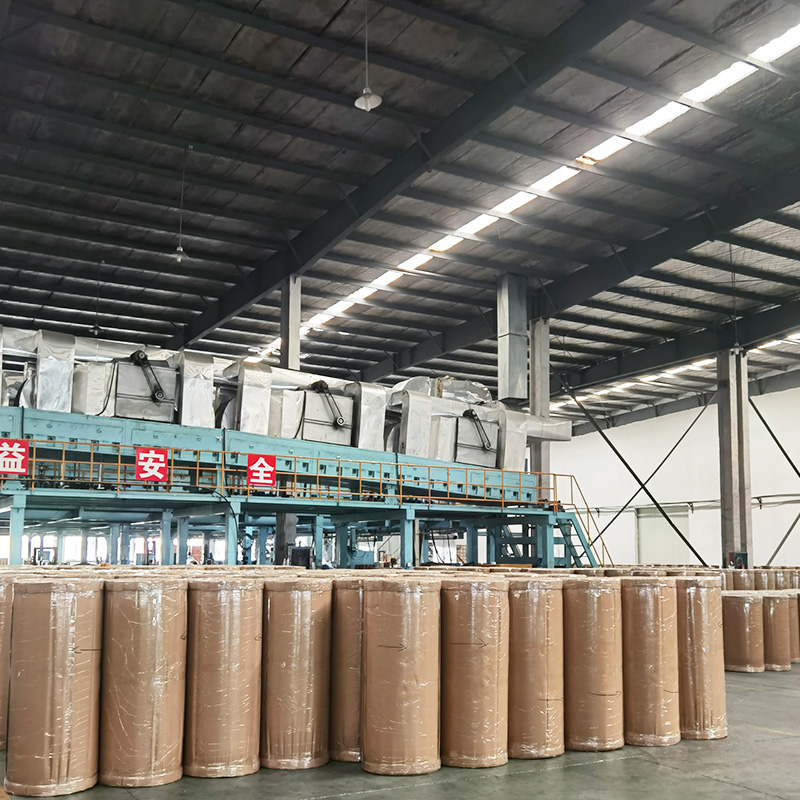 BOPP Acrylic Jumbo Roll Tape
-
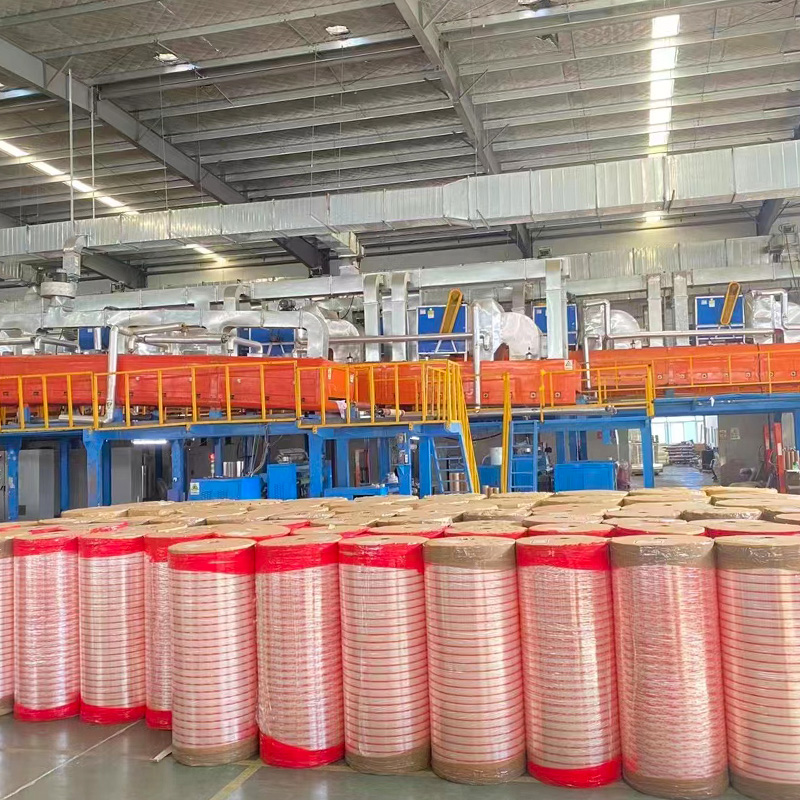 BOPP Hotmelt Jumbo Roll Tape
-
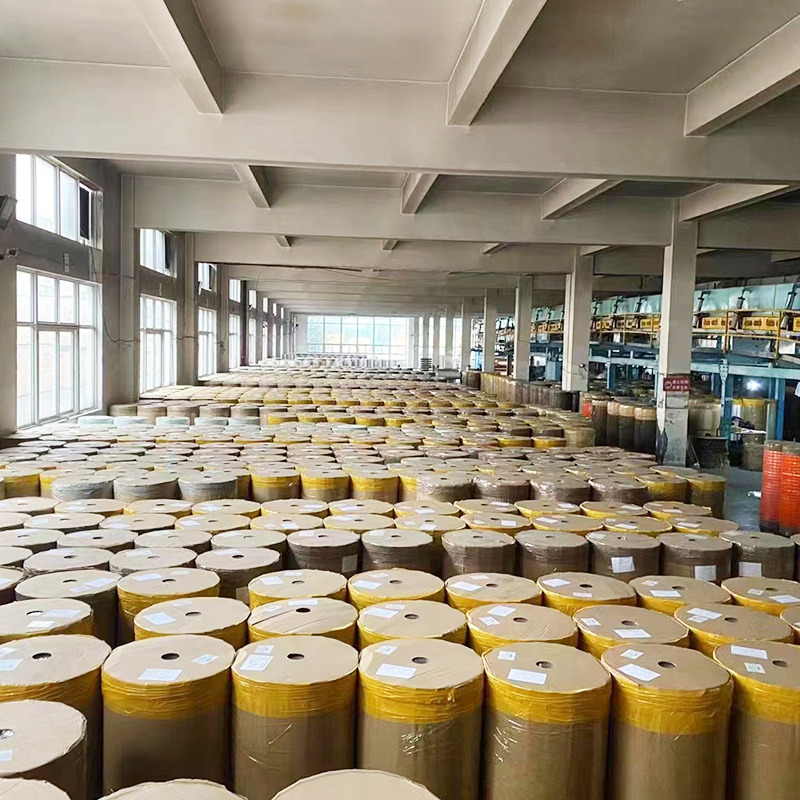 BOPP Solvent Jumbo Roll Tape
-
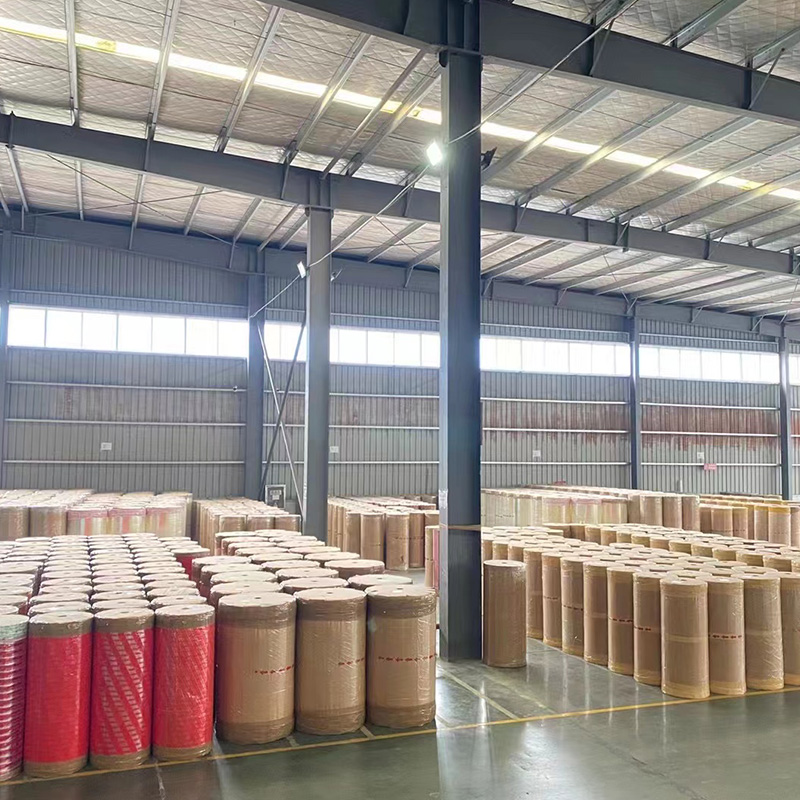 BOPP Natural Rubber Jumbo Roll Tape
-
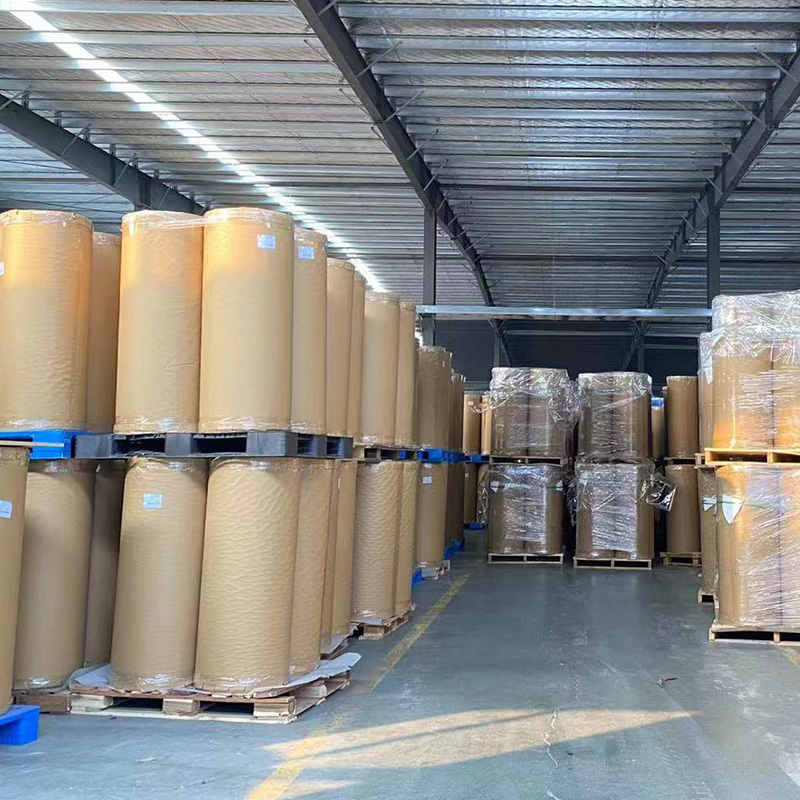 BOPP Low Noise Jumbo Roll Tape
-
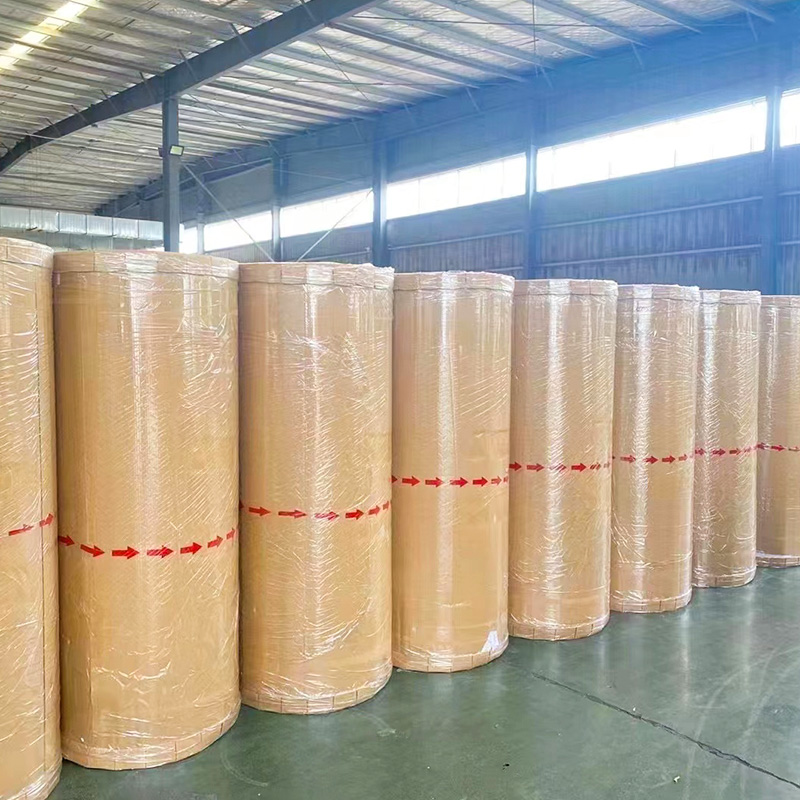 BOPP Silent Jumbo Roll Tape
-
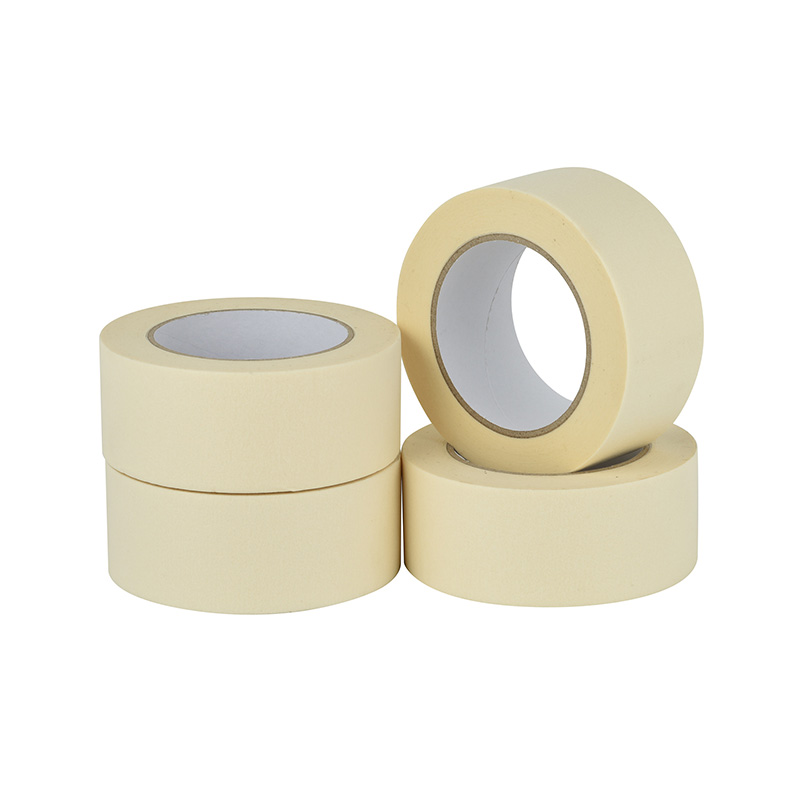 Masking Tape Jumbo Roll
-
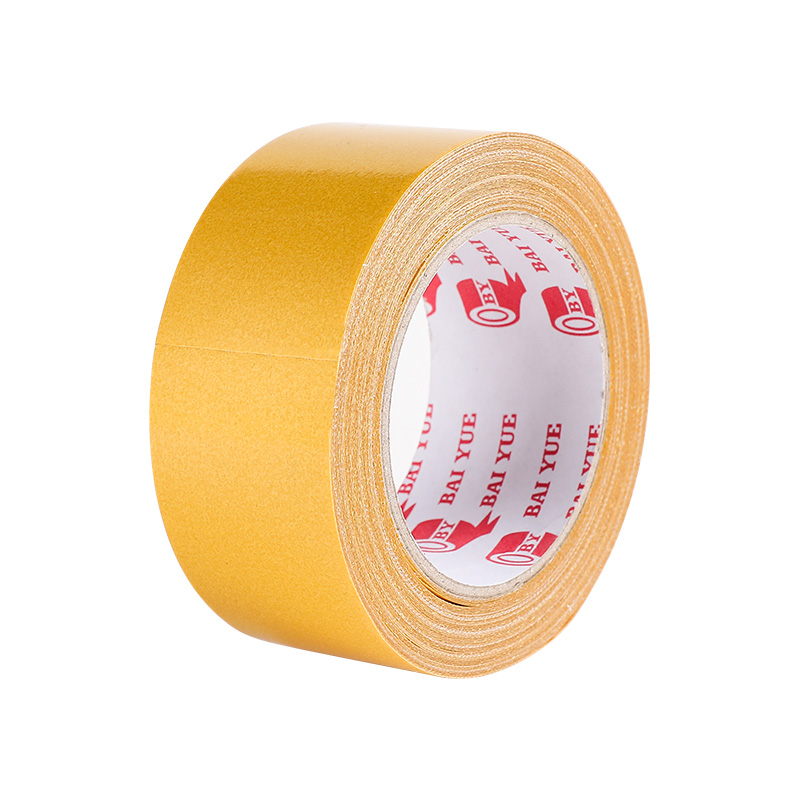 Duct Tape Jumbo Roll
-
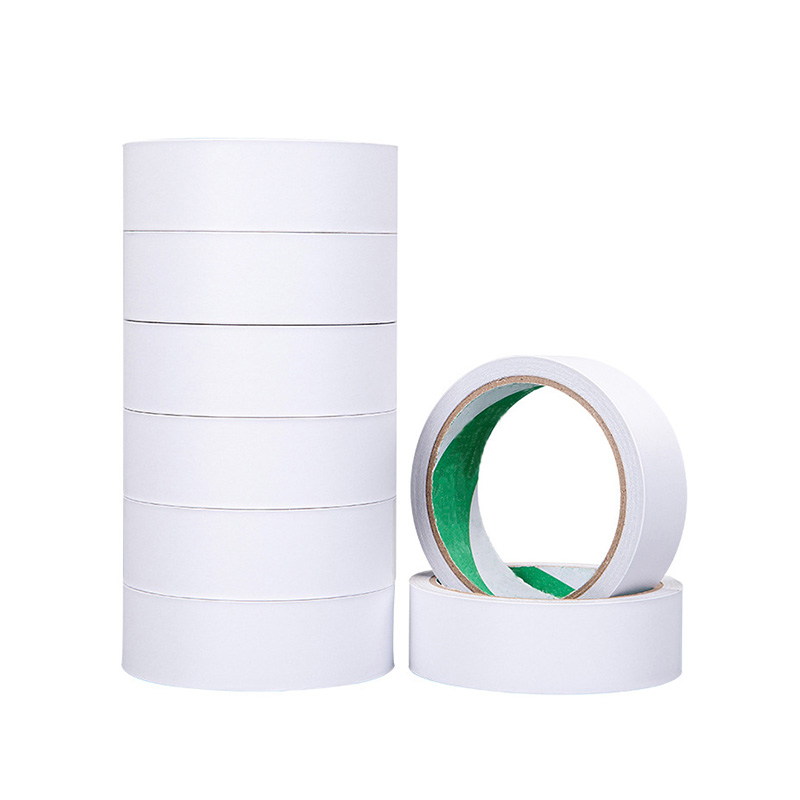 Double Side Tape Jumbo Roll
 fortuna@baiyiadhesive.com
High Quality Washi Tape: How Paper, Glue and Slitting Decide Performance
Content
- 1 What High Quality Actually Means in a Roll of Washi Tape
- 2 The Numbers Worth Writing Into a Purchase Order
- 3 Why the Paper Base Decides Curl, Tear and Print Quality
- 4 Adhesive Choice: Where Residue and Yellowing Come From
- 5 Slitting and Rewind: The Defects Buyers Notice First
- 6 A Sample Approval Checklist That Catches Real Problems
- 7 Where Washi Works, and Where It Does Not
- 8 What to Ask a Manufacturer Before a Volume Order
Ask a converter what went wrong with the last washi tape order and the answer rarely involves price. It is usually a roll that curled after a week in the warehouse, ink that smeared when the end user wrote on it, or adhesive that stayed on the page instead of lifting with the tape. None of that shows up in a two-minute sample check, because all three faults are decided long before the tape is wound: in the paper base, the adhesive coat weight and the slit width.
The short answer is that high quality washi tape is a specification, not a price band and not a country of origin. Get the paper weight, caliper tolerance, adhesion value and slit tolerance right, and a plain-looking roll will outperform a decorated one that was never measured. Get them wrong, and no amount of packaging will rescue the reorder.
What High Quality Actually Means in a Roll of Washi Tape
Washi tape is a paper masking tape: a thin, semi-translucent paper base coated with a pressure-sensitive adhesive, slit to width and wound on a small core. It is expected to be torn by hand, repositioned, written on and removed without lifting the surface underneath. Four elements decide whether it does any of that reliably.
- Paper base: even fiber formation and consistent caliper. Thin lanes tear diagonally instead of cleanly.
- Adhesive chemistry: a water-based acrylic that grips lightly and releases cleanly, rather than a high-tack hot melt that leaves a shadow behind.
- Coat weight: typically 15 to 30 gsm depending on the design. Too light and edges lift; too heavy and the roll blocks in warm storage.
- Slitting and winding: width held inside tolerance, square edges and even tension from core to tail.
The surface finish matters too. A well-coated matte face accepts ballpoint, gel pen and pencil without feathering, and takes print without the ink sitting on top of the adhesive layer.
 Washi Paper Tape for Masking, Packaging and Temporary FixingPaper-textured washi tape with natural rubber adhesive, customizable widths and lengths, and multiple colors for packaging, marking and temporary fixing tasks.View Product →
The Numbers Worth Writing Into a Purchase Order
Most washi complaints trace back to a purchase order that described the item as "washi tape, assorted colors" and nothing more. A workable order carries measurable values. The windows below repeat across well-run paper tape lines; treat them as starting points to confirm against your approved sample, not as universal law.
| Property | Typical target | Why it matters |
|---|---|---|
| Base paper weight | 60 to 80 gsm | Lighter stock tears too easily; heavier stock stops conforming to edges |
| Total caliper | 0.055 to 0.090 mm | Keeps print registration and roll stacking stable |
| Adhesion to steel | 1.5 to 3.0 N/25 mm | Enough grip to hold, low enough to remove without damage |
| Tensile strength (MD) | 15 to 30 N/25 mm | Controls a clean hand tear without stretching |
| Elongation at break | 8 to 20% | Above roughly 25%, tears turn stringy and ragged |
| Slit width tolerance | ±0.3 to ±0.5 mm | Width drift jams dispensers and breaks printed borders |
| Core inner diameter | 76 mm (3 in) | Matches standard dispensers and converting shafts |
| Shelf life | 12 months at 20 to 25 °C, 45 to 55% RH | Paper picks up moisture and curls if stored loose |
Two rows deserve more attention than they usually get. Adhesion under about 1.2 N/25 mm means edges will lift on textured paper or curved surfaces within a day, which is the single most common return reason from craft retailers. Elongation above 25% is what makes a roll feel "cheap" in the hand even when nothing measurable has failed yet.
Why the Paper Base Decides Curl, Tear and Print Quality
Fiber formation and caliper
Washi paper relies on long, thin fibers laid down evenly, and that formation is what gives the tape its characteristic soft hand and clean tear. A sheet with cloudy, uneven fiber density coats unevenly: adhesive soaks deeper into thin spots, the face takes ink differently, and the finished roll shows blotches under raking light. Caliper variation across the web does the same to tearing, because the thin lanes break first and drag the tear sideways.
Moisture is the quiet enemy
Paper is hygroscopic, so a roll that sits in a humid warehouse takes on water, swells on the outside and curls at the tail. Shrink wrap alone does not stop it. Pallet-level wrapping, a desiccant bag and storage at 20 to 25 °C with 45 to 55% relative humidity do far more than a decorative sleeve.
- Wavy edges after unrolling usually mean the reel absorbed moisture during shipping.
- Blocking, where layers stick to each other, points to overwinding or storage above 35 °C.
- A tail that lifts off the roll within days is a winding tension issue, not an adhesive issue.
Adhesive Choice: Where Residue and Yellowing Come From
Almost every roll on the market is described as removable, and the word means very little without a substrate and a dwell time attached to it. What actually separates grades is the adhesive family and how heavily it is coated.
| Adhesive | Removal behavior | Watch out for |
|---|---|---|
| Water-based acrylic | Clean lift on paper and board, low odor | Under-cured coats feel tacky on the back and transfer to hands |
| Solvent acrylic | Clean lift with better humidity resistance | Higher cost and stricter solvent handling |
| Hot-melt rubber | High initial grab, less predictable release | Residue on coated paper, yellowing with age |
| Natural rubber | Strong stick on rough, fibrous surfaces | Oxidizes quickly and ages badly in heat |
Coat weight matters as much as chemistry. A light coat releases cleanly but creeps on textured paper; a heavy coat holds on card stock yet can leave a faint shadow on varnished or coated surfaces after a few weeks of sunlight. Ask for the coat weight in gsm and test removal on the exact stock you sell into, because newsprint, coated art paper and painted drywall behave very differently under the same adhesive.
Slitting and Rewind: The Defects Buyers Notice First
By the time a roll reaches a customer's desk, converting quality is the only thing they can judge without a lab. Three faults come up again and again.
- Telescoping: layers slide sideways during shipping, usually caused by low winding tension or burred slit edges.
- Burr and dust: dull blades leave a fuzzy edge that sheds paper dust onto the adhesive and shows as a dirty line on the roll.
- Width drift: a nominal 15 mm roll that measures 14.4 mm at the tail will bind in a dispenser and print off-register.
Volume buyers often purchase jumbo rolls and slit in-house or through a local converter, which puts the width and tension responsibility on their own line. In that case the incoming inspection should cover edge quality and roll hardness, not just the label.
 Masking Tape Jumbo Roll for High-Volume ConvertingLarge-format masking paper roll with heat resistance, strong adhesion and clean removal, suited to in-house slitting and high-volume masking or protection work.View Product →
Measure width on the first and last meter of a reel, not the middle, and check tension at three points across the diameter. Those two habits catch most converting problems before the goods reach a customer.
A Sample Approval Checklist That Catches Real Problems
- Measure width with calipers at three points along the roll and record the spread.
- Check caliper at five positions across the web; flag any variation above 5 microns.
- Apply to the real substrate, leave 24 hours at room temperature, then remove slowly at a shallow angle.
- Repeat the removal test after seven days on a warm windowsill to simulate retail display.
- Write on the surface with ballpoint, gel pen and pencil, and check for feathering or skipping.
- Tear by hand across the width; the break should run straight, not diagonally.
- Store one roll at 30 °C and 70% RH for a week, then inspect for curl and blocking.
- For printed designs, compare color against the approved reference under daylight, not office lighting.
Where Washi Works, and Where It Does Not
Washi earns its price in paper-based work: journaling and planners, gift wrapping, packaging decoration, photo mounting on paper, color-coding, and short-term masking on delicate surfaces such as painted trim or printed board. It removes cleanly, cuts without scissors and takes a pen, which is why craft and stationery buyers keep reordering it.
It is the wrong tape for anything structural. Washi has modest tensile strength, poor UV resistance and no place in a spray booth or on a rough exterior wall. For paint masking, a crepe paper tape with stronger adhesion and higher temperature resistance is the correct choice, and for very high temperature work a car waterproof masking tape or a high-temperature resistant grade belongs in the specification instead. The masking tape application guide covers those distinctions in more detail.
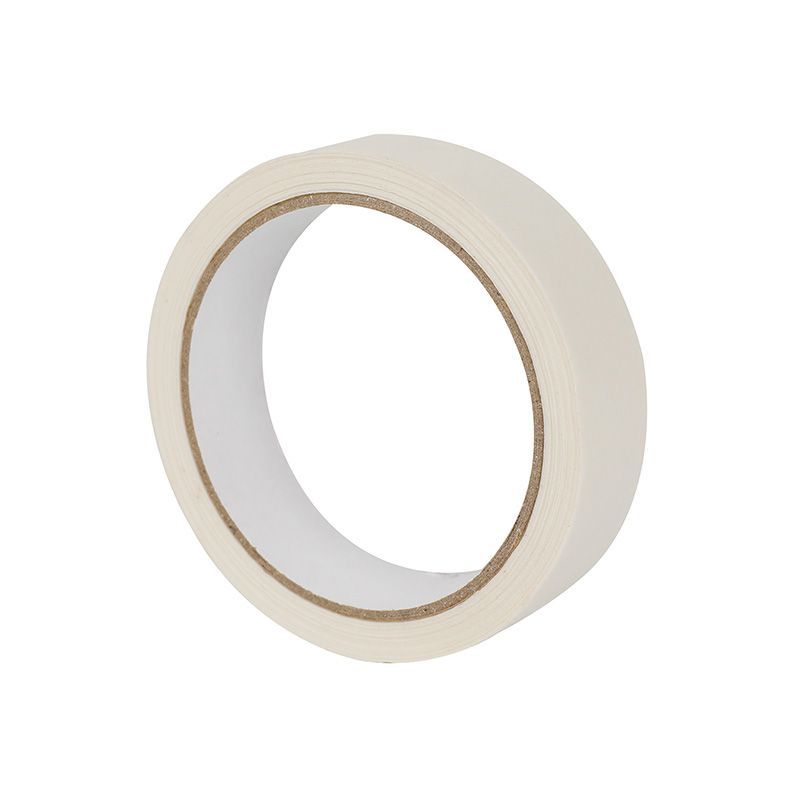 Plain Crepe Paper Masking Tape for Painting and ProtectionGeneral-purpose crepe paper tape with natural rubber adhesive and stable tack, used to mask surfaces during painting, coating, plating and building decoration.View Product →
What to Ask a Manufacturer Before a Volume Order
The questions that separate a trading desk from a factory are simple. Where is the paper coated? Is the adhesive made in-house or bought in? How many slitting machines can be dedicated to your width, and what does the reject rate look like across the last three production runs? A supplier who cannot answer the third question is guessing at consistency.
Zhejiang Baiyi Adhesive Products has manufactured tape since 2005, with an in-house glue workshop, four BOPP film lines and twelve slitting machines at its Shangyu factory, about an hour from Ningbo port, plus a Yiwu warehouse established in 2008 for consolidated export shipments. For paper tape buyers, that vertical setup is what makes repeat coat weights and fast width changes realistic rather than theoretical.
Send your target specification, substrate and annual volume through the contact page and ask for a retention sample from the exact production lot, not a hand-built sample from the lab bench.
A tape that feels good in the hand and peels cleanly after a month is not an accident. It is a paper weight, a caliper window, an adhesion value and a slit tolerance that somebody wrote down and then checked. Write those four numbers into your next order, and the quality argument stops being about opinions.

-
 +86-575-82818961
+86-15906537907 -
 fortuna@baiyiadhesive.com
-
 Baiguan industrialZone,Shangyu District, Shaoxing City, Zhejiang Province, China
About Us
To provide effective services to customers is
the direction of our work and work and the yardstick of value evaluation.
To achieve customers is to achieve ourselves.



Product Links
Contact Us
Copyright © Zhejiang Baiyi Adhesive Products Co., Ltd. All Rights
Reserved.
Wholesale Tape Manufacturer
Custom Tape Supplier
 浙ICP备17032394号