

 中文简体
 Español
 عربى
-
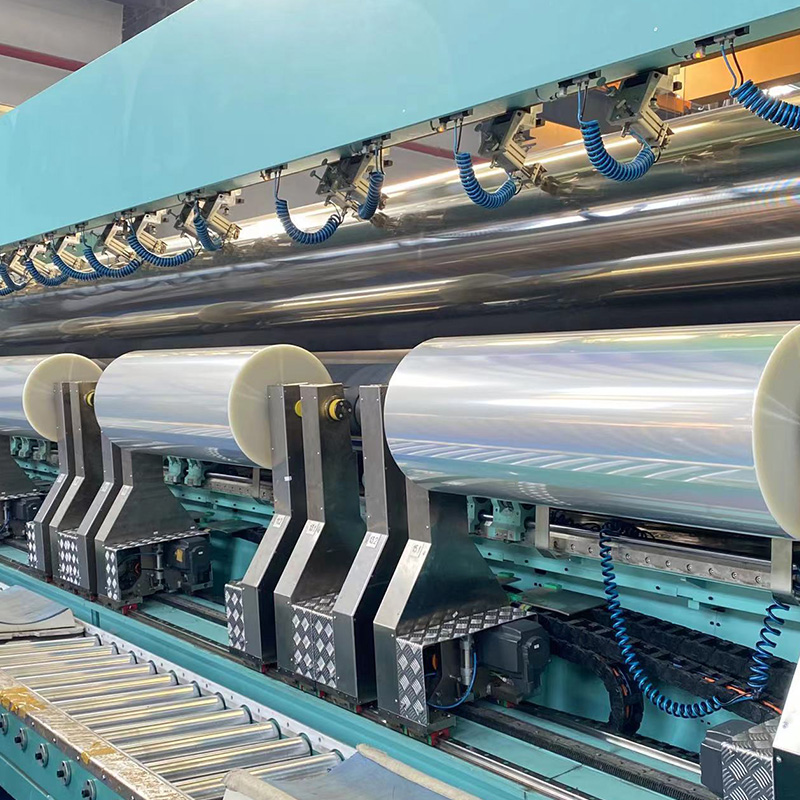 Biaxially Oriented Polypropylene Film
-
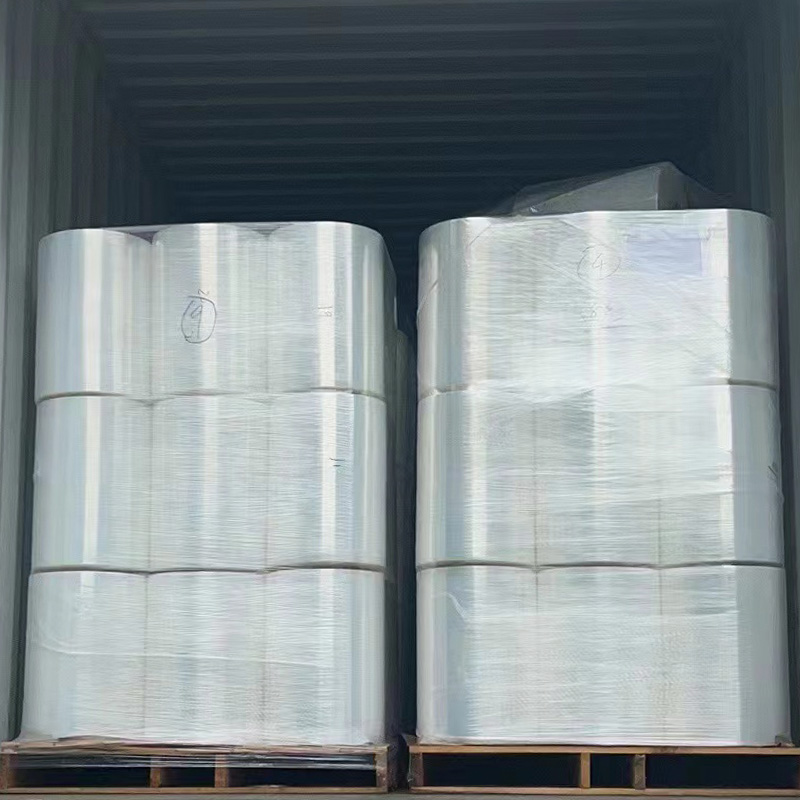 High Quality PE Stretch Film
-
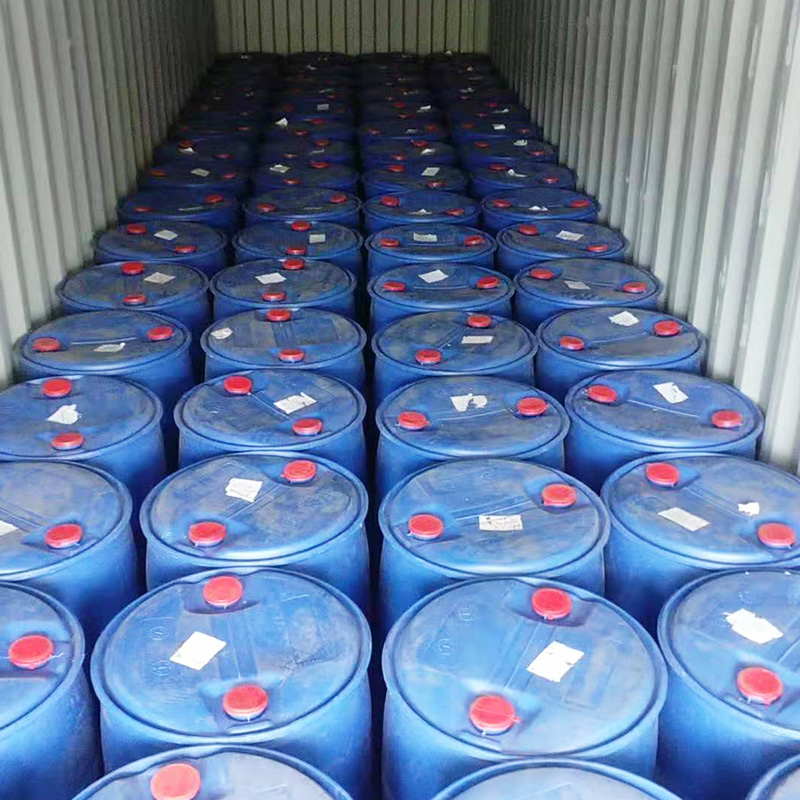 Water Based Acrylate Glue
-
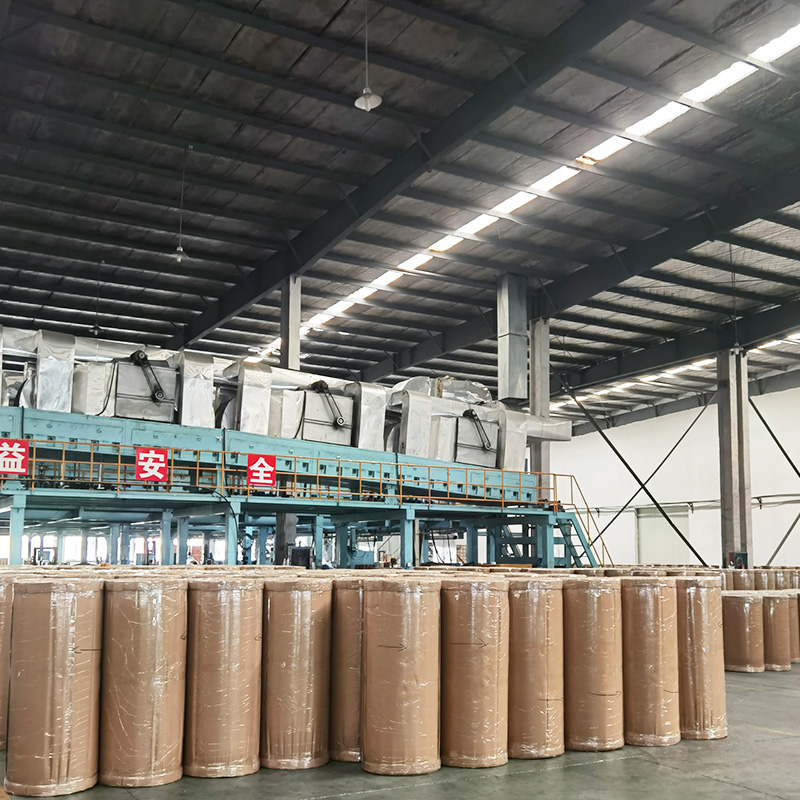 BOPP Acrylic Jumbo Roll Tape
-
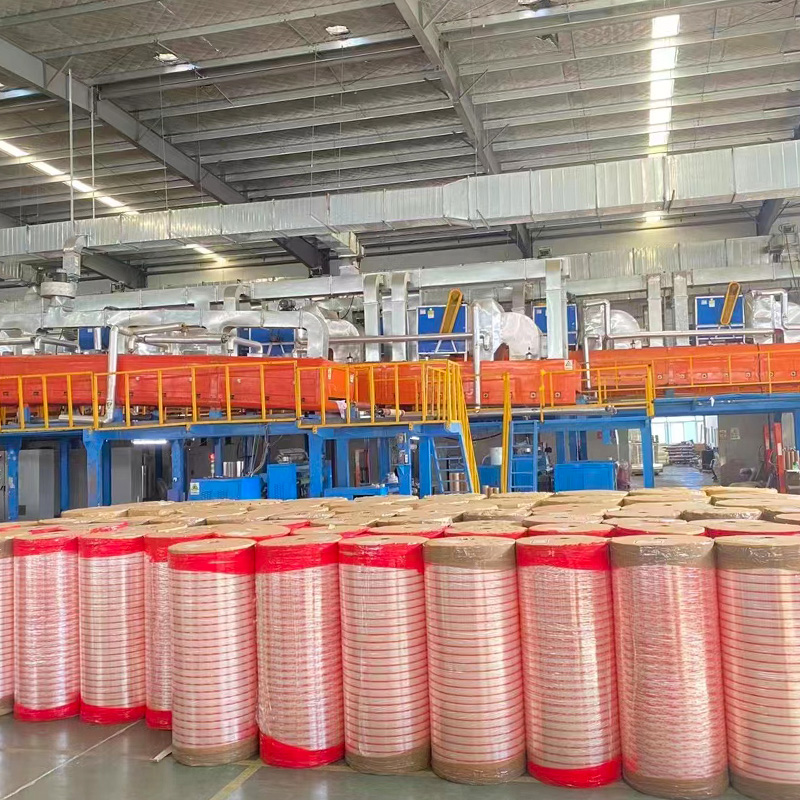 BOPP Hotmelt Jumbo Roll Tape
-
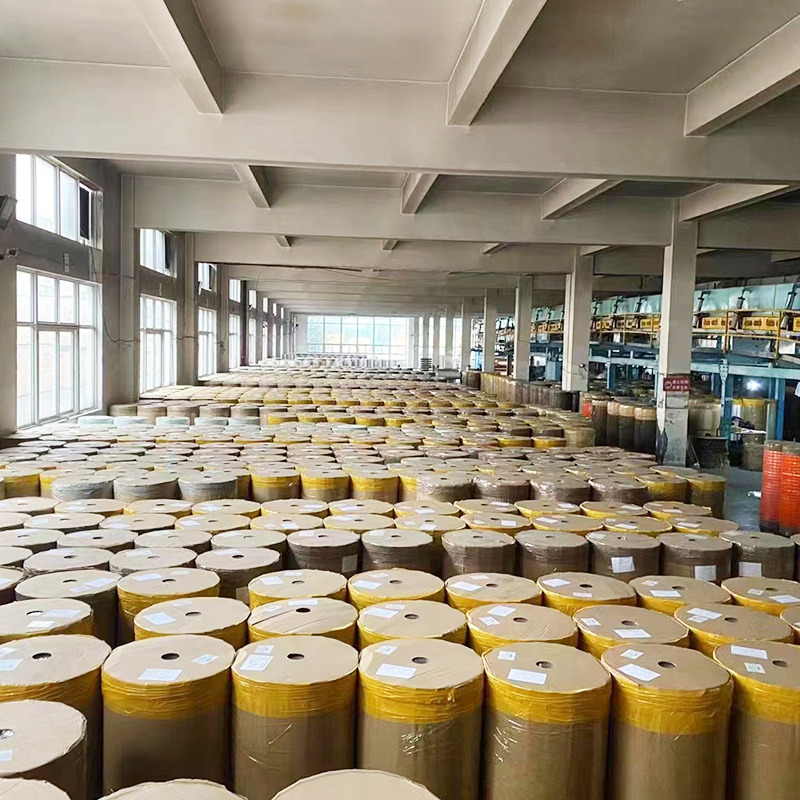 BOPP Solvent Jumbo Roll Tape
-
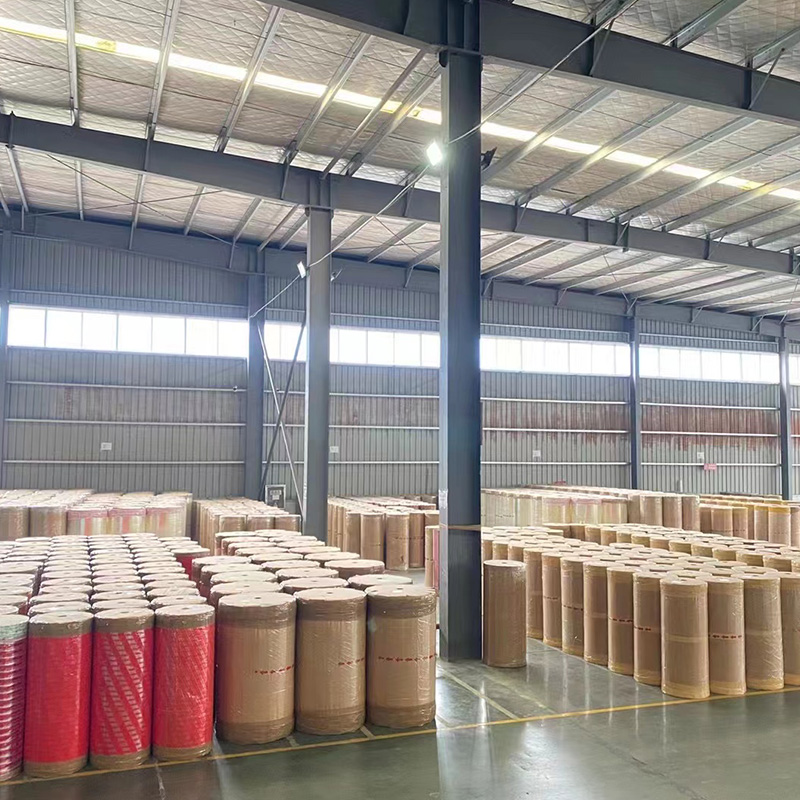 BOPP Natural Rubber Jumbo Roll Tape
-
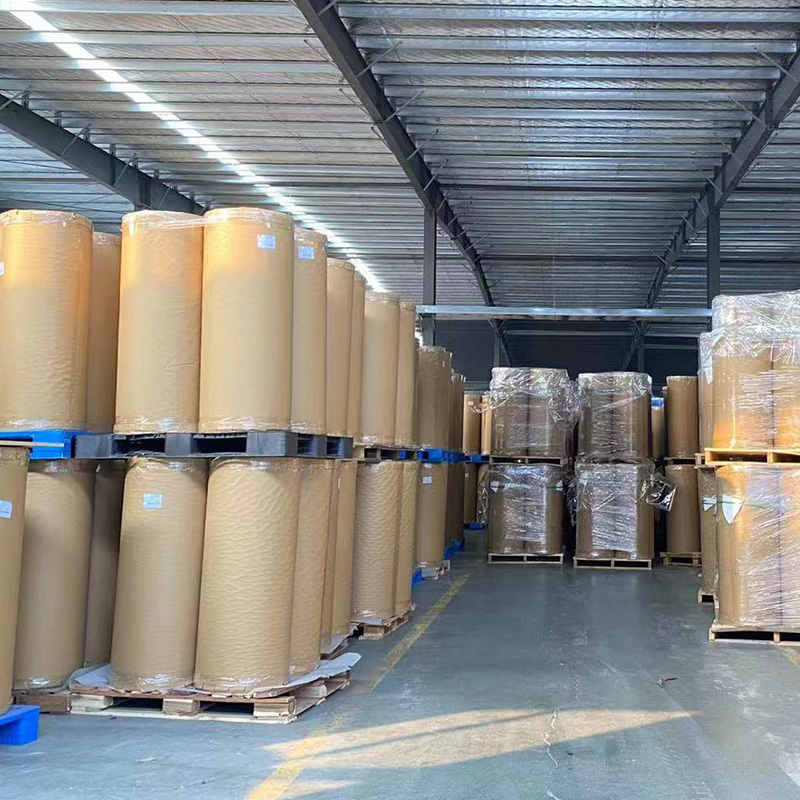 BOPP Low Noise Jumbo Roll Tape
-
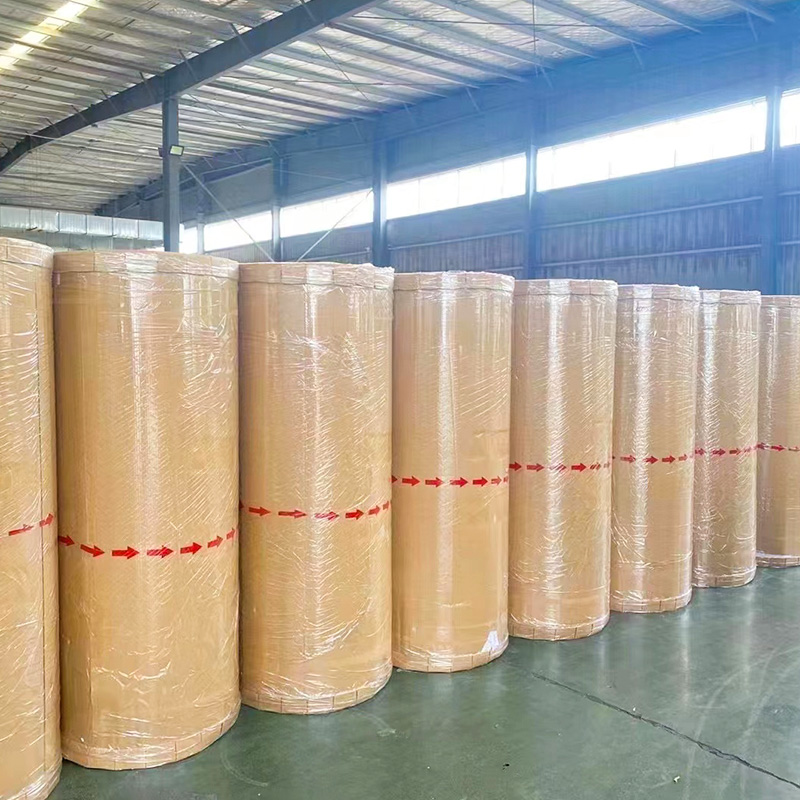 BOPP Silent Jumbo Roll Tape
-
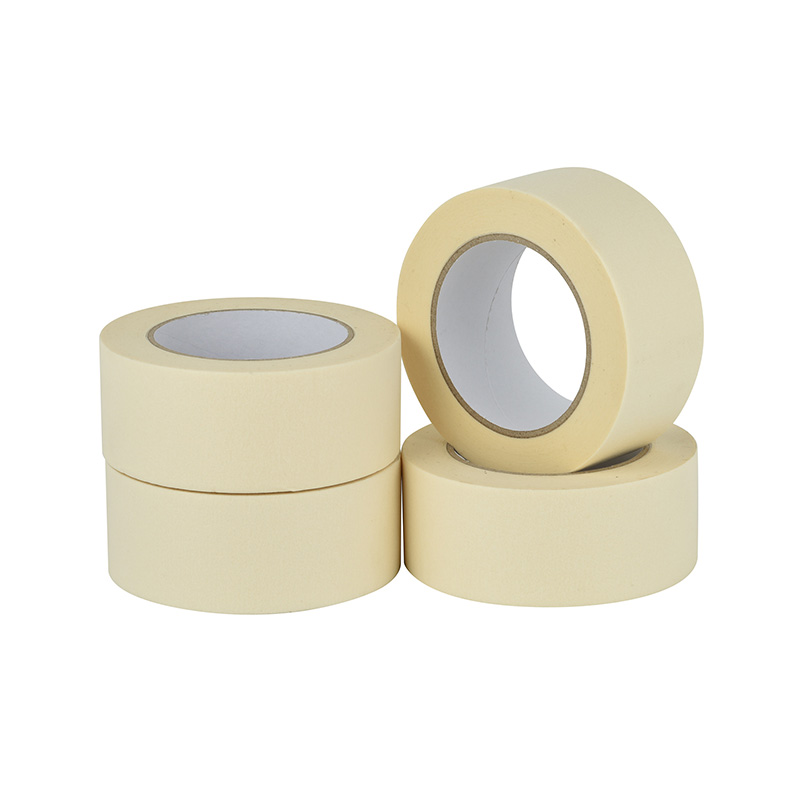 Masking Tape Jumbo Roll
-
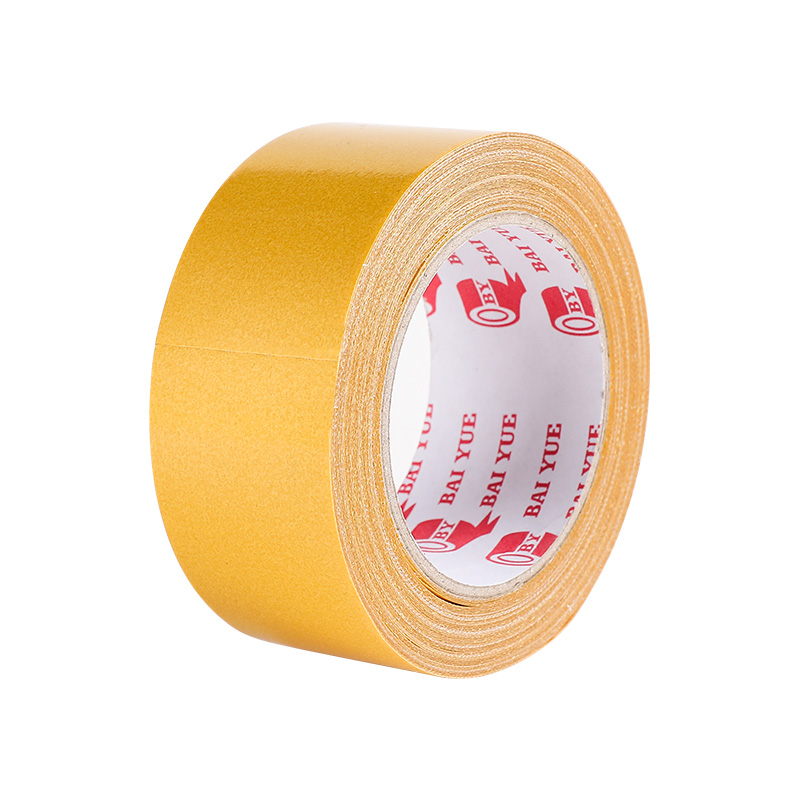 Duct Tape Jumbo Roll
-
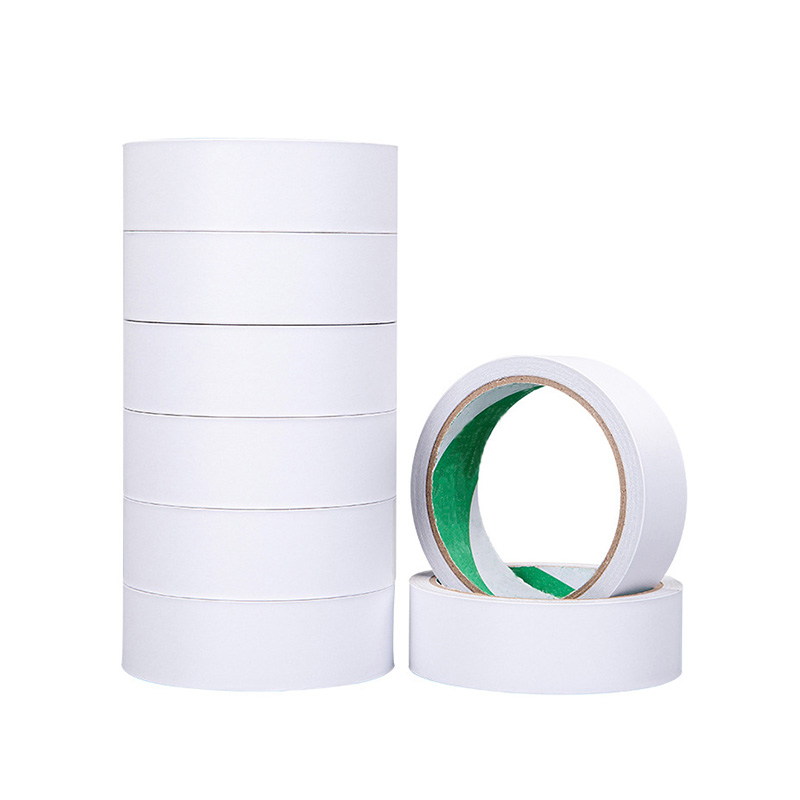 Double Side Tape Jumbo Roll
 fortuna@baiyiadhesive.com
IPX5 Waterproof Rating Explained: Test Conditions, Limits, and Sealing Tape
Content
- 1 What IPX5 Actually Certifies
- 2 IPX5 vs IPX6 vs IPX7 and IPX8: Reading the Numbers Correctly
- 3 Why an IPX5 Result Belongs to the Assembly, Not the Material
- 4 Where Pressure-Sensitive Tapes Fit in an IPX5 Design
- 5 A Specification Checklist Before You Order Sealing Tape
- 6 Failure Modes That Quietly Undo a Good Rating
- 7 Sourcing Sealing Tapes for Water-Resistant Products
A Bluetooth speaker passes IPX5 in the lab, ships to a beachside kiosk, and starts crackling within three months. Nothing about the housing changed. What changed was the assembly pressure on one gasket, the surface cleanliness under one seam tape, and the amount of sun the unit saw. IPX5 is a jet-water resistance rating earned by a complete assembly under fixed laboratory conditions — it is not a waterproof guarantee, and it is never a property of a single material.
That distinction matters to anyone buying sealing tape, foam gasket, or foil-backed membrane, because those components sit exactly on the line between "passed the test" and "failed in the field." The sections below cover what IPX5 measures, how it compares with IPX6, IPX7 and IPX8, where pressure-sensitive adhesives genuinely contribute to a water-resistant enclosure, and which purchasing details decide whether the design survives real exposure.
What IPX5 Actually Certifies
The two digits in an IP code answer different questions. The first covers solids, the second covers water. Writing IPX5 leaves the solids position as an X, which means the product was simply never evaluated for dust ingress — an absence of testing, not a score of zero. The 5 is the water result, and its scope is narrower than most marketing copy suggests.
Under IEC 60529, the IPX5 test directs a water jet at the enclosure from any direction. The fixed parameters are:
- Nozzle bore: 6.3 mm
- Flow rate: 12.5 litres per minute, with a tolerance of about ±5%
- Distance from the sample: 2.5 to 3 metres
- Duration: at least 3 minutes
- Directions tested: all around the enclosure, without a protective cover
After the jet stops, the unit is opened and inspected for water that reached live parts or could otherwise cause harm. Note the pass criterion carefully: IPX5 does not require the interior to stay dry — it requires that any ingress does no harm. A speaker with a damp but working driver cavity can pass. So can a camera housing with a fogged internal lens. Buyers who translate "IPX5 waterproof" into "safe to drop in a pool" are reading a different standard entirely.
Two caveats follow from the method. The test runs on a small sample, usually a pre-production unit, so the certificate describes a design rather than every carton that leaves the factory. And because nozzle, flow and duration are fixed, a product that survives a rainy loading dock can still fail the lab, while a product that passes the lab can fail after two winters of UV exposure.
IPX5 vs IPX6 vs IPX7 and IPX8: Reading the Numbers Correctly
The digits form a ladder of test severity, not a hierarchy of usefulness. IPX6 does not "include" IPX5, and an IPX7 device is not automatically the better choice for a washdown line. Each number answers one specific question.
| Rating | Test conditions | Typical real-world match | What it does not prove |
|---|---|---|---|
| IPX4 | Splashing water from any direction, oscillating tube or spray nozzle, around 10 minutes | Rain, sweat, kitchen splashes | Resistance to a directed jet or to immersion |
| IPX5 | 6.3 mm nozzle, 12.5 L/min, 2.5–3 m, at least 3 minutes | Hose spray, outdoor washdown, heavy rain driven by wind | Immersion, pressure washing at close range |
| IPX6 | 12.5 mm nozzle, 100 L/min, 2.5–3 m, at least 3 minutes | Deck washing, powerful jets on outdoor equipment | Immersion, sustained steam or high-temperature jets |
| IPX7 | Temporary immersion, lowest point 1 m below the surface, 30 minutes | Accidental drops into sinks, shallow puddles | Jet resistance, repeated or deeper immersion |
| IPX8 | Continuous immersion, depth and duration agreed between manufacturer and buyer | Purpose-built submersible products | Anything not written into the agreed test conditions |
The working rule is to match the rating to the exposure rather than to the price tag. A jet of water from a garden hose, a pressure washer held 20 cm from a seam, and a device resting at the bottom of a basin are three different events, and no single digit covers all three.
Why an IPX5 Result Belongs to the Assembly, Not the Material
Water resistance is a system property. A housing that holds IPX5 usually combines a rigid shell, a compressed gasket or dispensed sealant, a membrane behind every acoustic opening, and a port cover with a defined closing force. Remove one element and the rating collapses, even though every remaining part is unchanged and still "compliant."
The interfaces that decide the outcome are predictable:
- Housing parting lines and screw bosses, where a gasket must stay compressed through thermal cycling
- Cable glands and connector entries, where water follows the wire rather than the wall
- Acoustic and sensor membranes, which must pass sound or pressure while stopping droplets
- Battery doors and port covers, whose sealing force depends on latch geometry and user behaviour
- Labels and nameplates crossing a seam, which can act as a wick if the adhesive is not continuous
This is where tapes enter the conversation, and where claims need discipline. A tape can be a sealing element, a secondary barrier, or the bonding layer that keeps a gasket compressed — it cannot by itself make an enclosure IPX5. Because the standard tests the finished product, the honest sourcing question is never "is this tape IPX5 rated?" It is "does this tape hold its thickness, adhesion and compression under the temperatures, humidity and cleaning agents the enclosure will meet?"
Where Pressure-Sensitive Tapes Fit in an IPX5 Design
Three tape families come up repeatedly in water-resistant assemblies. Each solves a different problem, and each fails for a different reason.
Aluminium foil tape for seams and vapour barriers
A dead-soft foil backing with an acrylic adhesive conforms around corners and forms a continuous metallic barrier. In ductwork it is specified as a vapour seal; in equipment enclosures the same construction closes a seam or shields a joint from splash. The foil itself does not absorb water or swell, but everything depends on the adhesive wetting out properly. A dusty, oily or cold substrate will defeat a good foil tape long before water does, which is why surface preparation is written into most sealing procedures.
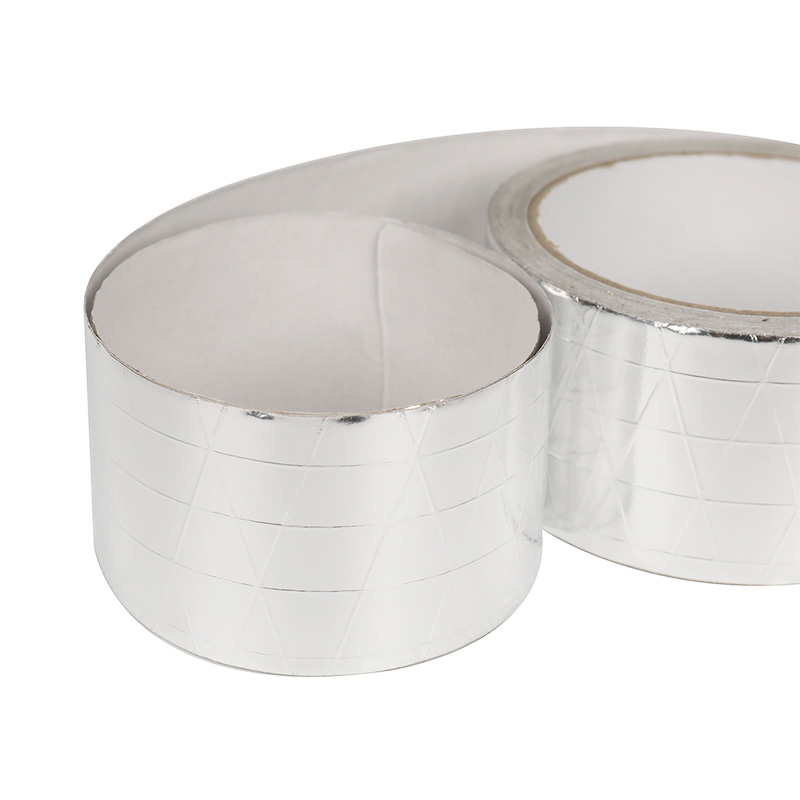 Waterproof Aluminum Foil Tape for Seam and Duct SealingAluminum foil tape with acrylic adhesive for vapour seals, equipment seams and splash shielding; available in customizable widths, lengths and thicknesses.View Product →
Butyl tape for joints, penetrations and cable entries
Butyl rubber tape is thick, highly tacky and self-amalgamating. It is used around cable entries, pipe penetrations and lap joints where movement and long-term water contact are expected. Because the material flows under moderate pressure, it fills irregular gaps that a die-cut gasket cannot follow. The trade-off is creep: in a hot enclosure, an unrestrained butyl bead can migrate, so a mechanical stop or a foil facing is often added to keep it in place.
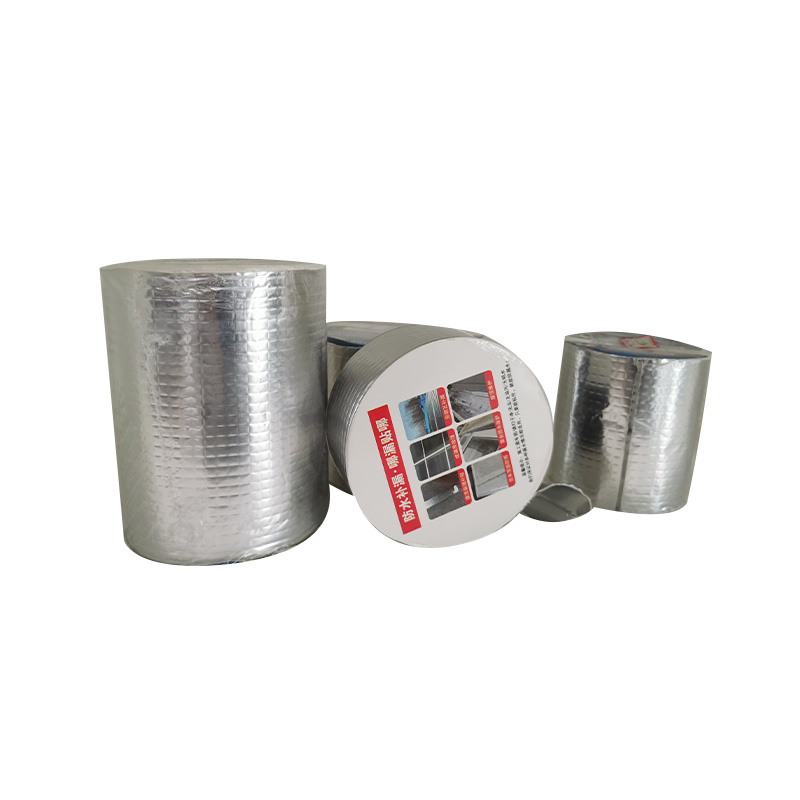 Butyl Rubber Sealing Tape for Roofing and Construction JointsThick, tacky butyl tape for waterproof sealing around roofs, walls, doors, windows and penetrations, with customizable thickness and colors.View Product →
Double-sided foam and VHB tapes as compressed gaskets
Viscoelastic acrylic foam tapes bond a part and seal the joint it creates at the same time. Compressed by roughly 20–30% between two surfaces, the foam behaves like a gasket: it stores elastic energy, recovers after vibration, and keeps a continuous barrier along the seam. What decides success is the compression stop. A moulded rib or a metal spacer that prevents over-compression protects the rating far more reliably than a thicker tape does.
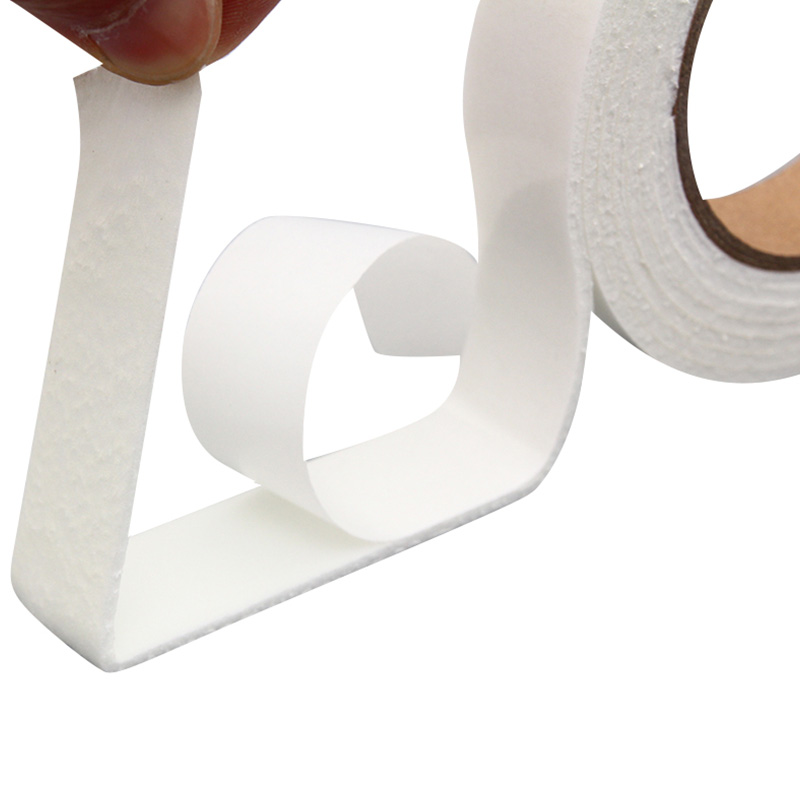 Double-Sided Acrylic Foam VHB Tape for Structural BondingAcrylic foam tape for high-strength bonding and sealing in automotive, appliance and glazing applications; customizable thicknesses and colors support joint design.View Product →
A Specification Checklist Before You Order Sealing Tape
Most sealing failures are traceable to a specification that was never written down. Six points resolve the majority of disputes before the first roll ships:
- Substrate and surface energy. Name the exact plastic or metal and its finishing state. Low-surface-energy plastics need a modified adhesive; painted metal needs a clean, dry surface.
- Wet adhesion, not just dry adhesion. Ask for peel data after water immersion, not only the initial 180° peel figure.
- Compression and recovery. For foam and VHB products, state the intended compression ratio and the expected service temperature range.
- Thickness tolerance. A gasket tape specified at 1.0 mm that arrives at 0.85 mm silently reduces compression and can open a leak path.
- Environmental cycling. Humidity changes adhesive behaviour more than temperature in many plants; our note on how tape adhesion performs in different environments explains the underlying mechanism.
- Shelf life and storage. Adhesive performance degrades in heat and sunlight, so confirm the batch date and the storage conditions before accepting a delivery.
Failure Modes That Quietly Undo a Good Rating
When a product that once passed IPX5 starts leaking, the cause is usually one of these, and none of them show up on a certificate:
- Over-compression of a foam gasket during assembly, leaving no elastic recovery to follow thermal movement
- Adhesive applied to a cold surface below the recommended application temperature, producing partial wet-out and a hidden channel
- Cleaning agents that soften the adhesive or swell the foam, so the seal degrades only in the hands of the end user
- UV exposure that cracks a foil or film facing and exposes the adhesive layer underneath
- Repair and rework, where a seam is opened and re-taped without removing the old adhesive residue
- Sampling error, where the tested unit carried a hand-applied gasket and the production unit carries a die-cut one
The practical defence is to tie each sealing step to a measurable process control: application pressure, surface cleanliness, compression gap, and cure or dwell time. Those four numbers predict field performance better than any rating on the box.
Sourcing Sealing Tapes for Water-Resistant Products
For converters, brand owners and importers, the useful specification is a combination: the right backing, the right adhesive chemistry, a controlled thickness, and a slitting width that matches the dispensing equipment on the line. Foil, butyl and foam constructions behave differently in storage, so order quantities should match realistic consumption rather than container economics alone.
Zhejiang Baiyi Adhesive Products has produced tapes since 2005, with in-house BOPP film extrusion, adhesive preparation, coating and slitting, plus a Yiwu warehouse supporting export deliveries. Foil, butyl, foam and double-sided products can be supplied as finished logs or as jumbo rolls for further converting. If a project involves a water-resistant housing, send the substrate, thickness and exposure conditions and the specification can be matched to the application rather than to a catalogue page.

-
 +86-575-82818961
+86-15906537907 -
 fortuna@baiyiadhesive.com
-
 Baiguan industrialZone,Shangyu District, Shaoxing City, Zhejiang Province, China
About Us
To provide effective services to customers is
the direction of our work and work and the yardstick of value evaluation.
To achieve customers is to achieve ourselves.



Product Links
Contact Us
Copyright © Zhejiang Baiyi Adhesive Products Co., Ltd. All Rights
Reserved.
Wholesale Tape Manufacturer
Custom Tape Supplier
 浙ICP备17032394号