

 中文简体
 Español
 عربى
-
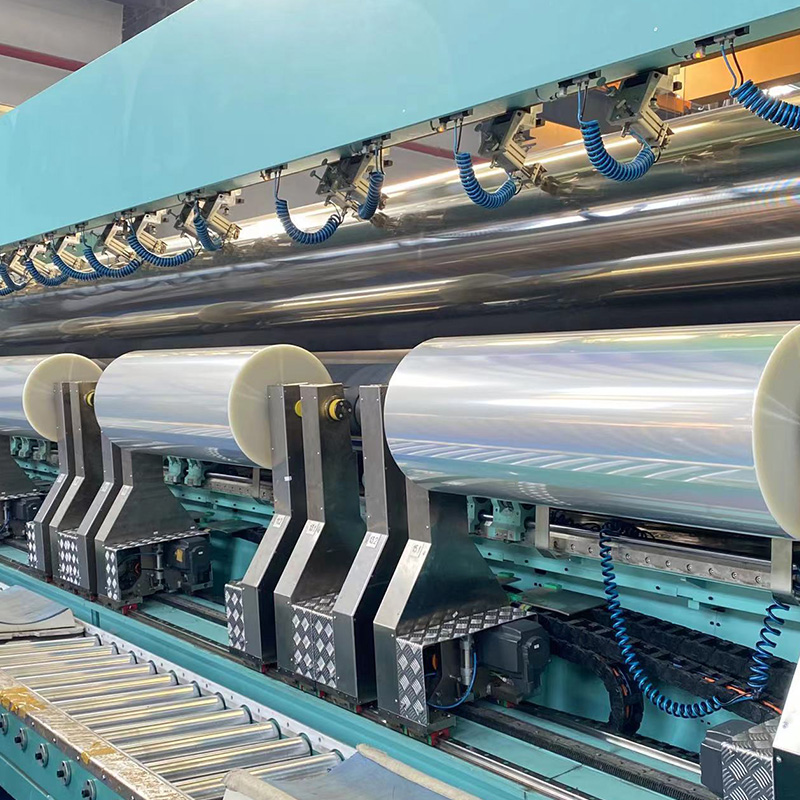 Biaxially Oriented Polypropylene Film
-
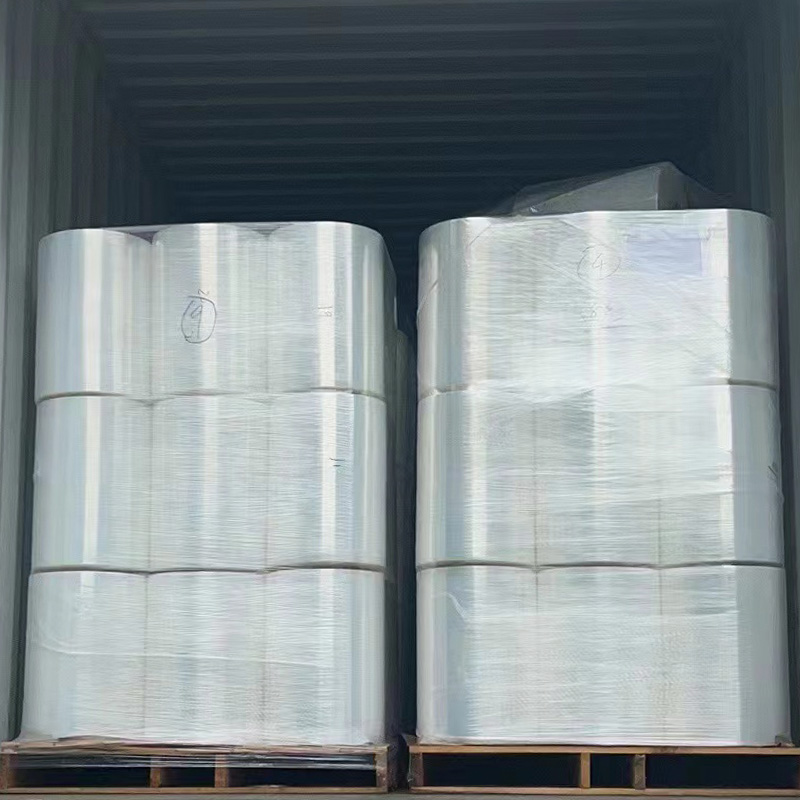 High Quality PE Stretch Film
-
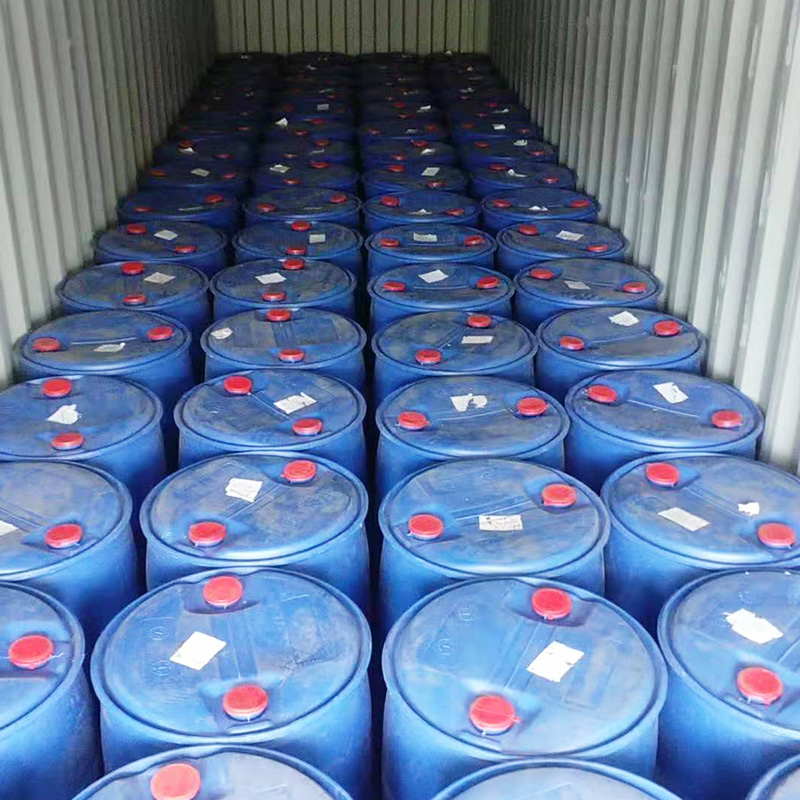 Water Based Acrylate Glue
-
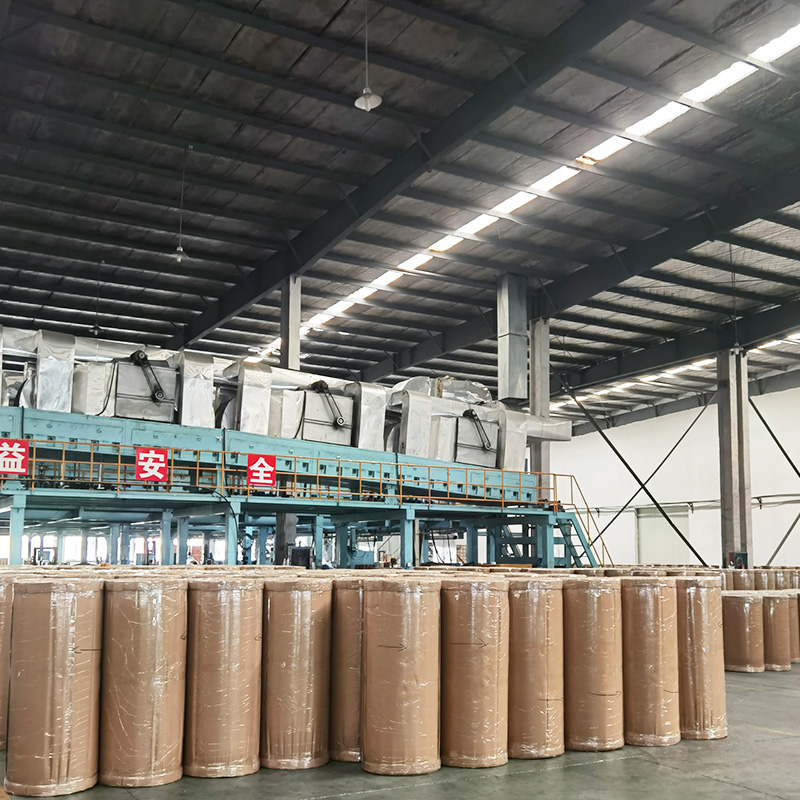 BOPP Acrylic Jumbo Roll Tape
-
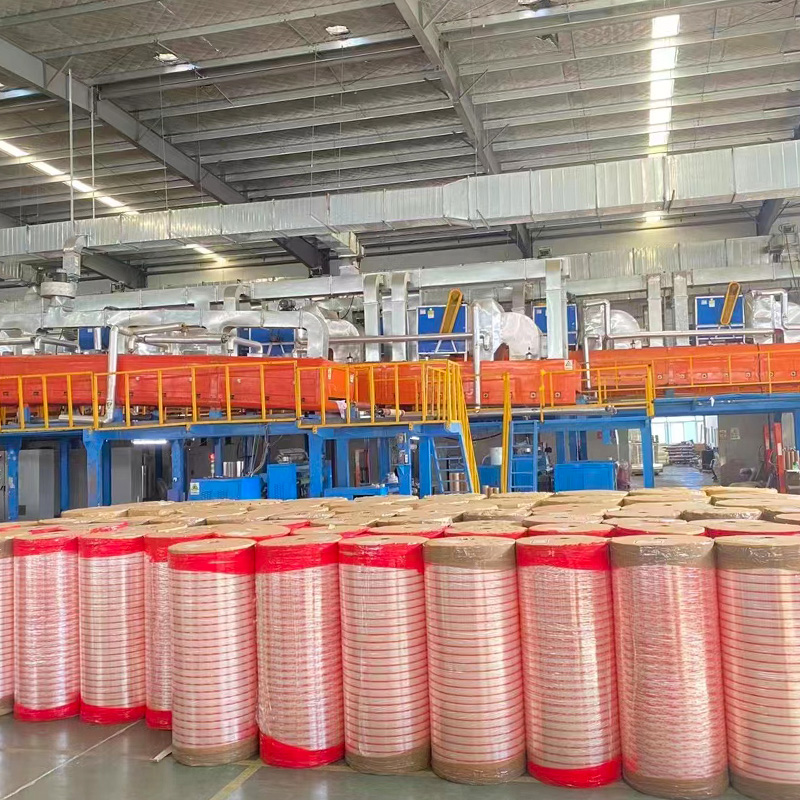 BOPP Hotmelt Jumbo Roll Tape
-
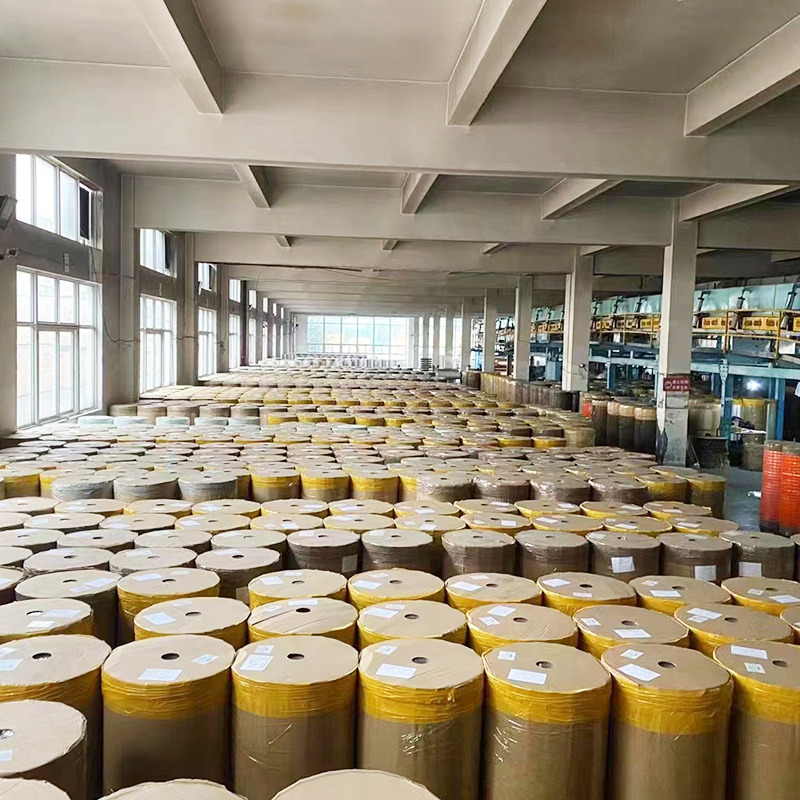 BOPP Solvent Jumbo Roll Tape
-
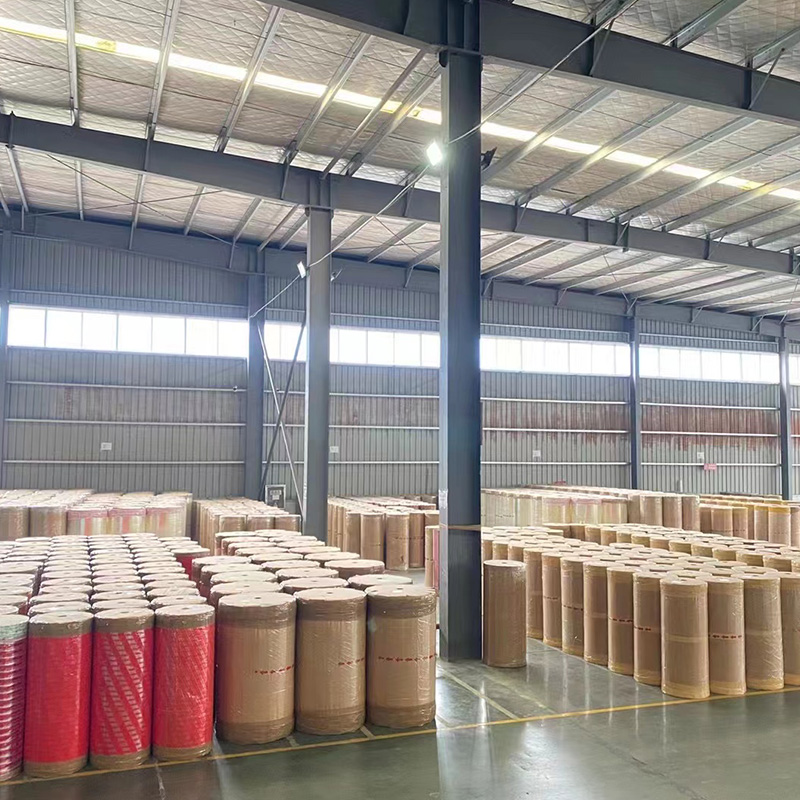 BOPP Natural Rubber Jumbo Roll Tape
-
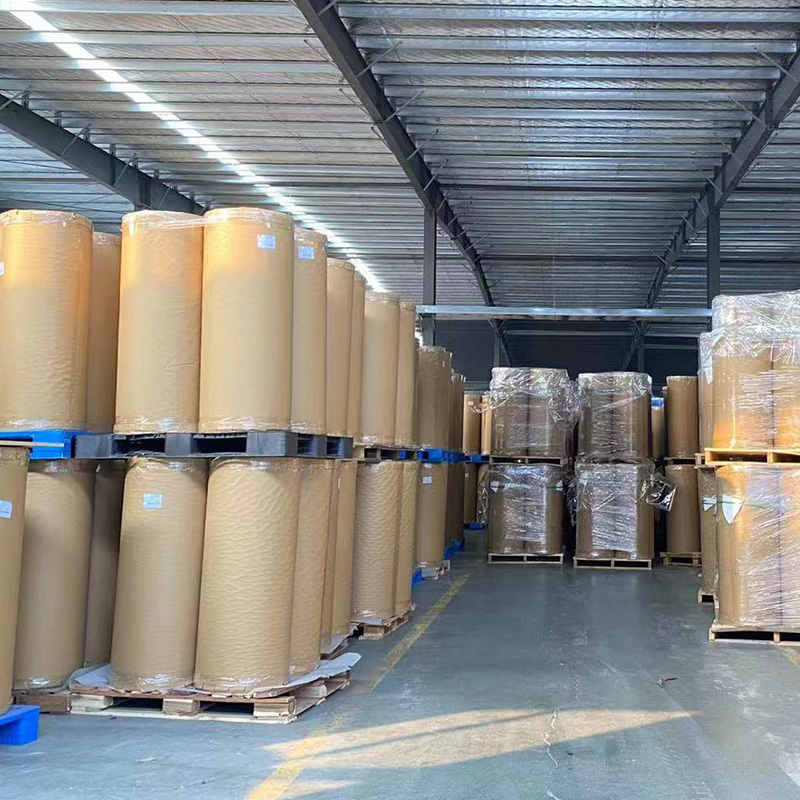 BOPP Low Noise Jumbo Roll Tape
-
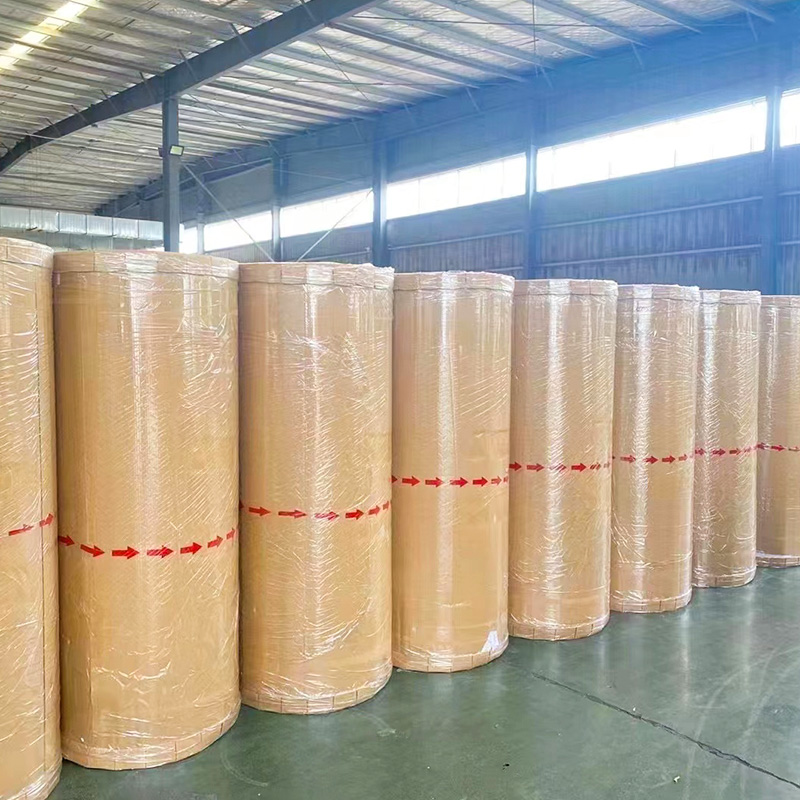 BOPP Silent Jumbo Roll Tape
-
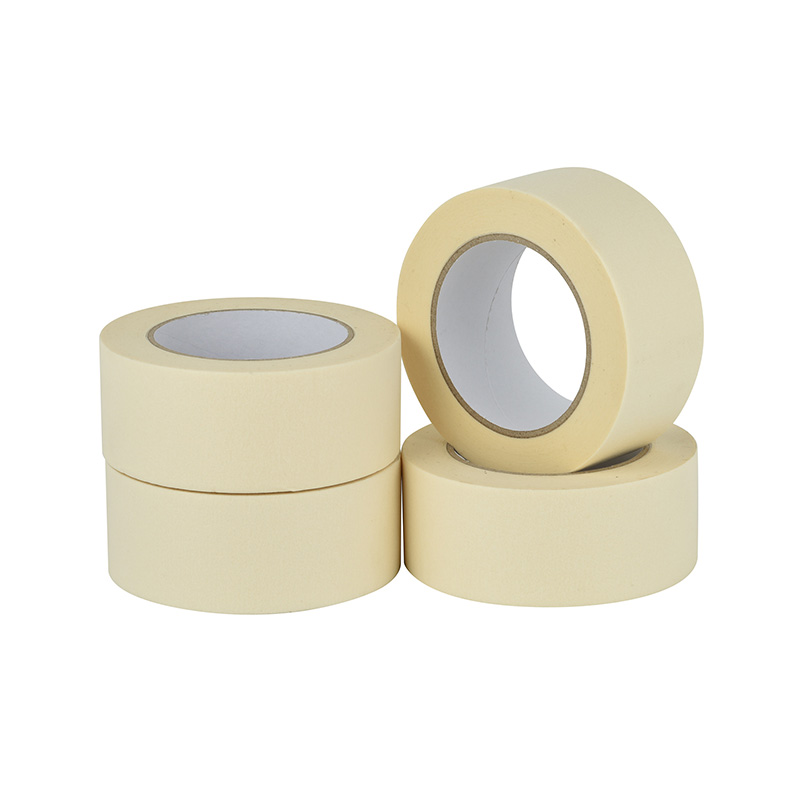 Masking Tape Jumbo Roll
-
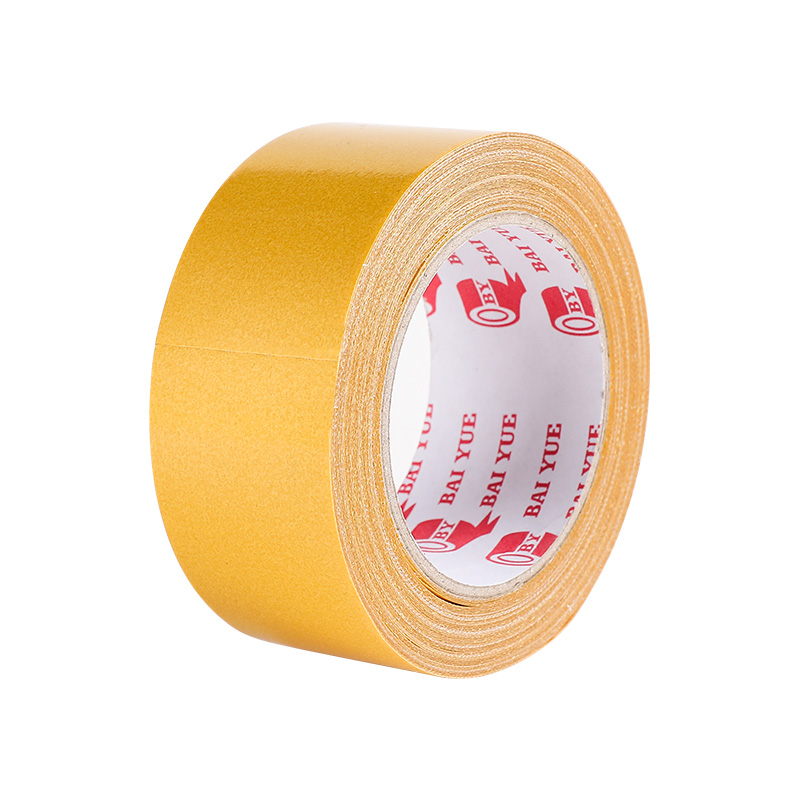 Duct Tape Jumbo Roll
-
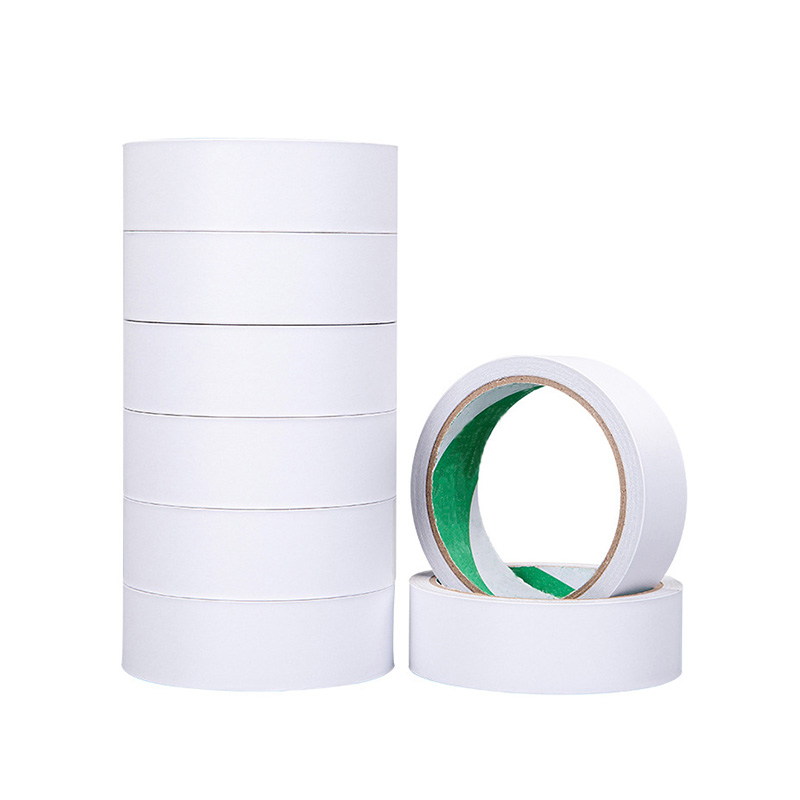 Double Side Tape Jumbo Roll
 fortuna@baiyiadhesive.com
Industrial Adhesive Tape: Backing, Adhesive Chemistry and Selection Guide
Content
- 1 Backing, Adhesive and Coat Weight: The Three Variables That Decide the Result
- 2 A Working Map of Industrial Adhesive Tape Types
- 3 Where Each Tape Family Earns Its Place
- 4 Specification Lines Worth Writing Into a Purchase Order
- 5 Failure Patterns and What They Usually Mean
- 6 Jumbo Rolls, Logs and Finished Cases: Where the Cost Sits
- 7 Storage, Shelf Life and Handling
- 8 Supplier Checklist Before the First Pallet Ships
Three weeks into a humid summer, a packaging line switches tape suppliers to save four cents a roll. The first pallet looks fine. By the second day, roughly one carton in twenty has a lifted corner, and the returns begin. The tape was not defective — it was the wrong adhesive chemistry for recycled corrugate inside a 32 °C warehouse.
Industrial adhesive tape is a three-part system: a backing that carries the mechanical load, an adhesive that wets the surface, and a coat weight that sets how much grip is available per centimetre of width. Align those three with your substrate, temperature and dwell time, and even a commodity tape behaves predictably. Miss one, and the failure appears three steps downstream — never in the tape aisle.
The short version: choose by surface energy and temperature first, backing second, price last. A peel-adhesion figure on a data sheet means very little until you know which panel it was measured on, at what temperature, and after how many hours of dwell.
Backing, Adhesive and Coat Weight: The Three Variables That Decide the Result
The backing sets tensile strength, stiffness, elongation and how the roll behaves when you pull it. Film backings such as BOPP stretch slightly and tear cleanly; cloth stretches a lot and holds bundles; paper tears by hand but collapses when wet unless the adhesive is water-activated.
The adhesive sets the chemistry. Four families cover most industrial work, and their trade-offs are consistent:
- Acrylic (water-based or solvent) — slowest to grab, most durable; resists UV, ageing and plasticiser far better than rubber, which is why it dominates long-life packaging and outdoor labelling.
- Hot melt (synthetic rubber) — high initial tack, low cost, modest heat resistance; well suited to high-speed carton lines.
- Natural rubber — the best balance of grab and flexibility for cloth and masking grades, but it degrades faster under sun and heat.
- Speciality systems — silicone and low-residue adhesives for surfaces that must come away clean after a bake cycle.
Coat weight is the variable most buyers ignore. Within one backing and one adhesive, moving from 20 to 26 g/m² raises cost by roughly 8–12% and can double the 90° peel value on rough or dusty board. When a quote for the "same" tape lands far below the market, coat weight is usually where the difference sits.
A Working Map of Industrial Adhesive Tape Types
The table is a starting point for matching a family to a job, not a replacement for a line trial. Thickness figures are typical rather than absolute, and suppliers commonly vary by 5–10%.
| Backing | Adhesive | Typical thickness | Best-fit job | Watch out for |
|---|---|---|---|---|
| BOPP film | Acrylic, hot melt, natural rubber, solvent | 40–50 µm film, 45–55 µm total | Carton sealing, bundling, pallet unitising | Hot melt grabs fast but softens above roughly 60 °C |
| PVC film | Rubber-resin | 0.13–0.18 mm | Electrical insulation, colour coding, lane marking | Plasticiser migration stiffens the roll over a year |
| Cloth (PE-laminated or cotton) | Natural or synthetic rubber | 0.20–0.30 mm | Bundling, spine repair, temporary patching | Torn edges fray; adhesion drops on oily steel |
| Crepe paper (masking) | Rubber or acrylic | 0.13–0.16 mm | Paint masking, bake cycles, trim lines | Low-cost crepe lifts above 100 °C or after a day in sun |
| Kraft paper, water-activated | Starch | 0.13–0.20 mm | Recyclable carton sealing, tamper evidence | Needs a dispenser and 3–5 seconds of contact pressure |
| Aluminium foil | Acrylic or rubber | 30–50 µm foil | Duct sealing, heat shielding, vapour barrier | Electrically conductive — never across a live circuit |
| Foam (EVA/PE) or gel acrylic | Acrylic | 0.5–2.3 mm | Panel bonding, mirror mounting, gap filling | Needs firm pressure; full strength only after about 72 hours |
Where Each Tape Family Earns Its Place
Packaging and logistics
Most carton-sealing lines run 48 mm BOPP at 45–50 µm. If the boxes are recycled corrugate, dusty, or sealed in a cold room, specify acrylic at a higher coat weight rather than a thicker film — the extra film adds strength the box does not need, while the extra adhesive adds the wet-out the surface does need. Lines running above 30 cartons a minute usually do better with hot melt, provided the warehouse stays under about 35 °C.
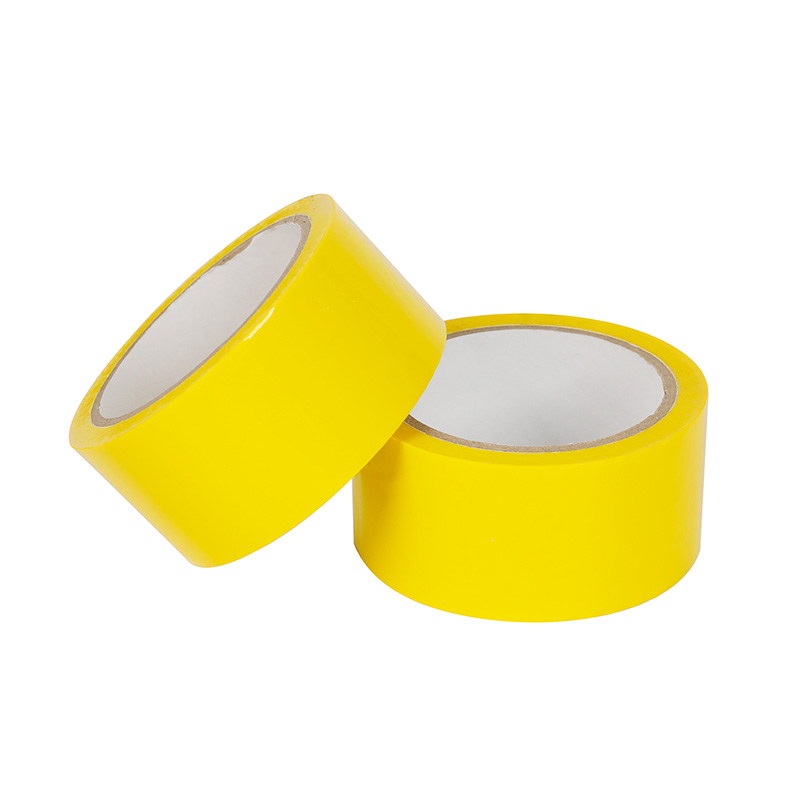 BOPP Packing Tape for Carton SealingBOPP packing tape in 40–60 µm thickness and 45/48/50 mm widths, suited to carton sealing and reinforcement with 2.5–3 kN/m tensile strength.View Product →
Masking and surface protection
Automotive refinishing is the toughest routine test. A bake at 140–150 °C for 30 minutes will lift cheap crepe at the edges, and the residue left behind costs more to clean than the tape cost to buy. Specify a crepe rated for the full bake cycle, press the edges down, and strip it while the panel is still warm rather than after it cools.
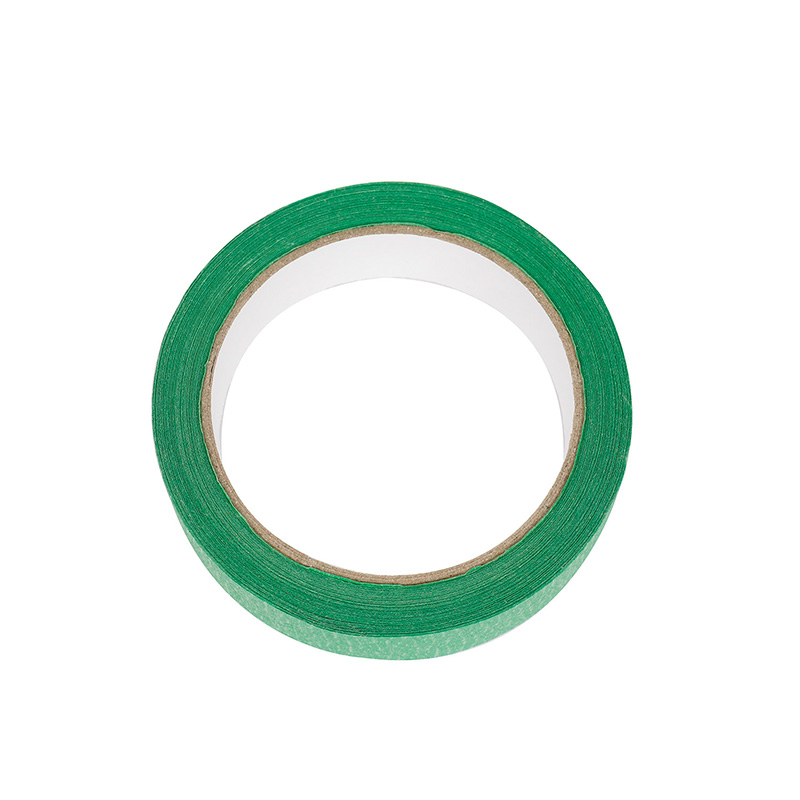 High Temperature Resistant Masking TapeHigh-temperature masking tape with crepe paper backing and natural rubber adhesive, 150–180 µm thick and available in 18–48 mm widths for paint masking.View Product →
Bonding, mounting and assembly
Double-sided tape replaces screws only when the surfaces are flat, clean and loaded in shear rather than peel. A tissue carrier with roughly 0.1 mm of acrylic suits nameplates and trim; foam carriers fill 0.5–2 mm gaps in panel and mirror mounting and absorb thermal movement. Below a surface energy of about 30 dyn/cm — untreated PE and PP, some powder-coated aluminium — expect to need a primer or a different adhesive family.
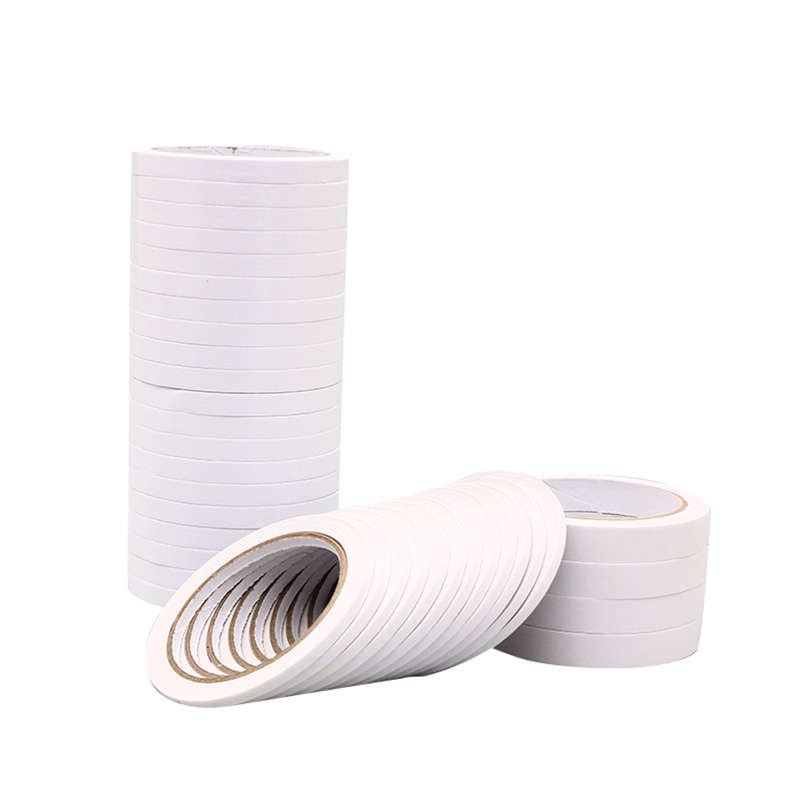 Double Side Tissue Tape for MountingDouble-sided tissue tape with a soft paper carrier and high-viscosity pressure-sensitive adhesive, available at 70–90 µm in 18–48 mm widths for mounting and lamination.View Product →
Electrical, construction and site safety
PVC electrical tape is bought on dielectric strength and voltage class rather than tack. Standard 0.15 mm PVC on a clean conductor carries the usual 600 V rating, and flame-retardant grades are chosen where cable runs through a plenum. On buildings, foil and butyl tapes handle duct sealing and flashing repair, while anti-slip and reflective products are safety items first: one that peels after a single winter is a liability, not a saving.
Specification Lines Worth Writing Into a Purchase Order
Vague purchase orders produce vague tape. Seven lines remove most of the ambiguity:
- Adhesion in N/25 mm, with the test panel, dwell time and peel angle named.
- Coat weight in g/m² plus backing thickness in µm, each with an agreed tolerance.
- Temperature limits stated separately for continuous service and short-term peak.
- Tensile strength and elongation at break, which together predict how the tape behaves on a hand dispenser.
- Roll geometry: width, wound length, core diameter (76 mm is the export default) and winding direction.
- Compliance paperwork for the destination market, such as RoHS and REACH SVHC declarations.
- Batch traceability and a stated shelf life from the date of manufacture.
A 5% thickness tolerance on a 50 µm film sounds trivial. Across a jumbo roll of several thousand metres it changes how many finished logs you get and can shift unwind tension enough to stall a high-speed line.
Failure Patterns and What They Usually Mean
- Lifted corners on recycled board — dust and short fibres reduce contact area; increase coat weight and apply pressure rather than switching to a thicker backing.
- Cold-weather flagging — below roughly 10 °C acrylic cannot wet out quickly; hot melt or a warmer roll and a longer compression shoe solves it.
- Residue on painted panels — usually a rubber adhesive left too long in sunlight, not a "bad batch".
- Tunnelling and bubbles — the tape was stretched during application and is relaxing back; reduce tension at the dispenser.
- Blocked rolls in storage — stacked inventory in a warm room lets adhesive flow into the wrap; store rolls on edge and rotate stock.
Jumbo Rolls, Logs and Finished Cases: Where the Cost Sits
For converters and distributors, the buying unit matters as much as the tape. A jumbo roll is typically 1,000–1,520 mm wide and 4,000–8,000 m long; slitting to 48 mm consumes 2–4% in edge trim alone, and a roll that arrives with uneven tension will produce more waste than that. Buyers who take jumbo rolls should ask for a winding-tension figure and a splice count per roll, not just a price per kilogram.
Sourcing film, adhesive and finished rolls from one producer removes a layer of variability, because the coat weight and the film surface are controlled by the same process. Zhejiang Baiyi Adhesive Products runs BOPP film lines, a water-based acrylic adhesive workshop, BOPP coating lines and slitting equipment in Shangyu, about an hour from Ningbo port, with a Yiwu warehouse added in 2008 for export consolidation. For buyers comparing acrylic jumbo rolls against hot melt for industrial converting, that structure is worth checking against the specification.
Storage, Shelf Life and Handling
- Keep stock at 15–25 °C and 50–60% relative humidity; a hot loading bay ages adhesive faster than any other factor.
- Store rolls on edge, never flat-stacked, and keep cartons off bare concrete.
- Plan on roughly 12 months for acrylic and 6 months for hot melt or natural rubber from the production date.
- Keep sunlight and UV away from the roll edges; the exposed adhesive is the first part to degrade.
- Run first-in-first-out and record batch numbers so a field failure can be traced back to a coating run.
Supplier Checklist Before the First Pallet Ships
- Ask for the technical data sheet and safety data sheet, and check that the adhesion figure names its test surface.
- Request a sample from the same production batch that will fill the order, not a laboratory hand sheet.
- Trial it on your actual substrate, at your line speed, in your seasonal temperature range.
- Inspect edge quality, unwind force and colour consistency across two or three rolls.
- Confirm export packing, pallet configuration, container loading plan and lead time from the port of loading.
- Agree in writing what happens if a batch falls outside the coat-weight tolerance.
None of these steps takes more than a few days, and each one is cheaper than a recall. If you are weighing options for a mixed container of jumbo rolls, finished tape and slitting equipment, send the specification for a matched sample and state the surface, temperature and line speed — those three details decide more about performance than brand ever will.

-
 +86-575-82818961
+86-15906537907 -
 fortuna@baiyiadhesive.com
-
 Baiguan industrialZone,Shangyu District, Shaoxing City, Zhejiang Province, China
About Us
To provide effective services to customers is
the direction of our work and work and the yardstick of value evaluation.
To achieve customers is to achieve ourselves.



Product Links
Contact Us
Copyright © Zhejiang Baiyi Adhesive Products Co., Ltd. All Rights
Reserved.
Wholesale Tape Manufacturer
Custom Tape Supplier
 浙ICP备17032394号