Masking tape is primarily used to protect surfaces during painting, create clean paint lines, and provide temporary adhesion that removes cleanly without leaving residue. Beyond painting, it serves a wide range of applications across automotive refinishing, construction, manufacturing, electronics, and everyday workshop tasks. Its defining combination — moderate tack, crepe paper flexibility, and clean removability — makes it one of the most versatile adhesive tapes used across both industrial and consumer settings.
The following sections break down every major application area for masking tape, the specific product types suited to each use, and the key performance factors buyers should evaluate when sourcing masking tape in volume.
Painting and Surface Protection: The Core Use Case
Masking tape was originally developed for the painting trade and it remains the dominant product in that category. When applied along the border of a surface that needs to stay paint-free — a window frame, a ceiling edge, a door trim — masking tape creates a physical barrier that stops paint bleed while remaining firmly in place during brush or roller application. Once the paint has dried, the tape peels away cleanly, leaving a sharp, defined edge without tearing the freshly painted surface or depositing adhesive residue.
The crepe paper backing is central to this function: it conforms to slightly curved or textured surfaces that rigid tapes cannot follow, and it tears easily by hand, allowing painters to work quickly without scissors or cutters. For interior decoration contractors and residential painters, standard plain masking tape applied at room temperature satisfies the vast majority of painting masking requirements.
Pre-taped masking film — a combination of masking tape along one edge and a folded polyethylene or crepe paper film — extends this protection to larger areas such as entire windows, floors, or furniture surfaces that need to be shielded from paint overspray. This format significantly reduces masking preparation time on large-scale repaint projects.
Automotive Refinishing and Body Shop Applications
Automotive body shops are among the highest-volume users of masking tape globally. Vehicle refinishing requires masking around panels, windows, rubber seals, chrome trim, and lights to protect them from primer, basecoat, and clearcoat overspray. In this environment, masking tape must meet a set of demands that standard general-purpose tape cannot satisfy.
The most critical requirement is temperature resistance during oven curing. After a vehicle is sprayed in a paint booth, it passes through a bake oven typically operating between 60 °C and 80 °C to accelerate paint cure. Masking tape that cannot withstand these temperatures will deform, allow adhesive bleed, or bond permanently to the surface — all outcomes that require costly rework. Specialized high temperature resistant masking tape and car waterproof masking tape are engineered specifically for this environment, maintaining dimensional stability and clean removability after heat exposure.
For applications requiring extremely precise paint edges — such as two-tone paint finishes or graphic lines — fine-line masking tape with a thinner, more conformable construction is used. This category delivers sharper paint edges than standard crepe tape because the lower profile eliminates paint bridging across the tape edge.
| Masking Tape Type |
Max. Temperature |
Primary Automotive Use |
| Standard Plain Masking Tape |
60 °C |
General masking in ambient-cure paint jobs |
| High Temperature Masking Tape |
120 °C – 150 °C |
Oven bake cycles in automotive paint booths |
| Car Waterproof Masking Tape |
80 °C |
Wet-sanding and surface prep involving water |
| Blue UV-Resistant Masking Tape |
80 °C |
Outdoor masking or extended exposure under UV light |
Table 1: Masking tape types and their typical temperature ratings in automotive refinishing applications
Construction and Building Renovation
In construction and building renovation, masking tape is used at every stage where surfaces need to be protected or marked during work in progress. Painters working on new builds or renovation projects apply masking tape along skirting boards, door architraves, light switch plates, and window reveals before rolling walls, eliminating the need for cutting-in with a brush along every edge.
Beyond paint protection, masking tape serves as a temporary marking material on floors, walls, and structural elements during measurement and layout work. Its writability — the ability to mark on the tape surface with a pen or marker — makes it useful for labeling material stacks, marking stud locations on framing, or indicating measurement reference points that need to be removed cleanly once work is complete.
For projects involving exterior painting or extended exposure on construction sites, UV-resistant masking tape is essential. Standard crepe masking tape degrades under direct sunlight within a few days; UV-stabilized variants maintain adhesion and clean removability for significantly longer outdoor exposure periods, reducing the risk of adhesive transfer to freshly coated substrates.
Industrial Manufacturing and Surface Finishing
Masking tape plays a functional role across a wide range of industrial manufacturing processes wherever selective surface treatment is required. Powder coating, electroplating, anodizing, sandblasting, and chemical etching all require precise masking of areas that must remain untreated while adjacent surfaces undergo finishing.
In powder coating operations, components are often partially masked before entering a curing oven, where temperatures can exceed 150 °C. Only high-temperature masking tape with heat-stable adhesive and a temperature-resistant backing can be used in this environment. Standard masking tape applied in a powder coat oven will carbonize, bond permanently to the substrate, and contaminate the coating system.
In metal fabrication and general assembly, masking tape is also widely used to protect machined surfaces and threaded components from corrosion, scratching, or contamination during transit between production stages. Because it leaves no residue, it can be applied and removed multiple times during in-process handling without preparing the surface for subsequent bonding or coating steps.
Electronics and Electrical Applications
In electronics manufacturing and electrical installation, masking tape serves several specialized functions. During printed circuit board (PCB) assembly and wave soldering, masking tape is used to cover components, connectors, or areas of the board that must not be exposed to flux or solder. After soldering, the tape is removed cleanly, leaving no adhesive contamination on sensitive contact areas.
For this application, high-temperature masking tape with silicone adhesive is typically specified, as it must withstand wave solder temperatures that can briefly reach 260 °C. The tape must also be chemically resistant to soldering flux and cleaning solvents without delaminating or leaving residue.
In general electrical work, masking tape is sometimes used as a temporary identification label on cables and conduit runs, taking advantage of its writability. However, it is not a substitute for rated electrical insulation tape in live circuit applications and should not be used where dielectric strength, flame retardancy, or long-term environmental resistance is required.
Crafts, Stationery, and Light-Duty Office Uses
Outside of industrial and trade applications, masking tape is a staple in craft studios, classrooms, and office environments. Its combination of easy hand-tearability, gentle adhesion, and writability makes it well-suited to a range of light-duty tasks where more aggressive tapes would be unnecessarily difficult to work with or damaging to the substrate.
Decorative washi tape — a subcategory of masking tape produced from Japanese washi paper with a printed or colored surface — has become widely popular in journaling, scrapbooking, and product packaging decoration. Washi tape offers the same clean-removal property as conventional masking tape while providing an aesthetically appealing, customizable surface. Low-tack washi tape variants are available for applications on paper surfaces where even standard masking tape adhesion would cause tearing on removal.
- Mounting paper artwork or documents on boards for temporary display
- Labeling storage boxes, shelves, and file folders with handwritten markers
- Decorative borders and accent lines in journals, planners, and scrapbooks
- Holding fabric or paper patterns in position during cutting without pins
- Temporary cable management on desks and workstations
How to Choose the Right Masking Tape for Your Application
Not all masking tapes perform equally across the range of applications described above. Selecting the wrong specification is one of the most common sources of avoidable rework cost in painting and finishing operations. The following parameters should be evaluated when sourcing masking tape for a specific application.
| Selection Factor |
What to Check |
Why It Matters |
| Temperature rating |
Max. continuous and short-term peak temperature |
Prevents adhesive bleed or tape deformation in heated environments |
| Adhesion level |
Low tack, standard, or high tack |
Matches the surface sensitivity; prevents substrate damage on removal |
| UV resistance |
UV-stabilized vs. standard |
Required for outdoor use or extended masking periods under sunlight |
| Moisture resistance |
Waterproof backing or standard crepe |
Critical for wet-sanding, exterior work, or humid environments |
| Width and format |
Single roll, multi-roll pack, or pre-taped film |
Affects masking speed and labor efficiency on large surface areas |
| Removal window |
24-hour, 3-day, or 14-day clean removal |
Leaving tape beyond rated removal window causes adhesive transfer |
Table 2: Key selection parameters for masking tape across different application environments
For B2B buyers sourcing masking tape in volume — whether for distribution, contract painting operations, or manufacturing use — consistency of adhesive coat weight and backing quality across production batches is as important as the initial specification. Variation between rolls can result in inconsistent adhesion, tearing during application, or uneven paint lines that require remediation. Working with a manufacturer that operates stringent production quality control, including adhesion testing and tensile testing on each batch, significantly reduces the risk of performance variability in the field.
Masking Tape vs. Other Tape Types: When to Use Which
Masking tape is frequently compared with other common tape products, and understanding where its properties are appropriate — versus where a different tape type is the correct specification — prevents both under-performance and unnecessary cost.
- Masking tape vs. BOPP packaging tape: BOPP tape offers far higher adhesion and moisture resistance, making it the correct choice for carton sealing and logistics. Masking tape should never be used for sealing shipping cartons as it will fail under humidity and mechanical stress during transit.
- Masking tape vs. duct tape: Duct tape provides a permanent, heavy-duty bond and is not designed for clean removal. Use duct tape for structural repairs, sealing, or bundling where long-term hold is needed; use masking tape where clean removal is required.
- Masking tape vs. double-sided tape: Double-sided tape bonds two surfaces together invisibly and is used for mounting or laminating. Masking tape bonds one surface to another temporarily as a protector or guide, not as a permanent adhesive layer.
- Masking tape vs. aluminum foil tape: Aluminum foil tape provides thermal reflection, vapor barrier, and high-temperature sealing properties for HVAC and insulation applications. Masking tape has no thermal or vapor-barrier function and should not be substituted in these applications.
Conclusion: Matching the Right Masking Tape to the Right Job
Masking tape is used for an exceptionally broad range of tasks — from protecting a window frame during interior painting to masking automotive body panels in a high-temperature bake oven, from shielding PCB components during wave soldering to decorating a journal page. In every case, the underlying value proposition is the same: temporary, controlled adhesion that releases cleanly without damaging the protected surface.
Matching the correct masking tape variant to the application — standard, high-temperature, UV-resistant, waterproof, washi, or pre-taped film — is the single most effective way to avoid paint bleed, adhesive transfer, substrate damage, and rework cost. For procurement teams and distributors sourcing masking tape at scale, prioritizing manufacturers with consistent adhesive quality, verified temperature ratings, and flexible OEM/ODM customization capability ensures reliable performance across the full range of end-use applications.


 中文简体
中文简体 Español
 عربى
عربى Biaxially Oriented Polypropylene Film
 High Quality PE Stretch Film
 Water Based Acrylate Glue
 BOPP Acrylic Jumbo Roll Tape
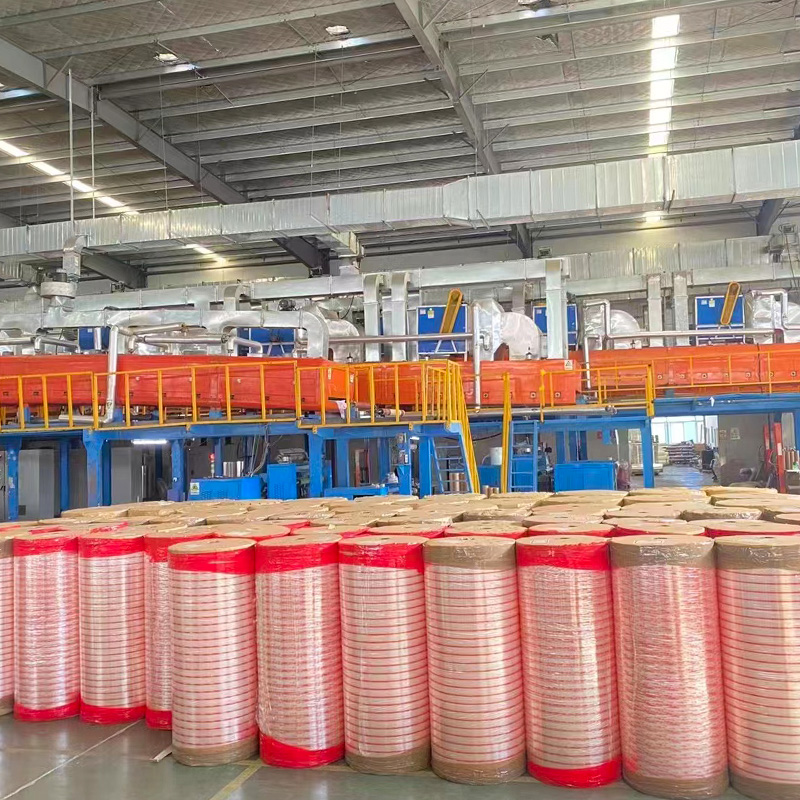 BOPP Hotmelt Jumbo Roll Tape
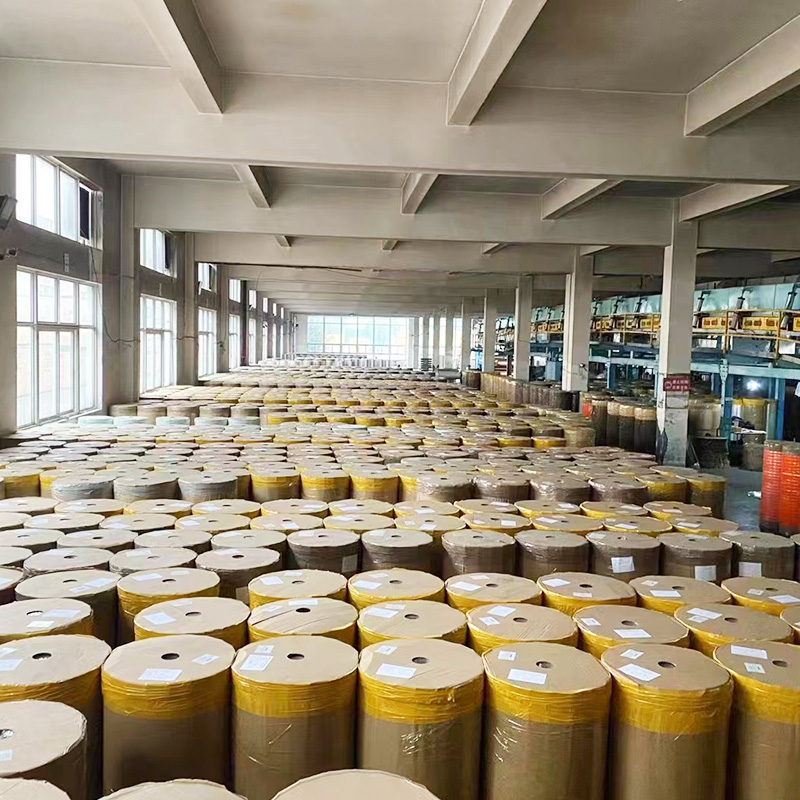 BOPP Solvent Jumbo Roll Tape
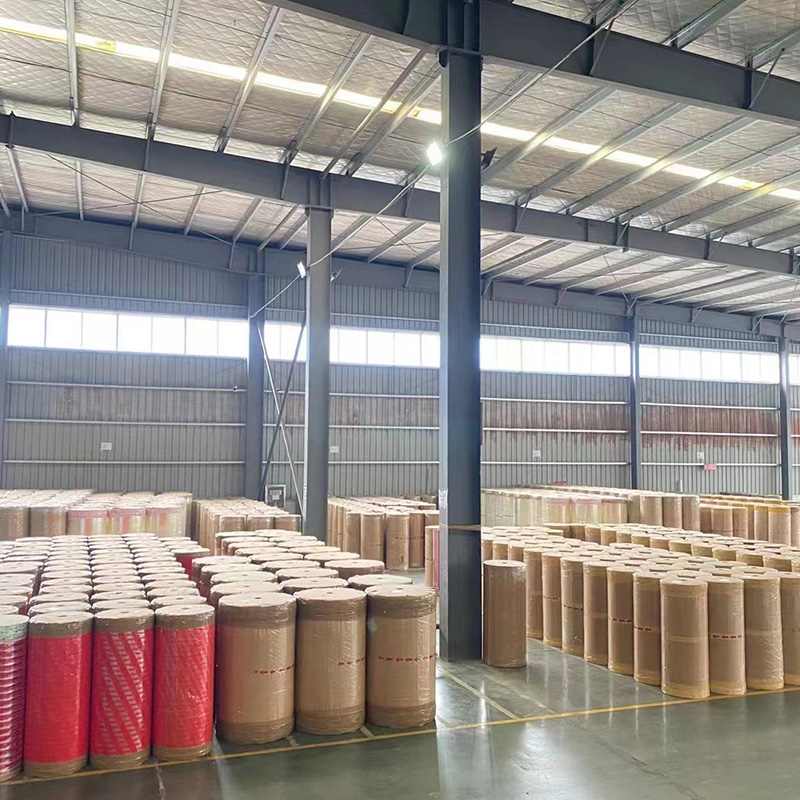 BOPP Natural Rubber Jumbo Roll Tape
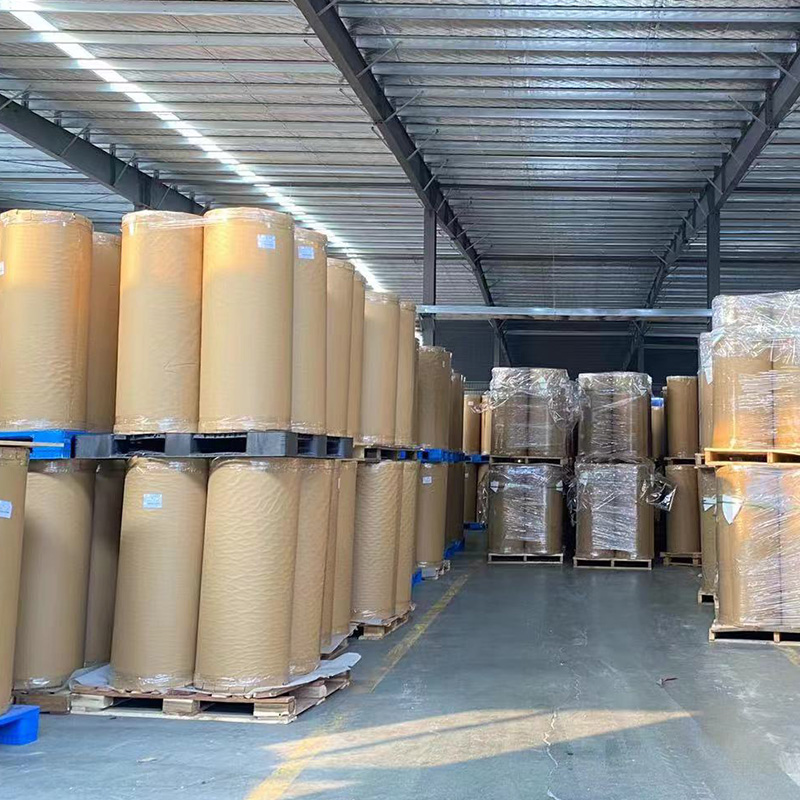 BOPP Low Noise Jumbo Roll Tape
 BOPP Silent Jumbo Roll Tape
 Masking Tape Jumbo Roll
 Duct Tape Jumbo Roll
 Double Side Tape Jumbo Roll
 fortuna@baiyiadhesive.com

 +86-575-82818961
 fortuna@baiyiadhesive.com
 Baiguan industrialZone,Shangyu District, Shaoxing City, Zhejiang Province, China



 浙ICP备17032394号