Stationery tape and scotch tape are not the same thing, even though both terms are frequently used to describe the clear adhesive tape found on office desks and in school supply drawers. Stationery tape is the broader product category — a general-purpose, transparent pressure-sensitive tape made for everyday learning and office use. Scotch tape is a registered brand name that originally referred to one specific manufacturer's version of this product. Understanding the real differences between them matters most when you are sourcing tape at volume, specifying products for institutional procurement, or evaluating quality beyond what a brand name communicates.
This article explains what stationery tape and scotch tape actually are, how they compare across materials, adhesion, transparency, cost, and use case, and what to look for when selecting the right tape for your specific application.
What Is Stationery Tape?
Stationery tape is a category of transparent adhesive tape specifically designed for learning and office environments. It is typically manufactured using a BOPP (Biaxially Oriented Polypropylene) film as the backing material, coated with a water-based or solvent-based pressure-sensitive adhesive — most commonly acrylic. The result is a tape with moderate adhesion, a soft and hand-tearable texture, good optical clarity, and reliable performance across daily tasks such as sealing envelopes, mending paper, labeling, gift wrapping, and document management.
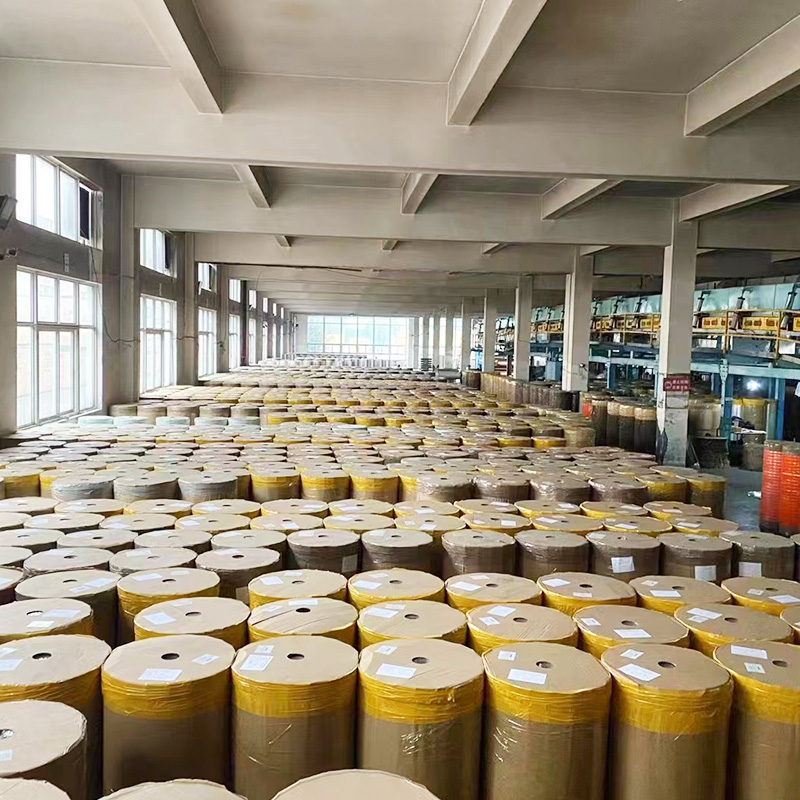
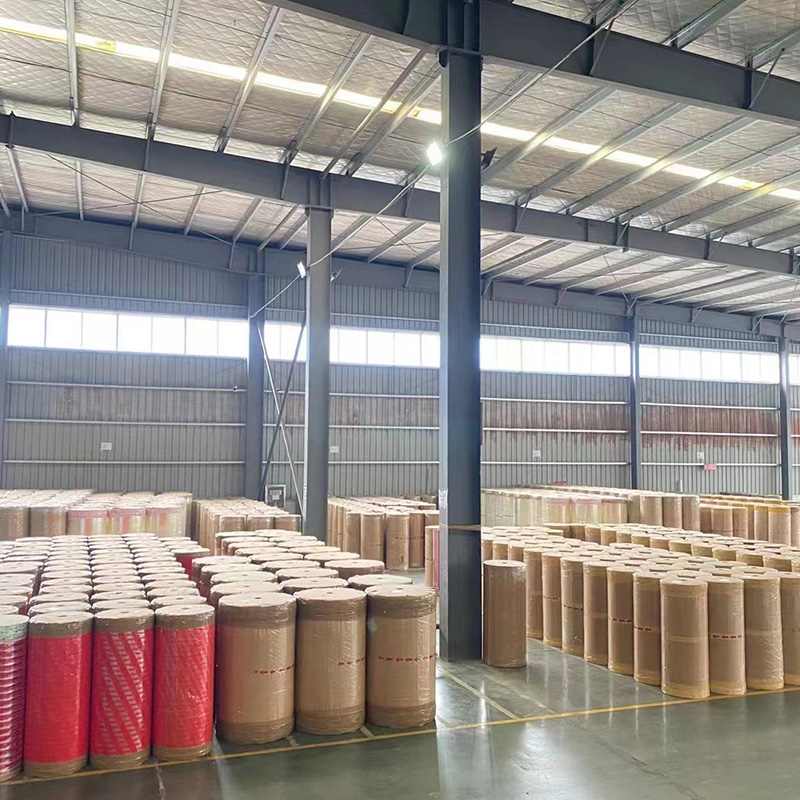
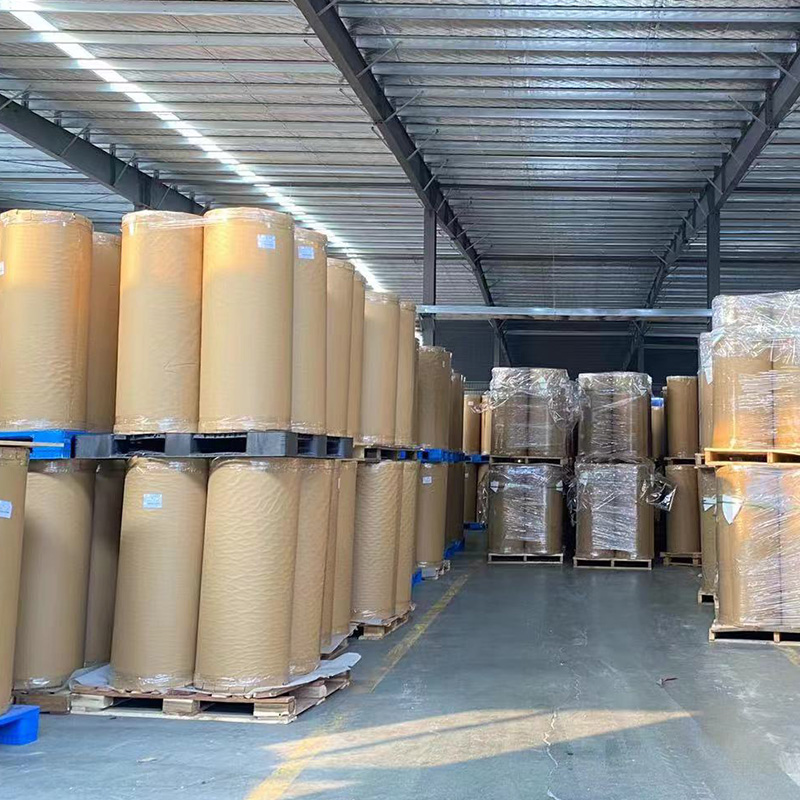
The standard specifications for stationery tape in office and school supply markets include widths of 12 mm, 18 mm, and 24 mm, with roll lengths typically ranging from 10 m to 33 m for retail formats and up to several hundred meters for industrial jumbo rolls used in converting operations. Adhesive coat weights and film thickness vary by application tier: economy-grade stationery tape commonly uses a film thickness of 38–45 microns, while higher-quality variants use thicker film (50–60 microns) for improved tensile strength and smoother unwind.
A key performance attribute of good stationery tape is that it is easy to tear by hand without scissors or a blade, which makes it genuinely convenient in classroom and office settings where speed and ease of use matter. Its adhesive is formulated to bond effectively to paper, cardboard, and most smooth surfaces, while remaining gentle enough not to damage documents or leave significant residue when removed shortly after application.
What Is Scotch Tape?
Scotch tape is a brand name — a registered trademark for a line of transparent adhesive tapes. The name has been in commercial use since the 1930s and has become so widely adopted in everyday speech, particularly in North American English, that many consumers use "scotch tape" as a generic term for any transparent stationery tape. This linguistic shift — called genericide in trademark law — means that when people say "scotch tape," they may be referring either to the specific branded product or simply to clear tape in general.
From a material standpoint, the original product under this brand name used a cellulose acetate film backing — a material derived from plant cellulose. Later formulations shifted to synthetic polymer backings more similar to the BOPP film now standard across the stationery tape market. The "invisible" or "magic" variants within this brand's product line use a matte-finish biaxially oriented polypropylene film that appears frosted on the roll but becomes nearly invisible once applied to paper — a finish achieved through surface texturing of the film rather than a different adhesive chemistry.
Stationery Tape vs Scotch Tape: A Direct Comparison
When buyers compare stationery tape and scotch tape side by side, the meaningful differences lie in material construction, surface finish, adhesive formulation, and total cost — not simply in the brand label attached to the product.
| Attribute |
Stationery Tape (Generic / OEM) |
Scotch Tape (Branded) |
| Backing Material |
BOPP film (standard industry material) |
BOPP or cellulose acetate (varies by product line) |
| Adhesive Type |
Water-based or hot-melt acrylic |
Acrylic pressure-sensitive |
| Surface Finish |
Clear gloss (standard) or matte/invisible |
Clear gloss or matte-finish "invisible" variants |
| Writability |
Matte variants accept pen/pencil writing |
Matte variants accept pen/pencil writing |
| Hand-Tearability |
Yes — engineered for easy hand tear |
Yes — standard feature of both types |
| Typical Width Range |
12 mm – 24 mm (retail); custom widths available |
Standard retail widths; limited customization |
| OEM / Private Label |
Available — custom core, roll length, branding |
Not available — fixed brand identity |
| Unit Cost (Bulk) |
Lower — no brand premium |
Higher — brand premium applies |
Table 1: Side-by-side comparison of stationery tape and scotch tape across key product attributes
The core takeaway from this comparison is that the functional performance of stationery tape and scotch tape is closely aligned because both use essentially the same material platform. The meaningful divergence is in customizability and cost: generic and OEM stationery tape allows buyers to specify roll length, core size, adhesive coat weight, and packaging format, while branded tape is sold in fixed configurations at a price that includes the cost of brand equity.
Clear Gloss vs Invisible (Matte) Stationery Tape: Which One to Use
Within the stationery tape category, the most common product decision users face is choosing between standard clear (gloss) tape and invisible (matte) tape. This choice is also the primary basis on which scotch tape's "magic" variants are differentiated from the basic product, so it is worth addressing directly.
Standard Clear Gloss Stationery Tape
Clear gloss stationery tape uses a smooth, highly transparent BOPP film with a glossy finish. It is highly visible when applied — the tape creates a slight sheen on paper surfaces and is clearly distinguishable when the document is photocopied or scanned. This makes it better suited for sealing, bundling, and packaging tasks where appearance on the bonded surface is less important than adhesion performance. The gloss surface does not accept ballpoint pen or pencil writing.
Invisible (Matte) Stationery Tape
Invisible stationery tape uses a matte-textured BOPP film surface that scatters light diffusely rather than reflecting it as a gloss film does. When applied to white paper, this light diffusion makes the tape nearly invisible to the eye and, critically, undetectable in photocopies and scans. The matte surface is also writeable — ballpoint pen, pencil, and most markers adhere to the textured surface, making it ideal for labeling and correcting printed documents. This variant is the direct functional equivalent of the branded "magic" tape product.
For institutional procurement — schools, offices, government agencies — invisible matte stationery tape is generally the preferred choice for document work, while clear gloss tape is specified for packaging and general-purpose bundling where print invisibility is not required.
Key Performance Properties That Determine Stationery Tape Quality
Whether you are comparing stationery tape to scotch tape or evaluating suppliers for a procurement decision, the following measurable performance properties determine actual product quality — and are far more reliable than brand name as a quality signal.
- Film thickness (microns): The BOPP film backing directly determines tensile strength and resistance to tearing during unwind. Economy stationery tape uses film in the 38–45 micron range; higher-quality products use 50–60 microns. Thicker film produces a cleaner tear line and reduces the risk of the tape stretching or distorting when pulled from the roll.
- Peel adhesion (N/25mm): This measures how firmly the tape bonds to a standard substrate (typically stainless steel or paper) under a 180-degree peel test. Good-quality stationery tape achieves 3–6 N/25mm peel adhesion to paper — enough to hold securely during normal use without tearing the paper surface when removed. Adhesion that is too high causes document damage on removal; adhesion that is too low results in tape edges lifting in ambient conditions.
- Initial tack: Tack refers to the tape's instant grip when first pressed against a surface. High initial tack is important for applications where the tape needs to hold immediately without being pressed or rubbed into place. Water-based acrylic adhesives on quality stationery tape typically offer good initial tack without being aggressive enough to damage delicate paper surfaces.
- Transparency / haze value: For stationery tape used in document work, low haze (high optical clarity) is important. BOPP stationery tape should have a haze value below 3% for clear variants. Matte-finish invisible tape deliberately has higher haze to achieve its light-diffusing, disappearing effect on white paper.
- Unwind force: High unwind force makes tape difficult to pull from the roll smoothly and can cause jerky dispensing that results in wasted tape. Quality stationery tape should unwind cleanly and consistently with low force across the full roll, from outer layer to inner core.
- Temperature stability: Low-temperature environments slow the molecular movement of pressure-sensitive adhesive, reducing tack. Standard stationery tape adhesive is optimized for use between approximately 10°C and 40°C. For storage in cold warehouses or dispatch from facilities in cold climates, this operating temperature range should be verified against actual conditions.
Common Applications: Where Stationery Tape Outperforms Other Tape Types
Stationery tape occupies a specific and well-defined performance space that makes it the correct choice for certain tasks and the wrong choice for others. The table below clarifies which tasks call for stationery tape and which require a different product category.
| Task |
Stationery Tape Suitable? |
Better Alternative (if not) |
| Mending torn paper or documents |
Yes — ideal (use invisible variant) |
— |
| Sealing envelopes and light parcels |
Yes |
— |
| Gift wrapping |
Yes — especially invisible variant |
— |
| Labeling folders and binders |
Yes |
— |
| Heavy-duty carton sealing |
No — insufficient adhesion and tensile strength |
BOPP packing tape |
| Painting masking / surface protection |
No — adhesive not designed for clean removal from painted surfaces |
Masking tape |
| Bonding non-paper surfaces (glass, metal) |
Limited — adhesion to non-porous surfaces is lower |
Double-sided tape or specialty adhesive tape |
| Outdoor or high-humidity use |
No — not weatherproof |
PVC tape or aluminum foil tape |
Table 2: Stationery tape application suitability guide
Why Buyers Choose Generic Stationery Tape Over Branded Alternatives
For institutional buyers — school districts, office supply distributors, stationery retailers, and B2B procurement teams — the decision to source generic or OEM stationery tape instead of branded tape is driven by several practical factors:
- Cost per roll: Branded stationery tape commands a significant price premium — often 40–100% above comparable generic product — without a material difference in functional performance for standard office and school applications. At the volumes typical of institutional procurement, this premium accumulates to meaningful budget savings.
- Custom specifications: OEM stationery tape manufacturers can produce rolls to the buyer's exact specifications — core diameter (25 mm or 76 mm), roll length (10 m, 25 m, 33 m, or custom), width, and packaging format. Branded products come in fixed configurations determined by the brand owner.
- Private label branding: Retailers and distributors who want to sell tape under their own brand identity need an OEM manufacturer, not a branded supplier. A capable stationery tape factory can apply custom packaging, labels, and branding to products manufactured to the buyer's quality specification.
- Supply chain control: Working directly with a manufacturer rather than through a branded distributor gives buyers greater visibility into production quality, material sourcing, and lead times — all of which matter when managing high-volume orders across multiple SKUs.
- Environmental certifications: Institutional buyers in Europe and other markets increasingly require FSC certification for paper-adjacent products and RoHS or REACH compliance for adhesive materials. Qualified OEM manufacturers maintain these certifications and can provide documentation, whereas branded retail products may not be accompanied by the level of compliance documentation that institutional procurement requires.
What to Look for When Sourcing Stationery Tape from a Manufacturer
The quality difference between stationery tape products in the market is real, even if the functional category description sounds identical across suppliers. When evaluating manufacturers or verifying product quality, the following factors are the most reliable indicators of a consistent, well-made stationery tape:
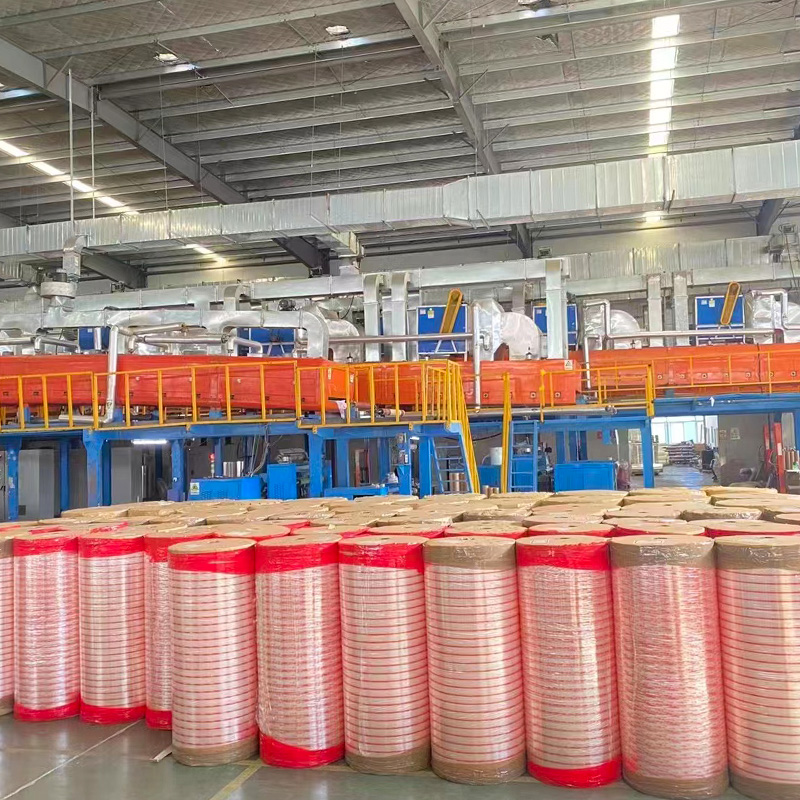
- Integrated BOPP film production: Manufacturers that produce their own BOPP film — rather than purchasing it from a third-party film supplier — maintain tighter control over film thickness consistency, surface treatment quality, and material specifications. This vertical integration directly reduces variability in the finished tape product.
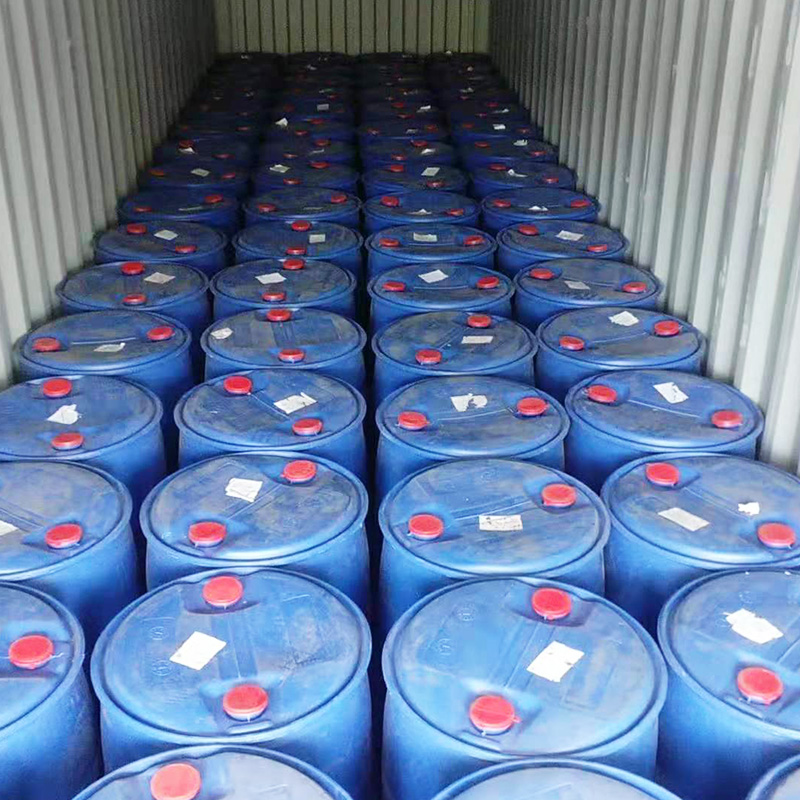
- Independent glue production: Adhesive chemistry is the other critical variable in stationery tape quality. Manufacturers with in-house adhesive production can formulate for specific peel strength, initial tack, and temperature resistance requirements, and can adjust formulations for different end markets without relying on external adhesive suppliers.
- Quality management system certification: ISO 9001 or equivalent quality management system certification indicates that the manufacturer has documented production processes, measurement systems, and corrective action procedures. For institutional procurement, request a certificate and verify its current validity.
- Consistent roll winding: Inconsistent winding tension during slitting produces rolls that telescope (shift sideways) during storage or dispensing, causing misalignment and waste. Ask for sample rolls before placing a large order and check that the roll edges are even and the tape unwinds smoothly without flutter or lateral movement.
- Test reports: Request peel adhesion test data (per ASTM D3330 or equivalent), thickness measurement reports, and SGS or third-party lab test reports if available. Reputable manufacturers can provide this documentation; those who cannot are signalling limited quality control infrastructure.
The stationery tape market rewards buyers who specify on measurable performance criteria rather than on brand name alone. A well-specified generic stationery tape from a qualified manufacturer — with documented film thickness, adhesion values, and certification compliance — will consistently match or exceed the performance of a branded alternative at meaningfully lower cost per roll, particularly at the order volumes relevant to institutional and trade buyers.


 中文简体
中文简体 Español
 عربى
عربى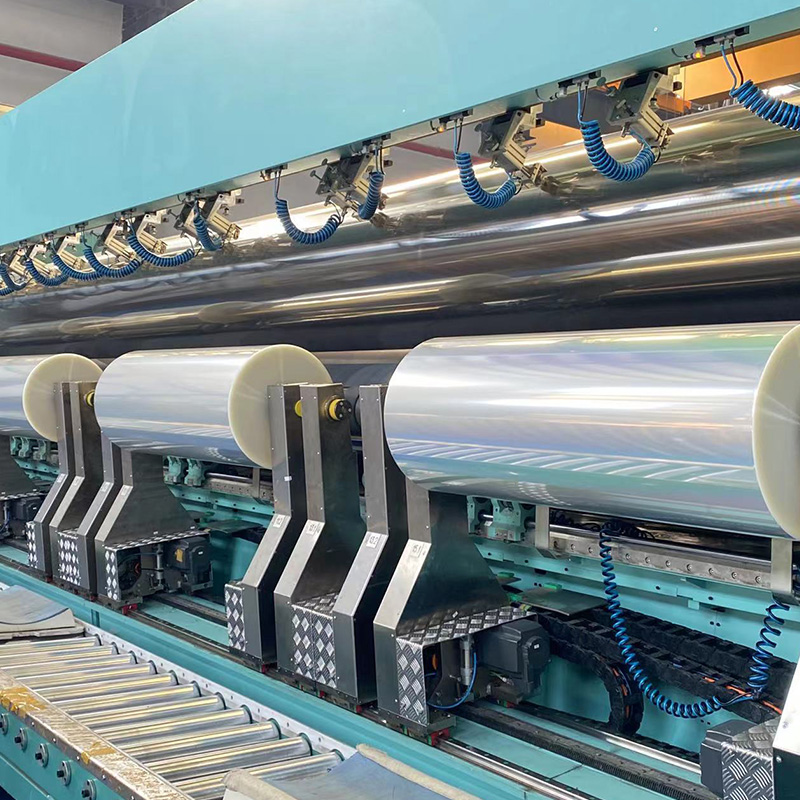 Biaxially Oriented Polypropylene Film
 High Quality PE Stretch Film
 Water Based Acrylate Glue
 BOPP Acrylic Jumbo Roll Tape
 BOPP Hotmelt Jumbo Roll Tape
 BOPP Solvent Jumbo Roll Tape
 BOPP Natural Rubber Jumbo Roll Tape
 BOPP Low Noise Jumbo Roll Tape
 BOPP Silent Jumbo Roll Tape
 Masking Tape Jumbo Roll
 Duct Tape Jumbo Roll
 Double Side Tape Jumbo Roll
 fortuna@baiyiadhesive.com

 +86-575-82818961
 fortuna@baiyiadhesive.com
 Baiguan industrialZone,Shangyu District, Shaoxing City, Zhejiang Province, China



 浙ICP备17032394号