Core Characteristics of BOPP Film
Biaxially Oriented Polypropylene (BOPP) film is a thermoplastic polymer film distinguished by its exceptional clarity (92-95% light transmission), high tensile strength (150-300 MPa), and low density of 0.90-0.91 g/cm³. These properties make it the dominant flexible packaging material globally, accounting for approximately 25% of all plastic films used in packaging.
Mechanical and Barrier Properties
The biaxial orientation process stretches the polypropylene film in both machine and transverse directions, creating a highly crystalline structure. This orientation delivers 2-3 times higher tensile strength compared to cast polypropylene (CPP) film. BOPP exhibits excellent moisture barrier properties with Water Vapor Transmission Rate (WVTR) of 1.0-1.5 g/m²/day, though its oxygen barrier (OTR of 1,800-2,500 cc/m²/day) requires metallization or coating for oxygen-sensitive applications.
Thermal and Chemical Resistance
BOPP films maintain dimensional stability across a broad temperature range from -40°C to 120°C. They demonstrate excellent resistance to acids, alkalis, and most organic solvents. However, the film's non-polar surface (surface energy of 29-30 dynes/cm) necessitates corona treatment (raising surface energy to 38-42 dynes/cm) for proper ink adhesion and lamination.
Types of BOPP Film and Their Specifications
The BOPP film market segments into distinct categories based on functional requirements and manufacturing techniques. Each type serves specific packaging needs with varying thickness ranges and performance characteristics.
Comparative Analysis of BOPP Film Types and Applications
| Film Type |
Thickness Range |
Key Properties |
Primary Applications |
| Plain/Transparent BOPP |
12-40 μm |
High clarity, gloss, stiffness |
Food packaging, flower wrapping |
| Metallized BOPP (MBOPP) |
12-30 μm |
OTR < 0.5 cc/m²/day, metallic appearance |
Snack foods, confectionery, barrier packaging |
| White Opaque BOPP |
25-50 μm |
Cavitation technology, high opacity (>80%) |
Labels, yogurt lids, graphic-intensive packaging |
| Heat Sealable BOPP |
15-30 μm |
Coextruded sealant layer, seal strength 2-4 N/15mm |
Overwrap, flexible packaging structures |
| Matte BOPP |
18-30 μm |
Low gloss (10-20 GU), premium tactile feel |
Luxury goods, book covers, high-end labels |
| Synthetic Paper BOPP |
60-150 μm |
Printable surface, tear resistance, waterproof |
Durable labels, maps, chemical-resistant tags |
Coated and Specialty Variants
Advanced BOPP films incorporate functional coatings to extend application ranges. Acrylic-coated BOPP provides improved ink adhesion and antistatic properties, while PVDC-coated variants achieve OTR values below 1.0 cc/m²/day for high-barrier requirements. Anti-fog coatings are essential for fresh produce packaging, maintaining clarity under refrigerated conditions with condensation.
Primary Application Areas
BOPP film consumption reaches 8.5 million metric tons annually worldwide, with packaging applications representing 85% of total demand. The material's versatility spans multiple industries with specific technical requirements.
Food Packaging Dominance
The food sector utilizes BOPP for:
- Snack foods: Metallized BOPP provides 6-12 months shelf life for chips and nuts by blocking light and oxygen
- Bakery products: Micro-perforated BOPP (hole density 50-200 holes/cm²) controls moisture for bread packaging
- Confectionery: Twist-wrap grades offer 2.5-3.0 cN/tex tenacity for high-speed wrapping machines operating at 800-1,200 packs/minute
- Lamination films: 12-15 μm BOPP serves as the outer print layer in multi-layer structures with PET, PE, or aluminum foil
Non-Food Industrial Applications
Beyond food, BOPP films serve critical functions in:
- Pressure-sensitive labels: Representing 35% of the label stock market, BOPP offers dimensional stability and moisture resistance superior to paper
- Tape manufacturing: Packaging tapes utilize 23-28 μm BOPP with acrylic or hot-melt adhesive coatings, achieving peel adhesion of 3-8 N/25mm
- Tobacco packaging: High-barrier metallized BOPP maintains cigarette freshness with moisture content control within ±0.5%
- Capacitor films: Ultra-thin 3-12 μm grades with dielectric strength exceeding 400 kV/mm for electrical insulation
Pricing and Cost Considerations
BOPP film pricing fluctuates based on polypropylene resin costs, which constitute 60-70% of total production costs. As of 2024, standard transparent BOPP ranges from $2.20 to $3.50 per kilogram, with specialty grades commanding premiums of 15-40%.
Cost Structure Analysis
Manufacturing economics involve several key factors:
- Raw materials: Polypropylene homopolymer (MFI 3.0-4.0 g/10min) accounts for the largest cost component, with price volatility tracking crude oil and naphtha markets
- Energy consumption: Biaxial orientation requires 0.8-1.2 kWh per kilogram of film produced, making energy costs significant in total economics
- Production scale: Modern lines with 10-meter widths and 500 m/min speeds achieve economies of scale that smaller <5-meter lines cannot match
- Yield rates: Industry-standard trim waste of 8-12% and defect-related waste of 3-5% directly impact unit costs
Price Variations by Grade
Metallized BOPP commands $0.50-1.00/kg premium over plain film due to aluminum metallization costs. Heat-sealable grades with coextruded layers add $0.30-0.60/kg. Matte and specialty surface finishes increase costs by 20-25%. Geographic factors also influence pricing, with Asian manufacturing hubs offering 10-15% cost advantages over European and North American production.
Common Production Defects and Solutions
BOPP manufacturing involves complex extrusion and orientation processes where defects can occur at various stages. Understanding these defects enables proactive quality control and waste reduction.
Optical and Surface Defects
Gel particles (unmelted resin or oxidized polymer) create visible specks exceeding 0.5mm, requiring melt filtration with 80-120 mesh screens. Die lines appear as continuous longitudinal streaks from scratches or deposits on the die lips, necessitating periodic die cleaning every 8-12 hours. Orange peel texture results from inadequate cooling or MFR mismatch between layers, controlled by maintaining chill roll temperatures at 25-35°C.
Mechanical and Dimensional Issues
Thickness variation across the web must remain within ±3% for standard grades and ±2% for capacitor films. Edge bead (thicker film edges) requires trimming of 50-100mm per side. Tensile strength imbalance between MD and TD (machine direction vs. transverse direction) is controlled by stretch ratios, typically maintained at MD:TD of 1:8 to 1:10. Static electricity buildup (exceeding 10 kV) causes dust attraction and winding issues, addressed by ionizing bars and conductive additives.
Winding and Handling Defects
Telescoping (layer shifting during winding) occurs with improper tension control; optimal winding tension follows the Taper Tension principle decreasing from 20-30 N/m to 10-15 N/m as roll diameter increases. Blocking (film layers sticking together) is prevented by antiblock agents (silica at 500-1500 ppm) and slip agents (erucamide at 200-500 ppm). Corona treatment decay reduces surface energy by 2-4 dynes/cm within 24 hours, requiring inline printing or lamination for optimal adhesion.
Functions of Adhesives in BOPP Applications
Adhesives serve as the critical bonding layer in BOPP film applications, enabling lamination, label attachment, and tape functionality. The selection of appropriate adhesive chemistry directly impacts bond strength, durability, and performance under environmental stress.
Lamination Adhesives
Solvent-based polyurethane adhesives dominate flexible packaging lamination, providing bond strengths of 3-6 N/15mm and excellent chemical resistance. Solvent-free polyurethane systems (100% solids) are gaining market share due to environmental regulations, offering comparable performance with VOC emissions near zero. Water-based acrylic adhesives serve cost-sensitive applications with 2-4 N/15mm bond strength and lower heat resistance (up to 60°C vs. 100°C for solvent-based).
Pressure-Sensitive Adhesive Functions
In pressure-sensitive applications (tapes and labels), adhesives must balance:
- Tack: Initial grab measured by ball tack test (rolling ball distance <50mm indicates high tack)
- Peel adhesion: Force required to remove tape, standardized at 180° peel angle and 300mm/min speed
- Shear resistance: Holding power under load, with premium tapes exceeding 10,000 minutes under 1kg weight
- UV and aging stability: Acrylic adhesives maintain 90% bond strength after 500 hours UV exposure vs. 60% for natural rubber-based
Heat-Seal and Hot-Melt Applications
Hot-melt adhesives (EVA, APAO, or metallocene polyolefin based) provide instant bonding at 150-180°C for case sealing and carton sealing tapes. These systems offer open times of 2-10 seconds and set times under 1 second. For BOPP heat-sealable films, the coextruded sealant layer (ethylene-propylene copolymer or terpolymer) activates at 120-140°C, achieving seal strengths of 2-5 N/15mm depending on seal bar pressure and dwell time.
Applications of Adhesives with BOPP Film
The combination of BOPP film substrates with specialized adhesives creates functional products across diverse industrial and consumer markets.
Packaging Tape Industry
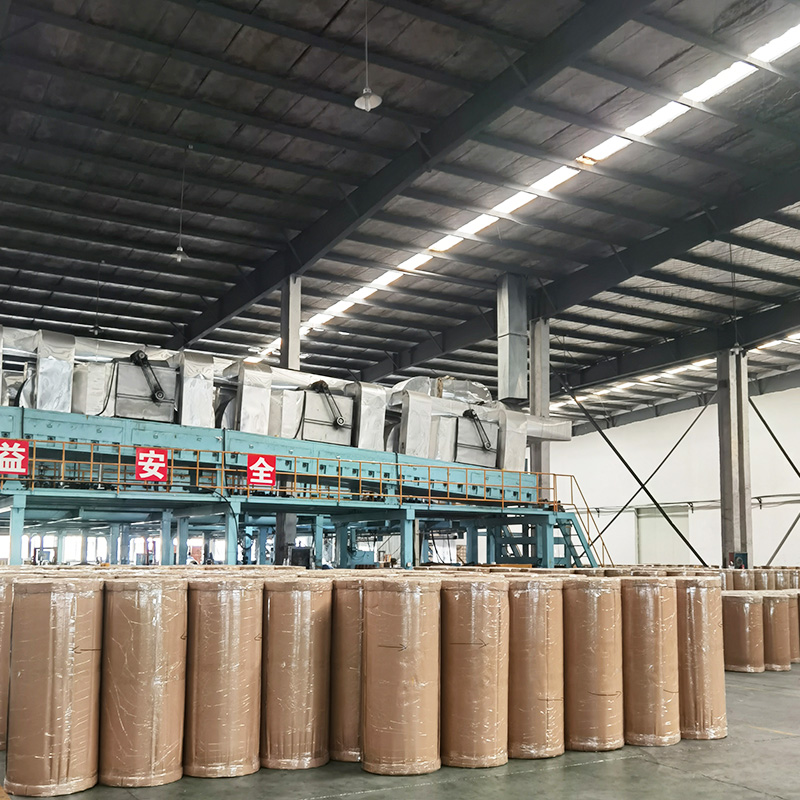
The global BOPP tape market exceeds $15 billion annually, utilizing acrylic emulsion or hot-melt adhesives coated at 20-25 grams per square meter. Heavy-duty shipping tapes employ 28-35 μm film with high-tack adhesives (peel adhesion >6 N/25mm), while stationery tapes use 35-45 μm film with removable adhesives (<2 N/25mm). Reinforced filament tapes integrate glass fiber strands with BOPP backing and synthetic rubber adhesive for tensile strengths exceeding 300 N/25mm.
Label and Graphic Applications
BOPP labels with permanent acrylic adhesives dominate beverage and personal care labeling, offering water resistance and clarity superior to paper labels. Clear-on-clear labels utilize ultra-clear BOPP (haze <1.5%) with specialized adhesives preventing the "label look." Removable BOPP labels for retail applications use silicone-modified adhesives allowing clean removal within 6 months without residue.
Flexible Packaging Lamination
Multi-layer flexible packaging structures rely on adhesives to combine BOPP with aluminum foil, PET, PE, or metallized films. Retort pouches requiring 121°C sterilization use two-component polyurethane or epoxy-phenolic adhesives with bond retention >80% after retort processing. Stand-up pouches utilize adhesive lamination of BOPP outer layers (print web) to PE inner layers (sealant web) with total structure thickness of 100-150 μm.
Frequently Asked Questions About Adhesives and BOPP
Why does BOPP require surface treatment before adhesive application?
Untreated BOPP has a surface energy of 29-30 dynes/cm, insufficient for adhesive wetting (requires >38 dynes/cm). Corona treatment oxidizes the surface, introducing carbonyl and hydroxyl groups that increase surface energy to 38-42 dynes/cm. Without treatment, adhesive contact angle exceeds 70 degrees, resulting in delamination and bond failure. Treatment levels decay at approximately 1 dyne/cm per week, necessitating inline processing or retreatment.
What causes adhesive failure in BOPP laminations?
Primary failure modes include:
- Inadequate curing: Solvent-free polyurethanes require 24-48 hours at 40-50°C to achieve full crosslinking and chemical resistance
- Moisture contamination: Isocyanate-based adhesives react with moisture ( >500 ppm in film) causing CO₂ bubbling and weak bonds
- Incompatible ink systems: Nitrocellulose-based inks can interfere with adhesive curing; polyurethane or acrylic inks are preferred for lamination
- Thermal stress: Coefficient of thermal expansion mismatch between BOPP (150 x 10⁻⁶/°C) and other substrates causes delamination during temperature cycling
How do you select the correct adhesive for BOPP packaging?
Selection criteria include:
- End-use temperature: Hot-fill applications (>80°C) require heat-resistant acrylics or rubbers; frozen applications need flexible adhesives maintaining tack at -20°C
- Substrate combination: BOPP-to-PE lamination requires different adhesive chemistry than BOPP-to-foil due to surface energy differences
- Regulatory requirements: Food contact adhesives must comply with FDA 21 CFR 175.105 or EU 10/2011 with specific migration limits
- Application method: Roll coating, gravure, or slot-die coating require viscosity adjustments (typically 200-2000 cPs) for proper transfer
What is the shelf life of adhesive-coated BOPP products?
Unconverted BOPP film with corona treatment retains adhesion properties for 6-12 months when stored at 23°C and 50% RH. Pressure-sensitive adhesive tapes maintain performance for 12-18 months if protected from UV and extreme temperatures. Laminated structures with properly cured adhesives achieve 24-month shelf life under standard warehouse conditions. Hot-melt coated BOPP should be used within 3-6 months to prevent adhesive oxidation and viscosity changes.
Can BOPP film be recycled with adhesive coatings?
Pure BOPP is recyclable (Resin Identification Code 5), but adhesive contamination complicates mechanical recycling. Water-based and hot-melt adhesives are preferred for recyclability compared to solvent-based systems. The APR (Association of Plastic Recyclers) Design Guide recommends that adhesives comprise <2% of total package weight for recyclability claims. Emerging wash-off adhesive technologies allow BOPP labels to separate from PET bottles during recycling processes, improving container recovery rates.


 中文简体
中文简体 Español
 عربى
عربى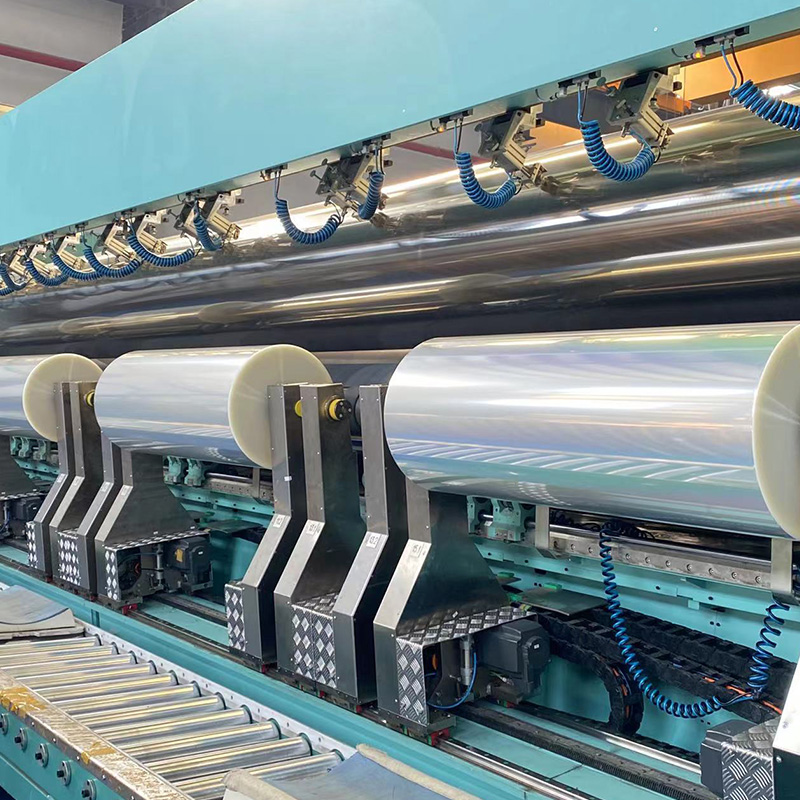 Biaxially Oriented Polypropylene Film
 High Quality PE Stretch Film
 Water Based Acrylate Glue
 BOPP Acrylic Jumbo Roll Tape
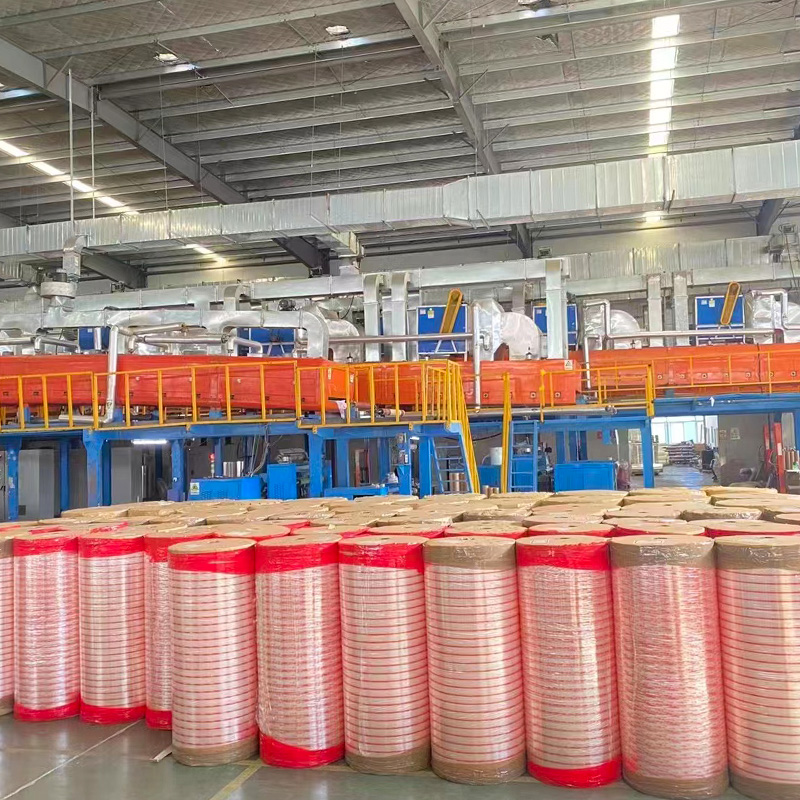 BOPP Hotmelt Jumbo Roll Tape
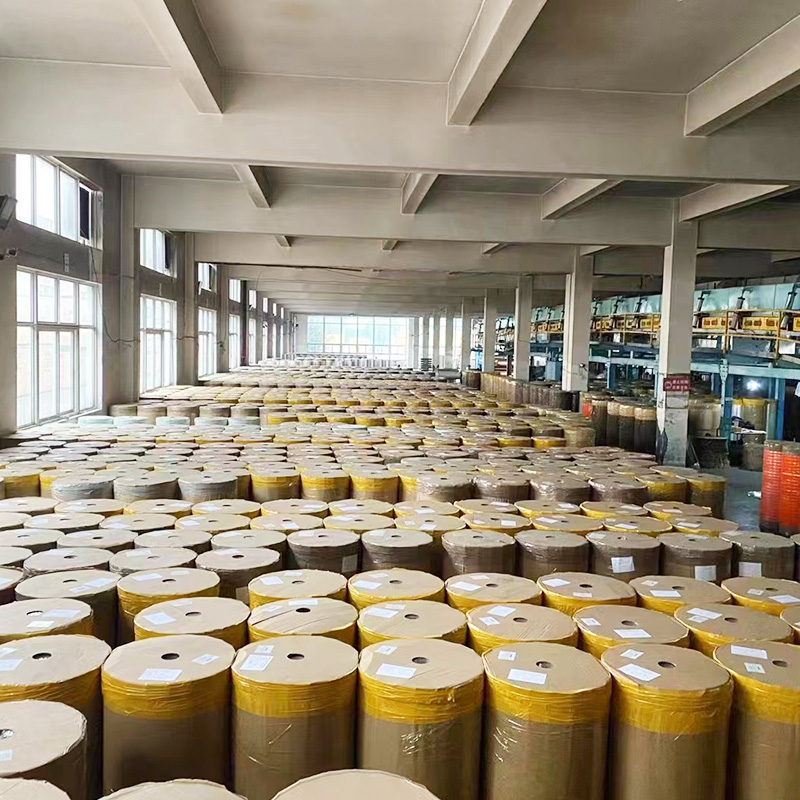 BOPP Solvent Jumbo Roll Tape
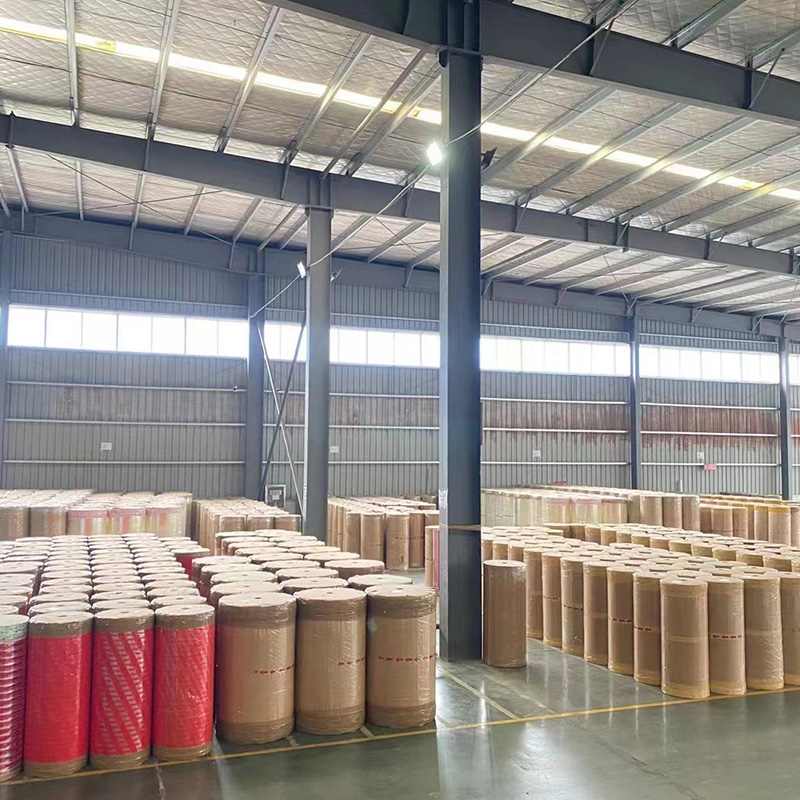 BOPP Natural Rubber Jumbo Roll Tape
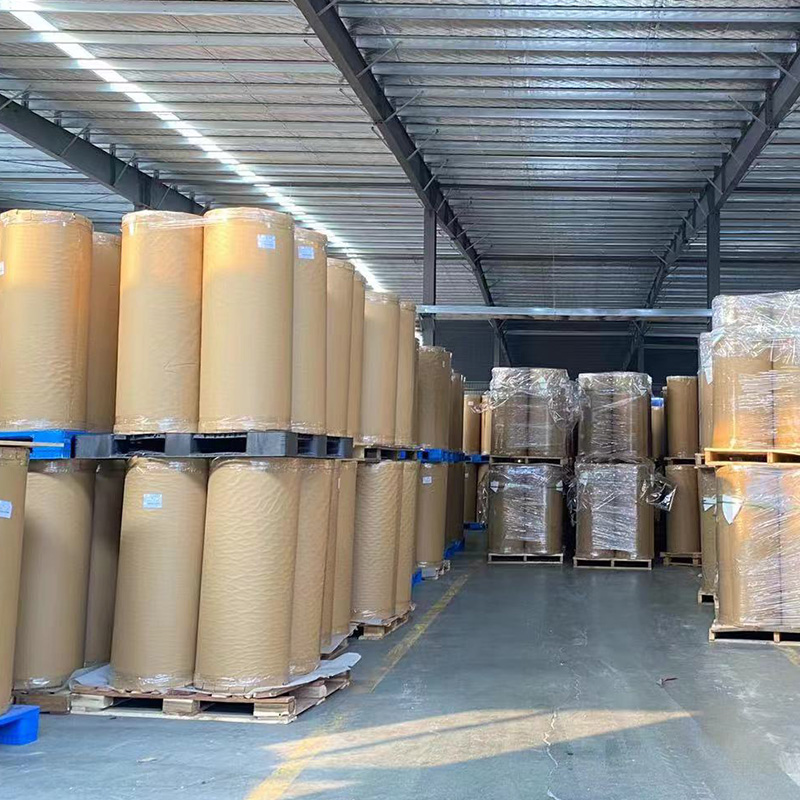 BOPP Low Noise Jumbo Roll Tape
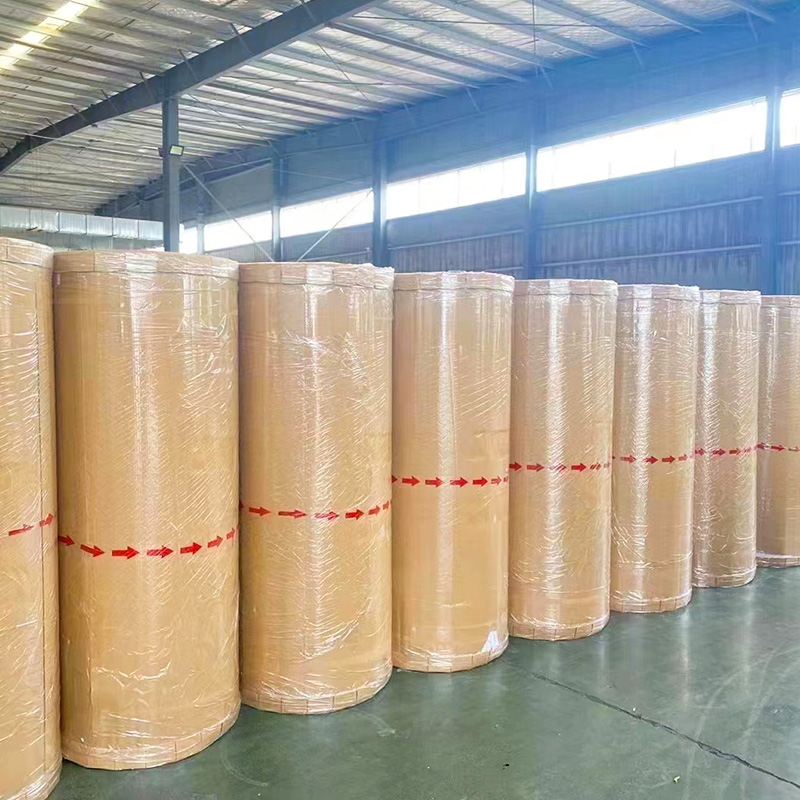 BOPP Silent Jumbo Roll Tape
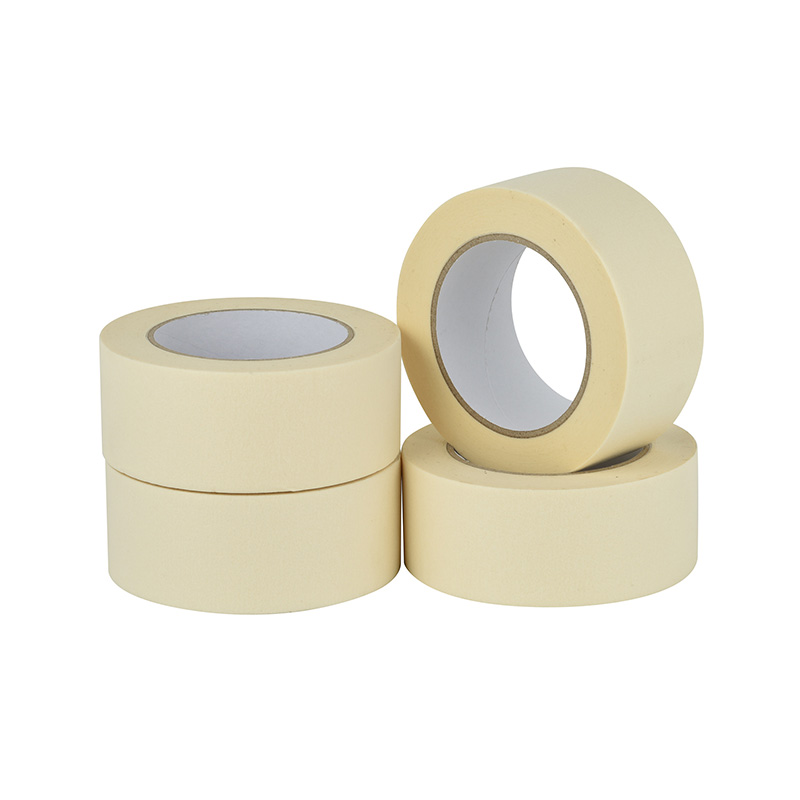 Masking Tape Jumbo Roll
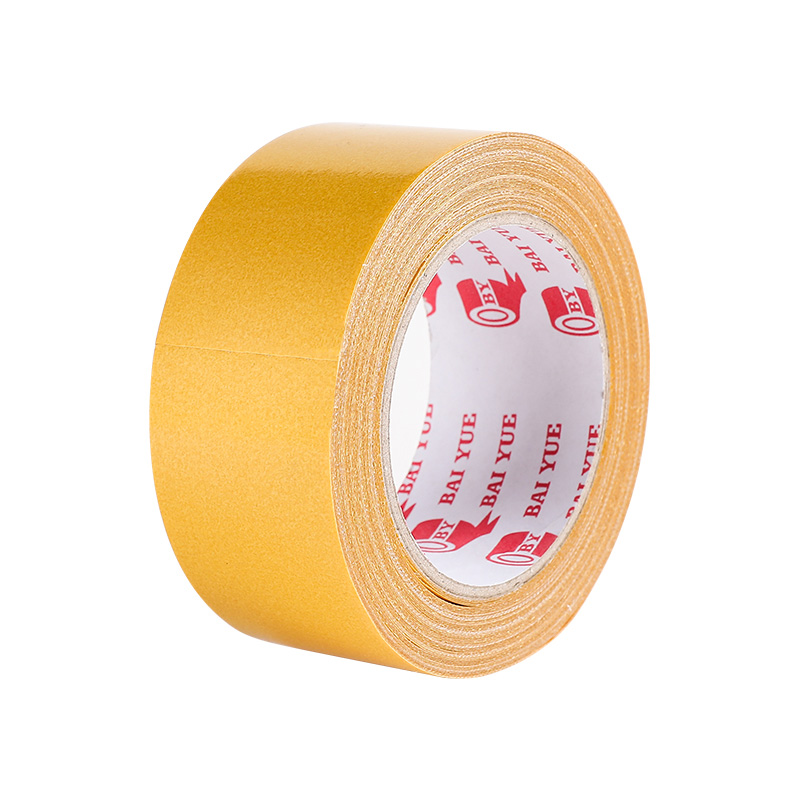 Duct Tape Jumbo Roll
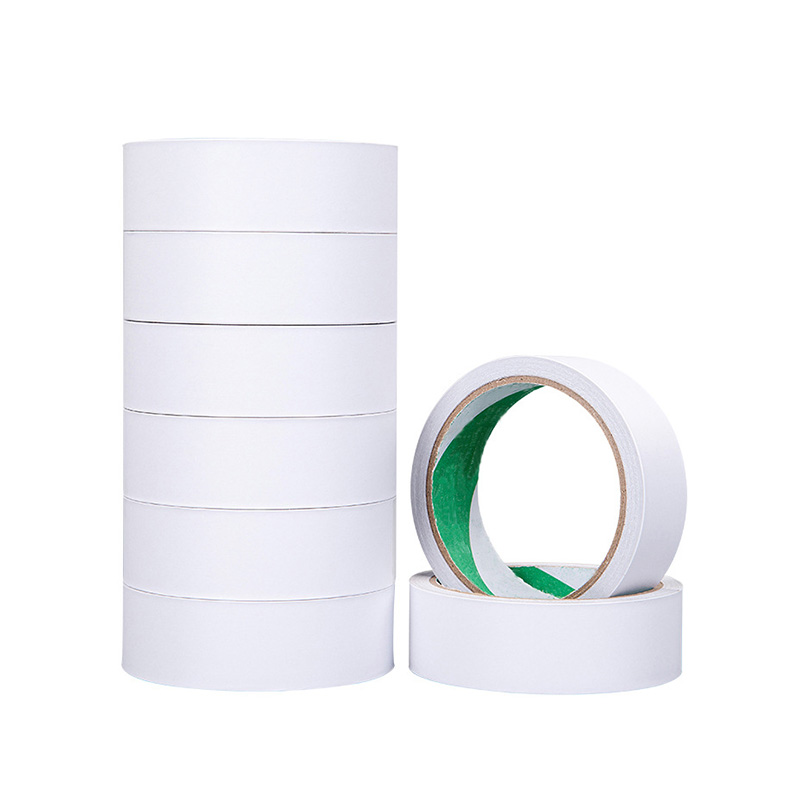 Double Side Tape Jumbo Roll
 fortuna@baiyiadhesive.com

 +86-575-82818961
 fortuna@baiyiadhesive.com
 Baiguan industrialZone,Shangyu District, Shaoxing City, Zhejiang Province, China



 浙ICP备17032394号