Resolving Horizontal Stripe Issues in BOPP Film
Horizontal stripes in BOPP film printing are primarily caused by uneven tension distribution, contaminated rollers, or improper ink viscosity. Immediate resolution requires cleaning all contact rollers, adjusting web tension to 15-25 N/m for standard applications, and maintaining ink viscosity between 18-22 seconds (Zahn Cup #3 measurement).
Root Causes and Technical Solutions
Mechanical vibration from aging bearings or misaligned rollers creates periodic thickness variations visible as stripes. Facilities should conduct weekly runout measurements—acceptable tolerance remains below 0.05mm for printing-grade BOPP. Additionally, electrostatic discharge during unwinding attracts dust particles that embed into the ink layer, forming visible streaks.
Common Stripe Defects and Corrective Actions
| Defect Type |
Frequency |
Primary Solution |
| Regular spacing stripes |
Gear/teeth marks |
Replace worn gears; lubricate transmission |
| Random faint lines |
Static/dust accumulation |
Install ionizing bars; maintain 60% RH humidity |
| Thick banding |
Tension oscillation |
Calibrate dancer rollers; check load cells |
Eliminating Bubble Defects in BOPP Film Applications
Bubble formation during lamination or coating stems from trapped air, moisture vaporization, or insufficient adhesive wetting. Critical resolution parameters include adhesive application weight of 1.8-2.5 g/m², nip pressure maintained at 3-5 bar, and line speeds not exceeding 250 m/min for solvent-based adhesives.
Process Parameters for Bubble Prevention
Moisture content in BOPP substrate must remain below 0.05% prior to lamination. Pre-conditioning rolls in the production environment for minimum 24 hours prevents thermal shock and condensation. For thermal lamination applications, corona treatment levels should achieve 38-42 dynes/cm surface energy to ensure proper adhesive flow-out without air entrapment.
- Verify adhesive pot life has not expired (typically 8-12 hours for two-component systems)
- Ensure laminating nip roller temperature stays within 35-45°C range
- Check for micro-perforations in the film that allow air ingress during winding
- Implement gradual tension tapering from 20% at core to 10% at outer diameter
Environmental Properties of BOPP Film
Biaxially Oriented Polypropylene (BOPP) film exhibits exceptional moisture resistance with water vapor transmission rates below 5 g/m²/day, making it superior to cellophane and polyester alternatives for humidity-sensitive packaging. The material demonstrates chemical inertness against acids, alkalis, and most organic solvents at ambient temperatures.
Thermal and Mechanical Characteristics
BOPP maintains dimensional stability across temperatures ranging from -40°C to 120°C, with a shrinkage threshold initiating at 150°C. The biaxial orientation process yields tensile strengths of 150-250 MPa in both machine and transverse directions, coupled with elongation at break typically between 50-150%. These properties enable high-speed processing without web breaks.
Key Environmental Properties of Standard BOPP Film
| Property |
Value Range |
Test Method |
| Density |
0.90-0.91 g/cm³ |
ASTM D1505 |
| Oxygen Transmission |
800-1500 cm³/m²/day |
ASTM D3985 |
| Light Transmission |
88-92% |
ASTM D1003 |
| Surface Energy |
30-32 dynes/cm (untreated) |
ASTM D2578 |
Proper Storage Conditions for BOPP Film
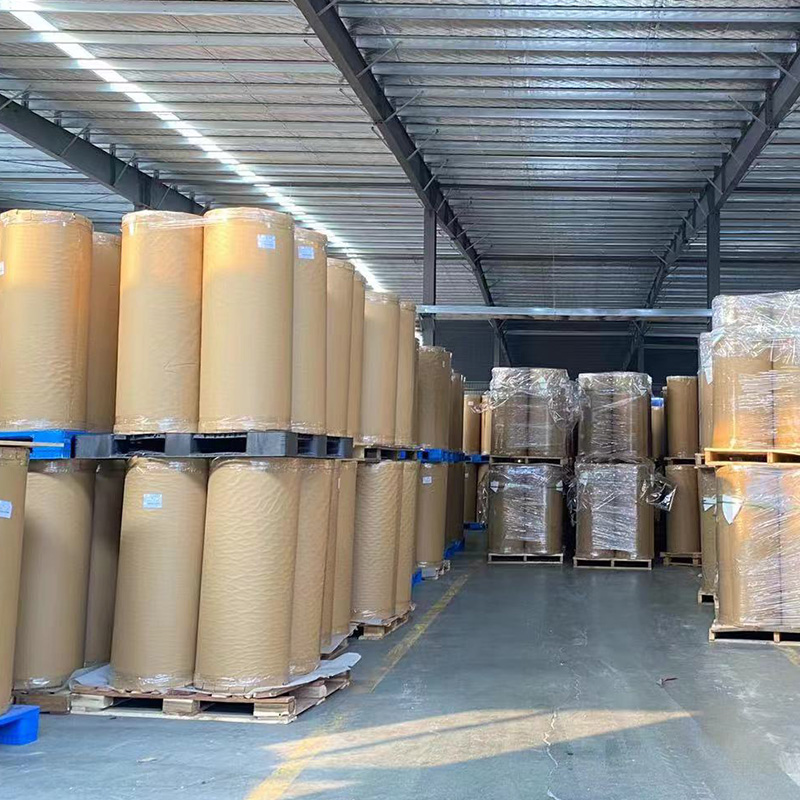
Optimal BOPP film storage requires maintaining temperatures between 15-25°C and relative humidity at 50-60%, with rolls stored vertically on pallets to prevent edge deformation. Direct sunlight exposure must be eliminated to prevent UV-induced surface oxidation and treatment decay.
Shelf Life and Inventory Management
Untreated BOPP film retains printability for 6-12 months when stored properly, while corona-treated variants maintain surface energy above 38 dynes/cm for approximately 3-6 months depending on storage severity. First-in-first-out (FIFO) rotation protocols prevent treatment decay issues. Rolls should remain in original packaging until immediate use to block dust accumulation and moisture ingress.
- Maintain minimum 10cm clearance from walls and floors to prevent moisture wicking
- Avoid stacking rolls exceeding 3 layers to prevent core crushing and edge damage
- Store away from heat sources exceeding 30°C to prevent blocking and deformation
- Allow 24-hour acclimatization before opening in high-humidity environments
Static Electricity Issues in BOPP Film Handling
BOPP film generates significant static charges exceeding 10,000 volts during high-speed unwinding and processing, attracting contaminants, causing operator shocks, and creating fire hazards in solvent-rich environments. The material's high surface resistivity (10¹⁵ ohms/sq) prevents natural charge dissipation.
Static Control Strategies
Active ionization systems reduce surface charges to below 1,000 volts when positioned within 50-100mm of the web surface. Passive solutions include humidification to 55-65% RH and application of anti-static coatings that lower surface resistivity to 10⁹-10¹¹ ohms/sq. For explosive atmospheres, copper grounding brushes and conductive rollers provide essential charge bleed paths.
Static Control Methods and Effectiveness
| Method |
Voltage Reduction |
Application Point |
| Ionizing bars |
95-99% |
Unwind, rewind, slitting stations |
| Humidity control |
60-70% |
General ambient environment |
| Conductive rollers |
80-85% |
Idler and nip roller positions |
| Anti-static additives |
70-75% |
Film surface coating |
BOPP Film Printing Processes and Techniques
BOPP film requires surface treatment to 38-42 dynes/cm prior to printing, typically achieved through corona or flame treatment to overcome its inherent low surface energy. Gravure and flexographic printing dominate commercial applications, with solvent-based inks delivering superior adhesion and heat resistance compared to water-based alternatives.
Pre-Treatment and Ink Selection
Corona treatment increases surface energy through oxidation, creating polar groups that enhance ink wetting. Treatment levels decay at approximately 1-2 dynes/cm per week under ambient storage. For high-speed rotogravure applications, solvent-based nitrocellulose or polyurethane inks with 25-35% solid content provide optimal coverage at line speeds up to 400 m/min. UV-curable systems offer instant drying but require specialized surface primers for adequate adhesion.
- Verify dyne level immediately before printing using test pens or inks
- Maintain ink pH between 8.5-9.5 for water-based systems to prevent foaming
- Use anilox volumes of 3.5-5.0 BCM for solid coverage on BOPP substrates
- Ensure drying air temperature does not exceed 60°C to prevent film shrinkage
Frequently Asked Questions About BOPP Film
What causes BOPP film to block during storage?
Blocking occurs when adjacent film layers adhere under pressure and heat, typically when storage temperatures exceed 35°C or rolls remain under excessive tension. Anti-blocking additives like silica particles (500-1500 ppm) create micro-roughness preventing surface contact.
Why does printed BOPP film show poor scratch resistance?
Insufficient ink adhesion or overcooked surface treatment reduces mechanical bonding. Over-treatment beyond 50 dynes/cm causes surface degradation and weak boundary layers. Optimal lamination bonding requires surface energy between 38-44 dynes/cm.
Can BOPP film be recycled?
BOPP is fully recyclable under resin identification code #5 (PP). Clean production scrap reprocesses effectively when contamination remains below 1%. Printed or laminated structures require separation or energy recovery due to mixed polymer content.
How does humidity affect BOPP film dimensions?
Unlike hygroscopic films (PET, NYLON), BOPP exhibits minimal moisture absorption (0.01%), maintaining dimensional stability across humidity fluctuations from 20-80% RH. This property makes it ideal for precision registration printing in varying climates.


 中文简体
中文简体 Español
 عربى
عربى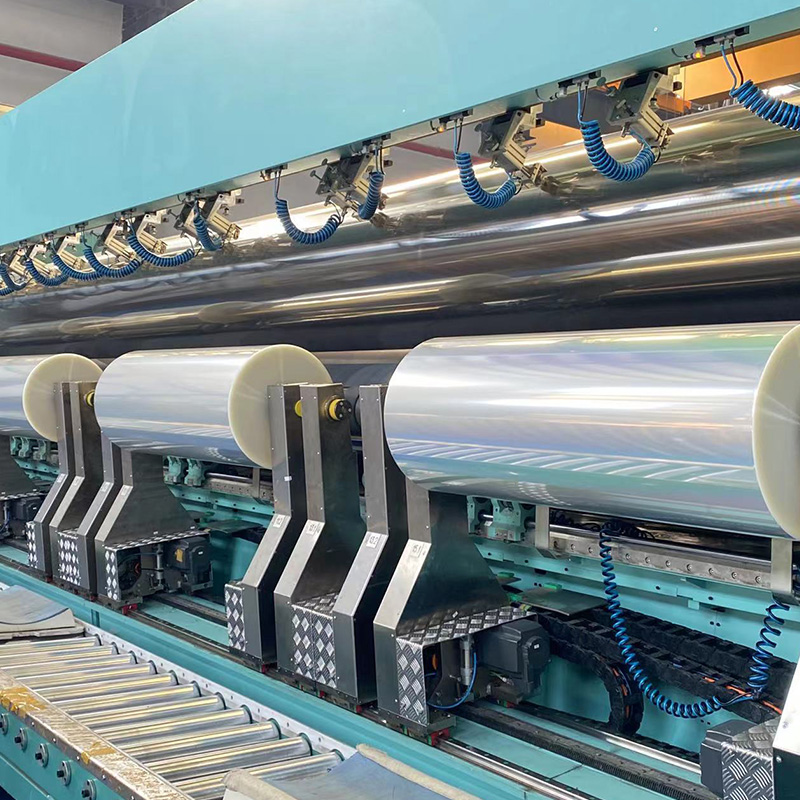 Biaxially Oriented Polypropylene Film
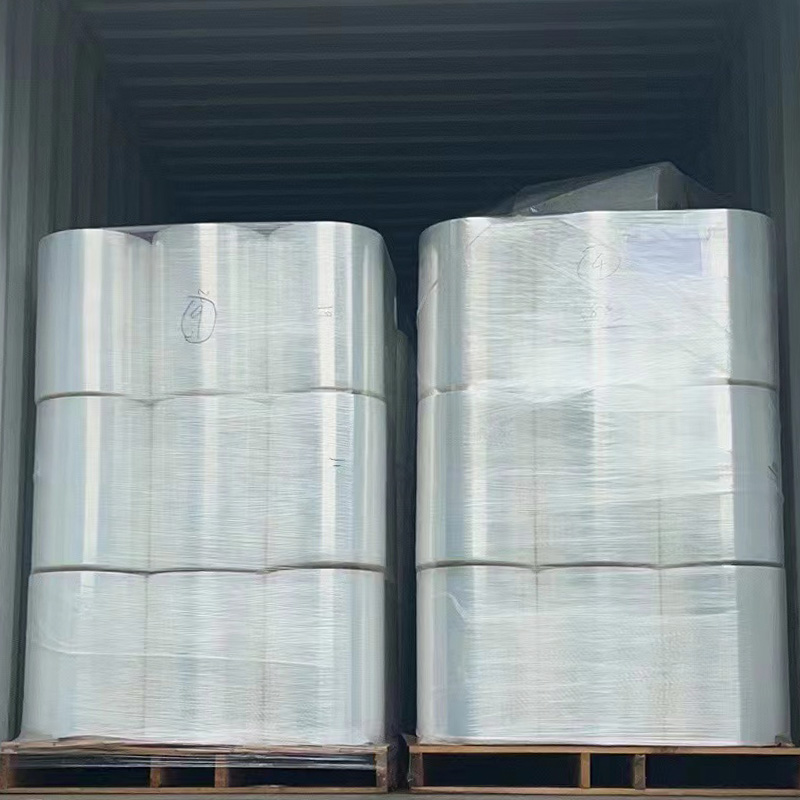 High Quality PE Stretch Film
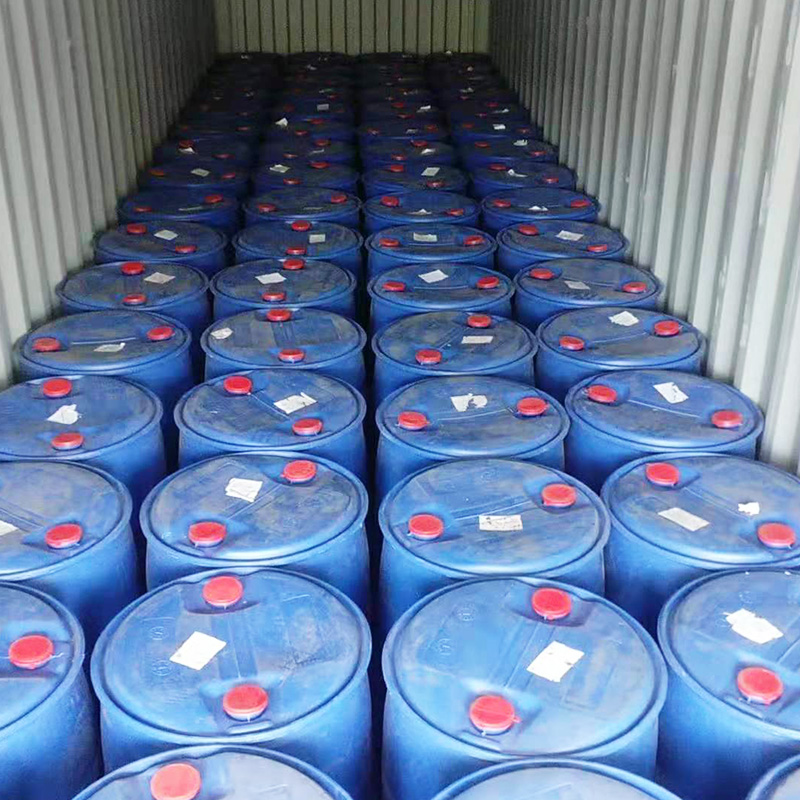 Water Based Acrylate Glue
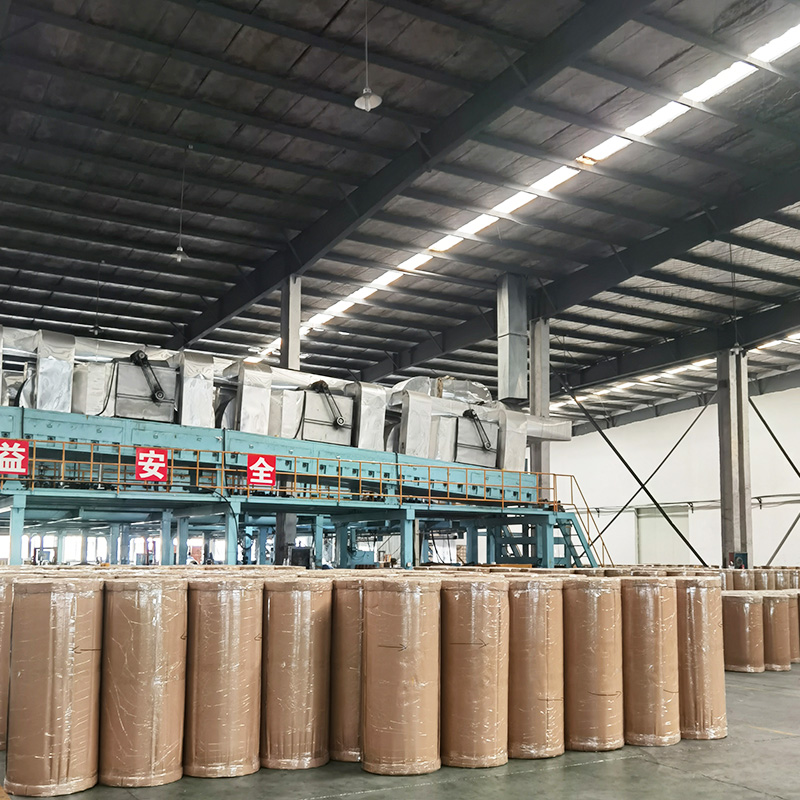 BOPP Acrylic Jumbo Roll Tape
 BOPP Hotmelt Jumbo Roll Tape
 BOPP Solvent Jumbo Roll Tape
 BOPP Natural Rubber Jumbo Roll Tape
 BOPP Low Noise Jumbo Roll Tape
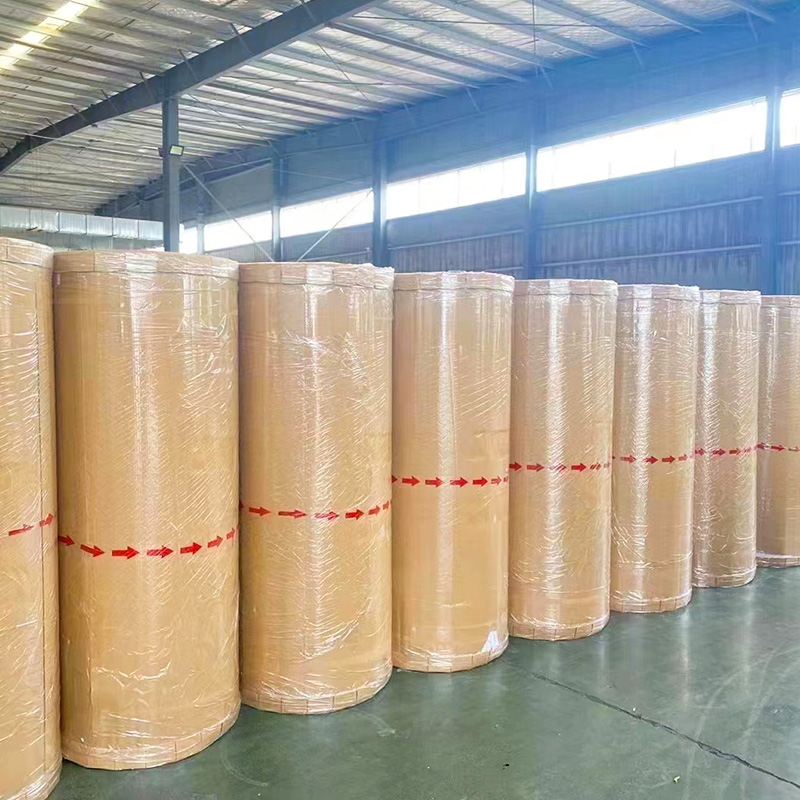 BOPP Silent Jumbo Roll Tape
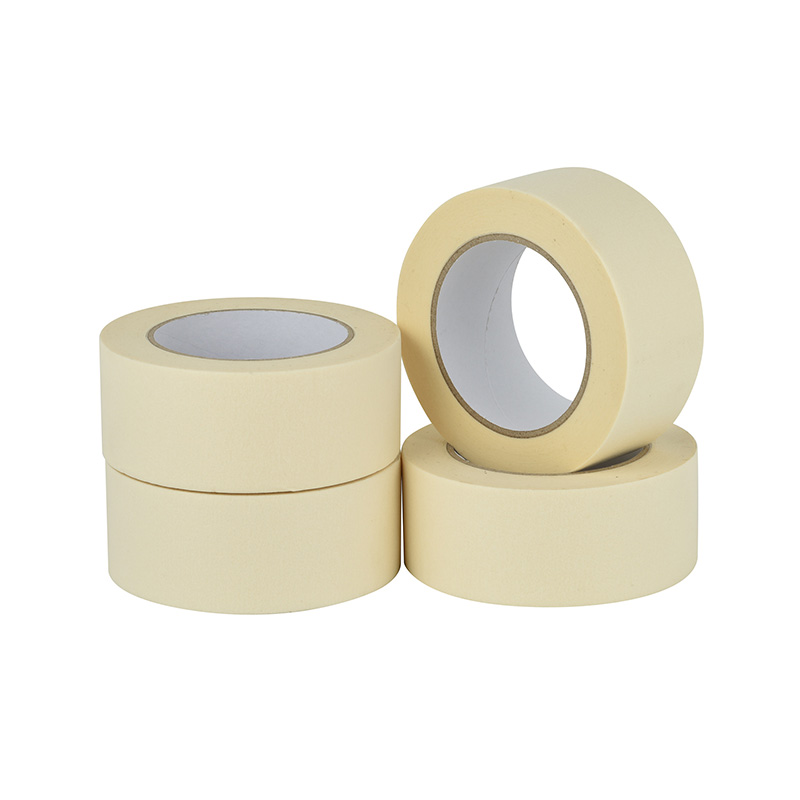 Masking Tape Jumbo Roll
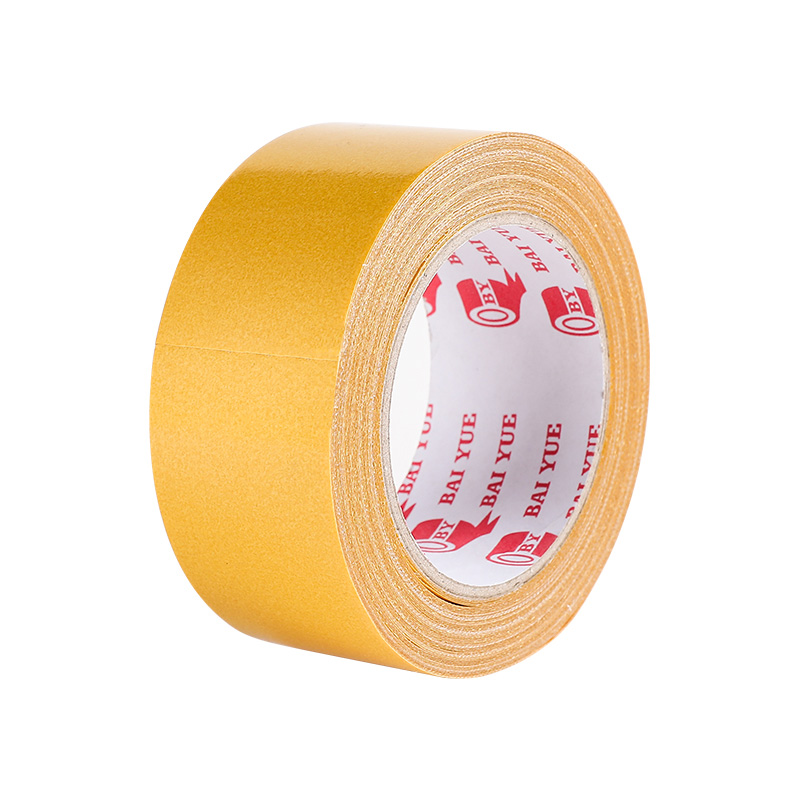 Duct Tape Jumbo Roll
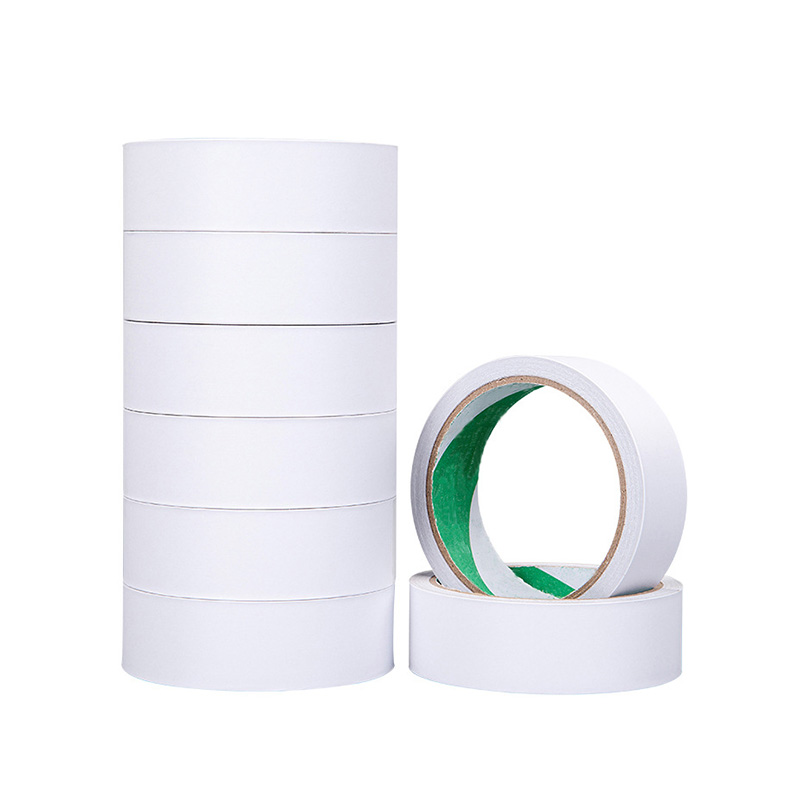 Double Side Tape Jumbo Roll
 fortuna@baiyiadhesive.com

 +86-575-82818961
 fortuna@baiyiadhesive.com
 Baiguan industrialZone,Shangyu District, Shaoxing City, Zhejiang Province, China



 浙ICP备17032394号