

 中文简体
中文简体 Español
 عربى
عربى-
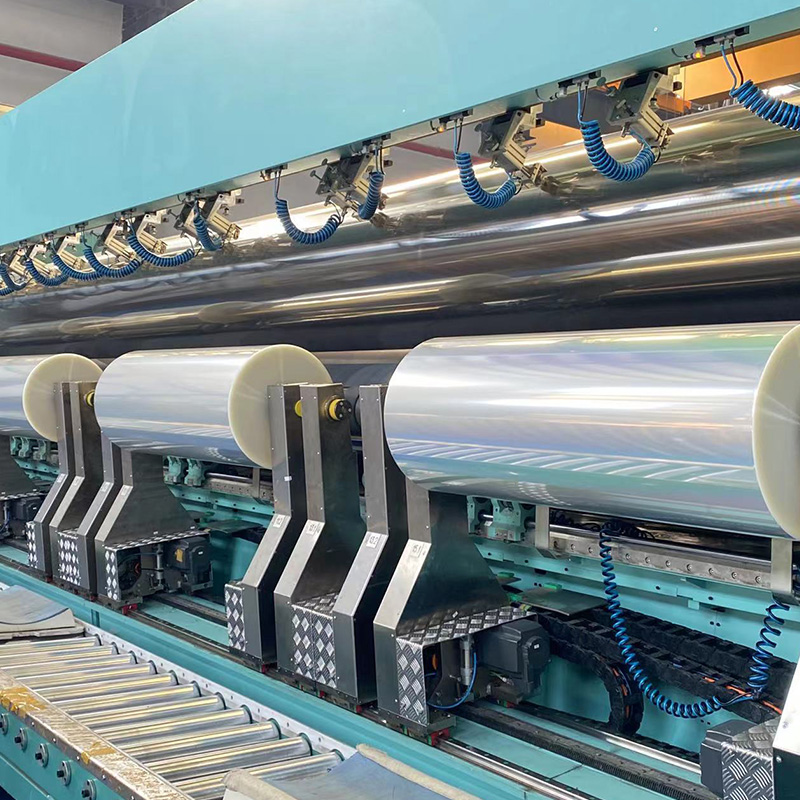 Biaxially Oriented Polypropylene Film
-
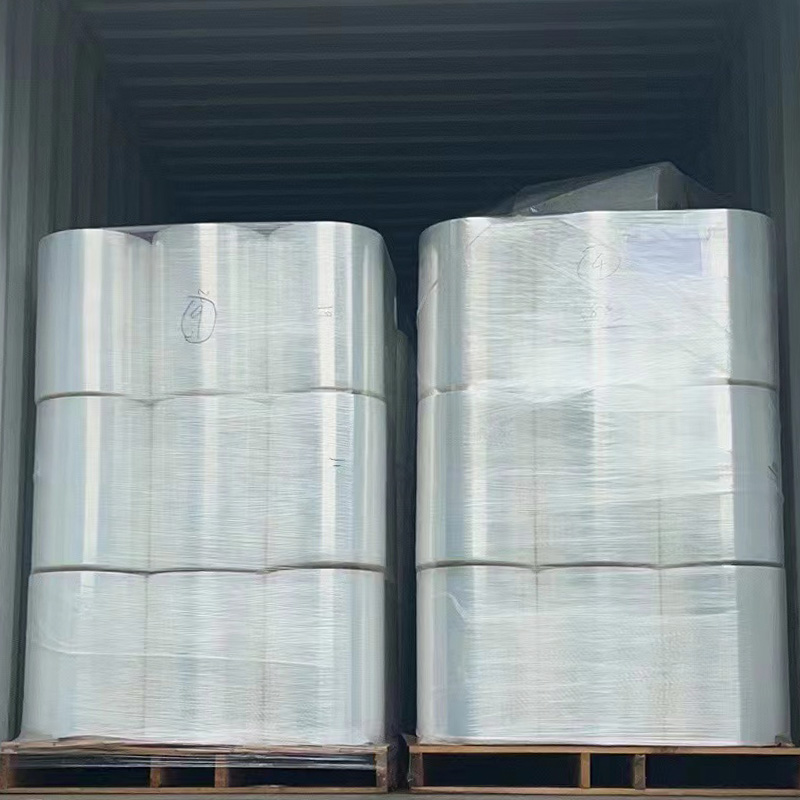 High Quality PE Stretch Film
-
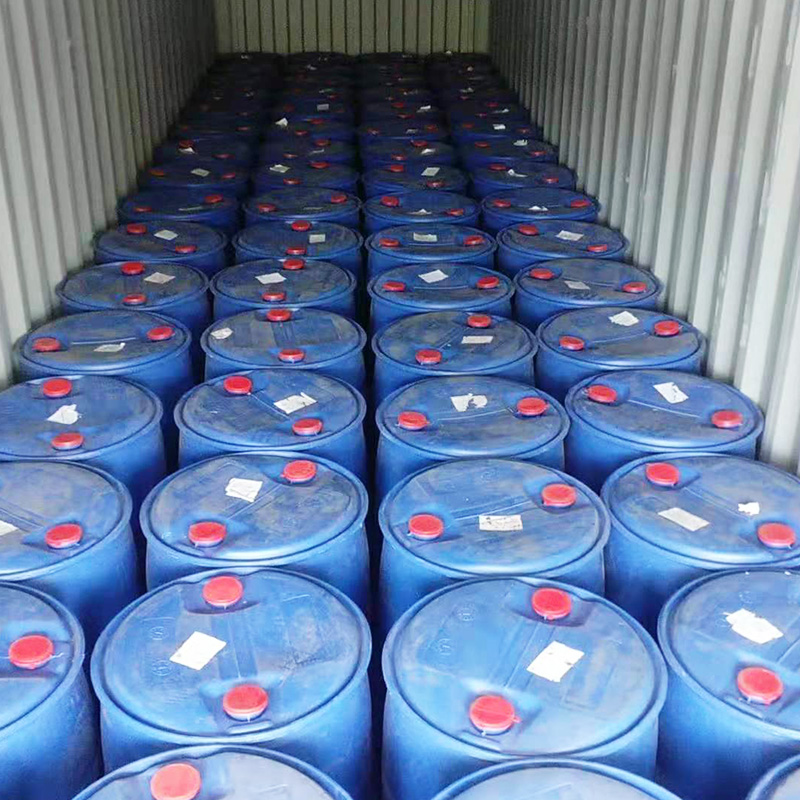 Water Based Acrylate Glue
-
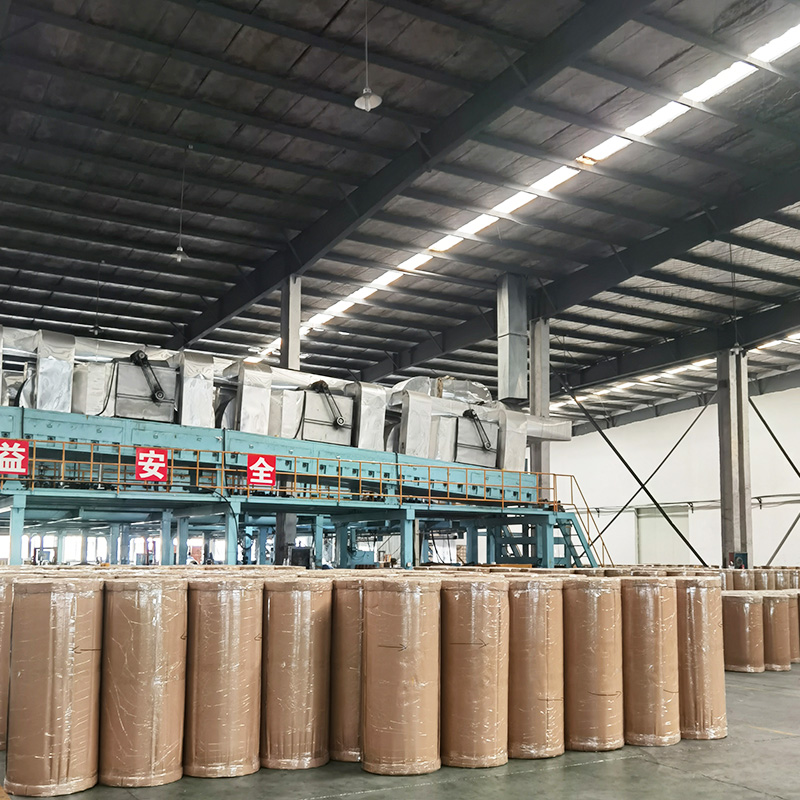 BOPP Acrylic Jumbo Roll Tape
-
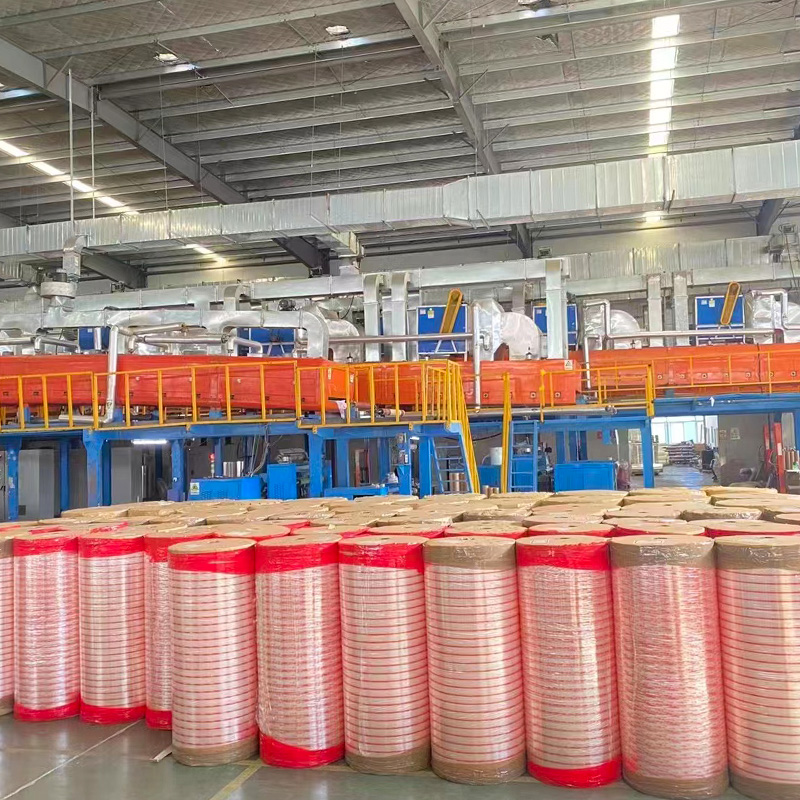 BOPP Hotmelt Jumbo Roll Tape
-
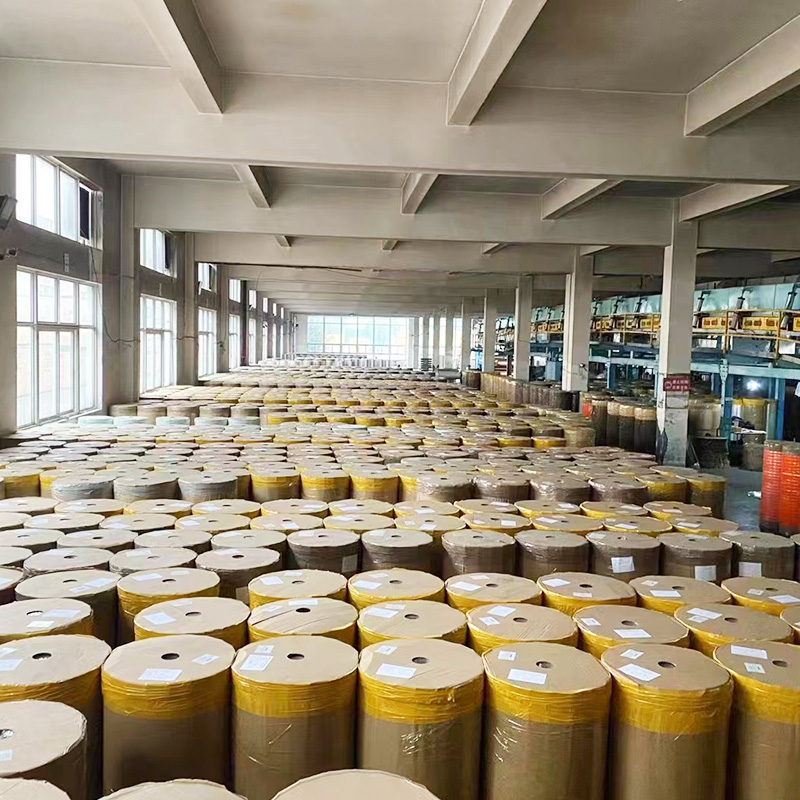 BOPP Solvent Jumbo Roll Tape
-
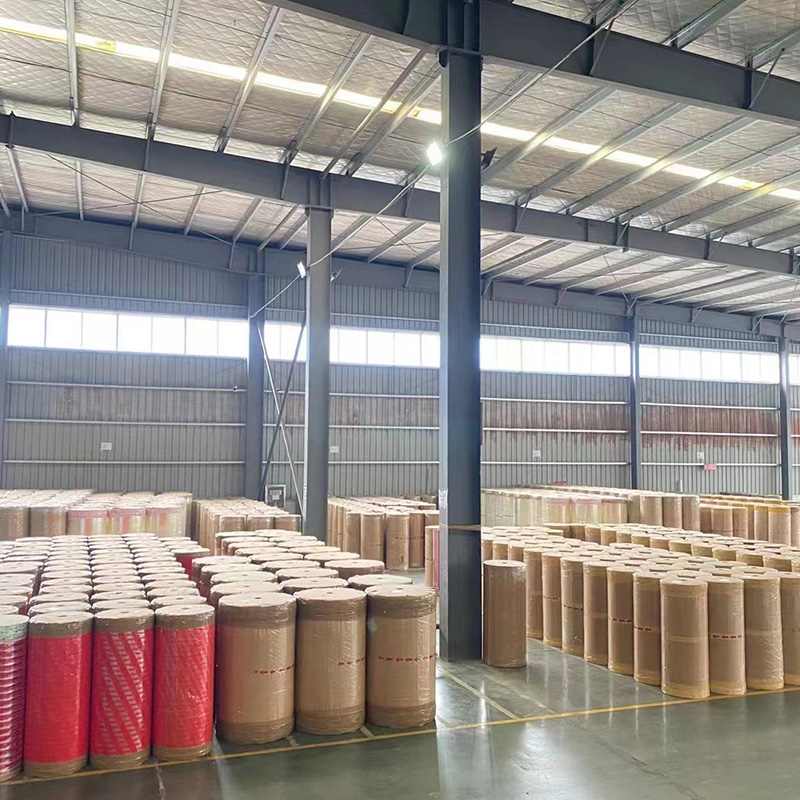 BOPP Natural Rubber Jumbo Roll Tape
-
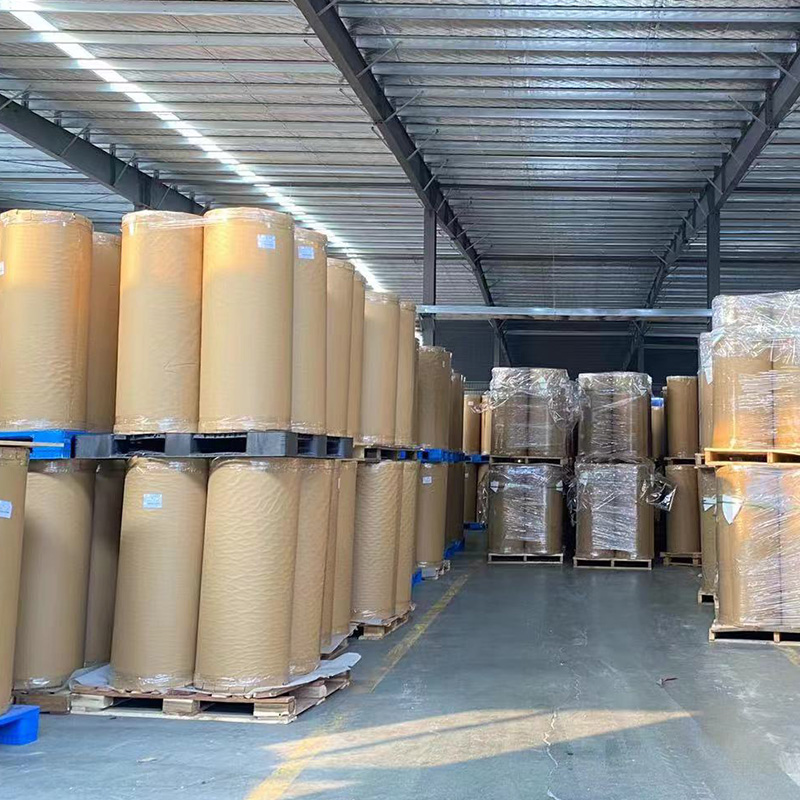 BOPP Low Noise Jumbo Roll Tape
-
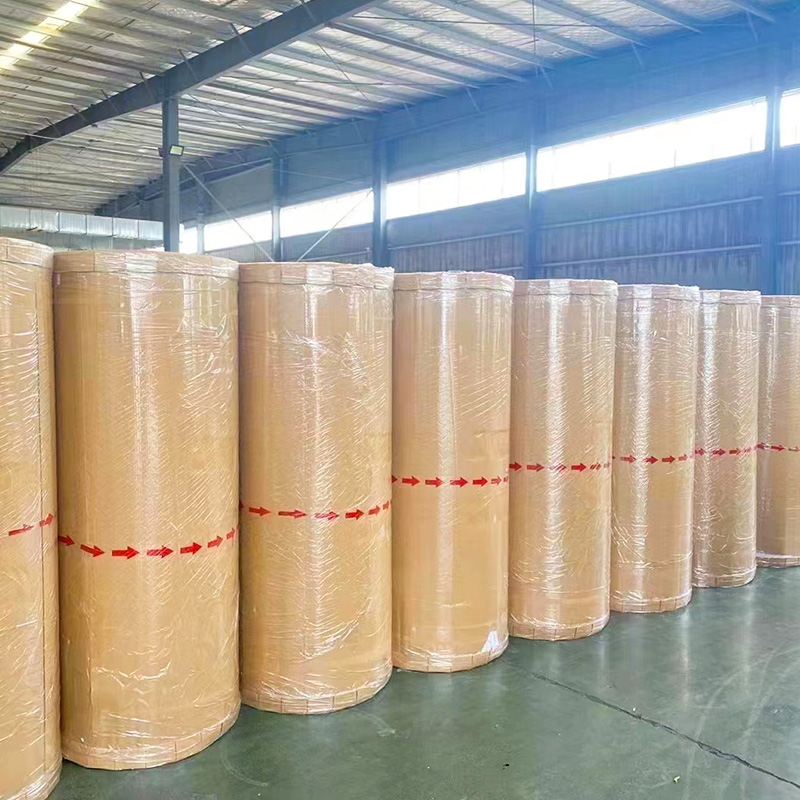 BOPP Silent Jumbo Roll Tape
-
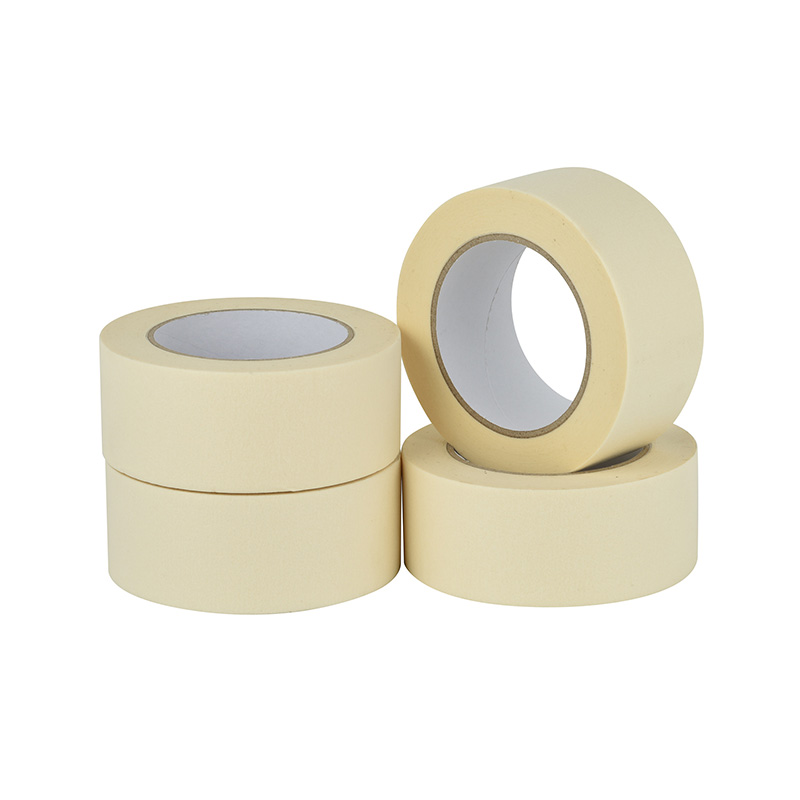 Masking Tape Jumbo Roll
-
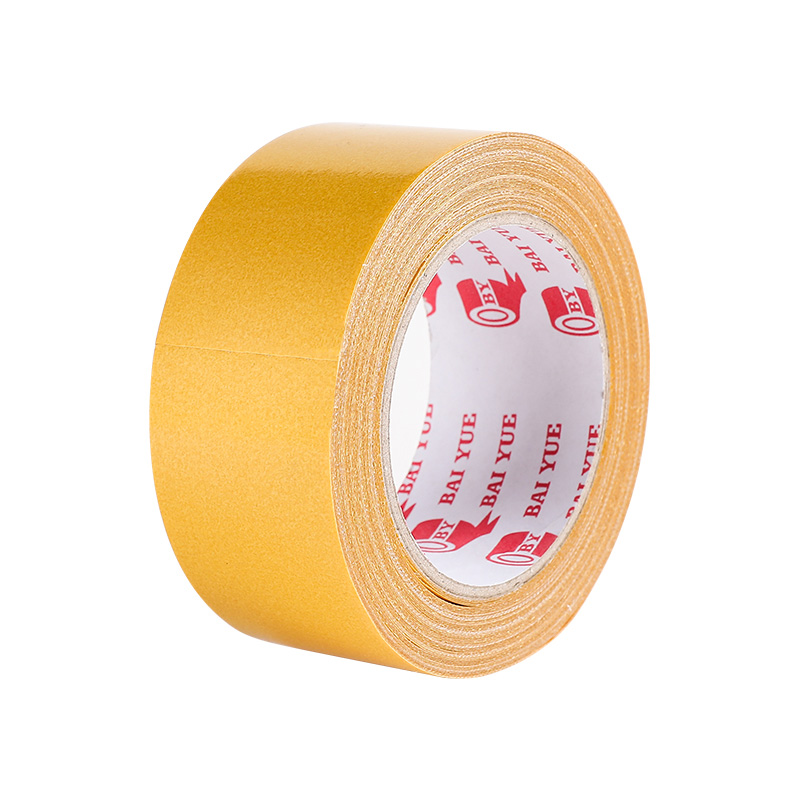 Duct Tape Jumbo Roll
-
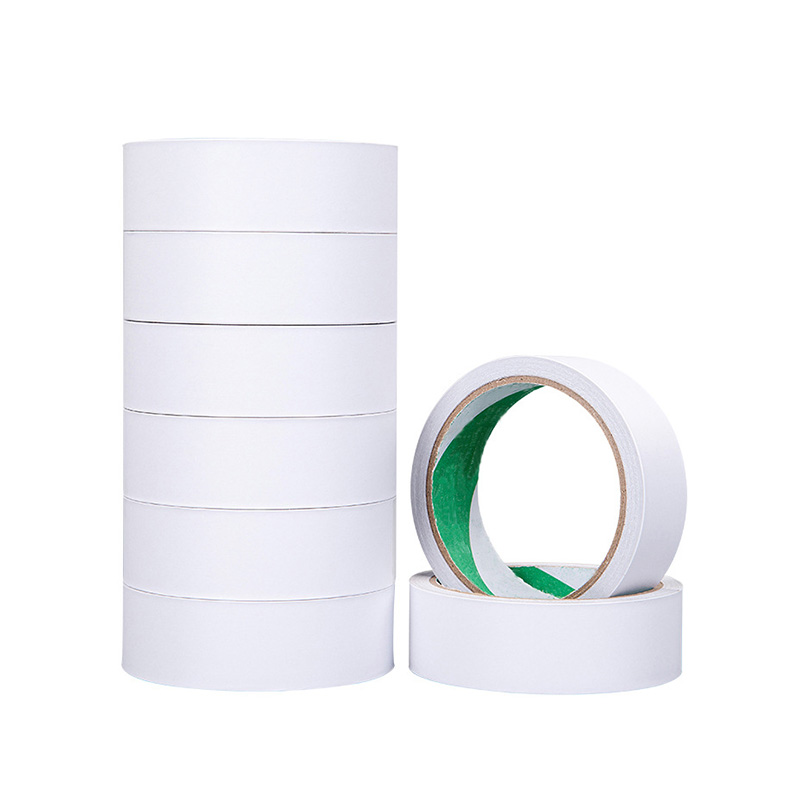 Double Side Tape Jumbo Roll
 fortuna@baiyiadhesive.com
Types of Tapes: A Complete Guide to Adhesive Tape Types and Their Uses
Content
A distributor in Rotterdam sent back 12,000 cartons last year. The tape on them looked correct — right width, right color, right price. The problem was underneath: a 40-micron BOPP backing with a thin water-based acrylic adhesive, applied in a cold, dusty warehouse and left sitting for three weeks. The seams lifted, the cartons opened in transit, and the whole pallet was refused.
That kind of failure is easy to avoid once you stop classifying tapes by color or brand. Every type of tape is defined by two variables: the backing material and the adhesive coated onto it. Thickness, width, elongation, peel strength, and temperature range all follow from those two choices. Match them to the surface, the climate, and the load, and tape stops being a gamble.
What follows is a working breakdown of the backing and adhesive combinations behind the most common types of tapes, what each one is genuinely good at, and where buyers most often get it wrong.
Backing Plus Adhesive: What Actually Defines a Tape
The backing handles the mechanical side of the job. It sets tensile strength, how the tape tears, how far it stretches before breaking, and how well it survives heat, cold, and ultraviolet light. BOPP film stretches and recovers. Crepe paper tears by hand. Glass yarn reinforcement carries a load that would snap a plain film in half.
The adhesive handles everything happening at the surface. Initial tack, peel strength, holding power under sustained load, and how the bond ages in sunlight or in a freezer all come from the adhesive chemistry, not the backing. Two tapes with identical backings can behave completely differently after six months in storage.
| Backing | Common Tape Type | Where It Works Best | Practical Limit |
|---|---|---|---|
| BOPP film | Packing tape | Carton sealing, case closing | Creeps under long-term sustained load |
| Crepe paper | Masking tape | Paint masking, temporary holding | Leaves residue after water or direct sun |
| PE-coated cloth | Duct tape | Bundling, patching, rough repairs | Residue transfer at elevated temperatures |
| Soft PVC | Electrical tape | Wire insulation, harness wrapping | Embrittles under prolonged UV exposure |
| PET film with glass yarn | Filament tape | Pallet strapping, heavy reinforcement | Needs a clean, dry, dust-free surface |
| PE or EVA foam | Foam mounting tape | Gap filling, vibration damping | Compresses permanently over time |
| Aluminum foil | Foil tape | Duct sealing, vapor barriers | Tears easily; sharp exposed edges |
Treat that table as a filter, not a specification. A 50-micron BOPP tape with hot melt adhesive and the same film with solvent acrylic look identical on the roll, and they behave nothing alike at -10 C.
Adhesive Chemistry Decides How a Tape Ages
Buyers send a request for width, thickness, and color. The variable that decides whether the shipment is accepted four months later is almost always the adhesive system. Three families cover most of the market.
Natural Rubber
Natural rubber delivers the highest initial tack of the three, which is why it still dominates masking tape and duct tape. It grabs a dusty or slightly textured surface where acrylic would struggle. The trade-off is aging: rubber oxidizes, and a cheap rubber tape left on a painted wall for three weeks can lift the paint when it comes off. For short masking cycles that trade-off is worth taking. For anything stored outdoors through a summer, it is not.
Hot Melt (Synthetic Rubber)
Hot melt adhesive is coated from a molten state, so it can be laid down thick, fast, and cheaply. It gives strong immediate grab on recycled corrugated board, which is why so much carton sealing tape uses it. Its weakness is temperature. Hot melt softens inside a hot container or a closed truck in summer, and it turns brittle below roughly -10 C, where the seal can shear off the box.
Acrylic (Solvent and Water-Based)
Acrylic adhesives start slower than rubber but hold far longer. They resist UV, oxidation, and plasticizer migration, and they keep working across a wider temperature band. Water-based acrylic is the lowest-cost option and the most common coating on general-purpose clear packing tape. Solvent-based acrylic costs more but performs noticeably better in cold storage and outdoor service. If a tape will stay on a surface for more than one season, acrylic is usually the correct answer.
The Everyday Types of Tapes and Where Each One Belongs
Most purchasing mistakes come from pushing a tape outside the one job it was engineered for. These categories cover the bulk of real orders.
Packing Tape (BOPP)
BOPP packing tape is the workhorse of carton sealing. Standard rolls run 48 mm wide and 40 to 50 microns thick, with peel adhesion around 2.5 to 3.0 N/cm. Clear, brown, and printed versions come off the same coating lines. The real decision is the adhesive system: hot melt for line speed and recycled board, acrylic for cold warehouses and long storage.
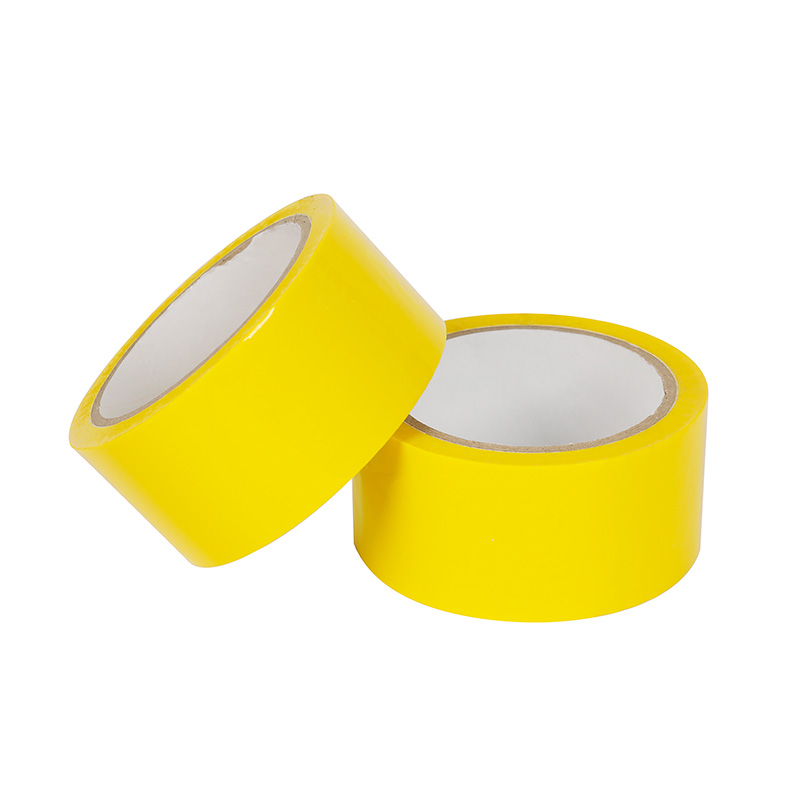 Bopp Packing TapeBOPP packaging tape, also known as sealing tape or plastic tape, is an adhesive tape product based on biaxially oriented polypropylene (BOPP) film. It is made by evenl...View Product →
Masking and Painter's Tape
Crepe paper backing with a rubber or acrylic adhesive. The defining figure is peel strength after cure — a good masking tape releases cleanly after 24 hours at 60 C and leaves no ghost line on the substrate. Automotive baking cycles and outdoor facade work need a high-temperature grade, not the general-purpose roll sold for labeling.
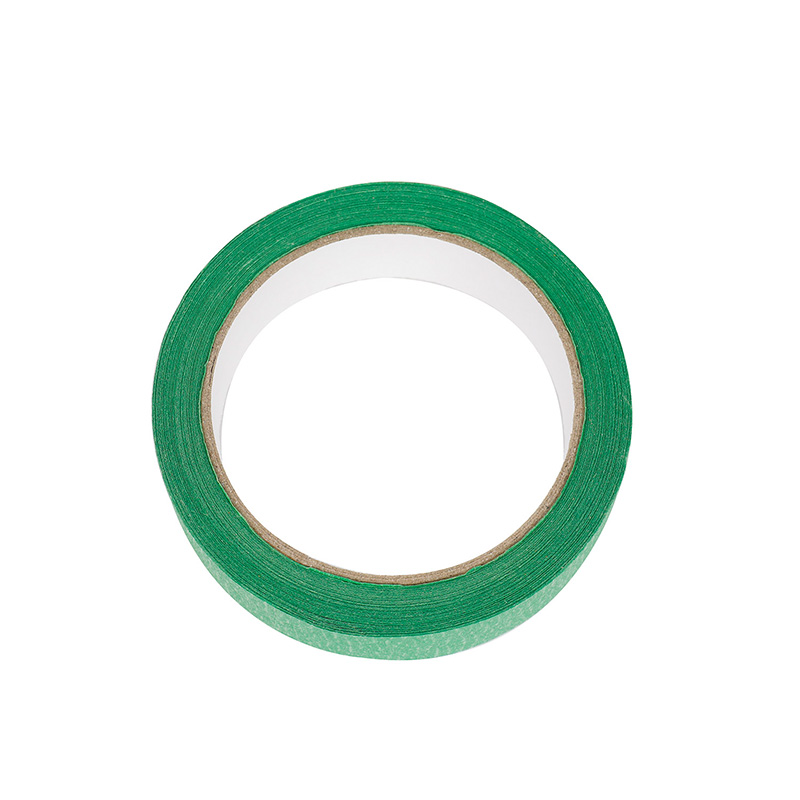 High Temperature Resistant Masking TapeHigh temperature resistant masking tape is a masking material specially designed for high temperature environments. It can still maintain stable viscosity and masking ...View Product →
Duct, Cloth, and Filament Tape
PE-coated cloth backing gives duct tape its hand-tearable strength for repairs, bundling, and temporary sealing. Filament tape replaces the cloth with glass yarn embedded in PET film, which lifts tensile strength sharply; a 25 mm filament tape commonly holds over 300 N and is used for pallet strapping and reinforcing heavy export cartons.
Electrical and Safety Tape
Soft PVC backing with a rubber adhesive, rated for insulation and wrapped under tension. Flame-retardant grades are specified for control cabinets and wire harnesses. The same PVC family, in wider rolls and brighter colors, becomes floor marking and warning tape. Check the voltage rating rather than the color.
Double-Sided, Foam, and Nano Tape
Double-sided tissue tape bonds two smooth surfaces with almost no visible thickness — ideal for nameplates, film splicing, and paper joining. Foam tape adds thickness so it can bridge a gap or absorb vibration. Nano tape is a thick, transparent, gel-like acrylic that can be peeled off and repositioned without leaving residue, which is why it moved out of craft rooms and into household mounting.
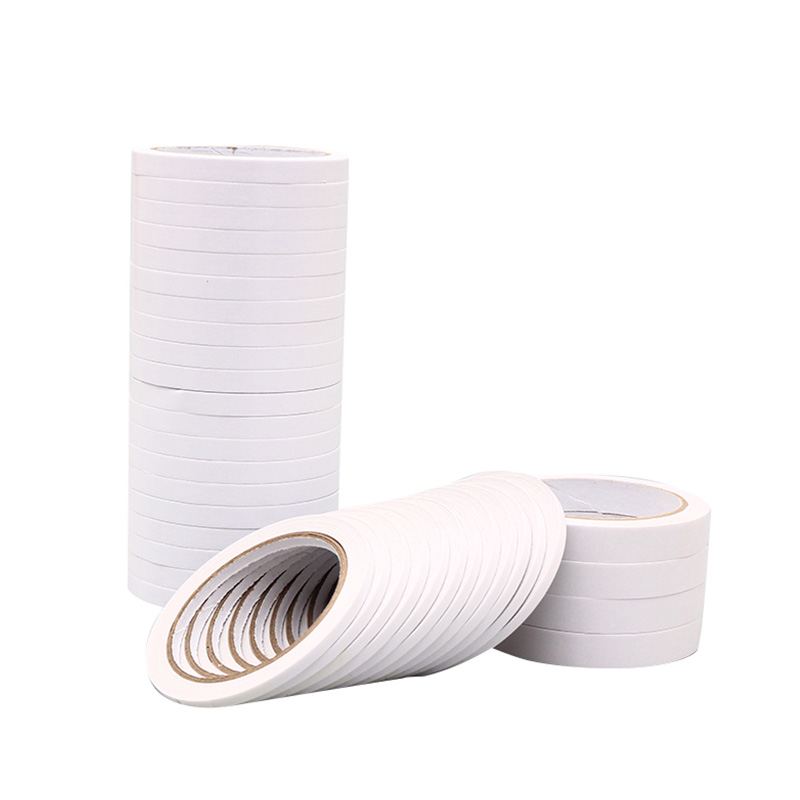 Double Side Tissue TapeDouble-sided tissue tape is a special tape product that combines a soft tissue paper base material with a double-sided adhesive layer. The double-sided design allows t...View Product →
Specialty Tapes: Foil, Butyl, and Waterproof
Aluminum foil tape seals HVAC duct joints and acts as a vapor barrier. Butyl tape is a thick, non-curing rubber that stays permanently tacky for roof and gutter repairs. Anti-slip and reflective tapes are safety products first — grit size and retro-reflective coefficient matter more than the adhesive behind them.
Jumbo Roll or Finished Roll: A Decision Many Buyers Skip
Once you know which tape family you need, the next fork is format. Finished rolls go straight to the packing line or the shelf. Jumbo rolls go to a slitting machine first, where they are cut down to your own widths, cores, and lengths.
The economics are straightforward once you count the hidden steps. A converter buying jumbo rolls pays less per square meter, but carries slitting waste, core and carton costs, label printing, and labor. A distributor buying finished rolls pays more per roll but carries no converting equipment and no knife-setting downtime. The break-even sits somewhere around a few thousand rolls per size per year, and it moves with your scrap rate.
Two specifications travel with the roll no matter which format you choose: the adhesive system and the film thickness. If you want a deeper look at how those raw materials are produced and why they change performance, this explanation of what tape is usually made of is worth ten minutes before your next supplier conversation.
One more number worth confirming in writing: core inner diameter and roll length tolerance. A 76.2 mm core is standard, but a two-millimeter deviation will jam an automatic dispensing head, and that is a failure that shows up on your line, not on the supplier's loading dock.
Before You Place the Order: A Short Checklist
- Name the substrate, not the tape: painted steel, recycled corrugated board, polyethylene film, and dusty concrete each demand a different adhesive.
- State the temperature range the tape will actually see, including storage and transit, not just the application moment.
- Specify the load and the duration. A bond that holds for an hour and a bond that holds for a year are different products.
- Confirm backing thickness in microns and adhesive coat weight, since those two figures drive both cost and performance.
- Ask whether the surface will be clean, and if not, plan for a rubber-based adhesive that tolerates dust.
- Check UV exposure. Indoor and outdoor service lives are not interchangeable for PVC or rubber tapes.
- Request a sample roll and run it on your own line at your own speed before committing to a container volume.
Most tape complaints trace back to one of those seven points, and almost all of them can be settled before the purchase order is signed. If you are weighing a jumbo roll program against finished rolls for your own market, the team here can work through the converting math and adhesive selection with your actual volumes.

-
 +86-575-82818961
+86-15906537907 -
 fortuna@baiyiadhesive.com
-
 Baiguan industrialZone,Shangyu District, Shaoxing City, Zhejiang Province, China
About Us
To provide effective services to customers is
the direction of our work and work and the yardstick of value evaluation.
To achieve customers is to achieve ourselves.



Product Links
Contact Us
Copyright © Zhejiang Baiyi Adhesive Products Co., Ltd. All Rights
Reserved.
Wholesale Tape Manufacturer
Custom Tape Supplier
 浙ICP备17032394号