

 中文简体
中文简体 Español
 عربى
عربى-
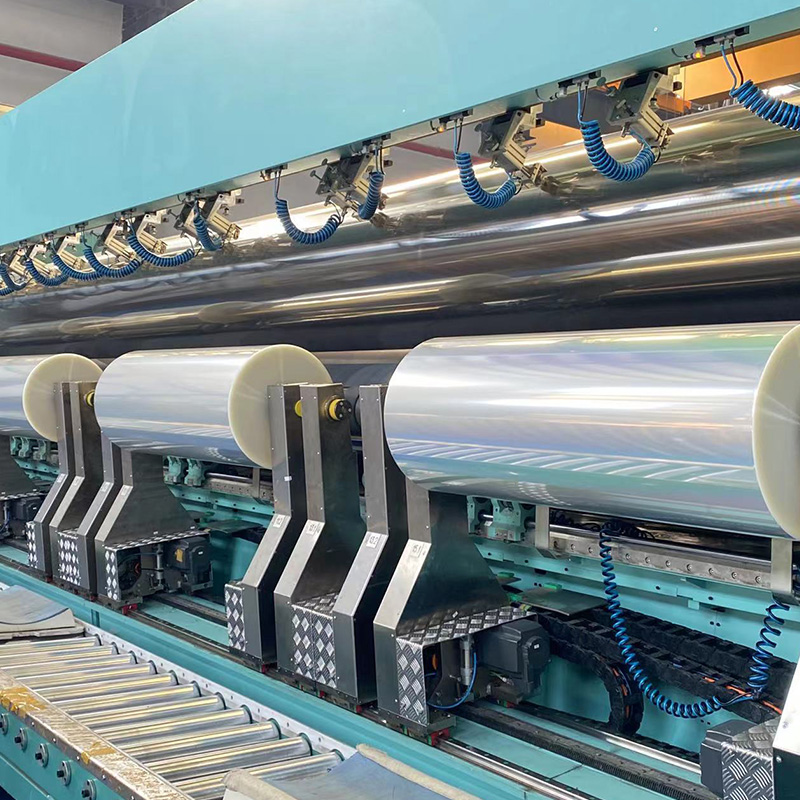 Biaxially Oriented Polypropylene Film
-
 High Quality PE Stretch Film
-
 Water Based Acrylate Glue
-
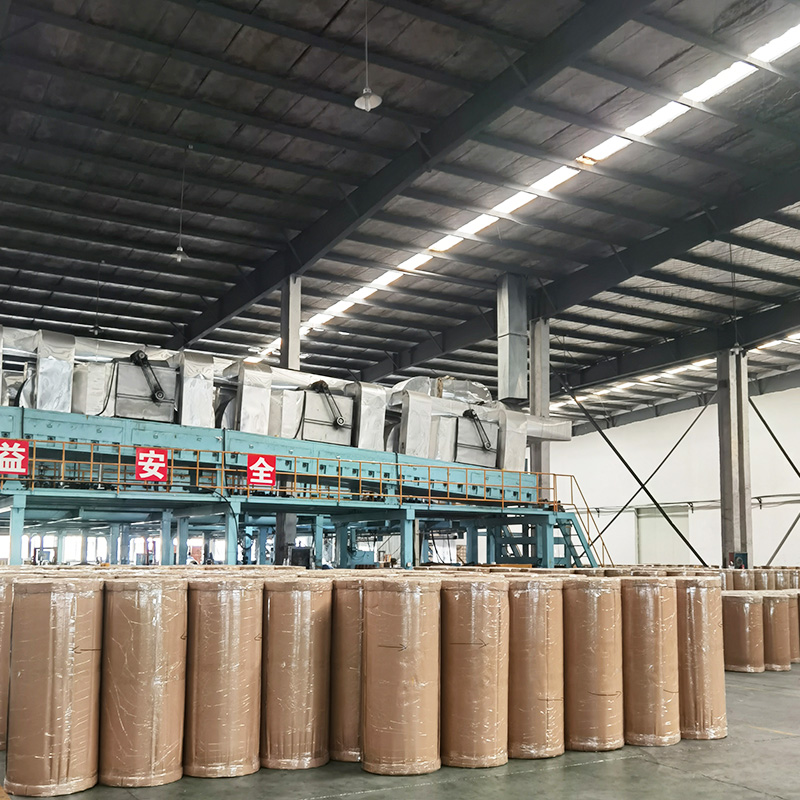 BOPP Acrylic Jumbo Roll Tape
-
 BOPP Hotmelt Jumbo Roll Tape
-
 BOPP Solvent Jumbo Roll Tape
-
 BOPP Natural Rubber Jumbo Roll Tape
-
 BOPP Low Noise Jumbo Roll Tape
-
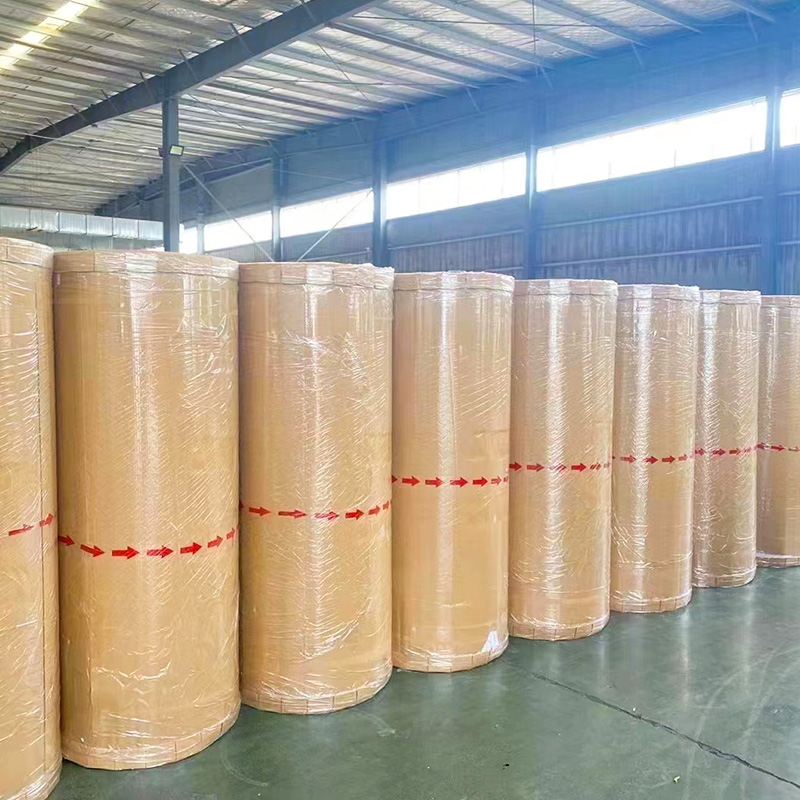 BOPP Silent Jumbo Roll Tape
-
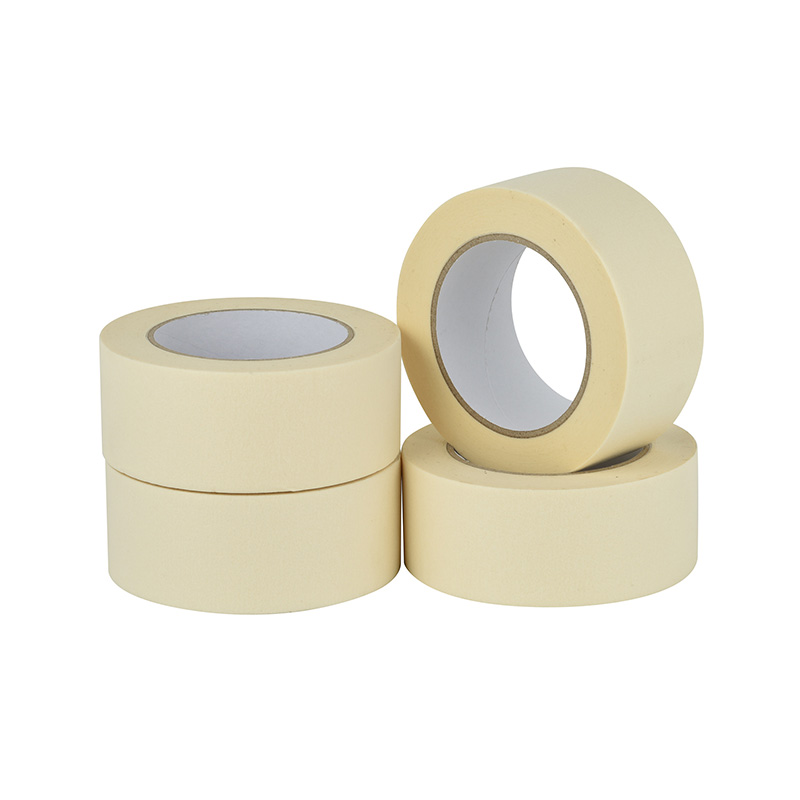 Masking Tape Jumbo Roll
-
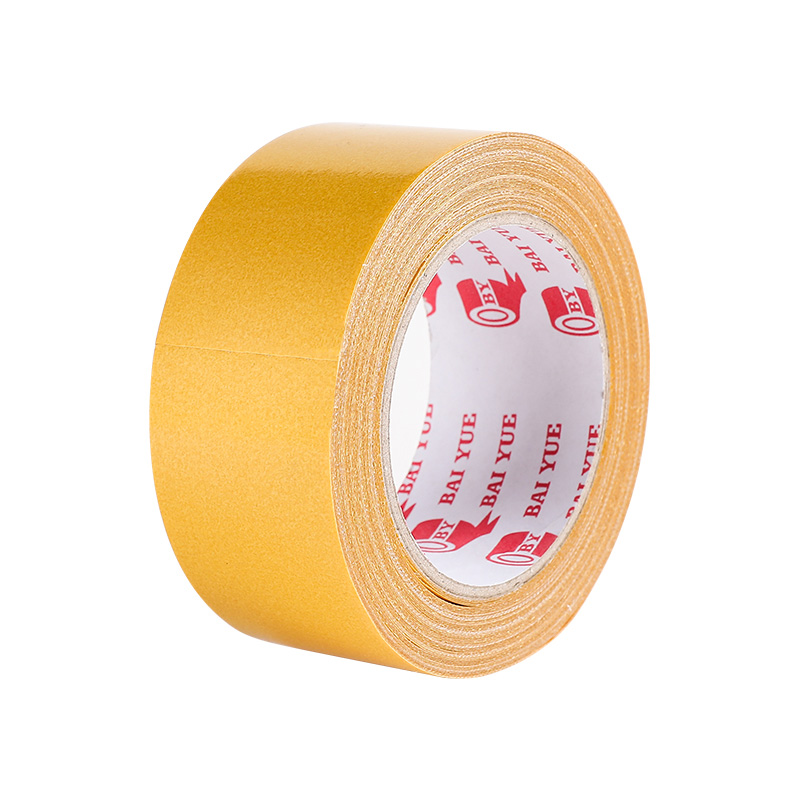 Duct Tape Jumbo Roll
-
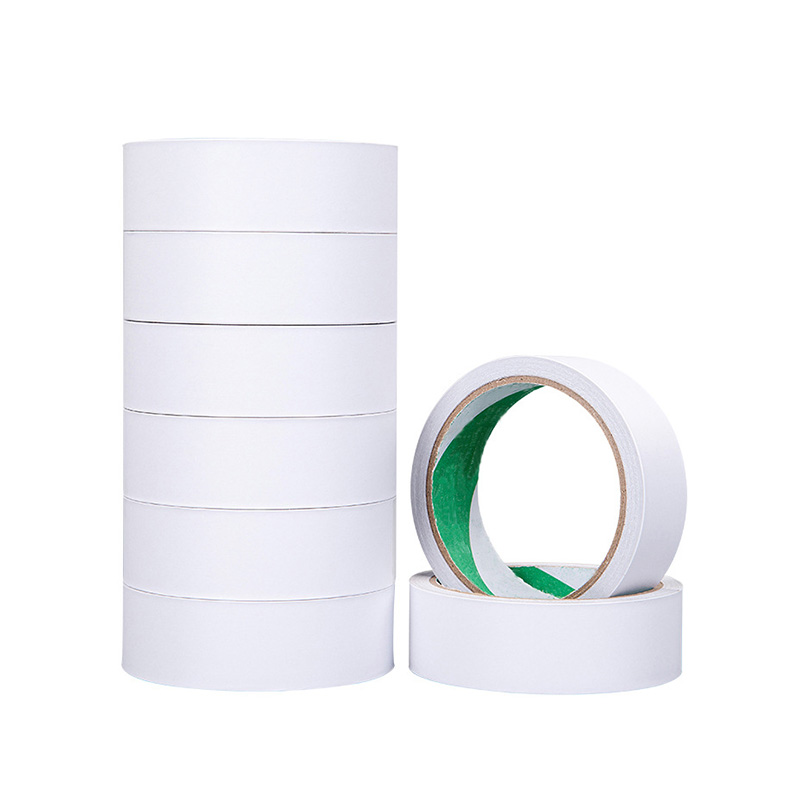 Double Side Tape Jumbo Roll
 fortuna@baiyiadhesive.com
Aluminum Tape Uses: 8 Real Applications, Adhesive Choices, and Buying Tips
Content
- 1 What Aluminum Tape Is Made Of, and Why That Limits Its Uses
- 2 The Main Aluminum Tape Uses, Grouped by Job
- 3 HVAC Duct Sealing: The Use That Sets the Standard
- 4 Insulation Jacketing, Vapor Sealing, and Repair Work
- 5 Heat Reflection, Shielding, and High-Temperature Masking
- 6 Acrylic or Rubber Adhesive: Match the Chemistry to the Job
- 7 Six Failure Patterns Worth Checking Before You Order
- 8 What to Put on the Purchase Order
- 9 Buying Aluminum Foil Tape at Manufacturer Level
A foil tape that looks flawless on installation day can be curled off a flex duct connection by the end of the first cooling season. The aluminum almost never fails. The adhesive does, usually because it was the wrong chemistry for the surface, the temperature, or the pressure the installer applied.
Aluminum tape uses come down to four jobs: sealing air and vapor paths, reflecting radiant heat, shielding and masking surfaces, and holding things together for a while. Which job you are doing decides the foil thickness, the adhesive, and whether you need a listed product. For permanent ductwork and insulation, specify an acrylic-adhesive foil tape; keep rubber-based foil for cold-weather tack and fast repairs; use conductive-adhesive foil only when you need electrical continuity.
What Aluminum Tape Is Made Of, and Why That Limits Its Uses
Aluminum foil tape is a dead-soft aluminum backing, generally 30 to 80 microns thick including adhesive, coated with acrylic, rubber-resin, or occasionally silicone adhesive and supplied on a release liner. The backing is metal, and that single fact governs every application.
- It does not stretch, so it works on joints that stay put and fails on joints that move.
- It dead-folds, which is why it works around corners of duct wrap and insulation jackets.
- It blocks vapor and reflects radiant heat; aluminum's low emissivity of roughly 0.05 makes a taped surface a poor radiator.
- It conducts heat and electricity, which is the basis of its shielding and, in specific grades, grounding roles.
None of that turns foil tape into a general-purpose repair tape. It is a sealing and reflecting material first, and it is not a substitute for cloth duct tape on a joint that flexes.
The Main Aluminum Tape Uses, Grouped by Job
Most applications fall into seven groups. The table below pairs each group with the surface it is normally applied to and the performance the tape has to deliver.
| Application | Typical surface | What the tape must do |
|---|---|---|
| HVAC duct sealing | Sheet metal, flex duct collars, duct board | Hold a permanent air seal; UL 181 listed grades for flex duct |
| Insulation jacketing | Pipe insulation, duct wrap, tank blankets | Close the vapor barrier against condensation |
| Heat reflection | Engine bays, boiler panels, appliance backs | Reflect radiant heat; resist 100 to 150 °C |
| Vent and hose repair | Aluminum flex hose, dryer vents, exhaust hose | Bond to thin, oily, vibrating metal |
| Electrical and EMI shielding | Enclosures, cable bundles, seams | Provide a conductive path when the adhesive is conductive |
| High-temperature masking | Metal, glass, and PCB surfaces | Take local heat and peel away cleanly |
| Craft and decor | Paper, foam board, plastic | Hold shape and accept paint or marker |
HVAC Duct Sealing: The Use That Sets the Standard
Duct sealing is the largest single use and the only one with a formal code trail. In many jurisdictions, tape on flexible duct connections must carry a UL 181B-FX listing, and tape on rigid fiberglass duct board must carry UL 181A-P. Those listings test adhesion, tensile strength, temperature cycling, and resistance to mold growth, not just initial tack.
Three details decide whether the seal survives its first year:
- Surface condition. Duct surfaces carry dust, forming oil, and condensation. A wipe with isopropyl alcohol and a dry rag separates a seal from a peel.
- Pressure. Pressure-sensitive adhesives need pressure to wet out the surface; a squeegee pass roughly doubles the bond on a metal seam.
- Overlap and width. A 48 mm tape on a 25 mm overlap leaves almost no margin. Most specifiers want at least 50 mm of contact on each side of a joint.
For permanent work, an acrylic foil tape with a 40 to 50 micron backing is the usual answer: it holds from about -30 °C to 150 °C continuous and does not embrittle outdoors the way rubber adhesives do. For chilled water lines and damp plant rooms, choose a waterproof grade so the foil does not stain or oxidize along the cut edge.
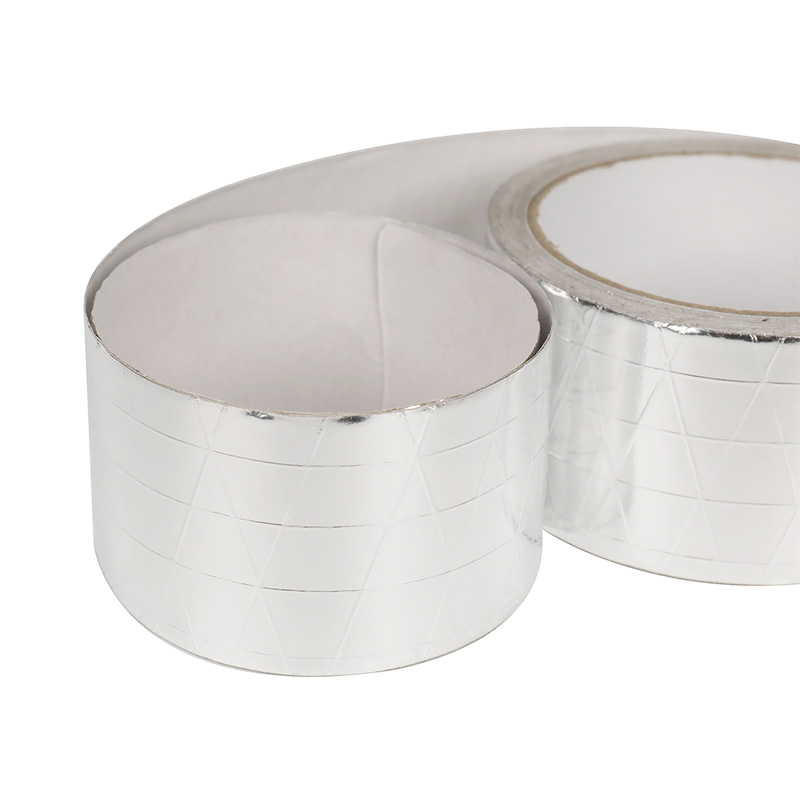 Waterproof Aluminum Foil TapeWaterproof aluminum foil tape is a special material that combines the high reflectivity and corrosion resistance of aluminum foil with the high viscosity of tape. It u...View Product →
Insulation Jacketing, Vapor Sealing, and Repair Work
On pipe and duct insulation, the tape is not holding the insulation up. It is closing the vapor barrier, and that raises the requirement: every seam has to be sealed continuously, with 50 mm overlaps, and the tape has to follow the jacket without lifting at the laps. Acrylic foil tape is standard here because it survives the condensation cycle and the UV that reaches roof-level duct runs.
Repairs: what foil tape fixes and what it does not
- Dryer vent and exhaust hose patching is a good fit; the tape handles the flexing and the mild heat.
- A wrap on a weeping pipe joint is a stopgap, not a repair. Tape will not hold back pressurized water, so fix the joint rather than taping it and forgetting it.
- Tank and water heater blankets are common uses, but keep the tape clear of the flue and burner area, where service temperatures exceed what any adhesive survives.
Temperature rating is the number to check. Rubber-resin foil tapes commonly top out near 70 to 90 °C, while acrylic systems are typically rated to 150 °C continuous, with higher short-term excursions.
Heat Reflection, Shielding, and High-Temperature Masking
Because foil reflects most radiant heat and stays intact at temperatures that destroy paper or cloth tape, it appears wherever the goal is to throw heat back rather than bond two parts together.
- Radiant barrier repair: patching tears in attic foil and taping seams of reflective insulation.
- Heat shielding: protecting wiring, hoses, and plastic parts near exhaust or boiler surfaces.
- Masking for soldering and welding: the foil takes the localized heat and peels without charring the substrate.
- Masking for coating operations: foil shields threads, bores, and contact faces where paper tape would leave fiber. For powder coating, a silicone-paper or polyester masking tape usually releases more cleanly.
For electrical and EMI work, one limitation matters. Standard acrylic adhesive is an insulator, so foil wrapped around a cable bundle shields radiated noise but will not carry a ground fault. If continuity is required, order a conductive-adhesive foil tape or bond the foil mechanically.
Acrylic or Rubber Adhesive: Match the Chemistry to the Job
Two rolls with identical foil can behave completely differently, because the adhesive carries most of the performance. The table below is the short version of that conversation.
| Property | Acrylic adhesive | Rubber-resin adhesive |
|---|---|---|
| Initial tack | Moderate | High and immediate |
| Continuous service temperature | About -30 to 150 °C | About 70 to 90 °C |
| UV and aging | Stable for years outdoors | Softens and discolors faster |
| Cold-weather application | Needs roughly 5 to 10 °C to wet out | Bonds well below freezing |
| Cost | Higher | Lower |
| Best fit | Permanent duct and insulation sealing | Fast repairs and cold sites |
The adhesive layer is also something a tape manufacturer can control at the source rather than buy in, since coating weight and the peel-to-shear balance can be tuned for a specific backing. Anyone comparing similar samples, how adhesion behaves across different environments is worth understanding, because the same test run at 5 °C and at 40 °C tells two different stories.
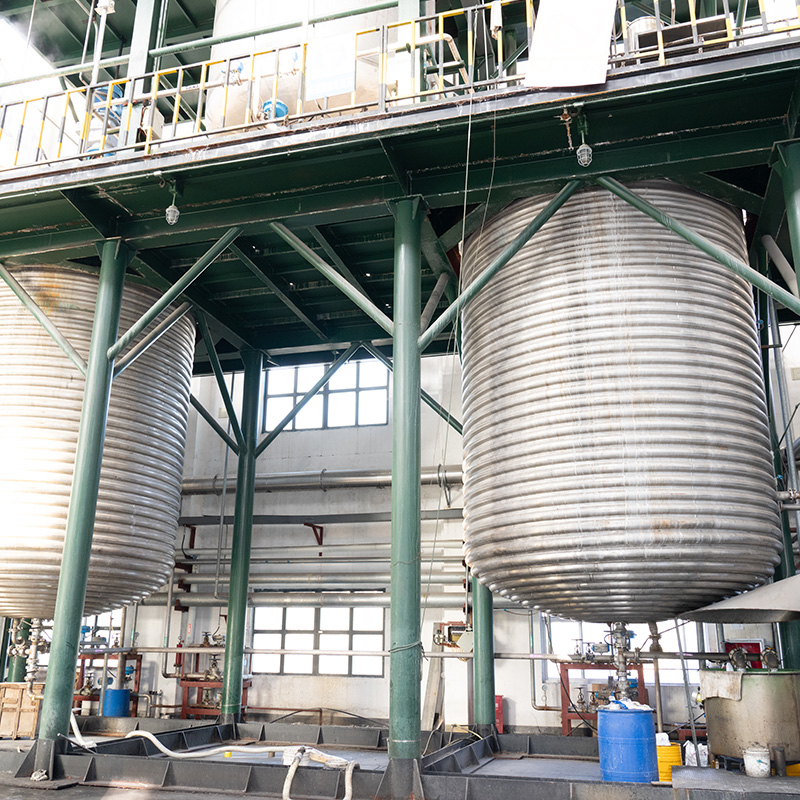 Water Based Acrylate GlueWater-based acrylic adhesive is a water-based environmentally friendly material made from acrylic acid and its copolymers, with water as the solvent. Water-based acryl...View Product →
Six Failure Patterns Worth Checking Before You Order
- Cold application: below about 5 °C the adhesive cannot wet out, and the edges lift within days. Use rubber-based foil or warm the surface.
- Contaminated substrate: dust, silicone overspray, and oil cut bond strength sharply. Clean, dry, then apply.
- Bridging a moving joint: foil has no elasticity, so flexing cracks the seal. Use a butyl or mastic product where joints move.
- Contact with copper or stainless steel in wet conditions: aluminum is anodic to both, and moisture at the cut edge can drive galvanic corrosion.
- Expecting electrical continuity from a standard roll: acrylic adhesive insulates. Continuity needs a conductive grade or a mechanical bond.
- Under-specification: buying by product name alone often delivers thinner foil that tears at the roll edge and springs back instead of dead-folding.
What to Put on the Purchase Order
The specification that prevents surprises has seven lines:
- Backing and total thickness with a tolerance, for example 40 micron foil and 1.5 to 3 mil total, plus or minus 10 percent.
- Adhesive type and coating weight: acrylic, rubber-resin, or conductive acrylic.
- Continuous service temperature range, not only a peak number.
- Listing: UL 181B-FX or UL 181A-P if the tape touches ductwork.
- Roll dimensions: width with tolerance (typically plus or minus 1 mm on slit rolls), length, and core diameter.
- Liner and release characteristics at the line speed you actually run.
- Packaging and shelf life; a warehouse that stays above 30 °C shortens storage life noticeably.
Procurement risk in this category is rarely a missing certificate; it is two suppliers quoting the same nominal thickness with foils of different temper, so one tape dead-folds and the other springs back. Ask for a sample roll and test it on your own surface before the container ships.
Buying Aluminum Foil Tape at Manufacturer Level
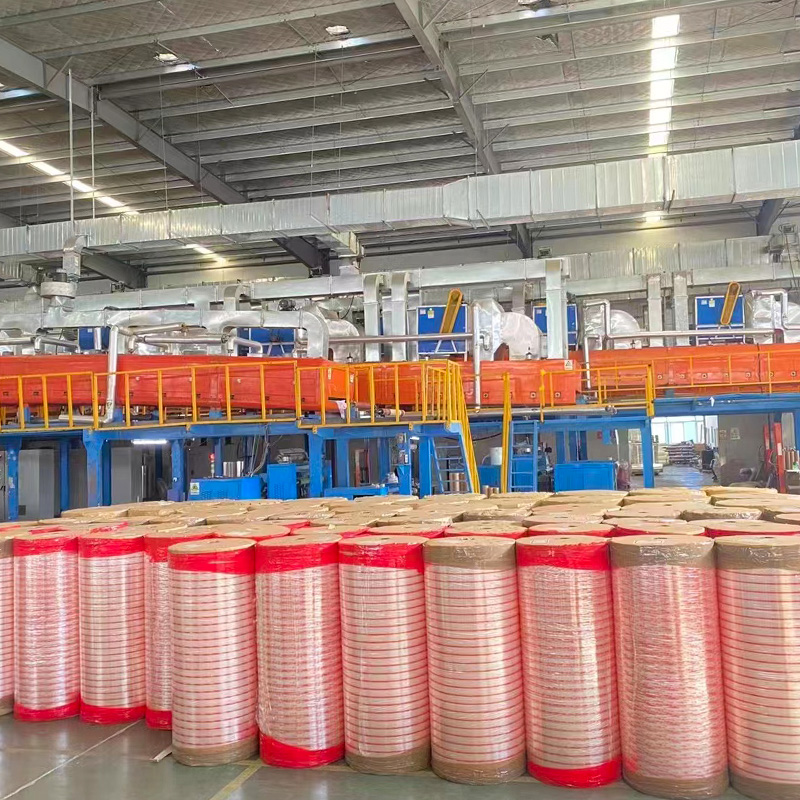
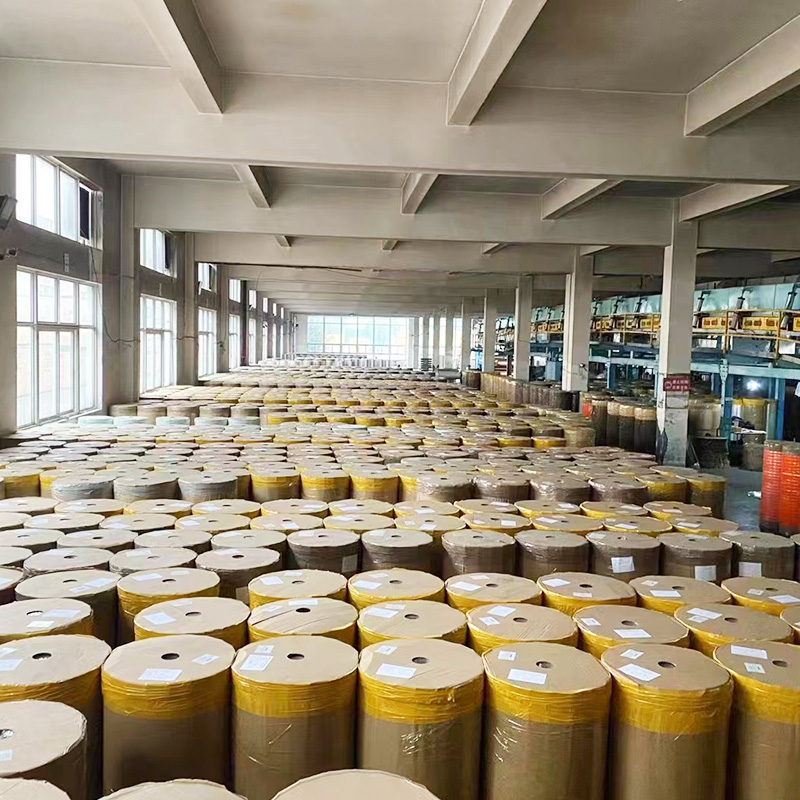
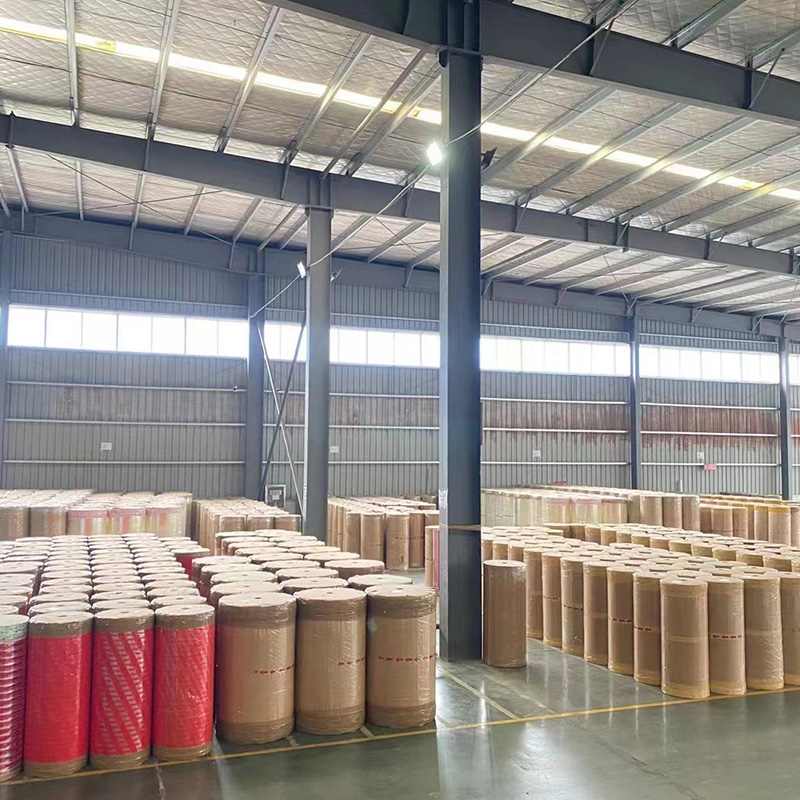
Zhejiang Baiyi Adhesive Products Co., Ltd. has produced tapes since 2005 and reports annual sales above USD 60 million. Its factory sits in Shangyu, Zhejiang, about an hour from Ningbo port, and a Yiwu warehouse has handled consolidation for export orders since 2008. Production is vertically integrated: four BOPP film lines, an in-house glue workshop, sixteen coating lines, and twelve slitting machines, so foil tape can be coated and slit to a customer's width instead of trimmed from standard stock.
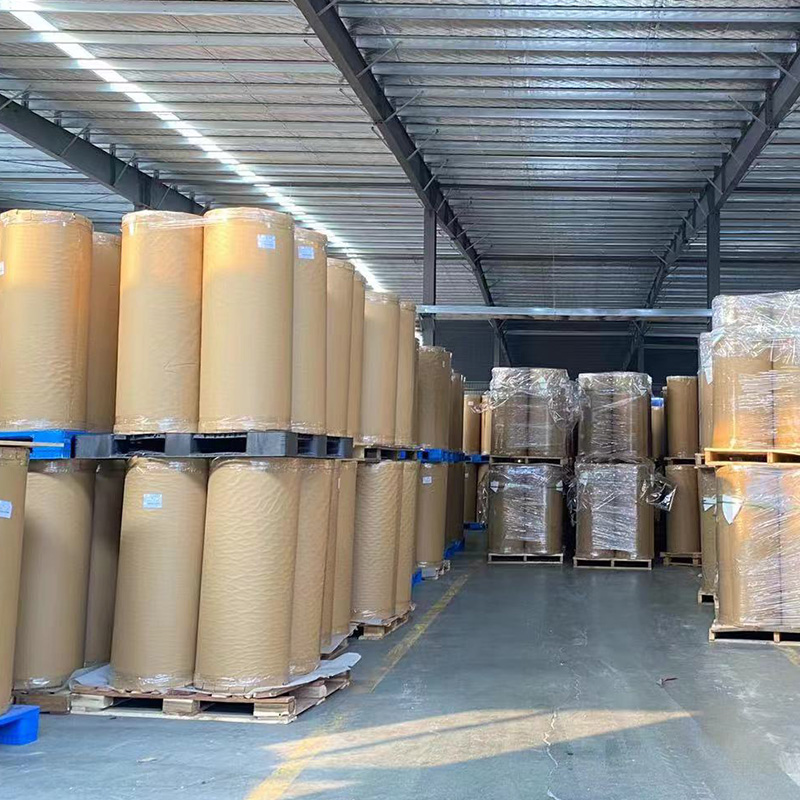
For distributors and converters, that opens a second route: buy aluminum foil tape jumbo rolls, slit locally, and control your own finished widths and packaging. Finished rolls and jumbo rolls come off the same coating operation, which keeps the adhesive specification consistent between the two.
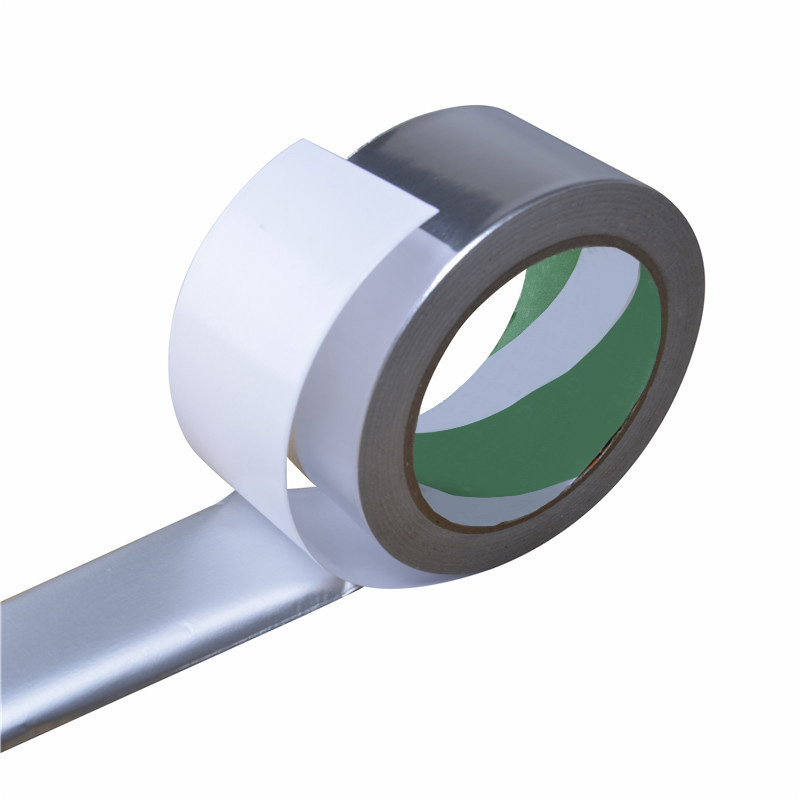 Aluminum Foil Tape Jumbo RollAluminum foil tape roll is a tape product that uses aluminum foil as the base material and is coated with acrylic pressure-sensitive adhesive on the surface. The produ...View Product →
If you are working to a specific listing, temperature rating, or width tolerance, send the specification sheet rather than a product name. Contact the team with your target thickness, adhesive, and annual volume, and it is straightforward to confirm whether the run is a stock item or a custom coating.
Aluminum tape uses are narrower than the label suggests, and that is useful. Seal ductwork and vapor barriers with an acrylic foil tape, reflect heat and shield surfaces where the foil itself does the work, and treat every other job as a repair with a defined lifetime. Match the adhesive to the temperature and the surface first, then settle the foil thickness and the listing. Tape that stays put for ten years costs a little more per roll than tape that lifts in one season, and there is very little in between.

-
 +86-575-82818961
+86-15906537907 -
 fortuna@baiyiadhesive.com
-
 Baiguan industrialZone,Shangyu District, Shaoxing City, Zhejiang Province, China
About Us
To provide effective services to customers is
the direction of our work and work and the yardstick of value evaluation.
To achieve customers is to achieve ourselves.



Product Links
Contact Us
Copyright © Zhejiang Baiyi Adhesive Products Co., Ltd. All Rights
Reserved.
Wholesale Tape Manufacturer
Custom Tape Supplier
 浙ICP备17032394号