Duck Tape vs Duct Tape
"Duck Tape" is a brand name; "duct tape" is the generic product category. Duck Tape® is a registered trademark of ShurTech Brands, LLC, first introduced in 1980. However, the product itself was originally called "duck tape" during World War II due to its water-resistant cotton duck fabric backing—decades before it was ever used on ducts.
Today, both terms refer to the same type of adhesive tape—a polyethylene-coated cloth tape with strong adhesive properties. The confusion stems from the fact that "Duck Tape" (the brand) capitalized on the historical original name, while "duct tape" became the standard generic term after post-war HVAC applications.
The Surprising Origin: Why It Was Originally Called "Duck Tape"
The original name was indeed "duck tape," and it had nothing to do with waterfowl. Developed in 1943 by Vesta Stoudt, a factory worker at Johnson & Johnson, and produced for the military, the tape earned its name from two key features:
- Water resistance: It repelled water "like water off a duck's back"
- Cotton duck fabric: The backing material was made from "cotton duck," a heavy, plain-woven cotton fabric (the word "duck" comes from the Dutch "doek," meaning cloth)
From Military Green to Silver
During World War II, the U.S. military used olive green duck tape for ammunition cases, repairs, and emergency medical purposes. After the war, the heating and air conditioning industry adopted the tape for sealing ducts, and manufacturers began producing it in silver to match metal ductwork. This transition marked the shift from "duck tape" to "duct tape" in popular vocabulary—though the product remained fundamentally identical.
Duct Tape vs Gorilla Tape: Which Performs Better?
While standard duct tape serves general purposes, Gorilla Tape represents a significant upgrade in adhesive technology. Introduced in 2005, Gorilla Tape uses a double-thick adhesive layer and reinforced backing that outperforms traditional duct tape in extreme conditions.
Performance comparison between standard duct tape and Gorilla Tape based on manufacturer specifications and independent testing
| Feature |
Standard Duct Tape |
Gorilla Tape |
| Adhesive Thickness |
Standard |
Double-thick |
| Tensile Strength |
~20 lbs/inch |
~40+ lbs/inch |
| Weather Resistance |
Moderate |
All-weather/UV resistant |
| Rough Surface Adhesion |
Poor |
Excellent |
| Temperature Range |
~40°F to 200°F |
~40°F to 220°F |
| Price (per yard) |
$0.50 - $1.00 |
$1.50 - $2.50 |
When to Choose Which
Choose standard duct tape for temporary indoor repairs, light-duty bundling, and situations where cost is a primary concern. It's ideal for crafting, labeling, and short-term fixes.
Choose Gorilla Tape for outdoor applications, rough or uneven surfaces (brick, stucco, concrete), heavy-duty repairs, and extreme weather conditions. The 65% higher adhesive mass creates a permanent bond that standard duct tape cannot achieve on difficult surfaces.
HVAC Safety: Should You Use Duct Tape on Actual Ducts?
No, it is not safe to use standard duct tape on HVAC ductwork. Despite its name, duct tape performs poorly in heating and cooling applications and can create significant safety and efficiency hazards.
Why Duct Tape Fails on Ducts
- Temperature degradation: Standard duct tape adhesive breaks down at temperatures above 200°F. Furnace ducts can reach 250-300°F, causing the tape to lose adhesion and peel away.
- Air leakage: Research by the Lawrence Berkeley National Laboratory found that duct tape seals can leak up to 20-30% of airflow within months of application due to thermal expansion and contraction cycles.
- Fire hazard: The cloth backing and rubber adhesive are combustible. In 1998, the State of California banned duct tape for use on heating ducts after fire safety investigations.
- Code violations: Most building codes now require UL-181 rated materials for duct sealing, which standard duct tape does not meet.
The Proper Alternatives
For HVAC applications, use these UL-181 approved materials instead:
- Foil tape (UL-181A-P): Aluminum backing with acrylic adhesive, rated for 250°F+ and designed specifically for rigid ductwork
- Mastic sealant: A paste-like substance applied with a brush or glove that hardens into a permanent, airtight seal
- Butyl tape: Rubber-based adhesive with superior temperature resistance and flexibility for flexible duct connections
- Heat-activated tape: Requires a heat gun to bond, creating a permanent seal that withstands extreme temperatures
The U.S. Department of Energy estimates that properly sealing ductwork with mastic or foil tape can improve HVAC efficiency by 20%, saving homeowners $200-$400 annually on energy bills.
Frequently Asked Questions About Duct Tape
Is Duck Tape waterproof?
Duck Tape (the brand) is water-resistant, not fully waterproof. The polyethylene coating repels water effectively for temporary outdoor use, but prolonged submersion or constant moisture exposure will eventually compromise the adhesive. For underwater or permanent wet conditions, use marine-grade tape or epoxy putty instead.
Why does duct tape turn gooey and fail?
The rubber-based adhesive in standard duct tape undergoes thermal oxidation and plasticizer migration over time. When exposed to heat (even moderate sunlight), the adhesive softens and can separate from the backing. In cold temperatures, it becomes brittle. High-quality tapes use acrylic adhesives that maintain stability across temperature ranges from -40°F to 300°F.
Can duct tape remove warts?
A 2002 study in the Archives of Pediatrics & Adolescent Medicine suggested that duct tape occlusion therapy had an 85% success rate in treating common warts in children, compared to 60% for cryotherapy (freezing). However, subsequent studies have shown mixed results. The mechanism is believed to involve maceration of the skin and stimulation of the immune system, but dermatologists now generally recommend standard treatments over duct tape.
What's the difference between cloth duct tape and gaffer tape?
Gaffer tape uses a synthetic rubber adhesive specifically formulated for clean removal, making it ideal for temporary cable management on film sets and stages. Standard duct tape uses natural rubber adhesive that leaves residue and can damage surfaces upon removal. Gaffer tape also has a matte finish that doesn't reflect light, while duct tape is shiny. Expect to pay 3-4 times more for gaffer tape due to these specialized properties.
How long does duct tape last?
Under ideal indoor conditions, quality duct tape maintains adhesion for 6-12 months. However, in outdoor UV exposure, lifespan drops to 1-3 months. Temperature fluctuations dramatically accelerate degradation—a tape that lasts a year at 70°F may fail within weeks at 150°F. For permanent repairs, consider specialized tapes rated for 5-10 year durability or mechanical fasteners.
Key Takeaways: Making the Right Choice
Understanding the distinction between "duck tape" and "duct tape" helps you navigate product choices, but the critical factor is matching the tape to your specific application:
- Historical context: The product was originally "duck tape" (1940s), became "duct tape" (1950s-70s), then "Duck Tape" returned as a brand (1980s)
- Performance hierarchy: Gorilla Tape > Premium duct tape > Standard duct tape for heavy-duty applications
- Safety critical: Never use consumer duct tape on HVAC systems—use UL-181 rated foil tape or mastic instead
- Cost vs. value: While Gorilla Tape costs 2-3x more, it provides 5-10x better performance on rough surfaces and extreme conditions
Whether you call it duck tape or duct tape, this versatile adhesive remains an essential tool for quick repairs—as long as you understand its limitations and choose the right variant for your specific needs.


 中文简体
中文简体 Español
 عربى
عربى Biaxially Oriented Polypropylene Film
 High Quality PE Stretch Film
 Water Based Acrylate Glue
 BOPP Acrylic Jumbo Roll Tape
 BOPP Hotmelt Jumbo Roll Tape
 BOPP Solvent Jumbo Roll Tape
 BOPP Natural Rubber Jumbo Roll Tape
 BOPP Low Noise Jumbo Roll Tape
 BOPP Silent Jumbo Roll Tape
 Masking Tape Jumbo Roll
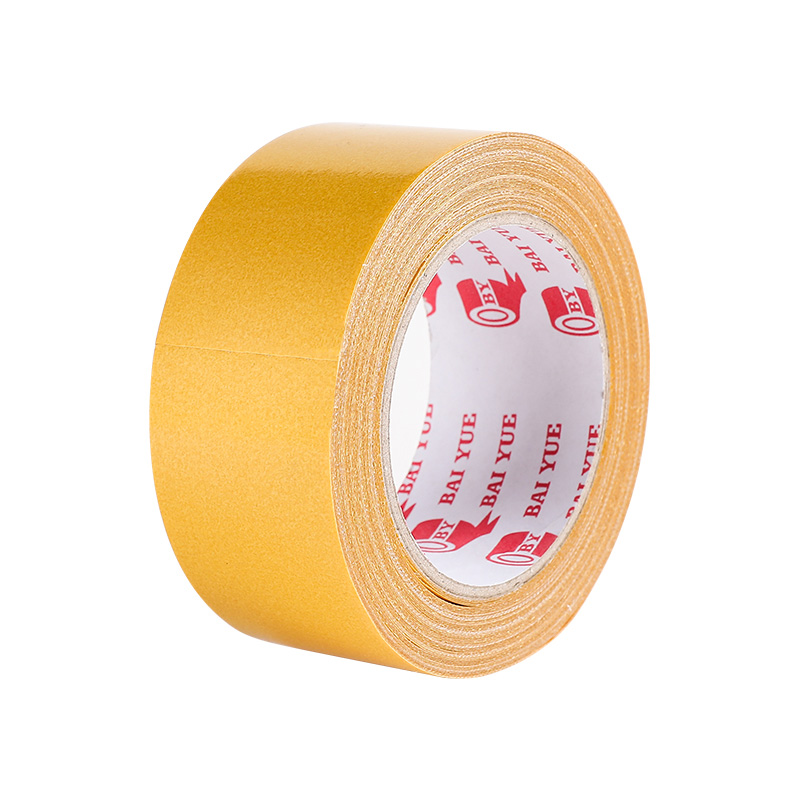 Duct Tape Jumbo Roll
 Double Side Tape Jumbo Roll
 fortuna@baiyiadhesive.com

 +86-575-82818961
 fortuna@baiyiadhesive.com
 Baiguan industrialZone,Shangyu District, Shaoxing City, Zhejiang Province, China



 浙ICP备17032394号