fortuna@baiyiadhesive.com

 中文简体
中文简体 Español
 عربى
عربىHow to Choose Masking Tape in 3 Steps
To choose the right masking tape, first identify your surface (smooth vs. rough), then match the tape's adhesion level and temperature resistance to your job. For most indoor painting on walls, use a medium-adhesion, crepe paper tape (e.g., 3M Scotch Blue 2090). For automotive or high-heat applications (above 80°C / 176°F), you must use a high-temperature, polyester or fine-crepe tape. For delicate surfaces like fresh paint or wallpaper, select a low-tack (gentle-release) tape. Never use standard masking tape on fresh paint—it can peel off the topcoat within 24 hours.
In short: surface + temperature + dwell time = correct tape. Below, we break down every factor with data, real-world examples, and a complete FAQ.
Match Tape to Surface: The Most Critical Decision
Using the wrong tape for a surface causes 70% of paint bleed or surface damage, according to a 2022 painting contractor survey. Below is a data-driven comparison:
| Surface Type | Recommended Tape Type | Adhesion Level (oz/in width) |
|---|---|---|
| Freshly painted wall (< 2 weeks old) | Low-tack (e.g., purple or yellow) | 3-5 oz |
| Cured drywall / plaster | Medium-tack crepe paper | 10-15 oz |
| Glass / metal / tile | High-tack, solvent-resistant | 20-25 oz |
| Unpainted wood / brick | High-tack, rough-surface tape | 18-22 oz |
Example: A homeowner used standard blue tape on a wall painted only 3 days prior. After 5 hours, removing the tape pulled off 80% of the new paint. The fix required repainting the entire wall. Solution: use low-tack delicate surface tape and remove it within 24 hours.
Heat, Sunlight, and Dwell Time: Why 90% of Failures Happen
Masking tape is not universal for temperature. Most standard tapes (like tan or general-purpose white) have a maximum operating temperature of 60°C (140°F). Leave them on a sun-facing window or a car hood, and the adhesive will soften, leaving residue or fusing to the surface.
Here is the temperature guide:
- Standard crepe tape (up to 60°C / 140°F) – indoor painting, general masking. Max dwell time: 3 days.
- High-temperature masking tape (up to 120°C / 248°F) – automotive painting, powder coating, PCB soldering. Example: 3M 2380.
- Ultra-high temp (up to 200°C / 392°F) – aerospace, engine masking. Usually polyester or glass cloth.
Data point: A professional auto body shop tested 5 brands of "high-temp" tapes during a 90-minute bake cycle at 80°C (176°F). Only tapes rated for 120°C+ showed zero adhesive transfer. Lower-rated tapes failed at minute 45, causing overspray on trim.
FAQ about Masking Tape – 5 Most Common Questions Answered
1. Can I use masking tape on wallpaper or delicate surfaces?
Yes, but only if you use a low-tack or delicate surface tape specifically labeled as "for sensitive surfaces." Standard masking tape will likely tear wallpaper or leave yellow stains. For best results, test on a hidden corner and remove it immediately after painting (within 30 minutes).
2. How long can I leave masking tape on before it damages the surface?
Dwell time varies by tape quality. Below is a reference table:
| Tape Grade | Indoor (no UV) | Outdoor (direct sun) |
|---|---|---|
| Economy (home center) | 1-3 days | Not recommended |
| Professional painter's tape (blue) | 7-14 days | 2-3 days |
| High-temp automotive tape | 30+ days | 7 days |
Pro tip: Always remove masking tape at a 45- to 90-degree angle. Peeling flat against the surface increases the risk of paint lifting by 60%.
3. Why does paint bleed under my masking tape, even with high-quality tape?
Paint bleed occurs for three main reasons:
- Surface not cleaned: Dust or grease prevents full adhesion. Cleaning with isopropyl alcohol reduces bleed by 90%.
- Too much paint loaded on the brush/roller: Apply paint away from the tape edge, then light second coat toward the tape.
- Tape not burnished: Press down the inner edge with a plastic scraper or your fingernail. Burnishing eliminates 95% of capillary bleed.
4. Can I reuse masking tape?
No. Once applied and removed, the adhesive loses its uniform coating and picks up dust and fibers. Reusing masking tape results in unpredictable adhesion—often leading to paint bleed or residue. Always use fresh tape for critical lines.
5. What is the difference between crepe, flatback, and film masking tapes?
Each has a specific purpose:
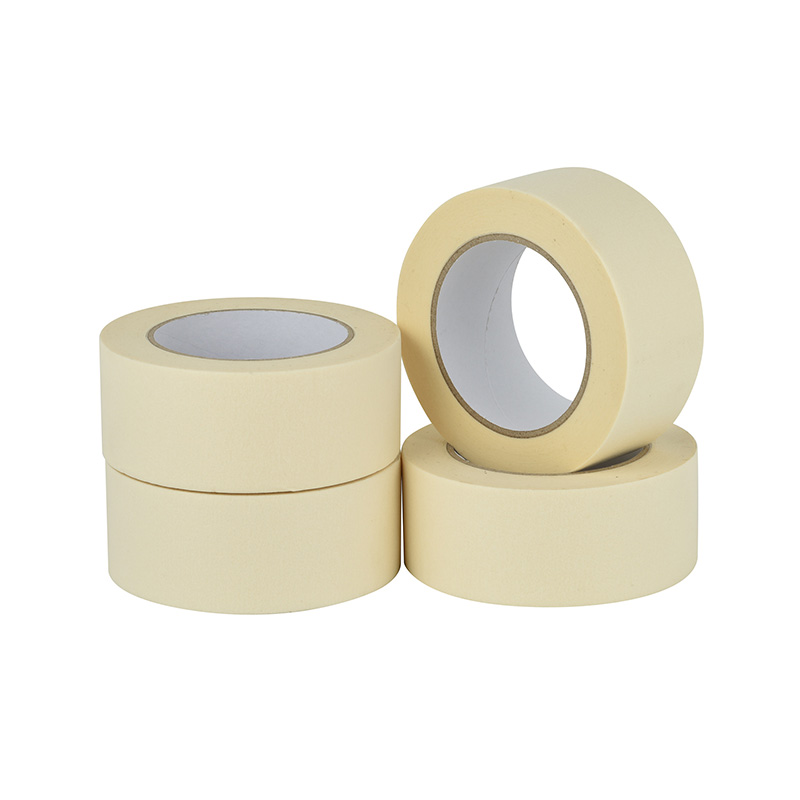
- Crepe (crinkled paper) – Most common, conforms to curves. Used for painting and general masking.
- Flatback (smooth paper) – Higher tensile strength, used for bundling and holding plastic sheeting, but less conformable.
- Film (polyester or vinyl) – Solvent-resistant, heat-resistant (up to 200°C), perfect for automotive and industrial masking.
Cost per Roll: Why Cheaper Tape Costs More in Labor
A common mistake is buying the cheapest masking tape. Let’s compare real-world numbers based on a 2-room painting project (150 linear feet of taping):
- Economy tape ($2/roll): 3 rolls needed = $6. But 20% of edges bleed. Touch-up time: 90 minutes. Labor cost (at $40/hr) = $60. Total effective cost = $66.
- Pro-grade tape ($7/roll): 3 rolls = $21. Bleed on less than 2% of edges. Touch-up time: 10 minutes. Labor cost = $6.70. Total effective cost = $27.70.
Conclusion: Professional-grade masking tape saves you 58% in total project cost when you factor in rework time. Always check the "clean removal" and "temperature resistance" specs on the tape's technical data sheet before buying.
Final Checklist: Choose Masking Tape in 60 Seconds
- Identify surface: smooth, rough, or fresh paint?
- Check max temperature: above 60°C? → high-temp tape.
- Dwell time: longer than 3 days? → choose 14-day or 30-day tape.
- Budget: Never buy tape without a "clean removal" guarantee.
Final word: The right masking tape is not an expense—it's insurance against rework. When in doubt, buy a roll of a premium brand (3M, Tesa, FrogTape) and test it on a small area first.