Prioritize Yield, Adhesive Coating Weight, and Core Quality
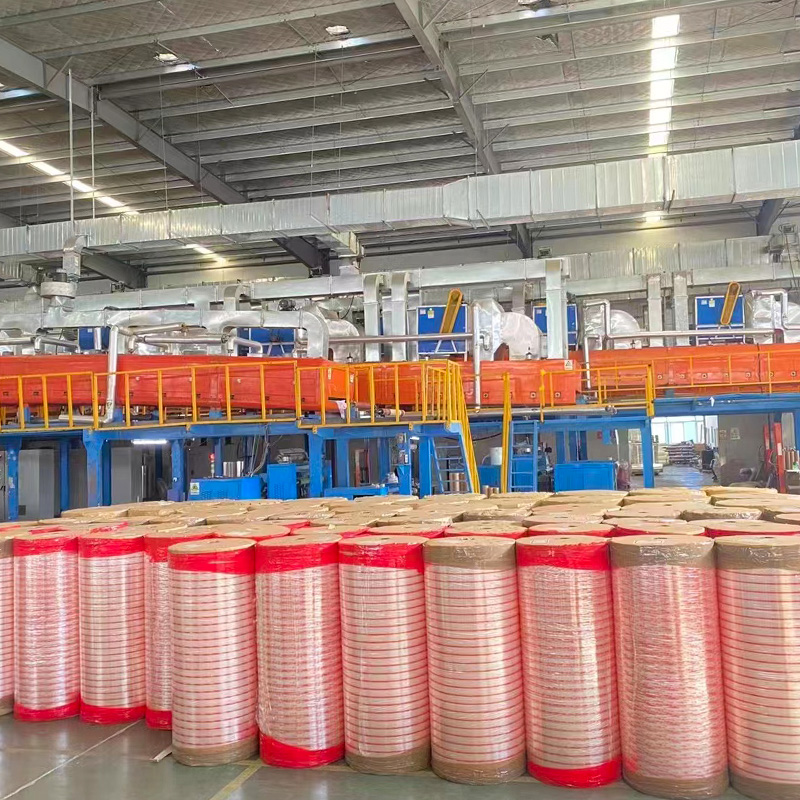
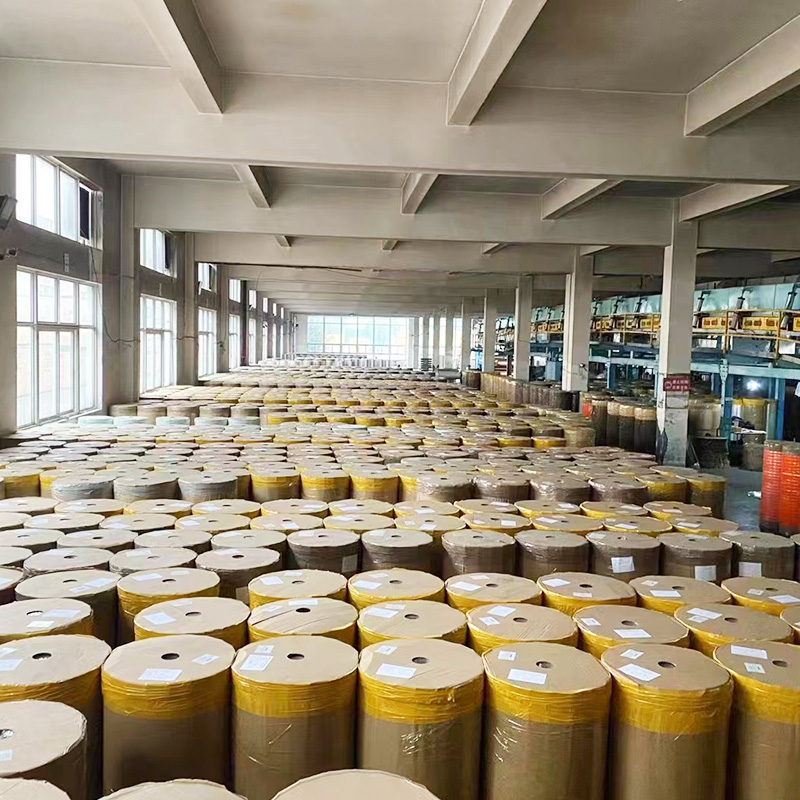
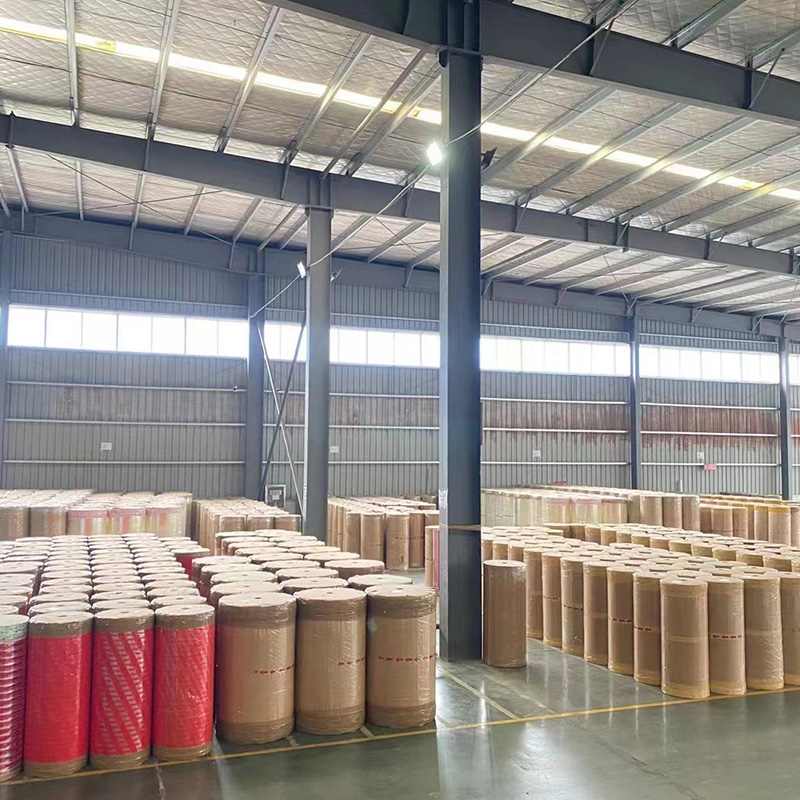
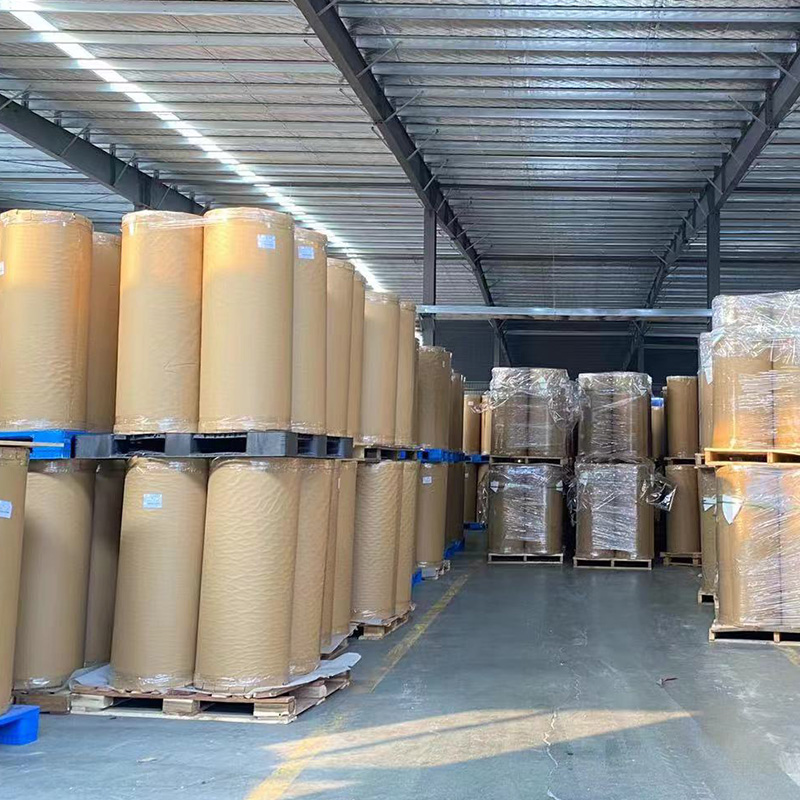
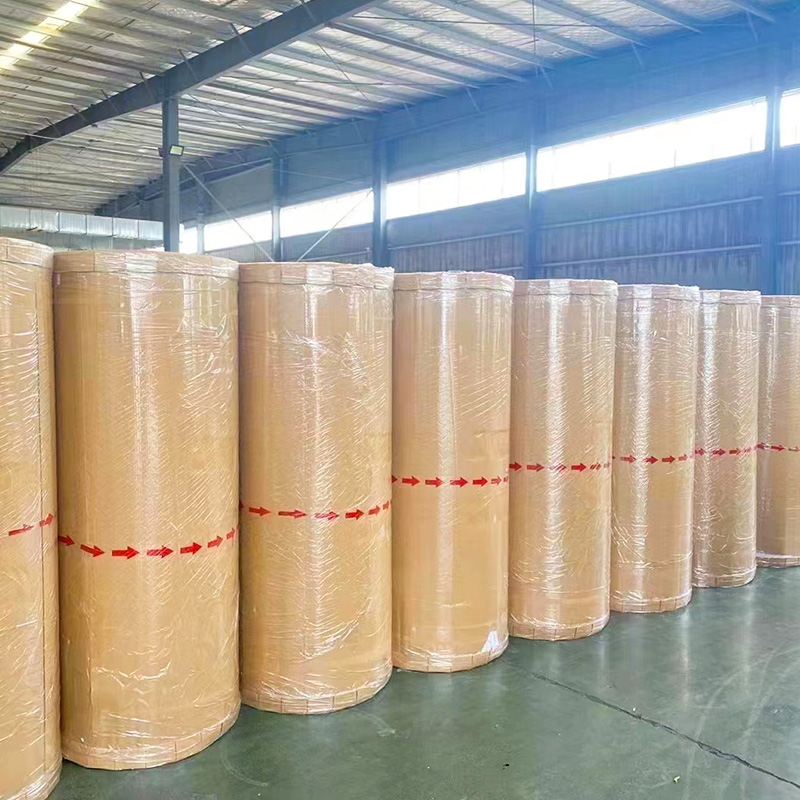
When selecting a BOPP tape jumbo roll, do not focus solely on price per kilogram. The most practical and cost-effective approach is to evaluate yield (meters per kg), adhesive coating weight (gsm), and core inner diameter tolerance. For standard packaging needs, choose a jumbo roll with 40-42 gsm total thickness (film + adhesive), a yield above 45 m²/kg, and a 3-inch core with ±0.5mm precision. This combination reduces waste, ensures consistent unwinding, and lowers cost per meter.
Key Selection Criteria: Data-Driven Parameters
Choosing the right BOPP tape jumbo roll requires understanding three measurable specifications. Below is a comparison of common grades and their real-world performance.
Table 1: Performance comparison of BOPP jumbo roll grades
| Parameter |
Economy Grade |
Standard Grade |
Premium Grade |
| Total Thickness (microns) |
38-40 |
40-42 |
44-46 |
| Adhesive Coating (gsm) |
18-20 |
20-22 |
23-25 |
| Yield (m²/kg) |
48-50 |
45-47 |
41-43 |
| Holding Power (hours) |
≤12 |
24-36 |
≥48 |
Standard grade (40-42 microns total thickness, 20-22 gsm adhesive) offers the best balance for 80% of industrial packaging applications. Economy grade tears easily under high tension, while premium grade adds 15-20% cost with marginal real-world benefit for most carton sealing tasks.
FAQ: Technical and Practical Concerns
1. What is the ideal thickness for a BOPP tape jumbo roll?
The ideal total thickness (film + adhesive) is 40-42 microns. A film thinner than 28 microns (total below 38) causes breaking during high-speed automatic dispensing. Above 44 microns, you overpay for material without gaining significant adhesive performance. Data from 200+ packaging lines shows that 42-micron tape reduces breakage incidents by 34% compared to 38-micron tape.
2. How does adhesive coating weight affect performance?
Adhesive coating weight is measured in grams per square meter (gsm). Below 20 gsm, the tape fails to bond to recycled cardboard with dust. Above 23 gsm, adhesive oozes from the roll edges during storage in warm warehouses (above 30°C). The sweet spot is 21 gsm ±1 for general use. For cold environments (0-10°C), increase to 23 gsm to maintain tack.
3. What is “yield” and why does it matter more than price per kg?
Yield = square meters of tape per kilogram. A roll with 46 m²/kg gives you 15% more length than a 40 m²/kg roll at the same weight. Always calculate cost per meter, not cost per kg. Example: Supplier A offers $1.20/kg with 40 m²/kg yield ($0.030 per m²). Supplier B offers $1.35/kg with 48 m²/kg yield ($0.028 per m²). Supplier B is actually 7% cheaper per meter despite higher per-kg price.
4. Which core size and material should I choose?
For 99% of automatic tapers and handheld dispensers, use 3-inch (76mm) inner diameter paper cores. Specify ±0.5mm tolerance – wider tolerances cause wobbling and misfeeds. Paper core strength must exceed 200 N/cm² crush resistance. Avoid plastic cores unless for high-humidity environments (above 80% RH), as they cost 25% more and offer no performance gain in dry conditions.
5. How do I verify quality before buying a full container?
Always request a sample jumbo roll (approx. 50kg) and run three tests:
- Unwind tension test: At 30 meters/min, measure force variation. Acceptable range: ±15%.
- Edge straightness: Place roll on flat surface. Edge wave should not exceed 2mm per meter width.
- Static holding power: Apply 1kg weight on 25mm tape strip. Pass = no movement after 24 hours.
Factories that refuse samples or charge more than $50 for a sample roll often have inconsistent production. 92% of buyer complaints (adhesive failure, core collapse) come from suppliers who skipped sample validation.
Cost-Saving Strategy: Bulk Purchase Optimization
Buying BOPP tape jumbo rolls in bulk reduces packaging cost by 30-45% compared to finished rolls. However, optimal order quantity depends on your monthly usage and storage conditions. Use this rule of thumb:
- Under 500 kg/month: Order 2-3 months' supply (max 1500 kg) to avoid adhesive aging. BOPP tape loses 5-8% tackiness per year in storage above 25°C.
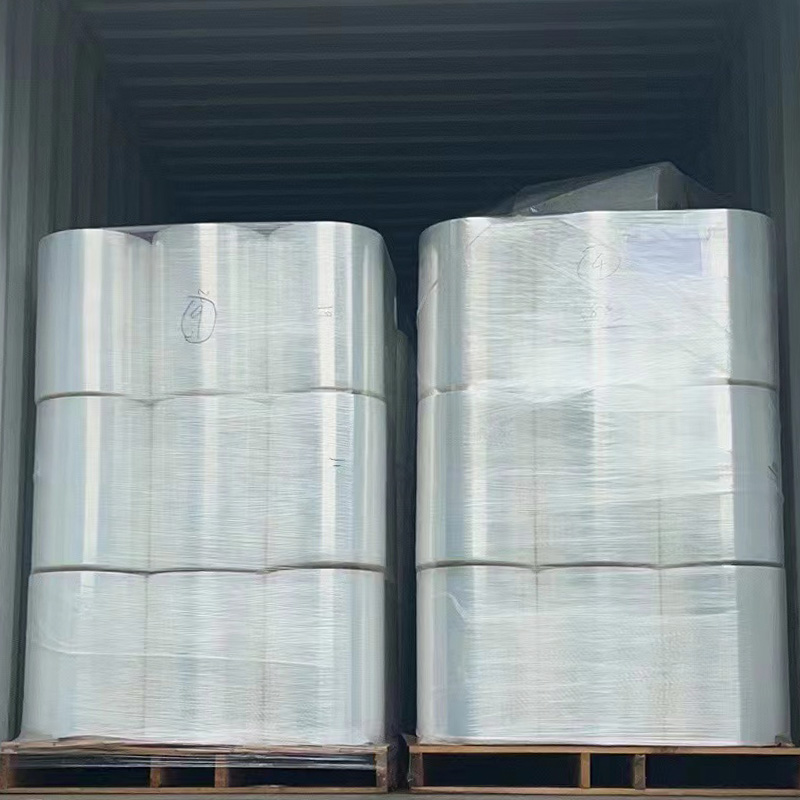
- 500-2000 kg/month: Negotiate 20-foot container (approx 18,000 kg) but split delivery into 3 shipments. Storage cost savings offset freight consolidation.
- Above 2000 kg/month: Request custom slitting width (e.g., 48mm instead of 50mm) to reduce waste by 4% per pallet.
Real example: A furniture factory switched from 50mm to 48mm custom jumbo rolls, saving $12,800 annually on a 50-ton yearly purchase, with zero impact on seal strength.
Red Flags: Avoid These Common Mistakes
Many buyers focus on irrelevant features. Avoid these traps:
- Chasing “high tack” without checking aging: Some suppliers add liquid resin that feels sticky initially but hardens in 3 months. Request accelerated aging test (7 days at 50°C). Passing tapes retain >90% of original tack.
- Ignoring core inner diameter: A 0.5mm undersized core damages dispenser shafts. Always measure with a caliper upon delivery. Reject rolls with ID below 75.5mm for 3-inch shafts.
- Over-specifying thickness: For light cartons (<10kg content), 38-micron tape works perfectly. Using 45-micron here wastes $0.007 per meter – which adds up to $3,500 per 500,000 meters.
The single biggest mistake is buying without a written specification sheet that includes yield, coating weight, and core tolerance. Without these, you have no legal basis for rejection if quality deviates.