

 中文简体
中文简体 Español
 عربى
عربى-
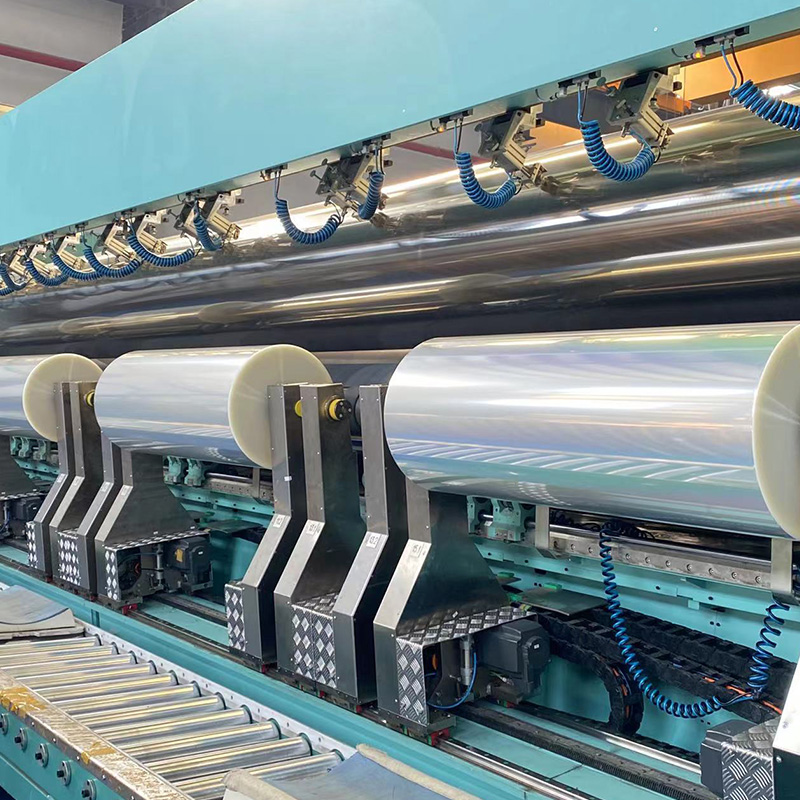 Biaxially Oriented Polypropylene Film
-
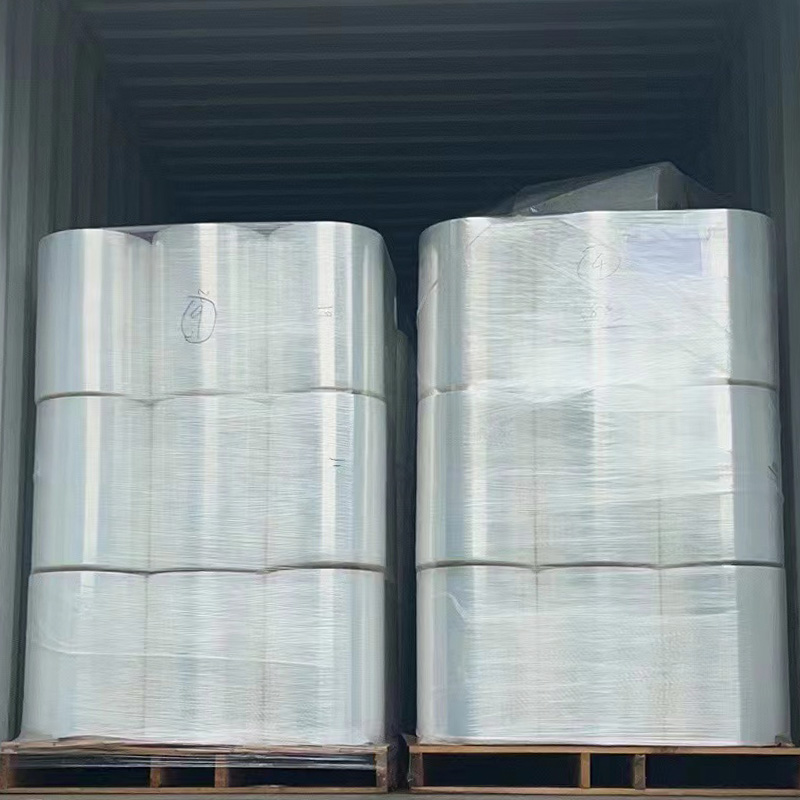 High Quality PE Stretch Film
-
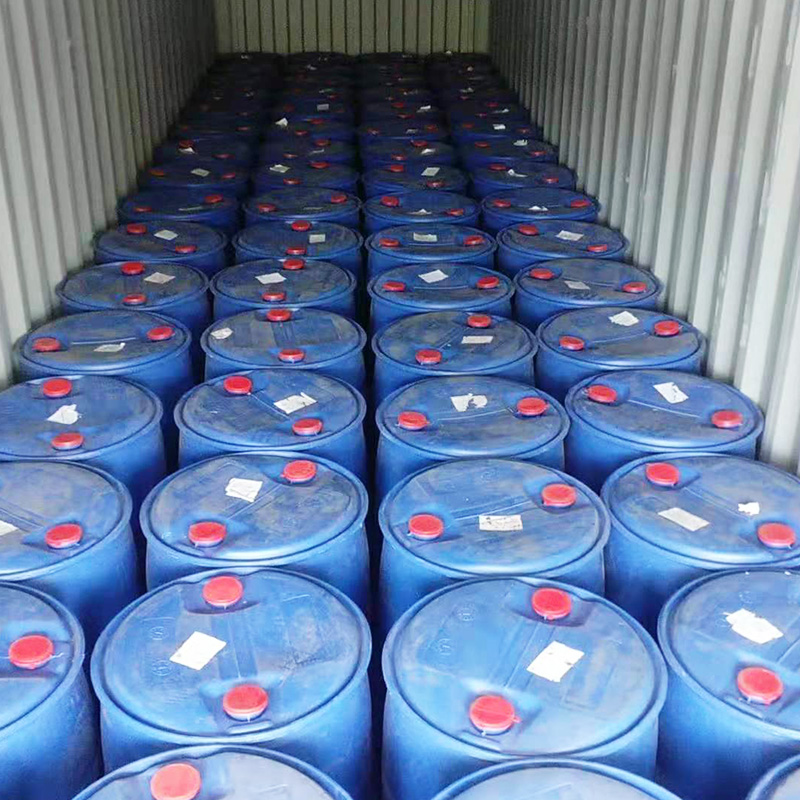 Water Based Acrylate Glue
-
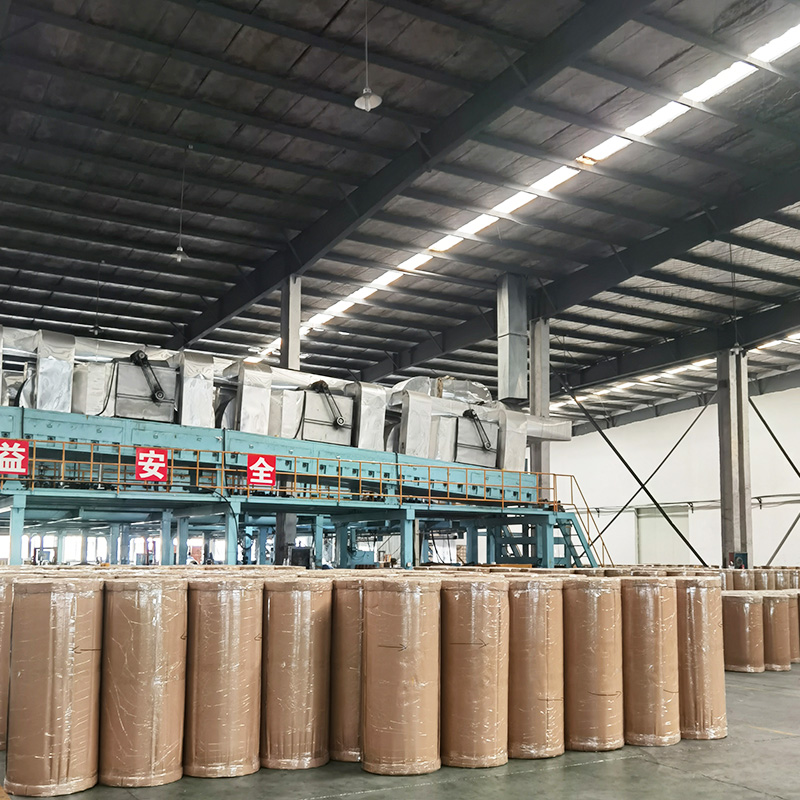 BOPP Acrylic Jumbo Roll Tape
-
 BOPP Hotmelt Jumbo Roll Tape
-
 BOPP Solvent Jumbo Roll Tape
-
 BOPP Natural Rubber Jumbo Roll Tape
-
 BOPP Low Noise Jumbo Roll Tape
-
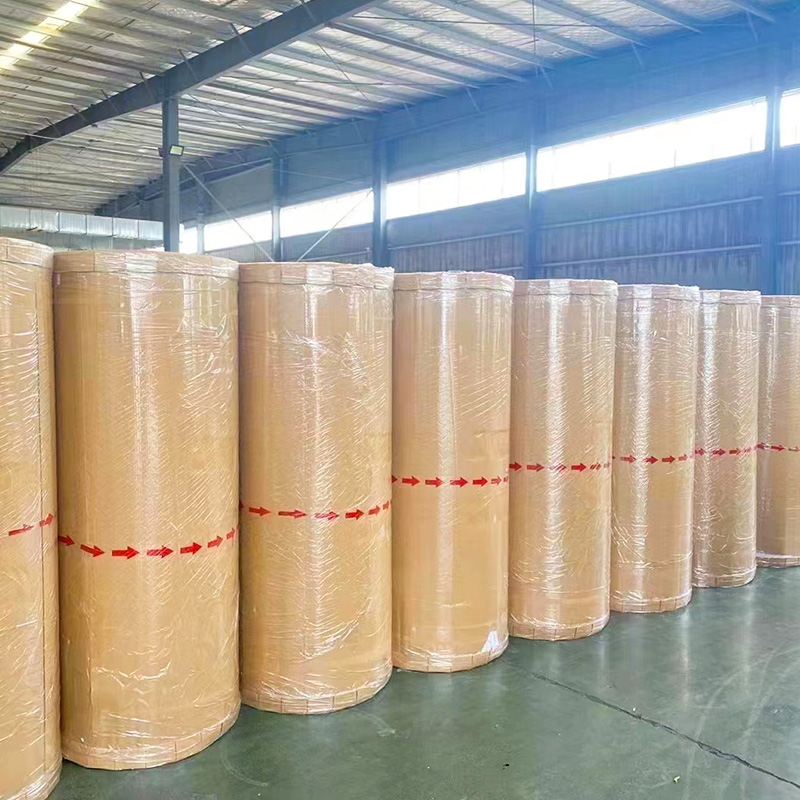 BOPP Silent Jumbo Roll Tape
-
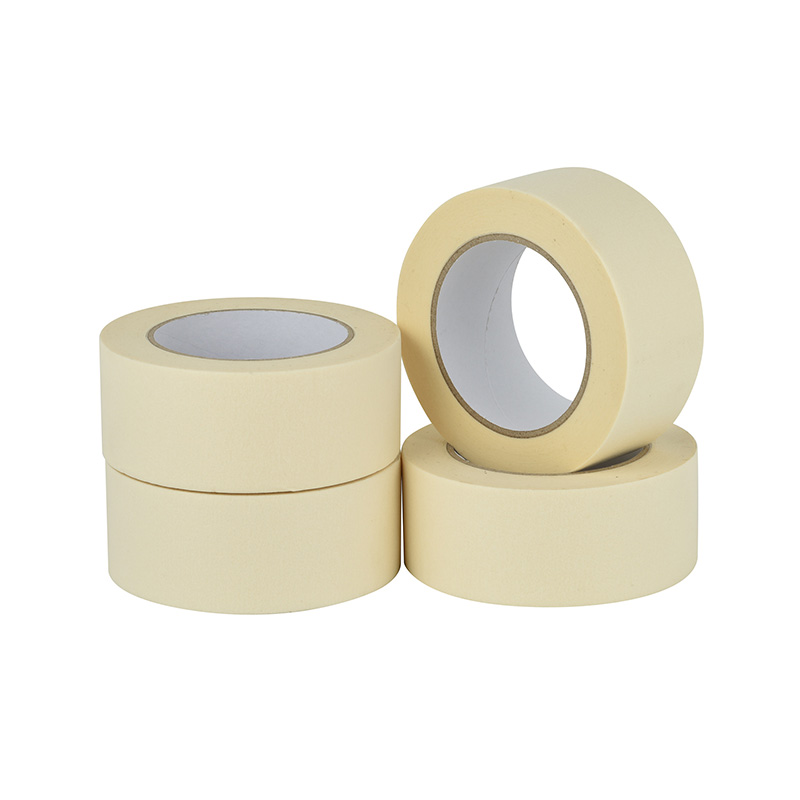 Masking Tape Jumbo Roll
-
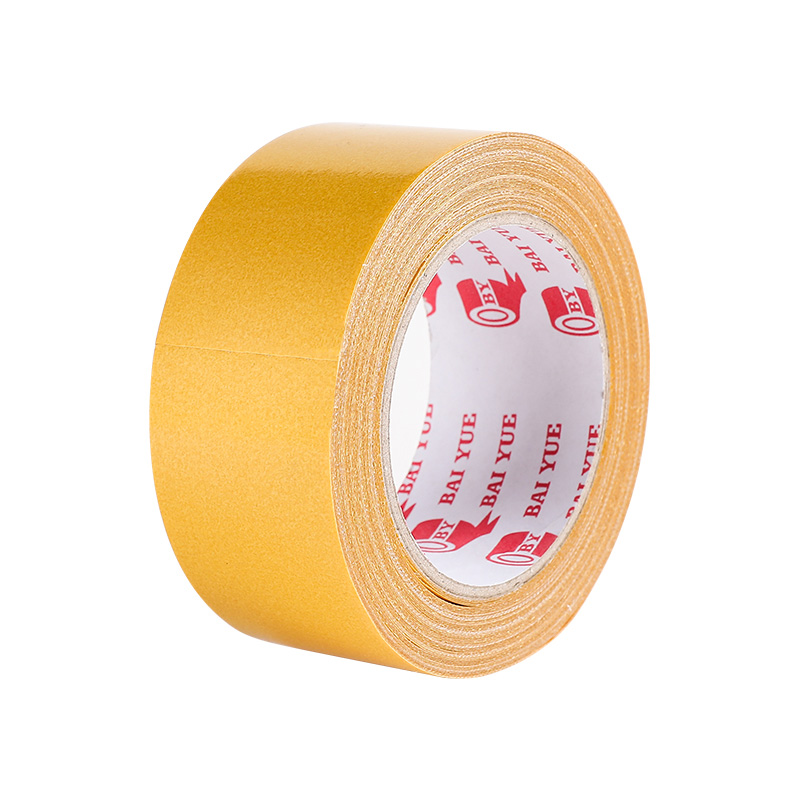 Duct Tape Jumbo Roll
-
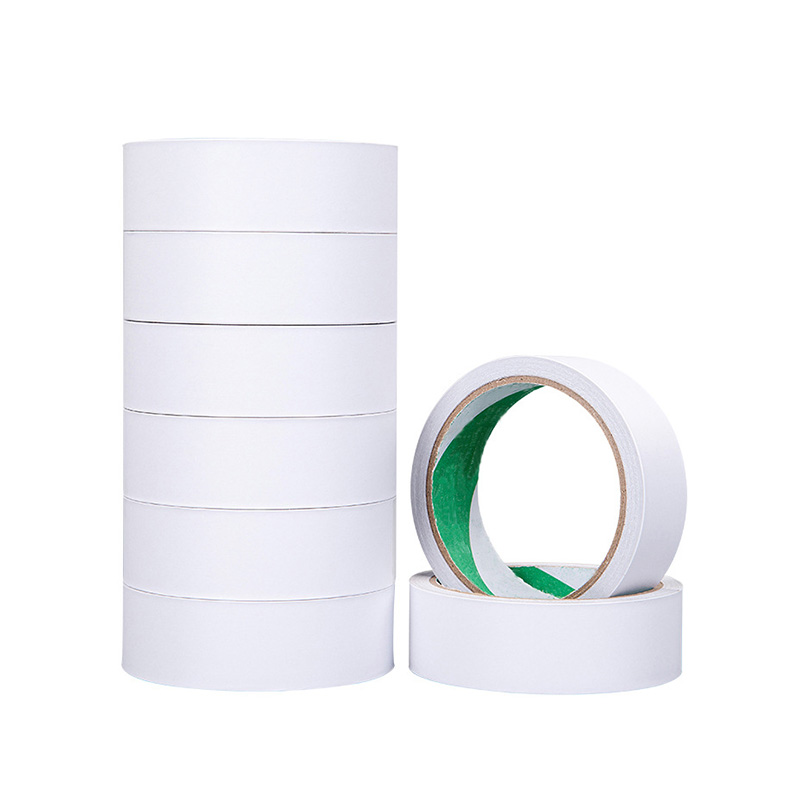 Double Side Tape Jumbo Roll
 fortuna@baiyiadhesive.com
How Does Tape Work? The Science of Pressure-Sensitive Adhesion and Bonding
Content
Every day, millions of cartons are sealed with BOPP packing tape in the same motion: press, wipe, move on. The tape holds for months, yet the identical roll can fail on a dusty shelf or a cold loading dock within minutes. That difference is not random. Tape works through pressure-sensitive adhesion, a bonding mechanism that depends on three forces: the adhesive's ability to flow into a surface, the molecular attraction between adhesive and substrate, and the internal strength of the adhesive itself. Once you understand those three forces, you can predict which tape will hold and which will peel away before the end of the shift.
What Makes a Pressure-Sensitive Adhesive Different?
A tape's sticky layer is not glue, and it is not cement. A pressure-sensitive adhesive (PSA) remains permanently tacky at room temperature and forms a bond the moment it contacts a substrate under light pressure. No water, no solvent, and no heat activation are required. That convenience is also its constraint: the same material must wet a surface almost instantly, attract the substrate molecules strongly enough to resist peeling, and then hold its own shape while the joint is under load.
Three measurable properties define how a PSA performs:
| Property | What It Measures | Practical Result |
|---|---|---|
| Tack | Initial grab on first contact | Determines whether tape sticks instantly |
| Peel adhesion | Force needed to pull the tape off at an angle | Determines holding power on the surface |
| Shear strength (cohesion) | Resistance to internal sliding under load | Determines whether tape stays in place or creeps |
The Three Stages of Tape Bonding
When you press tape onto a cardboard box, three events occur inside that first second:
- Flow and wetting. The PSA is a viscoelastic material — solid enough to keep its shape, yet soft enough to flow under pressure. Pressing forces the adhesive into microscopic valleys on the surface, expanding the true contact area.
- Molecular attraction. At atomic-scale contact distance, van der Waals forces between the adhesive and the substrate generate actual stickiness. Individually weak, these attractions add up to a strong bond across a large area.
- Internal strengthening. When pressure stops, the adhesive relaxes toward a more solid state, restoring its cohesion so the bond resists peeling and shearing instead of flowing apart.
If any of the three stages fails, the tape fails. Incomplete wetting is the most common culprit: on a rough or contaminated surface, the contact area shrinks, the number of molecular attractions collapses, and only a weak mechanical grip remains.
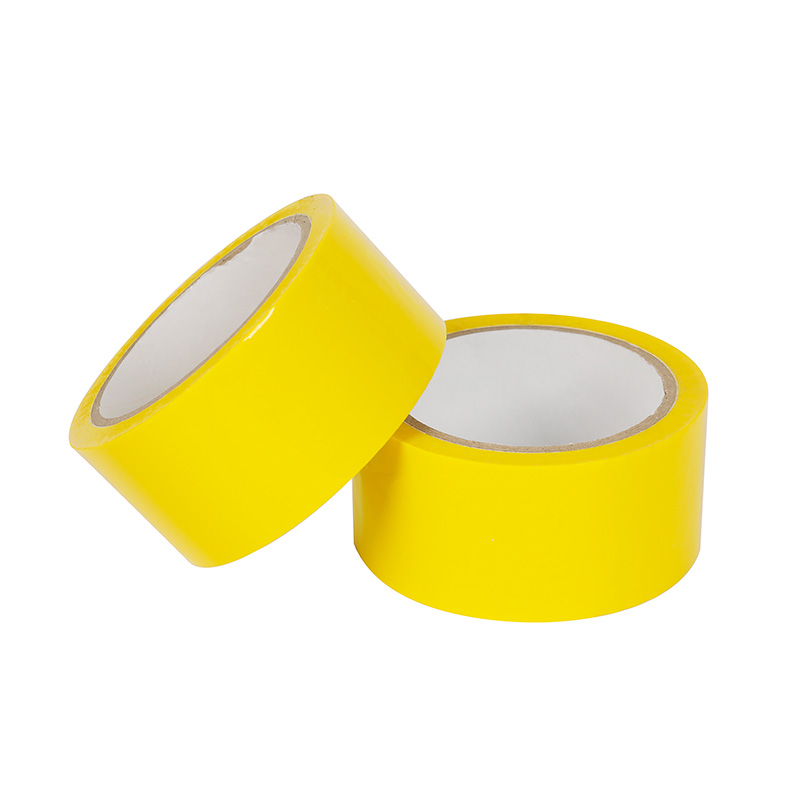 BOPP Packing Tape for Strong Carton SealingThis BOPP tape offers good tensile strength and tear resistance for secure carton packaging. It suits cartons, parts fixing, and binding, with customizable width, length, and adhesive options.View Product →
Surface Energy, Cleanliness, and Topography
Real-world tape failures are almost always surface problems. The substrate's surface energy decides how readily the adhesive spreads. High-energy surfaces such as glass, steel, and paperboard let the adhesive wet completely, producing strong bonds. Low-energy surfaces such as polyethylene film and untreated plastics resist wetting, so the adhesive sits on top like water on wax. As a practical example, how BOPP packing tape adhesion changes across environments depends largely on these same surface-energy effects.
Cleanliness matters just as much. Dust, oil, grease, and moisture act as a physical barrier between adhesive and substrate, sharply cutting the contact area. A single fingerprint can reduce bond strength noticeably. Surface roughness plays a dual role: slight roughness helps by increasing the effective bonding area, but deep porosity demands a thicker, softer adhesive that can fill the cavities.
| Surface Condition | Example | Effect on Tape |
|---|---|---|
| High surface energy | Glass, steel, carton board | Adhesive wets well; strong bond |
| Low surface energy | Polyethylene, untreated plastic | Poor wetting; weak bond |
| Contaminated | Dusty, oily, or humid surface | Barrier layer blocks adhesive contact |
| Rough or porous | Concrete, unsealed wood | Needs thicker adhesive to fill cavities |
Temperature adds another variable. Cold makes adhesives stiff and slow to wet, so tack drops; heat makes them overly soft, so cohesion falls. A tape that seals a carton at 25 °C may simply bounce off the same carton at 5 °C, which is why temperature range belongs in your tape specification, not just in your warehouse manual.
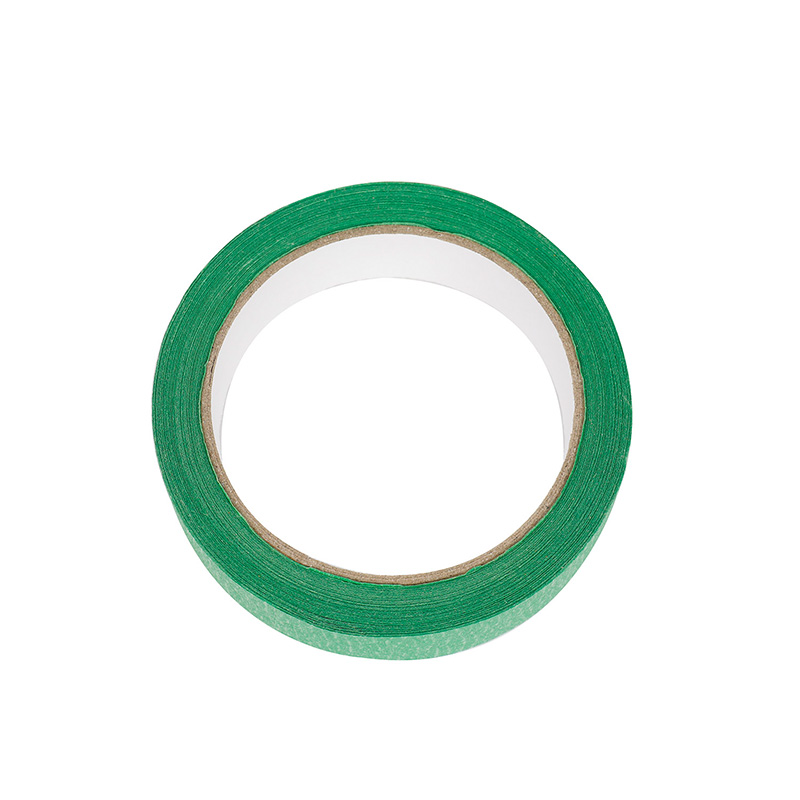 High Temperature Resistant Masking Tape for Hot ProcessesDesigned for high-temperature environments, this masking tape maintains stable adhesion and resists chemicals like paint solvents. It protects surfaces during automotive, electronics, and painting operations.View Product →
Anatomy of a Tape: More Than the Adhesive
A finished tape is a composite of several layers, and each one affects performance:
- Backing (carrier). BOPP film, PVC, paper, or cloth provides tensile strength, handling, and appearance. For packaging tape, the raw materials and chemical properties of BOPP film directly control stiffness, clarity, and dimensional stability.
- Primer. A thin tie coat that bonds the adhesive to the backing, preventing the adhesive from detaching as a separate film.
- Pressure-sensitive adhesive. The working layer that wets, attracts, and holds.
- Release coating. Applied to the top side of the backing so the roll unwinds cleanly instead of sticking to itself.
A common failure in low-cost tape is not the adhesive losing stickiness; it is the adhesive releasing cleanly from the backing after a few weeks. That is why primer quality and film surface treatment matter as much as the adhesive chemistry itself.
Adhesive Systems Compared
The chemistry of the PSA decides how the tape behaves across temperature, UV exposure, and aging. Three systems dominate industrial tape:
| Adhesive System | Typical Tape Usage | Strengths | Limitations |
|---|---|---|---|
| Water-based acrylic | BOPP packing tape, stationery tape | Good UV resistance, clear, ages well | Lower initial tack on low-energy surfaces |
| Hot melt | Heavy-duty packaging, reinforced tapes | High initial tack, bonds fast | Sensitive to high heat; can creep |
| Solvent-based / natural rubber | Double-sided tape, specialty holding | High peel strength, aggressive tack | Less UV resistance; yellows with age |
That is why a single "adhesion to steel" number on a spec sheet is not enough. You have to match the adhesive chemistry to the service temperature, the substrate, and the bond life you actually need.
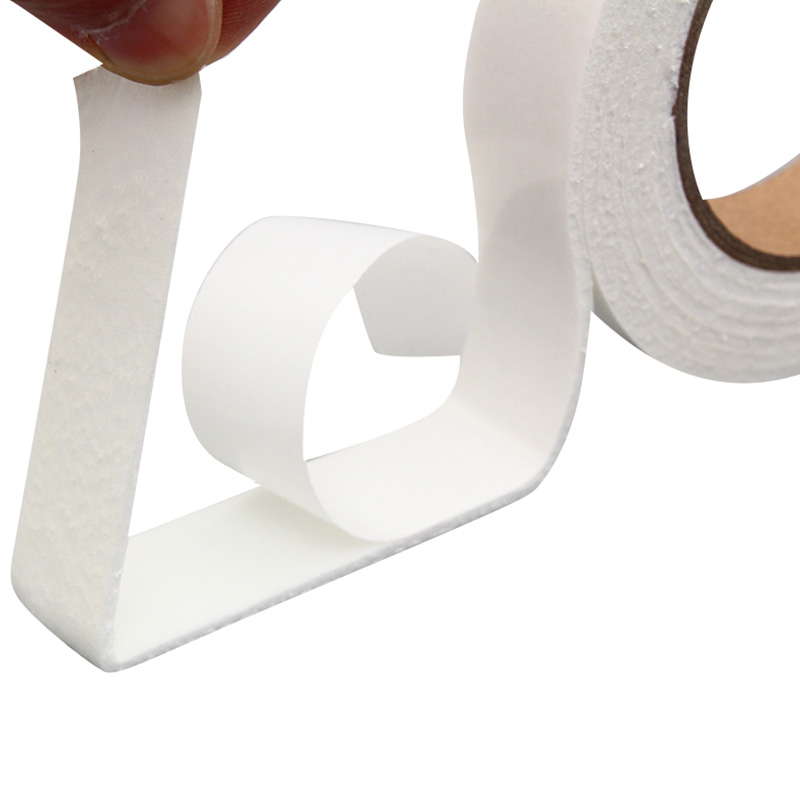 Double Sided VHB Tape for Structural BondingFeaturing acrylic foam core and high-strength adhesive, this VHB tape provides durable, shock-absorbing bonds. Ideal for automotive body assembly, window bonding, and interior decoration applications.View Product →
What This Means When You Buy Tape
The science of tape translates into a handful of buying decisions. First, define the substrate. A BOPP acrylic tape that works perfectly on virgin cartons may fail on recycled cardboard with a dusty surface. If the substrate is low-energy plastic or lightly oily steel, look for an adhesive specifically formulated for those conditions.
Second, define the temperature range. For freezer logistics or refrigerated transport, a standard hot-melt tape may become brittle, while a solvent-based or specialty acrylic PSA will hold better. For masking tasks near paint ovens, a high-temperature masking tape is a deliberate selection, not an unnecessary upgrade.
A Practical Selection Checklist
- Identify the substrate and estimate its surface energy.
- Record the operating temperature range, including peaks.
- Decide whether the bond must be permanent or removable.
- Check whether residue or surface damage matters at removal.
- Sample-test under real line conditions before bulk purchase.
The right answer is rarely "the stickiest tape in the catalog." It is the tape whose adhesive system, backing, and release coating match your substrate, temperature, and bond life requirements.
Adhesive tape works because it is engineered to do something deceptively simple: touch, hold, and resist. The next time a roll refuses to stick, the useful question is not "why is this tape bad?" but "what is happening at the surface?" That single question usually points to the right product — and to a supplier that controls the full manufacturing chain from film and adhesive to slitting.

-
 +86-575-82818961
+86-15906537907 -
 fortuna@baiyiadhesive.com
-
 Baiguan industrialZone,Shangyu District, Shaoxing City, Zhejiang Province, China
About Us
To provide effective services to customers is
the direction of our work and work and the yardstick of value evaluation.
To achieve customers is to achieve ourselves.



Product Links
Contact Us
Copyright © Zhejiang Baiyi Adhesive Products Co., Ltd. All Rights
Reserved.
Wholesale Tape Manufacturer
Custom Tape Supplier
 浙ICP备17032394号