

 中文简体
中文简体 Español
 عربى
عربى-
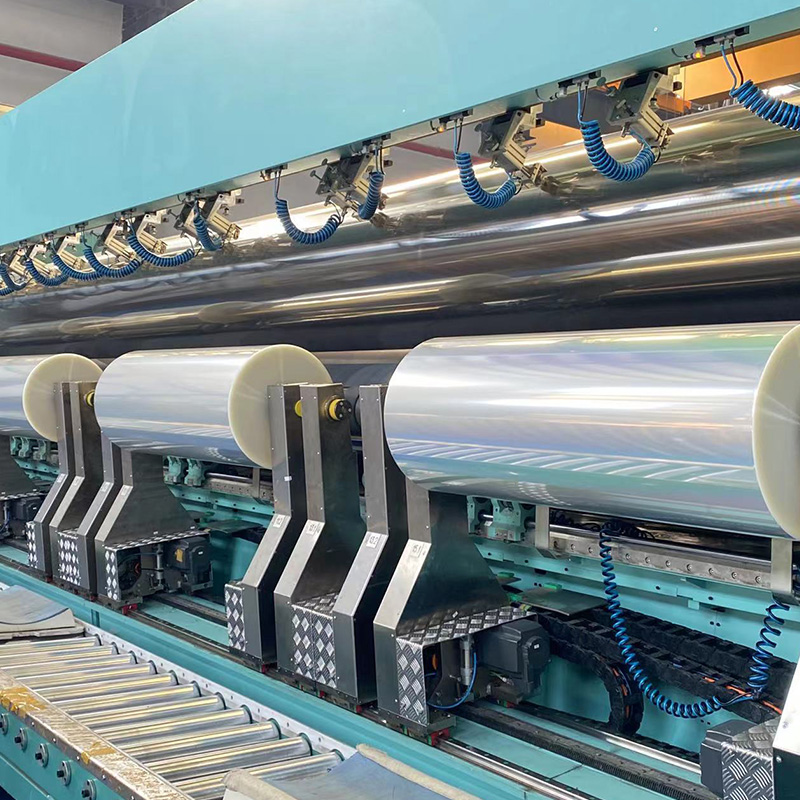 Biaxially Oriented Polypropylene Film
-
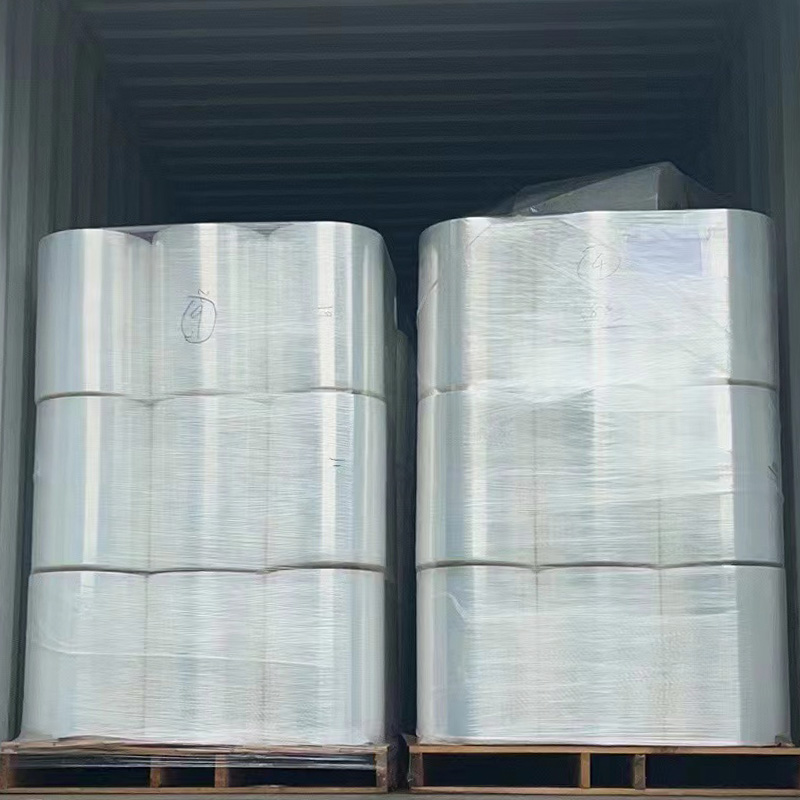 High Quality PE Stretch Film
-
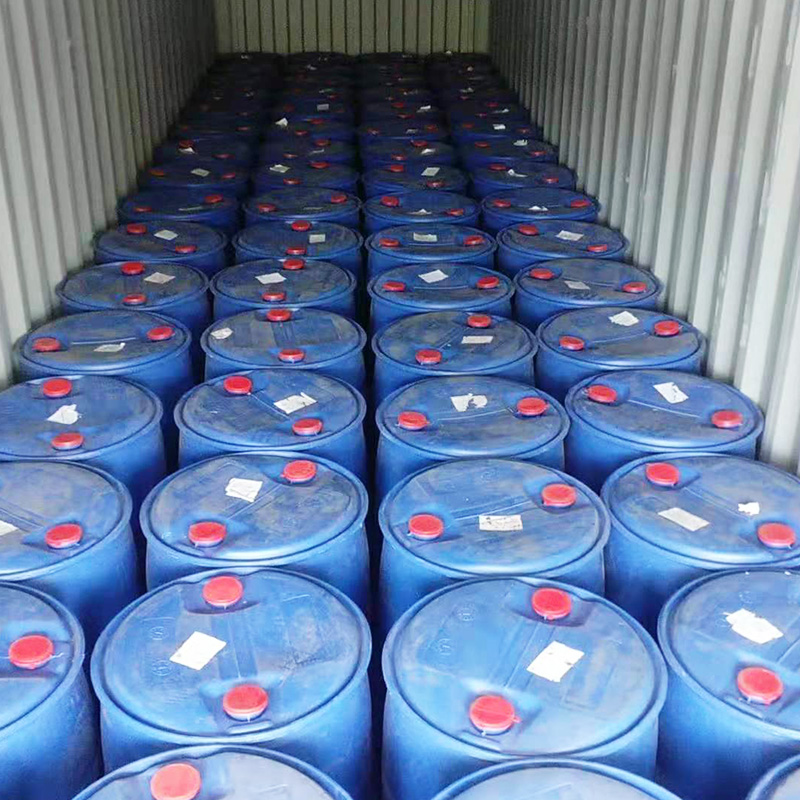 Water Based Acrylate Glue
-
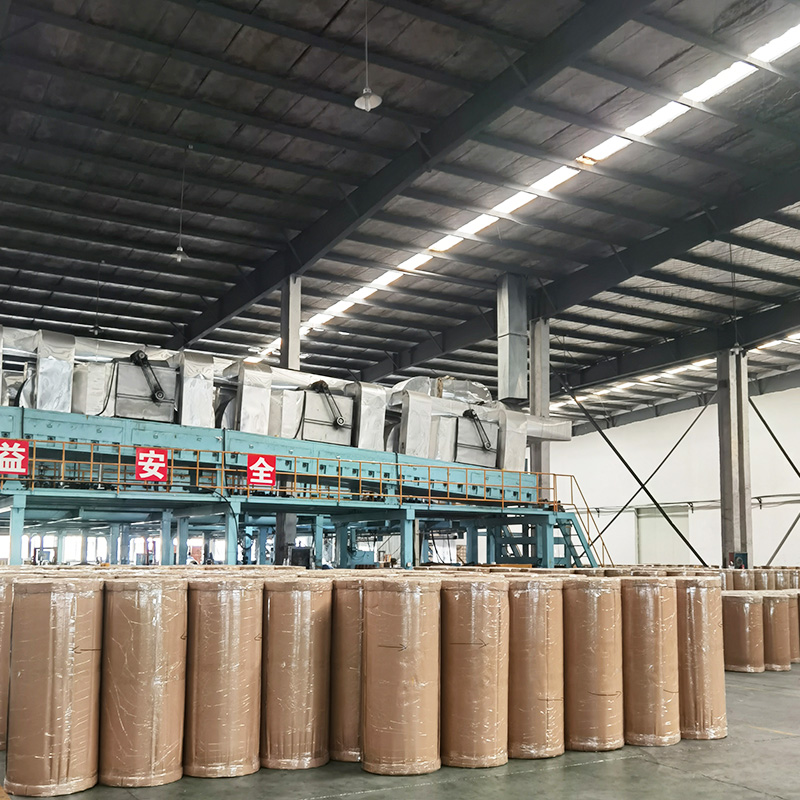 BOPP Acrylic Jumbo Roll Tape
-
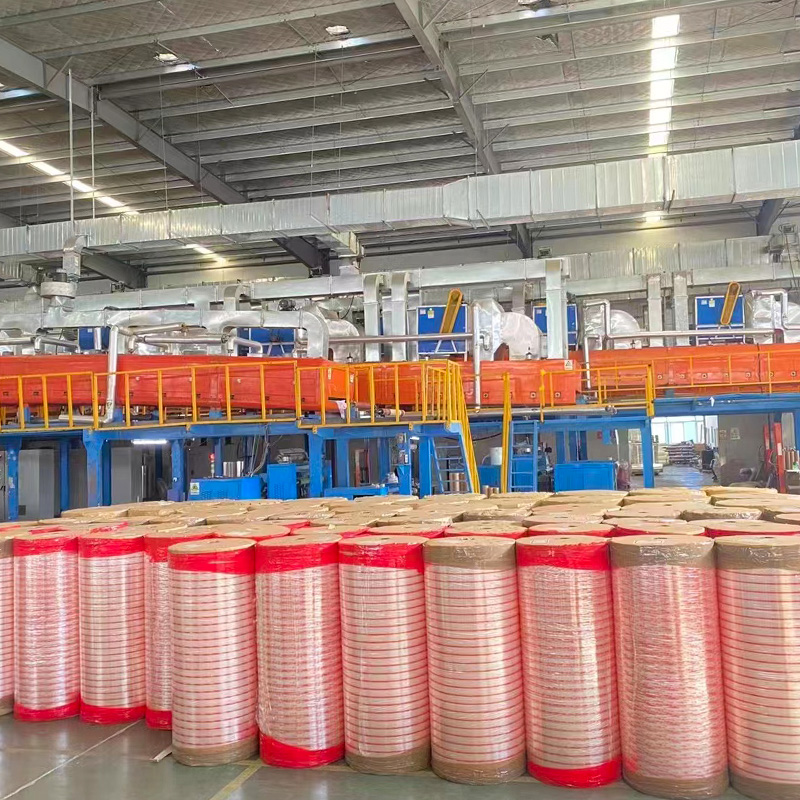 BOPP Hotmelt Jumbo Roll Tape
-
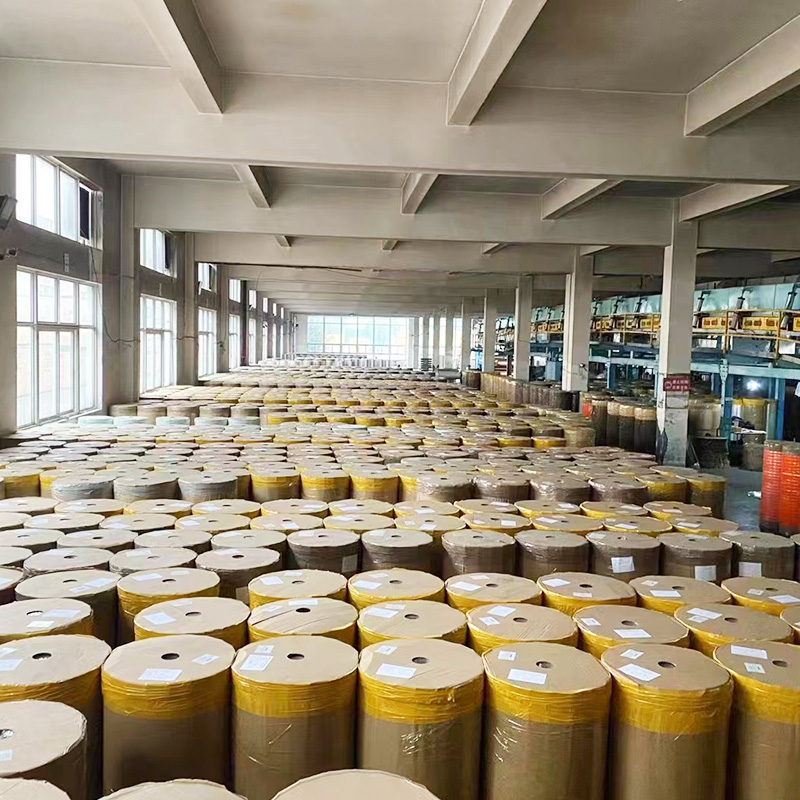 BOPP Solvent Jumbo Roll Tape
-
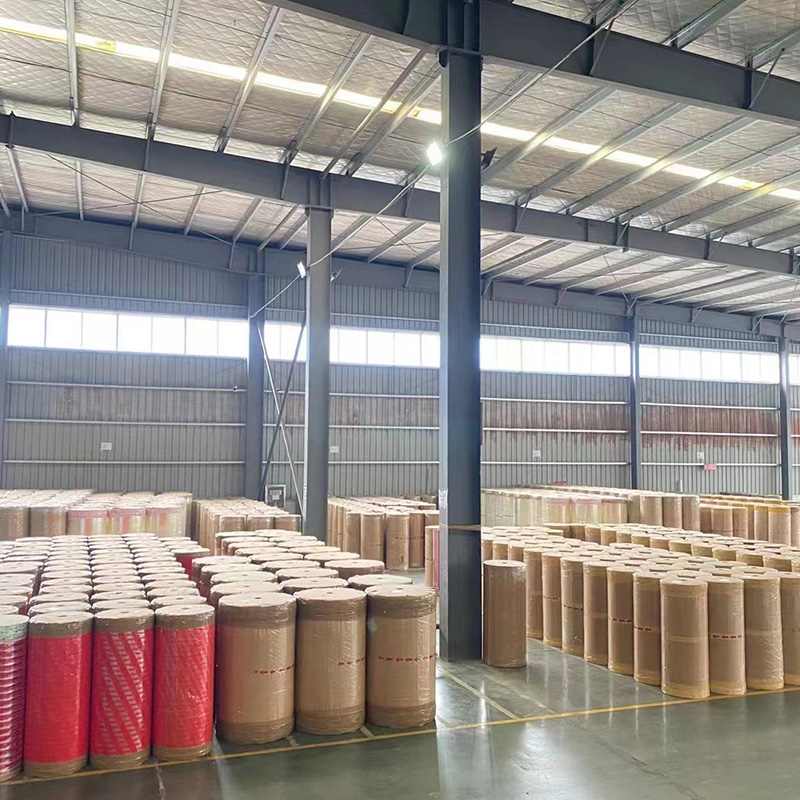 BOPP Natural Rubber Jumbo Roll Tape
-
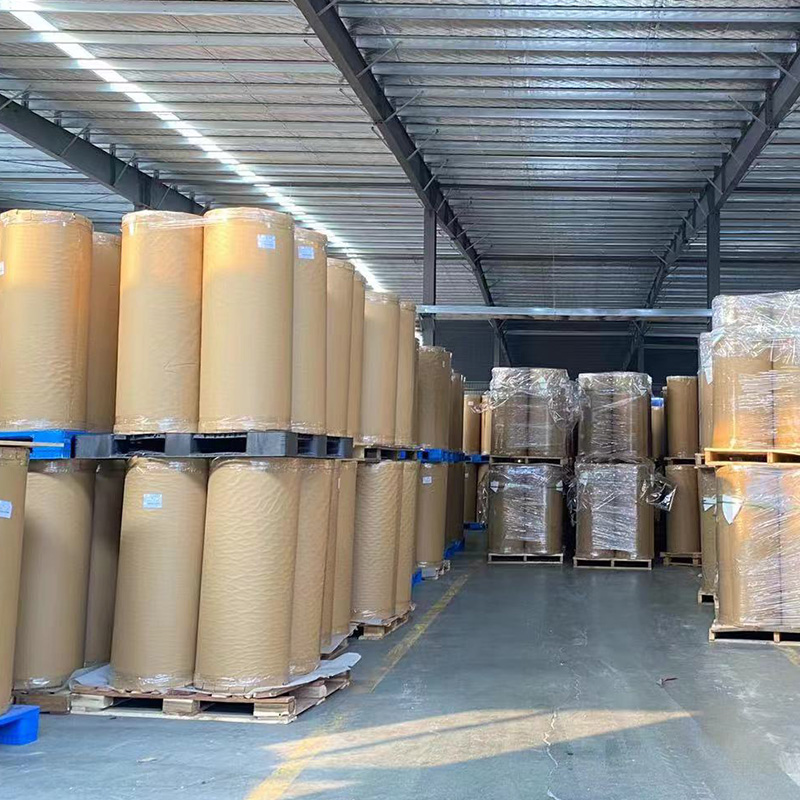 BOPP Low Noise Jumbo Roll Tape
-
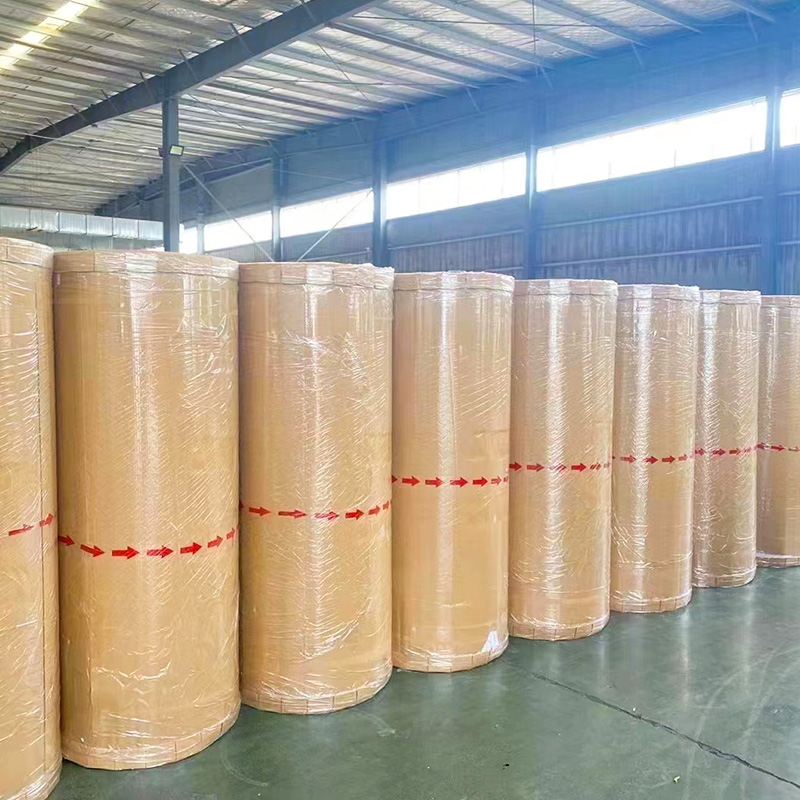 BOPP Silent Jumbo Roll Tape
-
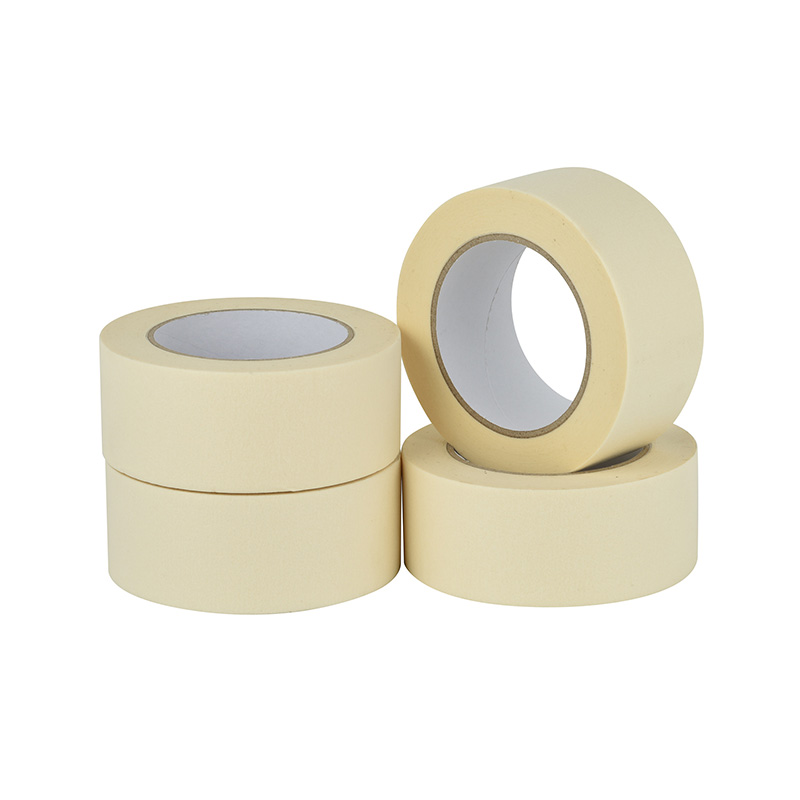 Masking Tape Jumbo Roll
-
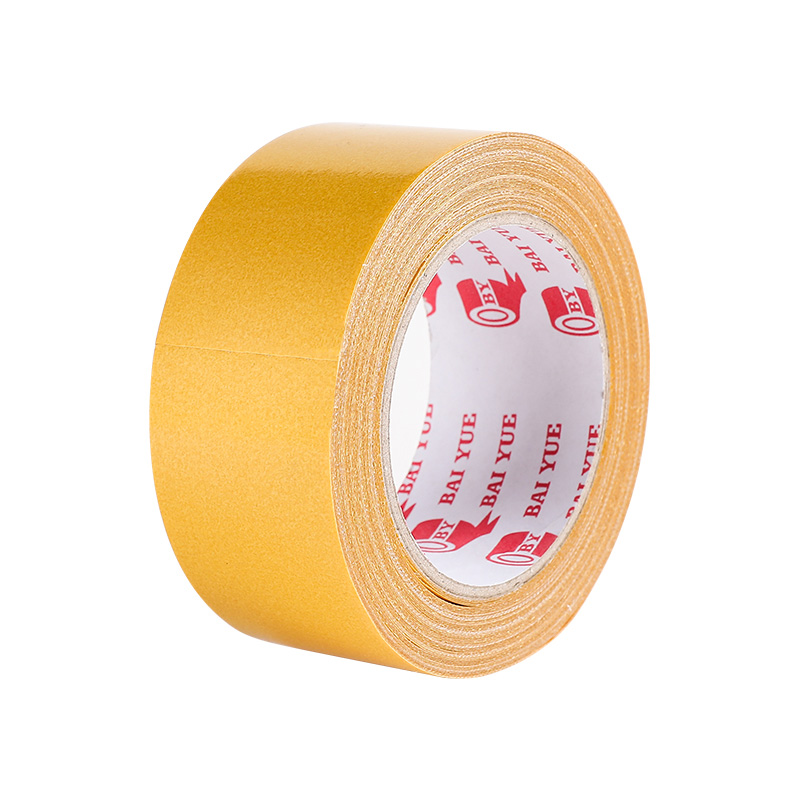 Duct Tape Jumbo Roll
-
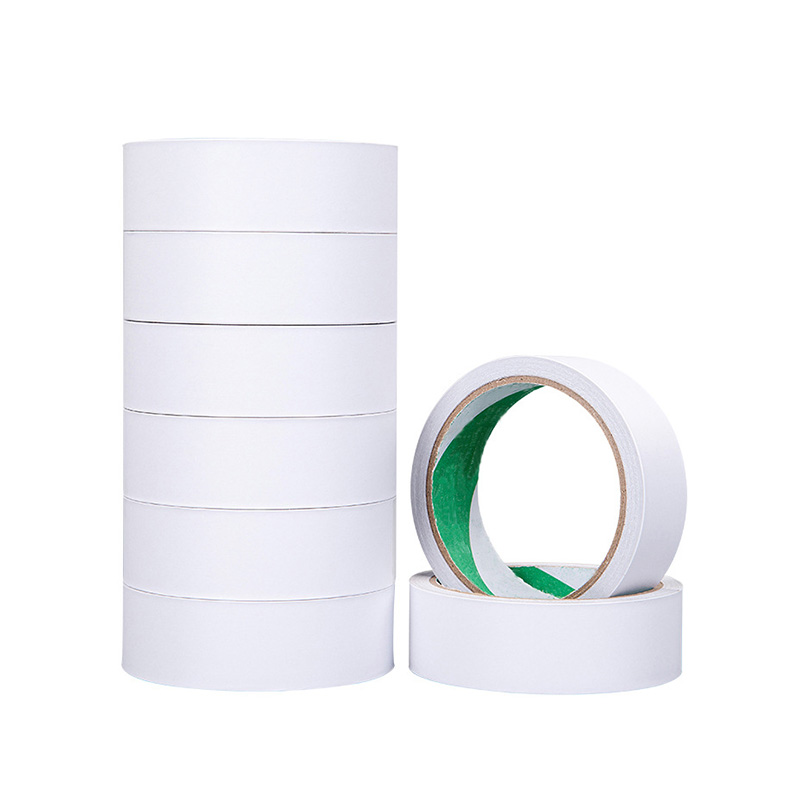 Double Side Tape Jumbo Roll
 fortuna@baiyiadhesive.com
Acrylic Adhesive vs Rubber Adhesive: How to Choose the Right Tape for Your Job
Content
- 1 What Defines Acrylic and Rubber Adhesive Systems?
- 2 Acrylic Adhesive vs Rubber Adhesive: Side-by-Side Comparison
- 3 Initial Tack vs Long-Term Holding Power
- 4 Temperature Range and Ageing Behaviour
- 5 Chemical and UV Resistance
- 6 Low-Surface-Energy Substrates: Where Rubber Still Wins
- 7 Cost, Coating Speed, and Production Reality
- 8 A Simple Decision Framework for Your Application
Last winter, a packaging supervisor at a frozen-food plant asked us why her carton-sealing tape kept failing. She had stored the rolls in an unheated warehouse, applied the tape at 4°C, and watched the seals pop open overnight. The tape was rubber-based, and at that temperature the adhesive had stiffened into a glassy film instead of wetting the carton surface. That one incident captures the real difference between acrylic adhesive vs rubber adhesive: rubber grabs fast in comfortable conditions, while acrylic keeps performing when heat, cold, UV, or time pushes back.
The short answer is straightforward. Choose an acrylic adhesive when you need long-term durability, UV resistance, chemical resistance, and a wide service temperature range. Choose a rubber adhesive when you need instant initial tack and reliable bonding to low-surface-energy plastics. The sections below explain why they differ, what the trade-offs cost, and how to choose correctly.
What Defines Acrylic and Rubber Adhesive Systems?
Both acrylic and rubber adhesives belong to the pressure-sensitive adhesive (PSA) family. That means they bond on contact with light pressure and need no heat, water, or solvent activation. The chemistry underneath, however, is completely different.
Acrylic adhesives are engineered for stability
Acrylic PSAs are made from polymerised acrylate monomers and are delivered as solvent-based, water-based, or solid systems. The polymer backbone is saturated, with no double bonds left for oxygen or UV light to attack. That is why a good acrylic adhesive stays clear, flexible, and aggressive for years. Its bond strength actually increases after application as the polymer chains relax and flow slowly into the substrate.
Rubber adhesives are engineered for speed
Rubber PSAs use natural rubber or synthetic elastomers such as styrene-butadiene, polyisoprene, and butyl rubber. They are usually coated as hot-melt or solvent systems. The elastomer has a very low glass-transition temperature, so it stays soft and flows instantly onto almost any surface. The trade-off is molecular: rubber contains unsaturated double bonds that are vulnerable to oxidation, UV degradation, plasticisers, and oils. In practical terms, rubber-based tape sticks fast today; an acrylic-based tape still sticks years from now.
Acrylic Adhesive vs Rubber Adhesive: Side-by-Side Comparison
The most useful way to compare them is to look at the properties that decide whether a tape survives its application. The table below summarises typical behaviour for commercial BOPP carton-sealing and industrial tape grades.
| Property | Acrylic PSA | Rubber PSA |
|---|---|---|
| Initial tack | Low to medium | High |
| Shear holding power | High | Medium |
| Service temperature range | -20°C to 120°C+ | 0°C to 60°C typical |
| UV resistance | Excellent | Poor |
| Chemical and plasticiser resistance | Good | Poor |
| Flexibility | Moderate, some grades brittle | High and elastic |
| Clarity and ageing behaviour | Stays clear, no yellowing | Yellows and hardens |
| Bond to low-surface-energy plastics | Weak unless modified | Excellent |
| Relative raw-material cost | Higher | Lower |
Read the table with the entire service life in mind, not just the first minute. A rubber adhesive looks impressive in an initial tack test, but the acrylic column wins almost every long-term test. The right choice depends on whether the tape must perform for 20 minutes or 20 months.
Initial Tack vs Long-Term Holding Power
Initial tack is the ability to form a bond quickly under light pressure. Rubber adhesives are the clear leaders here. A hot-melt rubber tape sticks to a dusty cardboard box instantly, which is why it dominates high-speed packaging lines. Acrylic adhesives feel less grabby at first, but their shear holding power, the resistance to creeping under a static load, is significantly higher.
Consider a heavy carton stored on a pallet for eight weeks. The rubber adhesive that grabbed instantly at the case sealer can gradually creep and slide because the elastomer flows under continuous stress. An acrylic adhesive, with its heavier molecular structure, holds the tape in place and keeps the seal intact. For one-time short deliveries, rubber works. For months of stacking, warehousing, and transit, acrylic is the safer specification.
Temperature Range and Ageing Behaviour
Temperature is the most frequent cause of field failure, and it is also where the two adhesive families separate most clearly.
Cold application and cold service
Below roughly 0°C, many rubber adhesives become stiff and glassy. They no longer flow into the microscopic valleys of the carton or film surface, so the real contact area drops and the tape peels off easily. Acrylic grades designed for low-temperature service remain pliable and hold a usable bond down to about -20°C or lower. The frozen-food warehouse case from the opening of this article is a textbook example: the same tape that fails at 4°C can work perfectly at 22°C.
Heat resistance and long-term ageing
At the upper end, rubber adhesives soften noticeably above 50–60°C, and bond strength fades under sustained heat. Acrylic adhesives resist heat creep far better and can serve at 120°C or more in carefully formulated grades. Ageing follows the same pattern. Rubber oxidises, yellows, and becomes brittle; acrylic remains transparent and flexible. This is why electrical insulation tapes, automotive wire-harness tapes, and long-life packaging tapes are almost always acrylic-based.
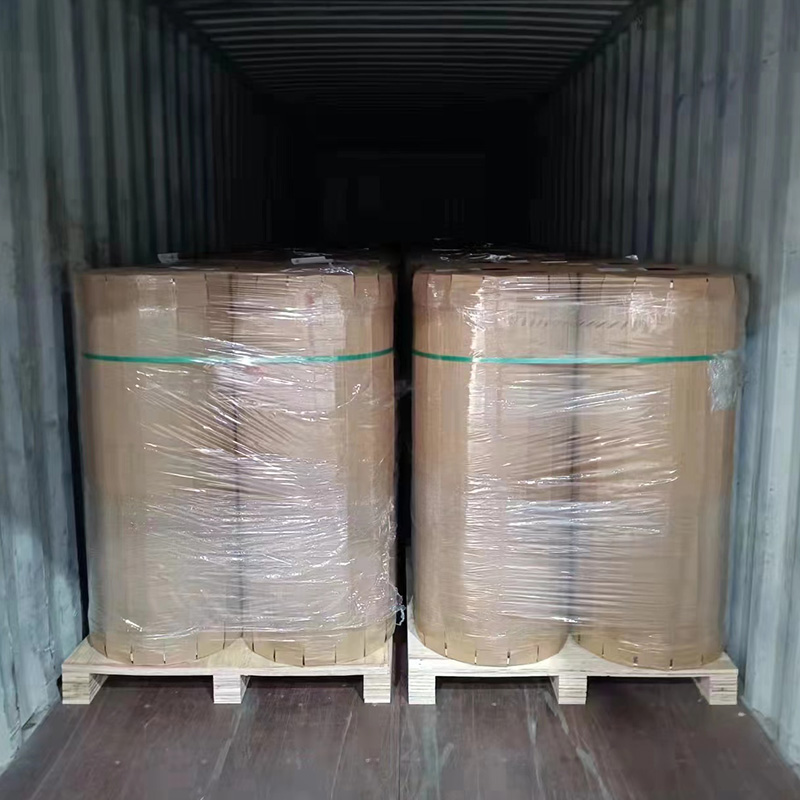 BOPP Acrylic Jumbo Roll Tape for Long-Life PackagingThis acrylic-based BOPP tape resists heat creep and plasticiser migration, making it ideal for durable industrial sealing and export packaging.View Product →
Chemical and UV Resistance
Rubber adhesives are vulnerable to plasticisers, which migrate out of PVC films, vinyl graphics, and soft-touch packaging materials. Once a plasticiser enters the rubber layer, it softens the adhesive and destroys the bond within weeks. Acrylic adhesives resist this migration because their polar backbone is not compatible with the migrating oils. That is why acrylic systems are standard for electrical, automotive, and long-life industrial tapes.
UV exposure tells the same story. Natural and synthetic rubbers contain unsaturated bonds that absorb UV radiation and trigger oxidation. The tape turns yellow, hardens, and finally loses adhesion. Acrylic polymers are essentially UV-transparent, so a quality acrylic tape can sit outdoors for months without meaningful loss of performance. If a product faces sunlight, heat, or chemicals, rubber is a risk unless specially stabilised.
Low-Surface-Energy Substrates: Where Rubber Still Wins
The one area where rubber adhesives genuinely outperform acrylic is bonding to low-surface-energy (LSE) materials such as polyethylene, polypropylene, and powder-coated finishes. LSE plastics offer few polar groups for an adhesive to grip, and their smooth surfaces limit mechanical anchoring. Rubber's low viscosity during application lets it wet out these surfaces intimately and form a strong bond in seconds.
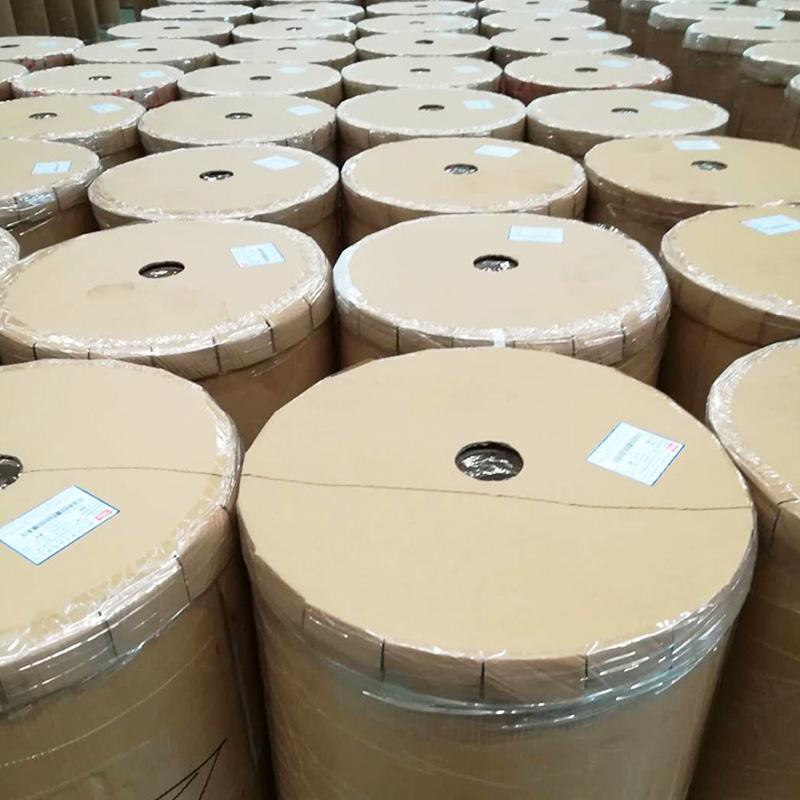 BOPP Natural Rubber Jumbo Roll Tape for LSE MaterialsWith natural rubber adhesive, this jumbo roll tape provides strong initial tack on low-surface-energy plastics such as polyethylene and polypropylene.View Product →
Acrylic adhesives can be modified to handle LSE substrates, but standard grades will struggle. In practice, this means rubber-based tapes remain common for polyethylene strap bundling, polypropylene envelope sealing, and duct tapes applied to slightly oily or dusty surfaces. When the substrate is carton paper, metal, glass, or painted metal, surface energy is high enough that acrylic adhesives bond strongly and last far longer.
Cost, Coating Speed, and Production Reality
Cost comparison is not simply a price-per-kilogram question. The real cost includes coating behaviour, solvent handling, drying speed, and field failures.
- Hot-melt rubber is the low-cost, high-speed option. It applies at 150–180°C, needs no solvent recovery system, and coats at several hundred metres per minute. For packaging tape producers, this usually means the lowest cost per roll.
- Solvent acrylic is the premium, high-durability option. It costs more per kilogram and requires solvent recovery and careful drying, but the finished tape justifies a higher price in demanding applications.
- Water-based acrylic sits in the middle. It reduces VOC emissions, coats at moderate speed, and delivers a useful balance of tack and long-term stability.
At Zhejiang Baiyi Adhesive Products, we treat the adhesive itself as a controlled raw material. Our own water-based acrylate glue line feeds the coating shop, which lets us adjust the acrylic formulation when a customer needs a specific balance of tack, shear, and temperature resistance. Small recipe changes alter tape behaviour far more than most buyers expect.
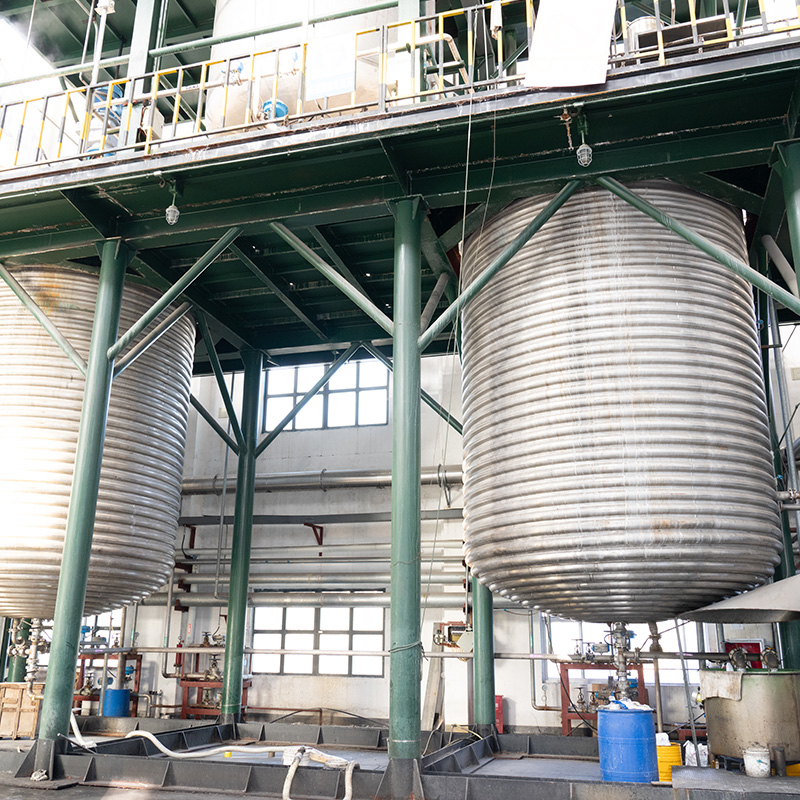 Water-Based Acrylate Glue for Custom Adhesive BlendsThis in-house water-based acrylate glue allows precise formulation adjustments to balance tack, shear, and temperature resistance for tailored tape performance.View Product →
For a closer look at how an acrylic system performs in real industrial settings, this overview of BOPP acrylic jumbo roll tape for industrial applications walks through the practical benefits in detail.
A Simple Decision Framework for Your Application
Do not start with the adhesive. Start with the application. Work through these four questions, and the right adhesive family usually becomes obvious.
- What is the main enemy? Sunlight, heat, plasticisers, solvents, or long-term load point to acrylic. Dusty, greasy, or corrugated surfaces that cannot be cleaned favour rubber.
- How cold will the tape be applied? Below 5°C, standard rubber adhesives lose tack quickly. Use an acrylic grade specified for low-temperature application.
- What is the substrate? Polyethylene, polypropylene, and powder-coated surfaces favour rubber unless the acrylic is specifically modified. Paper, wood, metal, and glass work with both, but acrylic gives a longer service life.
- How long must the bond survive? Less than one month indoors under mild conditions: either family works. More than one month, outdoors, or under constant load: acrylic is the engineering-safe choice.
A common mistake is to select a tape by initial tack alone. The roll that feels extremely sticky in your hand can be the one that fails earliest on the shelf. Evaluate the tape the way it will be used, not the way it feels to a quick finger test.
There is no universal winner between acrylic and rubber adhesive. Acrylic delivers outstanding durability, clarity, chemical resistance, and thermal range, which makes it the right choice for demanding or long-term applications. Rubber delivers unmatched initial tack and LSE compatibility, which keeps it essential for fast packaging lines and difficult plastic surfaces.
If you are choosing the adhesive system for a tape you manufacture, resell, or use in production, test both families under your real conditions before committing to a specification. Ask for coils coated with each system, run them through your actual process, and compare results after simulated ageing rather than after the first minute. Zhejiang Baiyi Adhesive Products can supply acrylic-based and rubber-based jumbo rolls, water-based acrylic glue, and technical support directly from our own coating lines. Contact us for specifications and sample coils.

-
 +86-575-82818961
+86-15906537907 -
 fortuna@baiyiadhesive.com
-
 Baiguan industrialZone,Shangyu District, Shaoxing City, Zhejiang Province, China
About Us
To provide effective services to customers is
the direction of our work and work and the yardstick of value evaluation.
To achieve customers is to achieve ourselves.



Product Links
Contact Us
Copyright © Zhejiang Baiyi Adhesive Products Co., Ltd. All Rights
Reserved.
Wholesale Tape Manufacturer
Custom Tape Supplier
 浙ICP备17032394号