What Is Glue? The Fundamental Definition
Glue is a liquid or semi-liquid substance that hardens to form a bond between two surfaces, creating adhesion through chemical or physical processes. The global adhesive market reached $64.7 billion in 2023 and is projected to grow to $92.3 billion by 2030, demonstrating the critical role adhesives play across industries from construction to healthcare.
Unlike mechanical fasteners such as screws or nails, glue distributes stress evenly across the entire bonded area, often resulting in stronger, more durable joints. Modern adhesives can withstand extreme conditions—some aerospace-grade epoxies maintain integrity at temperatures ranging from -55°C to 177°C (-67°F to 350°F).
How Glue Works: The Science of Adhesion
Adhesion occurs through three primary mechanisms working individually or in combination:
Mechanical Interlocking
Liquid glue penetrates microscopic pores and irregularities on the surface. When it hardens, it creates a physical anchor. Wood glue exemplifies this—porous timber fibers allow adhesive penetration up to 0.1mm deep, creating a bond stronger than the wood itself.
Chemical Bonding
Some adhesives form covalent or ionic bonds with substrate molecules. Cyanoacrylate (super glue) reacts with trace moisture on surfaces to create polymer chains within seconds, achieving tensile strengths of 2,000-3,000 psi.
Van der Waals Forces
Even on seemingly smooth surfaces, molecular attraction occurs. Pressure-sensitive adhesives (tape) rely on these weak intermolecular forces, requiring only 0.1-1.0 N/cm of pressure to activate bonding.
Main Ingredients in Glue: Composition Breakdown
Adhesive formulations vary dramatically, but most contain these essential components:
Common Glue Components and Their Functions
| Component |
Function |
Common Examples |
| Base Polymer |
Primary bonding agent |
PVA, epoxy, polyurethane |
| Solvent/Water |
Reduces viscosity for application |
Water, acetone, toluene |
| Curing Agent |
Triggers hardening reaction |
Amines (epoxy), moisture (CA) |
| Additives |
Enhance specific properties |
Fillers, plasticizers, stabilizers |
Natural adhesives like animal glue (collagen-based) and casein (milk protein) have been used for 4,000+ years, while modern synthetic polymers like cyanoacrylates were developed in the 1940s-1950s.
Glue vs. Adhesives: Understanding the Distinction
While often used interchangeably, technical differences exist between these terms:
Terminology Scope
Glue traditionally refers to adhesives derived from organic sources (animal, plant, or casein-based) or general-purpose household products. Adhesive is the broader engineering term encompassing all substances that bond materials, including synthetic polymers, tapes, and sealants.
Performance Specifications
Industrial adhesives must meet strict ASTM or ISO standards. For example, structural adhesives used in automotive manufacturing must withstand 15-25 MPa (megapascals) of shear strength, while household white glue typically achieves only 2-4 MPa.
Application Context
"Glue" commonly describes school projects, crafts, and woodworking. "Adhesive" appears in technical documentation, medical applications (surgical adhesives), and aerospace engineering where 1 gram of structural adhesive can replace 25 rivets in aircraft assembly.
How to Choose the Right Glue for Different Materials
Selecting the correct adhesive requires matching chemical compatibility, curing requirements, and stress factors. Here is the definitive guide:
Material-Specific Adhesive Recommendations
| Material |
Recommended Adhesive |
Curing Time |
Key Considerations |
| Wood |
PVA (yellow/white), epoxy |
30 min - 24 hours |
Clamp for 30+ minutes |
| Metal |
Epoxy, cyanoacrylate, acrylic |
5 min - 24 hours |
Surface abrasion essential |
| Plastic |
Plastic cement, epoxy, CA |
Instant - 24 hours |
Identify plastic type first |
| Glass |
UV-cure acrylic, silicone, epoxy |
Seconds - 24 hours |
Match thermal expansion |
| Fabric/Textile |
Fabric glue, hot melt, PVA |
Instant - 4 hours |
Flexibility required |
| Ceramics |
Epoxy, cyanoacrylate |
5 min - 24 hours |
Food-safe options available |
Critical Selection Factors
- Surface Energy: Low-energy plastics (PE, PP) require special primers or flame treatment
- Temperature Resistance: Standard PVA fails above 150°F (65°C); use epoxy for heat exposure
- Flexibility Needs: Rigid epoxies crack under vibration; polyurethane remains flexible
- Chemical Exposure: Silicone adhesives resist water and UV; standard glues degrade
Managing Curing Time: Solutions for Too Long or Too Short
Curing time—the period required for adhesive to reach full strength—ranges from 3 seconds (accelerated cyanoacrylate) to 7 days (some construction adhesives). Deviations from optimal timing compromise bond integrity.
When Curing Time Is Too Long
Problem: Production delays, dust contamination, or joint movement before strength develops.
Solutions:
- Increase temperature: Every 10°C (18°F) rise typically doubles cure speed
- Use accelerators: Cyanoacrylate accelerators reduce cure time from minutes to seconds
- Switch to UV-cure adhesives: Full cure in 2-30 seconds under 365nm light
- Apply optimal thickness: Thinner layers cure faster; excessive glue slows curing
When Curing Time Is Too Short
Problem: Insufficient positioning time, weak bonds due to rapid skinning, or stressed joints.
Solutions:
- Decrease temperature: Working in 15-18°C (59-64°F) extends open time significantly
- Choose slower formulations: "Gel" versions of CA glue offer 10-30 seconds positioning vs. 3-5 seconds for liquid
- Use retarders: Additives extend pot life of epoxies from 5 minutes to 2+ hours
- Apply in cooler environments: Avoid direct sunlight or heated workspaces
Understanding Cure Stages
Adhesives progress through distinct phases: Working time (remaining workable), fixture time (handling strength, typically 20-50% of final), and full cure (maximum strength). Attempting stress before fixture time causes 60-80% bond strength reduction.
Proper Glue Storage: Maximizing Shelf Life and Performance
Improper storage destroys 30-40% of adhesive inventory in typical workshops. Following these protocols ensures product longevity:
Temperature Control
Store adhesives between 60-80°F (15-27°C) unless specified otherwise. Freezing ruins emulsion adhesives (PVA, white glue) by breaking polymer chains. Heat accelerates chemical degradation—every 10°F above 80°F halves typical shelf life.
Container Management
- Seal immediately after use: Cyanoacrylate exposed to air polymerizes within hours
- Wipe bottle threads: Dried adhesive prevents proper sealing
- Store upside-down: Prevents air pockets in nozzle for PVA and wood glues
- Use original containers: Transferring introduces contamination and air exposure
Specialized Storage Requirements
Adhesive-Specific Storage Guidelines
| Adhesive Type |
Shelf Life (Unopened) |
Special Requirements |
| PVA (White/Yellow) |
12-18 months |
Prevent freezing; seal tightly |
| Cyanoacrylate (Super Glue) |
12 months |
Refrigerate unopened; room temp after opening |
| Two-Part Epoxy |
24+ months |
Store components separately; avoid cross-contamination |
| Polyurethane |
12 months |
Moisture-sensitive; desiccant recommended |
| Hot Melt Sticks |
24+ months |
Keep dry; avoid direct sunlight |
Signs of Degraded Adhesive
Discard adhesives showing: separation (liquid pooling in PVA), discoloration (yellowing beyond normal), thickening/precipitation, or unusual odor. Using degraded product results in 50-70% strength loss.
Frequently Asked Questions About Glue
Can expired glue be used in emergencies?
Using expired adhesive risks complete bond failure. PVA glue older than 2 years loses 40-60% of bonding strength. For critical repairs, always use fresh product within manufacturer date.
Why does super glue bond to skin instantly but not some plastics?
Cyanoacrylate requires trace moisture to polymerize. Human skin contains 10-30% moisture, while low-energy plastics (polyethylene, polypropylene) lack moisture and have surface energies below 31 dynes/cm, preventing adhesion without primers.
Is glue stronger than welding or mechanical fasteners?
Modern structural adhesives often exceed welded joints in fatigue resistance. Boeing 787 Dreamliner uses 35,000+ fasteners vs. 50,000+ in older models, replaced by adhesive bonding. However, adhesives fail under peel stress; mechanical fasteners handle tension better.
Can different glues be mixed for custom properties?
Never mix adhesive systems. Combining polyurethane and epoxy creates unstable chemical reactions, releasing toxic


 中文简体
中文简体 Español
 عربى
عربى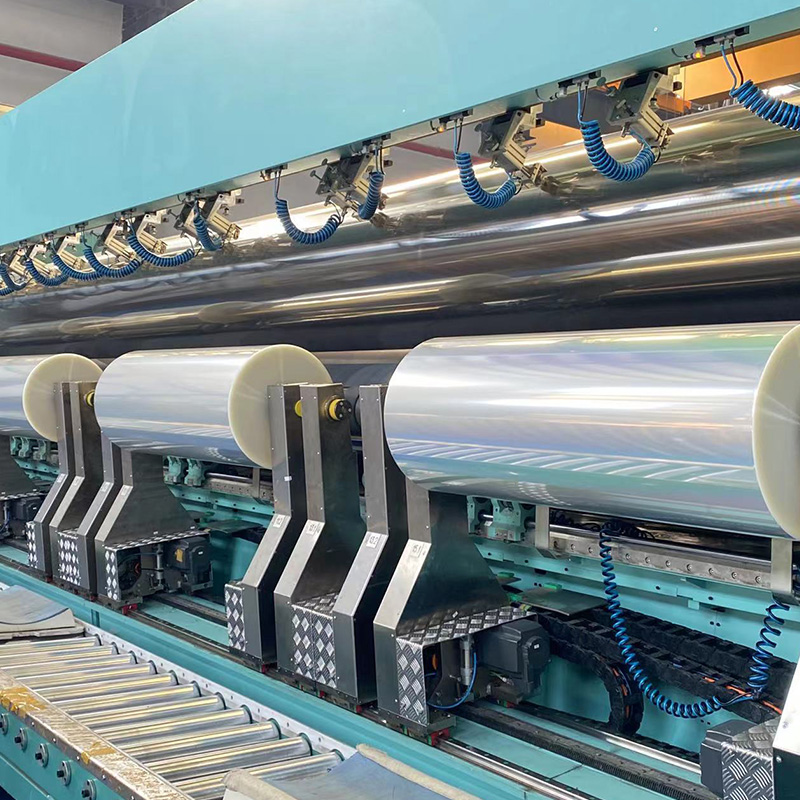 Biaxially Oriented Polypropylene Film
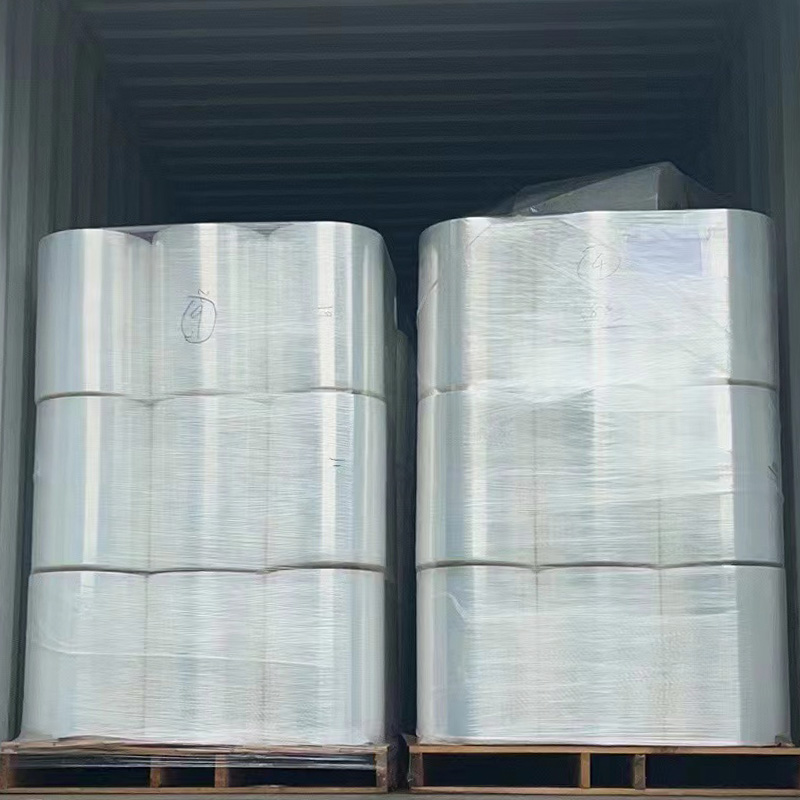 High Quality PE Stretch Film
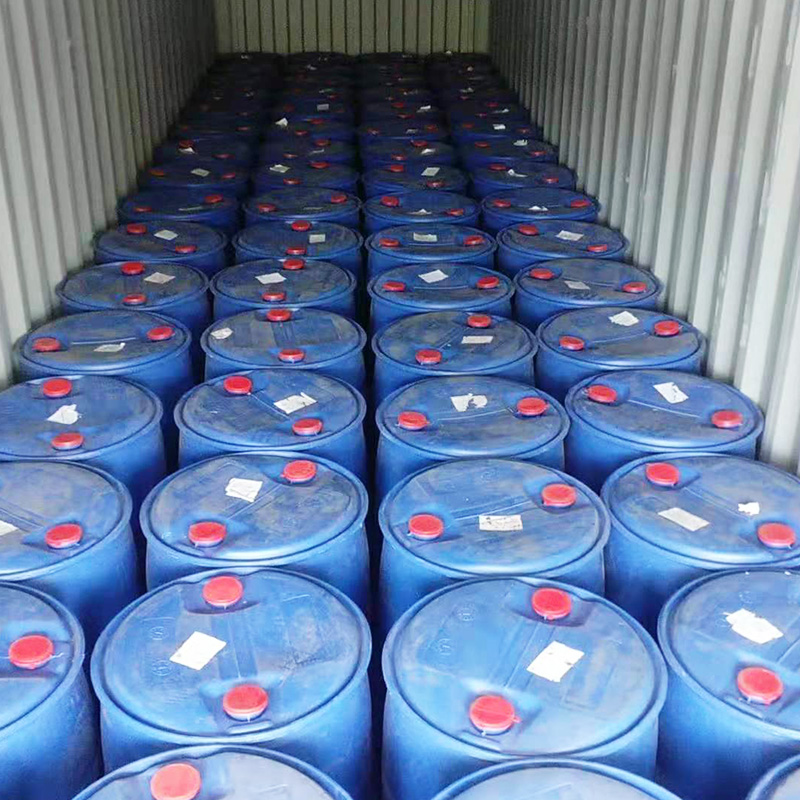 Water Based Acrylate Glue
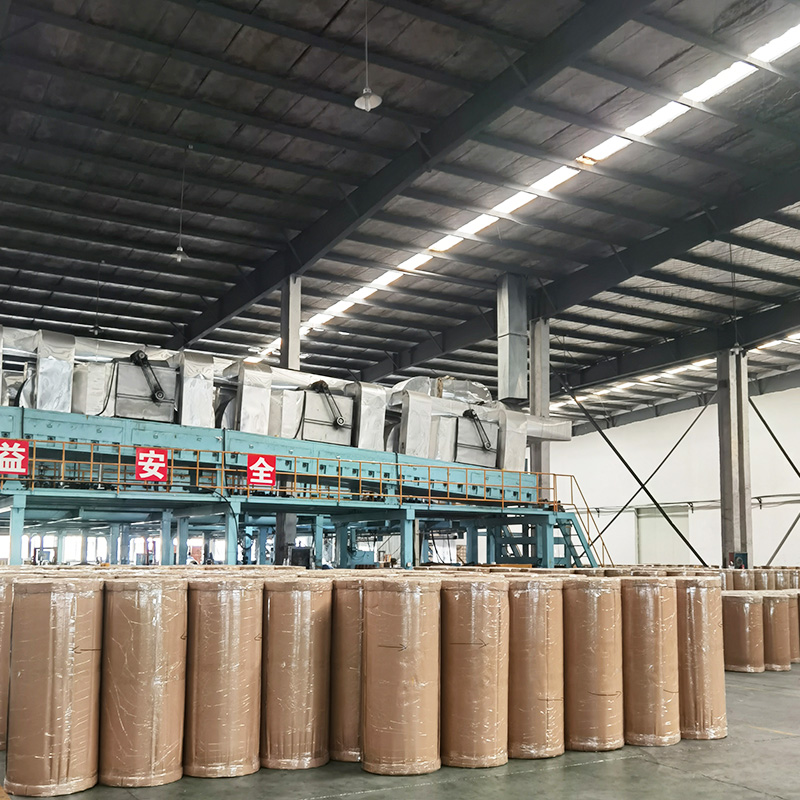 BOPP Acrylic Jumbo Roll Tape
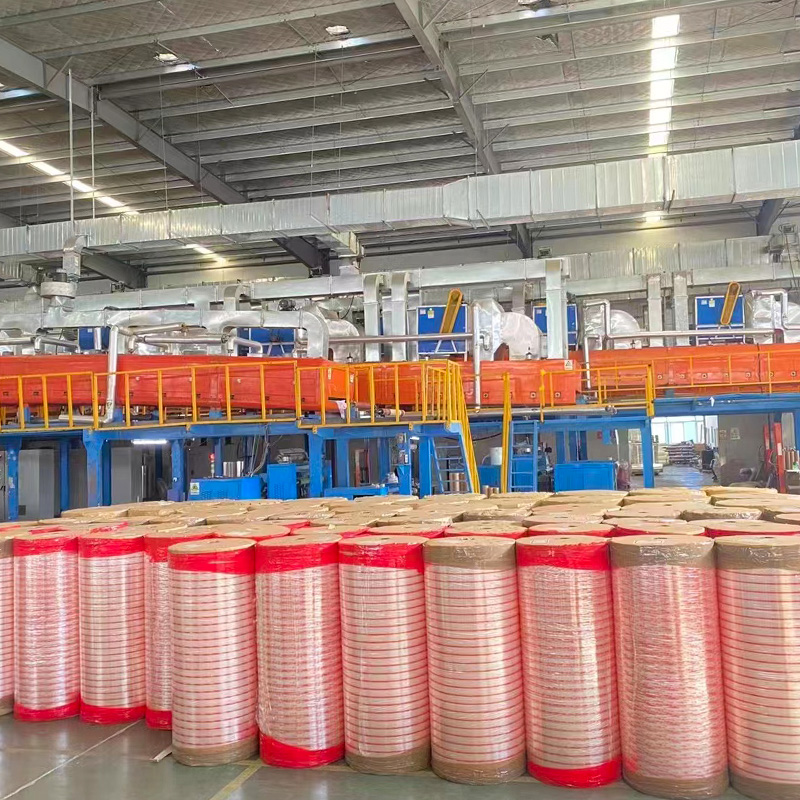 BOPP Hotmelt Jumbo Roll Tape
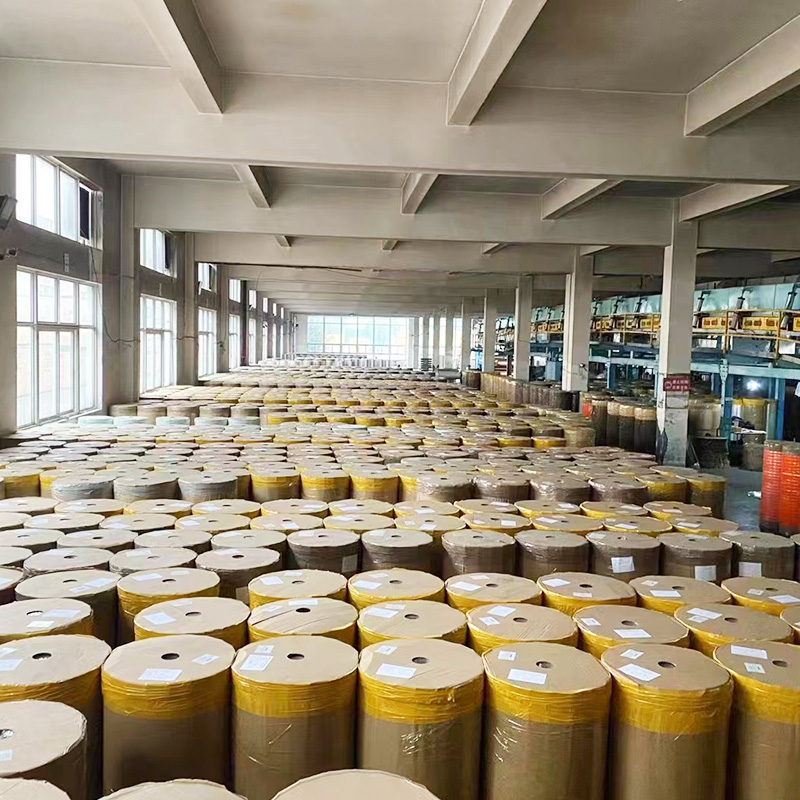 BOPP Solvent Jumbo Roll Tape
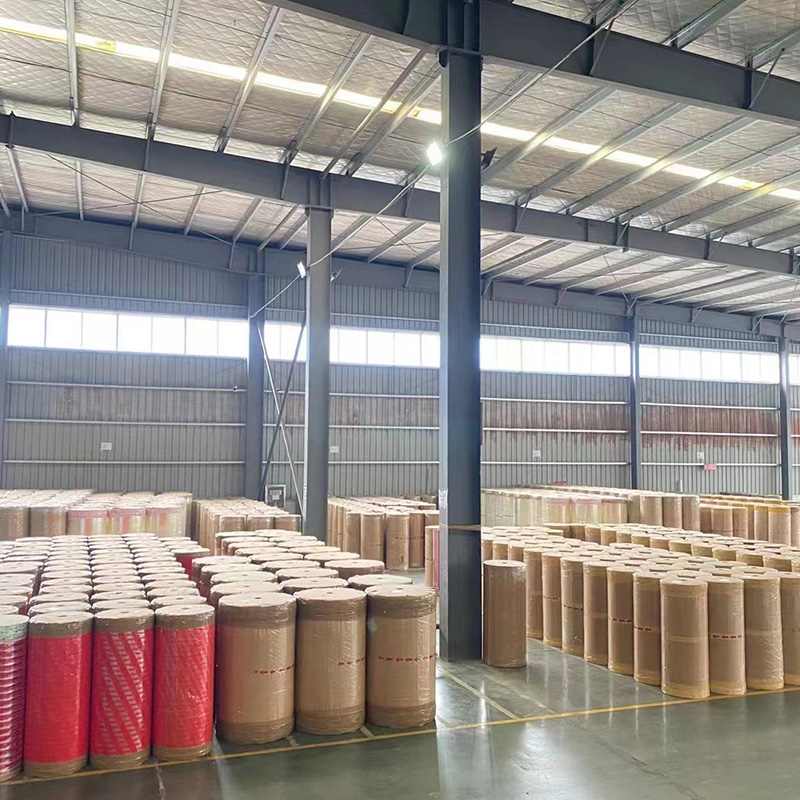 BOPP Natural Rubber Jumbo Roll Tape
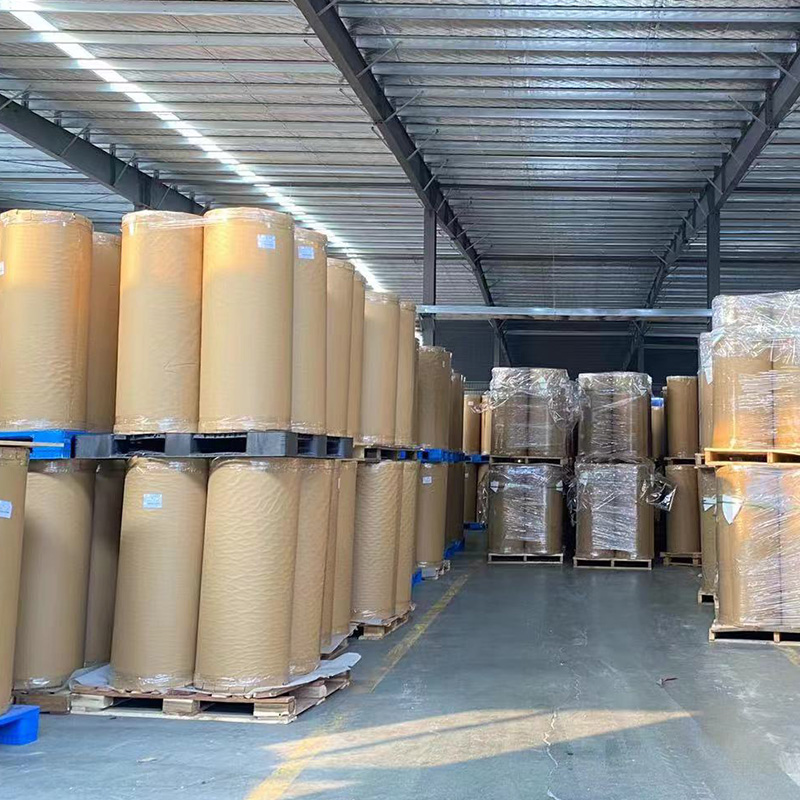 BOPP Low Noise Jumbo Roll Tape
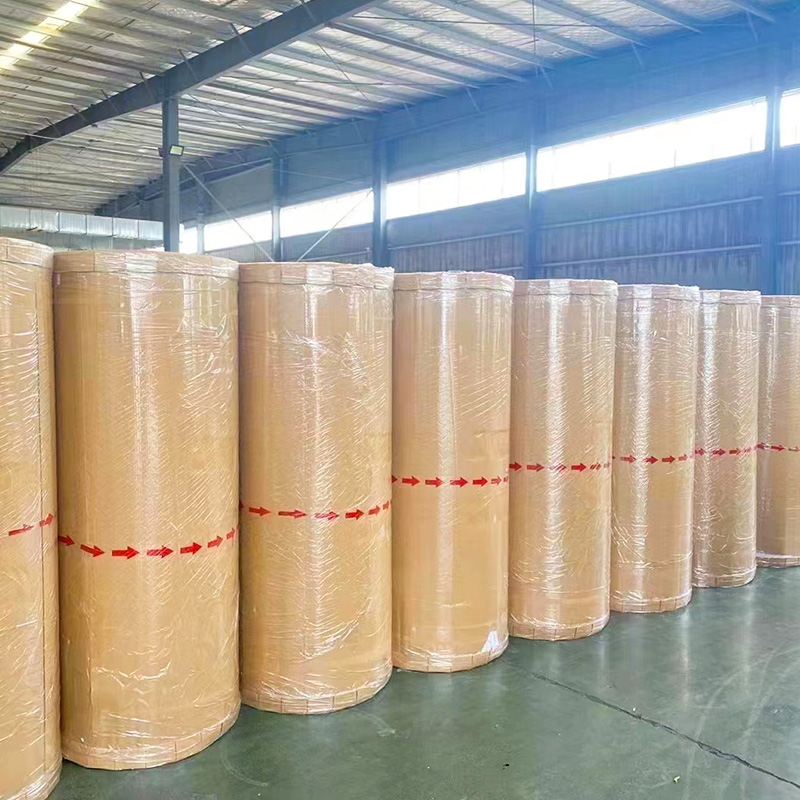 BOPP Silent Jumbo Roll Tape
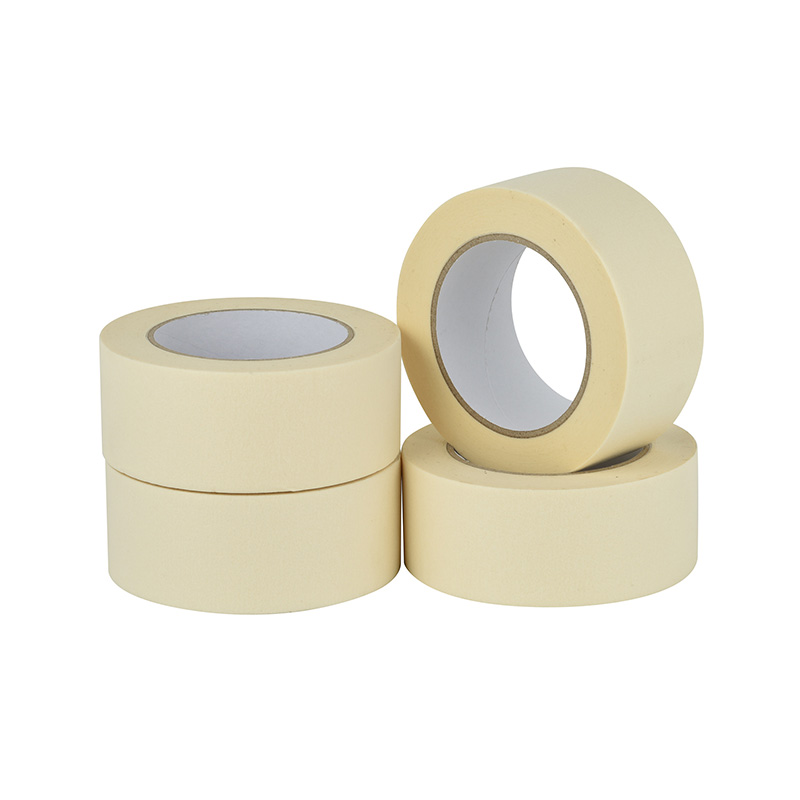 Masking Tape Jumbo Roll
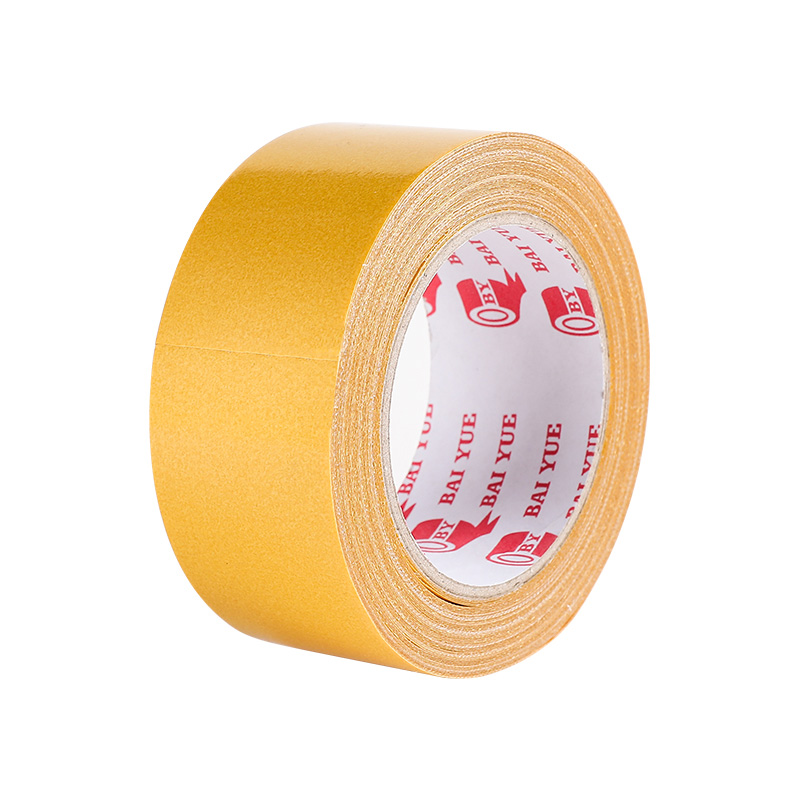 Duct Tape Jumbo Roll
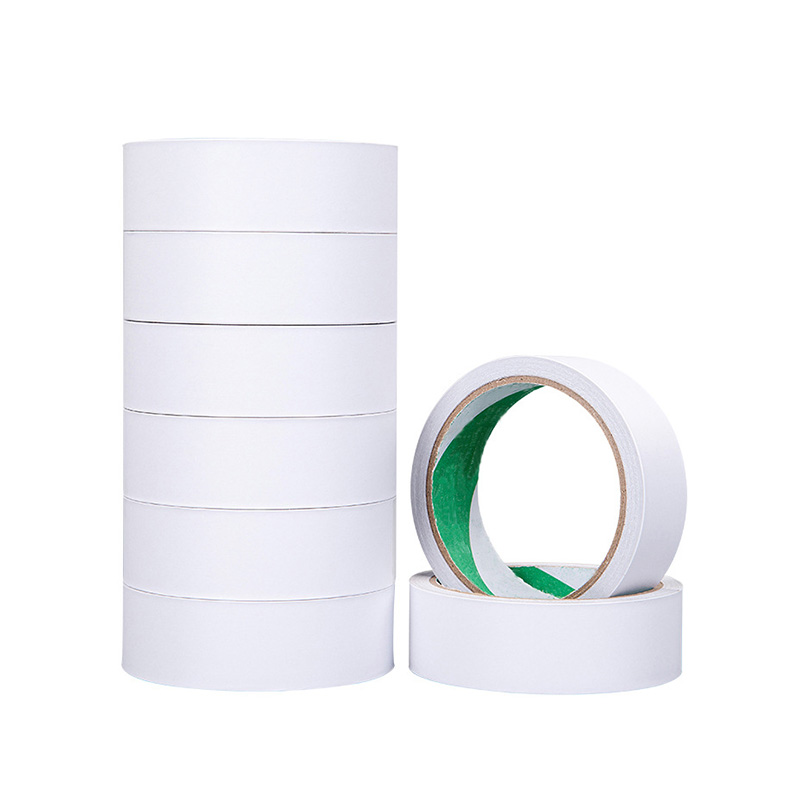 Double Side Tape Jumbo Roll
 fortuna@baiyiadhesive.com

 +86-575-82818961
 fortuna@baiyiadhesive.com
 Baiguan industrialZone,Shangyu District, Shaoxing City, Zhejiang Province, China



 浙ICP备17032394号