

 中文简体
 Español
 عربى
-
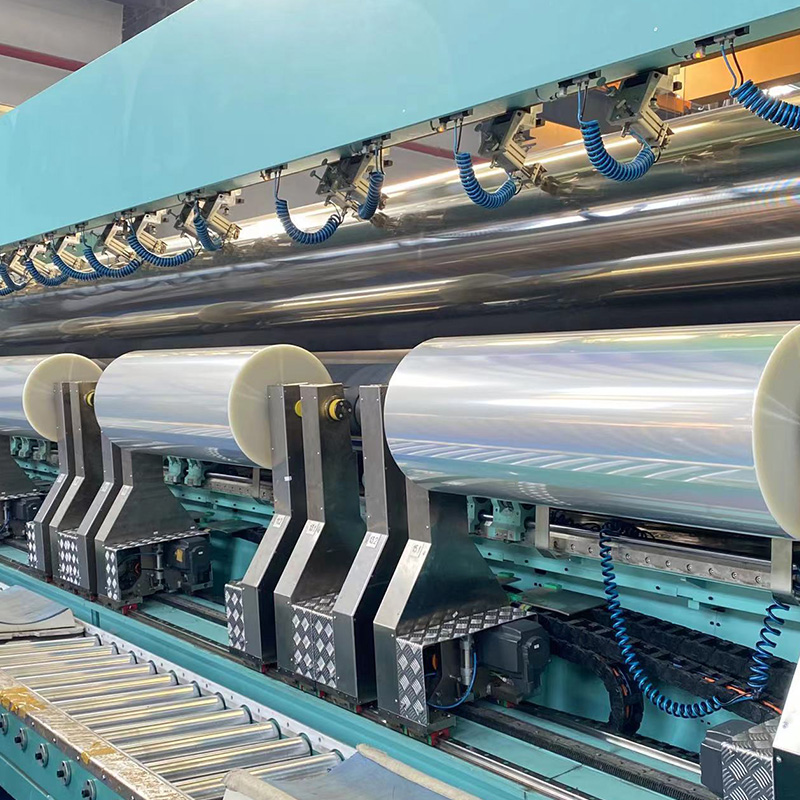 Biaxially Oriented Polypropylene Film
-
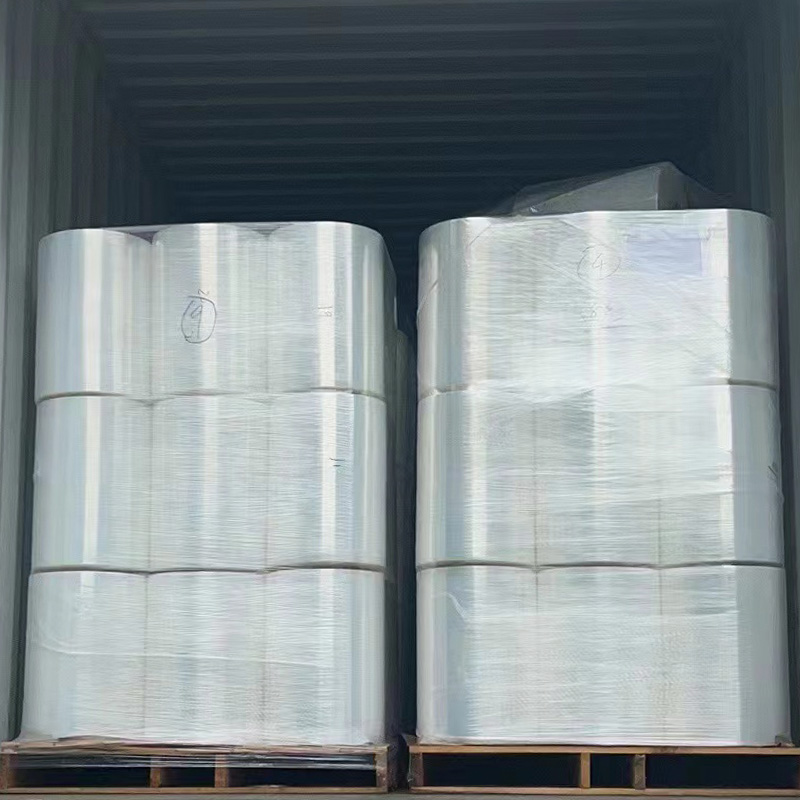 High Quality PE Stretch Film
-
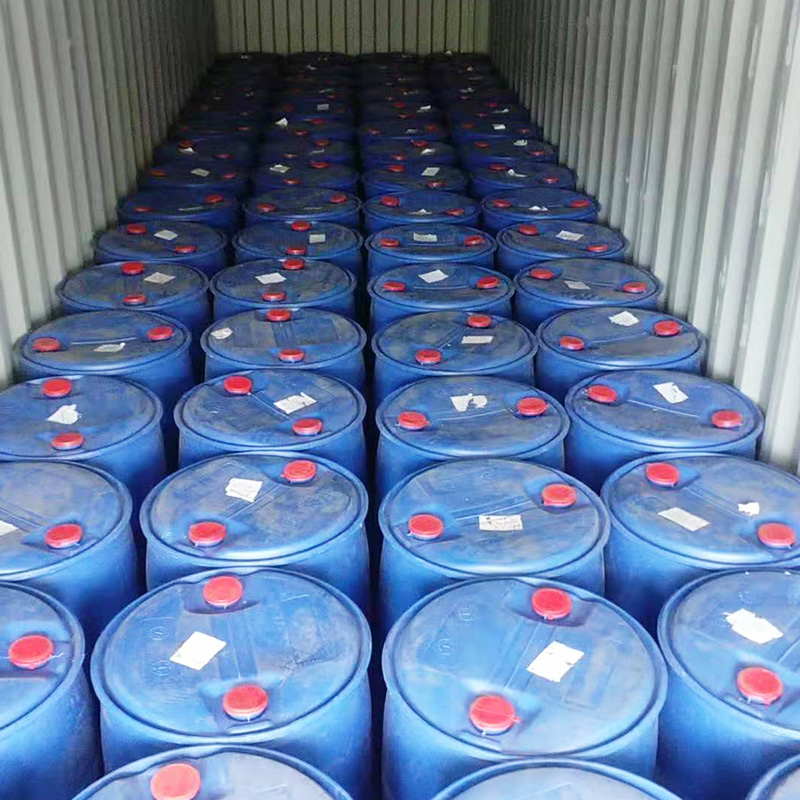 Water Based Acrylate Glue
-
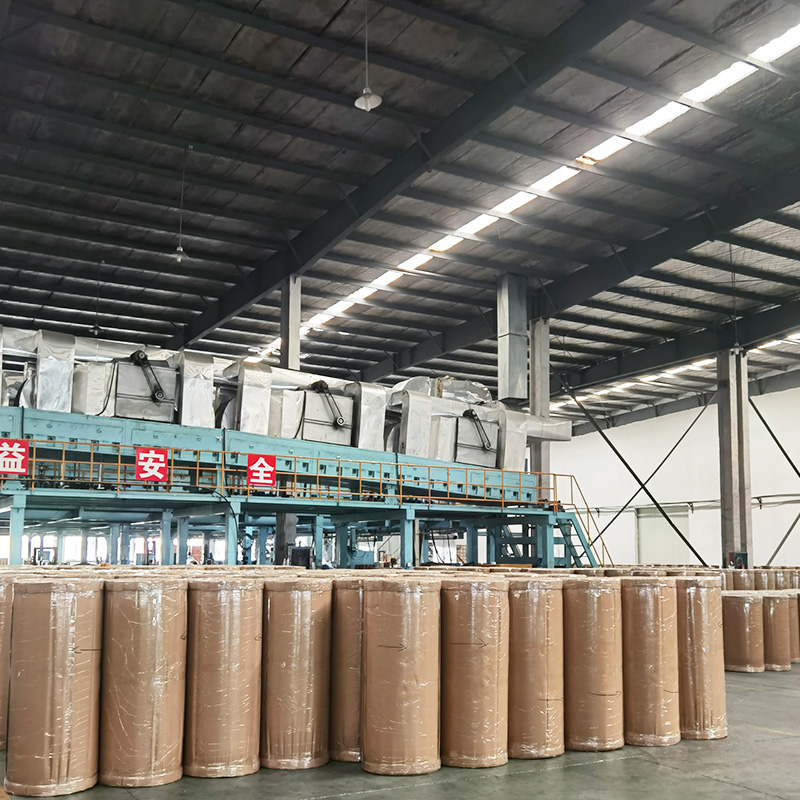 BOPP Acrylic Jumbo Roll Tape
-
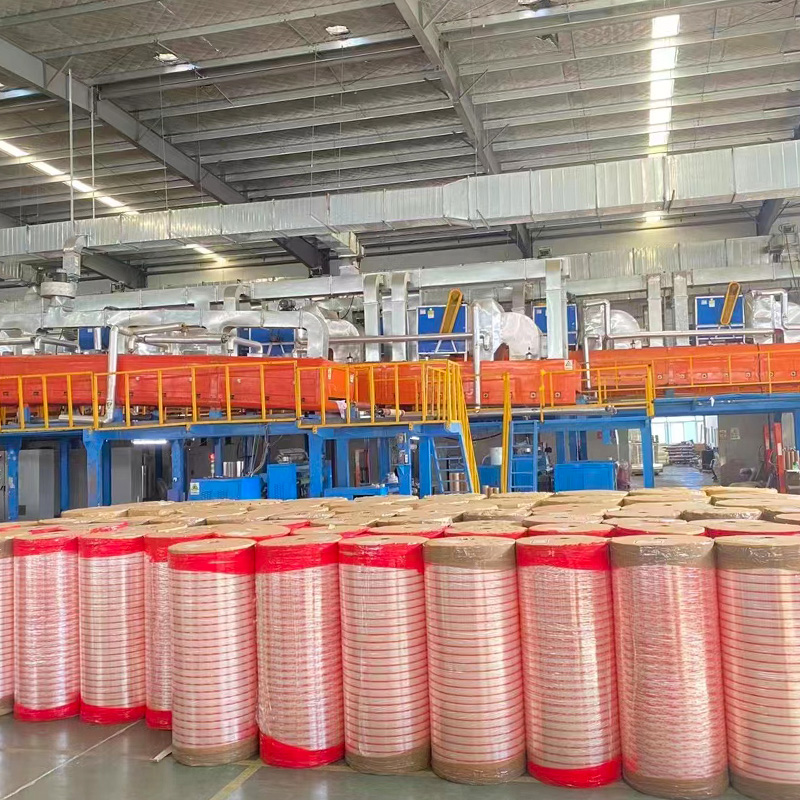 BOPP Hotmelt Jumbo Roll Tape
-
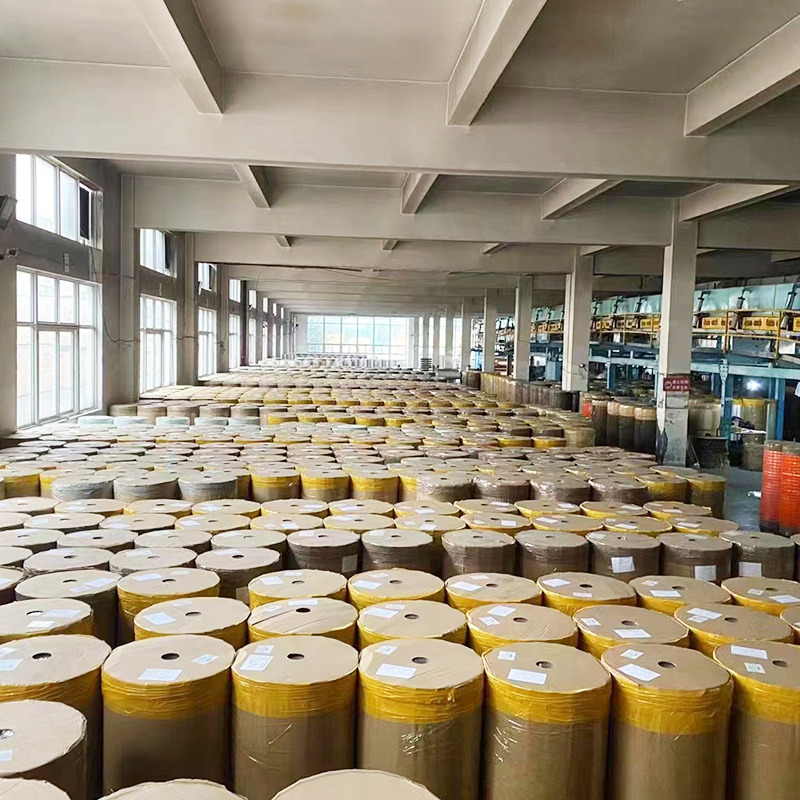 BOPP Solvent Jumbo Roll Tape
-
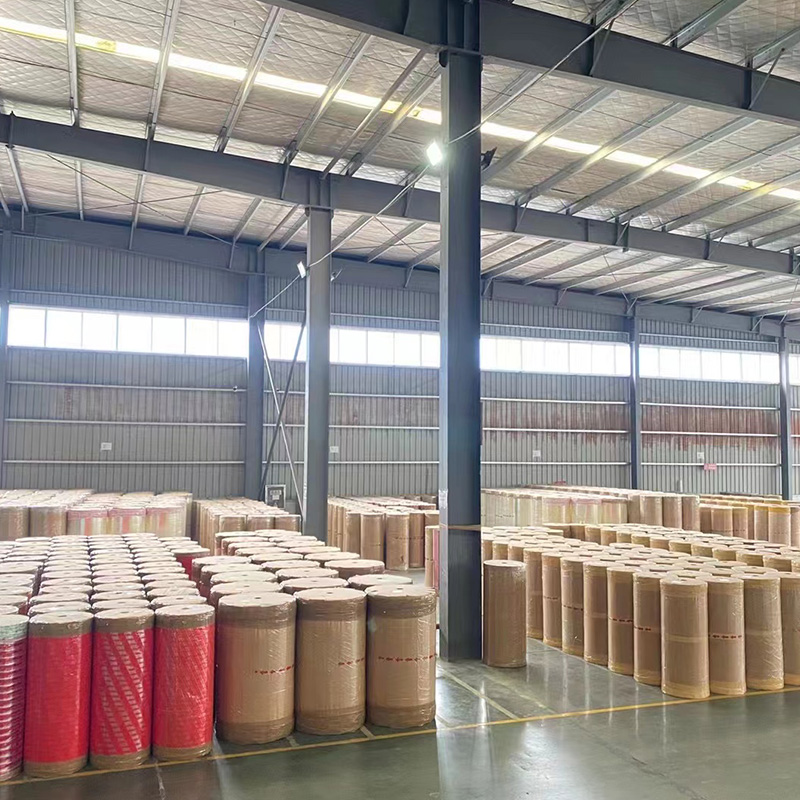 BOPP Natural Rubber Jumbo Roll Tape
-
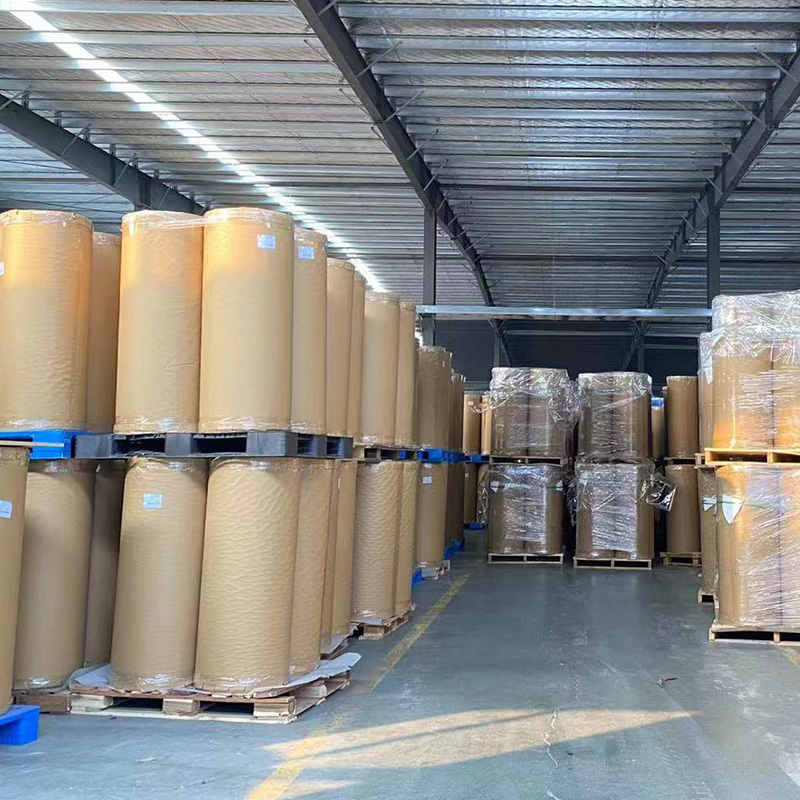 BOPP Low Noise Jumbo Roll Tape
-
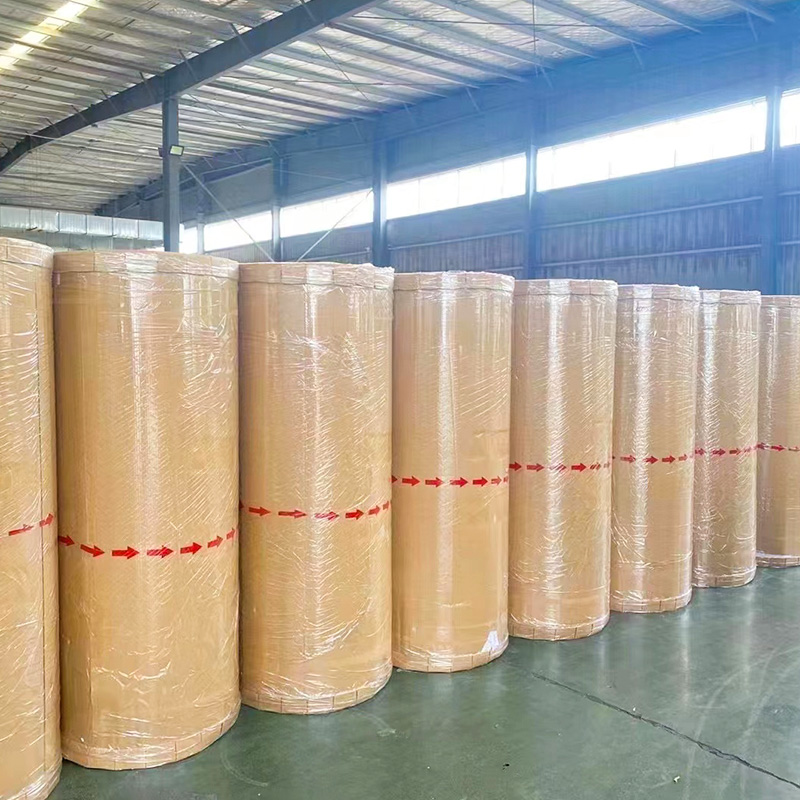 BOPP Silent Jumbo Roll Tape
-
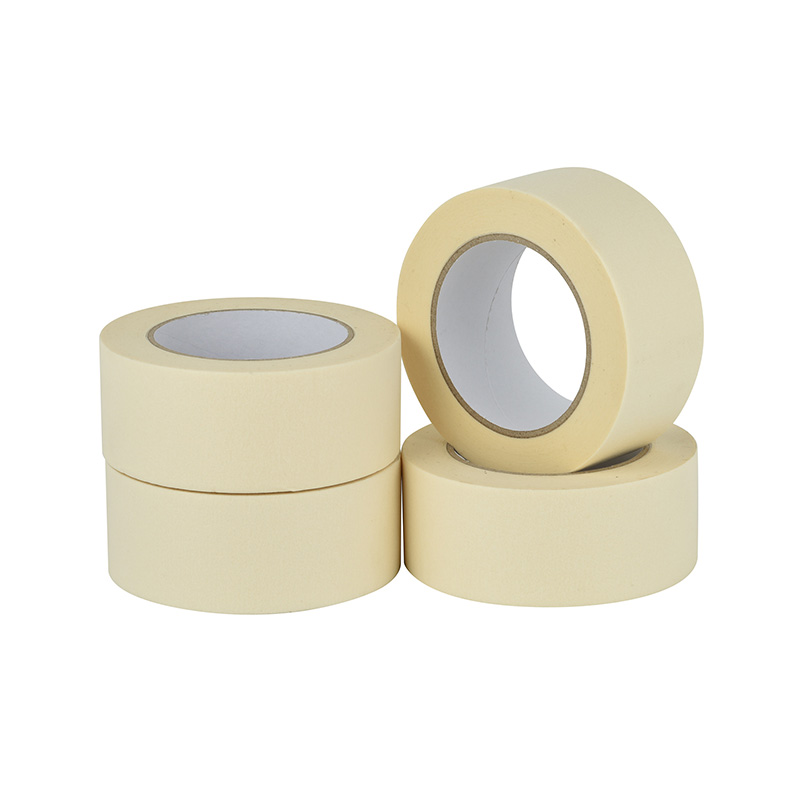 Masking Tape Jumbo Roll
-
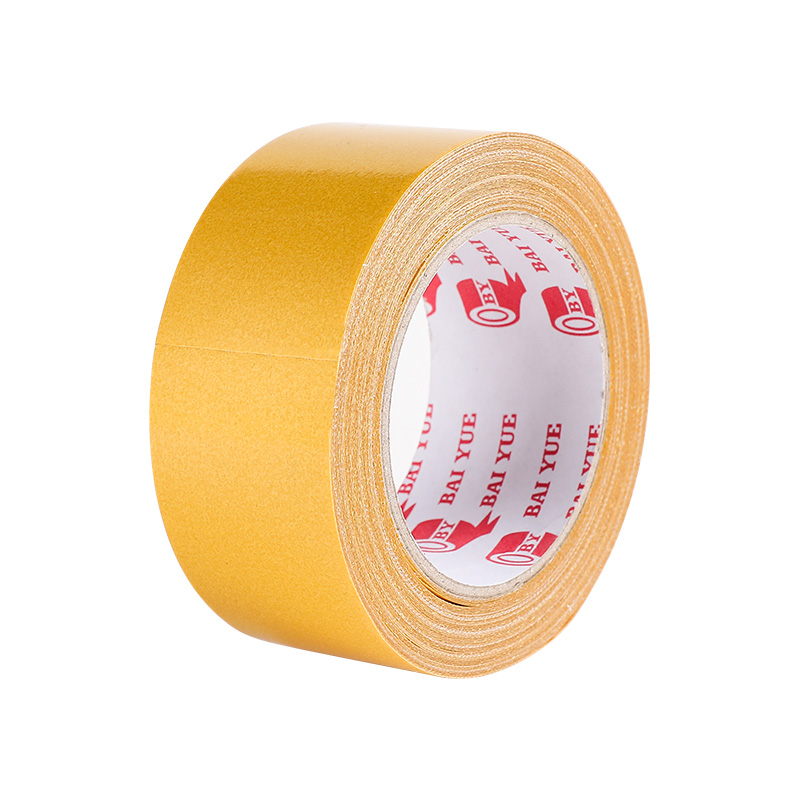 Duct Tape Jumbo Roll
-
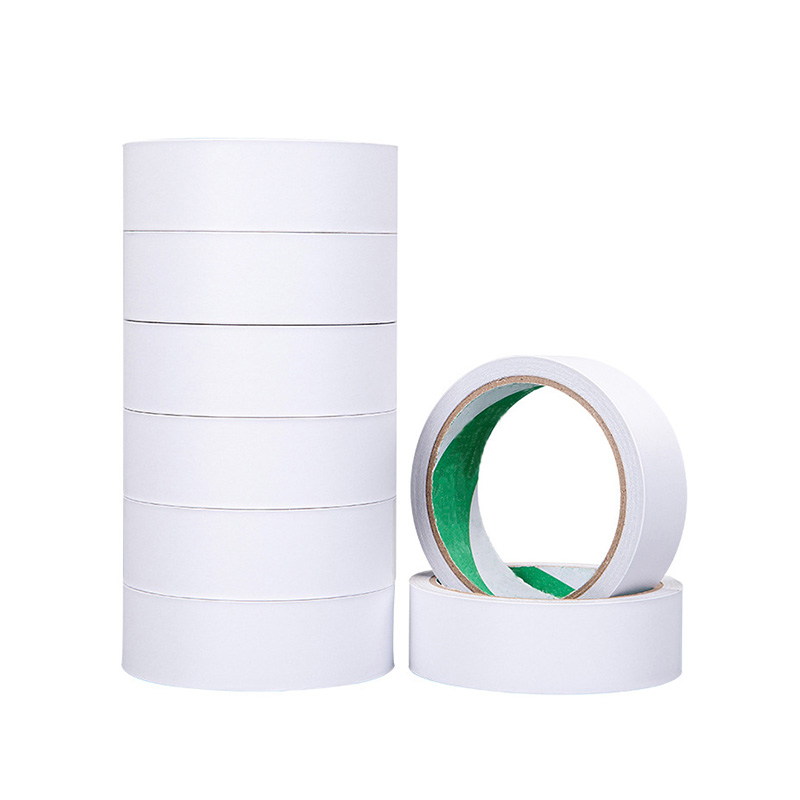 Double Side Tape Jumbo Roll
 fortuna@baiyiadhesive.com
Coated Films Sourcing Guide: BOPP Coating, Jumbo Rolls and Quality Checks
Content
- 1 What Coated Film Means in a Tape Supply Chain
- 2 The Five Variables That Decide Coated Film Performance
- 3 Coating Method Changes the Failure Mode
- 4 What to Put on a Coated Film Purchase Specification
- 5 Defects Buyers See First and What They Usually Mean
- 6 Supplier Checks That Matter More Than a Pretty Sample
- 7 Match Coated Film to the Job, Not the Catalog Name
A carton of glossy BOPP tape can look perfect at goods-in and still fail three weeks later in a humid warehouse. The roll may peel cleanly by hand, then curl at the edges, transfer adhesive to the carton, or make a loud unwind noise on a high-speed line. The film itself is rarely the only cause. The real issue is usually the coated film system: base film, adhesive chemistry, coat weight, drying, winding tension and the way the jumbo roll is slit.
That is why coated films should be bought as a process, not as a surface sheen. A supplier who controls film, glue and coating can hold the variables that a trading-only seller cannot see. The practical checks below will help buyers compare coated film specifications, sample rolls and jumbo roll quality before placing a repeat order.
A coated film is qualified by its coating window, not by its first appearance.
What Coated Film Means in a Tape Supply Chain
In pressure-sensitive tape, a coated film is a carrier film with a functional coating. For BOPP packaging tape, the carrier is biaxially oriented polypropylene film and the coating is an adhesive layer. The coating may be water-based acrylic, hot melt, natural rubber or solvent-based adhesive, depending on tack, aging, noise and cost targets. In other product families, a coating can also be a primer, release layer or barrier layer, but the buying logic is similar: the substrate supplies strength and appearance, while the coating supplies the interaction with the surface.
This matters because two rolls can use the same nominal BOPP film and behave very differently. Film gauge affects stiffness and tensile strength. Surface treatment affects adhesive anchorage. Adhesive chemistry affects initial tack, peel strength and resistance to humidity or cold. Coat weight affects cost, clarity and the balance between tack and transfer.
For packaging and printing converters, film clarity, gloss and print receptivity are also commercial factors. A coated film that looks slightly hazy may still perform, but it can weaken shelf appearance and print contrast. The relationship between BOPP film transparency and gloss is a useful starting point when appearance is part of the specification.
BOPP film transparency and gloss depend on resin, orientation and surface condition, not on a single additive.
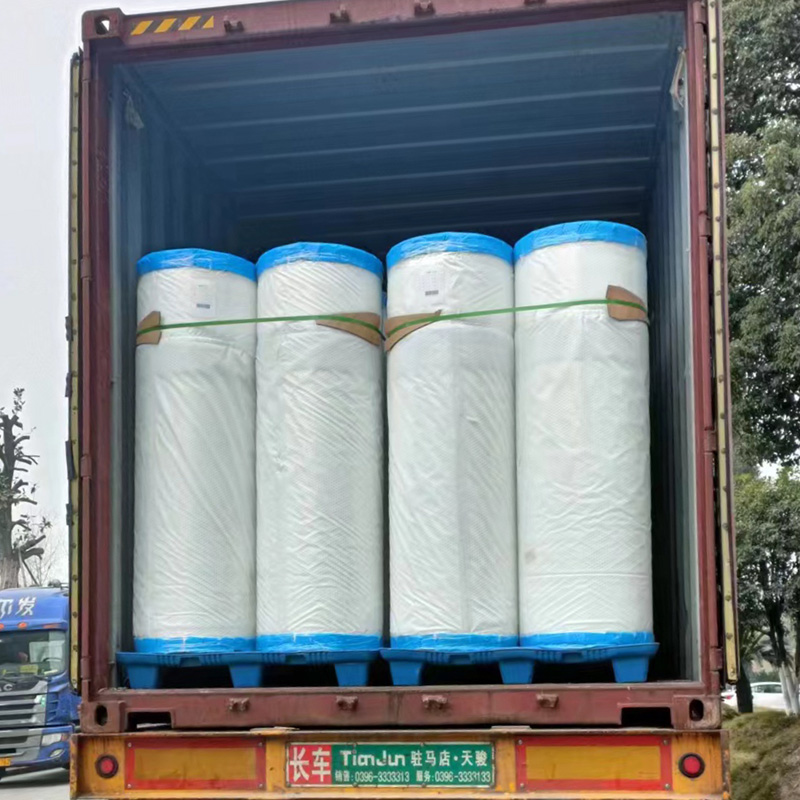 BOPP Film for Bag Making and TapeMultilayer co-extruded transparent BOPP film with 23–28 micron thickness options, customizable widths and lengths for bag-making and tape applications.View Product →
The Five Variables That Decide Coated Film Performance
Buyers often compare price per square meter or price per roll. That is not enough. A coated film quotation should allow a like-for-like comparison of the five variables below. If one supplier quotes a lower coat weight, thinner film or faster line speed, the sample may look similar while the service life changes.
| Decision | What It Changes | Buyer Check |
|---|---|---|
| Base film gauge | Stiffness, tensile strength, curl risk and unwinding feel | Nominal micron and tolerance, not just "standard" |
| Adhesive chemistry | Initial tack, peel, aging, humidity and cold resistance | Acrylic, hot melt, natural rubber or solvent - named clearly |
| Coat weight | Tack, cost, clarity, adhesive transfer and line speed | Grams per square meter and test method |
| Drying and curing | Residual solvent or moisture, blocking, odor and haze | Oven profile, line speed and release test after aging |
| Winding and slitting | Telescoping, edge damage, tension variation and noise | Core size, roll hardness, width tolerance and splice rule |
For converters buying jumbo rolls, the coating line and the slitting line must be treated as one system. A good coating with poor slitting creates edge lift and breaks on the customer's machine. A clean slit cannot rescue an unstable adhesive layer.
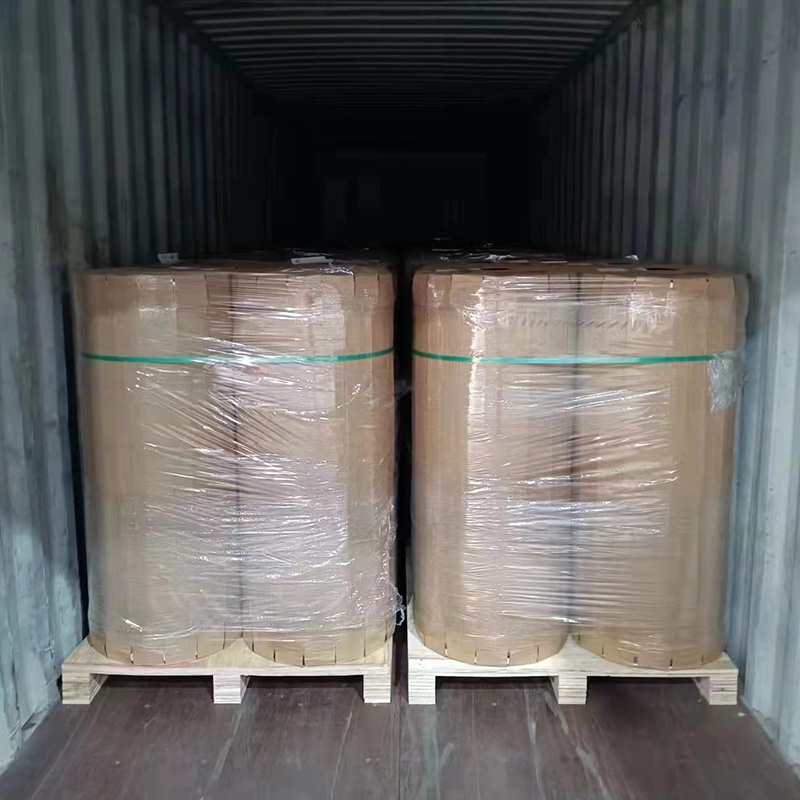 BOPP Acrylic Jumbo Roll Tape for Carton SealingTransparent BOPP jumbo roll with water-based acrylic adhesive, available in multiple thicknesses and widths for export carton sealing and general packaging.View Product →
Coating Method Changes the Failure Mode
The same BOPP carrier can be coated by different methods, and each method has a different risk profile. Buyers should ask what failure the supplier is controlling, not only what adhesive name is printed on the data sheet.
Water-Based Acrylic Coating
Water-based acrylic is common for packaging tape because it offers a useful balance of cost, clarity, aging and low odor. The process risk sits in drying. If oven zones and line speed are not matched to coat weight, residual moisture can cause haze, blocking or poor adhesion on damp cartons. A supplier with its own glue production can adjust solids and viscosity, but the buyer still needs coat weight and aging data.
Hot Melt and Natural Rubber Coating
Hot melt can deliver high initial tack and good grip on recycled board, but oxidation, odor and heat history matter. Natural rubber can give strong tack and conformability, yet it may age faster under heat or UV. Solvent-based systems can offer specific performance, but they require recovery and safety controls. The buying question is not which chemistry sounds premium; it is which chemistry fits the carton surface, climate and shelf life.
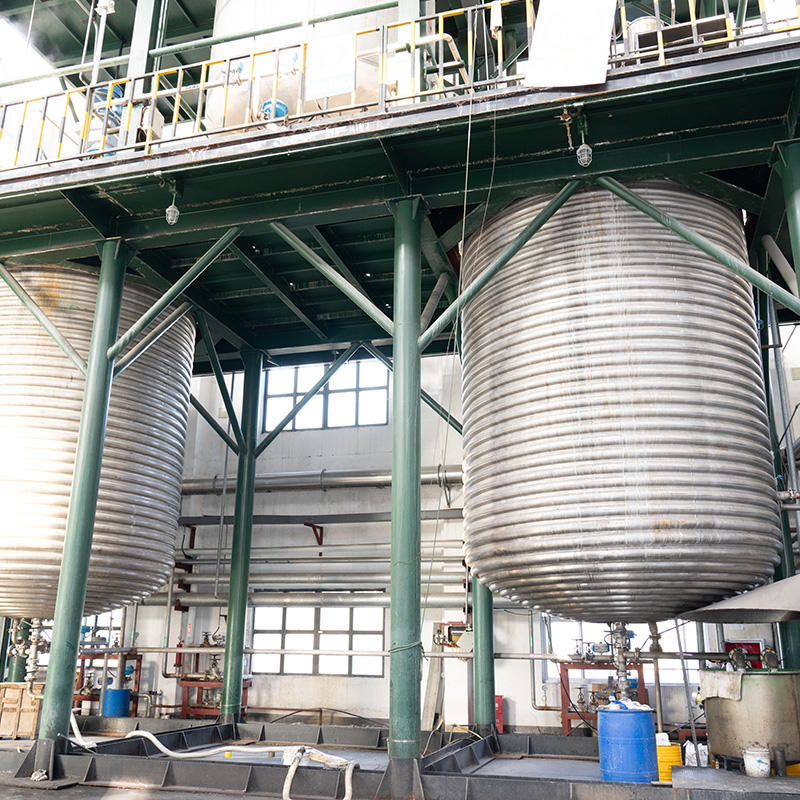 Water-Based Acrylic Adhesive for Tapes and BondingWater-based acrylic pressure-sensitive adhesive with 54% solids, supplied in 25–200 kg drums for tape, label and paper bonding applications.View Product →
What to Put on a Coated Film Purchase Specification
A short, testable specification prevents most disputes. It also makes quotations comparable when several suppliers use different wording. At minimum, include the following points in the request:
- Base film type and nominal gauge, with an accepted tolerance.
- Adhesive family and coat weight in grams per square meter.
- Width, roll length, core inner diameter and winding direction.
- Initial tack, peel adhesion and holding power, with test methods.
- Color, clarity, gloss level and printability if appearance is critical.
- Aging condition, humidity exposure and low-temperature use case.
- Roll hardness, edge condition and splice limit for jumbo rolls.
- Packaging, pallet pattern and shipping marks for export delivery.
If a specification cannot be measured, it is only a preference. "Strong tack" and "good quality" should be converted into a test method, a sample condition and an accept or reject limit.
Defects Buyers See First and What They Usually Mean
Most coated film complaints appear during unwinding, conversion or after a few days in storage. The defect name is useful, but the cause is what protects the next order.
- Edge curl: often a mismatch between film stiffness, winding tension and adhesive shrinkage.
- Telescoping: usually uneven tension or a jumbo roll that was wound too soft at the edges.
- Adhesive transfer: can indicate excessive coat weight, incomplete drying or unsuitable release.
- Blocking: often linked to residual moisture, heat exposure or tight winding before cooling.
- Low initial tack: may come from surface contamination, aging or adhesive chemistry mismatch.
- Haze or fish eyes: can come from poor film quality, coating contamination or incorrect drying.
When a defect appears, compare the failed roll with the retained sample and the production batch. Do not replace the whole specification based on one roll, and do not accept a replacement roll without knowing which variable changed.
Supplier Checks That Matter More Than a Pretty Sample
A hand sample can show gloss and initial tack, but it cannot show whether the supplier can repeat the result next month. A useful audit asks how film, glue and coating are controlled. Zhejiang Baiyi states that it has operated in tape since 2005, with annual sales above USD 60 million, four BOPP film production lines, an independent glue workshop, 16 BOPP roll production lines and 12 slitting machines. Its factory is in Shangyu, about one hour from Ningbo port, and it has operated a Yiwu warehouse since 2008. Those facts are relevant only if they connect to batch records, retained samples and corrective action.
Ask for three documents before approving a coated film: a batch test record, a retained sample from the same batch, and a corrective action example from a past defect. Then check the practical points that samples hide:
- Does the supplier control base film and adhesive, or only buy and slit?
- Can it show coat weight and drying data for the exact batch?
- Are jumbo roll width, core and winding tension recorded?
- Does the export packing protect edges from humidity and impact?
A supplier with upstream film and glue capability has more variables under one roof, but the buyer should still verify the records. Capability is not the same as consistency.
Match Coated Film to the Job, Not the Catalog Name
Packaging tape, masking tape, electrical tape and double-sided tape all use coated film logic, but the priorities differ. A carton sealing line may care most about initial tack, unwind noise and cost per meter. A masking application may care about conformability, clean removal and resistance to paint solvents. An electrical tape needs dielectric performance and flame behavior, while a double-sided product depends on liner release and foam or tissue core construction.
For converters, jumbo roll selection should follow the knife plan. A width that looks economical on paper can create excess trim or poor edge quality after slitting. Confirm the parent roll width, slit width tolerance, core diameter and maximum roll weight against your own machine. For brand owners, the coated film should also match the print process, shelf appearance and storage climate. A film that performs in a dry test room may behave differently in a hot container or a cold warehouse.
The simplest path is to send one complete brief: application, surface, film gauge, adhesive family, coat weight, width, length, core, packing and required test method. That lets the supplier quote a coated film that can be checked, not just a roll that looks right on arrival.
To compare coated film options or request a specification review, send your coated film specification with the points above and ask for batch-level test data before the first production run.

-
 +86-575-82818961
+86-15906537907 -
 fortuna@baiyiadhesive.com
-
 Baiguan industrialZone,Shangyu District, Shaoxing City, Zhejiang Province, China
About Us
To provide effective services to customers is
the direction of our work and work and the yardstick of value evaluation.
To achieve customers is to achieve ourselves.



Product Links
Contact Us
Copyright © Zhejiang Baiyi Adhesive Products Co., Ltd. All Rights
Reserved.
Wholesale Tape Manufacturer
Custom Tape Supplier
 浙ICP备17032394号