 fortuna@baiyiadhesine.com


 中文简体
中文简体 Español
 عربى
عربىProduct category
Contact Us
About Us
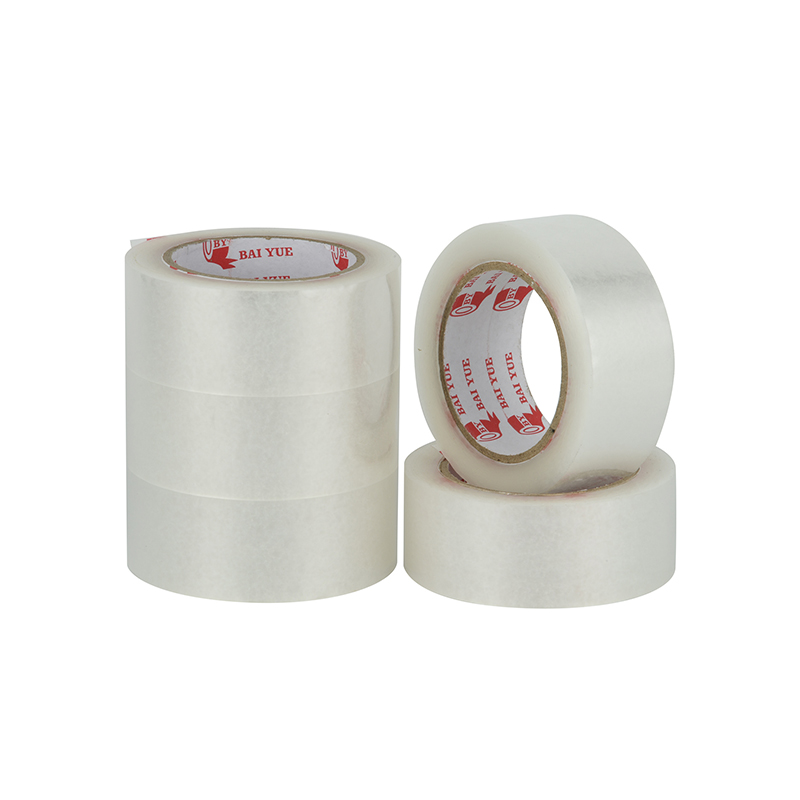
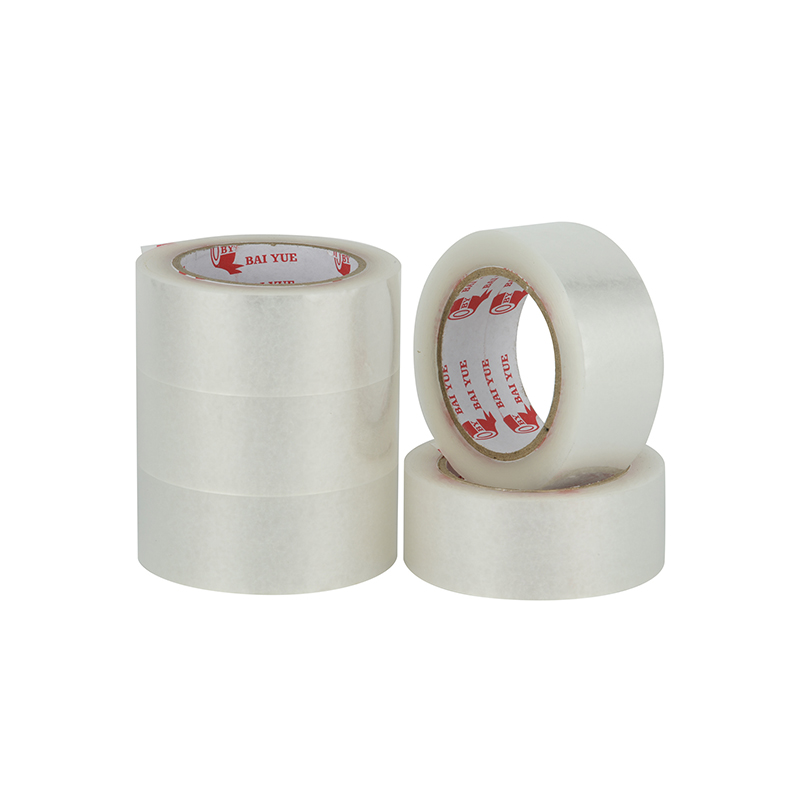
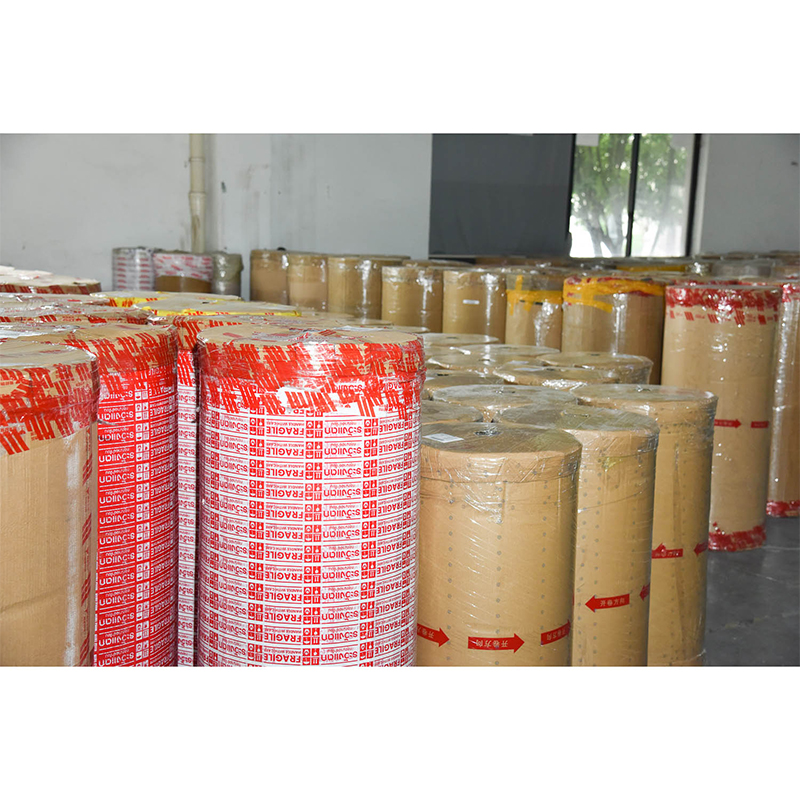
As a China Tape Manufacturer and Wholesale Tape Factory, Our company has a complete range of products with guaranteed quality, including Bopp film (for coating bopp tape jumbo rolls and making bags), various tape jumbo rolls, glue, bopp tape, masking tape, double-sided tape, duct tape, kraft paper tape, aluminum foil tape, PVC tape, PE stretch film, etc. All of our products meet international quality standards and are highly appreciated by various countries and markets.
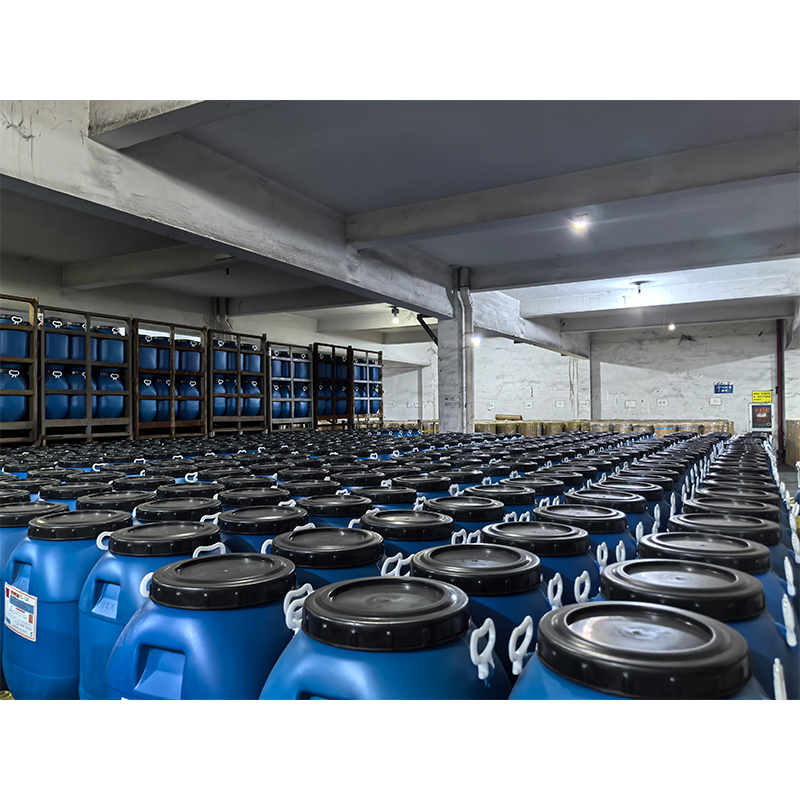
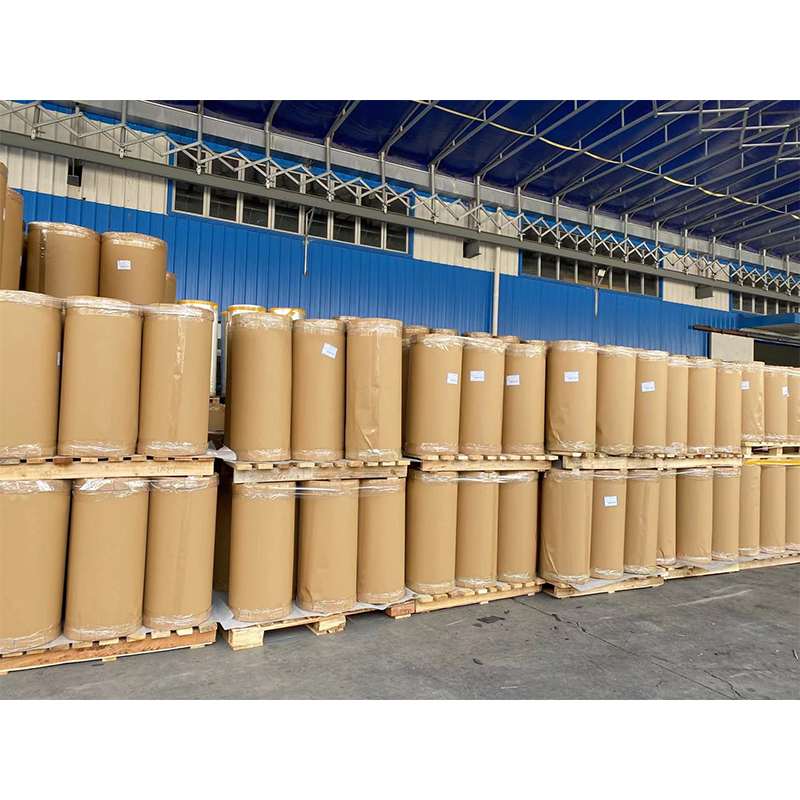
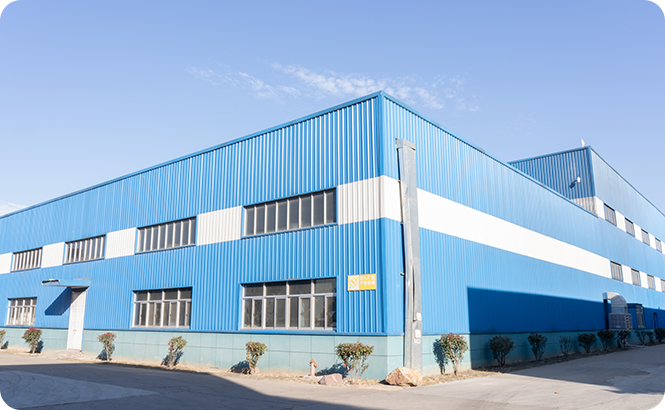
In 2005, we established a factory, Zhejiang Baiyi Adhesive Products Co., Ltd. With 4 Bopp film production lines, independent glue production workshop, 16 Bopp coil production lines and 12 slitting machines, we are a leading manufacturer in China's tape industry. In 2008, our company set up a warehouse in Yiwu City. We always adhere to the business philosophy of "first-class quality, best service". Your satisfaction is our goal, and our motivation is to do better. We are very happy to serve you and do business with your valued company!
Certificate
-
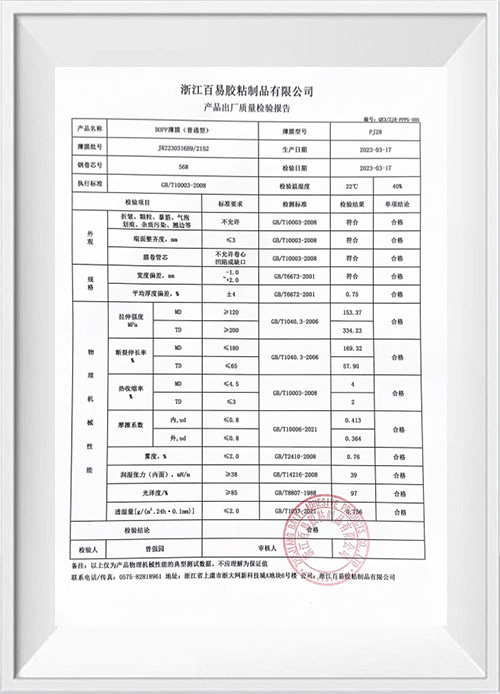 Thickness Film Report
 -
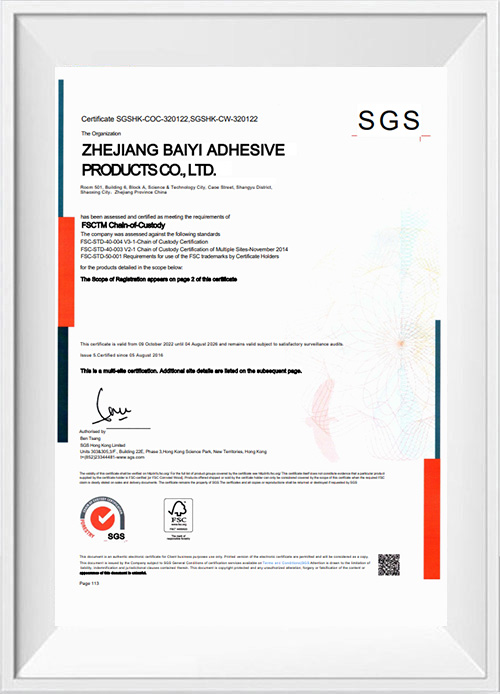 FSC
FSC -
 Quality Management System
 -
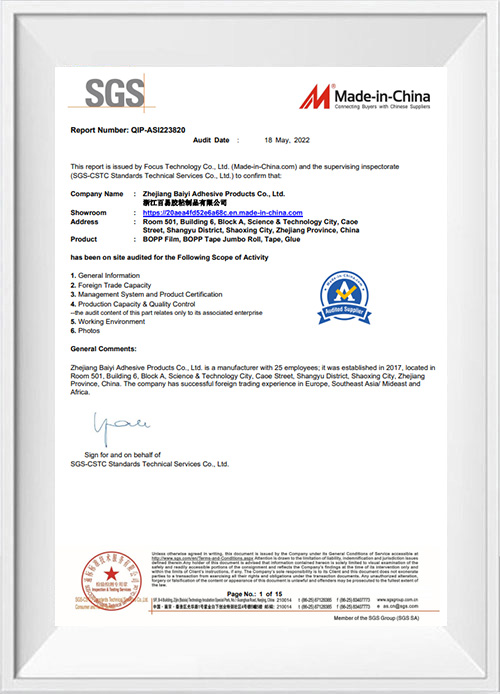 QIP-ASI223820
 -
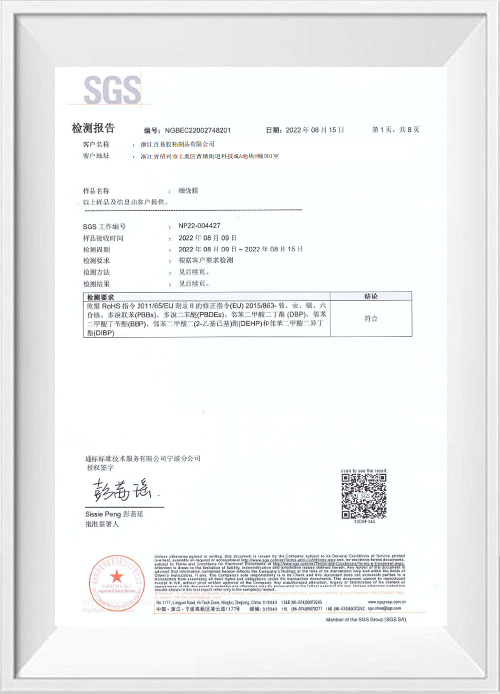 SGS Report on Winding Film
News
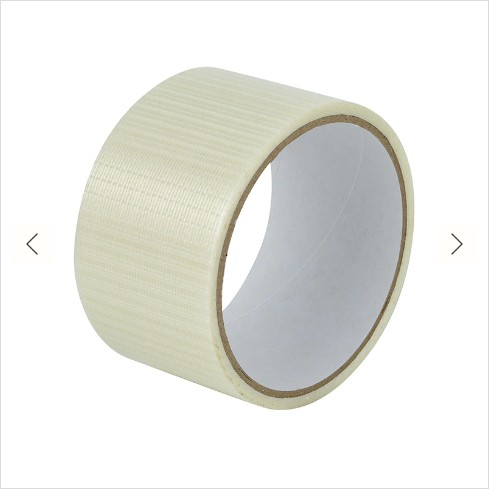
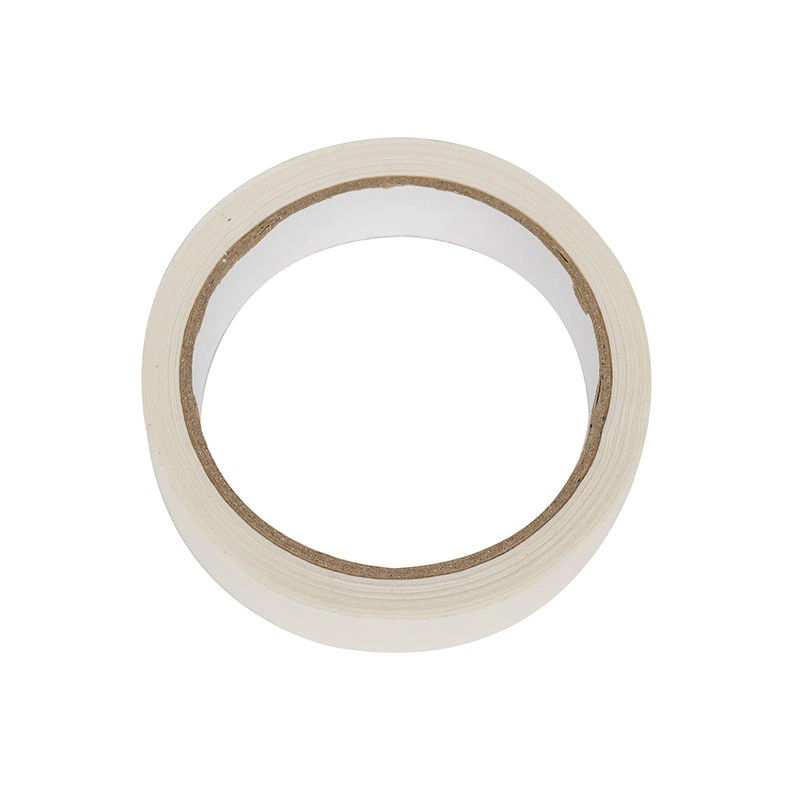
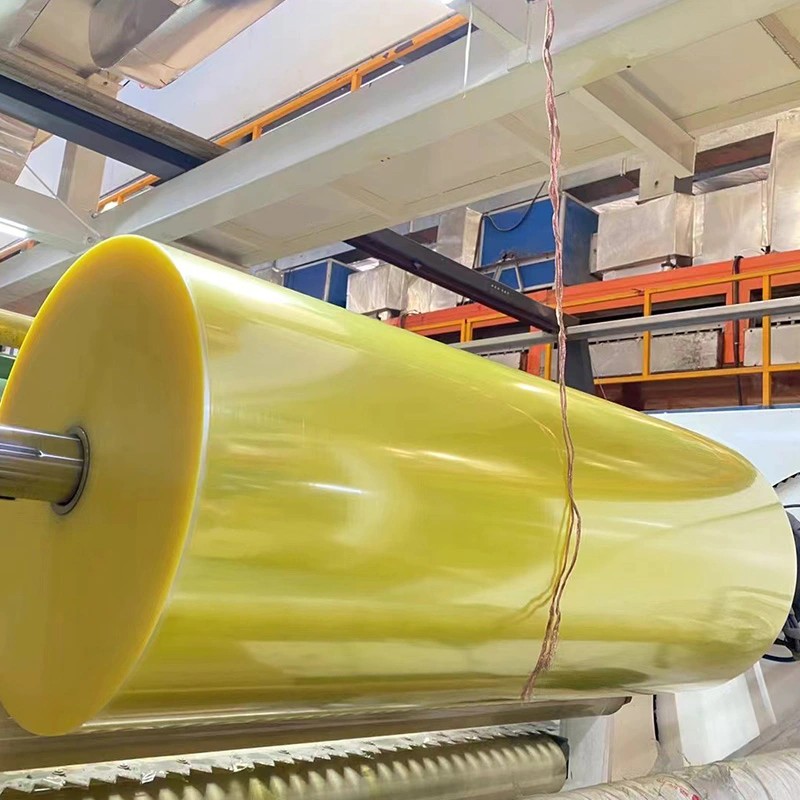
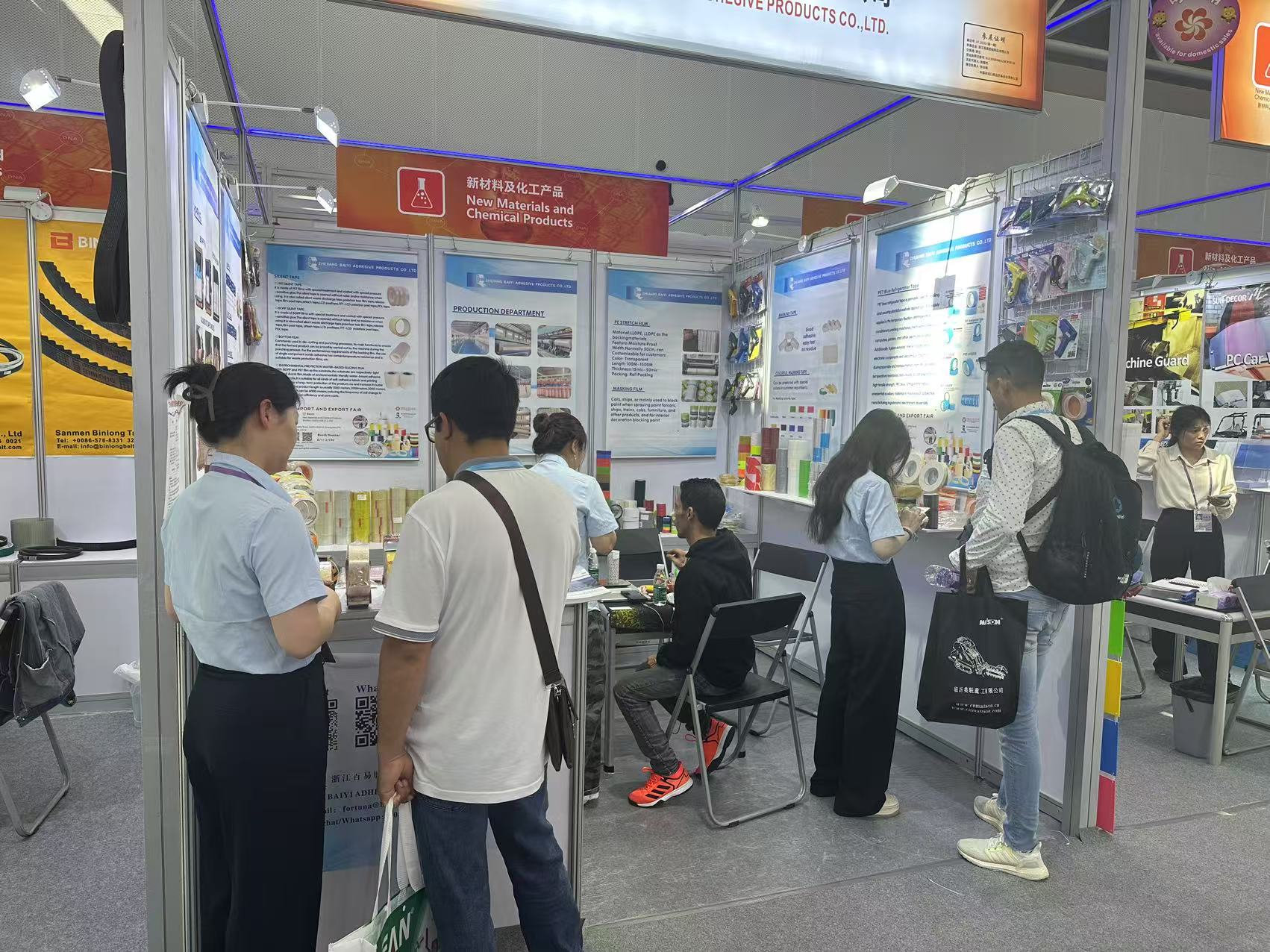
Industry Knowledge Extension
How to Reduce Adhesive Residue When Removing Tape?
| Key Strategy | Specific Action | Associated Advantage |
| Optimize Adhesive Formulation | Use adhesives with appropriate viscosity to reduce bond strength with the substrate. | Independent adhesive production workshop allows precise formulation control, ensuring minimal residue. |
| Select Suitable Tape Substrate | Choose non-adhesive substrates (e.g., silicone paper or specially coated paper) for tape production. | Diverse tape substrates (PE film, paper, etc.) enable provision of tapes that fracture easily, minimizing residue. |
| Control Usage Temperature | Use tape at lower temperatures (10°C-30°C). | Rigorous testing provides insights into adhesive performance across temperature ranges, guiding customers to reduce residue. |
| Reasonable Glue Application | Ensure uniform glue application to avoid localized over-adhesion. | Independent coating workshop technology ensures product quality. |
During tape use, cleaning up residual adhesive is not only time-consuming and laborious, but can also damage the surface of the adhered object. Zhejiang Baiyi, leveraging its professional adhesive R&D capabilities, offers optimized solutions.
1. Optimize Adhesive Formulation
Zhejiang Baiyi's Advantage: As a leading company in the adhesive industry, Baiyi has its own independent adhesive production workshop. By precisely controlling the proportions of adhesive components (such as the ratio of adhesive to thickener), the adhesion strength between the tape and the substrate can be reduced. This allows the tape to be removed cleanly with minimal residue.
2. Choose Suitable Tape Substrate
Zhejiang Baiyi's Advantage: The company produces tapes made from various materials, including ordinary paper and PE film. Tapes made with non-sticky substrates (such as silicone paper or specially coated paper) are more likely to produce a "squeak" when removed, which usually means the tape breaks under stress rather than detaching from the adhesive surface, thus minimizing residue.
3. Controlling Operating Temperature
Zhejiang Baiyi's Advantage: Baiyi's adhesive products have undergone rigorous testing to ensure strong adhesion at different temperatures. When using tape at lower temperatures (e.g., 10℃-30℃), the adhesive viscosity decreases, resulting in less residue upon removal. Conversely, higher temperatures (e.g., above 70℃) increase tackiness, potentially leaving more residue upon removal.
4. Appropriate Adhesive Application
Zhejiang Baiyi's Advantage: Leveraging its independent coating workshop technology, Baiyi can provide tape products with uniform adhesive application. A reasonable application amount (neither too thin nor too thick) ensures uniform adhesion and prevents stubborn residue caused by localized over-adhesion.
How Should Tape Be Stored?
| Storage Aspect | Specific Recommendation | Associated Advantage |
| Environmental Temperature Control | Store in an environment of 15°C-30°C. | Understanding tape temperature sensitivity allows for professional storage advice. |
| Moisture Prevention & Ventilation | Avoid humid environments, keep dry and well-ventilated. | While producing water-soluble tape, regular tapes must be moisture-resistant to prevent performance degradation. |
| Vertical Hanging Storage | Suggest vertical hanging for roll tapes to prevent bottom compression. | Diverse roll product lines cater to various packaging needs, providing suitable storage recommendations. |
| Avoid Direct Sunlight | Prevent UV exposure to slow adhesive aging. | Deep understanding of adhesive properties helps extend tape lifespan. |
Proper storage not only extends the tape's lifespan but also ensures its performance stability. Located in Shangyu City, Zhejiang Province, near Ningbo Port, Zhejiang Baiyi's factory boasts excellent logistics conditions, enabling a stable product supply to customers.
1. Ambient Temperature Control
Zhejiang Baiyi's Advantages: As a professional tape manufacturer, Baiyi understands the temperature sensitivity of tapes. It is recommended to store tapes in an environment between 15℃ and 30℃. Excessively high temperatures can cause premature aging of the adhesive, reducing its tack; excessively low temperatures can make the tape brittle, leading to breakage during use.
2. Moisture Protection and Ventilation:
Zhejiang Baiyi Advantage: Although water-soluble tapes are designed to dissolve in a pulping process, humid environments should be avoided during normal use. Moisture will affect the adhesive properties of the tape. Store in a dry, well-ventilated area to prevent mold or mildew.
3. Vertical Hanging Storage:
Zhejiang Baiyi Advantage: For roll tapes, vertical hanging storage is recommended. This not only saves space but also prevents bottom indentations or roll deformation due to gravity. Baiyi offers a diverse roll product line suitable for various packaging needs.
4. Avoid Direct Sunlight:
Zhejiang Baiyi Advantage: Long-term exposure to ultraviolet light will accelerate the aging of the adhesive. Avoid direct sunlight during storage, especially for light-sensitive materials such as PVC tape.
What temperature can Zhejiang Baiyi Adhesive Products Co., Ltd.'s water-soluble tape withstand?
| Key Indicator | Specific Description | Associated Advantage |
| High-Temperature Resistance | This type of tape can withstand temperatures up to approximately 150°C. | Designed for the paper-making industry (Flyer), maintaining adhesion under high temperatures. |
| Specialized Use | Primarily used for flyer processes. | Focused on the paper industry with strong product specialization. |
| Transient Heat Resistance | Maintains adhesion at high temperatures but is designed to dissolve quickly during re-pulping. | Balances high-temperature endurance with specific dissolution requirements. |
| Comparative Advantage | Compared to ordinary PVC tape (temperature resistance 70°C-120°C), this tape offers higher temperature resistance. | Meets the high-temperature needs of paper machines, outperforming standard tapes. |
Water-soluble tape is one of Zhejiang Baiyi's core products, primarily used in the splicing process of the paper industry. Its design balances adhesive strength and temperature resistance.
1. Design Requirements
Zhejiang Baiyi's Advantage: Baiyi's water-soluble tape is specifically designed for flyer splicing. In paper production, paper generates high temperatures during high-speed operation (especially during the drying stage). Baiyi's tape is designed to maintain performance under high temperature conditions.
2. High Temperature Resistance
Zhejiang Baiyi's Advantage: According to industry standards and Baiyi's product characteristics, this type of tape can withstand temperatures up to approximately 150°C. This means that even in environments with paper drying or high-temperature steam, the tape maintains its adhesion without premature melting or failure.
3. Durability
Zhejiang Baiyi's Advantage: While possessing high-temperature resistance, the core design of this tape is its rapid dissolution during re-pulping. This means its adhesive performance under high-temperature conditions is temporary and controlled.
4. Comparison with Other Tapes
Zhejiang Baiyi's Advantage: Compared to ordinary PVC or polyester tapes (temperature resistance typically between 70℃-120℃), Baiyi's water-soluble tapes exhibit superior temperature resistance in the papermaking industry, adapting to the high-temperature environment of paper machines.
Is it suitable for use in high-temperature encapsulation processes?
| Conclusion | Detailed Explanation | Associated Advantage |
| Applicable for Certain Products | Suitable: Aluminum foil tape, polyester tape (PET), and specially designed high-temperature double-sided tape can withstand 150°C to 260°C, offering excellent electrical insulation. | Product lines include high-temperature double-sided tapes, aluminum foil tapes, etc., specifically designed for high-temperature environments. |
| Water Soluble Tape Not Suitable | Not suitable: Water soluble tape is primarily used for paper and carton sealing, designed to dissolve quickly during re-pulping, lacking electrical insulation properties. | This product is specifically designed for paper processes and is not suitable for electronic sealing or other high-temperature sealing processes. |
| Key Considerations | In high-temperature sealing (e.g., heat shrink, wave soldering), select tapes with high-temperature resistance and electrical insulation. | Provide professional product selection advice tailored to various high-temperature processes. |
High-temperature encapsulation processes (such as heat shrink encapsulation, wave soldering, etc.) place strict requirements on the temperature resistance and electrical properties of tapes. As a professional tape manufacturer, Zhejiang Baiyi's product line covers a variety of tapes suitable for high-temperature environments.
1. Suitable for High-Temperature Environments
Zhejiang Baiyi's Advantage: Baiyi's product series includes polyester tape (PET), aluminum foil tape, and high-temperature double-sided tape. Among them, aluminum foil tape and high-temperature polyester tape can typically withstand temperatures from 150°C to 260°C. These tapes are specifically designed for high-temperature environments and are suitable for high-temperature encapsulation processes.
2. Electrical Insulation
Zhejiang Baiyi's Advantage: For high-temperature encapsulation (such as electronic component encapsulation), electrical insulation is crucial. Baiyi's PVC and polyester tapes both possess excellent electrical insulation properties, maintaining insulation at high temperatures without electrical breakdown.
3. High-Temperature Resistant Double-Sided Tape
Zhejiang Baiyi's Advantage: Baiyi offers double-sided tapes specifically designed for high-temperature applications. The adhesive composition of these tapes has been modified to maintain adhesion at high temperatures, without failing or producing toxic gases due to high temperatures.
4. Applicable Scenarios
Zhejiang Baiyi's Advantage: In summary, some of Zhejiang Baiyi's tapes (such as aluminum foil tape, polyester tape, and high-temperature double-sided tape) are very suitable for high-temperature encapsulation processes. However, it should be noted that water-soluble tape is mainly used in papermaking and carton packaging. It is not the best choice in high-temperature packaging processes (such as electronic packaging) unless the process requires the tape to dissolve under specific conditions.
Frequently Asked Questions (FAQ)
Q1:I need a tape that can be used in humid environments. How waterproof are your products?
A:Moisture and water resistance are among the core properties of tape, suitable for outdoor use or water treatment industries.
Q2:What problems might occur with tape in high-temperature environments?
A:Common problems include: insufficient high-temperature resistance, poor sealing, or softening of the adhesive layer at high temperatures leading to curling, bubbling, or loss of adhesion.
Q3:What is the application temperature range of the tape?
A:Application range: Ordinary tapes are generally used between -25℃ and 150℃. Please refer to the instruction manual for specific requirements based on the tape type (e.g., thermally conductive tape).
Q4:How should the tape be stored?
A:They are primarily used in photovoltaic power generation systems to connect solar panels and inverters, ensuring safe current transmission and overall system protection.

-
 +86-575-82818961
+86-15906537907 -
 fortuna@baiyiadhesive.com
-
 Baiguan industrialZone,Shangyu District, Shaoxing City, Zhejiang Province, China



Copyright © Zhejiang Baiyi Adhesive Products Co., Ltd. All Rights
Reserved.
OEM/ODM Custom Tape Manufacturer
 浙ICP备17032394号