Among all bonding solutions on the market, VHB (Very High Bond) double-sided tape is widely regarded as the strongest type of double-sided tape, capable of replacing rivets, screws, and welding in many structural and industrial applications. Its closed-cell acrylic foam core distributes stress evenly across the bonded surface and resists peeling, shock, vibration, and temperature swings far better than standard foam, tissue, or paper-backed double-sided tape. That said, "strongest" depends on the application: VHB tape excels in structural and outdoor bonding, while foam tape and PET tape are better suited to lighter assembly tasks. This article breaks down how different double-sided tape constructions compare in bonding strength, and how to choose the right one for your project.
What Makes a Double-Sided Tape "Strong"?
The strength of double-sided tape is not a single number — it is a combination of several measurable properties that determine how a bond performs under real-world conditions.
- Peel adhesion — the force required to peel the tape away from a surface at a given angle, usually measured in N/25mm or oz/in.
- Shear strength — resistance to sliding forces when the bond is under sustained load, critical for vertical or load-bearing applications.
- Initial tack — how quickly the adhesive grabs the surface on first contact, important for assembly speed.
- Temperature and environmental resistance — whether the bond holds up under heat, cold, UV exposure, and humidity.
A tape that scores high in one category does not automatically score high in the others, which is why selecting the strongest double-sided tape for a project means matching the adhesive technology and backing material to the specific bonding requirement.
Comparing Double-Sided Tape Types by Bonding Strength
The table below ranks common double-sided tape constructions from strongest to lightest-duty, based on typical industrial use cases for each backing type.
| Tape Type |
Backing / Core |
Typical Strength Level |
Best Suited For |
| Double Side VHB Tape |
Acrylic foam core |
Very high |
Structural bonding, outdoor signage, panel mounting |
| Double-Sided Foam Tape |
PE or EVA foam |
High |
Uneven surfaces, gap filling, gasketing, nameplates |
| Industrial PET Double-Sided Tape |
Polyester (PET) film |
Medium-high |
Electronics assembly, thin and precise bonding |
| High-Performance Cotton Paper Tape |
Cotton paper |
Medium |
Foam lamination, craft and stationery mounting |
| Double-Sided Tissue Tape |
Thin tissue paper |
Light-duty |
Paper crafts, light fabric and label mounting |
General strength comparison of common double-sided tape constructions used in industrial and commercial applications.
Why VHB Double-Sided Tape Performs Best Under Stress
VHB tape uses a thick, closed-cell acrylic foam core rather than a thin film or paper backing. This foam structure allows the adhesive to absorb shock and vibration while maintaining continuous contact with both bonding surfaces, which is what gives it superior shear and peel resistance compared to other double-sided tape types.
Key Strength Advantages of VHB Tape
- Distributes mechanical stress evenly, reducing the risk of bond failure at edges.
- Maintains adhesion across a wide temperature range, including outdoor and automotive conditions.
- Conforms to slightly textured or curved surfaces, improving total contact area.
- Builds strength progressively over 24–72 hours as the adhesive fully cures, eventually matching or exceeding mechanical fasteners in many applications.
This is why VHB tape is commonly chosen for signage panels, trim attachment, appliance assembly, and metal-to-metal or metal-to-glass bonding where long-term durability matters more than initial cost.
When Foam, PET, or Paper Tape Is the Better Choice
A high-strength tape is not always the right tape. Double-sided foam tape made from PE or EVA foam is often the better choice for gap-filling and gasket applications where the surface is uneven, since the foam compresses to fill irregularities while still providing strong holding power.
Industrial PET double-sided tape uses a thin, dimensionally stable polyester film, making it ideal for electronics and precision assembly where a slim bond line and clean finish are required, even though its raw holding force is lower than VHB foam tape.
Paper-based options, including cotton paper tape and tissue tape, are designed for lighter and more cost-sensitive applications such as foam lamination, packaging reinforcement, and craft or stationery use, where extreme load resistance is not the priority.
How to Choose the Strongest Double-Sided Tape for Your Application
Selecting the right tape strength comes down to matching the adhesive and backing to your bonding environment. Consider the following factors before specifying a tape for production:
- Surface materials — metal, glass, and plastic each interact differently with adhesive chemistries.
- Load direction — tapes that resist peeling well do not always resist shear well, and vice versa.
- Operating environment — outdoor UV exposure, high humidity, or temperature cycling all require formulations rated for those conditions.
- Surface texture — rougher or uneven surfaces benefit from thicker foam tapes that can conform and fill gaps.
For proper application, surfaces should be clean, dry, and free of oil before bonding, and firm roller pressure should be applied to maximize contact between the adhesive and the substrate, since incomplete compaction is one of the most common causes of premature bond failure.
Sourcing Strong Double-Sided Tape from an Experienced Manufacturer
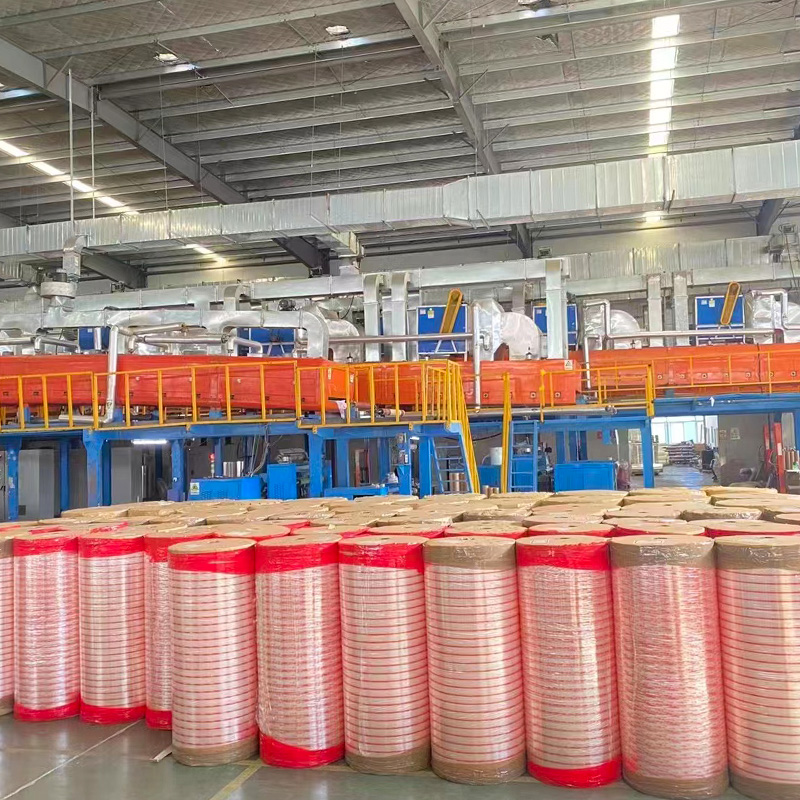
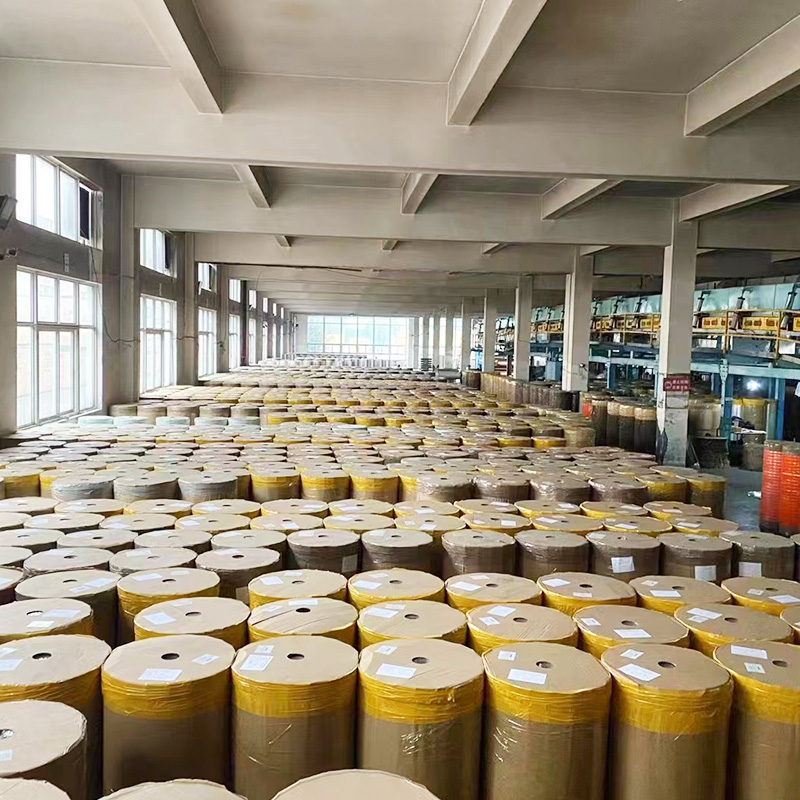
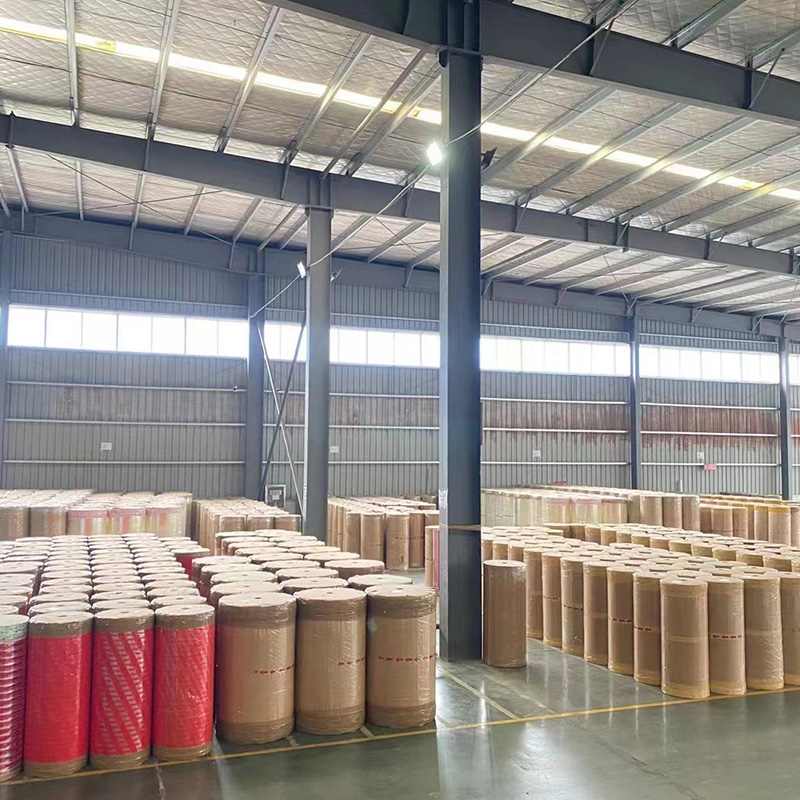
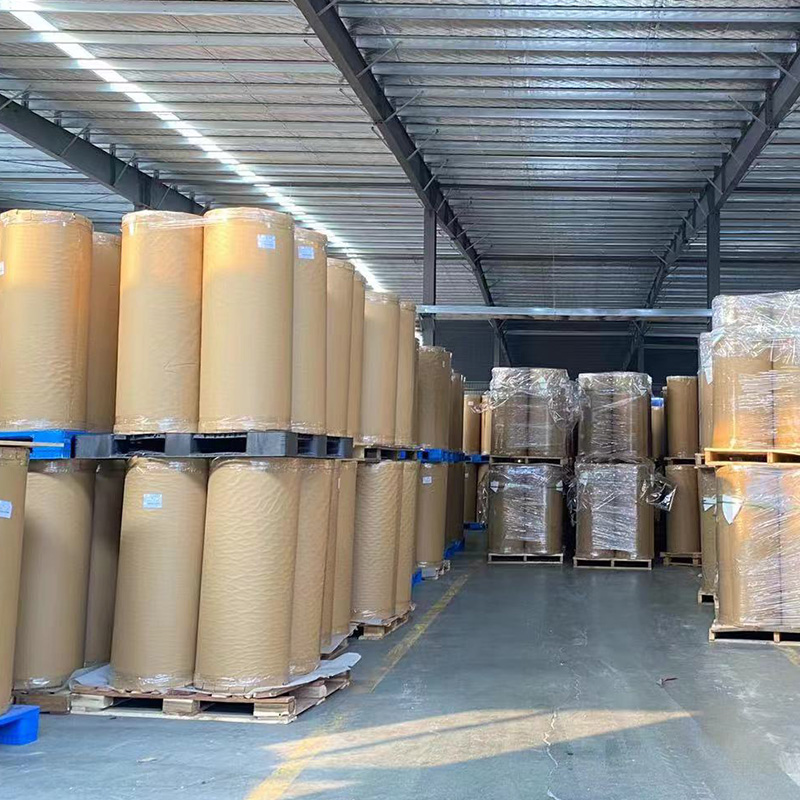
Zhejiang Baiyi Adhesive Products Co., Ltd. has been manufacturing adhesive tapes since 2005 and produces a full range of double-sided tape constructions, including VHB tape, foam tape, PET tape, tissue tape, and cotton paper tape, allowing buyers to source different strength levels from a single supplier. Specifications such as length, thickness, and width can be customized to match specific bonding requirements, and the company's products are produced to meet international quality standards for industrial and commercial use.
Conclusion
For demanding structural and outdoor bonding applications, VHB double-sided tape is the strongest option currently available, thanks to its thick acrylic foam core and superior shear and peel resistance. For lighter assembly, gap-filling, or precision electronics work, foam, PET, or paper-based double-sided tape may offer a better balance of performance and cost. The right choice ultimately depends on the surfaces being bonded, the loads involved, and the environment the bond will face, so it is worth confirming application requirements with a tape manufacturer before finalizing a specification.


 中文简体
中文简体 Español
 عربى
عربى Biaxially Oriented Polypropylene Film
 High Quality PE Stretch Film
 Water Based Acrylate Glue
 BOPP Acrylic Jumbo Roll Tape
 BOPP Hotmelt Jumbo Roll Tape
 BOPP Solvent Jumbo Roll Tape
 BOPP Natural Rubber Jumbo Roll Tape
 BOPP Low Noise Jumbo Roll Tape
 BOPP Silent Jumbo Roll Tape
 Masking Tape Jumbo Roll
 Duct Tape Jumbo Roll
 Double Side Tape Jumbo Roll
 fortuna@baiyiadhesive.com

 +86-575-82818961
 fortuna@baiyiadhesive.com
 Baiguan industrialZone,Shangyu District, Shaoxing City, Zhejiang Province, China



 浙ICP备17032394号