The best BOPP jumbo tape for your packaging needs is one that combines a stable BOPP film thickness between 23 and 28 microns, a consistent water-based or solvent-based acrylic adhesive coating of 18 to 28 g/m², a controlled unwinding force, and a clean, bubble-free wind on the jumbo core. For most B2B converters supplying carton sealing, e-commerce, logistics, and industrial bundling markets, a 1280 mm or 1620 mm wide BOPP TAPE JUMBO ROLL with 4000 m length and water-based acrylic adhesive offers the best balance of cost, performance, and convertibility. The right jumbo roll is not just about price per kilogram — it is about how cleanly it slits, how stable the adhesive stays in storage, and how predictably it performs on automatic carton sealers in your customers' factories.
This guide breaks down what to evaluate when sourcing BOPP jumbo rolls at scale, what specifications truly matter for converters and brand owners, and how to avoid the common defects that turn a low-priced jumbo roll into a high-cost mistake on the slitting line.
What Is a BOPP Tape Jumbo Roll and Why It Matters for Converters
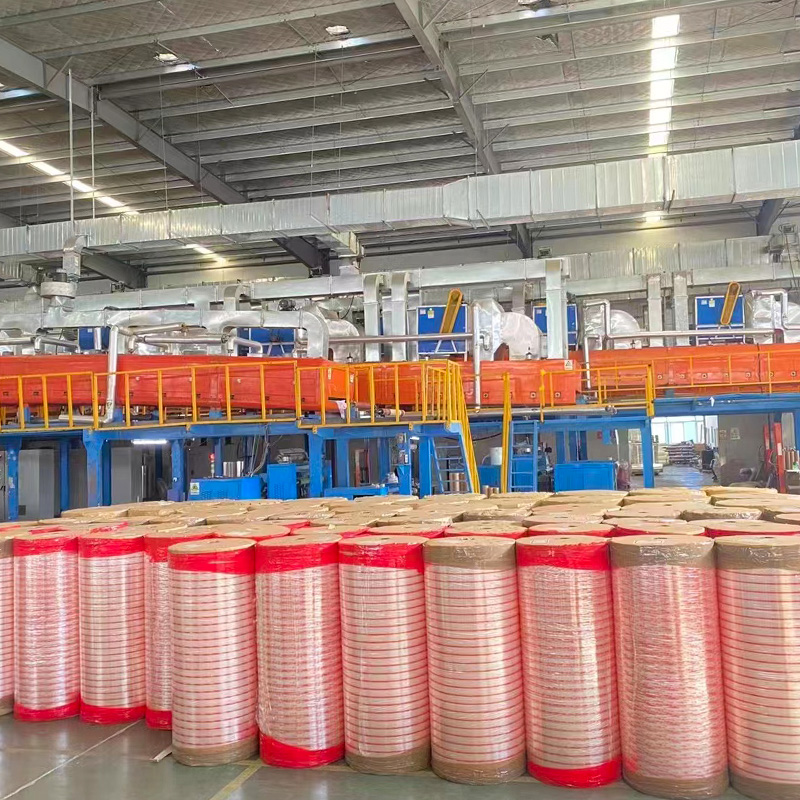
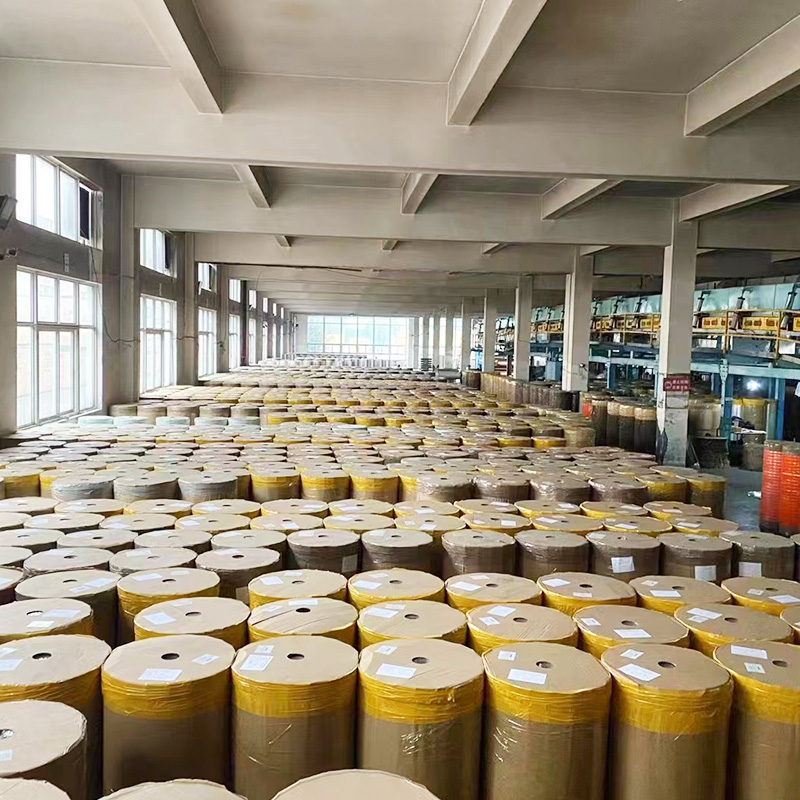
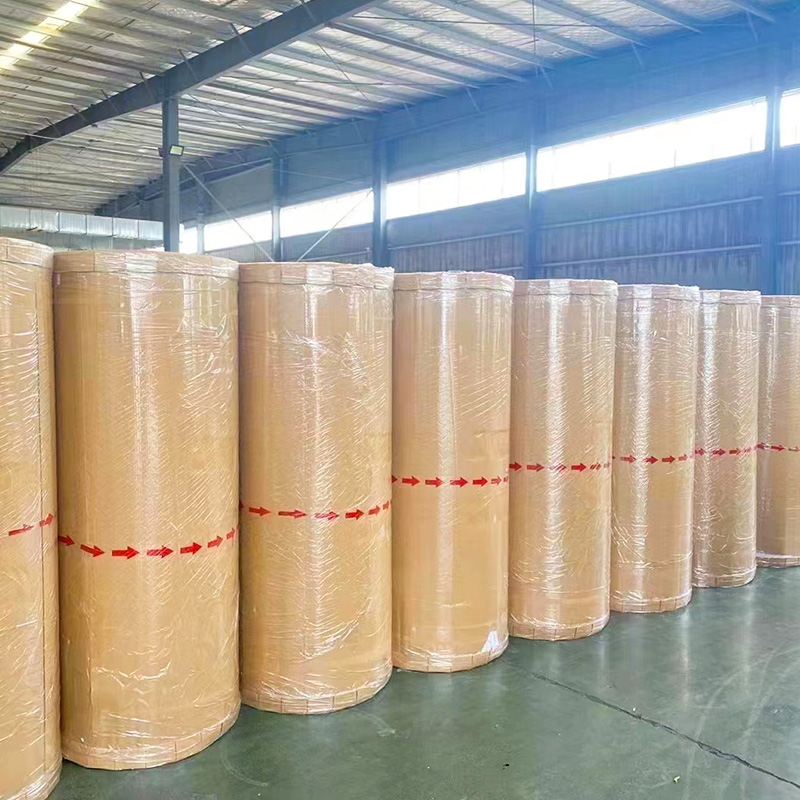
A BOPP tape jumbo roll is a large master roll of biaxially oriented polypropylene film coated with pressure-sensitive adhesive, wound onto a 3-inch paper core and intended to be slit into smaller logs and finished rolls. Standard jumbo widths in the global market are 1280 mm, 1300 mm, 1620 mm, and occasionally 1700 mm, with lengths ranging from 2000 m up to 6000 m per roll. The jumbo roll is the upstream raw material for every retail-pack tape you see in carton sealing, stationery, and e-commerce packaging lines.
For a converter, the quality of the BOPP jumbo roll directly determines the quality of every finished SKU produced from it. A poorly coated jumbo roll causes telescoping during slitting, edge waviness on the finished log, adhesive bleed at the side surfaces, and inconsistent unwinding noise — all of which generate customer complaints downstream. This is why specification discipline at the jumbo level is far more important than chasing the lowest landed cost per ton.
Typical Construction of a BOPP Jumbo Roll
- BOPP film backing: 19, 23, 25, or 28 microns, treated on one side for adhesive anchorage.
- Adhesive layer: water-based acrylic, solvent-based acrylic, or hot-melt synthetic rubber.
- Release coating: a thin silicone-free anti-adhesive layer on the non-coated side for clean unwind.
- Core: 3-inch heavy-duty paper core, typically 8 to 12 mm wall thickness.
Core Specifications to Compare Before You Order
Most quality disputes around BOPP TAPE JUMBO ROLL shipments come from buyers who only specified two parameters — total thickness and length — and skipped the rest. To avoid receiving an under-coated or under-tensioned jumbo, request a full datasheet covering at least the eight parameters below before issuing a purchase order.
Reference specifications for a standard carton-sealing BOPP jumbo roll.
| Parameter |
Typical Range |
Why It Matters |
| Film thickness |
19 – 28 microns |
Defines tensile strength and tear resistance. |
| Adhesive coating weight |
18 – 28 g/m² |
Controls peel strength and tack on cartons. |
| Total thickness |
40 – 65 microns |
Standard reference for buyer specifications. |
| Jumbo width |
1280 / 1300 / 1620 mm |
Must match your slitter capacity. |
| Jumbo length |
2000 – 6000 m |
Drives yield per slitting run. |
| Peel adhesion (steel) |
5 – 8 N/25 mm |
Indicates initial sealing strength. |
| Tensile strength |
≥ 30 N/25 mm |
Prevents tape breakage on auto sealers. |
| Elongation at break |
120% – 180% |
Balances stretch and dimensional stability. |
When the supplier datasheet covers all eight parameters and is supported by third-party lab reports, you are dealing with a serious BOPP jumbo roll manufacturer rather than a trader assembling random stock.
Adhesive System: Water-Based, Solvent-Based, or Hot-Melt
The adhesive system is the single most important variable in the BOPP tape jumbo roll you select. The wrong adhesive choice can pass laboratory peel tests yet still fail on real cartons in a humid warehouse three weeks later. Each adhesive family is suited to a different end-use environment.
Water-Based Acrylic
Water-based acrylic is the most widely used adhesive for carton sealing tape produced from BOPP jumbo rolls. It offers excellent aging stability, good UV resistance, low odor, and broad temperature performance from roughly -5°C up to 60°C. It is the default choice for general logistics, e-commerce, and stationery markets where rolls may be stored for 12 months before being used.
Solvent-Based Acrylic
Solvent-based acrylic delivers higher initial tack and stronger adhesion on dusty or recycled-fiber corrugated boxes, which are increasingly common in cost-pressured supply chains. It also performs better at low temperatures, making it suitable for cold-chain logistics and outdoor storage applications.
Hot-Melt Synthetic Rubber
Hot-melt rubber adhesives offer the highest immediate tack, the loudest unwind sound (which many retail markets associate with "strong" tape), and excellent performance on heavy or overstuffed cartons. However, their aging stability is lower than acrylics, so hot-melt jumbo rolls should be slit and shipped within 6 months.
Common Defects in BOPP Jumbo Rolls and How to Detect Them
Even experienced buyers can miss defects until the jumbo roll is mounted on the slitter. A pre-shipment inspection focused on the items below will catch most issues before they cost you a full container.
- Telescoping: visible offset of layers near the edges of the jumbo, caused by uneven winding tension.
- Edge waviness: rippled edges along the jumbo width, usually from inconsistent film tension during coating.
- Adhesive bleed: sticky residue oozing from the side surface of the jumbo, indicating over-coating or under-cured adhesive.
- Fish-eyes: small circular voids in the adhesive layer, leading to inconsistent peel strength.
- Core deformation: oval-shaped cores from poor stacking or low-grade paperboard, causing slitter vibration.
- Uneven coating weight: measurable variation in g/m² across the jumbo width, leading to inconsistent finished rolls.
Request that your supplier provides an inspection certificate covering at least telescoping tolerance (≤ 2 mm), edge tolerance (≤ 1 mm), and coating weight variation (≤ ±2 g/m²) for every shipped lot.
How to Match Jumbo Roll Specs to Your End Market
There is no single "best" BOPP TAPE JUMBO ROLL specification — the right configuration depends on the finished SKU your customer needs. Aligning jumbo specifications with downstream demand is what separates a margin-positive program from one that bleeds returns.
Recommended jumbo configurations by end-use market.
| End Market |
Film Thickness |
Adhesive |
Typical Length |
| General carton sealing |
23 – 25 μm |
Water-based acrylic |
4000 m |
| Heavy-duty logistics |
28 μm |
Hot-melt rubber |
2000 – 3000 m |
| Cold-chain / outdoor |
25 μm |
Solvent-based acrylic |
4000 m |
| Stationery / retail |
19 – 23 μm |
Water-based acrylic |
4000 – 6000 m |
| Printed branded tape |
25 μm |
Water-based acrylic |
2000 – 3000 m |
For converters running mixed product portfolios, standardizing on a 25-micron, water-based acrylic, 4000 m jumbo roll as the default and treating other configurations as specials is the most efficient inventory strategy.
Packing, Storage, and Logistics Considerations
A correctly manufactured BOPP jumbo roll can still be ruined in transit or storage. Pressure-sensitive adhesives are sensitive to temperature swings, prolonged compression, and direct sunlight. The way your supplier packs and ships jumbo rolls is part of the product, not an afterthought.
Standard Export Packing
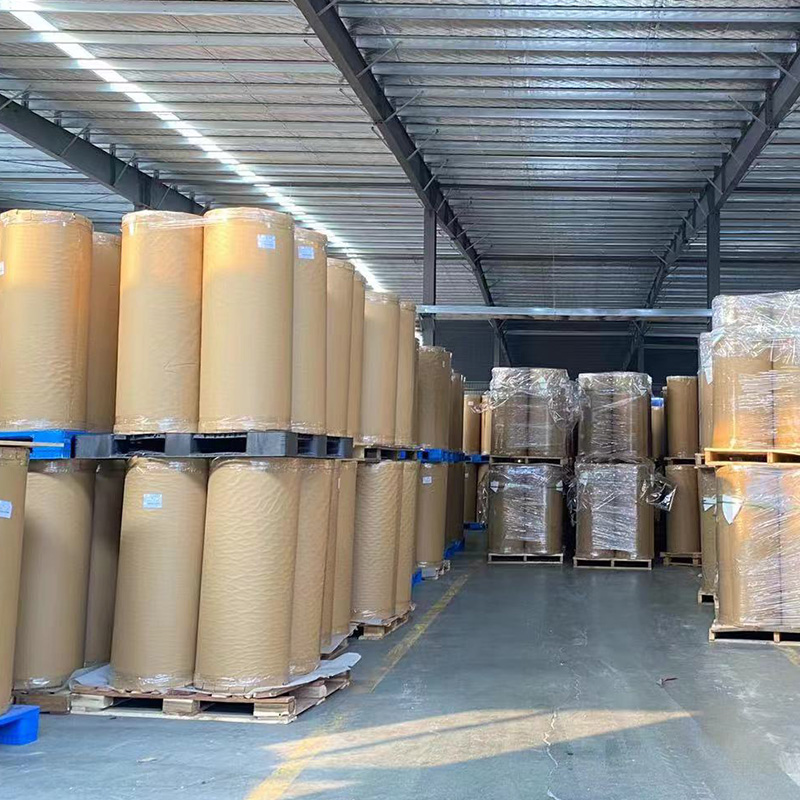
- Each jumbo wrapped in a polyethylene bag to prevent dust contamination.
- Vertical stacking on wooden pallets, maximum 2 layers, with edge protectors.
- Stretch film wrap around the full pallet to lock the jumbos in place.
- Pallet labels showing batch number, production date, width, and length.
Warehouse Storage Conditions
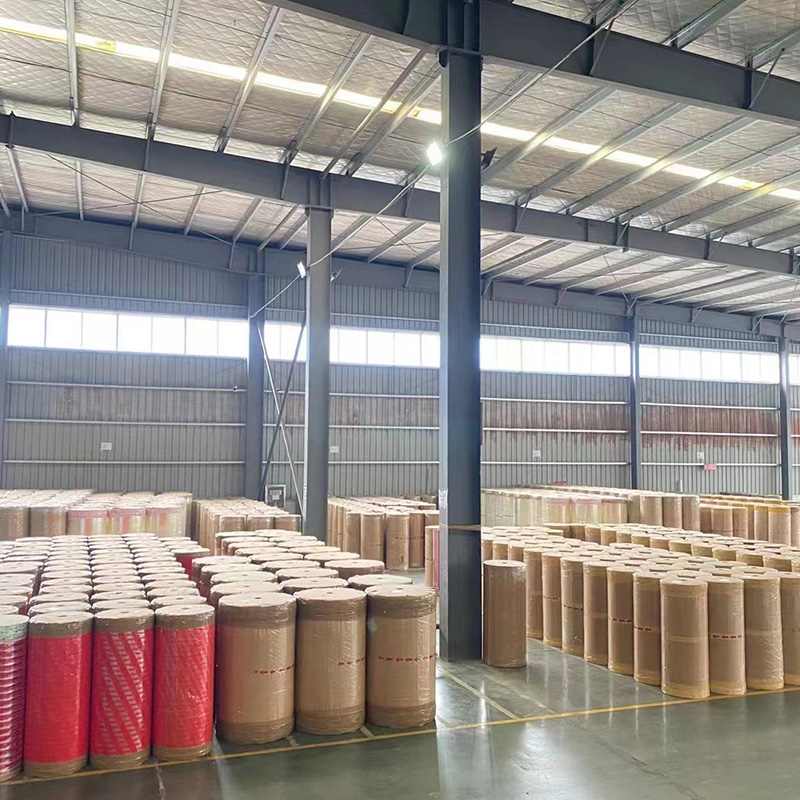
Store BOPP jumbo rolls in a clean, ventilated environment between 15°C and 30°C, with relative humidity below 70%. Keep rolls away from direct sunlight and heat sources, and rotate stock on a first-in-first-out basis. Acrylic-coated jumbos have a shelf life of approximately 12 months; rubber hot-melt jumbos should be consumed within 6 months for stable performance.
Sourcing Checklist: Choosing the Right BOPP Jumbo Roll Supplier
When evaluating a new BOPP tape jumbo roll supplier, focus on operational evidence rather than marketing claims. The checklist below filters out trading companies and underqualified factories within the first sourcing cycle.
- Verified in-house coating line — not subcontracted production.
- Documented quality system covering raw film, adhesive, coating, and slitting.
- Capability to issue datasheets, MSDS, and third-party lab test reports.
- Willingness to provide pre-production samples cut from the actual jumbo lot.
- Clear lot traceability, with batch numbers printed on every jumbo roll.
- Stable lead time, typically 15 to 25 days for standard configurations.
- Export experience to your target region, including familiarity with local labeling rules.
- Transparent quality complaint procedure, ideally with a defined credit-note policy.
A supplier that confidently meets these eight points is generally capable of supporting long-term, high-volume programs without recurring quality fire drills.
Final Recommendation: The Best BOPP Tape Jumbo Roll Choice
For most B2B converters and brand owners building a long-term packaging program, the best BOPP TAPE JUMBO ROLL is a 25-micron BOPP film coated with a stable water-based acrylic adhesive at 22 to 25 g/m², wound to 4000 m on a 3-inch heavy-duty paper core, with a width of 1280 mm or 1620 mm depending on your slitter. This configuration balances cost, downstream yield, adhesive longevity, and compatibility with the widest range of finished SKUs.
If your end market demands heavier loads, switch to 28-micron film with hot-melt adhesive. If you serve cold-chain or outdoor logistics, move to solvent-based acrylic. If you are producing printed branded tape, stay with water-based acrylic but reduce the jumbo length to 2000 m to match printing press cycles. In every case, the priority is matching the jumbo specification to the real working conditions of the end user — not chasing the lowest quoted price per ton. A well-specified BOPP jumbo roll quietly pays for itself in fewer line stoppages, fewer returns, and stronger customer retention.


 中文简体
中文简体 Español
 عربى
عربى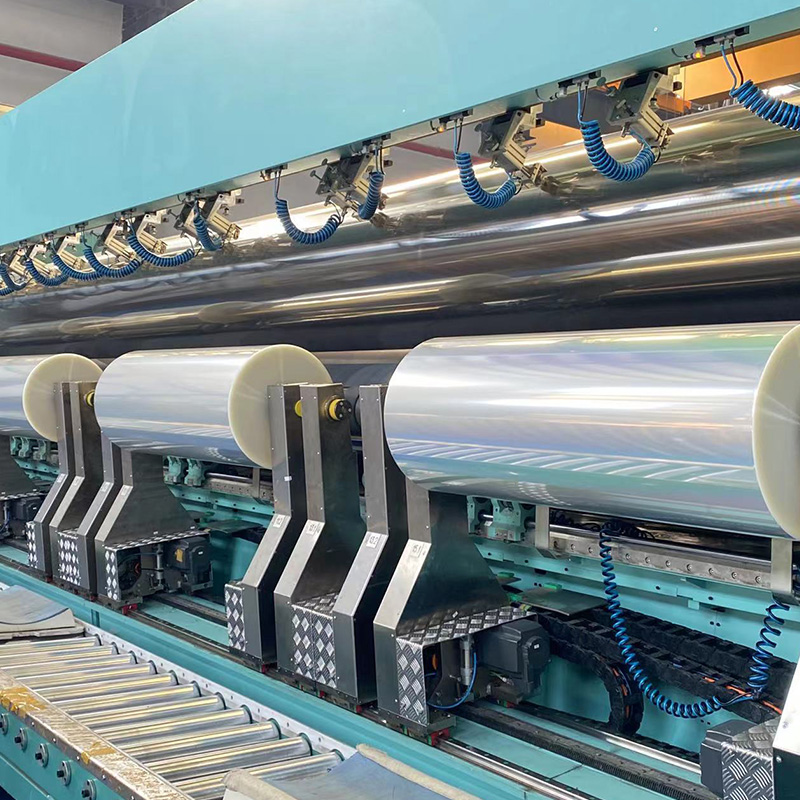 Biaxially Oriented Polypropylene Film
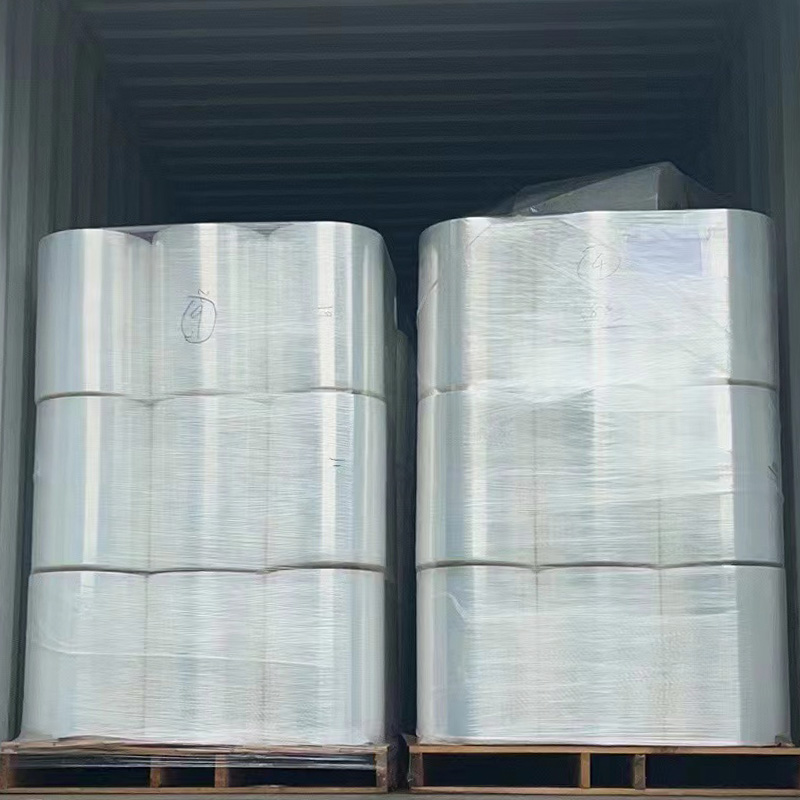 High Quality PE Stretch Film
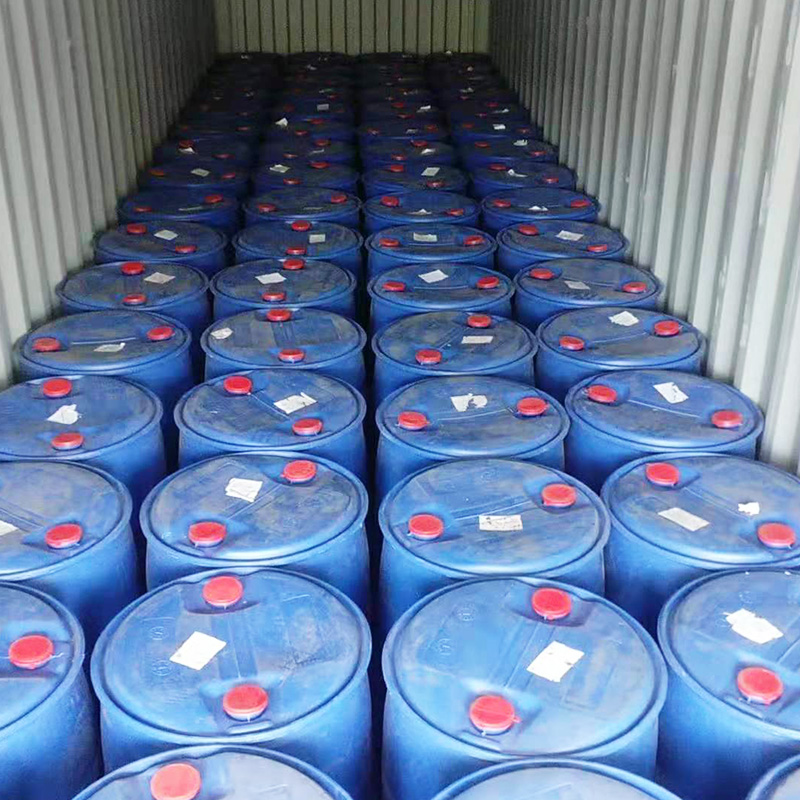 Water Based Acrylate Glue
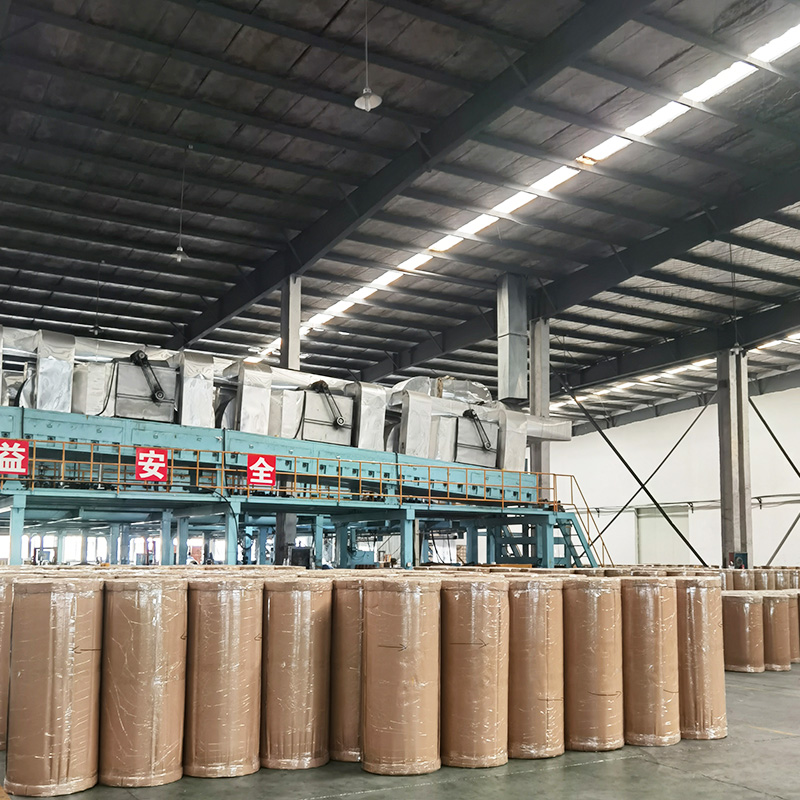 BOPP Acrylic Jumbo Roll Tape
 BOPP Hotmelt Jumbo Roll Tape
 BOPP Solvent Jumbo Roll Tape
 BOPP Natural Rubber Jumbo Roll Tape
 BOPP Low Noise Jumbo Roll Tape
 BOPP Silent Jumbo Roll Tape
 Masking Tape Jumbo Roll
 Duct Tape Jumbo Roll
 Double Side Tape Jumbo Roll
 fortuna@baiyiadhesive.com

 +86-575-82818961
 fortuna@baiyiadhesive.com
 Baiguan industrialZone,Shangyu District, Shaoxing City, Zhejiang Province, China



 浙ICP备17032394号