

 中文简体
中文简体 Español
 عربى
عربى-
 Biaxially Oriented Polypropylene Film
-
 High Quality PE Stretch Film
-
 Water Based Acrylate Glue
-
 BOPP Acrylic Jumbo Roll Tape
-
 BOPP Hotmelt Jumbo Roll Tape
-
 BOPP Solvent Jumbo Roll Tape
-
 BOPP Natural Rubber Jumbo Roll Tape
-
 BOPP Low Noise Jumbo Roll Tape
-
 BOPP Silent Jumbo Roll Tape
-
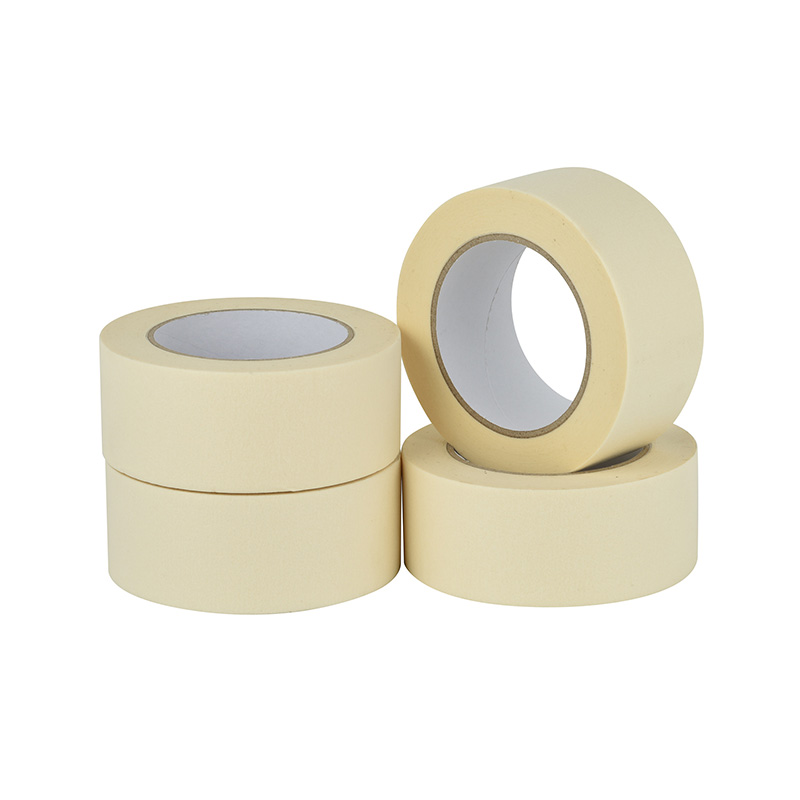 Masking Tape Jumbo Roll
-
 Duct Tape Jumbo Roll
-
 Double Side Tape Jumbo Roll
 fortuna@baiyiadhesive.com
What Is Masking Tape For? The Only Guide You Need for Uses and Selection
Content
Masking tape is not just the cheapest roll on the shelf. It is a pressure-sensitive tape with a crepe-paper backing and a rubber- or acrylic-based adhesive, designed to stay in place while you work and then release cleanly when you remove it. So what is masking tape for? The short answer is temporary masking, surface protection, and clean paint lines. In practice, it protects anything you do not want painted, coated, or scratched, while holding a mask in place for a few hours or a few days.
As a masking tape manufacturer and exporter since 2005, we have seen how often buyers confuse masking tape with permanent paper tape or painter’s tape. The distinction matters because the wrong tape can leave residue, pull off fresh paint, or fail under heat. This guide explains the construction, everyday uses, selection criteria, and buying considerations so you can choose the right roll the first time.
What Is Masking Tape?
Masking tape is built around a thin creped paper backing with a controlled layer of adhesive. The creping gives the paper flexibility and a little stretch, so it can conform around corners, curves, and irregular surfaces without lifting. The adhesive is applied at a thickness that balances initial grab with clean removability.
The main parts of a masking tape roll are:
- Paper backing: normally crepe paper that tears by hand and accepts writing for labels.
- Adhesive layer: rubber, acrylic, or silicone blends that determine tack and heat resistance.
- Release coating: a thin treatment on the back of the paper that lets the roll unwind smoothly.
Unlike permanent tapes, masking tape is engineered for a temporary bond. That means it needs to hold firmly enough to resist lifting during painting, but not so firmly that it damages the surface when peeled away.
What Is Masking Tape Used For?
The most common answer is painting, but masking tape earns its place in workshops, factories, and homes for many other reasons. The table below summarizes the practical jobs that masking tape handles well.
| Application | Where It Works | Why Masking Tape Works |
|---|---|---|
| Painting clean lines | Walls, trim, doors, furniture | Holds tight to the edge while paint dries, then removes without peeling the coating |
| Surface protection | Glass, metal, plastic, wood | Backing blocks overspray and splatter; the adhesive does not stain most surfaces |
| Labeling and marking | Boxes, bins, cables, tools | Tears cleanly by hand and accepts pen or marker without smearing |
| Light bundling and holding | Cords, wires, small parts | Temporary grip holds until a permanent fastener is installed |
| Drilling and cutting guidance | Holes, saw lines, panels | A strip marks the entry point and reduces tearing at the surface edge |
| Automotive refinishing | Door seals, chrome trim, rubber parts | Specialized versions resist heat and moisture during curing and detailing |
| Temporary sealing | Envelopes, dust covers, bags | Keeps dust and debris out without leaving a permanent adhesive residue |
For a deeper look at the more specialized jobs this tape can do, see our masking tape application overview.
Common Types of Masking Tape
Not all masking tape is the same. The backing, adhesive chemistry, and temperature rating decide where a roll belongs. These are the three types we recommend most often to buyers.
General-Purpose Rubber-Based Masking Tape
Plain masking tape is the default choice for clean, dry indoor surfaces such as painted walls, wood, and glass. It has enough grab to pull tight around corners, but it should be removed within a few hours or up to one day to avoid adhesive residue. Our plain masking tape is a straight general-purpose roll for painting, labeling, and light holding tasks.
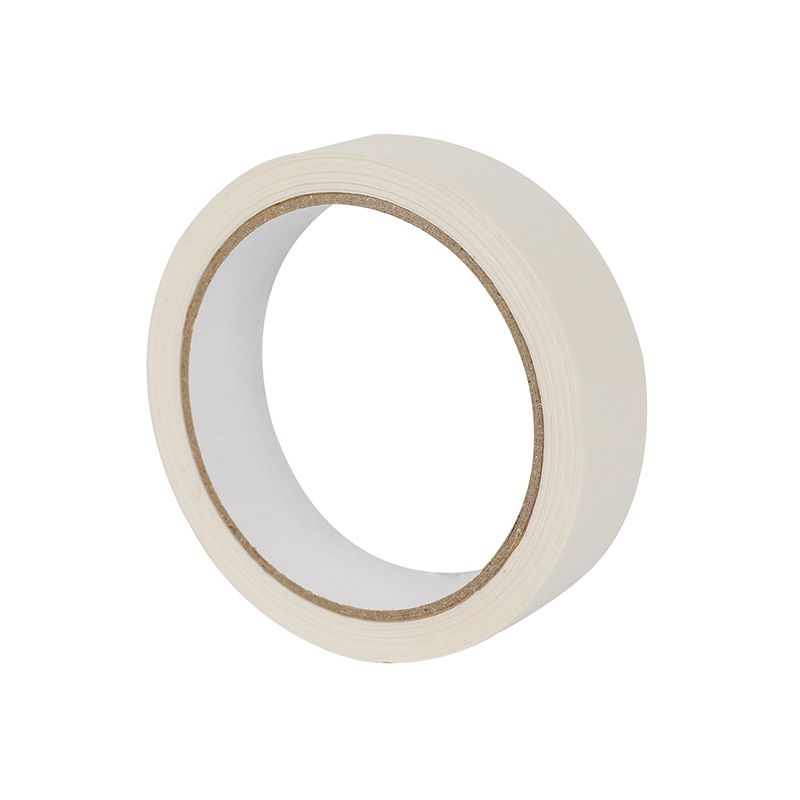 Wholesale Plain Masking Tape Suppliers, Company - Zhejiang Baiyi Adhesive ProducZhejiang Baiyi Adhesive Products Co., Ltd is China Plain Masking Tape suppliers and wholesale Plain Masking Tape company, Raw material:...View Product →
High-Temperature Masking Tape
Powder coating, spray painting, and some curing processes expose tape to heat that softens standard adhesives. High-temperature masking tape uses a more stable crepe backing and a heat-resistant adhesive to survive curing ovens without slipping or leaving residue. If your process runs above 100°C, choose a high-temperature masking tape instead of a standard roll.
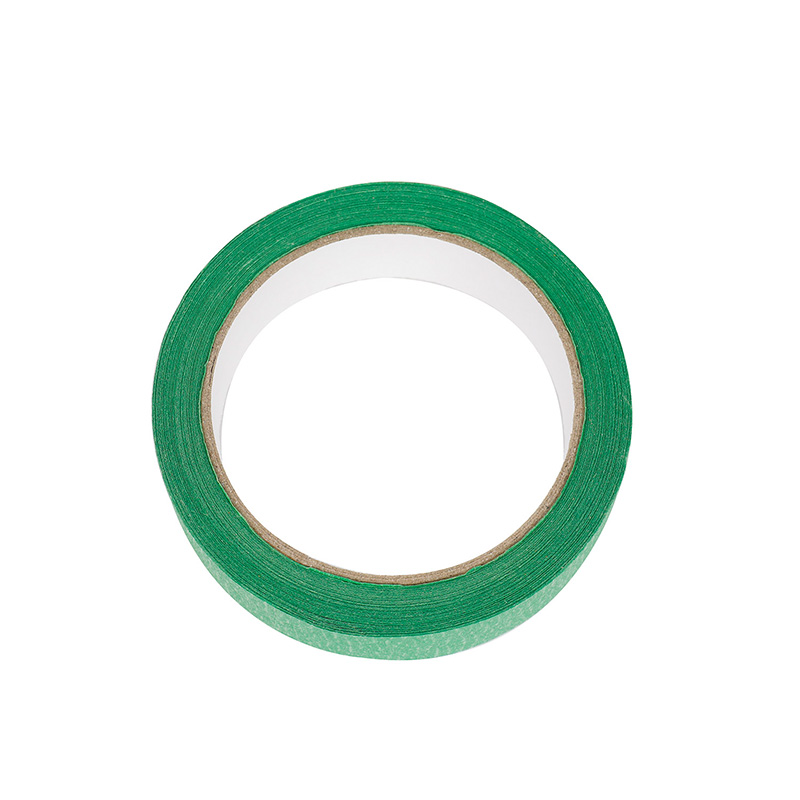 Wholesale High Temperature Resistant Masking Tape Suppliers, Company - Zhejiang Zhejiang Baiyi Adhesive Products Co., Ltd is China High Temperature Resistant Masking Tape suppliers and wholesale High Temperature Resis...View Product →
Automotive Waterproof Masking Tape
Body shops and detailers need tape that keeps working when moisture, polish, and paint compounds are present. A waterproof crepe backing prevents the tape from becoming soggy and losing its hold on curved surfaces. The car waterproof masking tape in our masking tape range is designed for trim, moldings, and glass during washing, polishing, and painting processes.
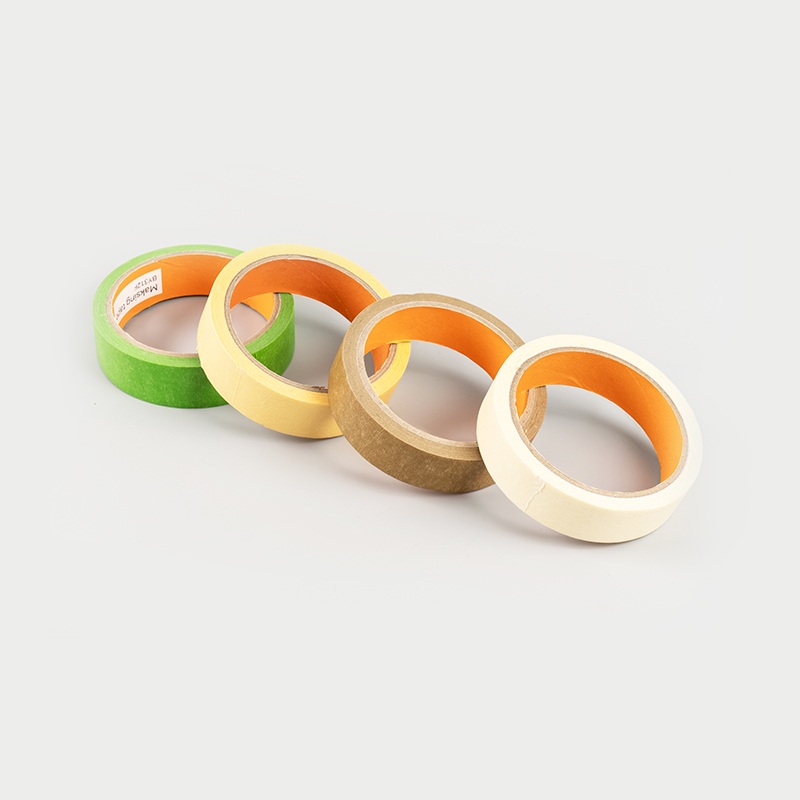 Wholesale Car Waterproof Masking Tape Suppliers, Company - Zhejiang Baiyi AdhesiZhejiang Baiyi Adhesive Products Co., Ltd is China Car Waterproof Masking Tape suppliers and wholesale Car Waterproof Masking Tape compan...View Product →
Masking Tape vs. Painter’s Tape: Which Should You Choose?
Many buyers ask whether painter’s tape can simply replace masking tape. The answer is yes for most painting jobs, but the two tapes are not identical. Painter’s tape is a refined version of masking tape with a tighter paper construction and a more carefully balanced adhesive for longer paint projects.
| Characteristic | Masking Tape | Painter’s Tape |
|---|---|---|
| Primary purpose | General temporary masking, holding, and marking | Clean paint lines on walls, trim, and freshly painted surfaces |
| Adhesive level | Low to medium tack | Medium tack with controlled release |
| Removal window | A few hours to about 24 hours | Up to 14 days depending on the brand |
| Surface compatibility | Clean, dry, indoor surfaces | More forgiving on fresh paint, wallpaper, and wood |
| Cost per roll | Lower | Higher, but reduced residue risk |
If you are painting a room and want a crisp edge after several days, painter’s tape is often worth the extra cost. If you need a cheap roll for labeling, bundling, or masking components overnight, standard masking tape is sufficient and more economical.
How to Choose the Right Masking Tape
Choosing masking tape should start with the job conditions, not the price. Use this five-step checklist before you buy.
- Know your removal time. Check the label and remove standard masking tape within 24 hours. Heat and direct sunlight shorten that window.
- Check the adhesive type. Rubber gives high initial tack; acrylic offers cleaner removal and better aging; silicone resists high temperatures but costs more.
- Match the backing to the surface. Thin crepe paper is flexible; coated paper handles moisture; flatback paper creates straighter paint lines.
- Consider temperature and humidity. High humidity can make tape curl at the edges, while heat can bake adhesive onto the substrate.
- Test before full production. Apply a strip to the actual surface, leave it for the planned time, then remove it and check for residue and paint bleed.
The safest rule is to use the least aggressive tape that will hold for your required time. A stronger tape only looks safer until it tears paper, pulls paint, or leaves a sticky film.
Common Mistakes to Avoid
Even a good masking tape can fail when it is used incorrectly. The issues below are the ones we see most often from customers who switch from selling tape to using it in production or renovation work.
- Leaving masking tape in place for weeks. The adhesive cures harder over time and becomes much harder to remove.
- Peeling at the wrong angle. Removing backing slowly at 45 degrees reduces tearing and residue.
- Applying to dusty or wet surfaces. The tape may look attached, but the bond is weak and paint can bleed underneath.
- Stretching the tape during application. Overstretched tape creates wrinkles and lifts away from corners.
- Storing tape near heat sources. High storage temperatures cause adhesive softening and inconsistent unwinding.
In a factory setting, those mistakes multiply across every roll. That is why consistent coating, controlled slitting, and proper packing matter just as much as the raw material.
Sourcing Masking Tape for Business Buyers
If you are buying masking tape for a shop, distributor, or production line, the performance of a single roll is only part of the decision. You also need stable roll width, uniform winding, defect-free edges, and packaging that protects the tape in transit. Our masking tape range includes general purpose, high-temperature, and automotive waterproof options, all produced in our own factory with coating and slitting under one roof.
For export orders, we also consider how the tape behaves in containers, because humidity during shipping can change adhesion. If your business needs a reliable masking tape supplier with consistent run-to-run quality, send your specification to our contact page and we will recommend the right product for your conditions.
Masking tape earns its place in every workshop because it is a temporary tool, not a permanent fix. By matching adhesive, backing, and removal time to the task, you avoid paint bleed, residue, and wasted labor. Start with the surface and the removal time, not just the price per roll, and the right choice becomes much easier.

-
 +86-575-82818961
+86-15906537907 -
 fortuna@baiyiadhesive.com
-
 Baiguan industrialZone,Shangyu District, Shaoxing City, Zhejiang Province, China
About Us
To provide effective services to customers is
the direction of our work and work and the yardstick of value evaluation.
To achieve customers is to achieve ourselves.



Product Links
Contact Us
Copyright © Zhejiang Baiyi Adhesive Products Co., Ltd. All Rights
Reserved.
Wholesale Tape Manufacturer
Custom Tape Supplier
 浙ICP备17032394号