What Is Aluminum Foil Tape Used For? A Direct Answer
Aluminum foil tape is used to seal, join, and protect surfaces that need heat reflection, a vapor and moisture barrier, or electrical shielding. Its most common jobs are sealing HVAC ductwork joints, wrapping pipe and duct insulation, patching radiant barriers in construction, and providing an EMI/RF shield in electronics assembly. The foil backing reflects heat and blocks moisture, while the pressure-sensitive acrylic adhesive underneath bonds tightly to metal, foil-faced insulation, and many plastics, so a single roll of tape effectively becomes a permanent, weatherproof seal rather than a temporary fix.
In short, if a job involves metal ductwork, foil-faced insulation, or a surface that needs to resist heat, moisture, or electromagnetic interference, aluminum foil tape is very likely the right material — general-purpose fabric or plastic tapes are not built to survive the same temperature and humidity conditions.
Key Properties Behind Its Performance
Aluminum foil tape earns its place across so many industries because of a specific combination of physical properties that ordinary tapes do not offer:
- Heat reflectivity — the aluminum foil surface reflects radiant heat, which is why it is standard on HVAC ducts and radiant barrier systems.
- Moisture and vapor resistance — the metal foil layer blocks water vapor, protecting insulation from condensation damage.
- Temperature tolerance — many formulations withstand continuous exposure from roughly -40°C up to 150°C, well beyond what standard packaging tape can handle.
- Electrical and RF shielding — the conductive foil layer blocks electromagnetic interference, making it useful in electronics and cable assembly.
- Strong initial tack and long-term adhesion, allowing it to bond quickly to metal, foil-faced insulation board, and many rigid plastics.
Common Applications by Industry
Because the same foil-plus-adhesive structure serves several different needs, aluminum foil tape shows up across a wide range of settings. The table below summarizes the main application groups.
Primary uses of aluminum foil tape across industries
| Industry |
Typical Use |
Property Relied On |
| HVAC and ductwork |
Sealing duct joints and seams |
Heat reflection, airtight seal |
| Construction |
Patching radiant barriers, vapor retarders |
Moisture and vapor resistance |
| Insulation manufacturing |
Joining foil-faced insulation panels |
Strong adhesion to foil facing |
| Electronics and cable assembly |
EMI/RF shielding and grounding |
Electrical conductivity |
| Marine and automotive |
Sealing exhaust wrap and heat shields |
High-temperature tolerance |
HVAC and Insulation: The Most Common Use Case
Sealing Duct Joints
The single most common use of aluminum foil tape is sealing the seams and joints of sheet metal ductwork. Unsealed joints leak conditioned air, and industry studies have found that leaky ducts can waste a meaningful share of a heating or cooling system's output. Applying foil tape over every seam creates an airtight, heat-reflective barrier that keeps conditioned air moving where it is supposed to go instead of escaping into a wall cavity or attic space.
Wrapping Insulated Pipes and Ducts
On refrigeration lines, chilled water pipes, and duct insulation wrap, foil tape both holds the insulation jacket in place and seals it against moisture. If moisture reaches the insulation underneath, it loses much of its thermal performance and can encourage corrosion on the pipe itself, so the tape's vapor-blocking role is just as important as its mechanical hold.
Specialized Aluminum Foil Tape Variants
Standard foil tape covers most sealing and wrapping needs, but several reinforced and application-specific variants exist for tougher conditions:
- Waterproof aluminum foil tape — uses a heavier adhesive coat weight and tighter foil gauge for full submersion or constant outdoor moisture exposure.
- Reinforced (scrim-backed) aluminum foil tape — embeds a fiberglass scrim between the foil and adhesive, adding tear resistance for applications where the tape is pulled or flexed repeatedly.
- Explosion-proof or flame-retardant aluminum foil tape — formulated to resist ignition and limit flame spread, often specified for industrial and marine fire-safety zones.
- High-temperature foil tape — rated for continuous exposure well above standard grades, used on exhaust wrap and high-heat ductwork.
How to Choose the Right Aluminum Foil Tape
Selecting the correct roll for a job comes down to matching the tape's construction to the environment it will face:
- Check the rated temperature range against the highest and lowest temperatures the tape will actually see in service.
- Choose a scrim-reinforced version for any joint that will flex, vibrate, or be handled repeatedly after installation.
- Confirm UL or equivalent listing where local building or fire code requires certified duct-sealing tape.
- Match foil thickness and adhesive coat weight to the surface — thin foil is fine for smooth metal, while thicker, higher-tack versions perform better on foil-faced insulation board with an uneven surface.
Installation Tips for a Lasting Seal
Aluminum foil tape performs best when applied correctly. Surfaces should be clean, dry, and free of dust or oil before application, since the acrylic adhesive needs direct contact to build full bond strength. Firm pressure across the entire tape width — using a hand roller for long duct seams — squeezes out air pockets and maximizes adhesion. On cold surfaces, warming the tape or the substrate slightly before application helps the adhesive flow into the surface texture rather than sitting on top of it, which is especially relevant for outdoor or unheated installation environments.
Manufacturing Quality Matters as Much as the Formula
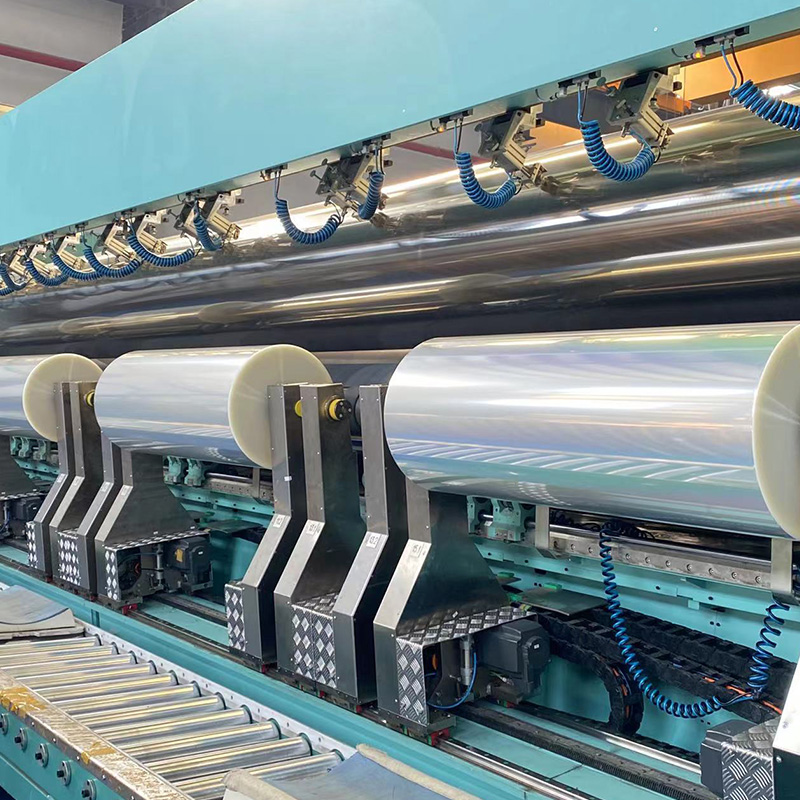
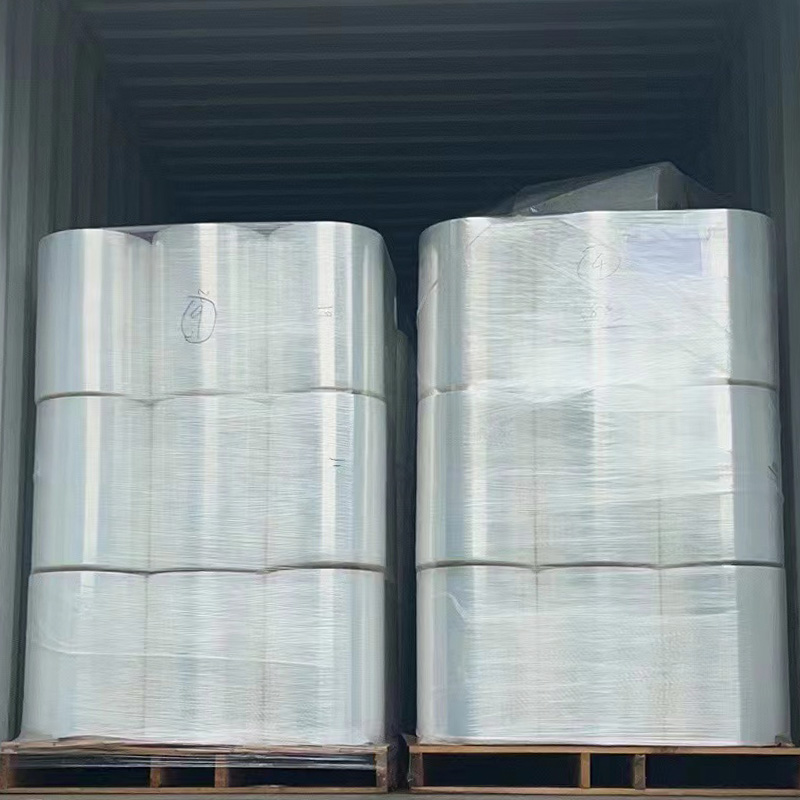
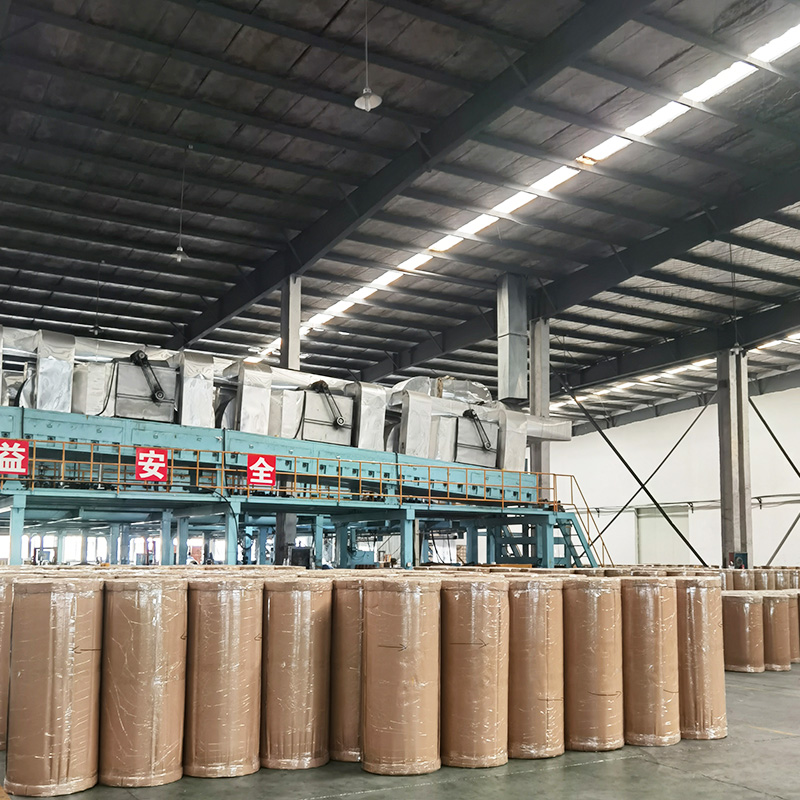
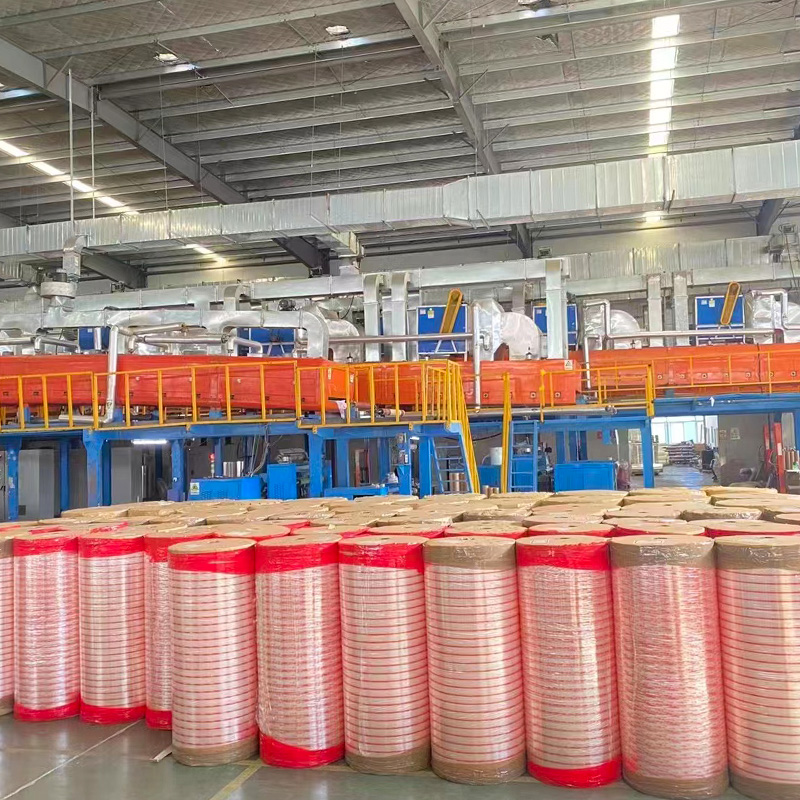
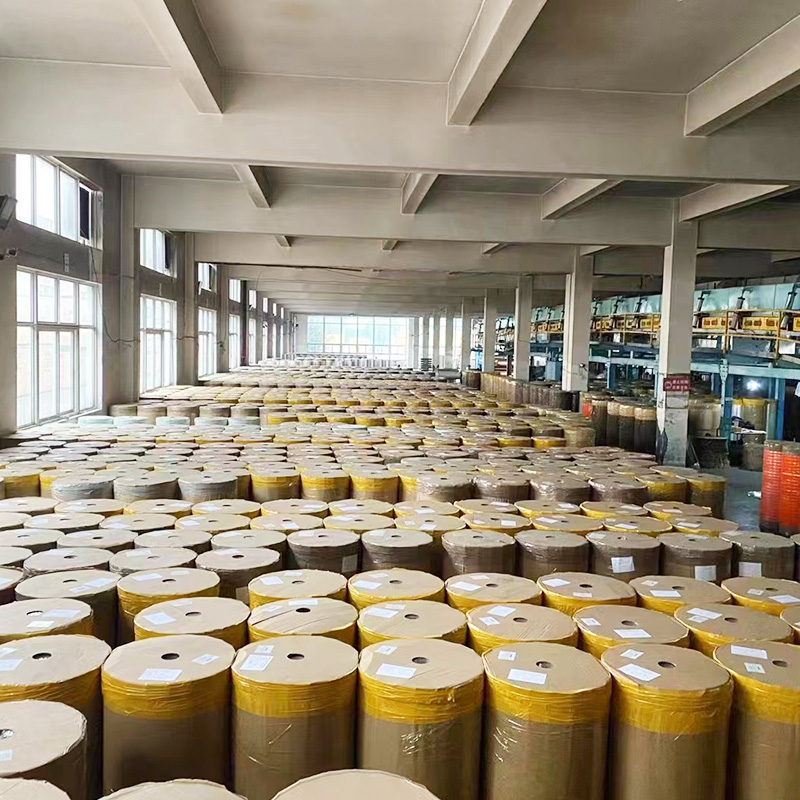
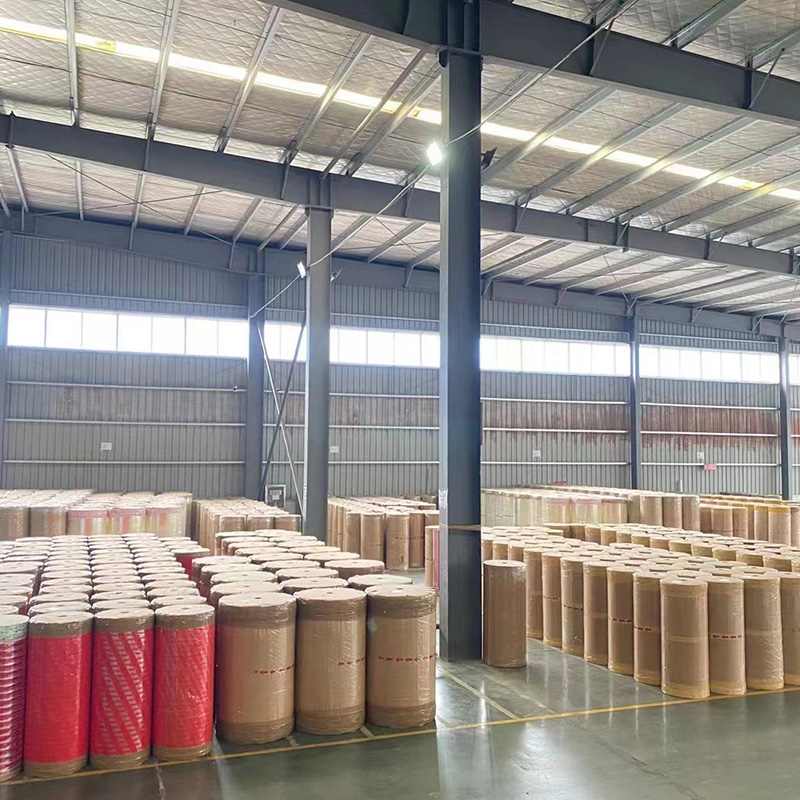
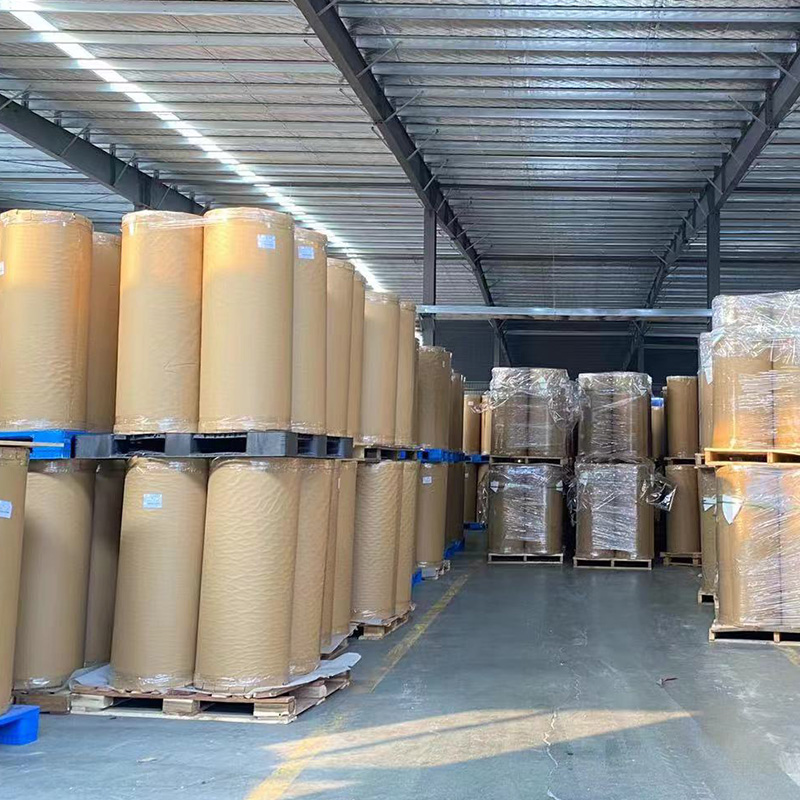
Two rolls of tape with the same on-paper specification can behave very differently once installed if coating consistency and foil quality are not tightly controlled. BAIYI TAPE, a manufacturer producing aluminum foil tape alongside related BOPP film, PE stretch film, and adhesive products, offers waterproof, explosion-proof, and reinforced aluminum foil tape variants built for these tougher job conditions. Consistent foil gauge, even adhesive coat weight, and batch-level quality testing are what keep a tape's real-world performance matching its rated specification over years of temperature cycling and moisture exposure.