Quick Answer: When PVC Duct Tape Is the Right Choice
PVC duct tape, built on a soft polyvinyl chloride backing rather than a woven cloth backing, is the better choice whenever a job needs a flexible, weatherproof seal that stays pliable in cold weather and resists moisture, UV exposure, and mild chemicals. A quality PVC tape typically runs 0.13 to 0.25 mm in backing thickness, holds up in a working temperature range of roughly -10°C to 80°C, and conforms tightly around curved ductwork, pipe joints, and cable bundles in a way that stiffer cloth-backed tapes cannot match. The sections below cover how PVC tape compares to other duct tape types, the specifications that matter most, and practical guidance for choosing and applying it correctly.
What Sets PVC Duct Tape Apart From Cloth-Backed Duct Tape
Both products are called "duct tape," but the backing material changes almost everything about how the tape performs. Cloth-backed duct tape uses a fabric scrim laminated with polyethylene, giving it high tear strength but limited flexibility. PVC tape uses a soft, elastic vinyl film instead, trading some raw tear strength for far better conformability and weather resistance.
| Property |
PVC Tape |
Cloth-Backed Duct Tape |
| Backing material |
Soft PVC film |
Cotton or synthetic cloth scrim |
| Flexibility around curves |
Excellent |
Moderate |
| Moisture and UV resistance |
Strong |
Weaker without extra coating |
| Cold-weather flexibility |
Remains pliable at low temperatures |
Can stiffen and crack |
| Raw tear strength |
Good |
Excellent |
Comparing PVC tape and cloth-backed duct tape across key performance properties
Specifications That Actually Matter When Selecting PVC Tape
Not all rolls labeled "PVC tape" are built the same way. Three specifications determine whether a roll will hold up on a specific job or fail early.
- Backing thickness: Thin PVC tape around 0.13 mm suits general bundling and marking, while 0.18 to 0.25 mm backing holds up better on ductwork and pipe wrap subject to abrasion or repeated handling.
- Adhesive type: Rubber-based adhesive grips quickly and bonds well to slightly rough or dusty duct surfaces, while acrylic adhesive holds up better under long-term UV and heat exposure on outdoor runs.
- Elongation at break: A higher elongation percentage lets the tape stretch around tight bends and irregular fittings without tearing, which is especially useful when wrapping flexible ductwork.
Requesting a product data sheet before ordering in bulk is the simplest way to confirm these three numbers match the job rather than relying on a generic product description.
Where PVC Duct Tape Performs Best
HVAC and Ductwork
Sealing joints on flexible or metal ductwork, wrapping insulation seams, and color-coding supply versus return lines, where flexibility around curved fittings matters more than raw tensile strength.
Pipe and Cable Protection
Wrapping outdoor pipe joints against moisture, bundling wire and cable runs, and marking warning zones on floors or equipment where the tape needs to stay visible and intact through temperature swings.
Across construction, electrical insulation, and pipeline protection, the common thread is an application where the surface is curved, exposed to weather, or handled repeatedly — all conditions where PVC tape's softness gives it an advantage over stiffer alternatives.
Applying PVC Tape for a Seal That Lasts
Most premature tape failures trace back to surface preparation and application technique rather than the tape itself. Following a consistent process avoids the majority of early peel-back and seal failures.
- Clean the surface with isopropyl alcohol to remove dust, grease, and moisture, since PVC tape bonds poorly to contaminated surfaces regardless of adhesive quality.
- Apply the tape between roughly 10°C and 40°C when possible; below that range, warm the roll briefly so the adhesive flows properly onto the surface.
- Overlap each wrap by at least one-third of the tape width on round ductwork or pipe to prevent gaps as the material flexes over time.
- Press firmly along the full width immediately after application, since initial contact pressure has a direct effect on final peel adhesion strength.
PVC Tape vs Other Common Duct Sealing Options
| Tape Type |
Best Suited For |
| PVC tape |
Curved ductwork, outdoor pipe wrap, cable bundling, color coding |
| Aluminum foil tape |
High-heat joints near furnaces or exhaust runs |
| Cloth-backed duct tape |
Temporary repairs needing maximum raw tear strength |
Matching common tape types to the sealing job they suit best
Mistakes That Shorten the Life of a PVC Tape Seal
- Applying tape over dust, oil, or condensation, which prevents the adhesive from ever reaching full bond strength.
- Stretching the tape too tightly around sharp edges, which thins the backing and creates a weak point prone to tearing.
- Using a thin, general-purpose roll on an outdoor joint that needs a thicker, weather-rated PVC tape grade instead.
- Skipping the overlap on curved sections, leaving small gaps that widen once the ductwork flexes or vibrates.
Choosing a Reliable PVC Tape Supplier
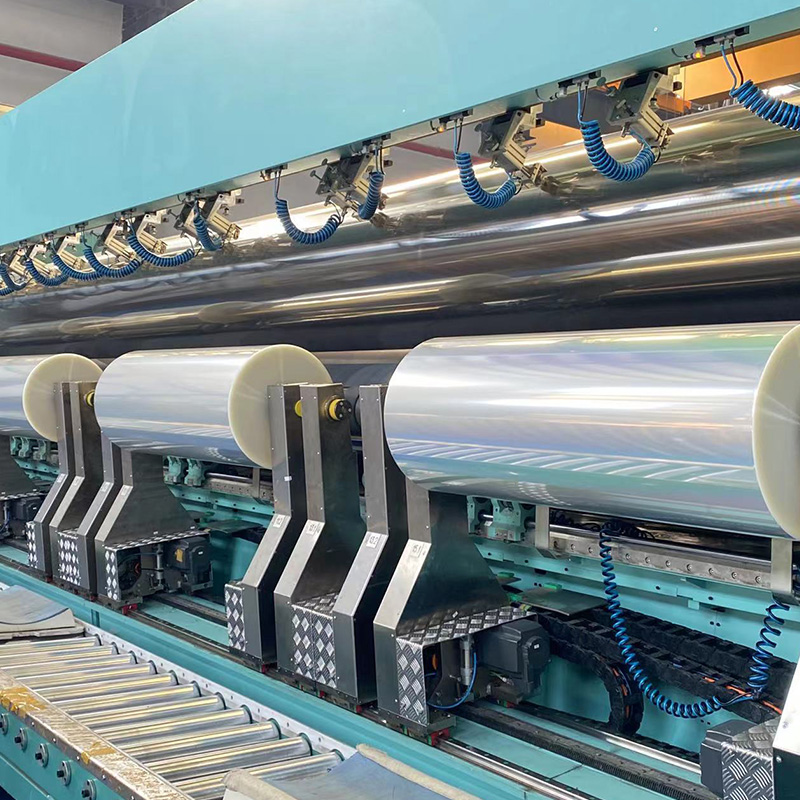
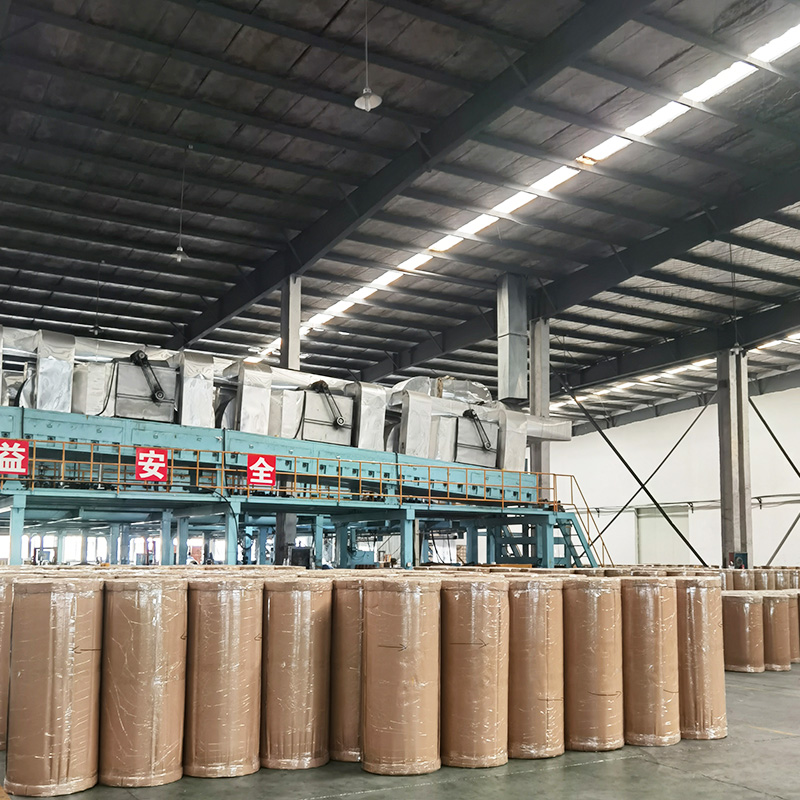
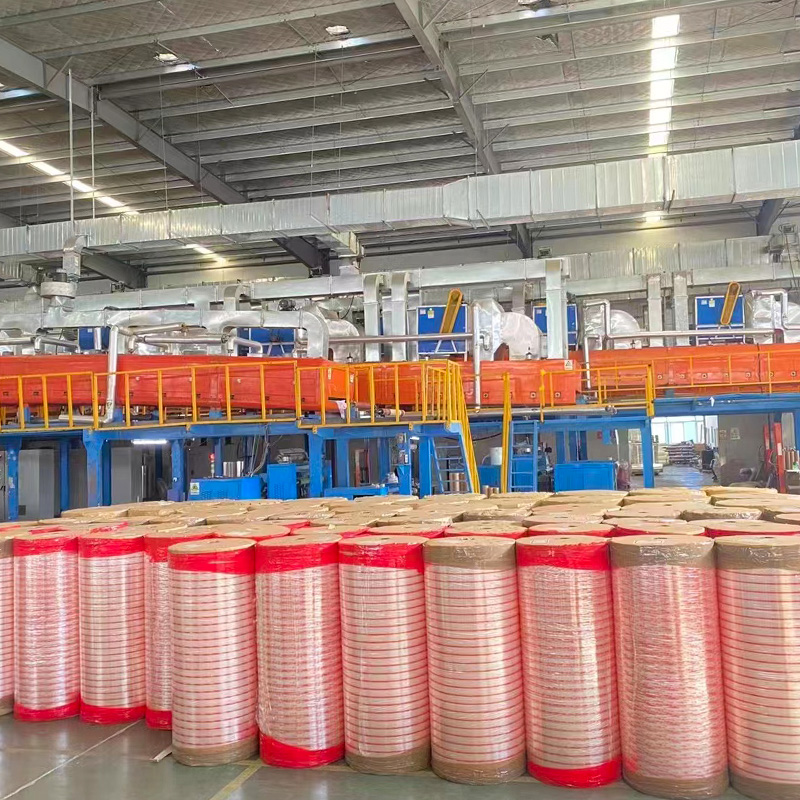
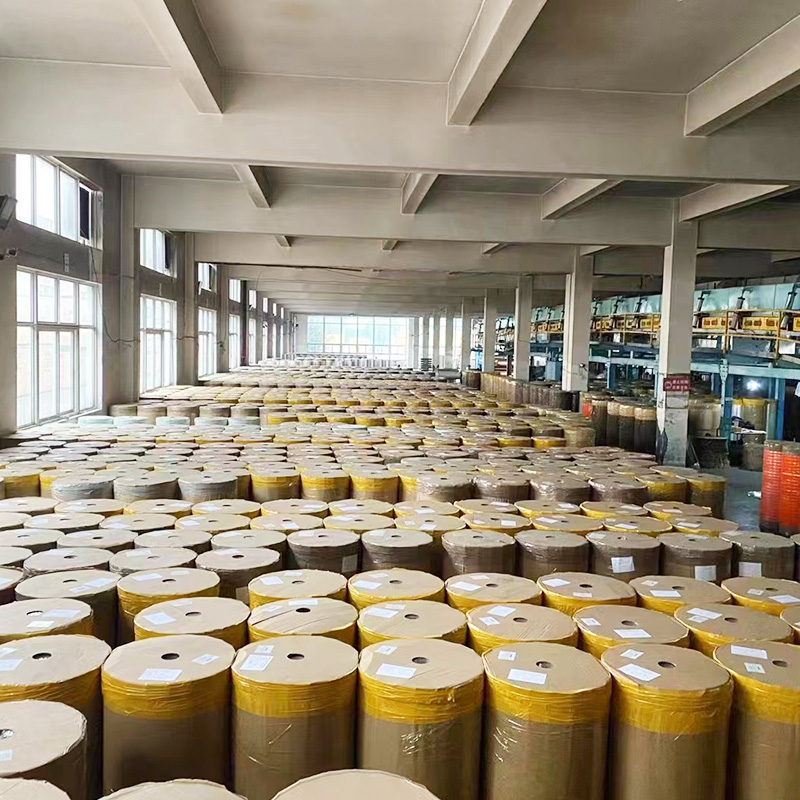
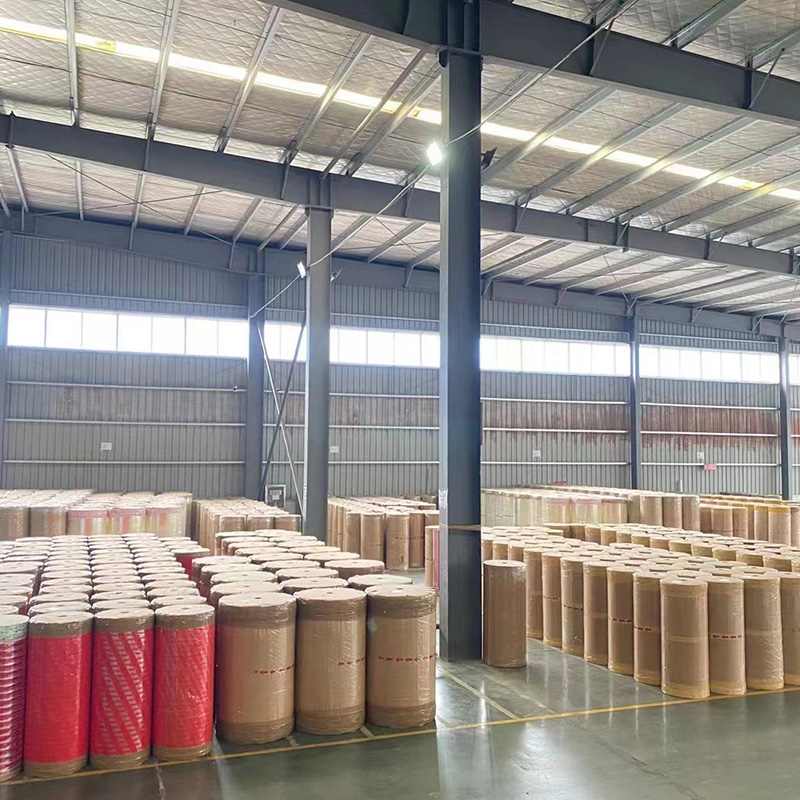
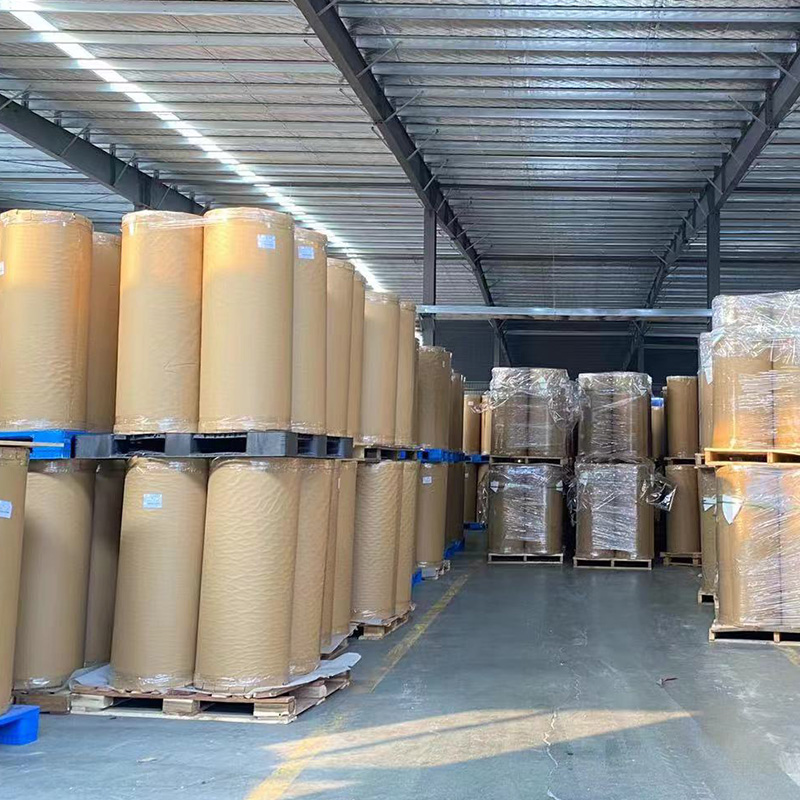
Consistency between rolls matters as much as the specification sheet, since a batch with uneven adhesive coating will underperform even when the listed thickness and adhesive type look correct on paper. Zhejiang Baiyi Adhesive Products Co., Ltd. has manufactured tape products since 2005, with production covering PVC tape alongside BOPP tape, duct tape, and other adhesive tape lines, supported by dedicated coating and slitting equipment intended to keep thickness and adhesive coverage consistent across production runs.
For buyers comparing suppliers, asking for documented peel adhesion values, backing thickness tolerance, and temperature range on the PVC tape data sheet is the most reliable way to confirm a roll will perform as described once it reaches the job site.