

 中文简体
中文简体 Español
 عربى
عربى-
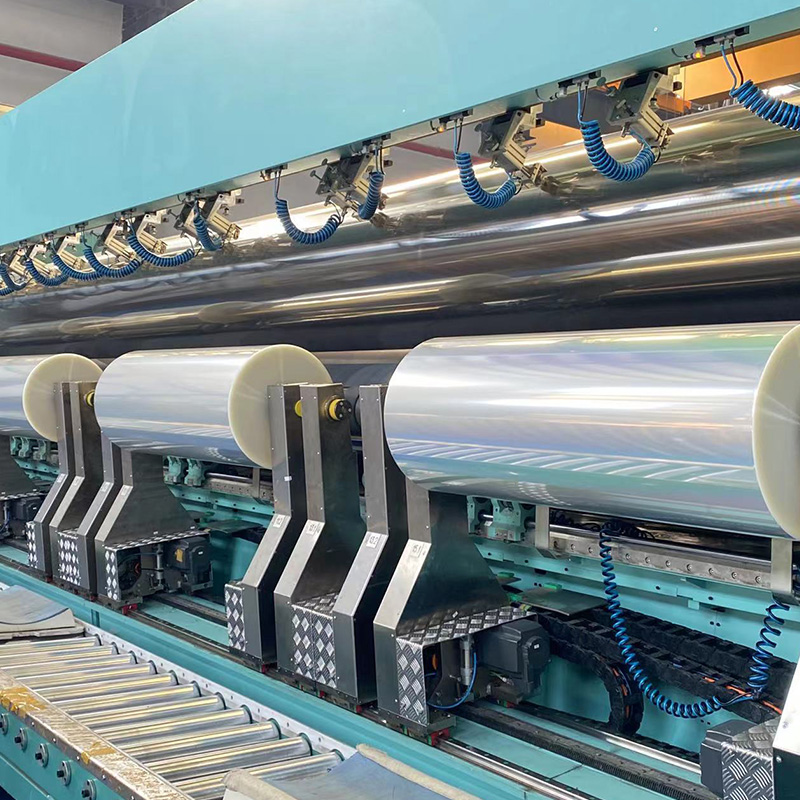 Biaxially Oriented Polypropylene Film
-
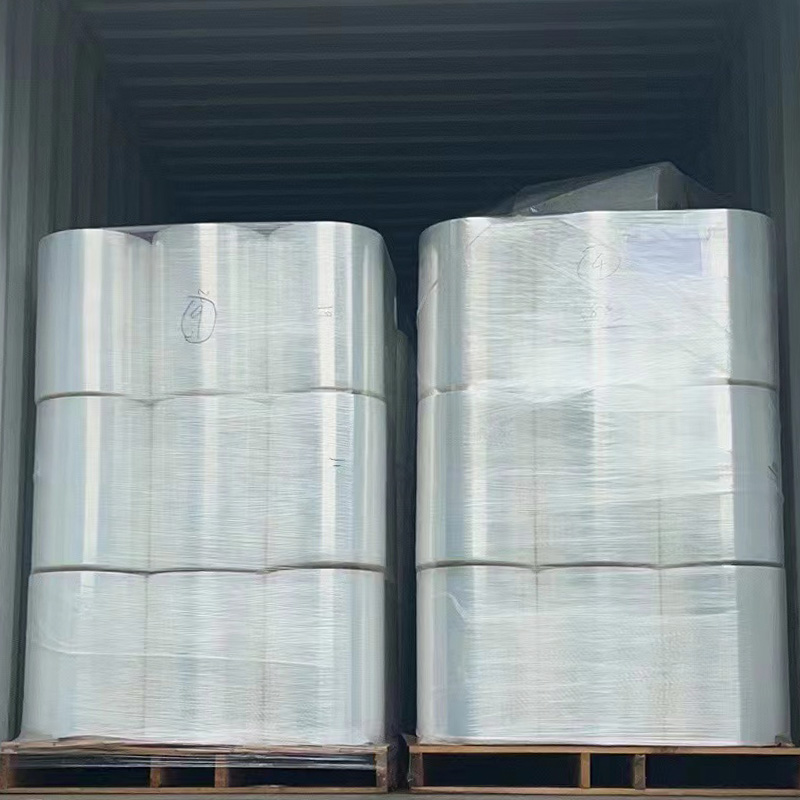 High Quality PE Stretch Film
-
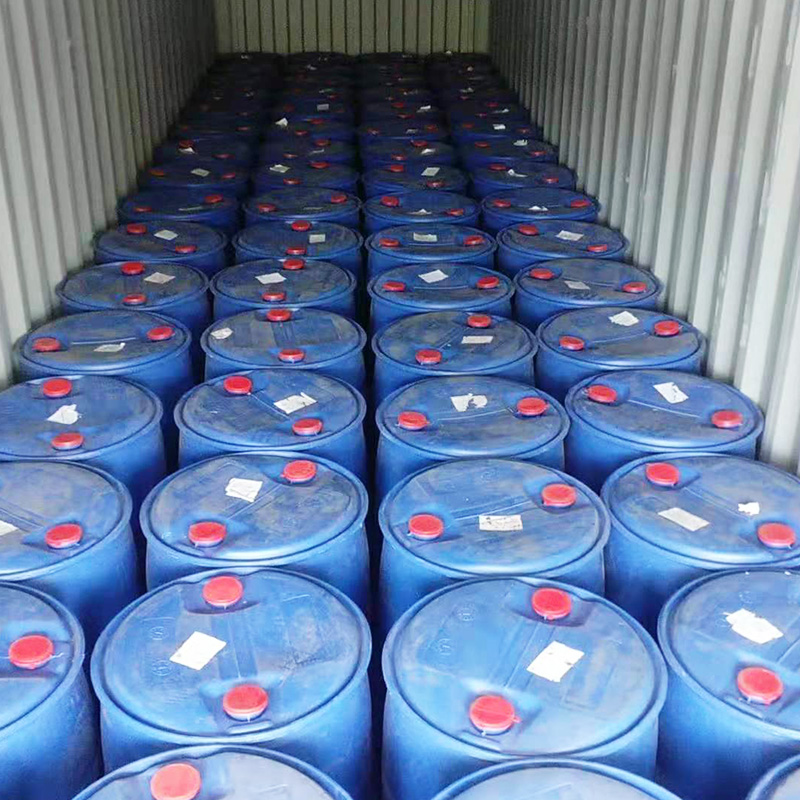 Water Based Acrylate Glue
-
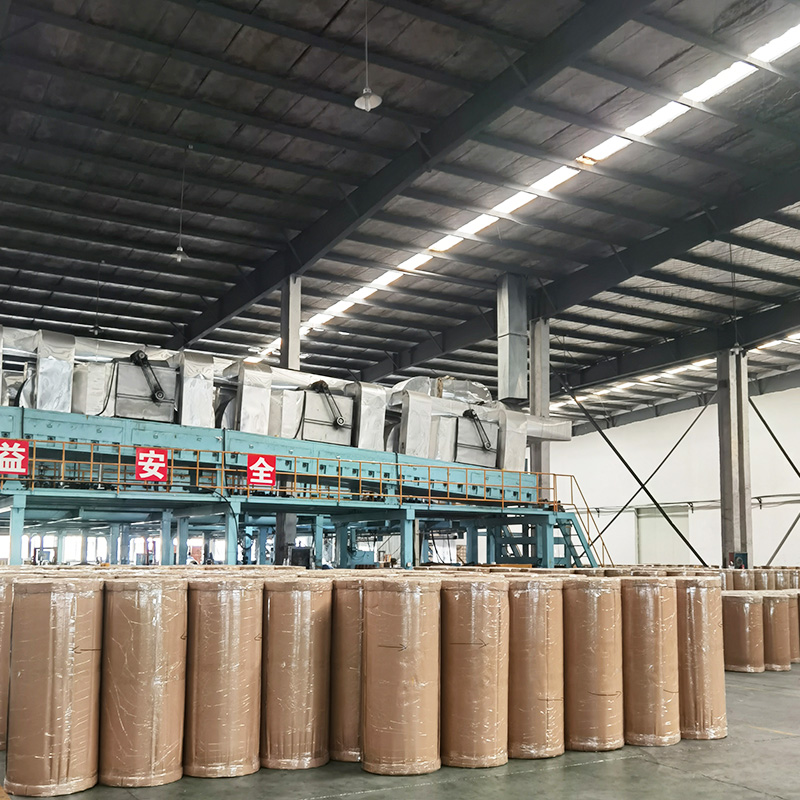 BOPP Acrylic Jumbo Roll Tape
-
 BOPP Hotmelt Jumbo Roll Tape
-
 BOPP Solvent Jumbo Roll Tape
-
 BOPP Natural Rubber Jumbo Roll Tape
-
 BOPP Low Noise Jumbo Roll Tape
-
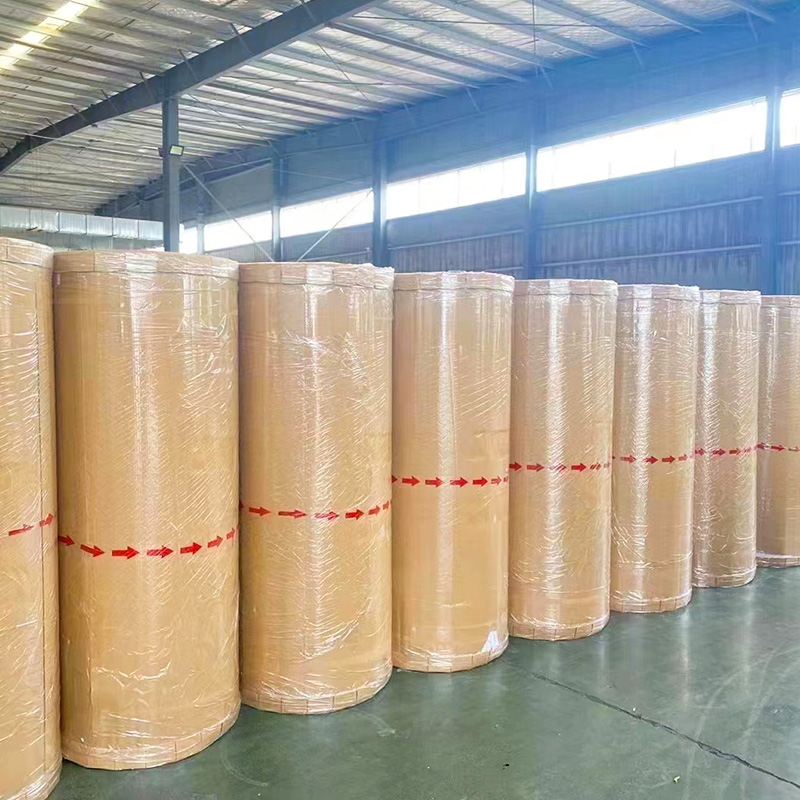 BOPP Silent Jumbo Roll Tape
-
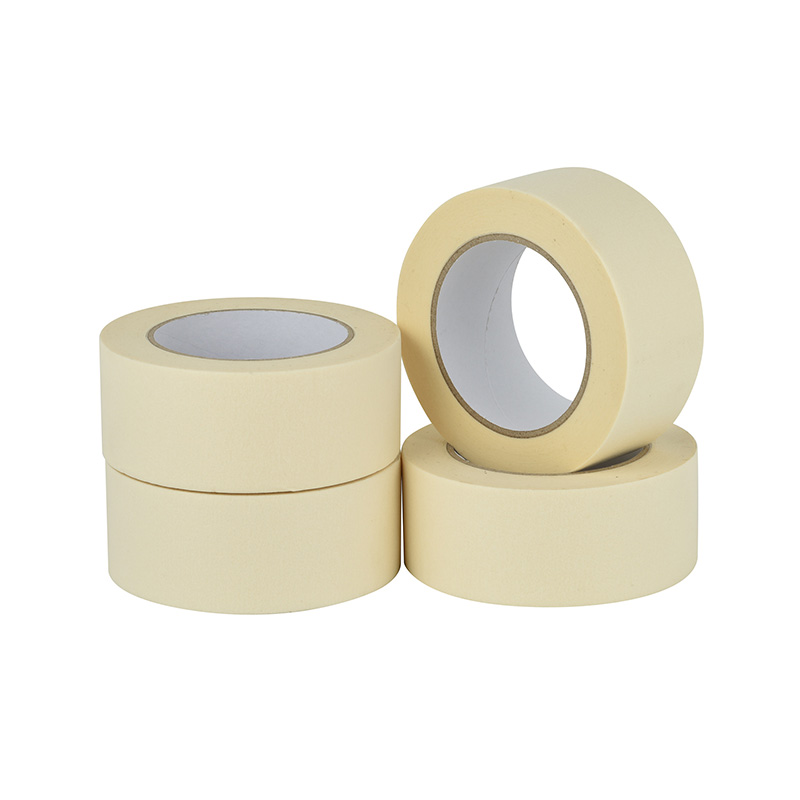 Masking Tape Jumbo Roll
-
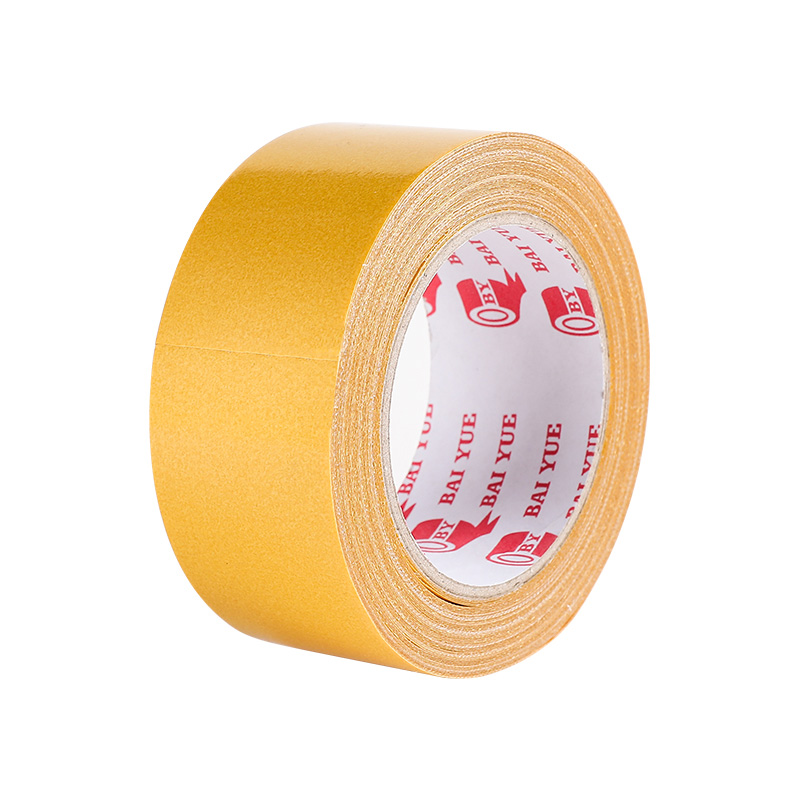 Duct Tape Jumbo Roll
-
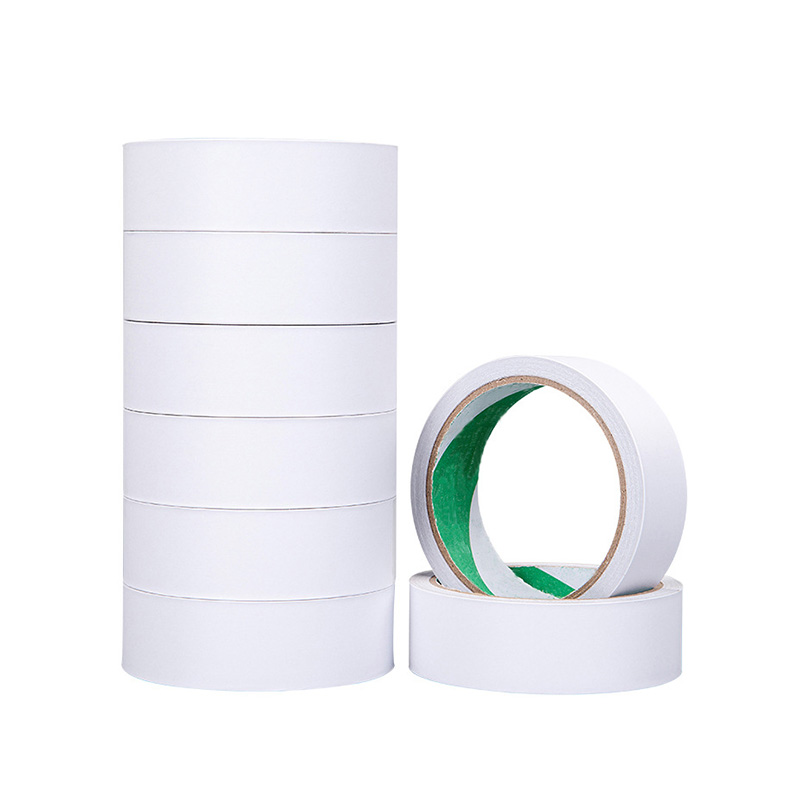 Double Side Tape Jumbo Roll
 fortuna@baiyiadhesive.com
PP vs PE: Key Differences Between Polypropylene and Polyethylene Explained
Content
A pallet of BOPP packing tape and a pallet of PE stretch film can sit side by side in the same warehouse, look almost identical, and behave completely differently once they leave it. The reason is the polymer under the surface. The short answer: polypropylene (PP) is the stiffer, more heat-tolerant material that makes thin, strong, glossy tape backing possible, while polyethylene (PE) is the softer, more stretchable material that dominates stretch wrap, cling films and cold-storage packaging.
Chemically, the two are close relatives — both polyolefins built from simple carbon and hydrogen units. PE chains are made from ethylene; PP chains are made from propylene, which carries one extra methyl group. That single pendant group shifts density, melting point and stiffness just enough to change everything downstream: how a tape backing carries a heavy carton, whether a film cracks in a freezer, and how cleanly a roll unwinds on a packing line.
PP and PE: Same Family, Different Building Blocks
Because both resins are polyolefins, they share the traits buyers appreciate: low cost, light weight, and strong resistance to water, dilute acids and alkalis. Nearly everything that separates them follows from how the polymer chains are built.
Polyethylene (PE)
PE is polymerized ethylene. Depending on pressure and catalyst, the chains emerge branched or straight. Branched LDPE (density roughly 0.91–0.925 g/cm³) is less crystalline, which is why its films feel soft, seal at low temperatures and can be produced almost glass-clear. Linear HDPE (0.94–0.97 g/cm³) packs tightly, so it is harder, more opaque and formed into bottles, crates and rigid liners. Recycling codes: 2 for HDPE, 4 for LDPE.
Polypropylene (PP)
PP is polymerized propylene, so every repeat unit carries that pendant methyl group. Modern catalysts arrange the methyl groups in an isotactic order, letting crystals pack efficiently. The result is the lightest commodity plastic in common use — about 0.90–0.91 g/cm³, so PP floats in water — with noticeably higher rigidity and a melting point well above any PE grade. It recycles under code 5.
PP vs PE at a Glance: The Numbers That Decide Applications
Buyers rarely need a polymer science degree to compare the two; a handful of property ranges settles most sourcing questions:
| Property | Polypropylene (PP) | Polyethylene (PE) |
|---|---|---|
| Density | approx. 0.90–0.91 g/cm³ (floats in water) | approx. 0.91–0.97 g/cm³ |
| Melting point | approx. 160–170 °C | approx. 105–135 °C (LDPE low end, HDPE high end) |
| Low-temperature behavior | Turns brittle as temperatures approach 0 °C | Stays flexible down to about -40 °C |
| Stiffness and strength | Rigid, high tensile strength for its thickness | Soft, flexible, elongates and stretches |
| Optical clarity | Naturally translucent; clear only after biaxial orientation into BOPP | LDPE films can be naturally transparent |
| Chemical resistance | Strong against acids, alkalis, oils and many organic solvents | Strong against water, acids and alkalis; weaker against some solvents |
| Resin identification code | 5 | 2 (HDPE) and 4 (LDPE) |
One caution applies to both: neither polymer survives years of direct sunlight without UV stabilizers. Films and tapes stored outdoors or used to mark utility lines need UV-stabilized grades or covered storage.
Why BOPP Tape Backing Is Polypropylene
If stiffness and heat resistance were PP's only virtues, tape makers would still favor it. The decisive advantage, though, is what happens when PP film is stretched in two directions at once. Heated and drawn lengthwise and widthwise, the polymer chains align, and the film leaving the line is BOPP: thinner, far stronger in both directions and — despite PP's naturally milky appearance — impressively clear and glossy.
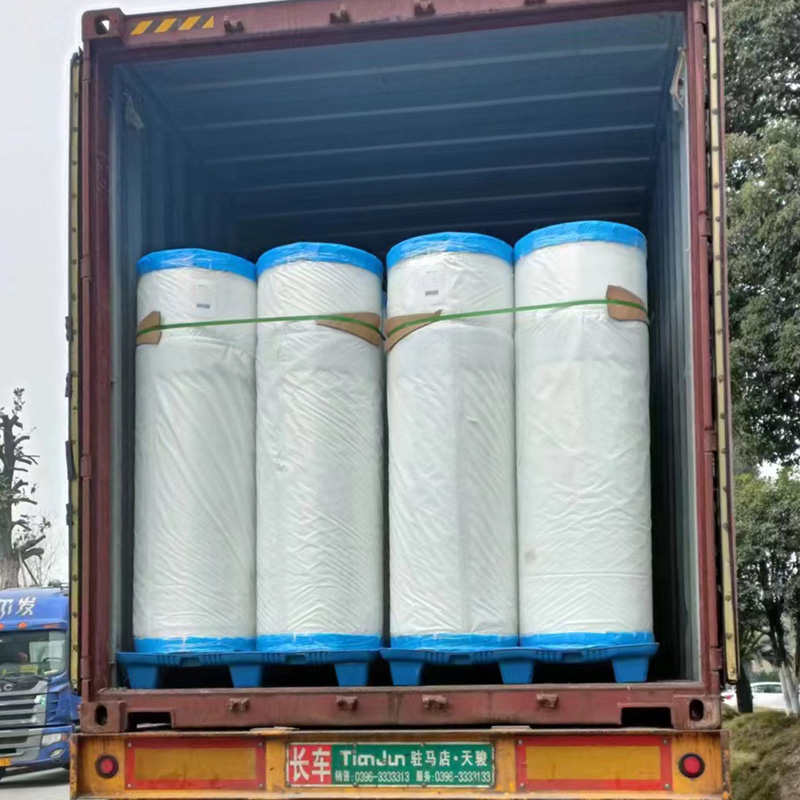 Biaxially Oriented Polypropylene (BOPP) FilmStretched in two directions, this multilayer co-extruded film offers high strength, clarity and gloss — the qualities that make BOPP backing outperform PE on high-speed carton sealing lines.View Product →
A BOPP backing of roughly 23–28 microns carries cartons far heavier than its weight suggests, resists splitting along the roll, takes printed ink cleanly for branded tape and stays stiff enough to unwind smoothly on high-speed sealing lines. PE at the same gauge would stretch, bag and creep under load. PP's higher softening point adds another margin: cartons sealed with BOPP tape tolerate hot containers and sun-exposed truck decks considerably better before the backing itself gives way.
- High tensile strength at very low thickness, which reduces material cost per carton
- A glossy, print-ready surface for branding, barcodes and handling warnings
- Dimensional stability on automated dispensers and sealing heads
Because the backing sets the ceiling for tape performance, experienced converters study it before anything else; our guide to the main raw materials of BOPP film explains how each ingredient shapes the final properties.
Where PE Wins: Stretch, Cling and Cold
Reverse the priorities — conformability over stiffness, elastic grip over dimensional stability — and PE becomes the obvious choice. Its lower crystallinity lets films elongate dramatically and pull back, which is exactly what pallet wrapping requires: the film is tensioned around the load and holds it through elastic force rather than rigidity.
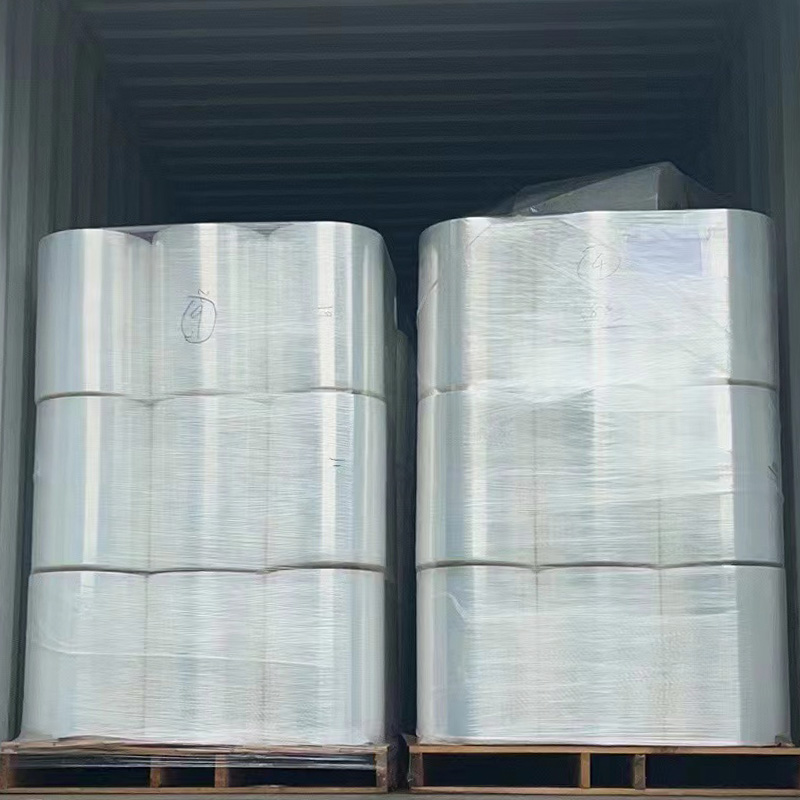 High Quality PE Stretch FilmA self-adhesive polyethylene film that grips pallets through elastic tension rather than rigidity, and stays pliable at low temperatures, suiting cold-chain and freezer wrapping where PP turns brittle.View Product →
Cold performance is the second quiet advantage. As temperatures fall toward freezing, PP grows brittle while PE films remain pliable to about -40 °C. That is why freezer packaging, cold-chain wraps and winter construction films are PE, and why cold-room orders specify PE-based materials instead of standard PP grades.
Inside the tape and film industry, PE appears in more places than buyers expect: double-sided PE tape for mounting and splicing, PE warning films that mark buried cables and pipelines, and thin PE protective films that shield glass, stainless steel and acrylic sheets during fabrication and transport.
Since stretch performance depends heavily on how the film is made, it is worth understanding the process behind high-quality PE stretch film before comparing supplier quotes.
Recycling, Cost and Practical Supply Notes
On recycling paperwork the two polymers separate cleanly: PP carries resin code 5, while PE appears under code 2 (rigid HDPE) or code 4 (flexible LDPE). HDPE is among the most widely collected and reprocessed plastics in the world; PP and film-grade PE depend more on local infrastructure. Neither material is biodegradable, which is why source reduction through downgauging usually beats recycling as the first sustainability lever.
| Code | Polymer | Typical forms |
|---|---|---|
| 2 | HDPE | Bottles, crates, rigid liners |
| 4 | LDPE | Stretch film, bags, flexible liners |
| 5 | PP | BOPP tape backing, caps, rigid containers |
On cost, resist the urge to declare a winner. Both resins are inexpensive commodity plastics priced off oil and gas chains, and their relative prices swing with propylene and ethylene feedstock markets, so neither is permanently cheaper. What buyers actually control is efficiency: PP's lower density delivers slightly more area per kilogram, and shaving a few microns off a BOPP backing or a stretch film usually saves more money than chasing resin prices.
A Practical Selection Checklist for Buyers
When a sourcing decision comes down to PP or PE, run the application through five questions in order:
- Map the temperature range first. Sustained heat above roughly 80 °C, hot containers or sun-exposed truck decks favor PP; freezers, cold chains and winter sites favor PE.
- Decide where the strength comes from. Loads carried by stiffness and tensile strength point to oriented PP; loads held by elastic tension point to PE.
- Check clarity needs. Naturally transparent film points to LDPE; glossy, glass-clear tape backing points to BOPP.
- Review chemical contact. Oils, greases and organic solvents push the choice toward PP.
- Confirm outdoor exposure. Long-term sunlight requires UV-stabilized grades of either polymer.
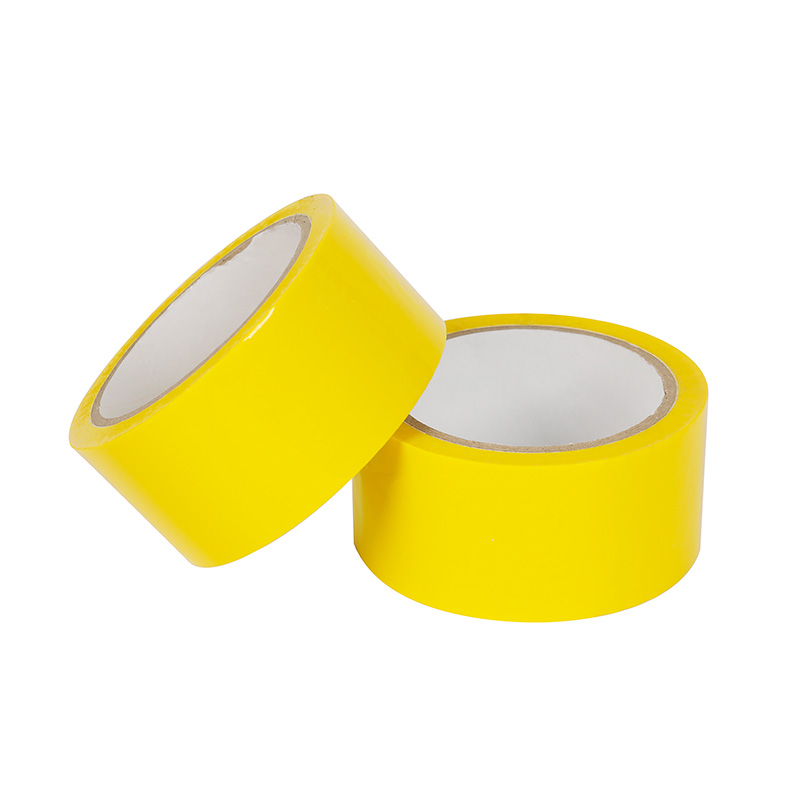 BOPP Packing Tape for Carton SealingPressure-sensitive adhesive coated on BOPP film gives strong tensile and tear resistance, making this the default, dependable choice for everyday warehouse and e-commerce carton sealing.View Product →
For everyday carton sealing — the classic PP application — a well-made BOPP packing tape with an acrylic or hotmelt adhesive covers most warehouse and e-commerce needs, which is why it remains the default sealing choice worldwide.
The Bottom Line
PP and PE are siblings, not twins. One methyl group per repeat unit separates a stiff, heat-tolerant, orientation-friendly film from a soft, stretchy, cold-tough one. Choose PP when stiffness, heat resistance and print-quality clarity drive the application, and choose PE when elongation, cling and low-temperature flexibility matter more. The real question is never which polymer is better in the abstract — it is which properties your production line, storage conditions and logistics chain actually demand.
Zhejiang Baiyi Adhesive Products manufactures both sides of that divide: BOPP film, BOPP packing tapes and jumbo rolls on the PP side, PE stretch film and PE-based tapes on the other, supported by in-house film lines, an independent adhesive plant and jumbo-roll slitting capacity for converters and distributors. If you are weighing PP against PE for a specific order, share your application, temperature range and load details, and our team will help you match the backing to the job.

-
 +86-575-82818961
+86-15906537907 -
 fortuna@baiyiadhesive.com
-
 Baiguan industrialZone,Shangyu District, Shaoxing City, Zhejiang Province, China
About Us
To provide effective services to customers is
the direction of our work and work and the yardstick of value evaluation.
To achieve customers is to achieve ourselves.



Product Links
Contact Us
Copyright © Zhejiang Baiyi Adhesive Products Co., Ltd. All Rights
Reserved.
Wholesale Tape Manufacturer
Custom Tape Supplier
 浙ICP备17032394号