For most packaging, sealing, and shipping applications, kraft tape is the better choice over plastic tape. It bonds more permanently to corrugated cardboard, is biodegradable and recyclable alongside paper packaging, accepts ink for labelling and stamping directly on the tape surface, and performs reliably across a wide range of temperatures and humidity conditions. Plastic tape — typically BOPP (biaxially oriented polypropylene) film tape — has its own strengths, including moisture resistance and lower unit cost, but in terms of bond strength, sustainability credentials, and suitability for heavy-duty carton sealing, kraft tape consistently outperforms it.
The answer is not absolute, however. The right tape depends on the application: the substrate, the environment, the load being secured, and whether environmental compliance or end-of-life recyclability is a factor. This article breaks down the differences across every key performance dimension so you can make an informed decision.
What Is Kraft Tape and How Does It Differ from Plastic Tape?
Kraft tape uses a backing made from kraft paper — a strong, fibrous paper produced from wood pulp using the sulphate process, which preserves the long cellulose fibres that give it its characteristic toughness. The adhesive layer on kraft tape is typically a pressure-sensitive acrylic or hot-melt adhesive, or in the case of water-activated kraft tape, a starch-based adhesive that is only activated by water and bonds permanently with the fibres of the carton surface it contacts.
Plastic tape — most commonly BOPP film tape — uses a polypropylene film backing coated with an acrylic or hot-melt pressure-sensitive adhesive. The film backing is smooth, transparent or coloured, water-resistant, and does not absorb moisture. It adheres on contact with light finger pressure and can be removed cleanly from most surfaces if the adhesive bond is not fully engaged.
The fundamental structural difference — paper fibre versus plastic film — determines most of the performance differences between the two tape types in real-world use.
Adhesion and Bond Strength: Where Kraft Tape Has a Clear Advantage
The most important performance difference between kraft tape and plastic tape is adhesion to paper-based surfaces, particularly corrugated cardboard — the standard material for shipping cartons.
Water-Activated Kraft Tape: The Strongest Bond Available
Water-activated kraft tape (WAT) — also called gummed tape — uses a starch-based adhesive that, once moistened and applied to a cardboard surface, penetrates the paper fibres and creates a permanent fibre-to-fibre bond. The tape effectively becomes part of the carton: removing it damages the cardboard, providing both a tamper-evident seal and a bond that plastic tape cannot replicate. This property makes water-activated kraft tape the preferred choice for high-value shipments, cross-border logistics, and any application where tamper evidence or seal integrity is a compliance requirement.
Pressure-Sensitive Kraft Tape
Pressure-sensitive kraft tape (the peel-and-stick variant requiring no water activation) also adheres strongly to cardboard and paper, with peel adhesion values typically in the range of 3.5–6.0 N/cm depending on adhesive formulation and paper weight. Reinforced kraft tape — which incorporates fibreglass yarn filaments within the backing — further increases tensile strength, making it suitable for bundling heavy items, strapping pallets, and securing industrial packaging where shear forces are significant.
Plastic BOPP tape generally achieves comparable or slightly lower peel adhesion values on cardboard but lacks the permanent fibre bonding mechanism of water-activated kraft tape. On dusty, lightly contaminated, or waxy cardboard surfaces — common in warehouse and logistics environments — plastic tape adhesion can fall off significantly, whereas kraft tape's higher porosity allows it to key into surface irregularities more effectively.
Head-to-Head Comparison: Kraft Tape vs Plastic Tape Across Key Properties
Table 1: Kraft tape vs plastic (BOPP) tape performance comparison across practical packaging criteria
| Property |
Kraft Tape |
Plastic (BOPP) Tape |
| Bond to cardboard |
Excellent (permanent with WAT) |
Good |
| Tamper evidence |
Yes (WAT leaves visible damage on removal) |
Limited |
| Moisture resistance |
Moderate |
High |
| Biodegradability |
Yes (paper-based) |
No (petroleum-derived film) |
| Recyclability with carton |
Yes (no separation needed) |
No (must be removed first) |
| Printability / writability |
Excellent |
Poor (ink beads on film surface) |
| Cold temperature performance |
Good |
Moderate (varies by adhesive grade) |
| Tensile strength (reinforced) |
Very high (fibreglass reinforced) |
Moderate |
| Unit cost (per metre) |
Moderate–High |
Low |
| Ease of manual application |
Good (WAT requires dispenser) |
Very easy |
Environmental Performance: Kraft Tape's Most Decisive Advantage
For businesses operating under sustainability targets, procurement policies aligned with circular economy principles, or regulatory requirements in markets with packaging waste legislation, kraft tape's environmental profile is a decisive advantage over plastic tape.
- Recyclable with the carton: Kraft tape — particularly water-activated kraft tape — can be recycled together with the cardboard carton it seals. No tape removal is required before recycling, which reduces labour in returns processing and eliminates a common contamination source in paper recycling streams. BOPP plastic tape must be removed from cartons before recycling, and is itself non-recyclable through standard paper or mixed recycling streams.
- Biodegradable: The kraft paper backing decomposes naturally. BOPP film persists in the environment for hundreds of years and contributes to microplastic contamination when it fragments.
- FSC-certified sourcing available: Kraft tape manufactured from responsibly sourced paper — backed by Forest Stewardship Council (FSC) certification — offers buyers a verifiable chain of custody from sustainably managed forests to finished tape, which is increasingly required for enterprise procurement compliance.
For e-commerce and retail brands that promote sustainable packaging as part of their customer proposition, switching from plastic tape to kraft tape is one of the most visible and straightforward packaging changes available. The natural brown or white appearance of kraft tape also reinforces the sustainable packaging message visually in a way that clear plastic tape cannot.
Where Plastic Tape Still Has the Edge
Despite kraft tape's advantages across most carton sealing applications, there are specific situations where plastic tape remains the practical choice:
- High-humidity and wet environments: Plastic tape's film backing is impermeable to moisture and maintains adhesion in humid warehouses, refrigerated storage, and outdoor staging areas where kraft paper would absorb moisture and potentially weaken at the adhesive interface.
- High-volume automated sealing lines: Standard pressure-sensitive BOPP tape runs smoothly through automatic case-sealing machines. Water-activated kraft tape requires a dedicated dispenser or WAT machine, which adds equipment cost to production lines not originally configured for it.
- Non-porous or smooth surfaces: On surfaces such as glass, metal, polythene film, or plasticised cardboard coatings, plastic tape often achieves better contact adhesion than kraft paper, which relies partly on micro-fibre interlocking with the substrate.
- Cost-sensitive, high-volume light parcel sealing: Where the sealing requirement is basic — lightweight cartons, short transit distances, low tamper risk — plastic tape's lower unit cost makes it the practical choice at volume.
Kraft Tape Variants: Choosing the Right Type for Your Application
Kraft tape covers a range of constructions suited to different sealing and bonding tasks. Understanding the variants helps in selecting the correct specification:
Table 2: Kraft tape types and their recommended applications
| Kraft Tape Type |
Construction |
Key Strength |
Best Application |
| Standard kraft paper tape |
Kraft paper + pressure-sensitive adhesive |
Easy to use, good adhesion, writable surface |
General carton sealing, light packaging |
| Water-activated kraft tape |
Kraft paper + starch adhesive (water-activated) |
Permanent fibre bond, tamper-evident seal |
High-value shipments, e-commerce fulfilment |
| Reinforced wet kraft tape |
Kraft paper + fibreglass yarn + starch adhesive |
Very high tensile and shear strength |
Heavy cartons, palletising, industrial bundling |
For the highest-security sealing requirement — where tamper evidence and permanent bond strength matter — reinforced water-activated kraft tape is the strongest tape option available for paper-based packaging, outperforming both standard kraft tape and all variants of plastic film tape.
Practical Guidance: When to Choose Kraft Tape Over Plastic Tape
Use the following decision framework to determine which tape type fits your application:
- Sealing corrugated cartons for domestic or international shipping? Choose kraft tape — particularly water-activated — for superior bond strength and tamper evidence.
- Packaging must be fully recyclable or align with a sustainability policy? Kraft tape is the clear choice; plastic tape contaminates paper recycling streams.
- Writing addresses, order numbers, or handling instructions directly on the tape? Kraft tape accepts ballpoint pen, marker, and printed labels reliably; plastic film does not.
- Sealing items stored or shipped in wet, cold, or refrigerated conditions? Plastic tape is the safer choice for moisture-exposed applications.
- High-volume automated case sealing with existing BOPP equipment? Evaluate the cost of WAT dispensers versus operational benefits; standard pressure-sensitive kraft tape may be a lower-disruption intermediate option.
- Bundling, strapping, or securing heavy items for transit? Reinforced kraft tape with fibreglass filaments provides the tensile strength and peel resistance for demanding applications.
Conclusion: Kraft Tape Is the Better All-Round Packaging Tape for Most Use Cases
Across the criteria that matter most for professional packaging — bond strength to paper substrates, tamper evidence, recyclability, printability, and environmental footprint — kraft tape delivers measurably superior results compared to standard plastic tape. For e-commerce, logistics, and industrial packaging operations where carton integrity, sustainability compliance, and brand presentation are priorities, kraft tape is the technically and commercially correct choice.
Plastic tape retains a practical advantage in wet environments, on automated lines configured for film tape, and in cost-sensitive light-parcel applications where basic sealing is the only requirement. For everything else — especially where paper-based packaging is being used as part of a sustainability commitment — kraft tape is the better tape.


 中文简体
中文简体 Español
 عربى
عربى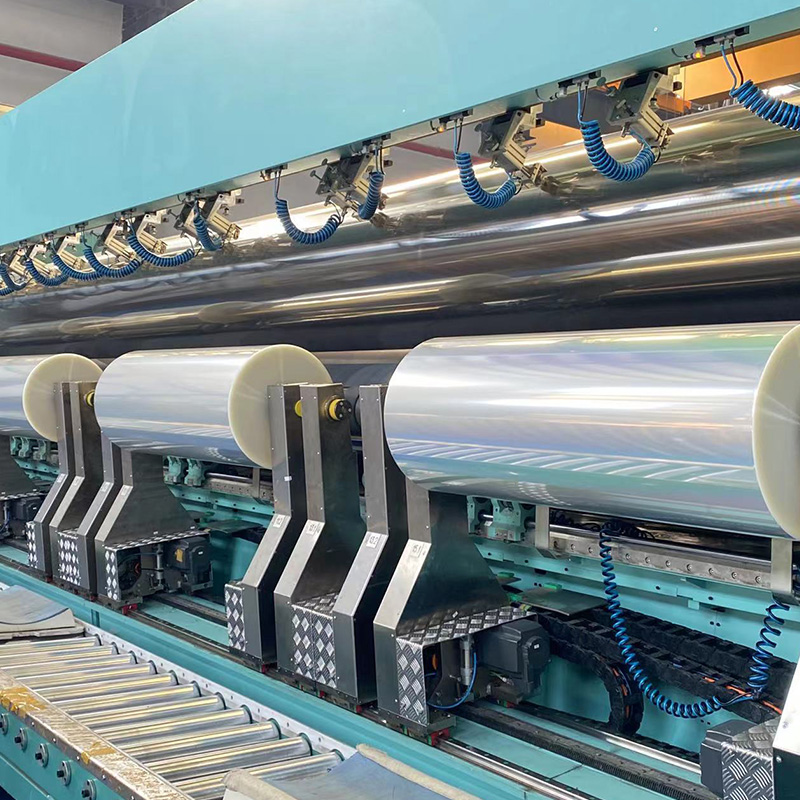 Biaxially Oriented Polypropylene Film
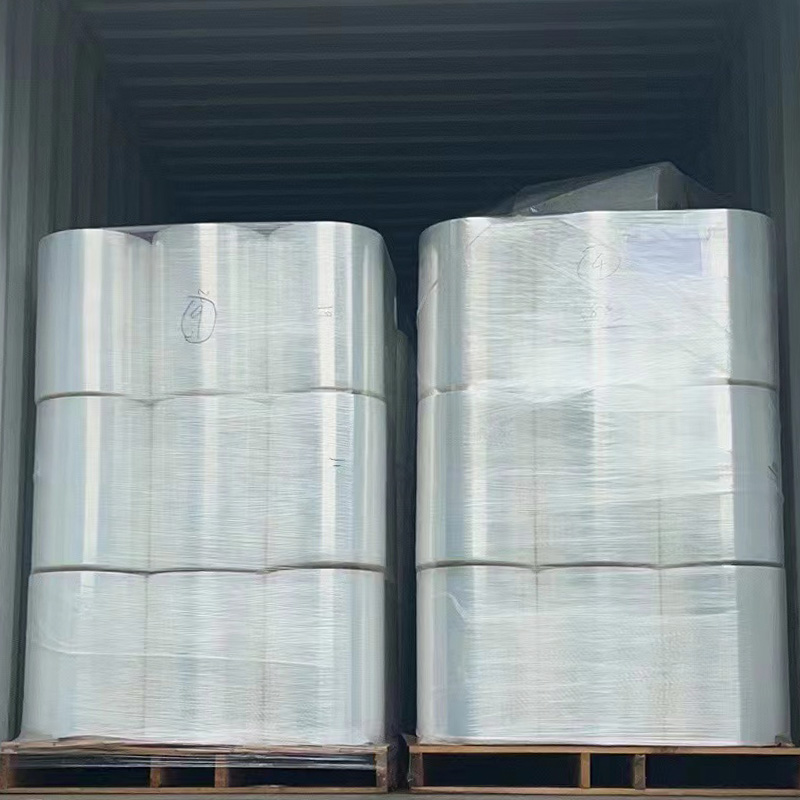 High Quality PE Stretch Film
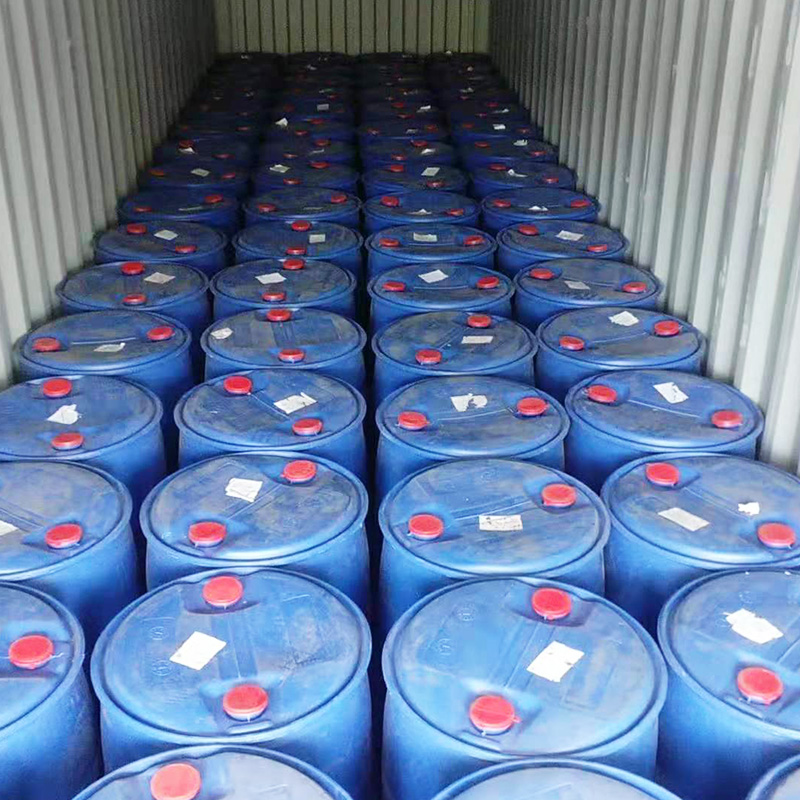 Water Based Acrylate Glue
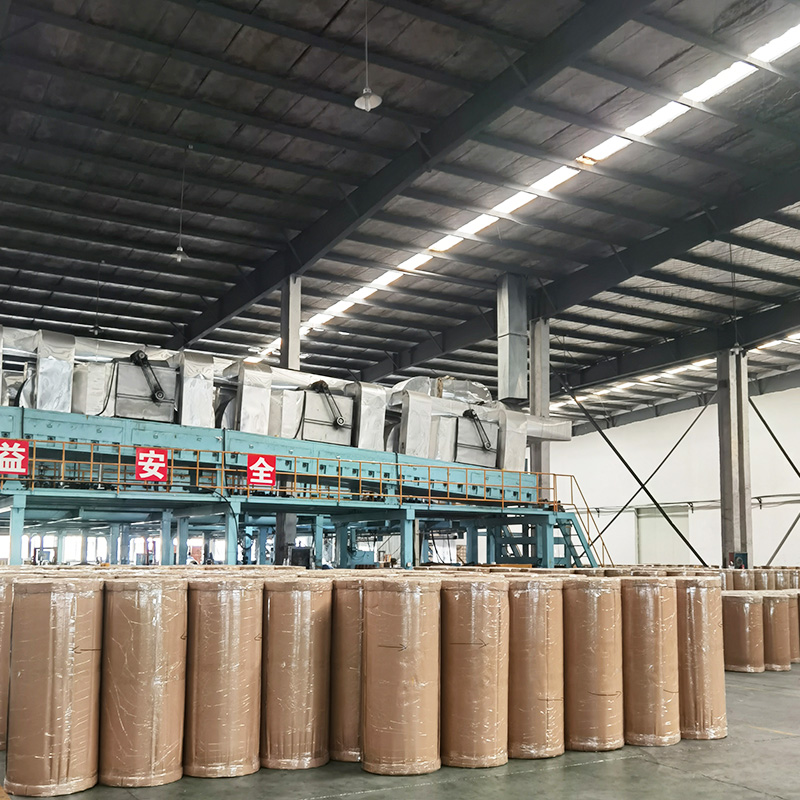 BOPP Acrylic Jumbo Roll Tape
 BOPP Hotmelt Jumbo Roll Tape
 BOPP Solvent Jumbo Roll Tape
 BOPP Natural Rubber Jumbo Roll Tape
 BOPP Low Noise Jumbo Roll Tape
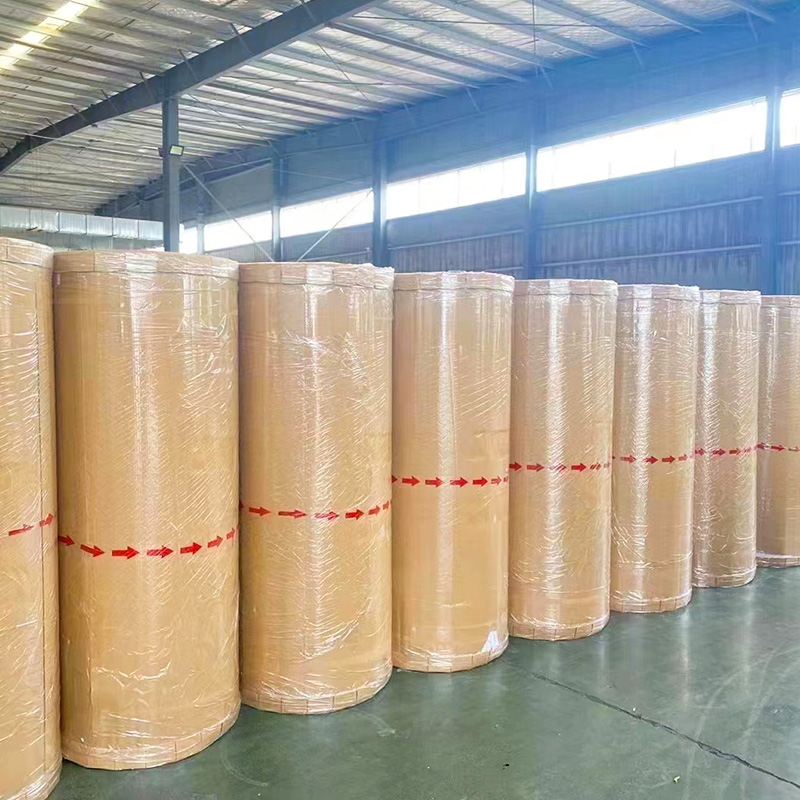 BOPP Silent Jumbo Roll Tape
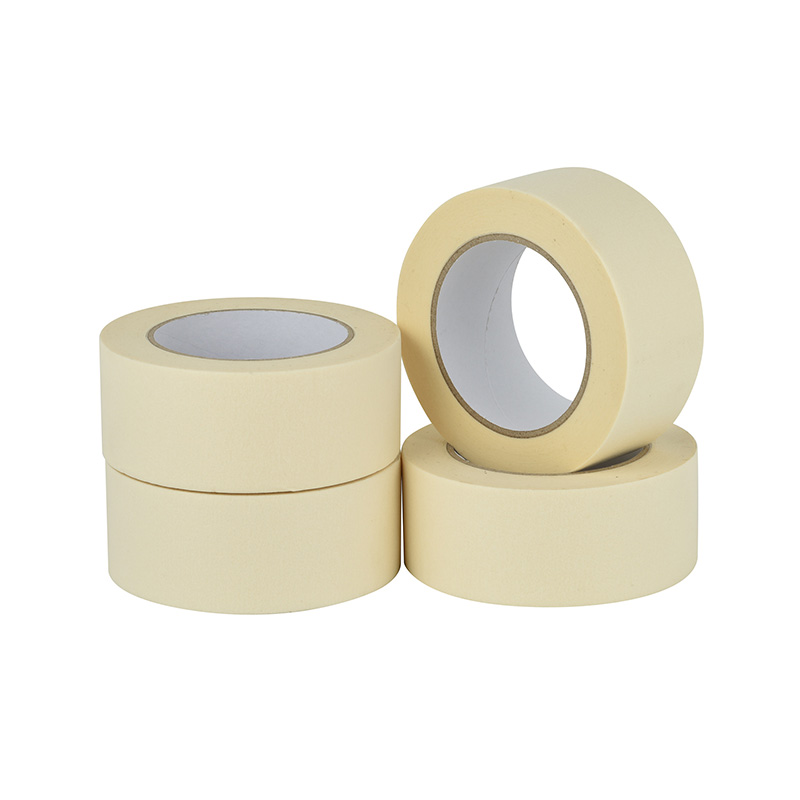 Masking Tape Jumbo Roll
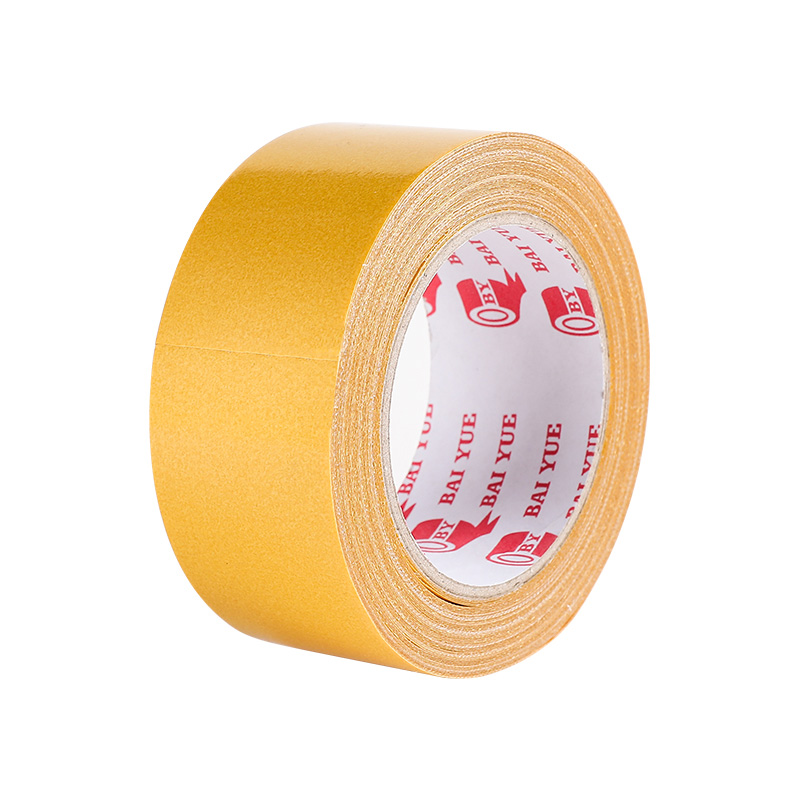 Duct Tape Jumbo Roll
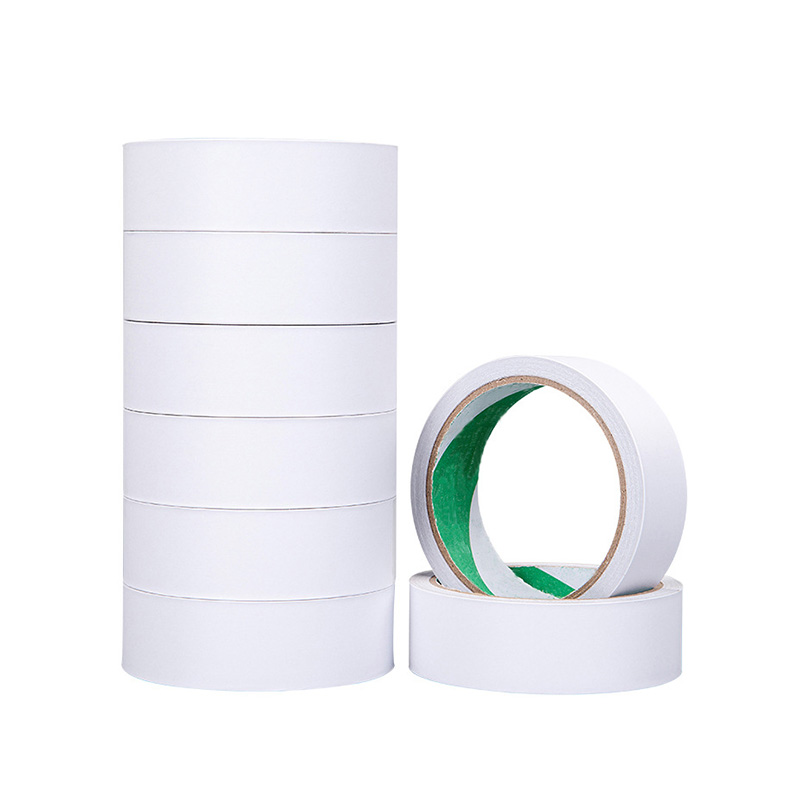 Double Side Tape Jumbo Roll
 fortuna@baiyiadhesive.com

 +86-575-82818961
 fortuna@baiyiadhesive.com
 Baiguan industrialZone,Shangyu District, Shaoxing City, Zhejiang Province, China



 浙ICP备17032394号