Quick Answer: How to Choose the Right Lamination Film
The right lamination film depends on three things: the material you are protecting, the finish you want, and the type of laminator you own. For everyday office documents, a 3 mil glossy pouch film works well. For menus, signage, or ID cards that need heavy handling, choose a 5 to 10 mil lamination film with a matte or soft-touch coating for durability and a premium feel. Always match the film width and adhesive type to your machine's specifications before purchasing supplies in bulk.
Below, this guide breaks down every factor that affects lamination film performance, from thickness and finish to adhesive chemistry and machine compatibility, so you can buy supplies with confidence instead of guesswork.
Main Types of Lamination Film Available
Not all laminating film is built the same way. Manufacturers produce different film structures depending on the application, and understanding these categories is the first step toward making a smart purchase.
Overview of common lamination film types and their typical uses
| Film Type |
Structure |
Best Used For |
| Pouch Lamination Film |
Pre-formed sealed pouch with adhesive on one side |
ID cards, certificates, menus, small documents |
| Roll Lamination Film |
Continuous roll fed through a heated or pressure-sensitive laminator |
Posters, banners, large-format prints, books |
| Thermal Lamination Film |
Heat-activated adhesive layer |
Photos, packaging boxes, retail displays |
| Cold Lamination Film |
Pressure-sensitive adhesive, no heat required |
Heat-sensitive prints, vehicle graphics, vinyl decals |
Choosing the correct structure of lamination film prevents wasted material and ensures your finished product looks professional rather than bubbled or peeling at the edges.
Key Factors to Consider Before Buying Laminating Film
When comparing suppliers or product listings, keep the following factors in mind. Skipping any one of these can lead to jams, poor adhesion, or a finish that does not match your project.
- Thickness (measured in mil or micron) relative to the durability required
- Finish type: glossy, matte, satin, or soft-touch
- Adhesive chemistry: EVA, polyurethane, or pressure-sensitive acrylic
- Compatibility with your specific laminator brand and model
- Base material: BOPP, PET, or nylon film
- Intended lifespan of the laminated item, from a few weeks to several years
A mismatch in even one of these areas is the most common reason lamination film fails to bond properly or delaminates over time.
Choosing the Right Film Thickness
Thickness is measured in mil (thousandths of an inch) or micron, and it directly affects rigidity, protection level, and cost. Thinner films are more flexible and economical, while thicker films offer superior rigidity and resistance to tearing.
Recommended lamination film thickness by document or product type
| Thickness |
Feel |
Recommended Application |
| 1.5 - 3 mil |
Flexible, thin |
Office memos, worksheets, short-term signage |
| 5 mil |
Semi-rigid |
ID cards, menus, restaurant placemats |
| 7 - 10 mil |
Rigid, durable |
Frequently handled cards, book covers, luggage tags |
| 10+ mil |
Very rigid |
Table tents, security badges, outdoor signage |
As a general rule, thicker lamination film costs more but lasts significantly longer, so it is worth calculating the expected handling frequency of your finished item before ordering supplies in bulk.
Glossy, Matte, or Soft-Touch: Which Finish Fits Your Project?
Glossy Finish
Glossy laminating film reflects light and makes colors appear more vibrant, which is why it remains the most popular choice for photos, marketing materials, and retail packaging that needs to catch the eye.
Matte Finish
Matte film reduces glare and fingerprints, making it a strong choice for documents that will be read under bright lighting or handled frequently, such as menus and presentation folders.
Soft-Touch Finish
Soft-touch lamination film has a velvety texture that feels premium in hand. It is commonly used for high-end packaging boxes, luxury product inserts, and branded folders where tactile impression matters as much as visual appeal.
Common Applications for Lamination Film
Lamination film is used across many industries, and the right product varies significantly depending on the end use. Common applications include:
- Food packaging boxes that require moisture resistance and a clean printed surface
- Retail and cosmetic packaging where a soft-touch or glossy finish enhances shelf appeal
- Educational materials such as flashcards, worksheets, and classroom signage
- Identification cards, membership cards, and badges that need to withstand daily handling
- Large-format printing including posters, banners, and vehicle wraps
Because packaging and printing needs vary so widely, many buyers work with a supplier that can produce custom lamination film specifications rather than relying on generic off-the-shelf rolls.
Matching Film to Your Laminator Machine
Even the highest quality lamination film will underperform if it is not compatible with your equipment. Before purchasing, confirm the following specifications against your laminator's manual:
Machine compatibility checklist for lamination film purchases
| Specification |
Why It Matters |
| Maximum film width |
Film that is too wide will jam the feed rollers |
| Heat range tolerance |
Thermal film needs a laminator that reaches the correct activation temperature |
| Roll core diameter |
Mismatched cores will not fit onto the machine's spindle |
| Pouch vs roll format |
Pouch laminators cannot process roll film and vice versa |
Essential Supplies to Pair With Your Lamination Film
Beyond the film itself, having the right supporting supplies improves consistency and reduces waste. Consider stocking the following alongside your lamination film order:
- A trimmer or rounded-corner cutter for finishing edges cleanly
- Carrier sheets to protect thin or irregularly shaped items during lamination
- A roller or squeegee tool for cold lamination applications
- Replacement rollers for high-volume roll laminators
- A humidity-controlled storage container to protect unused film rolls
Storage and Handling Tips to Extend Film Life
Improper storage is one of the leading causes of premature film degradation. Lamination film should be kept in a cool, dry environment away from direct sunlight, since UV exposure and humidity can weaken the adhesive layer before the film is ever used.
Store rolls upright rather than flat to avoid pressure marks, and reseal packaging tightly after each use. When film has been stored for an extended period, run a small test piece through the laminator before processing an important batch to confirm adhesion quality has not degraded.
Sourcing Reliable Lamination Film Supplies
For businesses that laminate at scale, consistency between rolls matters just as much as the initial product specification. Baiyi Adhesive supplies a range of lamination film products, including BOPP and PET-based options in glossy, matte, and soft-touch finishes, engineered for stable adhesion across large production runs. Working with a manufacturer that offers custom widths, thicknesses, and adhesive formulations allows packaging and printing businesses to standardize their process rather than adjusting settings for every new batch of film.
Whether the project calls for everyday office pouch film or heavy-duty roll film for packaging lines, selecting a supplier with consistent quality control reduces downtime and ensures every laminated piece meets the same visual and structural standard.


 中文简体
中文简体 Español
 عربى
عربى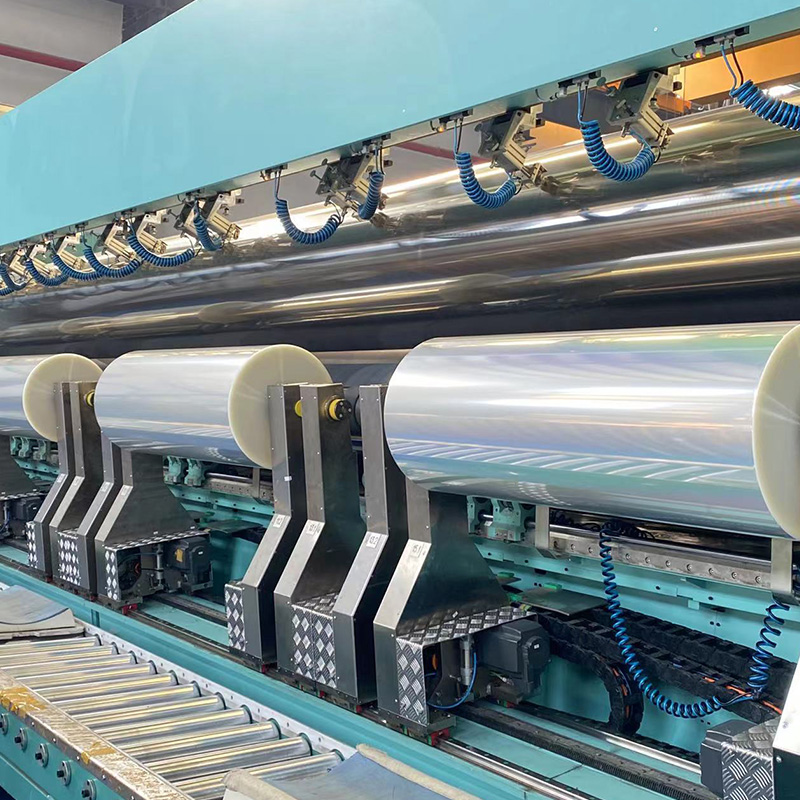 Biaxially Oriented Polypropylene Film
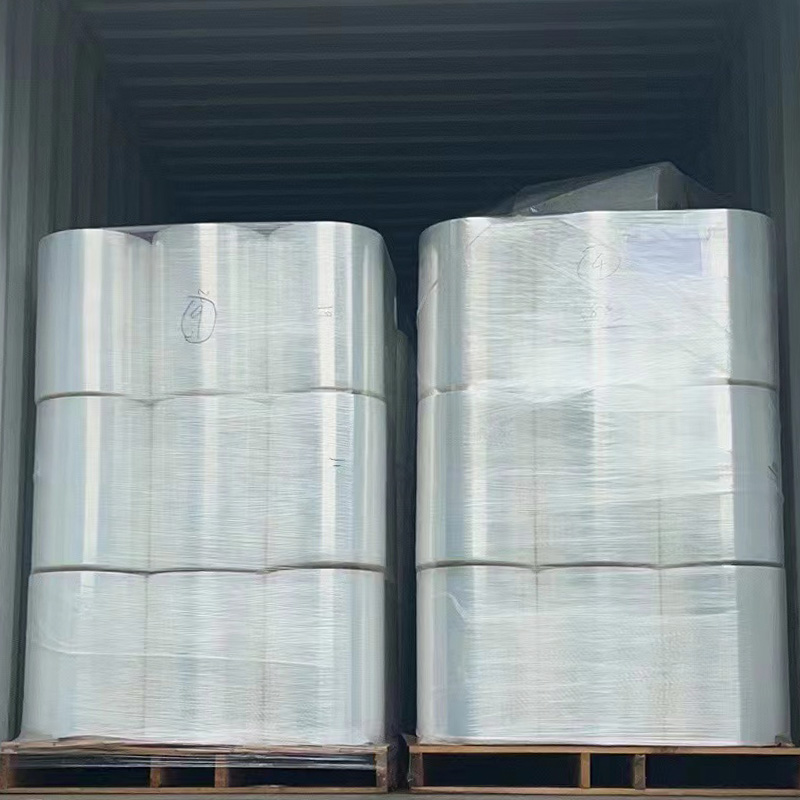 High Quality PE Stretch Film
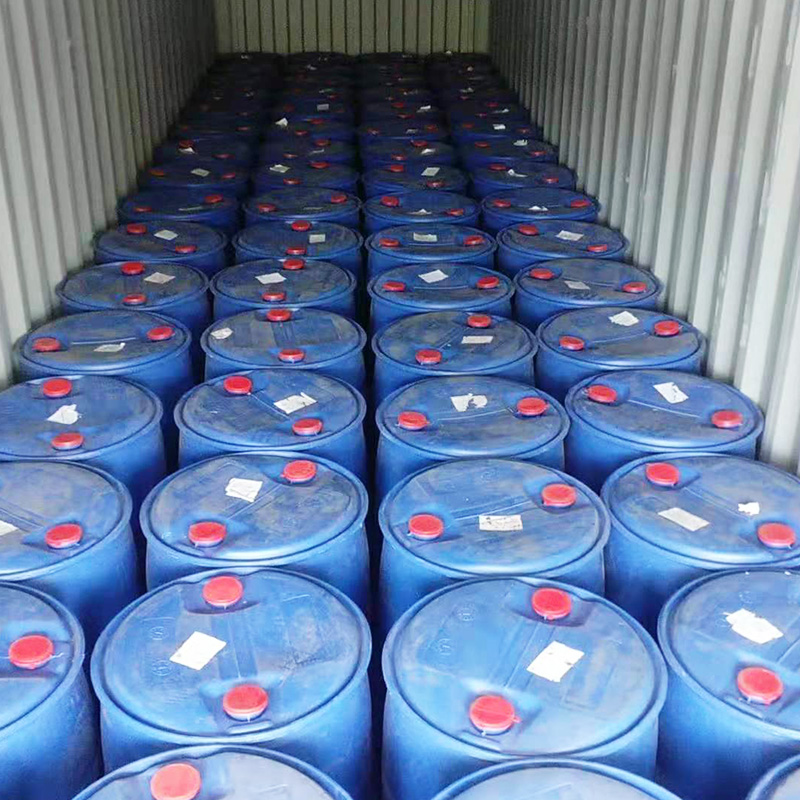 Water Based Acrylate Glue
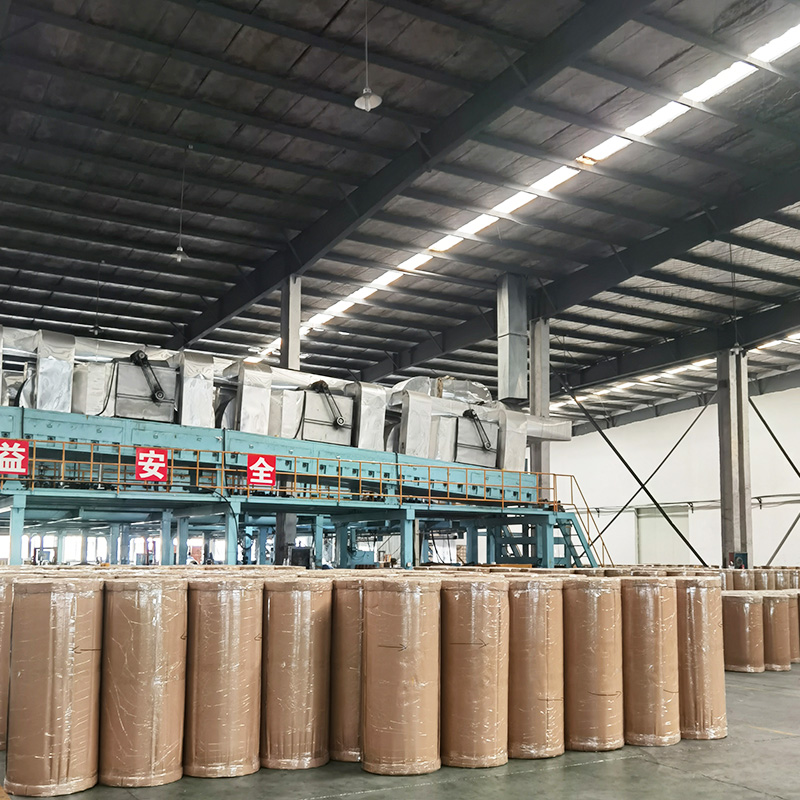 BOPP Acrylic Jumbo Roll Tape
 BOPP Hotmelt Jumbo Roll Tape
 BOPP Solvent Jumbo Roll Tape
 BOPP Natural Rubber Jumbo Roll Tape
 BOPP Low Noise Jumbo Roll Tape
 BOPP Silent Jumbo Roll Tape
 Masking Tape Jumbo Roll
 Duct Tape Jumbo Roll
 Double Side Tape Jumbo Roll
 fortuna@baiyiadhesive.com

 +86-575-82818961
 fortuna@baiyiadhesive.com
 Baiguan industrialZone,Shangyu District, Shaoxing City, Zhejiang Province, China



 浙ICP备17032394号