When choosing between BOPP tape and masking tape, the short answer is clear: BOPP tape offers stronger adhesion, higher durability, and better moisture resistance, making it the preferred choice for carton sealing and industrial packaging. Masking tape, on the other hand, is designed for light-duty tasks where clean removal and paintability are required. Understanding the differences between these two tapes helps procurement teams and packaging professionals make cost-effective, application-appropriate decisions.
This article breaks down the key differences across material composition, adhesion performance, temperature tolerance, typical use cases, and cost considerations — so you can confidently select the right tape for your specific requirements.
What Is BOPP Tape and How Is It Made?
BOPP tape is made from Biaxially Oriented Polypropylene (BOPP) film, a thermoplastic material that is stretched in two perpendicular directions during manufacturing. This biaxial orientation process significantly improves the film's tensile strength, clarity, and dimensional stability compared to standard polypropylene film.
The BOPP film is then coated with an acrylic or hot-melt adhesive on one side. This construction creates a tape that is thin yet exceptionally strong, resistant to moisture and humidity, and capable of maintaining its bond under a wide range of storage and transit conditions. BOPP tape is available in transparent, brown, colored, and printed variants, which makes it widely adaptable for branding and logistics applications.
What Is Masking Tape and Where Does It Come From?
Masking tape uses a crepe paper backing — a thin, slightly textured paper that is easy to tear by hand and conforms to curved or irregular surfaces. The adhesive used is typically a natural rubber or synthetic rubber compound, which provides moderate tack and, crucially, clean removability without leaving adhesive residue on most surfaces.
Masking tape was originally developed for automotive painting applications, where painters needed to protect trim and glass edges from overspray while ensuring easy removal after the paint cured. This heritage explains why clean removal, conformability, and paintability remain its defining characteristics today.
BOPP Tape vs Masking Tape: Head-to-Head Comparison
The table below summarizes the most important performance attributes of BOPP tape versus masking tape across key evaluation criteria relevant to B2B buyers:
Table 1: Key performance comparison between BOPP tape and masking tape
| Attribute |
BOPP Tape |
Masking Tape |
| Backing Material |
BOPP plastic film |
Crepe paper |
| Adhesive Type |
Acrylic or hot-melt |
Natural or synthetic rubber |
| Adhesion Strength |
High |
Low to moderate |
| Moisture Resistance |
Excellent |
Poor |
| Clean Removal |
Not designed for removal |
Yes, residue-free on most surfaces |
| Temperature Range |
-10°C to 60°C (typical) |
Up to 80°C (short-term) |
| Tearability by Hand |
Requires cutter |
Easy hand tear |
| Primary Use Case |
Carton sealing, packaging |
Painting, light bundling, labeling |
| UV & Aging Resistance |
Good (acrylic adhesive) |
Limited |
Adhesion Performance: Which Tape Holds Better?
BOPP tape consistently delivers superior adhesion on corrugated cardboard, kraft paper, and most smooth surfaces. Its acrylic adhesive forms a strong, lasting bond that resists shear and peel forces — critical for cartons moving through automated packaging lines or subjected to stacking pressure in warehouses.
Masking tape is engineered with the opposite priority: its adhesive is intentionally moderate in strength to allow clean removal. While this makes it excellent for protecting surfaces during painting or sandblasting, it means masking tape is not suitable for sealing cartons that will be handled, stacked, or shipped. The crepe paper backing is also susceptible to tearing under tension and will degrade quickly in humid or wet environments.
Moisture and Environmental Resistance
One of the most significant advantages of BOPP tape in logistics and industrial use is its resistance to moisture, humidity, and temperature fluctuation. The polypropylene film backing acts as a barrier that prevents water absorption, ensuring the tape maintains its structural integrity even in cold-storage environments, high-humidity warehouses, or during sea freight shipments.
Masking tape's paper backing, by contrast, absorbs moisture readily. When exposed to humidity or direct contact with water, the paper softens, the adhesive weakens, and the tape may delaminate or tear. For this reason, masking tape should never be used in outdoor storage, refrigerated environments, or any application where moisture exposure is likely.
Typical Applications: Choosing the Right Tape for the Job
Selecting the wrong tape type for an application is a common source of avoidable operational cost. Below is a practical breakdown of where each tape type performs best:
Where BOPP Tape Excels:
- Carton sealing in e-commerce, retail, and manufacturing logistics
- Pallet wrapping reinforcement and box closure in automated packaging lines
- Long-term storage where bond durability over months is required
- Custom printed tape for brand identification and tamper-evidence
- Cold-chain or refrigerated storage environments
Where Masking Tape Excels:
- Automotive and industrial spray painting — masking body panels, glass, and trim
- Construction painting where clean paint lines are needed on walls and frames
- Temporary bundling of cables, tubes, or lightweight components
- Light labeling in workshops where residue-free removal is needed
- Craft and stationery applications requiring writability on the tape surface
Cost Considerations for B2B Procurement
On a per-roll basis, BOPP tape is typically more cost-effective than masking tape for high-volume sealing applications. The higher adhesive performance of BOPP tape means fewer strips are needed per carton, and the risk of resealing failures — which can lead to product damage claims in transit — is significantly reduced.
Masking tape carries a cost premium over BOPP tape in most markets, justified by its specialized removability and conformability. For painting contractors or automotive workshops purchasing in large volumes, the right masking tape specification — standard, high-temperature, or fine-line — directly affects rework rates and finish quality. Specifying the wrong grade can increase material waste and labor costs.
For businesses sourcing either tape type at scale, working with a manufacturer that offers consistent adhesive coat weight, uniform film thickness, and reliable roll dimensions is essential. These quality parameters directly impact machine compatibility in automated dispensers and minimize line stoppages.
Can BOPP Tape and Masking Tape Be Used Interchangeably?
No — these two tapes are not interchangeable. Substituting masking tape for BOPP tape in a carton sealing application will result in bond failure, especially under any humidity or mechanical stress. Conversely, using BOPP tape in a painting masking application will leave adhesive residue on the surface being protected, potentially damaging the finish and requiring additional remediation.
The decision should always start with the application requirement: if permanent bonding, moisture resistance, and load-bearing strength are needed, choose BOPP tape. If temporary adhesion, clean removal, and surface conformability are the priorities, masking tape is the correct specification.
Key Takeaways for Buyers and Packaging Professionals
BOPP tape and masking tape serve fundamentally different purposes and should be evaluated based on application requirements rather than treated as generic "tape" categories. For carton sealing, logistics, and industrial packaging, BOPP tape is the industry standard because of its strength, moisture resistance, and long-term bond reliability. For surface protection during painting or finishing work, masking tape remains the professional choice.
When sourcing either product in bulk, prioritize suppliers who can provide consistent quality specifications, reliable roll-to-roll uniformity, and customization options such as printed film or specialty adhesive formulations. The right tape specification, properly sourced, reduces operational risk and total cost of ownership across your packaging or finishing operations.


 中文简体
中文简体 Español
 عربى
عربى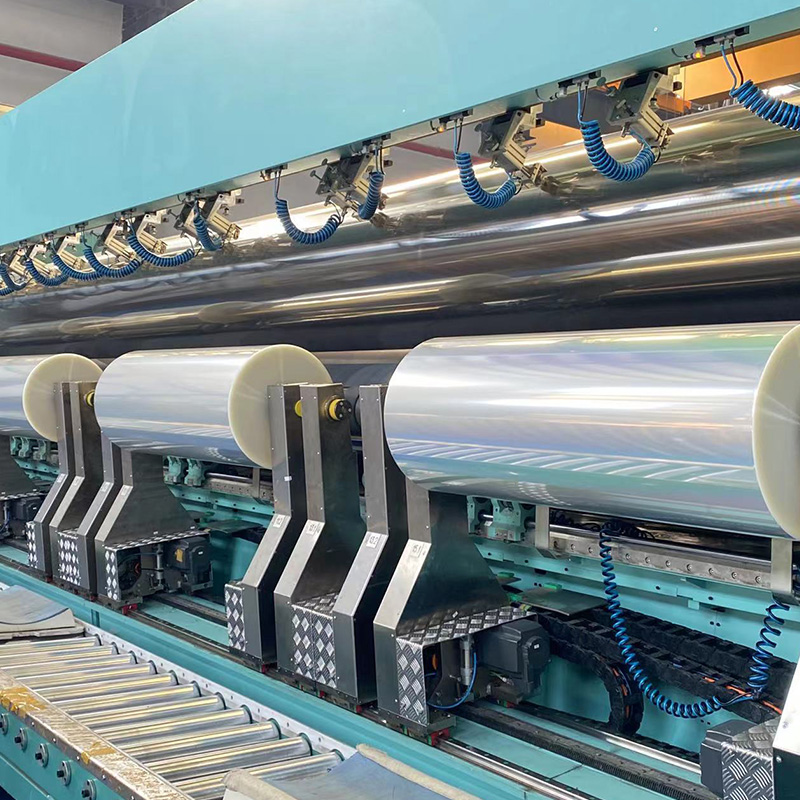 Biaxially Oriented Polypropylene Film
 High Quality PE Stretch Film
 Water Based Acrylate Glue
 BOPP Acrylic Jumbo Roll Tape
 BOPP Hotmelt Jumbo Roll Tape
 BOPP Solvent Jumbo Roll Tape
 BOPP Natural Rubber Jumbo Roll Tape
 BOPP Low Noise Jumbo Roll Tape
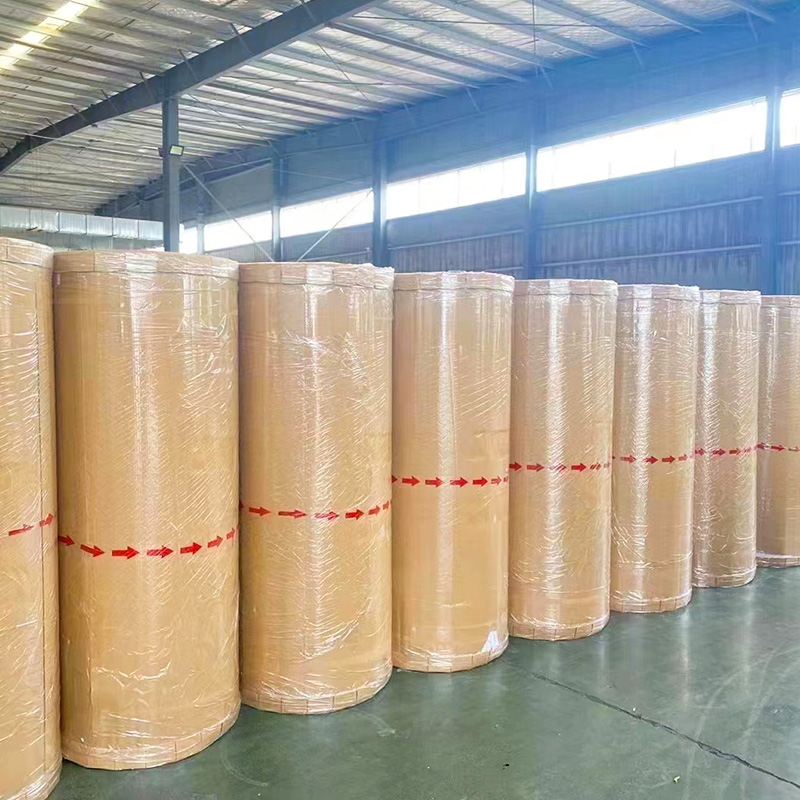 BOPP Silent Jumbo Roll Tape
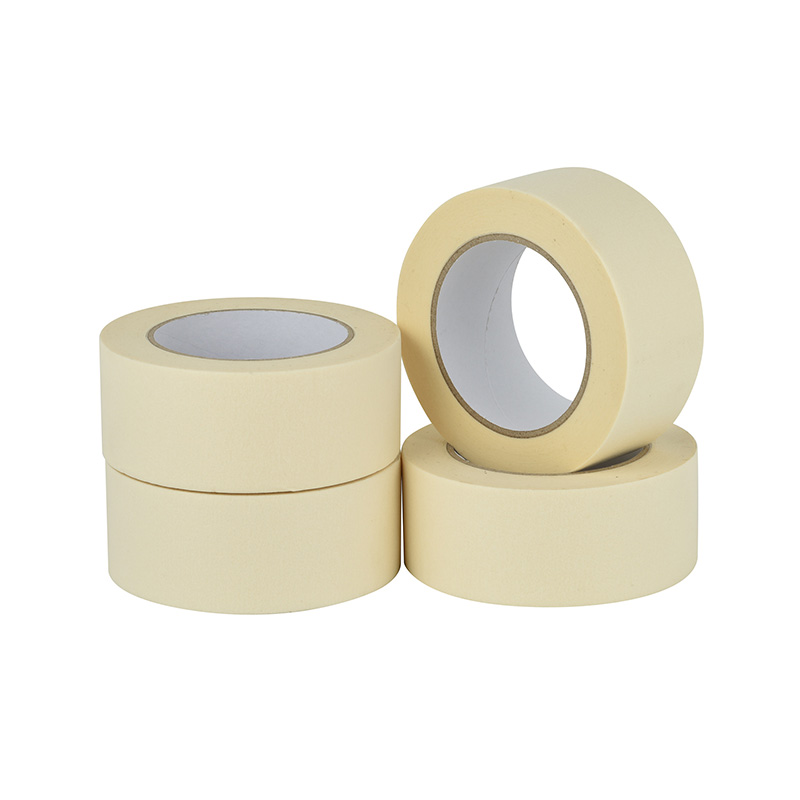 Masking Tape Jumbo Roll
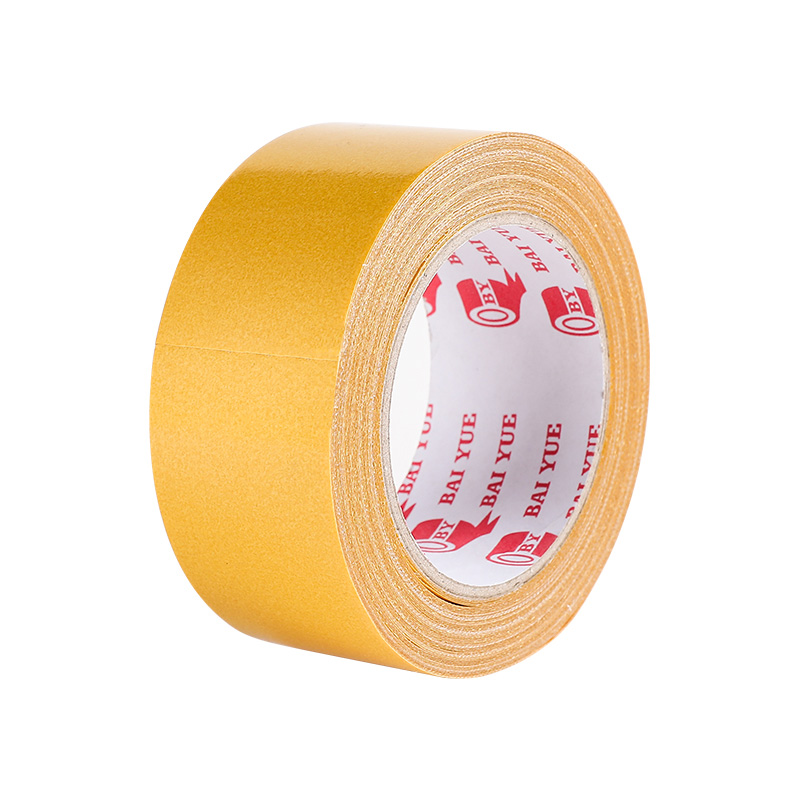 Duct Tape Jumbo Roll
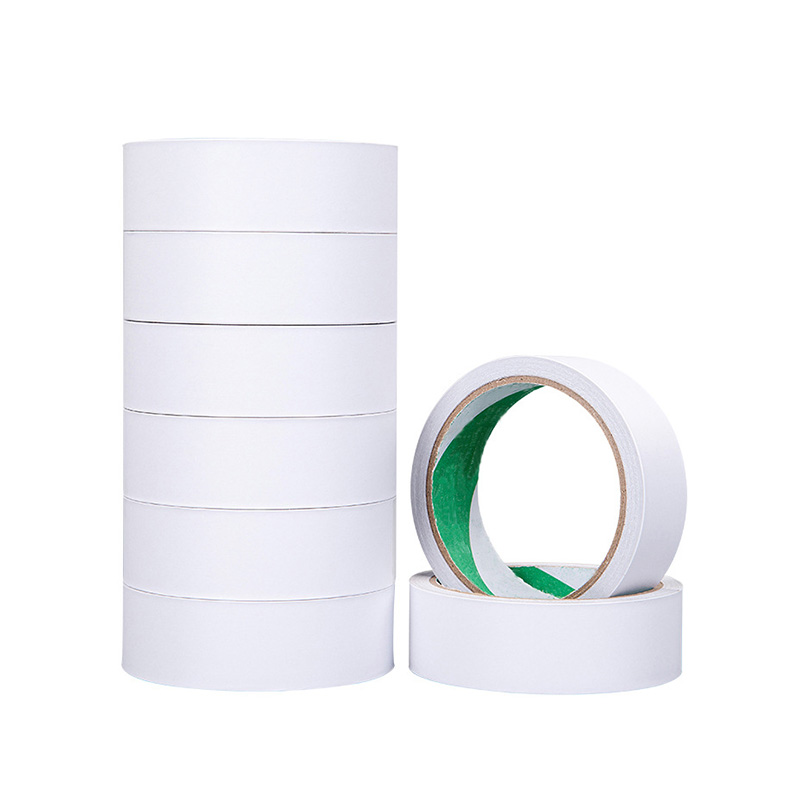 Double Side Tape Jumbo Roll
 fortuna@baiyiadhesive.com

 +86-575-82818961
 fortuna@baiyiadhesive.com
 Baiguan industrialZone,Shangyu District, Shaoxing City, Zhejiang Province, China



 浙ICP备17032394号