

 中文简体
中文简体 Español
 عربى
عربى-
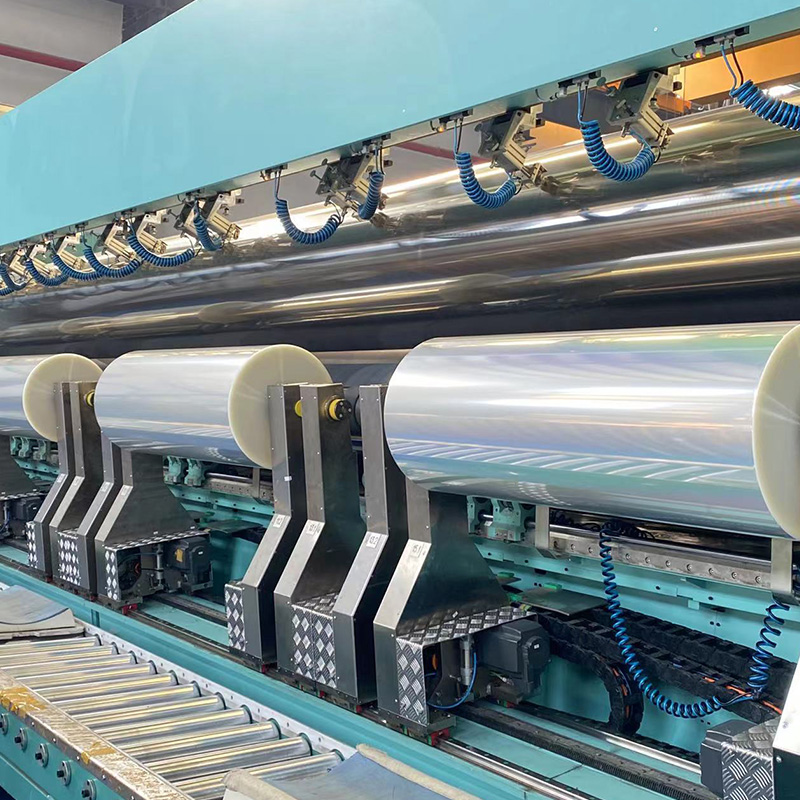 Biaxially Oriented Polypropylene Film
-
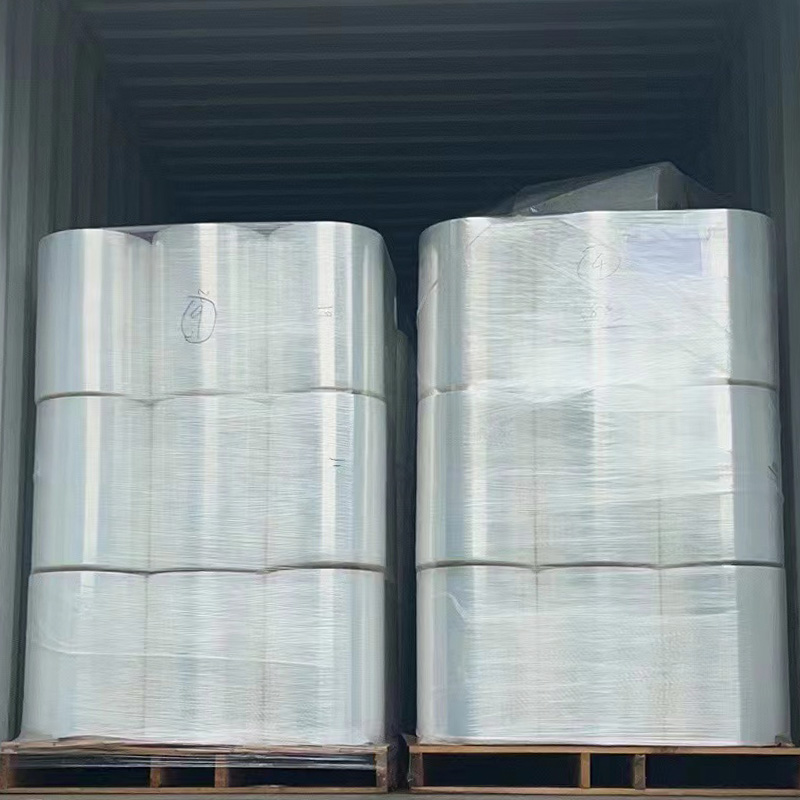 High Quality PE Stretch Film
-
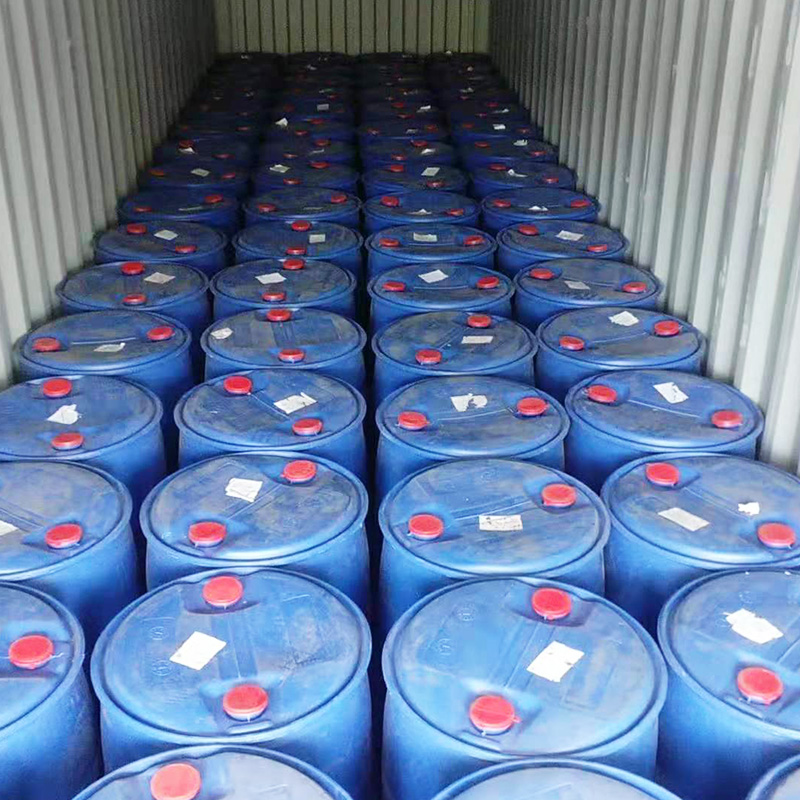 Water Based Acrylate Glue
-
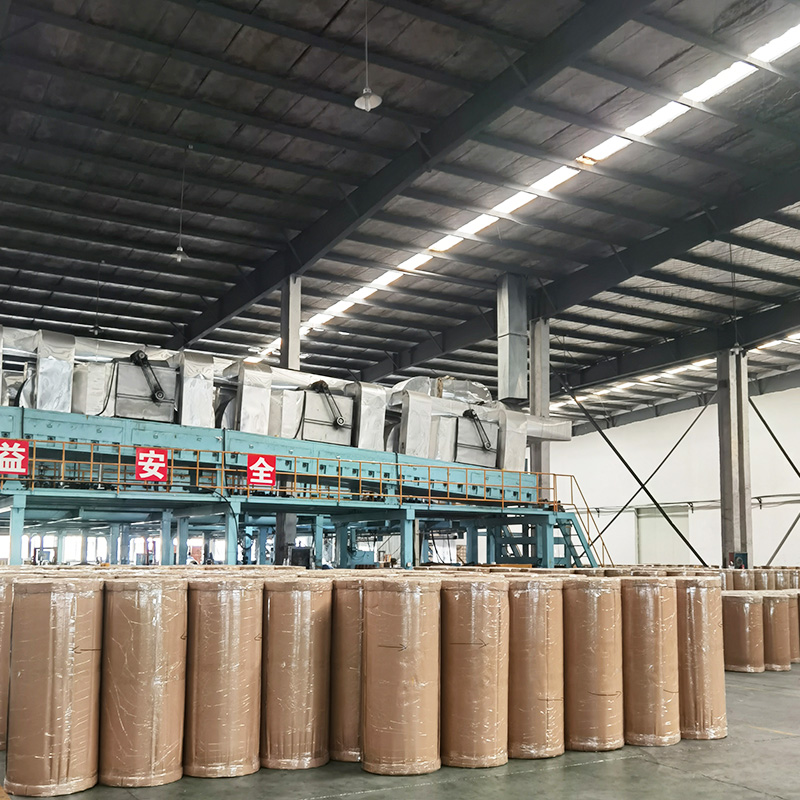 BOPP Acrylic Jumbo Roll Tape
-
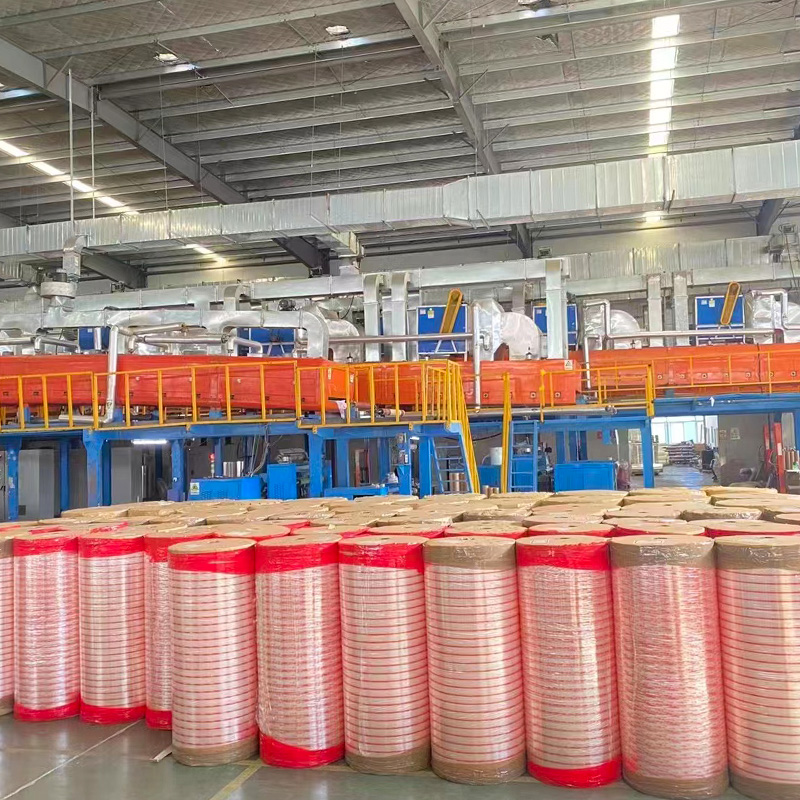 BOPP Hotmelt Jumbo Roll Tape
-
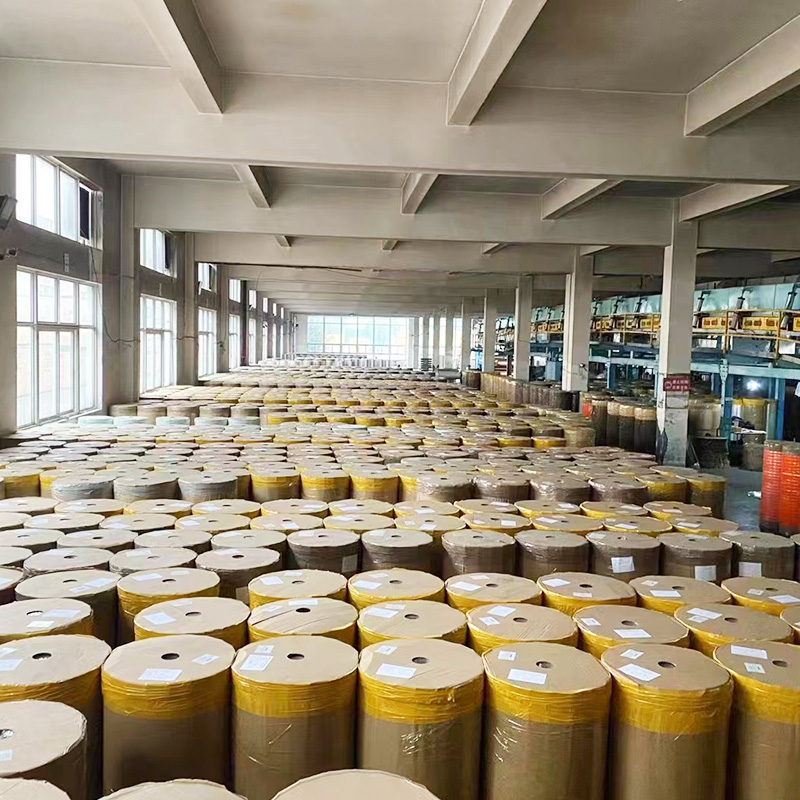 BOPP Solvent Jumbo Roll Tape
-
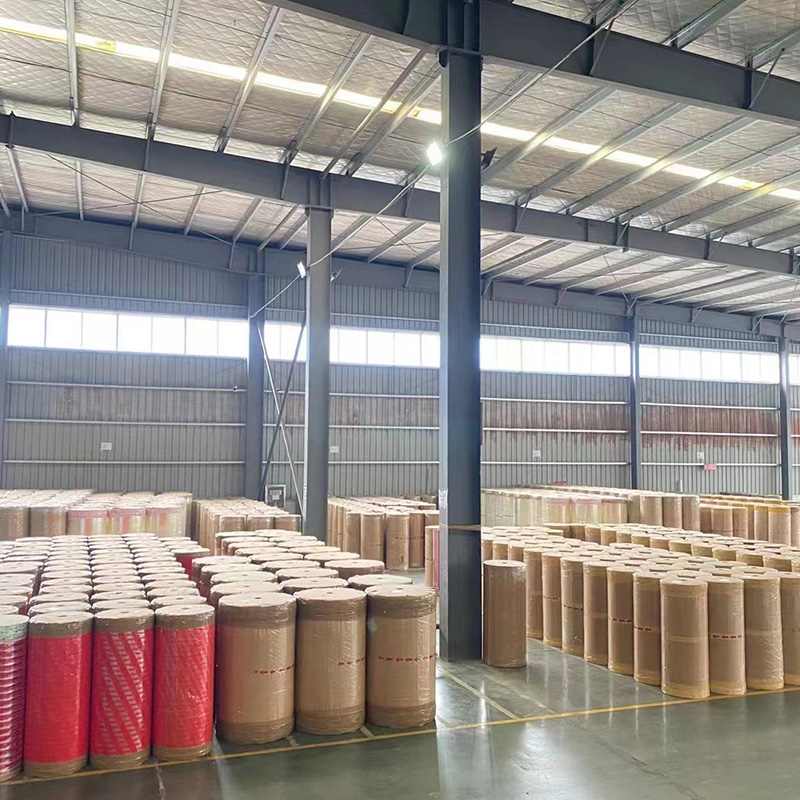 BOPP Natural Rubber Jumbo Roll Tape
-
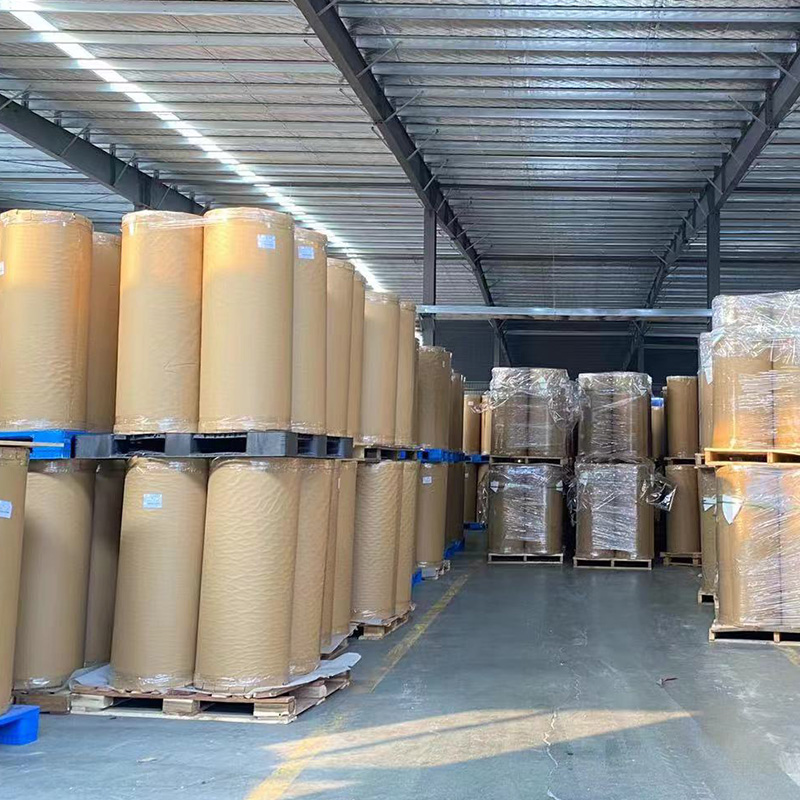 BOPP Low Noise Jumbo Roll Tape
-
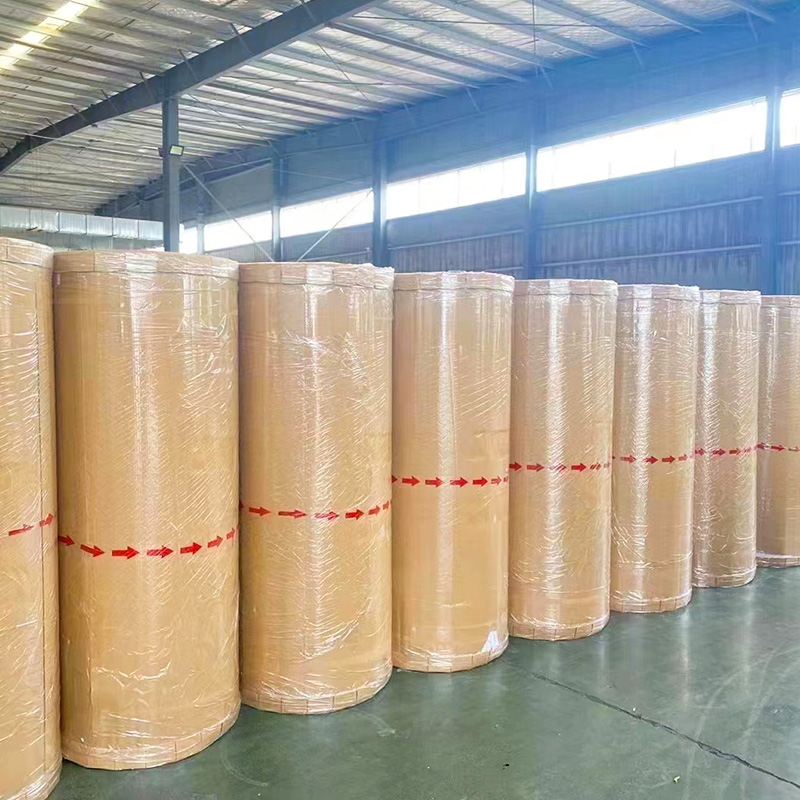 BOPP Silent Jumbo Roll Tape
-
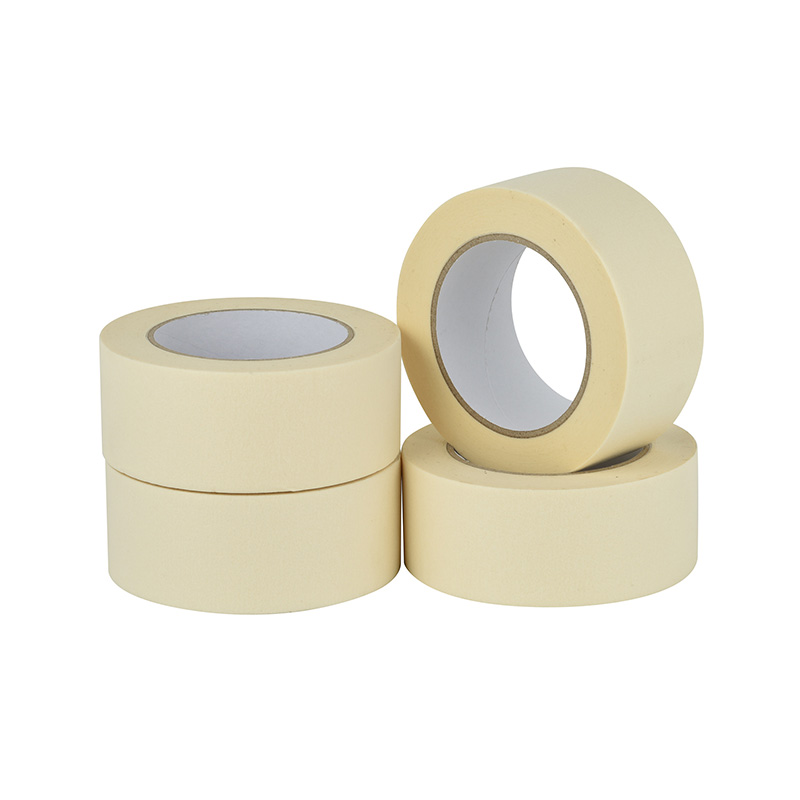 Masking Tape Jumbo Roll
-
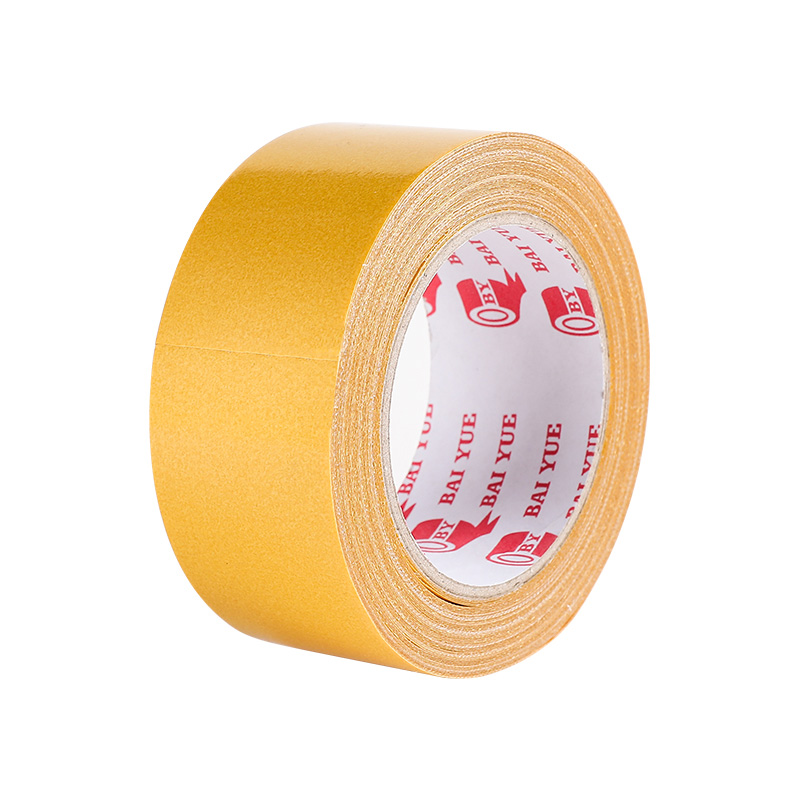 Duct Tape Jumbo Roll
-
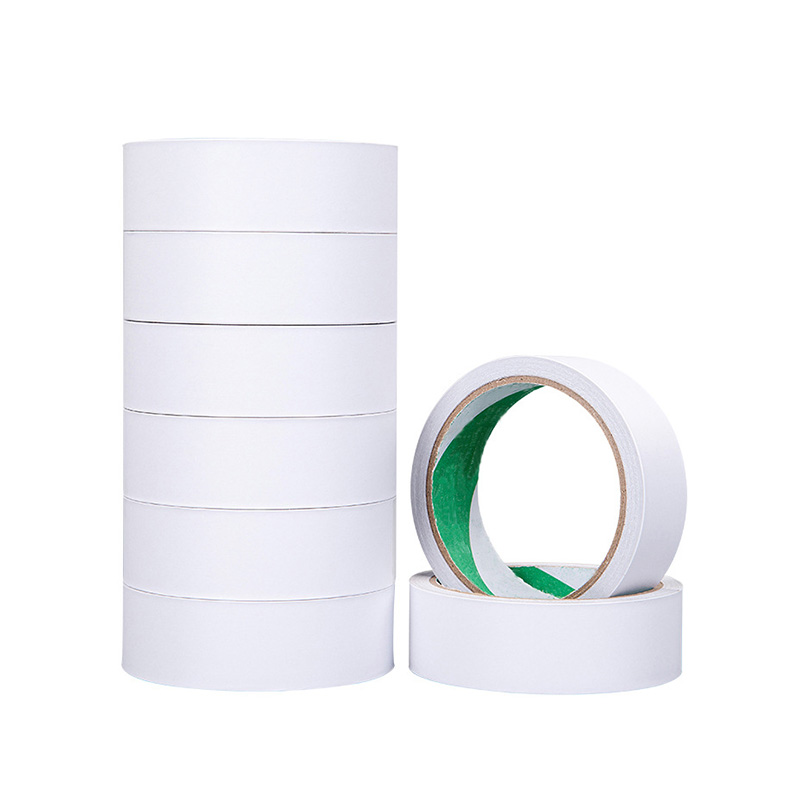 Double Side Tape Jumbo Roll
 fortuna@baiyiadhesive.com
Hot Melt Tape Guide: Adhesive Systems, Specifications, and Sourcing Decisions
Content
- 1 What Hot Melt Tape Is, and What It Is Not
- 2 Hot Melt, Acrylic, or Natural Rubber: Compare by Failure Mode
- 3 How Hot Melt Tape Is Made, Layer by Layer
- 4 Specifications Worth Writing Into the Purchase Order
- 5 Where Hot Melt Tape Performs, and Where It Stops
- 6 Jumbo Rolls, Finished Logs, or Your Own Slitting Line
- 7 Incoming Inspection and Storage That Prevent Claims
A carton sealed with hot melt tape rarely fails quietly. The tape lifts off the flap inside a refrigerated truck, or it leaves a grey smear across a printed box in August, and the complaint lands on the supplier's desk weeks later. Both problems trace back to the same variable, the adhesive system, and neither one is fixed by changing film thickness or pushing for a lower price.
Hot melt tape is a biaxially oriented polypropylene film coated with a rubber-based hot melt adhesive applied as 100 percent solids at roughly 150 to 180 degrees Celsius. Of the three common BOPP adhesive systems, hot melt gives the fastest initial tack and the lowest cost per square metre, and it is the weakest against sustained heat and UV light. Coating weight, film gauge and release coating are simply the dials you turn around that trade-off.
What Hot Melt Tape Is, and What It Is Not
"Hot melt" names a coating process and a polymer family, not one universal formula. A typical tape adhesive runs 35 to 45 percent SIS or SBS block copolymer, 40 to 50 percent tackifying resin, 10 to 20 percent process oil and less than 1 percent antioxidant. The polymer supplies cohesion, the resin supplies tack, and the oil softens the blend enough to be pumped and coated.
Because nothing evaporates, a hot melt coating line has no drying tunnel. The adhesive is applied, chilled on a cooling drum and wound within seconds, which is why these lines run faster and cost less to operate than water-based acrylic lines. It is also why hot melt tape feels softer and looks slightly hazy at the cut edge, while acrylic tape stays water-clear.
Do not confuse it with the EVA glue in a glue gun. Glue-gun sticks are a different polymer with a different viscosity curve and no tackifier package designed to bond to film.
The layers you are actually paying for
- Release coating, a silicone layer well under 1 g/m² on the reverse side, which keeps unwind force steady so the roll peels smoothly instead of tearing.
- BOPP backing, usually 25 to 28 micron before coating, which carries the tensile strength and the print surface.
- Adhesive layer, typically 18 to 22 g/m², the only part that decides whether the seal survives the journey.
Hot Melt, Acrylic, or Natural Rubber: Compare by Failure Mode
Buyers who compare adhesive systems on price per roll alone usually pay a second time in returns and repacking labour. The useful comparison is which failure mode each system tolerates before it lets go.
| Adhesive system | Initial tack | Grip near 0 °C | Heat and UV resistance | Best fit | Relative cost |
|---|---|---|---|---|---|
| Hot melt rubber (100% solids) | Highest | Strong | Lowest | Carton sealing, cold-chain packing, fast-moving goods | Low |
| Acrylic (water or solvent based) | Moderate | Weak below 5 °C | Highest | Long-stored goods, outdoor use, printed display boxes | Medium |
| Natural rubber (solvent based) | High | Good | Low | Heavy boxes, rough surfaces, high shear loads | Higher |
| Solvent-based rubber | High | Good | Medium | Specialty bonding and warmer working conditions | High |
The practical conclusion is short. If your boxes pass through cold rooms and are sealed, shipped and opened within days, hot melt is the correct buy. If the same goods sit in a hot warehouse or on a dock for months, acrylic costs less over the season because you avoid repacking.
How Hot Melt Tape Is Made, Layer by Layer
BOPP film is extruded and stretched in two directions to build tensile strength and clarity, then the adhesive side is corona treated to raise surface energy to roughly 38 to 42 dyne/cm. Without that treatment the rubber sits on the surface rather than anchoring into it, and the tape delaminates under load instead of stretching.
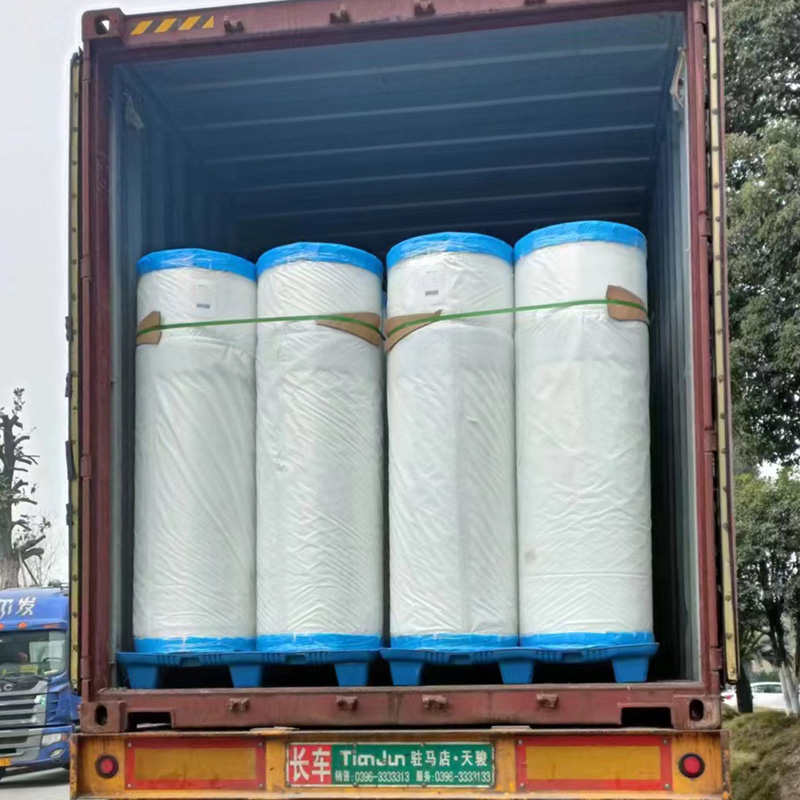 Biaxially Oriented Polypropylene FilmBi-oriented polypropylene film (BOPP) is generally a multilayer co-extruded film, which is made by co-extruding polypropylene particles to form a sheet and then stretc...View Product →
The molten adhesive is coated onto the treated film, chilled, and matched with a silicone release coating on the reverse side. The web is then wound into jumbo rolls and slit to finished widths. Every step adds a tolerance: film gauge, coat weight, release level and slitting accuracy.
Vertical integration changes the economics here. A supplier that runs its own film lines, mixes its own adhesive and slits on its own machines controls three of those tolerances in-house instead of buying two of them on the open market and absorbing the variation.
Specifications Worth Writing Into the Purchase Order
Most quality disputes are settled by paperwork, not by argument, because the agreed numbers already state who is right. Six values cover the majority of hot melt tape claims.
- Total thickness of 40 to 50 micron with a written tolerance, normally plus or minus 10 percent.
- Adhesive coat weight of 18 to 22 g/m², quoted as a real number rather than a range description.
- Peel adhesion of 4.5 to 6.0 N/25 mm on stainless steel at 180 degrees, tested to ASTM D3330 or an agreed equivalent.
- Holding power of 24 hours at 1 kg and 25 °C with less than 2 mm displacement.
- Unwind force low enough for automatic case sealers, typically 0.3 to 0.8 N/25 mm.
- Width tolerance of plus or minus 1 mm, core internal diameter of 76 mm, and no more than one flagged splice per roll.
If a supplier cannot quote coat weight in grams per square metre, treat it as a warning sign. That single figure drives adhesion, cost and line speed, and anyone coating tape in-house knows it to the decimal.
Where Hot Melt Tape Performs, and Where It Stops
Performance boundaries matter more than marketing claims, because the boundaries are what generate complaints. These are the situations that separate a good fit from an expensive mistake.
- Cold-chain and frozen packing: hot melt keeps useful tack down to around 0 °C, while acrylic turns brittle and pops off the flap.
- Recycled or dusty corrugate: the high initial tack grabs a fibrous, dusty surface that lower-tack systems slide across.
- Fast manual and automatic sealing: high tack needs a shorter pressure dwell, so packing lines run at higher speed.
- Conditions above 50 to 60 °C: hot melt softens and creeps, which is why containers left on an open dock or goods stored under a metal roof are safer with acrylic.
- Long storage and UV exposure: rubber ages faster than acrylic, and tack drops noticeably after the practical 12 month shelf life.
- Over-filled boxes under constant shear: hot melt creeps slowly, so high-shear rubber or acrylic grades hold the flap better.
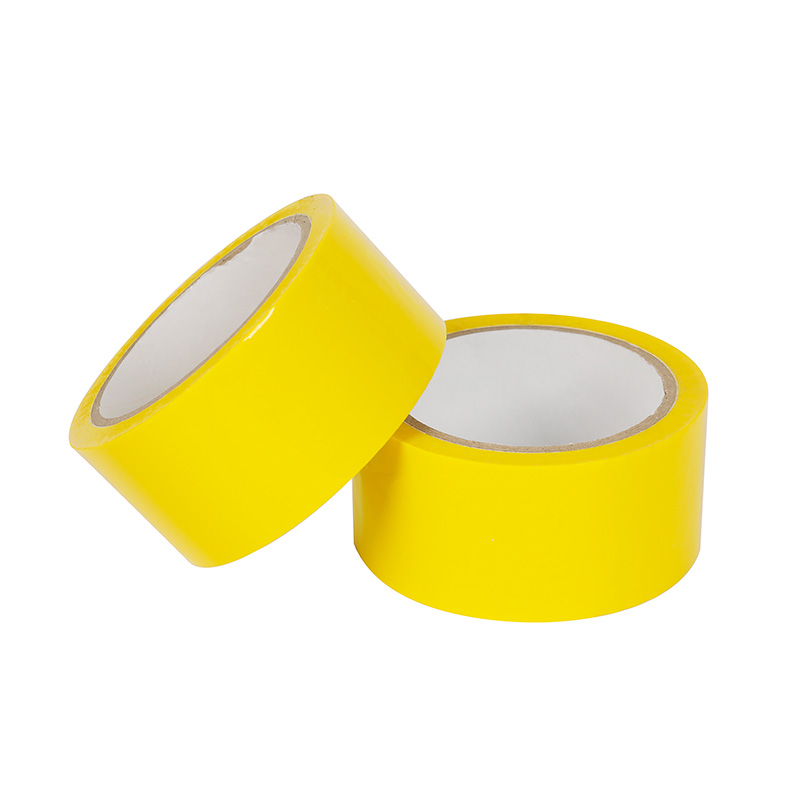 Bopp Packing TapeBOPP packaging tape, also known as sealing tape or plastic tape, is an adhesive tape product based on biaxially oriented polypropylene (BOPP) film. It is made by evenl...View Product →
If you want to see how these differences show up in measured values rather than theory, this note on BOPP packing tape adhesion in different environments walks through the same variables from the testing side.
Jumbo Rolls, Finished Logs, or Your Own Slitting Line
There are three ways to buy hot melt tape, and the right one depends on how many widths you sell and how predictable your volume is.
- Jumbo rolls, typically 1280 mm or 1620 mm wide in lengths of 4000 to 8000 metres, suit converters and traders who slit to their own customer widths.
- Finished logs and small retail rolls suit distributors, e-commerce packers and wholesale channels that need shelf-ready stock.
- In-house slitting equipment makes sense once annual volume is high enough to absorb the machine, the floor space and the operator time.
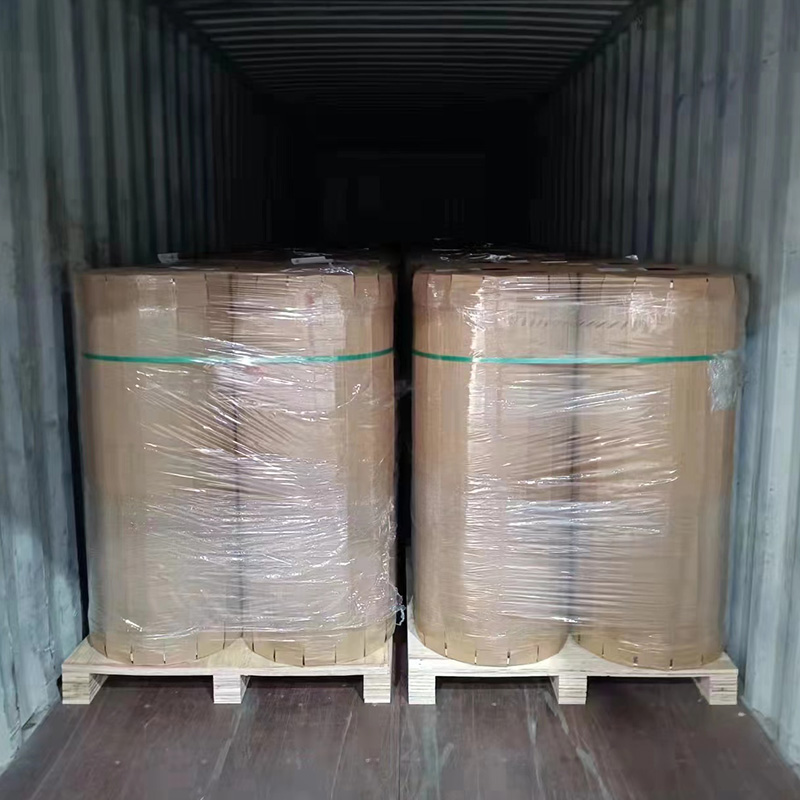 BOPP Hotmelt Jumbo Roll TapeBOPP hot melt tape is an adhesive product made of BOPP film as the base material and coated with hot melt pressure-sensitive adhesive. BOPP hot melt tape has the chara...View Product →
Zhejiang Baiyi Adhesive Products has been manufacturing tape since 2005 and reports annual sales above USD 60 million, with four BOPP film lines, an in-house adhesive workshop, 16 coating lines and 12 slitting machines at its Shangyu factory roughly an hour from Ningbo port. A Yiwu warehouse has handled export consolidation since 2008, which shortens the gap between a confirmed order and a container leaving the yard. If you are weighing jumbo rolls against finished rolls, send your width, length and coat weight requirements to the sales team and ask for the coat weight figure in writing before pricing is compared.
Incoming Inspection and Storage That Prevent Claims
Most disputes are avoidable on the buyer's side with four habits that cost almost nothing to run.
- Keep the batch certificate and one retained roll from each delivery, so a complaint three months later can be tested against the original material.
- Store between 20 and 25 °C away from direct sunlight, and stack cartons no more than five high so the rolls do not deform under their own weight.
- Rotate stock first in, first out, and treat 12 months as the practical shelf life for rubber-based hot melt tape.
- Run one roll from each batch on the actual sealing line before releasing the container, since line temperature and pressure affect hot melt more than acrylic.
Track complaints by environment as well as by batch. A tape that fails only in cold rooms and never in a warm warehouse is telling you the adhesive system is wrong for that lane, not that the supplier shipped a bad roll. Separating those two causes early keeps a specification problem from being argued as a quality claim.

-
 +86-575-82818961
+86-15906537907 -
 fortuna@baiyiadhesive.com
-
 Baiguan industrialZone,Shangyu District, Shaoxing City, Zhejiang Province, China
About Us
To provide effective services to customers is
the direction of our work and work and the yardstick of value evaluation.
To achieve customers is to achieve ourselves.



Product Links
Contact Us
Copyright © Zhejiang Baiyi Adhesive Products Co., Ltd. All Rights
Reserved.
Wholesale Tape Manufacturer
Custom Tape Supplier
 浙ICP备17032394号