

 中文简体
 Español
 عربى
-
 Biaxially Oriented Polypropylene Film
-
 High Quality PE Stretch Film
-
 Water Based Acrylate Glue
-
 BOPP Acrylic Jumbo Roll Tape
-
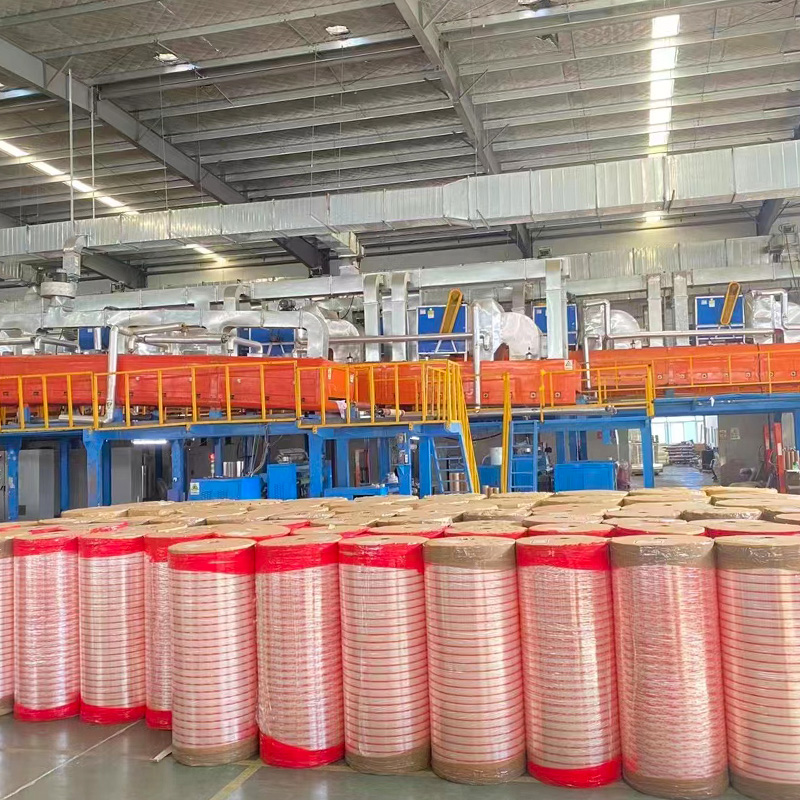 BOPP Hotmelt Jumbo Roll Tape
-
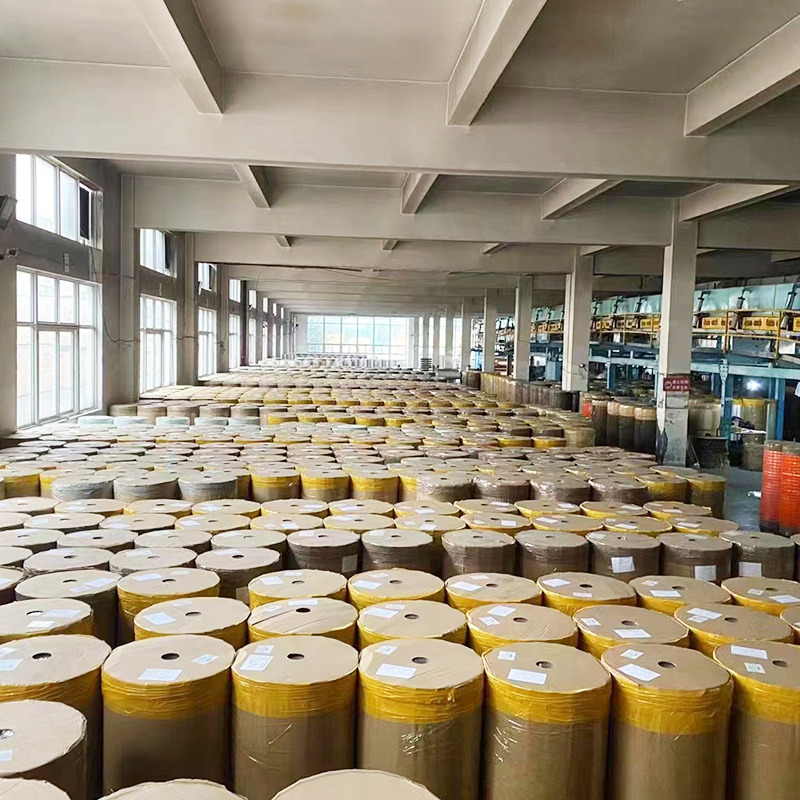 BOPP Solvent Jumbo Roll Tape
-
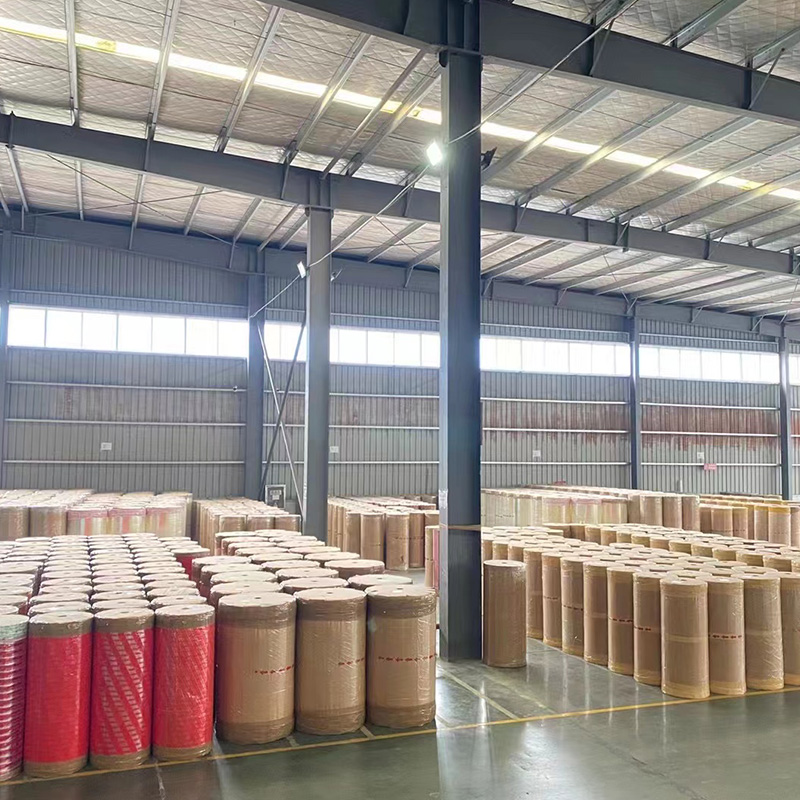 BOPP Natural Rubber Jumbo Roll Tape
-
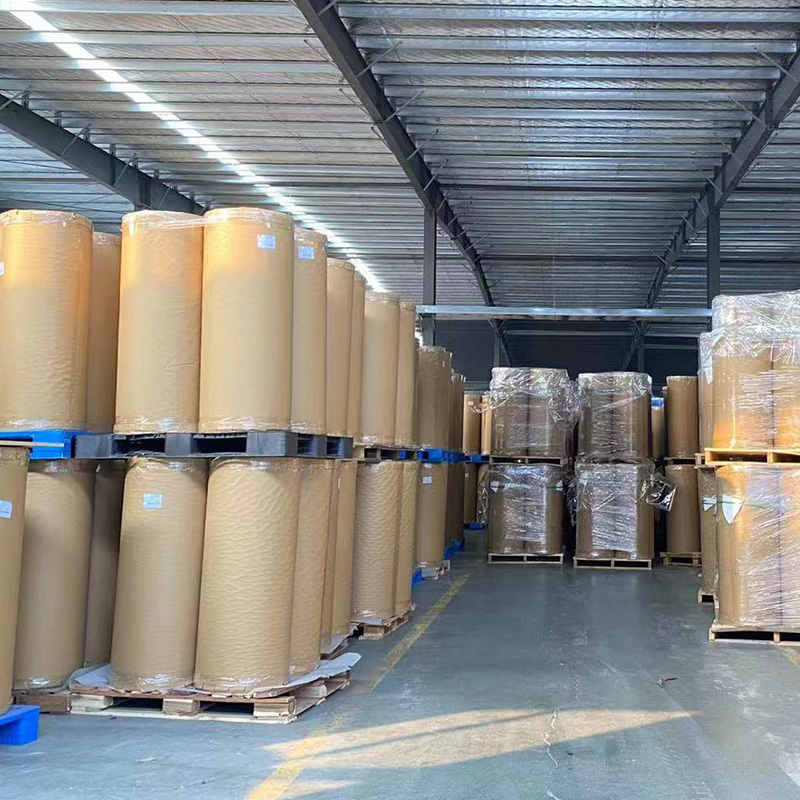 BOPP Low Noise Jumbo Roll Tape
-
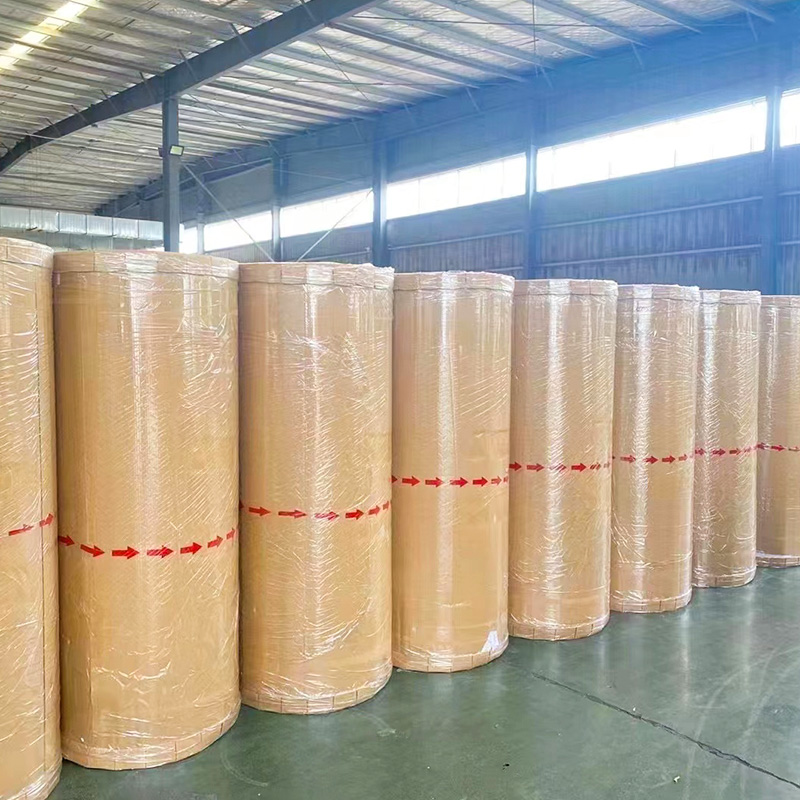 BOPP Silent Jumbo Roll Tape
-
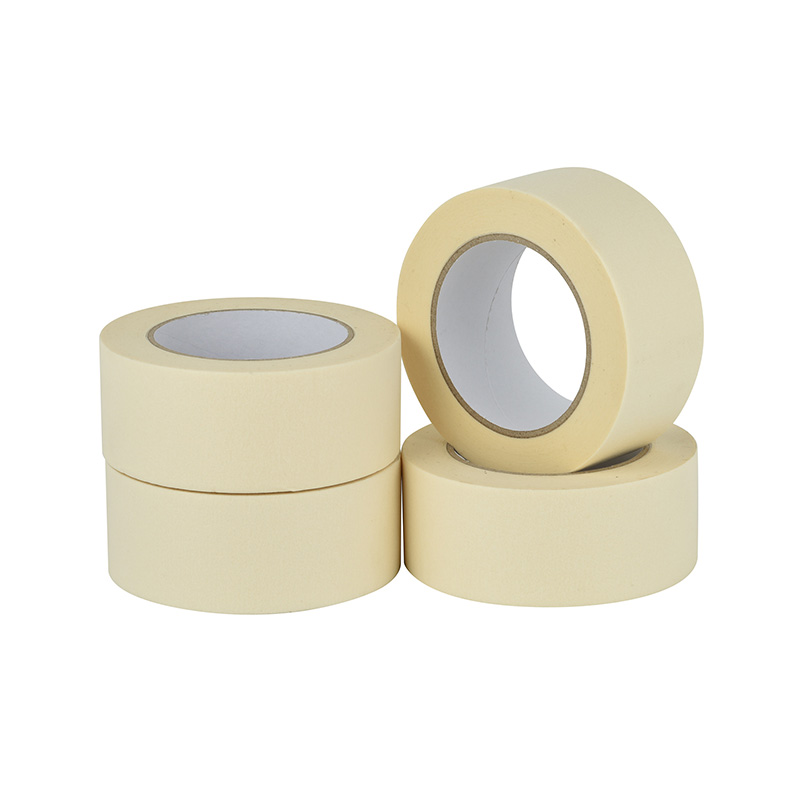 Masking Tape Jumbo Roll
-
 Duct Tape Jumbo Roll
-
 Double Side Tape Jumbo Roll
 fortuna@baiyiadhesive.com
Best Washi Tape: How to Judge Sticking Power, Roll Length, and Print Quality
Content
- 1 Four Numbers That Decide Quality Before You Peel a Strip
- 2 Washi Paper and Crepe Masking Paper Are Not the Same Product
- 3 Price Per Metre: The Number Hidden Behind Roll Sets
- 4 Matching the Adhesive to the Surface You Are Decorating
- 5 Print Quality and Batch Consistency When You Buy in Volume
- 6 Six Checks to Run on a Sample Roll Before a Bulk Order
- 7 Retail Sets or Bulk Rolls: Picking a Supply Route
A ten-dollar set of twelve washi tape rolls arrives. The patterns look good in the listing photos, and the first strip lies flat on a journal page. Three days later the ends have curled, the edges have lifted, and one finger push takes the whole strip off the paper. Nothing was wrong with the design. The tape itself was not made well.
The best washi tape is not the prettiest roll in the set. It comes down to four things you can actually measure: the paper it is made from, the adhesive chemistry, the real metres wound on the roll, and how consistently print and slit width hold from batch to batch. Sort those out and the rest of the decision, including patterns, packaging, and price, gets much simpler.
Four Numbers That Decide Quality Before You Peel a Strip
Washi tape is bought by journalers, gift shops, and subscription boxes, and the same roll can work well in one channel and fail in another. The checks below take about two minutes on a sample and predict most of what you will feel after a month of use.
| What to Check | What Good Looks Like | Warning Sign |
|---|---|---|
| Base paper | 60 to 100 gsm fibrous paper, hand-tearable with a clean edge | Thin crepe or film backing sold as washi; stretches and tears raggedly |
| Adhesive | Low-tack acrylic that releases cleanly after weeks | Aggressive rubber or hot-melt adhesive that leaves residue |
| Tape per roll | Length stated in metres on the roll or label, such as 10 m or 15 m | "Ten rolls" with no length given, often 3 to 5 m each |
| Core and winding | 25 to 40 mm card core, tight and even wraps | Oversized core, loose wraps, tape that slides sideways on the roll |
| Matte pigment ink, sharp edges, no solvent smell | Glossy ink that smears with a damp finger |
Washi Paper and Crepe Masking Paper Are Not the Same Product
A large share of tape sold as washi is masking tape with a pattern printed on it. True washi tape uses Japanese paper: long plant fibres, slightly translucent, low tack, and made to be torn by hand and lifted off a page without damage. Masking tape uses crepe paper, a wrinkled backing that stretches, sits thicker on the surface, and usually carries a stronger adhesive.
Five-Second Checks on Any Roll
- Tear it. Washi paper tears across the strip with a soft, slightly fibrous edge. Crepe paper stretches first and tears unevenly.
- Hold it to a light. Washi paper reads semi-transparent. Film-backed tape looks glossy or clear and rarely takes pen ink.
- Fold a corner. Washi creases flat and stays creased. Crepe paper springs back.
- Press and lift. Low-tack washi releases from copy paper after a day. Rubber-adhesive crepe paper lifts paper fibres with it.
The practical difference shows up in use. Journals, planners, envelopes, and layered labels need low tack so a strip can be repositioned without tearing the page. Wall decoration and gift wrapping need a slightly firmer grip so the tape stays put for weeks.
Price Per Metre: The Number Hidden Behind Roll Sets
A ten-roll set for 9 dollars feels cheaper than a single 15 m roll for 3.5 dollars. Do the division before you believe it. If the set gives 4 m per roll, that is 40 m for 9 dollars, or about 0.23 dollars per metre. If each roll carries only 3 m, the same set works out at 0.30 dollars per metre, and the single roll is roughly 30 percent cheaper.
Two details make the difference visible on a listing page: a stated length on the label and a core diameter that matches the amount of tape wound on it. A 40 mm core with 3 m on it photographs almost the same as a 25 mm core with 10 m.
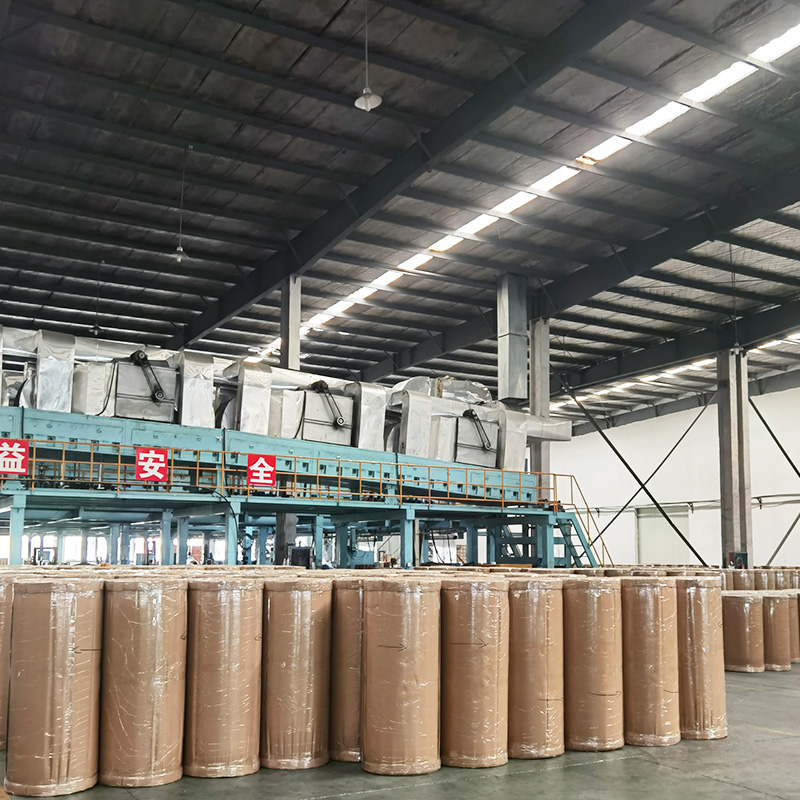
For buyers who use tape by the box, the economics change once more at master roll level. A converter buys a wide jumbo roll, slits it to 15 mm, 20 mm, or 24 mm, and winds retail rolls in house, which cuts the cost per metre sharply because the slitting and rewinding step stays in your own building.
 Masking Tape Jumbo Roll for In-House SlittingA wide jumbo roll for converters planning to slit and rewind retail rolls, with masking paper base and pressure-sensitive adhesive.View Product →
That route only pays off when the master roll's adhesive, paper weight, and print registration are consistent, because every variation is multiplied across hundreds of retail rolls.
Matching the Adhesive to the Surface You Are Decorating
Adhesive choice matters more than pattern. A roll that sticks beautifully to a plastic storage box may lift paint from a wall, and the surface, not the design, decides which is which.
- Paper, journals, planners: choose low-tack acrylic. Test on one page first, because a tape that lifts fibres after 24 hours will lift more after a month.
- Painted interior walls: avoid rubber and hot-melt adhesives. Leave a strip for 24 hours, then peel slowly at a low angle.
- Glass and glazed tile: acrylic holds well and wipes clean, but the initial bond is deliberately weak, so press firmly.
- Fabric and ribbon: expect temporary holding only, and never wrap tightly around anything that stretches.
- Gift wrap and recycled card: matte paper tapes accept a pen; glossy film-backed tape does not.
- Cold, humid, or shipping conditions: check how the roll behaves after a day at 50 degrees Celsius and a week in a humid room.
Masking-family tapes reach far beyond decoration. A look at the wider applications of masking tape covers painting, labelling, and temporary fixing, which is a useful reminder that a decorative roll and a workshop roll rarely share the same adhesive.
Print Quality and Batch Consistency When You Buy in Volume
A crafter judges one roll. A shop judges a shipment, and a reorder is where most problems appear: the peach rolls from batch two no longer match the shelf sample, the 15 mm width arrives at 14 mm, or the pattern sits half a millimetre off centre. None of those defects is visible in a listing photo.
Put these points into a written specification instead of a chat message:
- Ink type and finish: matte pigment print, no solvent smell, no smearing when wiped with a damp cloth.
- Colour tolerance: a Delta E of 2 or lower between batches keeps reorders matching the original sample.
- Slit width tolerance: plus or minus 0.5 mm on a 15 mm roll, because a wavy edge shows the moment a strip is laid flat.
- Roll length tolerance: plus or minus 2 percent against the stated metres, verified by unwinding a sample.
- Core and winding: a consistent core inner diameter and even tension, with no soft spots that let a roll collapse in a display box.
- Labelling and storage: printed length, batch code, and a 12 month shelf life stored at 15 to 25 degrees Celsius away from direct sun.
Six Checks to Run on a Sample Roll Before a Bulk Order
Sample rolls cost very little. A wrong container load costs a lot. Run these checks on your own surfaces before you approve anything.
- Peel test: stick a strip on the exact paper, paint, or packaging you use, then check after 24 hours and again after 7 days for residue, fibre lift, and curled ends.
- Tear test: tear 20 cm by hand at normal speed. The edge should be tidy enough to leave on a page without trimming.
- Write-on test: use a ballpoint and a gel pen across the tape, since gel ink needs a matte surface to dry.
- Water test: wipe with a damp cloth. Pigment prints hold; cheap inks bleed or dull.
- Heat and aging test: keep a roll at 50 degrees Celsius for 24 hours to mimic a shipping container, then look for adhesive ooze, curl, or colour shift.
- Length verification: unwind and measure one roll against its label, and compare the core diameter with the photo in the listing.
Retail Sets or Bulk Rolls: Picking a Supply Route
There are two buying routes and they carry different risks. Retail sets deliver pattern variety and fast shipping, with the trade-off of short rolls and no specification. Buying direct from a manufacturer gives you stated paper weight, adhesive type, metres per roll, and custom widths, but you take on minimum order quantities, longer lead times, and freight planning.
For a hobbyist, a set is a reasonable way to test patterns. For a shop, gift brand, or subscription box, the tape is part of the product, so the specification becomes the product. Ask for the paper weight in gsm, the adhesive type, the metres per roll, the core inner diameter, and the print tolerance in writing, then confirm all of it against a physical sample.
 Washi Tape for Custom Branding and PackagingPaper-based washi tape with natural rubber adhesive and customizable widths, lengths, and patterns, useful when retail specifications must be confirmed by sample.View Product →
If you need those numbers confirmed before committing to volume, sending a sample request with your target width, length, and paper weight is faster and far more reliable than comparing listing photos.
The best washi tape for a journal, a shop shelf, or a subscription box is not the same roll, but it is judged by the same four numbers: paper, adhesive, metres, and print consistency. Everything else is decoration, and decoration is exactly what this tape is for.
Start with one sample roll on the surface you really use. If it tears cleanly, holds for a week, lifts without damage, and matches its stated length, order the patterns you like with confidence. If it fails any of those checks, no design is worth the returns.

-
 +86-575-82818961
+86-15906537907 -
 fortuna@baiyiadhesive.com
-
 Baiguan industrialZone,Shangyu District, Shaoxing City, Zhejiang Province, China
About Us
To provide effective services to customers is
the direction of our work and work and the yardstick of value evaluation.
To achieve customers is to achieve ourselves.



Product Links
Contact Us
Copyright © Zhejiang Baiyi Adhesive Products Co., Ltd. All Rights
Reserved.
Wholesale Tape Manufacturer
Custom Tape Supplier
 浙ICP备17032394号