

 中文简体
 Español
 عربى
-
 Biaxially Oriented Polypropylene Film
-
 High Quality PE Stretch Film
-
 Water Based Acrylate Glue
-
 BOPP Acrylic Jumbo Roll Tape
-
 BOPP Hotmelt Jumbo Roll Tape
-
 BOPP Solvent Jumbo Roll Tape
-
 BOPP Natural Rubber Jumbo Roll Tape
-
 BOPP Low Noise Jumbo Roll Tape
-
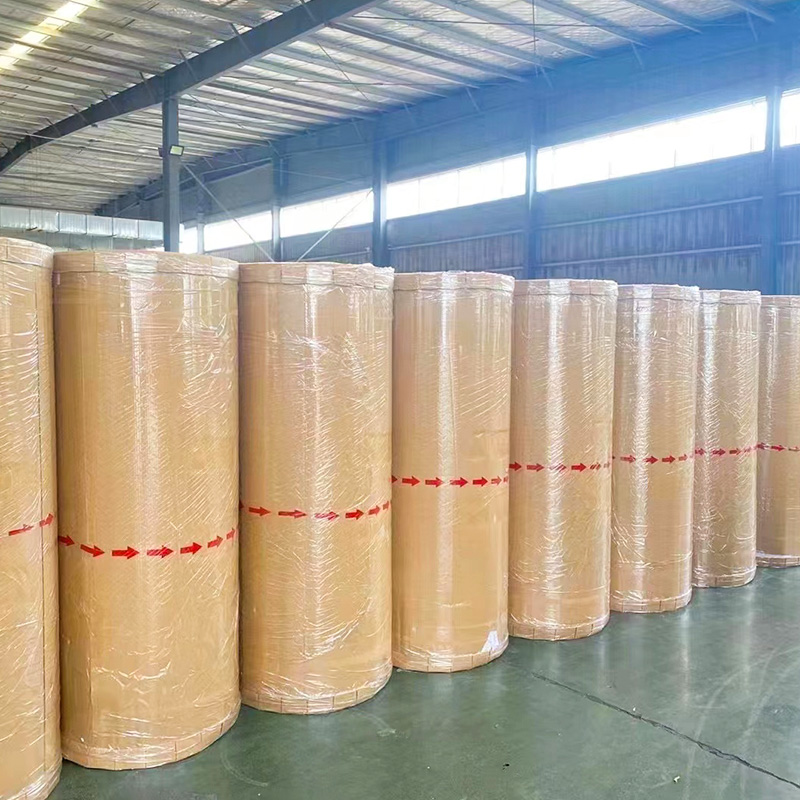 BOPP Silent Jumbo Roll Tape
-
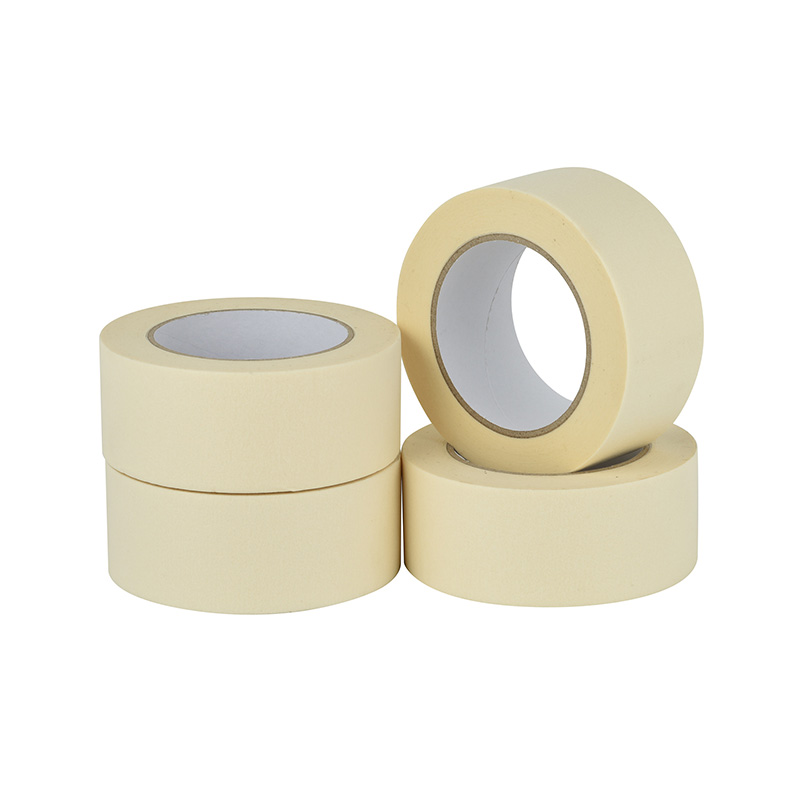 Masking Tape Jumbo Roll
-
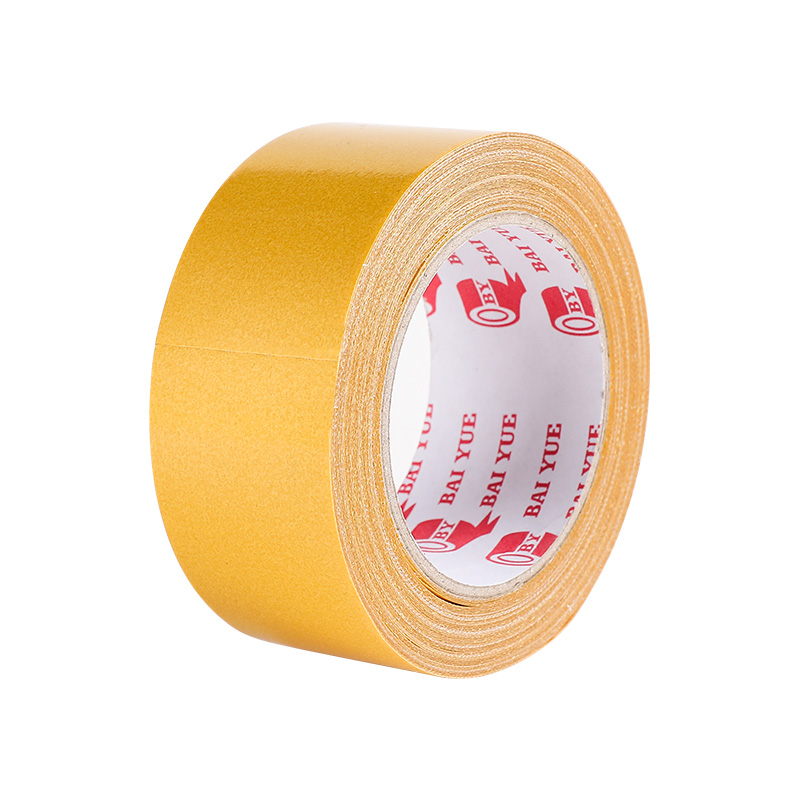 Duct Tape Jumbo Roll
-
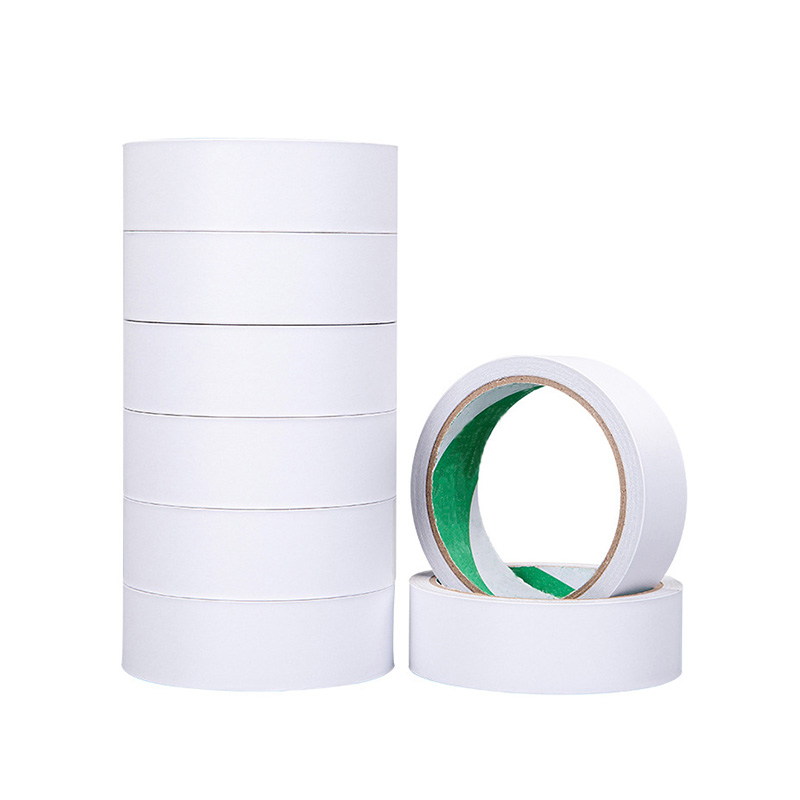 Double Side Tape Jumbo Roll
 fortuna@baiyiadhesive.com
Best Double Sided Tape: Matching Carrier, Thickness and Load to the Job
Content
- 1 Start With the Joint, Not With the Label on the Roll
- 2 How the Main Double Sided Tapes Compare
- 3 Surface Energy Decides Whether Any Tape Sticks
- 4 Thickness and Gap: Where Foam Tapes Earn Their Price
- 5 Load Direction and Safety Factors
- 6 What to Check on a Datasheet Before You Buy
- 7 Common Failures and Their Real Causes
- 8 Sourcing Double Sided Tape in Volume
A hook pressed onto a painted wall with a supermarket roll often ends up on the floor within a day. The same hook, mounted on a sanded metal panel with a 1.1 mm acrylic foam tape, can hold a bicycle for years. Same task, two very different outcomes, and the difference sits entirely in specification.
Here is the conclusion first: the best double sided tape is the one whose carrier, thickness and adhesive chemistry match the surfaces you are joining, the direction the load pulls, and the gap between the two parts. The words "heavy duty" on a package predict very little. What follows is how to make that match, and which numbers on a datasheet actually tell you whether a tape will hold.
Start With the Joint, Not With the Label on the Roll
Three questions remove most of the catalogue before you open a single product page:
- What are the two surfaces? Note the material, whether it is smooth or textured, and whether it is clean or contaminated with oil, dust or mould release agent.
- How does the load pull? A static shear load, a hanging peel load, constant vibration and a 60 °C summer afternoon all stress a bond differently.
- How big is the gap? A flush joint, a 0.8 mm seam between metal panels and a curved plastic trim need different tape thicknesses.
Once you have those answers, the shortlist usually narrows down fast:
- Flush, smooth, low-load joints such as nameplates, foam board and printed inserts: a tissue or thin film carrier, 0.06–0.12 mm.
- Uneven, curved or vibration-prone surfaces: PE or EVA foam, 0.5–2.0 mm.
- Metal, glass, outdoor or permanent structural joints: closed-cell acrylic foam, 0.4–2.3 mm.
- Temporary, repositionable or washable bonds: gel or nano tape.
A thin tissue carrier is the right answer for nameplate and low-profile bonding, where a thick foam would leave a visible seam and a soft adhesive would creep under a constant pull.
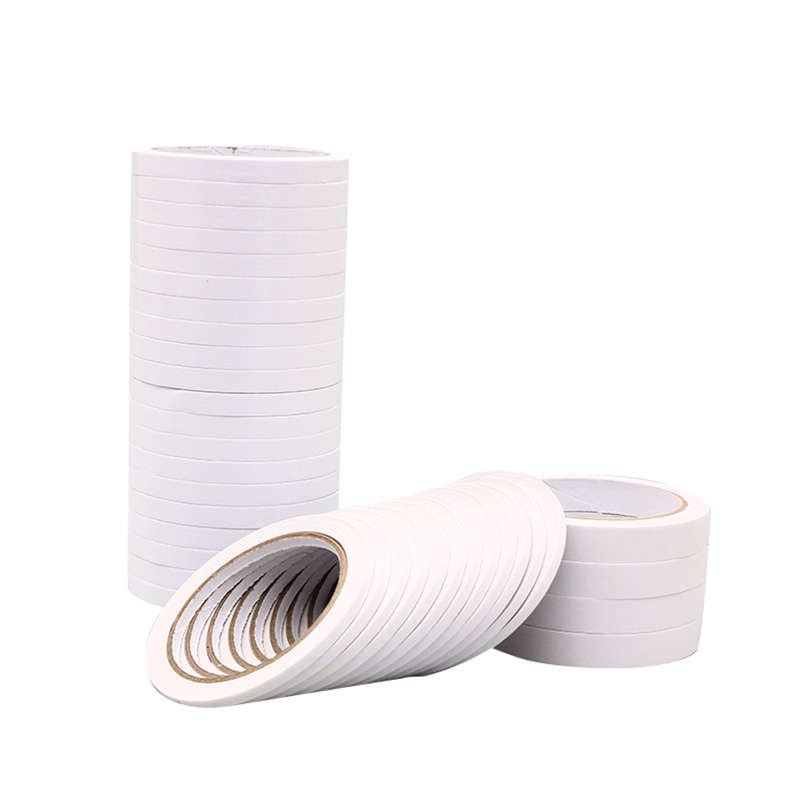 Double-Sided Tissue Paper Tape for Low-Profile BondingA thin tissue carrier makes this double-sided tape suited to nameplate bonding, home decor fixing, electronics assembly, and automotive accessory lamination.View Product →
How the Main Double Sided Tapes Compare
Carrier choice drives most of the practical differences between products that look identical on the shelf. The table below maps common constructions to the jobs they handle best.
| Tape type | Carrier | Typical thickness | Strongest use case | Main limitation |
|---|---|---|---|---|
| Tissue | Paper tissue | 0.06–0.12 mm | Nameplates, thin film, low-profile bonding | Almost no gap filling |
| PET or PE film | Polyester or PE film | 0.05–0.15 mm | Splicing, labels, smooth plastics | Rigid, does not conform |
| PE foam | PE foam | 0.5–1.0 mm | Signage, hooks, moderate gaps | Modest temperature resistance |
| EVA foam | EVA foam | 1.0–2.0 mm | Display work, craft, uneven surfaces | Softer core, lower shear strength |
| Acrylic foam | Closed-cell acrylic | 0.4–2.3 mm | Metal, glass, outdoor, structural | Needs firm pressure, higher cost |
| Gel or nano | PU gel | 1.0–2.0 mm | Temporary, washable, DIY | Creeps under sustained load |
Two practical notes. First, thickness tolerance matters more than nominal thickness in automated assembly: a die-cut part that must sit within 0.05 mm of a flush surface cannot use a 1.0 mm foam tape with a ±15% tolerance. Second, the carrier decides how the joint fails. Tissue tears and releases cleanly, foam stretches and absorbs movement, and film stays rigid, transferring stress straight into the adhesive layer.
For the material background, this explanation of what tape is usually made of covers how carriers, adhesives and release liners are combined.
Surface Energy Decides Whether Any Tape Sticks
Adhesives bond by wetting a surface. Below roughly 34 mN/m, most pressure-sensitive adhesives cannot wet the substrate well enough to form a durable bond, no matter how the tape is labelled.
- Glass: above 60 mN/m, one of the easiest surfaces to bond.
- Anodised aluminium: around 45 mN/m.
- Stainless steel, ABS and polycarbonate: roughly 38–42 mN/m.
- Rigid PVC: about 39 mN/m.
- Polyethylene and polypropylene: 29–31 mN/m, borderline without treatment.
- PTFE: near 18 mN/m, effectively unbondable without pretreatment.
Low surface energy is a fixable problem rather than a dead end. Wipe the part with a 50:50 isopropyl alcohol and water mix and let it flash off, because household glass cleaners often leave silicone behind and ruin adhesion. Scuff glossy moulded parts with an abrasive pad, and use a primer, flame treatment or plasma treatment for PE and PP. A high-tack acrylic foam can also bridge the gap, but only when the joint is loaded in shear.
Thickness and Gap: Where Foam Tapes Earn Their Price
Rigid materials move. Aluminium expands about 23 µm per metre per °C and rigid PVC roughly 60 µm, so a one-metre aluminium-to-PVC joint can shift close to 1 mm across a 25 °C day. A thin film tape cannot absorb that movement; it either peels at the edges or cracks the adhesive layer. A 1.0–2.0 mm closed-cell foam core deforms instead, which is why foam tapes dominate outdoor signage, vehicle trim and appliance assembly.
Two conditions decide whether the foam actually performs. The first is pressure: acrylic foam adhesives need roughly 15 psi of rolling pressure to wet out, then 24 hours at 21 °C to reach handling strength and up to 72 hours for full bond. The second is temperature range. Acrylic foam typically holds from -40 °C to 90 °C continuously, with short peaks above that, while rubber-based adhesives soften and creep once a joint passes about 60 °C.
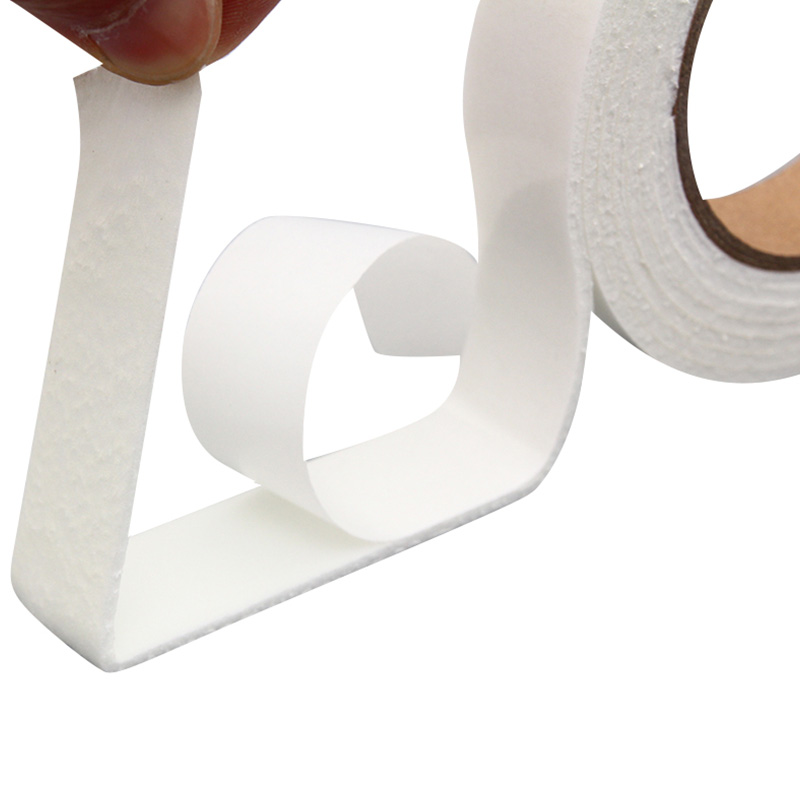 Double-Sided VHB Acrylic Foam Tape for Structural BondingAn acrylic foam core supports strong, durable bonds for automotive assembly, electronics sealing, appliances, and glass doors when loaded mainly in shear.View Product →
Load Direction and Safety Factors
A tape joint loaded in shear, with force running along the bond line, carries many times more weight than the same joint loaded in peel, where force pulls the tape away at 90 degrees. This is the most common design mistake: tape is used to hang something that pulls straight off the wall.
For sizing, a rough working rule for acrylic foam is about 0.45 kg of long-term shear load per square centimetre of bond area at room temperature on a clean, high-surface-energy substrate. Then apply a safety factor of at least four for overhead work, vibration or outdoor exposure. Where failure would injure someone or stop a production line, combine the tape with a mechanical fastener; the tape then seals the joint, damps vibration and holds the part in position during assembly.
What to Check on a Datasheet Before You Buy
Marketing pages rarely publish the numbers that matter. Ask a supplier for these six items:
- 180 degree peel adhesion on stainless steel, in N/25 mm, measured after a 72-hour dwell.
- Static shear holding power at 23 °C and 40 °C, with the test weight and bond area stated.
- Continuous and peak service temperature, plus the adhesive family: acrylic, rubber or hot melt.
- Total thickness with tolerance, and the carrier type.
- Liner type and release force, if the tape will be die-cut on automated equipment.
- Shelf life and storage conditions, usually 12 months at 20 °C and 50% relative humidity.
Buy a sample roll and test it on the real substrate under the real load before committing to a production order; a two-day test on five parts costs less than a recall. EVA foam tape, for instance, is often specified for display and craft work where a softer, thicker bond line matters more than maximum shear strength.
 Double-Sided EVA Foam Tape for Cushioning and Display WorkEVA foam supplies cushioning, shock absorption, sound and heat insulation for electronics, automotive, and display or craft bonds where a softer, thicker bond line helps.View Product →
Common Failures and Their Real Causes
- The tape lets go within a day. Almost always pressure and dwell time rather than adhesive quality. Roll it hard, then wait before loading the joint.
- The part slides sideways. The bond is being peeled instead of sheared, or the tape is too thin to fill the gap and contact area stays minimal.
- The bond fails on a hot afternoon. A rubber-based adhesive has softened above roughly 60 °C; switch to an acrylic system.
- A plastic part falls off a clean surface. PP, PE or PTFE components need a primer or surface treatment first.
- Water appears behind the tape. Open-cell foam or an unbonded edge lets moisture wick inwards. Use closed-cell foam and leave no gaps around the perimeter.
Sourcing Double Sided Tape in Volume
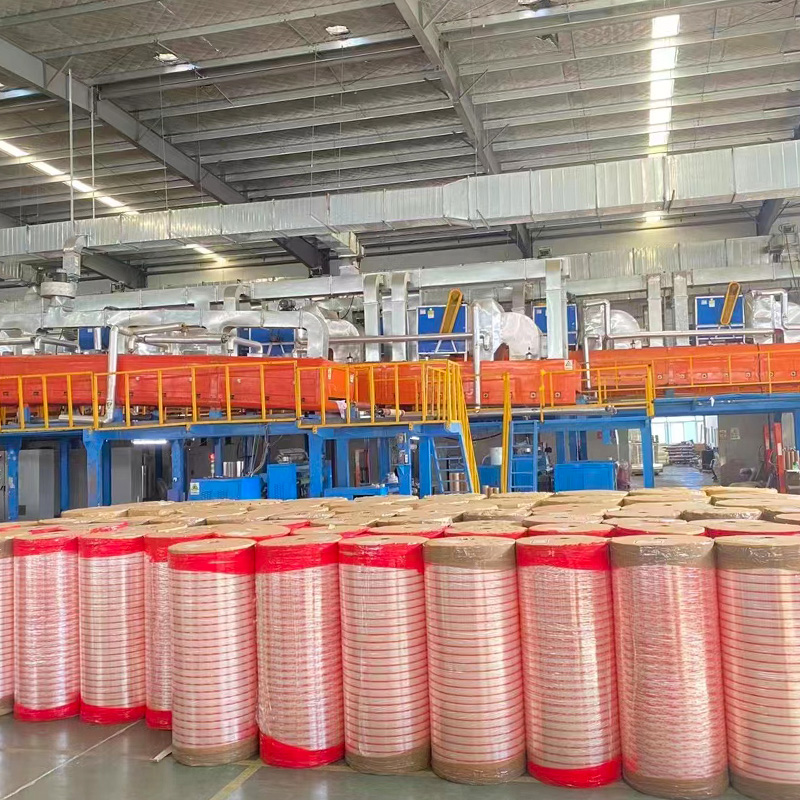
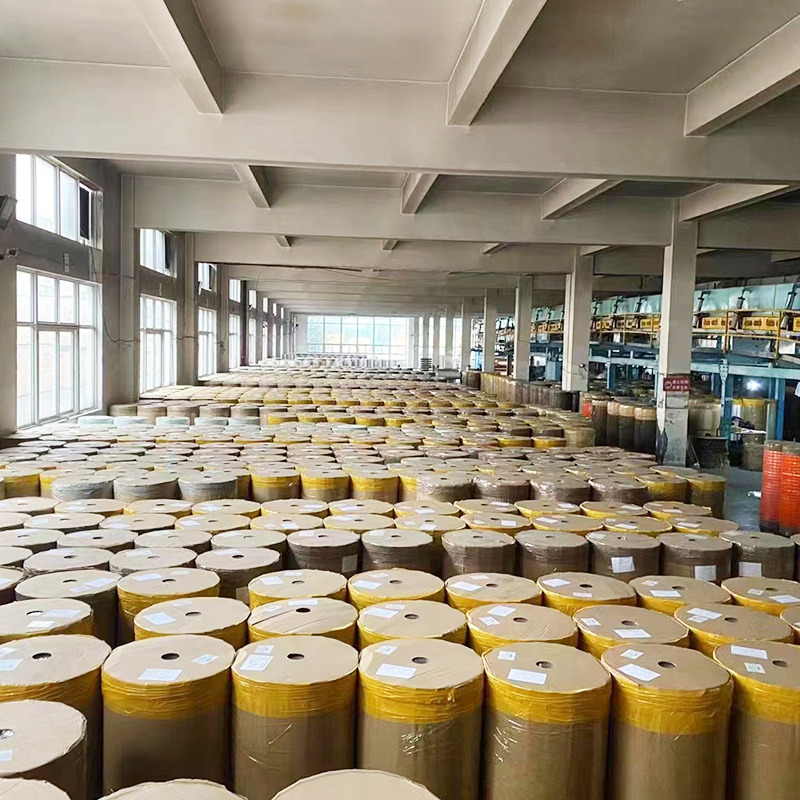
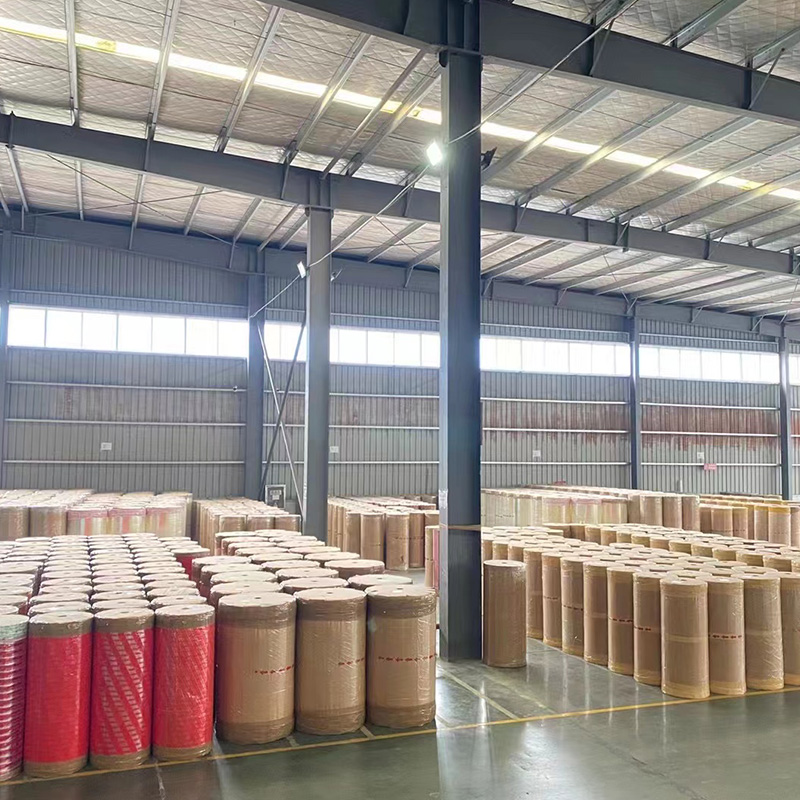
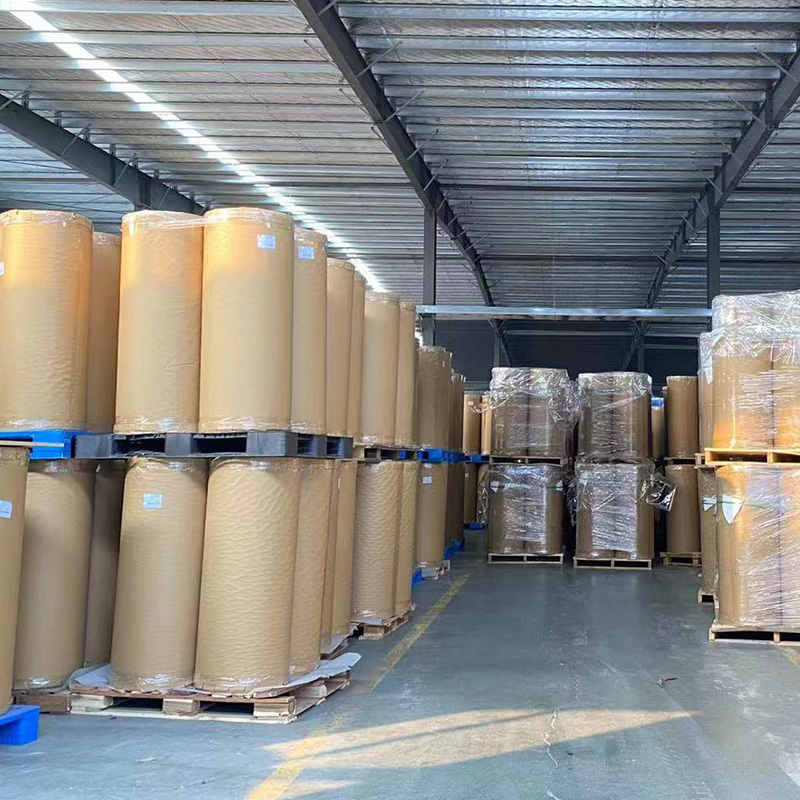
Specification is only half the job. The other half is whether a supplier can hold that specification across millions of metres. Zhejiang Baiyi Adhesive Products Co., Ltd. has been in the tape business since 2005 and exports from a plant in Shangyu, Zhejiang, about an hour from Ningbo port, with a Yiwu warehouse in place since 2008. Annual sales exceed USD 60 million, supported by four BOPP film lines, an in-house adhesive workshop, 16 coating lines and 12 slitting machines, so the film, the adhesive and the finished roll come from one quality chain instead of three unknown ones.
The company supplies finished double sided tapes as well as jumbo rolls for converters who slit their own widths, along with slitting, rewinding and packing machinery for tape plants. When you request a sample and specification sheet, include the substrates, load direction, service temperature, required thickness, roll or die-cut format and annual volume; that is enough to shortlist a construction instead of guessing.
Double sided tape works reliably when it is treated as a design decision rather than a stationery item. Match the carrier and thickness to the gap, check the surface energy of both parts, load the bond in shear, and verify the peel and shear values on a datasheet before the first production run. Do that, and the best tape for your job stops being a matter of opinion.

-
 +86-575-82818961
+86-15906537907 -
 fortuna@baiyiadhesive.com
-
 Baiguan industrialZone,Shangyu District, Shaoxing City, Zhejiang Province, China
About Us
To provide effective services to customers is
the direction of our work and work and the yardstick of value evaluation.
To achieve customers is to achieve ourselves.



Product Links
Contact Us
Copyright © Zhejiang Baiyi Adhesive Products Co., Ltd. All Rights
Reserved.
Wholesale Tape Manufacturer
Custom Tape Supplier
 浙ICP备17032394号